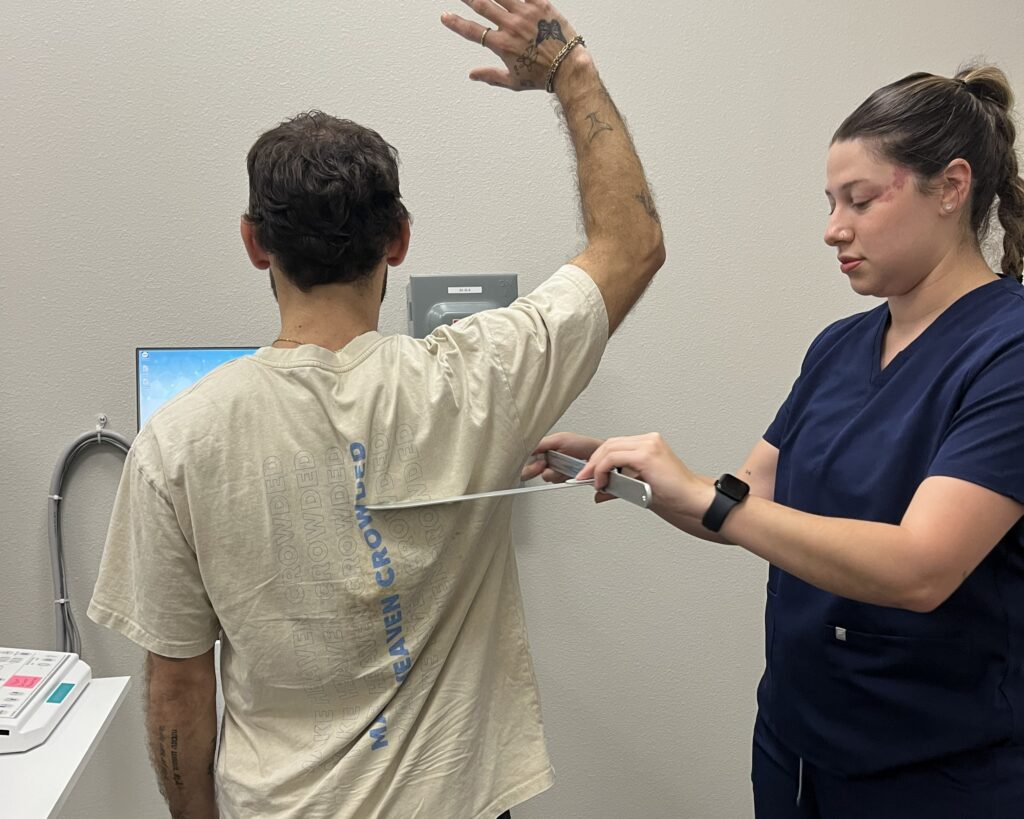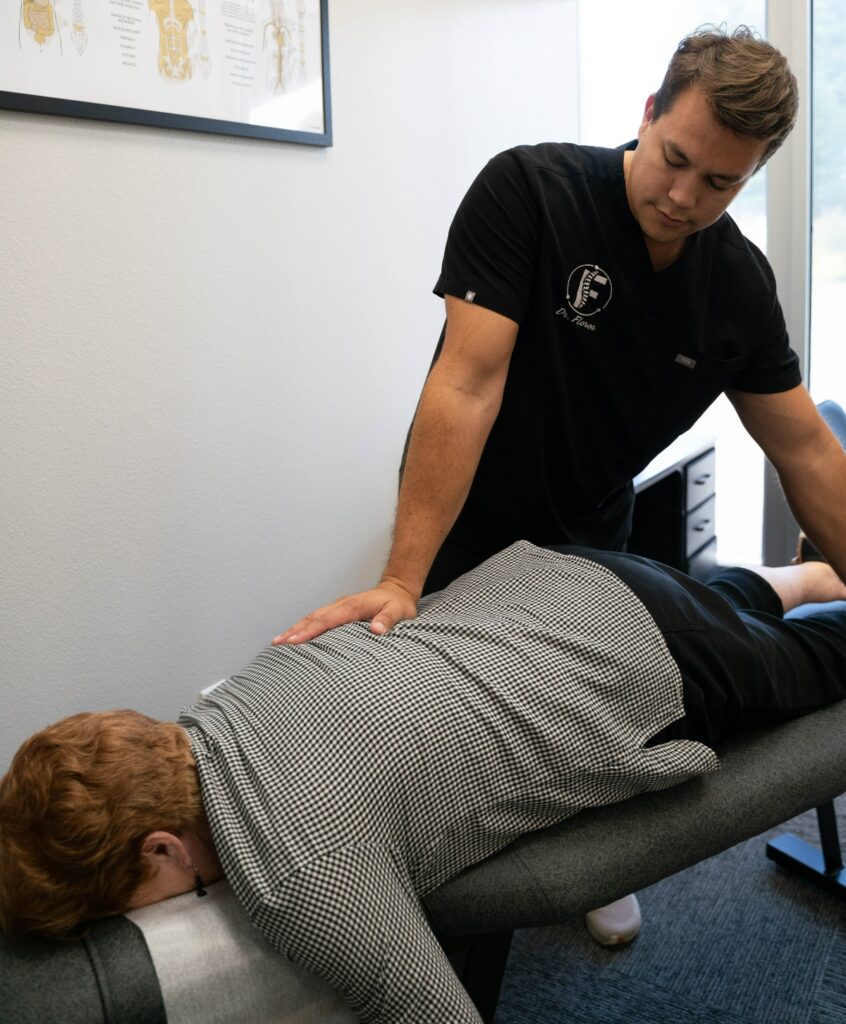

Have you ever wondered why proper alignment is so crucial when it comes to relieving headache pain? As a chiropractor, I’ve seen firsthand how misaligned vertebrae and poor posture can lead to tension and discomfort not just in your neck and shoulders, but throughout your entire body. This tension can significantly impact your overall well-being. Understanding how these factors are interconnected is essential for finding relief and achieving optimal health.
So, what happens in your body when alignment is off? Misalignment can lead to increased muscle tension, straining the nerves and blood vessels in your neck and head, which may result in headaches. By restoring proper alignment through chiropractic care, we can help alleviate this tension and promote natural healing.
Here are some tips for maintaining good alignment and reducing headache pain:
- Practice Good Posture: Be mindful of your posture while sitting, standing, and even sleeping. Make sure your head is aligned over your shoulders and your spine is straight.
- Stay Active: Regular physical activity can help keep your spine flexible and strong. Simple exercises like stretching, walking, or yoga can make a big difference.
- Ergonomic Workspaces: If you work at a desk, ensure your workspace is set up ergonomically. Your chair should support your lower back, and your computer screen should be at eye level.
- Stay Hydrated: Dehydration can contribute to headaches, so make sure to drink plenty of water throughout the day.
- Schedule Regular Chiropractic Adjustments: Regular visits to a chiropractor can help keep your spine aligned, relieve tension, and prevent headaches from returning.
By focusing on these tips and incorporating chiropractic care into your wellness routine, you can take proactive steps towards reducing headache pain and enhancing your overall health naturally. Remember, your body is designed to heal itself, and with the right support, you can achieve optimal wellness.
Key Takeaways
- When vertebrae are misaligned, it can lead to muscle strain and tension, which often results in headache pain.
- Maintaining good posture is essential; poor posture can put extra stress on your neck and shoulder muscles, increasing the frequency of headaches.
- If your jaw is misaligned, it can create tension in the surrounding muscles, contributing to discomfort and headaches.
- Chiropractic care is a fantastic solution for restoring alignment. By addressing misalignments, we can reduce muscle strain and improve blood flow, which can help alleviate headaches naturally.
- Proper alignment not only helps reduce headaches but also promotes overall well-being, making it less likely for tension-related headaches to occur.
Tips for Headache Relief:
- Practice Good Posture: Be mindful of your posture while sitting and standing. Keep your shoulders back and your head aligned with your spine.
- Stay Hydrated: Drink plenty of water throughout the day, as dehydration can contribute to headaches.
- Take Breaks: If you work at a desk, take regular breaks to stretch and move around. This can help release tension in your neck and shoulders.
- Relaxation Techniques: Consider incorporating relaxation techniques like deep breathing or gentle yoga to manage stress and promote muscle relaxation.
- Regular Chiropractic Visits: Make chiropractic care part of your wellness routine to help maintain proper alignment and prevent headaches before they start.
By embracing these practices along with regular chiropractic adjustments, you can take proactive steps towards a headache-free life.
The Anatomy of Headaches: Understanding the Pain
While headaches can be quite uncomfortable, understanding their anatomy can empower you to manage the pain more effectively. Headaches often arise from various sources, including tension in the muscles, irritation of nerves, and changes in blood flow. When you experience a headache, your brain processes pain signals from these affected areas, leading to sensations that can range from mild discomfort to intense pain.
Different types of headaches, like tension headaches, migraines, and cluster headaches, have unique characteristics and triggers. Tension headaches often stem from muscle tightness, which can be alleviated through chiropractic care that focuses on spinal alignment and muscle relaxation. Migraines may involve neurological factors, such as changes in brain chemicals, but addressing spinal health and overall wellness can play a crucial role in managing and reducing their frequency.
Recognizing the specific type of headache you’re experiencing is essential for effective management. Here are some general tips to help you cope with headaches naturally:
- Stay Hydrated: Dehydration can trigger headaches, so make sure you’re drinking plenty of water throughout the day.
- Practice Good Posture: Poor posture can lead to muscle tension in the neck and shoulders, contributing to tension headaches. Regular chiropractic adjustments can help improve your posture and reduce tension.
- Manage Stress: Stress is a common trigger for headaches. Incorporating relaxation techniques like deep breathing, yoga, or tai chi into your routine can help.
- Get Regular Chiropractic Care: Chiropractic adjustments can help keep your spine aligned, reduce muscle tension, and improve your overall well-being, which may lead to fewer headaches.
- Pay Attention to Triggers: Keep a headache diary to identify and avoid specific triggers, whether they’re certain foods, stressors, or environmental factors.
The Role of Posture in Headache Frequency
The Role of Posture in Headache Frequency
As a chiropractor, I want to emphasize how crucial good posture is for reducing the frequency and intensity of headaches. Poor posture can lead to muscle tension and strain, especially in the neck and shoulders. When you slouch or hunch over, these muscles can become tight and fatigued, which can trigger headaches and make them more severe.
If you find yourself spending long hours at a desk, it’s vital to prioritize proper alignment. Here are some tips to help you maintain good posture:
- Shoulders Back and Relaxed: Keep your shoulders relaxed and avoid hunching. This helps to reduce stress on the muscles around your neck.
- Head Over Spine: Ensure that your head is aligned with your spine. This alignment reduces strain and helps prevent discomfort.
- Take Regular Breaks: Set a timer to remind yourself to take breaks every hour. Stand up, stretch, and walk around a bit. This can alleviate muscle tension and significantly lower your chances of developing headaches.
- Mind Your Device Use: Whether you’re on your phone or computer, be sure to avoid tilting your head forward. This can strain your neck and lead to discomfort. Instead, bring your device to eye level to keep your spine in a neutral position.
By being proactive about your posture and incorporating these simple tips into your daily routine, you can greatly reduce headache occurrences and enhance your overall well-being.
Chiropractic care is an excellent choice for those seeking natural pain relief and improved spinal health. Regular adjustments can help realign your spine, reduce muscle tension, and promote better posture.
If you’re suffering from frequent headaches, consider visiting a chiropractor to explore how we can help you achieve optimal health and wellness—naturally!
How Misaligned Vertebrae Contribute to Discomfort
Misaligned vertebrae can significantly contribute to discomfort, particularly in the neck and upper back. When your spine isn’t in its proper alignment, it can lead to muscle strain, tension, and inflammation. This misalignment disrupts your body’s normal movement patterns, often forcing it to compensate in ways that can result in pain radiating through your shoulders and head.
If you’ve ever experienced headaches that seem to worsen after long hours of sitting or due to poor posture, you’re not alone. The tension in your neck can pull on the surrounding structures, increasing pressure on your nerves and triggering headaches as your body responds to the discomfort.
One of the most effective ways to address spinal misalignment and alleviate this discomfort is through chiropractic care. Chiropractors specialize in restoring proper alignment to the spine, which helps reduce muscle strain and promote better blood flow. This can be especially beneficial for relieving headaches that are linked to tension in the neck and upper back.
In addition to seeking chiropractic adjustments, there are also some simple tips you can incorporate into your daily routine to help maintain spinal alignment and promote overall wellness:
- Practice Good Posture: When sitting, keep your feet flat on the floor and your back straight. Use a chair that supports your lower back.
- Take Regular Breaks: If you’re working at a desk for extended periods, make it a habit to stand up, stretch, and move around every 30 minutes.
- Stay Active: Regular physical activity, including exercises that strengthen your core and back muscles, can help support proper spinal alignment.
- Mind Your Sleep Position: Choose a supportive pillow and sleep on your back or side to maintain the natural curve of your spine.
- Stay Hydrated: Drinking plenty of water helps keep your spinal discs hydrated and functioning properly.
By taking these steps and incorporating chiropractic care into your wellness routine, you can greatly improve your overall well-being and reduce discomfort.
The Impact of Jaw Alignment on Headaches
Your body’s alignment goes beyond just your spine; the alignment of your jaw is also crucial in understanding and managing headaches. When your jaw is out of alignment, it can create tension in the surrounding muscles and nerves, leading to discomfort and pain that often radiates to your head, resulting in headaches.
Here are some important factors to consider regarding jaw alignment and headaches, and how chiropractic care can help:
- TMJ Disorders: Problems with the temporomandibular joint (TMJ) can increase the frequency of headaches. Chiropractic adjustments can help realign the jaw joint, reducing tension and promoting better function.
- Muscle Strain: Misalignment can cause strain on your facial and neck muscles. Gentle chiropractic techniques can alleviate this strain, helping to relieve pain and restore balance.
- Bite Misalignment: An improper bite can place unnecessary stress on your jaw, leading to headaches. A chiropractor can assess your bite and jaw alignment to guide you towards a more balanced state.
- Teeth Grinding: Clenching or grinding your teeth often stems from jaw misalignment and can heighten your headache risk. Chiropractic care can help address the underlying misalignment, reducing the urge to grind your teeth.
- Posture: Poor posture can worsen jaw alignment issues and contribute to headache pain. Chiropractic adjustments can improve your overall posture, which may alleviate strain on your jaw and reduce headaches.
Understanding the connection between jaw alignment and headaches is essential for effective pain management. Here are some general tips for maintaining better jaw health and reducing headaches:
- Practice Good Posture: Pay attention to your posture throughout the day, especially while sitting at a desk or using your phone. Keeping your head aligned over your shoulders can help reduce jaw strain.
- Relaxation Techniques: Incorporate relaxation techniques such as deep breathing or gentle neck stretches to alleviate tension in your jaw and neck.
- Stay Hydrated: Drinking enough water can help prevent muscle cramps and tension, contributing to overall well-being.
- Regular Chiropractic Care: Regular visits to your chiropractor can help maintain proper alignment and reduce the risk of headaches stemming from jaw issues.
Strategies for Achieving Better Alignment and Relief
Achieving better alignment and relieving headache pain often requires a holistic approach that emphasizes awareness, healthy habits, and the benefits of chiropractic care. Start by being mindful of your posture throughout the day. Whether you’re sitting at a desk or standing, ensure your spine is aligned and your shoulders are relaxed. This simple adjustment can make a big difference in how you feel.
Incorporate regular stretching and strengthening exercises that focus on your neck, shoulders, and jaw. Activities like yoga or Pilates are fantastic for improving your overall alignment and flexibility. Remember, a well-aligned body is more resilient against discomfort, including headaches.
Consider investing in ergonomic furniture and tools that support your posture while you work or relax at home. These small changes can have a significant impact on your spinal health.
If headaches persist, seeking the guidance of a chiropractor can be incredibly beneficial. A chiropractor specializes in assessing your spinal alignment and can offer personalized treatment plans tailored to your needs. This may include specific exercises, gentle manual adjustments, and advice on maintaining good posture in your daily life.
Conclusion
In summary, maintaining proper alignment is crucial for alleviating headache pain. When your posture is off, it can lead to muscle tension and strain, which often results in discomfort. By being mindful of how you hold your body and addressing any misalignments, you can significantly reduce the frequency and intensity of headaches.
Regular chiropractic care is a powerful tool for improving your spinal health and overall well-being. Chiropractors are trained to identify and correct misalignments, helping to relieve pressure on nerves and muscles that contribute to pain. By prioritizing your alignment through chiropractic adjustments, you can experience natural relief without the need for medications or invasive procedures.
Here are some tips to help you maintain optimal alignment:
- Practice Good Posture: Whether sitting at a desk or standing, make sure to keep your shoulders back, head aligned with your spine, and feet flat on the ground.
- Take Breaks: If you’re sitting for long periods, take short breaks to stretch and move around. This can help alleviate tension in your neck and shoulders.
- Stay Hydrated: Proper hydration supports spinal health and keeps your muscles functioning optimally.
- Incorporate Stretching: Gentle neck and shoulder stretches can help relieve tightness and promote better alignment.
- Schedule Regular Chiropractic Visits: Regular adjustments can keep your spine in alignment and help prevent headaches from returning.
Take charge of your posture today, and you may find significant relief from those persistent headaches. Embrace chiropractic care as a natural path to a healthier, pain-free life!