
If you wake up every morning with a nagging ache in your arm, or if you notice discomfort creeping in throughout your workday, you’re not alone. Daily arm pain affects thousands of people across Texas, and here in Tyler, we see patients at Flores Chiropractic struggling with this frustrating condition all the time. Arm pain can make simple tasks feel impossible—whether you’re lifting groceries, typing at your computer, or even just reaching for something on a high shelf. The good news is that you don’t have to accept this as your new normal. Understanding where your arm pain comes from and how conservative, non-invasive care can help is the first step toward feeling like yourself again.
What exactly is daily arm pain? Daily arm pain refers to recurring or persistent discomfort, aching, tingling, numbness, or weakness anywhere from your shoulder down to your fingertips. It can result from nerve compression, muscle strain, joint dysfunction, or referred pain from your neck or upper back. Unlike occasional soreness after a tough workout, daily arm pain persists or returns regularly, interfering with your quality of life.
Table of Contents
- Understanding Arm Pain: More Than Just Your Arm
- Common Causes of Daily Arm Pain
- Signs and Symptoms You Shouldn’t Ignore
- How Chiropractic Treatment Can Make a Difference
- What to Expect During Your Chiropractic Visit
- Practical Tips to Support Your Arm Health
- When Should You See a Chiropractor for Arm Pain?
- Treatment Options Comparison
- Myths vs. Facts About Arm Pain and Chiropractic Care
- Final Thoughts from Flores Chiropractic
Understanding Arm Pain: More Than Just Your Arm
When most people experience arm pain, they naturally assume the problem is in the arm itself. Maybe they pulled a muscle or bumped their elbow. But here’s what surprises many patients: arm pain often originates somewhere else entirely. Your nervous system is incredibly interconnected, and nerves that control sensation and movement in your arms actually branch out from your cervical spine—the bones in your neck.
Think of your spine as the main circuit breaker box for your body. Nerves exit between each vertebra and travel down pathways to reach your shoulders, arms, elbows, wrists, and fingers. When something interferes with those nerves—whether it’s a misaligned vertebra, a herniated disc, or tight muscles putting pressure on nerve tissue—you can experience pain, tingling, numbness, or weakness anywhere along that pathway.
This phenomenon is called referred pain or radiculopathy. You might feel the symptoms in your arm, but the root cause could be in your neck or upper back. That’s why a comprehensive approach that examines your entire spine and nervous system is so important. At Flores Chiropractic in Tyler, we take the time to understand the whole picture before creating a care plan tailored to your specific needs.
Common Causes of Daily Arm Pain
Daily arm pain doesn’t just appear out of nowhere. Several underlying factors can contribute to persistent discomfort. Understanding these causes can help you identify what might be happening in your own body.
Cervical Spine Misalignment
When the vertebrae in your neck shift out of their proper alignment—something chiropractors call subluxation—they can put pressure on nearby nerves. This nerve compression can send pain signals down your arm. Poor posture, whiplash injuries, sleeping in awkward positions, and repetitive strain can all contribute to cervical misalignment.
Herniated or Bulging Discs
The discs between your vertebrae act as cushions. When a disc herniates or bulges, it can press against nerve roots that travel into your arm. This often causes not just pain, but also tingling, numbness, or a pins-and-needles sensation that radiates down specific pathways depending on which nerve is affected.
Thoracic Outlet Syndrome
This condition occurs when nerves or blood vessels are compressed in the space between your collarbone and first rib. It’s common in people who perform repetitive overhead motions or who have poor posture. Symptoms typically include arm pain, numbness, and weakness, especially when raising your arms.
Shoulder Joint Dysfunction
Your shoulder is one of the most mobile joints in your body, which also makes it vulnerable to dysfunction. Rotator cuff issues, frozen shoulder, and shoulder impingement can all cause pain that travels down your arm. Sometimes shoulder problems develop because of compensation patterns related to spinal misalignment.
Repetitive Strain and Overuse
If you spend hours typing, using tools, or performing the same motions over and over, you’re putting repetitive stress on the muscles, tendons, and joints in your arms. Over time, this can lead to inflammation, muscle tension, and chronic discomfort. Office workers, construction professionals, and athletes are especially susceptible.
Carpal Tunnel Syndrome
While this condition primarily affects the wrist and hand, many people experience arm pain as part of the broader picture. Carpal tunnel syndrome involves compression of the median nerve as it travels through your wrist, but the symptoms can radiate upward.
Trigger Points and Muscle Tension
Tight muscles in your neck, shoulders, and upper back can develop trigger points—small, hyperirritable spots that refer pain to other areas. These trigger points can mimic nerve pain and cause daily discomfort that seems to come from your arm.
Signs and Symptoms You Shouldn’t Ignore
Arm pain can manifest in many different ways. Some people describe a dull, constant ache. Others experience sharp, shooting pains or electric-like sensations. Recognizing the full range of symptoms can help you communicate more effectively with your chiropractor and get to the root of the problem faster.
Pain That Radiates
If your pain starts in your neck or shoulder and travels down your arm, this is a classic sign of nerve involvement. The pain might follow a specific pathway—down the outside of your arm, along the inside, or into specific fingers. Each nerve root corresponds to different areas, so the pattern matters.
Tingling or Numbness
That “pins and needles” feeling or areas of numbness indicate nerve compression or irritation. You might notice this sensation when you turn your head, raise your arm, or hold certain positions. Some patients describe it as their arm “falling asleep” frequently.
Weakness and Grip Issues
Nerve compression doesn’t just cause pain—it can also affect motor function. You might find it harder to grip objects, carry bags, or perform tasks that require strength. Dropping things unexpectedly can be both frustrating and concerning.
Morning Stiffness
Many people with daily arm pain notice that their symptoms are worst first thing in the morning. This often happens because you’ve been in one position for hours while sleeping, which can increase inflammation and stiffness in affected joints and muscles.
Pain That Worsens With Activity
Certain movements or activities might make your arm pain worse. Reaching overhead, twisting your arm, or maintaining the same position for extended periods can all trigger increased discomfort. Paying attention to these patterns helps identify the underlying cause.
Limited Range of Motion
You might notice that you can’t move your arm as freely as you used to. Raising your arm, reaching behind your back, or rotating your shoulder might feel restricted or painful. This limitation often indicates joint dysfunction or muscle guarding.
How Chiropractic Treatment Can Make a Difference
Now let’s talk about how chiropractic care fits into the picture. At Flores Chiropractic, we approach arm pain with a focus on finding and addressing the underlying cause rather than just masking symptoms. Chiropractic treatment is non-invasive, drug-free, and designed to support your body’s natural healing abilities.
Spinal Adjustments to Relieve Nerve Pressure
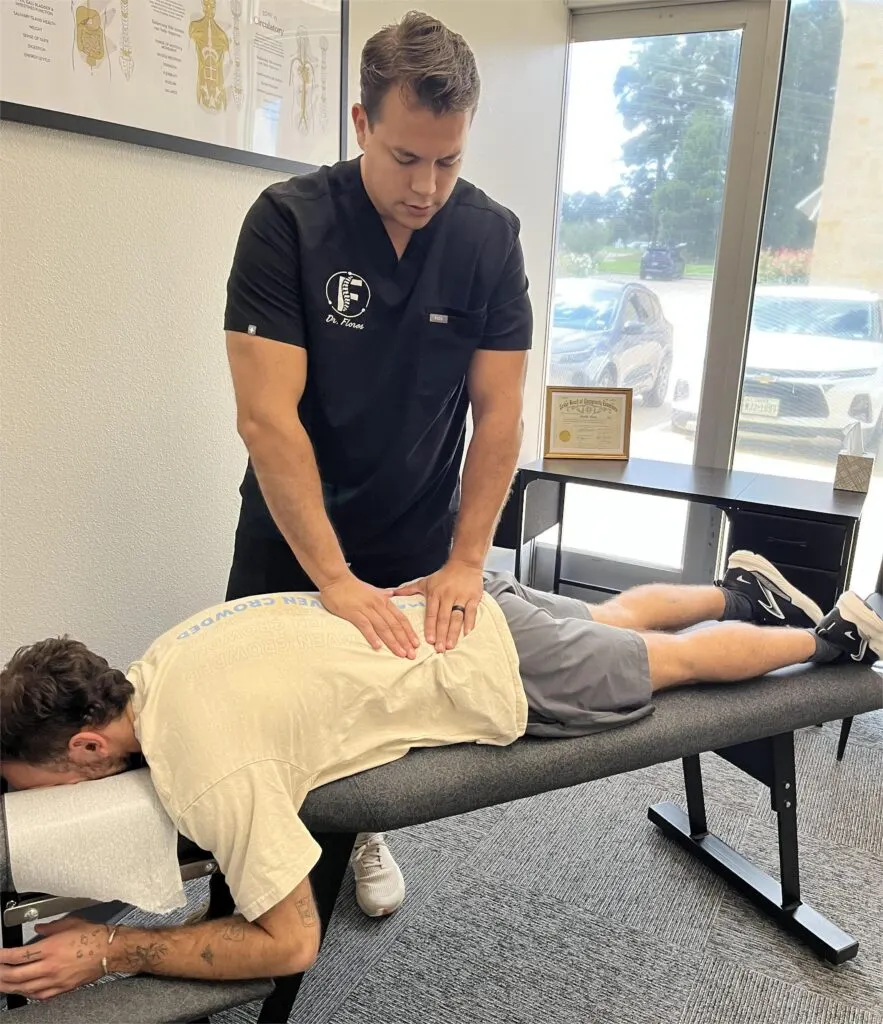
If your arm pain stems from cervical spine misalignment or nerve compression, gentle spinal adjustments can help restore proper alignment and reduce pressure on affected nerves. When vertebrae are properly positioned, nerve signals can flow more freely, which often leads to reduced pain and improved function. Research suggests that spinal manipulation can be effective for certain types of neck and arm pain, particularly when nerve involvement is present.
Extremity Adjustments
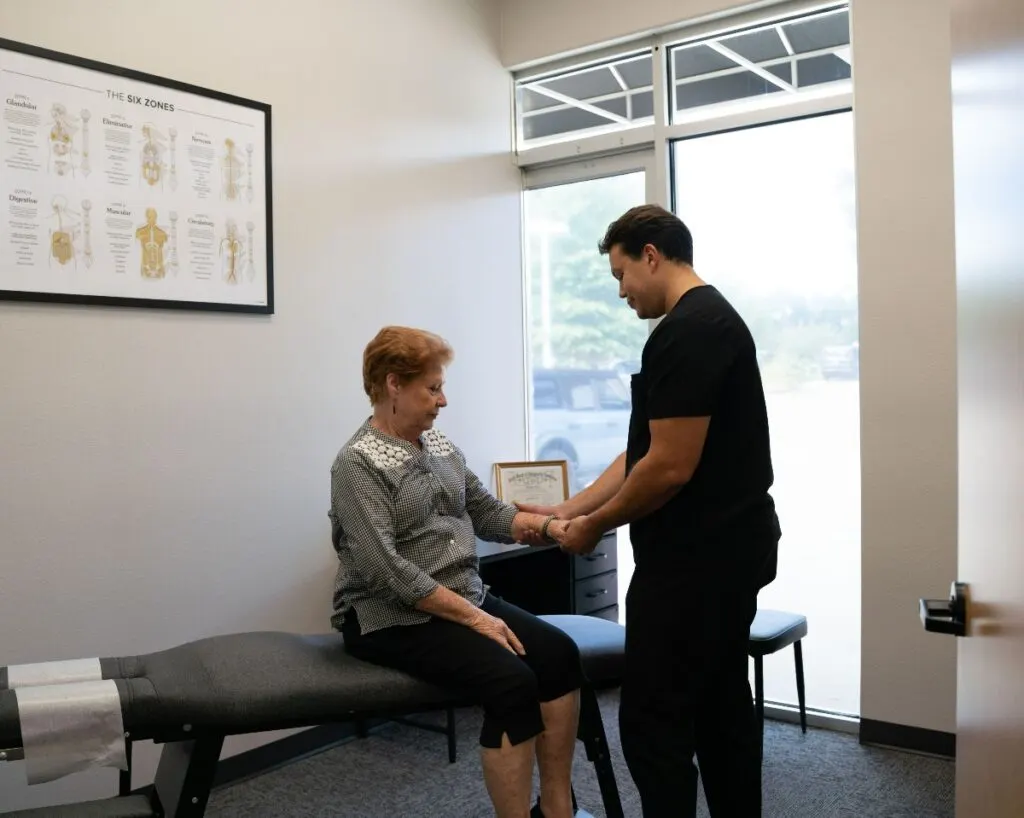
Chiropractors don’t just work on the spine. We also adjust joints in your shoulders, elbows, wrists, and hands when dysfunction is present. If your shoulder joint isn’t moving properly, for example, it can contribute to compensatory patterns that cause pain down your arm. Restoring normal joint mechanics throughout the upper extremity can make a significant difference.
Soft Tissue Therapy
Tight muscles and trigger points often accompany arm pain. At Flores Chiropractic in Tyler, we incorporate soft tissue techniques to release tension, improve circulation, and reduce inflammation. This might include manual therapy, myofascial release, or specific stretching protocols designed to address the muscles and connective tissue contributing to your discomfort.
Postural Correction and Education
Poor posture is one of the most common contributors to daily arm pain, especially for people who work at desks or use computers extensively. Forward head posture and rounded shoulders put extra strain on your cervical spine and can compress nerves. We provide practical guidance on improving your posture throughout the day, which supports long-term relief.
Individualized Exercise and Rehabilitation
Strengthening weak muscles and improving flexibility are essential parts of comprehensive care. We often recommend specific exercises and stretches that target the muscles supporting your neck, shoulders, and arms. These exercises are designed to be realistic and easy to incorporate into your daily routine.
Ergonomic and Lifestyle Recommendations
Small changes to your work setup, sleep position, or daily habits can have a big impact on arm pain. We help you identify factors in your environment that might be contributing to your symptoms and provide practical solutions you can implement right away.
What to Expect During Your Chiropractic Visit
If you’ve never seen a chiropractor for arm pain before, you might be wondering what your first visit will be like. At Flores Chiropractic, we believe in taking the time to understand your unique situation before we recommend any treatment.
Your initial appointment will begin with a thorough consultation and health history. We’ll ask about when your arm pain started, what makes it better or worse, and whether you’ve experienced any injuries or changes in your routine. This conversation helps us understand the context of your symptoms.
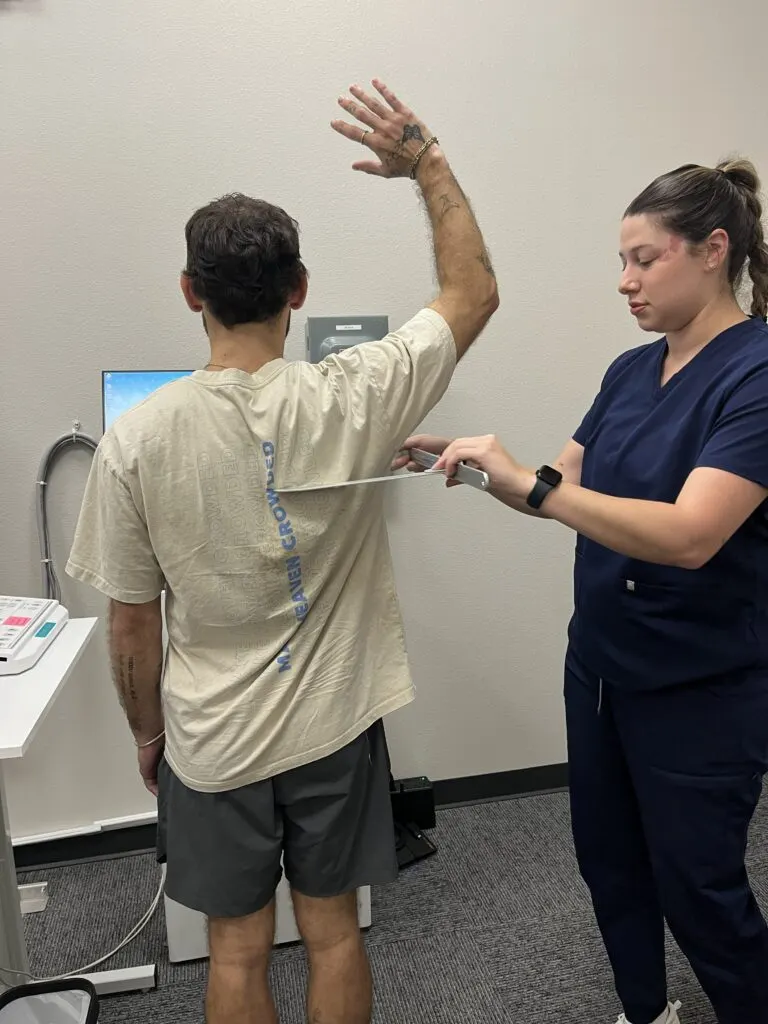
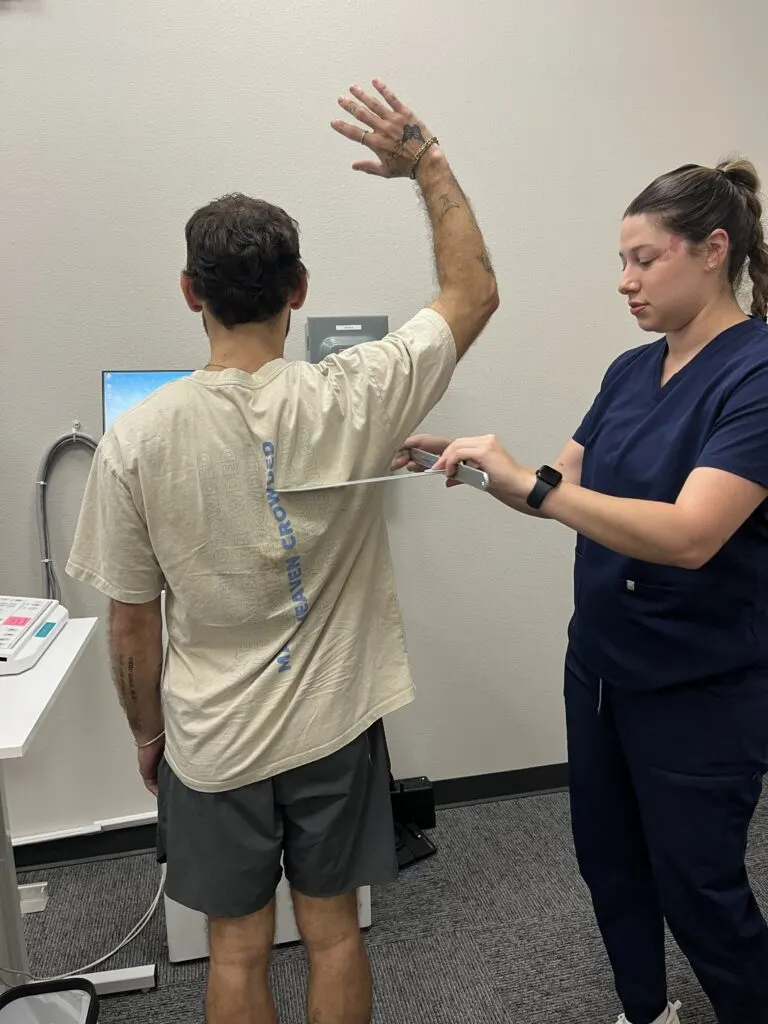
Next comes a comprehensive examination. We’ll assess your posture, spinal alignment, and range of motion in your neck, shoulders, and arms. We’ll also perform orthopedic and neurological tests to identify which structures might be involved. These tests are designed to pinpoint the source of your pain and rule out any serious conditions that might require referral to another provider.
Based on what we find, we’ll discuss our findings with you in clear, understandable terms. We’ll explain what we think is causing your arm pain and outline a personalized care plan. This plan might include spinal adjustments, soft tissue therapy, therapeutic exercises, and lifestyle modifications. Everything we recommend is tailored to your specific needs and goals.
Chiropractic care is not a one-size-fits-all approach. Some patients experience relief after just a few visits, while others with more chronic or complex issues may need ongoing care. We’ll keep you informed every step of the way and adjust your treatment plan as you progress.
Practical Tips to Support Your Arm Health
While professional chiropractic care can address the underlying causes of your arm pain, there’s a lot you can do at home to support your recovery and prevent future problems. Here are some practical, evidence-based tips you can start implementing today.
Optimize Your Workspace Ergonomics
If you work at a computer, your setup matters more than you might think. Your monitor should be at eye level so you’re not constantly looking down. Your keyboard and mouse should be positioned so your elbows are at about a 90-degree angle and your wrists are in a neutral position. Your chair should support your lower back and allow your feet to rest flat on the floor. These adjustments reduce strain on your neck and shoulders, which can help prevent arm pain.
Take Regular Movement Breaks
Staying in one position for hours at a time is hard on your body. Set a timer to remind yourself to stand up, stretch, and move around every 30 to 45 minutes. Even brief movement breaks can reduce muscle tension and improve circulation. Simple shoulder rolls, neck stretches, and arm circles can make a difference.
Pay Attention to Your Sleep Position
The way you sleep can either support or sabotage your arm health. Avoid sleeping with your arm tucked under your pillow or your head propped at an awkward angle. Side sleepers should use a pillow that keeps their head and neck aligned with their spine. If you sleep on your back, a supportive pillow that doesn’t push your head too far forward is ideal. Sleeping on your stomach is generally the worst position for neck and arm pain.
Stay Active With Low-Impact Exercise
Regular physical activity keeps your muscles strong, your joints mobile, and your nervous system healthy. Walking, swimming, and gentle yoga are all excellent options. Focus on activities that promote good posture and balanced muscle development rather than exercises that involve heavy overhead lifting or repetitive strain.
Practice Proper Lifting Techniques
Whether you’re lifting a box, a child, or a bag of groceries, technique matters. Keep the load close to your body, bend at your knees and hips rather than your back, and avoid twisting while holding something heavy. When reaching for objects on high shelves, use a step stool instead of straining your shoulder and arm.
Manage Stress and Muscle Tension
Emotional stress often manifests as physical tension, especially in your neck and shoulders. This tension can contribute to arm pain over time. Practices like deep breathing, meditation, gentle stretching, and adequate sleep can all help manage stress and reduce muscle tension. Even something as simple as taking a few deep breaths during a busy workday can help.
Stay Hydrated
Proper hydration supports every system in your body, including your muscles, joints, and nervous system. Dehydration can contribute to muscle cramps, stiffness, and increased inflammation. Aim to drink water consistently throughout the day.
When Should You See a Chiropractor for Arm Pain?
Many people wait weeks or even months before seeking help for arm pain, hoping it will just go away on its own. While some minor aches do resolve with rest, daily or persistent arm pain deserves professional attention. Here are some guidelines to help you decide when it’s time to schedule an appointment with Flores Chiropractic in Tyler, TX.
Pain That Lasts More Than a Few Days
If your arm pain has been present for more than a week and isn’t improving with rest and basic self-care, it’s time to get it checked out. Early intervention often leads to faster recovery and prevents the problem from becoming chronic.
Pain That Interferes With Daily Activities
When arm pain starts affecting your ability to work, sleep, exercise, or take care of yourself, don’t wait. If you’re avoiding certain movements or activities because of pain, that’s a sign that something needs to be addressed.
Numbness, Tingling, or Weakness
These neurological symptoms suggest nerve involvement and shouldn’t be ignored. The sooner nerve compression is addressed, the better the outcome tends to be. Prolonged nerve compression can lead to more serious problems if left untreated.
Pain Following an Injury
If your arm pain started after a fall, car accident, sports injury, or any other trauma, have it evaluated. Even if the pain seems minor at first, underlying issues might not be immediately apparent.
Pain That’s Getting Progressively Worse
If your symptoms are gradually intensifying rather than improving, that’s a clear signal to seek professional care. Progressive worsening suggests an underlying problem that needs attention.
When to Seek Immediate Medical Attention
While chiropractic care is excellent for many types of arm pain, certain symptoms require urgent medical evaluation. Seek emergency care if you experience sudden, severe arm pain accompanied by chest pain, shortness of breath, or sweating (possible heart attack). Also seek immediate help if you have sudden weakness or inability to move your arm, signs of infection like fever and redness, or arm pain following a serious injury with visible deformity.
At Flores Chiropractic, we’re committed to making sure you get the right care at the right time. If we determine that your condition requires medical attention beyond our scope, we’ll refer you to the appropriate specialist.
Treatment Options Comparison
| Treatment Approach | How It Works | Best For | Considerations |
|---|---|---|---|
| Chiropractic Care | Spinal and extremity adjustments, soft tissue therapy, postural correction, and rehabilitation exercises to address root causes | Nerve-related arm pain, spinal misalignment, joint dysfunction, repetitive strain | Non-invasive, drug-free, addresses underlying causes rather than just symptoms |
| Pain Medication | Over-the-counter or prescription medications that reduce pain signals and inflammation | Short-term symptom relief, acute flare-ups | Does not address underlying cause; potential side effects with long-term use |
| Physical Therapy | Guided exercises, stretching, and rehabilitation to improve strength and mobility | Post-surgical recovery, injury rehabilitation, chronic weakness | Often works well alongside chiropractic care; requires consistent participation |
| Massage Therapy | Manual manipulation of soft tissues to reduce tension and improve circulation | Muscle tension, stress-related pain, trigger points | Provides temporary relief; most effective when combined with corrective care |
| Surgery | Surgical intervention to repair damaged structures or relieve compression | Severe cases unresponsive to conservative care, structural damage | Invasive; typically considered after conservative options have been exhausted |
Myths vs. Facts About Arm Pain and Chiropractic Care
There’s a lot of misinformation out there about arm pain and what chiropractors can and can’t do. Let’s clear up some common myths with evidence-based facts.
Myth: Arm Pain Always Means There’s Something Wrong With Your Arm
Fact: Many cases of arm pain actually originate from problems in your neck or upper back. Because nerves travel from your spine down into your arms, compression or irritation at the nerve root can cause pain, tingling, or numbness anywhere along that nerve pathway. That’s why a comprehensive evaluation of your spine is so important when dealing with arm pain.
Myth: Chiropractic Adjustments Are Dangerous and Can Make Things Worse
Fact: When performed by a licensed, trained chiropractor, spinal adjustments are extremely safe. Research indicates that serious complications are rare, and chiropractic care is recognized by major health organizations as a conservative, effective treatment for musculoskeletal conditions. At Flores Chiropractic, we carefully evaluate each patient to ensure that adjustments are appropriate and safe for their specific condition.
Myth: You Need X-Rays or MRIs Before You Can Be Treated
Fact: While imaging can be helpful in certain cases, it’s not always necessary. Many cases of arm pain can be accurately diagnosed through clinical examination, patient history, and orthopedic testing. We order imaging when it will change or inform our treatment approach, but not routinely for every patient.
Myth: Once You Start Chiropractic Care, You Have to Keep Going Forever
Fact: Treatment plans are individualized based on your specific condition and goals. Some patients achieve their goals in just a few visits, while others choose to continue with periodic maintenance care to support their overall wellness. You’re always in control of your care decisions, and we’ll work with you to create a plan that makes sense for your situation.
Myth: If Rest Doesn’t Fix It, Nothing Will Help Except Surgery or Medication
Fact: Conservative care approaches like chiropractic treatment, physical therapy, and lifestyle modifications can be highly effective for many types of arm pain. Evidence indicates that non-surgical interventions should be tried first for most musculoskeletal conditions. Surgery is typically reserved for cases that don’t respond to conservative care or involve severe structural problems.
Final Thoughts from Flores Chiropractic
Living with daily arm pain can be exhausting and discouraging, but it doesn’t have to be your reality. Here in Tyler, we understand how much this kind of persistent discomfort can affect your work, your hobbies, and your overall quality of life. The good news is that many cases of arm pain respond well to conservative, non-invasive chiropractic care that addresses the root cause rather than just covering up symptoms.
At Flores Chiropractic, we’re committed to providing personalized, evidence-based care that helps you feel better and function better. We take the time to listen to your concerns, thoroughly evaluate your condition, and create a treatment plan designed specifically for you. Whether your arm pain stems from spinal misalignment, nerve compression, repetitive strain, or another issue, we’re here to help you understand what’s happening and what you can do about it.
You don’t have to accept arm pain as just part of getting older or something you have to live with. With the right approach, many patients experience significant improvement and get back to doing the things they love. If you’re dealing with daily arm pain and you’re ready to explore a natural, drug-free solution, we’d be honored to help you on your journey to better health.
If you’re in Tyler, Texas, or the surrounding areas, we invite you to reach out to our office and schedule a consultation. Let’s work together to find out what’s causing your arm pain and create a plan to help you feel like yourself again. You deserve to live without daily discomfort, and we’re here to help make that happen.
Frequently Asked Questions
Can a chiropractor help with arm pain that radiates from my neck?
Yes, this is actually one of the most common types of arm pain we treat. When nerve roots in your cervical spine are compressed or irritated, pain can radiate down your arm following specific nerve pathways. Gentle spinal adjustments can help restore proper alignment and reduce pressure on those nerves, often leading to significant relief.
How long does it take to see improvement in arm pain with chiropractic care?
The timeline varies depending on the underlying cause, how long you’ve had the pain, and your overall health. Some patients notice improvement after just a few visits, while others with chronic or more complex issues may need several weeks of care. We’ll discuss realistic expectations based on your specific situation during your initial consultation.
Will I need X-rays for my arm pain?
Not necessarily. We base the need for imaging on your individual case. If your examination reveals signs of structural problems, previous trauma, or certain risk factors, X-rays or other imaging might be recommended. However, many cases of arm pain can be effectively diagnosed and treated without imaging.
Is chiropractic treatment safe if I have arthritis or other existing conditions?
Chiropractic care can often be adapted to accommodate existing health conditions. We modify our techniques based on your individual needs and health status. During your consultation, we’ll discuss your complete health history to ensure that the care we provide is safe and appropriate for you.
Can poor posture really cause arm pain?
Absolutely. Forward head posture and rounded shoulders put extra strain on your cervical spine and can lead to nerve compression, muscle tension, and joint dysfunction—all of which can cause arm pain. Addressing postural issues is often a key component of successful treatment for recurring arm pain.
What’s the difference between arm pain from a pinched nerve and arm pain from a muscle problem?
Nerve-related arm pain typically includes symptoms like tingling, numbness, burning sensations, or pain that follows a specific pathway down your arm. Muscle-related pain tends to be more localized, achy, and associated with specific movements or positions. A thorough examination can help determine which structures are involved in your case.
TL;DR: Key Takeaways
- Daily arm pain often originates from nerve compression, spinal misalignment, or joint dysfunction in the neck and upper back, not just problems in the arm itself.
- Chiropractic care offers a non-invasive, drug-free approach that addresses the root causes of arm pain through spinal adjustments, soft tissue therapy, postural correction, and individualized exercises.
- Common causes include cervical spine misalignment, herniated discs, thoracic outlet syndrome, repetitive strain, and shoulder dysfunction—all of which can be addressed with conservative chiropractic treatment.
- You should seek professional care if your arm pain lasts more than a week, interferes with daily activities, includes numbness or weakness, or is getting progressively worse.
- Simple lifestyle changes like improving your workspace ergonomics, taking regular movement breaks, optimizing your sleep position, and managing stress can support your recovery and prevent future arm pain.