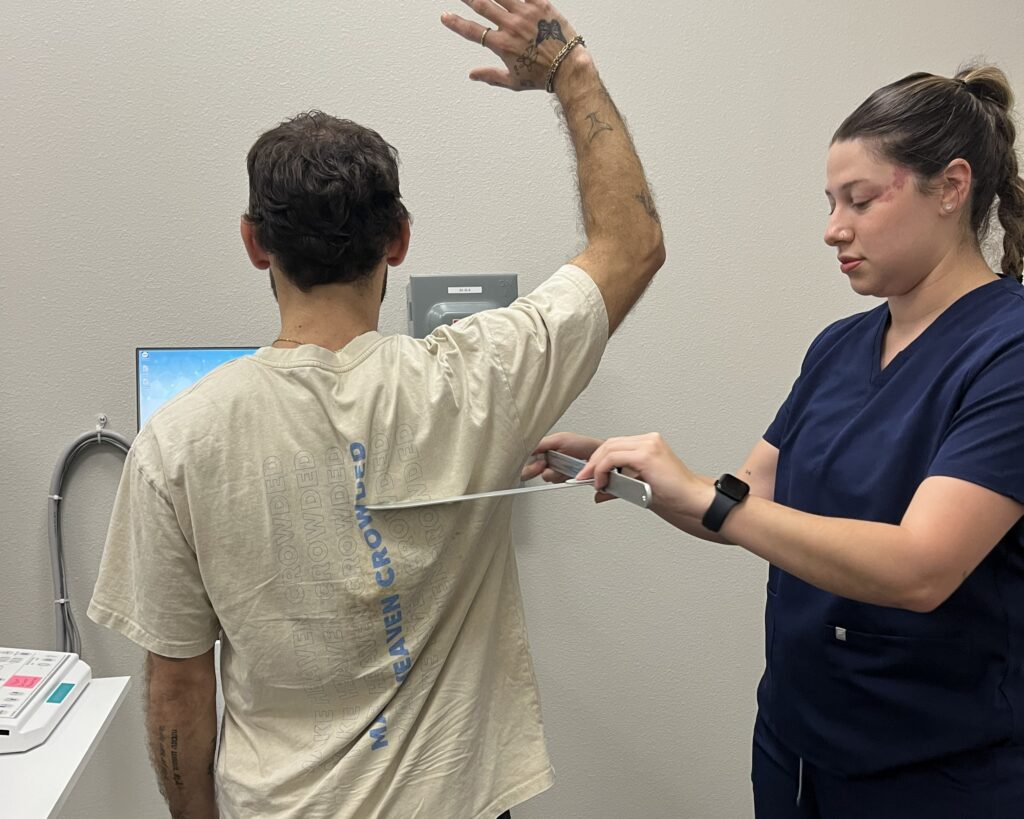

Did you know that your spinal alignment might be a crucial factor in your battle against headaches? Many people overlook this connection, but misalignments in the spine can lead to nerve compression and muscle tension, resulting in headaches that are both frequent and intense. Poor posture exacerbates the problem, placing additional strain on your neck and back.
As a local chiropractor, I want to emphasize the importance of maintaining good spinal health not only for headache relief but for overall wellness. Here are some simple tips to help you improve your spinal alignment and potentially alleviate those persistent headaches:
- Maintain Good Posture: Be mindful of your posture throughout the day, especially when sitting at a desk or looking at your phone. Keep your shoulders back and your head aligned over your spine.
- Stay Active: Regular physical activity strengthens the muscles that support your spine. Incorporate exercises that promote flexibility and strength, such as yoga or Pilates.
- Ergonomic Workspace: If you spend long hours at a desk, ensure your workspace is ergonomic. Use a chair that supports your lower back and a desk that allows your computer screen to be at eye level.
- Regular Chiropractic Care: Visiting a chiropractor can help assess your spinal alignment and provide adjustments that relieve tension and improve function. Regular adjustments can prevent misalignments from occurring in the first place.
- Hydration and Nutrition: Staying hydrated and eating a balanced diet can support overall health and well-being, including muscle function and recovery.
- Stress Management: Practice relaxation techniques such as deep breathing, meditation, or gentle stretches to reduce stress that can contribute to muscle tension and headaches.
By taking these steps and prioritizing your spinal health, you may find significant relief from headaches and improve your overall quality of life. Remember, chiropractic care is a natural and effective way to achieve optimal health without the need for medications or surgeries. If you’re struggling with headaches, consider making an appointment with a chiropractor to explore how spinal adjustments can help you feel better.
Key Takeaways
Spinal alignment plays a crucial role in our overall health, particularly when it comes to headaches. When the spine is misaligned, it can compress nerves and disrupt blood flow to the brain, leading to various types of headaches.
One common culprit is tension headaches, which often arise from muscle tension caused by poor posture. By maintaining good posture and spinal alignment, you can help reduce the frequency and intensity of these headaches. Simple adjustments, like sitting up straight, supporting your lower back while sitting, and taking breaks to stretch throughout the day, can make a significant difference.
Certain headaches, such as cervicogenic headaches, are directly linked to issues in the cervical spine. This means that if your neck is out of alignment, it can lead to pain that radiates to your head. Regular chiropractic care can help identify and correct these misalignments, providing you with natural relief from headache symptoms.
Incorporating chiropractic care into your wellness routine is a powerful way to promote optimal health. A chiropractor can work with you to align your spine, alleviate headache pain, and support your overall well-being without the need for medications or invasive procedures.
Remember, taking proactive steps toward good spinal health can lead to a healthier, headache-free life. Make chiropractic care a part of your wellness journey and enjoy the benefits of natural healing!
Understanding Spinal Alignment
When considering your overall health, it’s crucial to recognize the vital role that spinal alignment plays. Your spine is more than just a support structure; it’s essential for how your body functions. When your spine is properly aligned, your nervous system operates efficiently, allowing signals from your brain to flow freely. This means your body can communicate effectively, which is essential for overall health.
Misalignment can lead to tension and discomfort, impacting your daily life in ways you mightn’t even realize. Factors like poor posture, sitting for long periods, or even past injuries can contribute to these issues. To maintain good alignment, it’s important to incorporate regular exercise, stretching, and ergonomic practices into your daily routine.
Chiropractic care is an excellent way to correct misalignments and improve your posture. By visiting a chiropractor, you can receive personalized adjustments that help realign your spine, alleviate pain, and promote a sense of well-being. Investing in your spinal health through chiropractic care is a natural approach to enhancing your overall wellness.
Here are some simple tips to help you maintain good spinal alignment:
- Practice Good Posture: Whether sitting or standing, be mindful of your posture. Keep your shoulders back and your head aligned over your spine.
- Stay Active: Regular physical activity strengthens your back muscles and supports spinal health. Aim for activities like walking, swimming, or yoga.
- Take Breaks: If you sit for long periods, take regular breaks to stand up, stretch, and move around. This helps prevent stiffness and misalignment.
- Use Ergonomic Furniture: Invest in a good chair that supports your lower back and promotes good posture at your workstation.
- Consider Chiropractic Visits: Regular check-ups with your chiropractor can help maintain proper alignment and prevent issues before they arise.
The Connection Between Spine and Headaches
The Connection Between Your Spine and Headaches
Did you know that spinal misalignment can play a significant role in triggering headaches? Many people experience frustration and fatigue due to this issue. When your spine is not properly aligned, it can put pressure on nerves and disrupt blood flow, which may lead to different types of headaches. By addressing these misalignments through chiropractic care, you can potentially ease headache symptoms and enhance your overall wellness.
Here’s a straightforward overview of how spinal alignment can impact headaches:
| Aspect | Effect on Headaches |
|---|---|
| Nerve Compression | Heightens pain signals |
| Blood Flow | Lowers oxygen supply |
| Muscle Tension | Triggers stress headaches |
| Posture | Influences overall alignment |
Understanding this connection empowers you to take proactive steps toward improving your spinal health, which may help decrease the frequency and intensity of your headaches. Regular visits to your chiropractor can help keep your spine aligned and support your body’s natural healing processes.
Tips for Supporting Your Spinal Health:
- Stay Active: Engage in regular physical activity to strengthen your muscles and improve posture.
- Mind Your Posture: Be conscious of your posture, especially when sitting for long periods; make sure your workspace is ergonomically friendly.
- Hydrate: Drink plenty of water to keep your body hydrated, which supports overall health.
- Stretch Regularly: Incorporate gentle stretches into your daily routine to relieve muscle tension and promote flexibility.
- Consult Your Chiropractor: Regular adjustments can keep your spine aligned and help prevent headaches before they start.
Types of Headaches Linked to Spinal Issues
Headaches can often be linked to underlying spinal issues, which is why it’s important to understand the various types that can stem from misalignments in your spine. One common type is tension headaches. These occur when the muscles in your neck and upper back tighten due to poor spinal alignment. You might notice a dull, aching sensation around your forehead or temples. By addressing spinal alignment through chiropractic care, you can help relieve this tension and reduce the frequency of these headaches.
Another type of headache to be aware of is cervicogenic headaches. These headaches originate from the cervical spine and often cause pain that radiates from the neck up to the head. If you’re experiencing this type of pain, it could be a sign of an issue with your upper cervical vertebrae. Chiropractic adjustments can help restore proper alignment, alleviating the pain and discomfort associated with these headaches.
Lastly, migraines can also be influenced by spinal alignment. Misalignments in your spine may act as triggers for these intense headaches, which can be accompanied by symptoms like nausea and light sensitivity. Chiropractic care focuses on correcting those misalignments, potentially reducing the frequency and severity of migraines.
Incorporating chiropractic adjustments into your wellness routine can be a natural and effective way to tackle headaches at their source. Additionally, consider practicing good posture, staying hydrated, and managing stress through relaxation techniques.
These simple lifestyle changes, combined with regular chiropractic care, can lead to improved spinal health and overall well-being. Remember, consulting a chiropractor can be an important step toward achieving optimal health and finding relief from headaches naturally.
How Poor Posture Impacts Spinal Health
Your posture plays a crucial role in maintaining the natural curvature of your spine, and when it falters, your spine’s health can take a hit. Poor posture can lead to increased muscle tension, which often manifests as headaches. Recognizing this connection is essential for making informed choices about your spinal well-being.
As a chiropractor, I want to emphasize that maintaining good posture is one of the simplest ways to support your spine. Here are a few tips to help you improve your posture and, in turn, enhance your overall health:
- Be Mindful of Your Sitting Position: When sitting, keep your back straight, shoulders relaxed, and feet flat on the floor. If you work at a desk, consider using a chair that supports your lower back.
- Take Frequent Breaks: If you find yourself sitting for long periods, set a timer to remind you to stand up, stretch, and move around. This can help prevent stiffness and muscle tension.
- Strengthen Your Core: Engaging in exercises that strengthen your abdominal and back muscles can provide better support for your spine. Simple activities like planks and gentle yoga can be very beneficial.
- Be Cautious with Your Phone: Many of us spend hours looking down at our phones. Try to hold your device at eye level to avoid straining your neck and back.
- Regular Chiropractic Care: Visiting a chiropractor can help you address posture-related issues and maintain spinal health. Chiropractic adjustments can relieve tension, improve alignment, and enhance your overall well-being.
By incorporating these simple tips into your daily routine and considering chiropractic care, you’re taking proactive steps toward a healthier spine and a more vibrant life.
Posture and Spinal Curvature
When you find yourself slouching or hunching over your devices, it can have serious consequences for your spinal health. Poor posture can lead to misalignments in your spine, affecting not just your back but also your overall well-being. It’s crucial to understand how your posture influences spinal curvature so that you can take steps to maintain good health.
Here’s a simple breakdown of how different postures affect your spine:
| Posture Type | Impact on Spine | Long-term Effects |
|---|---|---|
| Upright | Supports natural curvature | Reduces strain and discomfort |
| Slouched | Flattens lumbar curve | Increases back pain and tension |
| Hunched | Displaces cervical alignment | May lead to nerve issues and headaches |
| Balanced | Maintains ideal alignment | Enhances overall health and vitality |
As a chiropractor, I often see the effects of poor posture in my patients. Fortunately, you can take charge of your spinal health and overall wellness with some simple tips:
- Sit Up Straight: Make a conscious effort to sit upright, keeping your shoulders back and your spine aligned. This helps to maintain the natural curves of your spine.
- Take Breaks: If you’re working on a computer or using your phone for long periods, take regular breaks to stretch and change your position. This can alleviate tension and prevent stiffness.
- Strengthen Your Core: Engaging in exercises that strengthen your core muscles can provide better support for your spine, contributing to better posture.
- Adjust Your Workspace: Ensure your workspace is ergonomically friendly. Your chair should support your lower back, and your screen should be at eye level to avoid hunching.
- Consider Chiropractic Care: Regular chiropractic adjustments can help correct misalignments and promote optimal spinal health. A chiropractor can guide you on maintaining good posture and provide personalized care to alleviate any discomfort you may be experiencing.
Muscle Tension and Headaches
Poor posture can have a significant impact on not just your spine, but also on your overall health and wellness. It often leads to increased muscle tension, which is a common trigger for headaches. When you slouch or sit for extended periods, the muscles in your neck and shoulders can become tight and fatigued. This tension can pull on the spine and irritate nearby nerves, leading to those pesky headaches.
If you’ve noticed that your headaches are becoming more frequent, it might be time to take a closer look at your posture. Improving your posture is a key step toward relieving muscle strain and reducing the frequency of headaches. Simple adjustments, like sitting up straight with your shoulders back and taking regular breaks to stretch, can make a world of difference.
As a chiropractor, I encourage you to prioritize spinal alignment, as it not only enhances your comfort but also encourages your body’s natural ability to heal itself.
Here are some tips to help you maintain better posture and alleviate tension:
- Sit Smart: Keep your feet flat on the floor and your knees at a right angle. Use a chair that supports your lower back.
- Stand Tall: When standing, keep your weight balanced on both feet and avoid locking your knees. Your ears should be aligned over your shoulders.
- Stretch It Out: Take breaks every 30 minutes to stretch your neck and shoulders. Simple stretches can help release built-up tension.
- Stay Active: Incorporate regular physical activity into your routine. Exercise strengthens muscles and promotes better posture.
- Chiropractic Care: Regular visits to your chiropractor can help ensure that your spine is properly aligned, relieving tension and keeping headaches at bay.
By focusing on these tips and prioritizing chiropractic care, you can take control of your posture and enjoy a more comfortable, headache-free life.
The Biomechanics of Spinal Alignment
Spinal alignment may seem like a small detail, but it’s crucial for your overall health and well-being. When your spine is properly aligned, it allows your body to move freely and reduces stress on your muscles and joints. This optimal alignment helps distribute weight evenly, which can significantly lower your risk of injury and discomfort.
On the flip side, when your spine is misaligned, it can lead to compensatory movements that put extra strain on your muscles and joints. This can result in pain and even headaches. For example, a tilted pelvis can throw off your posture, leading to tension in your neck and shoulders.
One of the most important benefits of good spinal alignment is its support for your nervous system. A properly aligned spine enhances communication between your brain and body, which is essential for maintaining balance, coordination, and overall health. Paying attention to your spinal alignment can greatly influence how you feel, especially when it comes to preventing headaches.
As a chiropractor, I encourage you to prioritize your spinal health. Here are some simple tips you can incorporate into your daily routine:
- Practice Good Posture: Whether you’re sitting at a desk or standing, make an effort to keep your spine straight and shoulders back. This can help prevent misalignment.
- Stay Active: Regular exercise strengthens the muscles that support your spine. Activities like walking, swimming, or yoga can be particularly beneficial.
- Stretch Regularly: Incorporate gentle stretches into your day to help keep your muscles flexible and relieve tension.
- Invest in a Good Mattress: A supportive mattress can make a world of difference for your spinal alignment while you sleep.
- Visit Your Chiropractor: Regular chiropractic adjustments can help maintain your spinal alignment and keep your body functioning at its best.
Chiropractic Care and Headache Relief
Chiropractic care is an effective and natural way to relieve headaches, particularly those caused by spinal misalignment. By targeting the root of the issue, you can experience significant relief and enhance your overall quality of life.
When you visit me as your chiropractor, here’s what you can expect:
- Gentle adjustments that help realign your spine, easing tension in your muscles and nerves.
- Targeted therapies such as massage or heat that promote relaxation and improve blood flow, further alleviating headache symptoms.
- Personalized treatment plans designed specifically for your needs, ensuring you receive the most effective care possible.
- Guidance on posture and ergonomics, empowering you to maintain proper alignment during your daily activities and reducing the risk of future headaches.
- Holistic wellness support that takes into account your overall health, including tips for managing stress and enhancing your lifestyle.
With regular chiropractic care, many patients notice that their headaches become less frequent and less severe, allowing them to enjoy life without the constant burden of pain.
Remember, addressing any spinal misalignment is crucial for achieving lasting relief.
As a takeaway, here are some simple tips you can incorporate into your daily routine to help manage and prevent headaches:
- Maintain good posture while sitting and standing to reduce strain on your neck and spine.
- Take breaks from screens frequently to avoid tension headaches; try the 20-20-20 rule (every 20 minutes, look at something 20 feet away for 20 seconds).
- Stay hydrated; dehydration can trigger headaches, so drink plenty of water throughout the day.
- Practice relaxation techniques such as deep breathing or gentle yoga to help manage stress levels.
Exercises to Improve Spinal Alignment
To enhance your spinal alignment, incorporating specific exercises into your daily routine can make a world of difference. As a local chiropractor, I believe that focusing on natural healing methods is key to achieving optimal health. Here are some simple yet effective exercises that can help improve your spinal alignment and overall well-being.
Start with gentle stretches like the cat-cow pose. This easy movement helps mobilize your spine and increases flexibility, making it a great way to start your day.
Next, try wall angels. Stand with your back against a wall and slide your arms up and down while keeping your elbows and wrists in contact with the wall. This exercise strengthens your upper back and encourages good posture, which is essential for spinal health.
Planks are another fantastic exercise that engages your core muscles and supports your spine. Aim to hold a plank for 20-30 seconds, and as you build strength, gradually increase the duration. A strong core helps stabilize your spine and reduces the risk of misalignment.
Don’t forget to include hip flexor stretches in your routine as well. These stretches help relieve tension in your lower back, which can contribute to misalignment issues.
Remember, consistency is key when it comes to these exercises. Incorporating them into your daily routine can lead to significant improvements in your spinal alignment, which may also help reduce the frequency and intensity of headaches.
By prioritizing your spinal health through natural methods like these exercises, you’re taking a proactive step toward a healthier, more vibrant life. Your body will thank you for it!
For a comprehensive approach to your spinal health, consider regular chiropractic care. It complements these exercises beautifully, helping to ensure that your spine stays aligned and functioning optimally.
Ergonomic Solutions for Better Posture
To enhance your posture and alleviate headaches, it’s vital to set up your workspace in a way that supports your spine. An ergonomically designed environment can have a profound impact on your overall health and well-being.
Choosing the right chair that provides proper lumbar support, along with adjusting your monitor to eye level, can help prevent strain on your neck and back.
Here are some simple tips to create a more comfortable and supportive workspace:
- Chair Selection: Opt for a chair that encourages good posture. Look for one with adjustable height and lumbar support to keep your spine in a natural position.
- Monitor Position: Your computer screen should be at eye level, allowing you to look straight ahead rather than craning your neck. This reduces tension and discomfort in your back and neck.
- Frequent Breaks: Take short breaks every hour to stand up, stretch, and move around. This helps keep your spine flexible and reduces the risk of stiffness.
- Foot Position: Keep your feet flat on the floor or on a footrest. This gives proper support to your lower back and enhances blood circulation.
- Mindful Movement: When sitting for long periods, practice mindful movements and stretches to keep your muscles engaged and your spine aligned.
Remember, chiropractic care is an excellent way to support your spinal health and improve your overall well-being.
Regular adjustments can help maintain proper alignment, reduce pain, and promote a healthy lifestyle.
Importance of Desk Setup
A well-organized desk setup is crucial for maintaining proper spinal alignment and preventing discomfort such as headaches. By creating an ergonomic workspace, you not only promote better posture but also reduce strain on your neck and back, which can lead to pain relief through natural means.
Here are some essential tips to consider for your desk setup:
- Monitor at Eye Level: Ensure your screen is at or slightly below eye level. This helps you avoid tilting your head, which can lead to neck strain. Keeping your monitor at the right height is a simple way to support your spine.
- Keyboard Placement: Position your keyboard so your elbows form a 90-degree angle. This allows your shoulders to stay relaxed and reduces tension in your upper body. A comfortable keyboard height is vital for preventing repetitive strain injuries.
- Mouse Proximity: Place your mouse right next to the keyboard. This makes it easy to reach without overextending your arm. Keeping these tools close together minimizes strain on your shoulders and wrists.
- Adequate Lighting: Use soft, focused lighting to lessen glare on your screen. Good lighting not only helps with eye strain but also contributes to your overall comfort and productivity.
- Cable Management: Organize your cables to reduce clutter and distractions. A tidy workspace helps maintain focus and can create a more calming environment, which is beneficial for your mental well-being.
By following these simple guidelines, you can create a workspace that supports your spinal health and overall wellness.
Chair Selection Tips
Choosing the right chair is crucial for maintaining good posture and spinal alignment, which can significantly impact your overall health and well-being. As a chiropractor, I encourage you to select a chair that provides adequate support for your lower back, promoting a natural curve in your spine.
It’s essential that the chair has an adjustable height, allowing your feet to rest flat on the floor with your knees bent at a 90-degree angle. This position helps to alleviate pressure on your spine and supports healthy circulation.
If possible, choose a chair with armrests to help reduce tension in your shoulders and neck, areas that are commonly affected by poor seating choices.
Adding a seat cushion can enhance comfort, but be cautious not to choose one that tilts your pelvis forward excessively, as this can lead to discomfort and strain on your back. Opt for breathable materials to help keep you cool, especially during long hours of sitting.
Before making a purchase, it’s wise to test the chair to ensure it feels comfortable and supportive. Remember, a well-chosen chair can contribute to a healthier workspace, which is vital for preventing headaches and discomfort often linked to poor posture.
While making ergonomic adjustments in your workspace is important, incorporating regular chiropractic care can further enhance your spinal health and overall wellness.
Chiropractic adjustments can help correct misalignments, relieve pain, and promote optimal function of your nervous system. By combining the right chair with chiropractic care, you’re taking proactive steps towards a healthier, pain-free life.
Monitor Height Guidelines
Setting your monitor at the right height is crucial for maintaining good posture and promoting a healthy spine, which in turn helps reduce the risk of headaches and discomfort.
When your monitor is positioned correctly, it supports your body’s natural alignment and minimizes strain. Here are some simple guidelines to help you:
- Eye Level: Make sure your eyes are aligned with the top of the screen. This keeps your neck in a neutral position and helps prevent strain.
- Distance: Position your monitor about an arm’s length away. This distance is comfortable for your eyes and encourages a relaxed posture.
- Tilt: Angle the screen slightly back to minimize glare. This can help reduce eye strain, allowing your body to stay relaxed while you work.
- Height: If your monitor is too low, consider using a stand or stacking some books to raise it to the right level. This adjustment can help keep your spine aligned and reduce discomfort over time.
- Breaks: Remember to take regular breaks! Stand up, stretch, and shift your focus. This simple practice helps relax your muscles and supports spinal health.
Incorporating these tips into your daily routine can significantly improve your overall wellness.
As a chiropractor, I encourage you to focus on maintaining a healthy posture and listen to your body’s signals. Chiropractic care can be a key part of your journey to optimal health, helping to alleviate pain and promote natural healing.
Prioritize your well-being, and let’s work together towards a healthier, pain-free life!
Lifestyle Changes for Spinal Health
While many might overlook it, making simple lifestyle changes can greatly enhance your spinal health and overall well-being. As a chiropractor, I want to share how you can support your spine naturally and effectively without the need for medications or surgeries.
First and foremost, let’s talk about posture. Good posture is essential whether you’re sitting at a desk or standing. Keeping your spine aligned helps prevent unnecessary strain and discomfort. Consider investing in an ergonomic chair that offers proper support for your lower back.
Remember to take regular breaks to stretch and move around; this simple habit can do wonders for your spinal health.
Incorporating regular exercise into your routine is another key element. Activities like yoga, swimming, or even brisk walking can help strengthen your core muscles, which in turn support your spine. These exercises not only promote spinal health but can also enhance your overall physical fitness.
Paying attention to your sleep is also crucial. A supportive mattress and pillow can make a significant difference in how you feel when you wake up. Aim for a sleeping position that maintains the natural curve of your spine.
Staying hydrated and eating a balanced diet rich in calcium and vitamin D are essential for bone health. These nutrients play a vital role in keeping your spine strong and healthy, so try to include foods like leafy greens, dairy, and fish in your meals.
Lastly, managing stress is important for maintaining proper spinal alignment. Stress can lead to tension in your body, which can negatively impact your posture. Techniques like mindfulness, meditation, or simply taking a few moments to breathe deeply can help alleviate this tension.
By making these lifestyle adjustments, you can promote a healthier spine and reduce discomfort naturally.
When to Seek Professional Help
If you’re dealing with persistent headaches that last longer than usual, it’s important to consider reaching out for professional help, particularly from a chiropractor.
Headaches can often be linked to spinal misalignments or tension in the neck and back, which chiropractic care can effectively address. Pay attention to any accompanying symptoms, such as dizziness or changes in vision, as these can indicate a need for a thorough evaluation.
Don’t underestimate the impact that headaches can have on your daily life. Seeking chiropractic care early can help you find relief and improve your overall well-being. Chiropractors focus on natural healing methods that aim to restore balance and function to your body.
Here are some general tips you can incorporate into your daily routine to help manage headaches:
- Stay Hydrated: Dehydration can trigger headaches, so ensure you’re drinking plenty of water throughout the day.
- Practice Good Posture: Poor posture can lead to tension in your neck and back, contributing to headaches. Be mindful of your posture while sitting or using electronic devices.
- Manage Stress: Incorporate relaxation techniques such as deep breathing, yoga, or meditation to help reduce stress levels, which can often lead to tension headaches.
- Regular Chiropractic Visits: Consistent chiropractic adjustments can help keep your spine aligned and reduce the frequency and intensity of headaches.
Prioritizing your spinal health through chiropractic care can be a powerful way to achieve optimal health and wellness, so don’t hesitate to explore this natural approach to headache relief.
Persistent Headache Duration
When you experience persistent headaches, it’s crucial to listen to your body. These headaches can signal underlying issues that may benefit from attention and care. As a chiropractor, I believe in the power of natural healing and the body’s ability to restore itself with the right approach.
Here are some indicators that it might be time to consider chiropractic care for your headaches:
- A dull ache that lingers for several days
- Sharp, stabbing pain that interrupts your daily activities
- A constant pressure that feels like a tight band around your head
- Frequent headaches that disrupt your sleep patterns
- Increased intensity with everyday stressors or typical headache triggers
Chiropractic care focuses on the health of your spine and nervous system, which can play a significant role in how your body manages pain. By aligning your spine, we can improve your overall health and potentially reduce headache frequency and intensity.
In addition to seeking chiropractic adjustments, here are some general tips to help you manage headaches naturally:
- Stay Hydrated: Dehydration can trigger headaches. Make sure you’re drinking enough water throughout the day.
- Maintain Good Posture: Poor posture can lead to tension in your neck and shoulders, contributing to headaches. Be mindful of your posture, especially if you sit at a desk for long periods.
- Practice Relaxation Techniques: Stress is a common headache trigger. Techniques like deep breathing, yoga, or meditation can help relax your mind and body.
- Regular Exercise: Physical activity promotes better blood flow and can reduce tension. Find an activity you enjoy and make it a part of your routine.
- Get Adequate Sleep: Aim for a consistent sleep schedule to help regulate your body’s internal clock, which can reduce headache occurrences.
If your headaches match any of these descriptions, don’t hesitate to reach out for a consultation. Early chiropractic intervention can offer you relief and help you lead a more fulfilling life without the burden of chronic pain.
Accompanying Symptoms Present
Headaches can often come with a range of accompanying symptoms that indicate it’s time to seek professional help. If you find yourself experiencing any of the following along with your headache, it’s important to consult a healthcare provider, and consider chiropractic care as a natural option for relief.
| Symptom | Description | Recommended Action |
|---|---|---|
| Nausea/Vomiting | Feeling sick or experiencing vomiting | Reach out for chiropractic care |
| Vision Changes | Blurred or double vision | Schedule a consultation with a chiropractor |
| Weakness/Numbness | Loss of strength or sensation | Seek immediate chiropractic support |
Recognizing these accompanying symptoms is essential for your well-being. Chiropractic care can help address the root causes of headaches and their related symptoms without the need for medications or invasive procedures.
In addition to seeking chiropractic treatment, here are some general tips to promote better health and wellness:
- Stay Hydrated: Dehydration can contribute to headaches, so make sure you’re drinking plenty of water throughout the day.
- Practice Good Posture: Maintaining proper posture can reduce strain on your spine and neck, which may help alleviate headache pain.
- Regular Exercise: Engaging in regular physical activity can improve overall wellness and reduce tension in your muscles.
- Stress Management: Techniques such as deep breathing, meditation, or yoga can help manage stress, which is a common headache trigger.
Impact on Daily Life
Chronic headaches can significantly impact your daily life, affecting everything from your work performance to your social interactions. You may struggle to focus in meetings or miss out on enjoyable moments with friends.
It’s crucial to recognize when it’s time to seek help. If you experience any of the following:
- Persistent pain that doesn’t improve with simple home remedies
- Frequent headaches that disrupt your daily activities
- Accompanying symptoms such as nausea or changes in vision
- A sudden increase in headache intensity or frequency
- Pain that disturbs your sleep at night
These could be signs that it’s time to consult a healthcare professional. As a chiropractor, I believe addressing the root causes of headaches, often related to spinal alignment, can be transformative.
By restoring balance to your spine, chiropractic care can alleviate pain and enhance your overall quality of life.
Here are some general tips you can incorporate into your daily routine to help manage headaches and promote wellness:
- Stay Hydrated: Dehydration can lead to headaches. Aim to drink plenty of water throughout the day.
- Maintain Good Posture: Whether you’re sitting at a desk or using your phone, be mindful of your posture. Good alignment can prevent tension in your neck and shoulders.
- Practice Relaxation Techniques: Incorporate stress-reducing practices, such as deep breathing, yoga, or meditation, which can help ease headache triggers.
- Get Regular Chiropractic Adjustments: Regular visits to your chiropractor can help keep your spine aligned, reducing the frequency and intensity of headaches.
- Limit Screen Time: Take regular breaks from screens to reduce eye strain and tension headaches.
Don’t wait for headaches to dictate your life. Take action now for a healthier, headache-free future through the natural and effective approach of chiropractic care.
Your journey to wellness starts today!
Conclusion
Maintaining proper spinal alignment is crucial for reducing the frequency and intensity of headaches. Your spine plays a significant role in your overall health, and when it’s out of alignment, it can lead to tension and discomfort that may trigger headaches. By focusing on your posture, making simple adjustments in your daily activities, and incorporating specific exercises, you can significantly improve your spinal health and alleviate headache symptoms.
Here are a few practical tips to help you maintain spinal alignment and promote overall wellness:
- Practice Good Posture: Be mindful of how you sit and stand throughout the day. Keeping your shoulders back and your head aligned over your spine can help reduce strain.
- Take Breaks: If you spend long hours sitting or working at a computer, remember to take regular breaks. Stand up, stretch, and move around to relieve tension in your neck and shoulders.
- Strengthen Your Core: Engaging in exercises that strengthen your core muscles can help support your spine and improve your overall posture. Simple exercises like planks or bridges can be very effective.
- Create an Ergonomic Workspace: Make sure your workspace is set up to promote good posture. Your computer screen should be at eye level, and your chair should support your lower back.
- Stay Hydrated and Eat Well: Proper nutrition and hydration can have a positive impact on your overall health, including your spinal health. A well-balanced diet can help reduce inflammation that may contribute to headaches.
If you find that headaches persist despite these changes, consider visiting a chiropractor. Chiropractic care focuses on correcting spinal misalignments, which can be a root cause of many headaches. A professional chiropractor can provide tailored strategies designed for your specific needs, helping you achieve optimal health naturally.
Your well-being matters, and by prioritizing your spinal health, you can take significant steps towards a headache-free life!