
Tension headaches can be incredibly frustrating, but there’s no need to endure the pain unnecessarily. As a chiropractor, I understand the importance of addressing the root causes of headaches, and there are several quick and effective methods to find relief right at home.
First and foremost, consider practicing relaxation techniques. Deep breathing, meditation, or gentle stretching can help release the tension that often builds up in the neck and shoulders, which may be contributing to your headache.
Heat therapy is another excellent option. Applying a warm compress or heating pad to the neck or shoulders can soothe tight muscles and promote blood flow, which may alleviate pain. Conversely, some people find relief with cold therapy; a cool pack applied to the forehead can numb the pain and reduce inflammation.
Don’t overlook the benefits of proper hydration and nutrition, either. Sometimes, headaches can stem from dehydration or lack of essential nutrients, so drinking plenty of water and eating a balanced diet can play a crucial role in preventing future headaches.
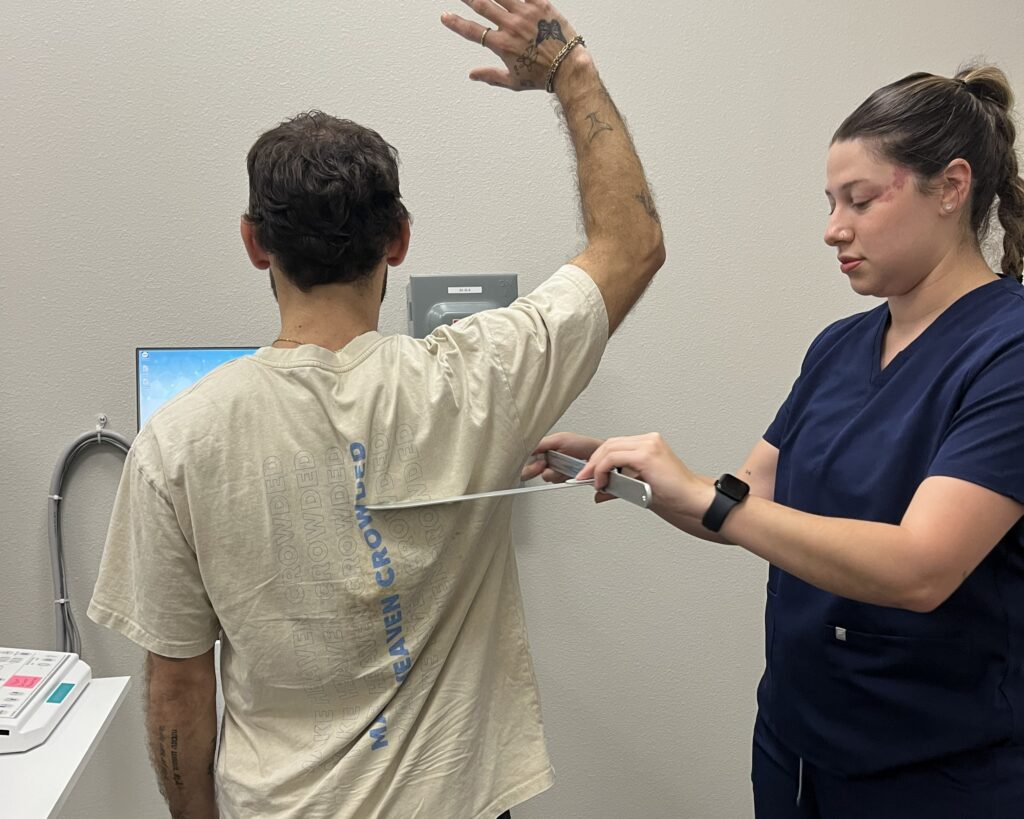
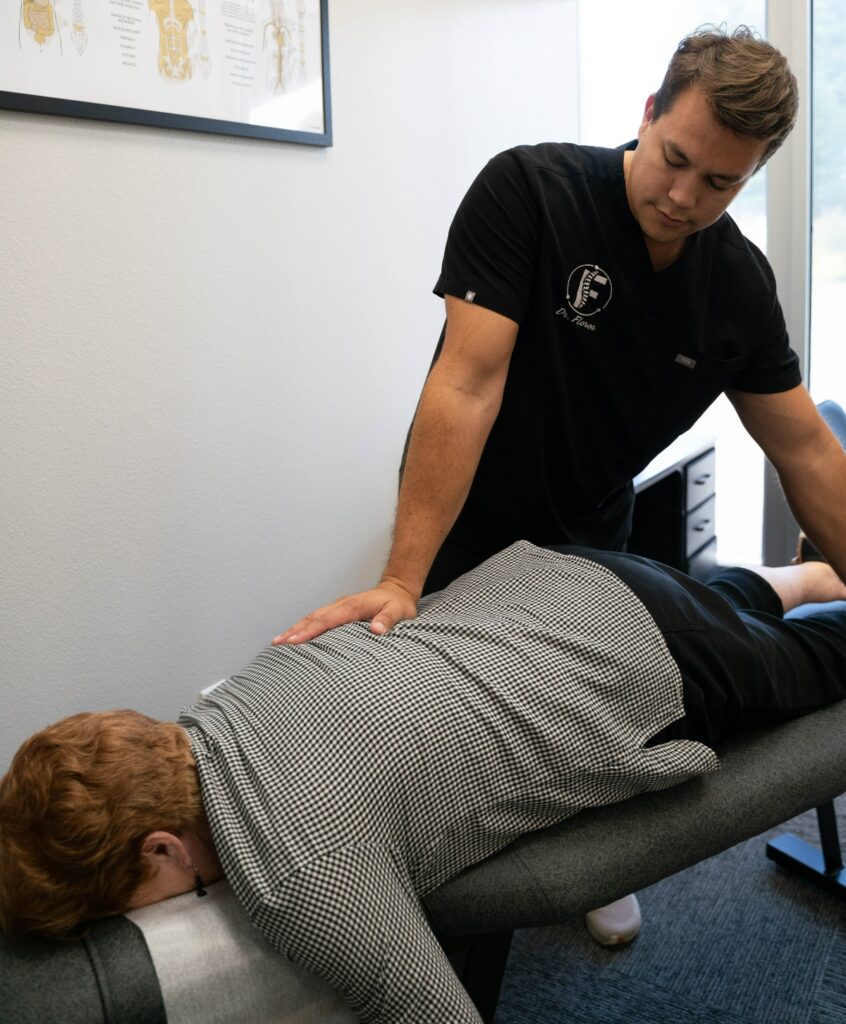
However, one of the best approaches to tackle tension headaches effectively is through chiropractic care. Regular adjustments can help align your spine, reduce muscle tension, and improve overall function, which may significantly decrease the frequency and intensity of your headaches.
If you’re curious about how chiropractic care can help you achieve optimal health and wellness, I encourage you to reach out for a consultation. Together, we can develop a personalized plan to keep those tension headaches at bay and support your journey to a healthier, pain-free life.
Key Takeaways
Tension headaches can be a pesky issue, but there are several natural approaches to find relief quickly. Here are some effective tips that emphasize the benefits of chiropractic care and overall wellness:
- Cold Packs: Applying cold packs to your forehead or the back of your neck can help numb pain and reduce inflammation. This is a quick and natural way to ease discomfort and calm your nervous system.
- Heat Therapy: Using warm towels or a heating pad can work wonders to relax tight muscles and enhance blood circulation. This method not only helps alleviate headaches but also promotes overall muscle health.
- Deep Breathing Exercises: Engaging in deep breathing exercises can be a powerful way to promote relaxation. Take a few moments to focus on your breath; this can help reduce tension in your body and ease headache discomfort.
- Proper Posture: Being mindful of your posture throughout the day can significantly reduce strain on your neck and shoulders. Good posture helps minimize the frequency of headaches and supports your spine’s alignment, which is crucial for overall health.
- Stay Hydrated: Keeping your body hydrated is essential for optimal functioning. Aim to drink at least 8 cups of water daily. Proper hydration supports your body’s systems and can help prevent headaches.
Remember, regular chiropractic care can be an excellent choice for maintaining spinal health, which plays a vital role in preventing headaches and promoting overall wellness. By addressing any misalignments and ensuring your body is functioning at its best, chiropractic care can help you achieve lasting relief from tension headaches. Take control of your health today!
Understanding Tension Headaches
Tension headaches are a common issue that can be quite debilitating, often caused by stress, poor posture, or muscle tension. You may feel a dull ache around your head, a tight sensation in your neck, or even heightened sensitivity to light and sound. These headaches typically develop gradually and can last anywhere from 30 minutes to several days.
Recognizing these symptoms is crucial, as they can disrupt your daily activities. You might notice they become worse during stressful times or after spending long hours sitting at a desk. This is where chiropractic care can play a vital role in your overall wellness. By focusing on spinal health and alignment, chiropractic adjustments can help alleviate the muscle tension that contributes to tension headaches.
Here are some simple tips to help manage and prevent tension headaches:
- Maintain Good Posture: Pay attention to your seating posture, especially if you work at a desk. Sit up straight and ensure your computer screen is at eye level to reduce strain on your neck.
- Stay Hydrated: Dehydration can lead to headaches, so drink plenty of water throughout the day.
- Take Regular Breaks: Make it a habit to take short breaks every hour. Stand up, stretch, and give your eyes a rest from the screen.
- Practice Relaxation Techniques: Incorporate deep breathing, meditation, or gentle stretches into your routine. These practices can help reduce stress and tension in your body.
- Seek Chiropractic Care: Regular visits to your chiropractor can help keep your spine aligned and reduce muscle tension. They can also provide personalized exercises and stretches to help you manage and prevent headaches effectively.
Listening to your body is key. If you’re feeling tense, don’t hesitate to reach out for chiropractic care.
Understanding how tension headaches feel allows you to address them sooner, preventing them from escalating into more severe pain. Your proactive measures, alongside chiropractic adjustments, can significantly enhance your well-being and overall quality of life.
Identifying Triggers
Recognizing the signs of tension headaches is just the first step; identifying what triggers them is crucial for managing your discomfort effectively. As a chiropractor, I encourage you to start by keeping a headache diary. Note when your headaches occur, their intensity, and how long they last. This practice can help you spot patterns and potential triggers, making it easier to address them.
It’s also essential to pay attention to your daily habits, such as sleep quality, hydration, and diet. Stress is often a significant contributor to tension headaches, so take note of your emotional state during these episodes. Additionally, environmental factors like bright lights or loud noises can play a role in triggering discomfort.
If you find that activities such as prolonged screen time or poor posture lead to headaches, consider adjusting your routine for better spinal alignment and overall health. Once you identify your triggers, you can take proactive steps to minimize exposure and lessen the frequency of your tension headaches.
Simple lifestyle changes, like practicing good posture, staying hydrated, and managing stress through relaxation techniques, can make a significant difference. Chiropractic care is an excellent choice for addressing tension headaches naturally. Regular adjustments can help improve spinal function, reduce tension, and promote overall wellness, empowering you to manage your discomfort more effectively.
Relaxation Techniques
When tension headaches strike, chiropractic care can be your best ally in achieving relief and overall wellness.
Alongside regular adjustments to maintain proper spinal alignment, you can incorporate relaxation techniques such as deep breathing exercises, progressive muscle relaxation, and mindfulness meditation. These methods not only help alleviate the discomfort of headaches but also promote a sense of calm and well-being.
Remember, a well-aligned spine supports your nervous system, which plays a crucial role in your body’s ability to heal naturally.
By focusing on your spine’s health, you can effectively manage pain and enhance your quality of life.
So, consider visiting your local chiropractor for personalized care and tips on how to integrate these relaxation techniques into your daily routine.
Taking care of your spine is a vital step towards a healthier, pain-free life!
Deep Breathing Exercises
If you’re experiencing a tension headache, incorporating deep breathing exercises into your daily routine can offer quick relief and support your overall wellness.
As a chiropractor, I believe in natural healing methods, and these exercises can be an excellent complement to your chiropractic care.
Start by finding a comfortable position where you can relax, whether sitting or lying down. Close your eyes and take a slow, deep breath in through your nose, allowing your abdomen to expand fully.
Hold that breath for a moment, then gently exhale through your mouth, consciously releasing any tension you might be holding. Repeat this process for five to ten minutes, focusing on your breath and letting your mind clear.
As you engage in these deep breathing exercises, visualize your stress and tension melting away. This not only helps alleviate the intensity of headaches but also promotes relaxation throughout your body.
Remember, these practices aren’t just about immediate relief; they can also enhance the benefits of your chiropractic adjustments, helping you achieve optimal health and wellness over time.
Incorporating deep breathing into your daily routine can be a simple yet powerful tool for managing tension headaches and supporting your overall health.
Always remember to consult with your chiropractor about any ongoing issues, as they can provide tailored advice and treatment options that align with your wellness goals.
Progressive Muscle Relaxation
After practicing deep breathing exercises, you may find that incorporating progressive muscle relaxation (PMR) can significantly enhance your relief from tension headaches. PMR is a simple yet effective technique that involves systematically tensing and relaxing different muscle groups, allowing you to recognize and release built-up tension. By starting at your toes and working your way up to your head, you can ensure that each muscle group is fully relaxed, contributing to overall well-being.
Here’s an easy reference guide to help you practice PMR effectively:
| Muscle Group | Tension Duration | Relaxation Duration |
|---|---|---|
| Feet and Toes | 5 seconds | 15 seconds |
| Legs | 5 seconds | 15 seconds |
| Arms and Hands | 5 seconds | 15 seconds |
| Face and Neck | 5 seconds | 15 seconds |
Incorporating PMR into your routine can be a powerful addition to your wellness journey, especially when combined with chiropractic care. Chiropractic adjustments can help align your spine, improve nerve function, and reduce tension throughout your body, making it easier for you to experience the full benefits of relaxation techniques like PMR.
Mindfulness Meditation Practices
Mindfulness meditation practices can be a valuable tool for promoting relaxation and reducing tension headaches, which often stem from spinal misalignments and muscle tension.
As a chiropractor, I emphasize the importance of a holistic approach to health that includes both spinal care and mindfulness techniques. By focusing your attention on the present moment, you can help alleviate stress that contributes to discomfort.
To begin your mindfulness practice, find a quiet space where you can sit comfortably. Close your eyes and take deep, slow breaths. As you breathe in, take a moment to notice any tension in your body, particularly around your neck and shoulders—areas that can be affected by poor posture or spinal issues.
As you exhale, visualize that tension melting away, allowing your body to relax further. If your mind starts to wander, gently guide your focus back to your breath. This simple practice can take just a few minutes and can help center your thoughts, easing discomfort that may be linked to spinal health.
Incorporating mindfulness meditation into your daily routine, alongside regular chiropractic adjustments, can empower you to manage stress effectively and minimize the frequency of tension headaches.
Proper Posture Practices
Maintaining proper posture is crucial for your overall health and can play a significant role in preventing tension headaches. As a chiropractor, I often see the positive effects of good posture on my patients’ well-being.
When you sit or stand, aim to align your ears, shoulders, and hips in a straight line. Keep your feet flat on the ground, and try not to cross your legs. If you’re working at a desk, position your computer screen at eye level to minimize strain on your neck and shoulders, which can lead to discomfort.
Ensure your chair provides good support for your lower back. Remember to take breaks every hour to stretch and reset your posture. When using your phone, hold it at eye level instead of looking down, as this can cause unnecessary neck tension.
While walking, engage your core muscles and keep your head up. By regularly practicing these posture techniques, you can stay aware of your body’s alignment, which helps reduce the risk of headaches and discomfort. Being mindful of your posture throughout the day supports not only your neck and back but also your overall health and wellness.
Chiropractic care is an excellent choice for achieving optimal health. It focuses on natural healing and can help correct misalignments in your spine, leading to improved posture and reduced pain.
Hydration and Nutrition
Staying properly hydrated and nourished is essential for preventing tension headaches and supporting your overall health. As your local chiropractor, I know that when you don’t drink enough water or skip meals, you’re more likely to experience headaches, and they can interfere with your wellness journey.
By taking care of your body through hydration and nutrition, you can complement your chiropractic care and enhance your overall well-being. Here’s a quick guide to help you stay on track:
| Hydration | Nutrition |
|---|---|
| Aim to drink at least 8 cups of water daily to keep your body functioning well. | Focus on balanced meals that include protein, healthy fats, and carbohydrates to fuel your body. |
| Limit caffeine intake, as it can lead to dehydration and headaches. | Incorporate plenty of fruits and vegetables for essential vitamins that support your body’s healing. |
| Avoid excessive alcohol consumption, which can lead to dehydration and discomfort. | Snack on nuts and seeds for sustained energy and nourishment throughout the day. |
| Consider herbal teas as a hydrating option that can also provide added health benefits. | Choose whole grains over refined options to maintain steady energy levels and support digestive health. |
| Keep a water bottle handy to remind you to drink throughout the day. | Plan your meals to ensure you don’t skip them, as regular nourishment is key to feeling your best. |
Over-the-Counter Medications
When a tension headache strikes, it’s vital to consider natural ways to find relief, and chiropractic care can be a key player in your journey to wellness. Instead of reaching for over-the-counter medications like ibuprofen or acetaminophen, which may come with side effects and only mask the pain temporarily, why not explore the benefits of chiropractic adjustments?
Chiropractic care focuses on aligning the spine and improving your overall body function, which can significantly reduce the frequency and intensity of headaches. By addressing the underlying issues related to tension headaches, such as misalignment in the neck and upper back, you can experience long-lasting relief without the need for medications.
In addition to seeking chiropractic adjustments, here are some tips to manage tension headaches naturally:
- Stay Hydrated: Dehydration can often lead to headaches. Make sure you’re drinking plenty of water throughout the day.
- Practice Good Posture: Poor posture can contribute to tension in your neck and shoulders, leading to headaches. Be mindful of your posture, especially if you’re sitting for long periods.
- Manage Stress: Incorporate relaxation techniques such as deep breathing, yoga, or meditation into your routine to help reduce stress levels.
- Regular Exercise: Physical activity can relieve tension and improve overall well-being. Aim for regular movement that you enjoy, whether it’s walking, swimming, or stretching.
- Get Enough Sleep: Ensure you’re getting restful sleep each night, which is crucial for overall health and can help prevent headaches.
Common OTC Options
Tension headaches can be a real nuisance, but there are natural ways to find relief that don’t involve medications. As a chiropractor, I believe that addressing the underlying causes of tension headaches is key to achieving optimal health and wellness. One of the best ways to do this is through chiropractic care, which focuses on aligning the spine and improving overall body function.
When your spine is properly aligned, it can reduce tension in the muscles around your neck and head, which may help alleviate headache pain. Regular chiropractic adjustments can also promote better posture and reduce stress, both of which are common contributors to tension headaches.
In addition to chiropractic care, there are some simple tips you can try at home. Staying hydrated is crucial, so make sure you’re drinking plenty of water throughout the day. Taking breaks from screens and practicing good posture can also help reduce strain on your neck and shoulders, which may help prevent headaches from occurring in the first place.
Incorporating relaxation techniques such as deep breathing, meditation, or gentle stretching can further promote relaxation and decrease tension.
Dosage Guidelines
Tension headaches can be quite uncomfortable, but before reaching for over-the-counter medications, consider exploring natural solutions that promote wellness and pain relief. Chiropractic care is an excellent option for addressing the root causes of tension headaches without relying on medications.
Chiropractors focus on spinal health, which plays a crucial role in overall well-being. Misalignments in the spine can lead to tension in the neck and shoulders, contributing to headaches. By receiving regular chiropractic adjustments, you can help restore proper alignment, reduce muscle tension, and improve circulation, which may alleviate headache symptoms.
In addition to chiropractic care, here are some simple tips you can integrate into your daily routine to help manage tension headaches:
- Stay Hydrated: Dehydration can lead to headaches, so make sure you’re drinking plenty of water throughout the day.
- Practice Good Posture: Pay attention to your posture, especially if you work at a desk. Keep your back straight and your shoulders relaxed to minimize tension in your neck and shoulders.
- Incorporate Stretching: Gentle neck and shoulder stretches can relieve tightness. Try rolling your shoulders back and forth or tilting your head side to side.
- Manage Stress: Stress can be a significant trigger for tension headaches. Techniques such as deep breathing, meditation, or yoga can help you relax.
- Get Enough Sleep: Aim for 7-9 hours of quality sleep each night. Poor sleep can exacerbate headaches, so establishing a relaxed bedtime routine can be beneficial.
- Regular Chiropractic Visits: Consider scheduling regular appointments with your chiropractor to maintain spinal health and address any tension before it turns into a headache.
Remember, while over-the-counter medications might offer quick relief, they don’t address the underlying issues. By choosing chiropractic care and adopting healthier lifestyle habits, you can work towards long-term relief and improved overall health.
If your headaches persist or worsen, it’s a good idea to consult with your chiropractor for personalized advice and treatment options. Your journey to optimal health starts with taking care of your spine!
Side Effects Awareness
Many people seek quick relief from tension headaches, often turning to over-the-counter medications like ibuprofen and acetaminophen. However, it’s essential to consider the potential side effects of these treatments. Common issues can include stomach upset, liver damage, and even increased blood pressure when these medications are overused.
Additionally, some individuals may experience dizziness, drowsiness, or even more headaches due to frequent use, which can create a frustrating cycle known as rebound headaches.
Instead of relying solely on medications, consider exploring natural and holistic approaches to managing tension headaches. Chiropractic care focuses on the health of your spine and nervous system, promoting overall wellness and helping alleviate headache symptoms. Regular chiropractic adjustments can improve spinal alignment, reduce tension, and enhance your body’s ability to heal naturally.
Here are some practical tips to help you manage tension headaches without medications:
- Stay Hydrated: Dehydration can trigger headaches, so make sure to drink plenty of water throughout the day.
- Practice Good Posture: Poor posture can strain your neck and back, leading to headaches. Be mindful of your posture, especially if you spend long hours at a desk.
- Manage Stress: Engage in relaxation techniques such as deep breathing, yoga, or meditation to reduce stress levels, which can contribute to tension headaches.
- Get Regular Exercise: Physical activity helps improve blood circulation and relieve tension. Aim for regular exercise to keep your body healthy.
- Consider Chiropractic Care: Regular visits to a chiropractor can help address the root cause of your headaches by correcting spinal alignment and reducing muscle tension.
If you notice persistent headaches or unusual symptoms, it’s always best to consult with a healthcare professional.
By being mindful of your body and exploring natural healing methods, you can effectively manage tension headaches while supporting your overall health and wellness.
Cold and Heat Therapy
As a local chiropractor, I want to share how cold and heat therapy can be effective tools for relief from tension headaches while promoting overall wellness. These methods target muscle tightness and encourage relaxation, which are key components in maintaining spinal health.
For cold therapy, consider applying a cold pack or ice wrapped in a cloth to your forehead or the back of your neck for about 15-20 minutes. The cold sensation helps numb pain and reduce inflammation, which can be particularly helpful after a long day or stressful situation.
If you prefer heat, a warm towel, heating pad, or a warm shower can work wonders in easing muscle tension. Heat therapy increases blood flow and relaxes tight muscles, helping to alleviate discomfort and prevent future headaches.
Alternating between cold and heat can be especially beneficial. This practice not only enhances blood flow but also helps relieve tension more effectively. Always pay attention to your body—if the temperature feels too extreme, be sure to adjust it to a comfortable level.
Taking breaks and ensuring you’re in a comfortable position can further enhance your relaxation. Incorporating these therapies into your routine can provide quick relief, allowing you to manage headaches more effectively.
Remember, these methods are natural and complementary to chiropractic care, which is focused on addressing the root causes of pain and promoting overall health. By prioritizing spinal health and seeking regular chiropractic adjustments, you can reduce the frequency and intensity of headaches and improve your overall wellness.
If you’re looking for a more holistic approach to pain relief, consider how chiropractic care can help you achieve optimal health and a more balanced life.
Massage and Stretching
When tension headaches strike, finding relief is essential for your well-being. One effective way to address this discomfort is through chiropractic care, which focuses on the spine and nervous system to promote overall health. By addressing misalignments in the spine, chiropractors can help reduce muscle tension and alleviate headache symptoms naturally.
In addition to chiropractic adjustments, incorporating targeted massage techniques can provide immediate relief by easing tight muscles. Gentle stretches can also play a significant role in promoting relaxation and flexibility. Simple neck and shoulder stretches can help release built-up tension, allowing you to feel more comfortable.
Here are a few tips to help you manage tension headaches effectively:
- Maintain Good Posture: Ensure that your workspace is ergonomically designed to support your spine. Good posture can prevent unnecessary strain on your neck and shoulders.
- Stay Hydrated: Dehydration can contribute to headaches, so make sure you’re drinking enough water throughout the day.
- Practice Relaxation Techniques: Incorporate deep breathing, meditation, or yoga into your routine to help reduce stress and tension.
- Regular Chiropractic Care: Schedule regular visits with your chiropractor to maintain spinal alignment and overall health. This proactive approach can help prevent headaches before they start.
- Gentle Stretching: Take short breaks to stretch your neck and shoulders throughout the day. Simple movements like tilting your head side to side or rolling your shoulders can relieve tightness.
By combining chiropractic care with these self-care strategies, you can effectively manage tension headaches and promote overall wellness.
Targeted Muscle Relief
To effectively relieve tension headaches, chiropractic care can be an excellent solution that promotes natural healing and overall wellness. Alongside your chiropractic adjustments, targeted muscle relief through massage and stretching can provide immediate comfort.
It’s important to focus on areas where you often feel tightness, typically in your neck, shoulders, and upper back.
Here are some simple techniques you can incorporate into your routine:
- Knead the back of your neck with your fingertips in gentle circular motions to help release tension.
- Apply pressure to your shoulders while taking deep breaths to help relax those tight muscles.
- Use a tennis ball against a wall to target tight areas in your back; this can help improve circulation and ease discomfort.
- Gently stretch your arms overhead to open up your chest, which can alleviate pressure and enhance your posture.
These methods can provide quick relief and complement the benefits of chiropractic care, allowing you to maintain optimal health naturally.
Effective Stretch Techniques
Incorporating effective stretch techniques into your routine can significantly ease tension headaches and promote relaxation, all while supporting your spinal health.
As a chiropractor, I want to emphasize the importance of maintaining a healthy spine and body through natural methods like stretching.
Begin with gentle neck stretches: tilt your head slowly to one side, holding for 15 seconds, then switch sides. This simple movement helps relieve tightness in your neck muscles, which can often contribute to headaches.
Next, try shoulder rolls to release tension in the upper body. Lift your shoulders toward your ears, then roll them back and down. Repeat this ten times. This not only helps with relaxation but also encourages better posture, which is crucial for spinal health.
Don’t forget about your upper back! Interlace your fingers and stretch your arms forward, rounding your back gently. This stretch helps open up your thoracic spine and can alleviate discomfort often caused by prolonged sitting.
Finally, take a moment to stretch your arms overhead, reaching for the sky. This will help boost circulation and invigorate your whole body.
Incorporating these simple stretches into your daily routine can greatly alleviate tension, improve circulation, and enhance your overall sense of well-being.
Mindfulness and Breathing Exercises
Tension headaches can be quite uncomfortable, but there are natural, effective ways to find relief. As a chiropractor, I believe that practicing mindfulness and breathing exercises can play a key role in managing headache discomfort. By focusing on your breath and staying present, you can help reduce the stress and tension in your body that often leads to headaches.
Here are some simple techniques you can incorporate into your daily routine:
- Deep Breathing: Take a moment to inhale deeply through your nose, allowing your abdomen to expand. Then, exhale slowly through your mouth. Repeat this for a few minutes. This practice not only calms your mind but also helps release tension from your spine and neck, common areas affected by headaches.
- Body Scan: Close your eyes and mentally scan your body from head to toe. Pay attention to areas where you hold tension, such as your neck and shoulders. As you identify these areas, consciously relax them. This can be a great way to relieve the physical strain that contributes to headaches.
- Guided Meditation: Consider using meditation apps or online resources that guide you through short relaxation sessions. This can help you achieve a deeper state of relaxation, promoting overall wellness and reducing headache frequency.
- Mindful Observation: Take a few minutes to sit quietly and observe your surroundings. Focus on the sounds, sights, and sensations around you. This practice encourages mindfulness, helping to alleviate stress and tension in your body.
Incorporating these mindfulness techniques into your routine can significantly enhance your well-being and help manage tension headaches.
Remember, chiropractic care is a valuable resource for achieving optimal health and pain relief. Regular adjustments can help keep your spine aligned, reducing stress on your nervous system and contributing to overall wellness.
If you’re struggling with tension headaches, consider visiting your chiropractor for personalized care that supports your journey to a healthier, pain-free life.
Seeking Professional Help
When tension headaches become a regular part of your life, it’s important to explore effective ways to find relief. One of the best options available is chiropractic care, which focuses on healing your body naturally and addressing the root causes of your discomfort. A chiropractor can evaluate your symptoms, assess your spinal health, and help identify any misalignments or tension that may be contributing to your headaches.
Chiropractic adjustments can relieve pressure in your neck and spine, promoting better alignment and reducing the frequency and intensity of your headaches. In addition to adjustments, a chiropractor may incorporate physical therapy techniques, stretching exercises, and lifestyle advice to support your overall wellness.
If your headaches are impacting your daily activities, don’t hesitate to seek the guidance of a chiropractor. They can provide personalized treatment plans and effective strategies to manage your condition.
Alongside chiropractic care, consider incorporating relaxation techniques, maintaining good posture, staying hydrated, and managing stress through regular exercise or mindfulness practices. These simple yet impactful steps can enhance your healing journey and improve your overall quality of life.
Conclusion
To quickly relieve tension headaches, consider incorporating chiropractic care into your routine. Chiropractic adjustments can help align your spine, reducing tension in your neck and shoulders, which are often culprits behind headaches. Additionally, combining cold and heat therapy can also be beneficial; apply a warm compress to relax tight muscles and a cold pack to reduce inflammation.
Practicing relaxation techniques, such as deep breathing and meditation, can further enhance your well-being. Staying hydrated is essential as dehydration can contribute to headaches, so make sure to drink plenty of water throughout the day.
Identifying your headache triggers, which may include poor posture or stress, is crucial for prevention. Maintaining proper posture, especially during long hours of sitting, can significantly reduce the likelihood of tension headaches. Incorporating gentle stretches into your daily routine can also help alleviate discomfort and tension in your body.
If you find that headaches persist despite these methods, seeking help from a chiropractor can provide you with personalized care and strategies to address the root causes of your headaches. Take charge of your health by exploring the benefits of chiropractic care, and enjoy a life with fewer headaches and better overall well-being!