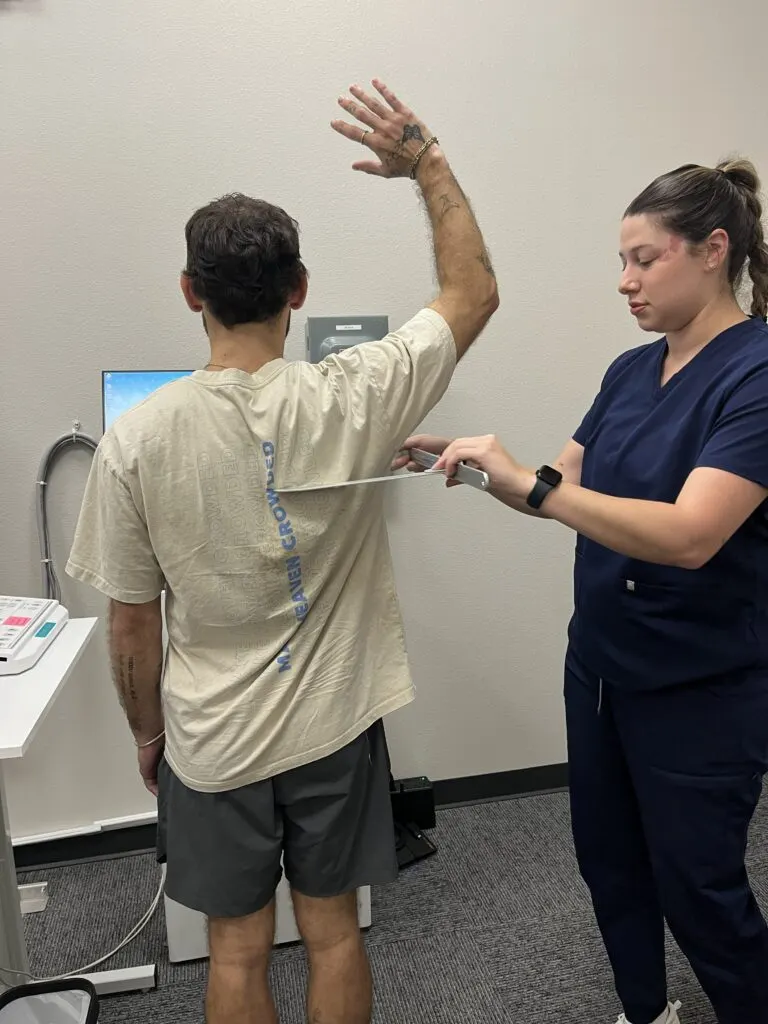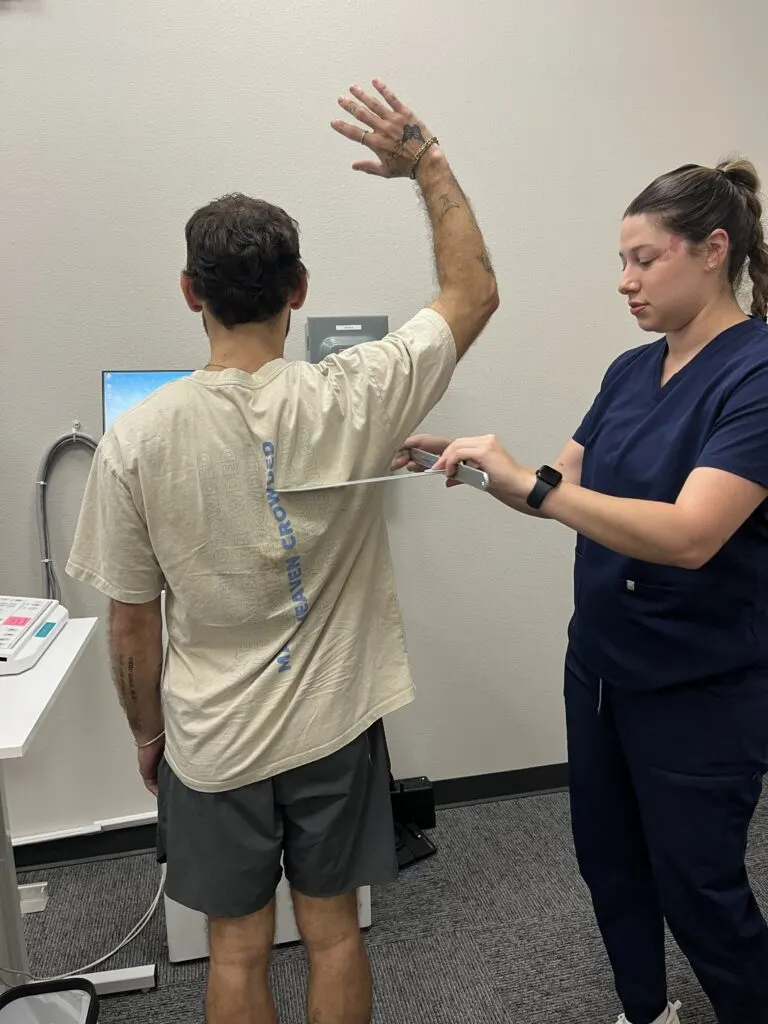

If you’re dealing with migraines, you might want to explore natural remedies that can provide relief, with chiropractic care being one of the most effective options. Many patients have found that regular chiropractic adjustments not only alleviate migraine pain but also help prevent future episodes by addressing spinal misalignments that can contribute to tension and headaches.
In addition to chiropractic care, there are other natural remedies worth considering. Herbal supplements, such as feverfew and butterbur, have been shown to help some individuals manage their migraines. Essential oils like peppermint and lavender can also offer soothing relief when applied topically or used in aromatherapy.
Dietary changes play a significant role in migraine management too. Keeping a food diary can help you identify potential triggers, while maintaining proper hydration is crucial since dehydration can exacerbate migraine symptoms. Aim to drink plenty of water throughout the day and consider incorporating magnesium-rich foods, such as leafy greens and nuts, to support overall health.
Remember, taking control of your migraines involves understanding your body and making informed choices. By prioritizing chiropractic care and adopting these natural strategies, you can empower yourself to manage your migraines more effectively and promote a healthier, more balanced lifestyle.
Key Takeaways
- Chiropractic care is a fantastic way to improve spinal alignment, which can help reduce the frequency and intensity of migraines through natural pain relief techniques. By addressing misalignments in your spine, we can promote better overall health and well-being.
- Consider incorporating herbal supplements like feverfew and butterbur into your routine. These natural remedies have been shown to help prevent migraines. If you’re unsure about which supplements to choose, feel free to consult with me for personalized recommendations that suit your needs.
- Essential oils can be a wonderful addition to your migraine relief toolkit. Oils like peppermint and lavender not only help alleviate headache symptoms but also reduce stress—one of the common triggers for migraines. Simply inhaling these scents or using them in a diffuser can provide soothing relief.
- Staying well-hydrated and maintaining a balanced diet are key components in preventing migraines. Make sure to drink plenty of water and be mindful of common trigger foods that can lead to headaches. Keeping a food diary can help identify what might be causing your discomfort.
- Quality sleep is another essential factor in reducing the likelihood of migraine attacks. Establishing a consistent bedtime routine can help you get the restful sleep your body needs to function at its best. Aim for 7-9 hours of sleep each night to support your overall health and minimize migraine occurrences.
By focusing on these natural approaches and incorporating chiropractic care into your wellness routine, you can take significant steps toward achieving optimal health and reducing migraine pain. Remember, your journey to wellness is all about making informed choices that prioritize your body’s natural healing abilities.
Herbal Supplements for Migraine Relief
If you’re looking for natural relief from migraines, incorporating chiropractic care into your wellness routine can make a significant difference. Many individuals find that spinal adjustments not only help alleviate headache pain but also improve overall health and well-being.
By addressing misalignments in the spine, chiropractic care can enhance nervous system function, which plays a crucial role in managing pain.
In addition to chiropractic adjustments, you might want to explore herbal supplements as complementary options. For example, feverfew has been used for centuries and may help prevent migraines.
Consider discussing with your chiropractor whether adding feverfew in capsule form or as a tea could benefit you. Another herb, butterbur, has shown promise in studies for migraine prevention, but be sure to discuss the safest forms to use.
Ginger is another great natural remedy that can help alleviate nausea often associated with migraines. Including ginger tea in your daily routine may provide comfort on those challenging days.
Remember, before starting any new supplements or health routines, it’s always best to consult with your chiropractor. They can guide you in finding the safest and most effective strategies tailored to your needs.
Essential Oils and Their Benefits
When it comes to finding natural remedies for migraines, many individuals are turning to essential oils for relief and relaxation. While chiropractic care is the leading choice for addressing the root causes of pain and discomfort, some people find that certain essential oils can complement their wellness journey.
Here are a few oils you might consider alongside your chiropractic care:
- Peppermint Oil: This oil has a delightful cooling effect that may help alleviate headache intensity and boost circulation. It can be a refreshing addition to your self-care routine, especially after a chiropractic adjustment.
- Lavender Oil: Known for its calming properties, lavender can help you unwind and reduce stress—a common migraine trigger. Consider using it in a diffuser during your relaxation time at home.
- Eucalyptus Oil: If sinus tension contributes to your migraines, eucalyptus oil can provide a soothing sensation and help clear your airways. This can be especially beneficial when paired with chiropractic adjustments that support your respiratory health.
- Rosemary Oil: With its anti-inflammatory properties, rosemary may assist in soothing pain and promoting overall wellness. It’s a great option to consider for your self-care toolkit.
Incorporating these oils can be done easily by diffusing them, applying them to your skin (diluted with a carrier oil), or simply inhaling their lovely aroma.
However, it’s crucial to remember that while these oils can be helpful, they should be seen as complementary to regular chiropractic care, which addresses the underlying issues causing your migraines.
Always consult with your chiropractor to discuss any new wellness practices and ensure they align with your treatment plan.
Dietary Changes to Reduce Migraines
To effectively manage your migraines, it’s crucial to identify and avoid trigger foods that may ignite an episode. As a chiropractor, I believe in the power of natural healing and wellness, and dietary changes are a key part of that journey. Staying well-hydrated also plays a significant role in alleviating migraine frequency and intensity.
By making these simple dietary adjustments, you can support your body in finding relief.
Here are some tips to help you on your path to better health:
- Keep a Food Diary: Track what you eat and your migraine occurrences. This can help you pinpoint specific trigger foods.
- Stay Hydrated: Aim to drink plenty of water throughout the day. Dehydration can worsen headaches, so make it a habit to carry a water bottle with you.
- Focus on Whole Foods: Incorporate more fruits, vegetables, whole grains, and lean proteins into your diet. These foods aren’t only nutritious but can also help reduce inflammation in your body.
- Limit Processed Foods: Try to avoid foods high in additives and preservatives, as they can often trigger migraines.
- Regular Meals: Eating at regular intervals can help maintain stable blood sugar levels, which is important for preventing headaches.
Remember, chiropractic care can also play a vital role in managing migraines. By addressing spinal alignment and overall body function, chiropractic adjustments can enhance your nervous system’s efficiency, potentially reducing the frequency and intensity of your migraines.
Embracing a holistic approach to your health, including dietary changes and chiropractic care, can help you achieve optimal wellness and relief from migraines.
Trigger Foods to Avoid
Identifying and avoiding trigger foods can significantly help in reducing the frequency and intensity of migraines. As a chiropractor committed to promoting overall wellness, I encourage you to pay attention to your diet, as certain foods may trigger those painful episodes.
Here are some common triggers that you might want to consider limiting in your diet:
- Aged cheeses
- Processed meats
- Chocolate
- Alcohol
Keeping a food diary is a practical approach to help you identify your specific triggers. By jotting down what you eat and noting when migraines occur, you can make more informed choices about your diet.
Once you identify these potential culprits, you can eliminate or reduce them to see if your migraine symptoms improve. It’s important to remember that everyone is unique, and what triggers migraines for one person may not affect another.
By staying mindful of your eating habits and how they correlate with your health, you can take proactive steps toward reducing those pesky migraines.
In addition to monitoring your diet, consider incorporating chiropractic care into your wellness routine. Chiropractic adjustments can help optimize your nervous system function, reduce tension in your body, and improve overall well-being.
This holistic approach not only addresses pain relief but also supports your body’s natural healing processes. Prioritizing your spinal health can lead to a greater sense of well-being and a reduction in migraine frequency.
Embrace healthier living, and you’ll be well on your way to feeling your best!
Hydration and Migraine Relief
Staying hydrated is crucial not only for your overall well-being but also for managing migraines, as dehydration can trigger or worsen these painful episodes. You may not realize it, but even mild dehydration can lead to headaches. To help prevent this, make it a habit to drink plenty of water throughout the day, especially if you’re active or in a warm environment.
Listen to your body; if you’re feeling thirsty, it’s a signal to hydrate.
In addition to water, consider incorporating hydrating foods into your diet, such as cucumbers, watermelon, and oranges. These foods can provide you with essential moisture and nutrients. Herbal teas can also be a soothing option that aids in hydration.
As a chiropractor, I want to emphasize the importance of a holistic approach to health. Prioritizing hydration not only reduces the risk of migraines but also supports your spine and overall wellness. Staying well-hydrated can help maintain the flexibility of your spinal discs and improve your body’s ability to recover from stress and tension.
So, keep a water bottle handy wherever you go, and remember that chiropractic care can also play a significant role in achieving optimal health. Regular adjustments can help alleviate tension and improve your overall well-being, making it easier to manage any migraine triggers.
Embrace a healthier lifestyle by prioritizing hydration and considering chiropractic care as a natural way to enhance your health.
Acupuncture and Acupressure Techniques
While many people seek relief from migraines through conventional medicine, chiropractic care offers a natural and effective alternative that can help alleviate pain and promote overall wellness.
By focusing on spinal alignment and nervous system function, chiropractic adjustments can address the root causes of migraines and enhance your body’s natural healing abilities.
Here are some benefits you might experience from chiropractic care in managing migraines:
- Pain relief: Chiropractic adjustments can help reduce the intensity and frequency of migraines by correcting misalignments in the spine that may contribute to tension and discomfort.
- Improved circulation: By ensuring proper spinal alignment, chiropractic care can enhance blood flow, which helps alleviate tension and promote healing.
- Stress relief: Regular chiropractic visits can help relax muscles and reduce stress, addressing common migraine triggers.
- Holistic approach: Chiropractic care treats the entire body, supporting your overall health and well-being, rather than just focusing on the symptoms.
In addition to regular chiropractic adjustments, here are some general tips you can incorporate into your routine to help manage migraines:
- Stay hydrated: Dehydration can trigger migraines, so drink plenty of water throughout the day.
- Maintain a regular sleep schedule: Aim for consistent sleep patterns to help regulate your body’s natural rhythms.
- Practice relaxation techniques: Incorporate deep breathing, meditation, or gentle yoga into your daily routine to reduce stress levels.
- Watch your diet: Keep a food diary to identify any dietary triggers that may contribute to your migraines.
If you’re looking for a natural way to manage your migraines, consider chiropractic care as a primary choice.
Always consult with a qualified chiropractor to ensure you receive personalized care that best fits your needs.
Stress Management Strategies
Chiropractic care is a powerful tool for reducing stress levels, which is especially important for those managing migraines. Regular spinal adjustments can help realign your spine, enhance your body’s overall function, and promote a deep sense of relaxation. By prioritizing chiropractic care, you’re choosing a natural approach to wellness that can significantly improve your quality of life.
In addition to receiving chiropractic adjustments, consider incorporating mindfulness practices into your daily routine. Techniques such as meditation and deep breathing exercises can help ground you in the present moment, effectively reducing anxiety and tension. These practices complement the benefits of chiropractic care, creating a comprehensive approach to stress management.
Physical activity is also crucial for managing stress. Whether you enjoy brisk walking, yoga, or dancing, find an activity that brings you joy and make it a regular part of your life. Exercise releases endorphins, the body’s natural mood lifters, which can alleviate stress and enhance your overall well-being.
Establishing a consistent sleep routine is vital for optimal health. Aim for 7-9 hours of quality sleep each night to support your body’s natural healing processes. Quality sleep is essential for reducing stress and promoting recovery, making it an important aspect of your wellness journey.
Lastly, remember that you don’t have to navigate stress and migraines alone. Reach out to friends, family, or even professionals for support when you need it. Connecting with others can provide comfort and help you manage stress more effectively.
Hydration and Its Importance
Hydration is key to your overall health and can play a significant role in managing migraines, especially when considering the holistic approach of chiropractic care. Dehydration can’t only trigger migraines but can also affect your spinal health and overall well-being. That’s why it’s important to ensure you’re drinking enough fluids throughout the day.
You might be surprised at how quickly dehydration can sneak up on you, particularly if you’re active or the weather is warm.
To support your hydration needs and overall health, here are some simple tips:
- Drink water regularly: Aim for at least 8 glasses of water a day, adjusting based on your activity level. Staying hydrated helps maintain the elasticity of your spinal discs and supports overall bodily functions.
- Eat water-rich foods: Incorporate fruits and vegetables like cucumbers, watermelon, and oranges into your meals. These not only hydrate you but also provide essential vitamins that support your body’s natural healing processes.
- Limit caffeine and alcohol: Both can contribute to dehydration and may affect your nervous system. Keeping your intake in check can help you feel better overall and reduce the risk of migraines.
- Listen to your body: Thirst and dry mouth are signals that your body needs hydration. Don’t ignore them; make sure to drink water frequently throughout the day.
Remember, good hydration is just one piece of the puzzle when it comes to achieving optimal health.
Regular chiropractic care can also help enhance your overall wellness by improving spinal alignment, which in turn supports your body’s ability to function and heal effectively.
Sleep Hygiene and Migraine Prevention
Getting enough quality sleep is crucial for preventing migraines, as poor sleep hygiene can significantly increase the chances of experiencing these painful headaches. As a chiropractor, I know that a well-rested body is more resilient and better equipped to handle stressors, including those that can trigger migraines.
To enhance your sleep quality, I recommend establishing a consistent bedtime routine. Aim to go to bed and wake up at the same time every day, even on weekends. This practice helps regulate your body’s internal clock, which is essential for optimal health.
Creating a calming sleep environment is also key. Keep your bedroom dark, cool, and quiet. Consider using blackout curtains to block out light and a white noise machine to drown out any disruptive sounds.
Limiting screen time before bed is another important step; the blue light from devices can interfere with your natural sleep cycle. Instead, engage in relaxing activities, such as reading a book or practicing gentle stretching, which can also support spinal health.
Pay attention to your caffeine and alcohol intake, as both can disrupt your sleep patterns. By prioritizing sleep hygiene, you can reduce migraine triggers and enhance your overall well-being. Remember, when your body has the rest it needs, it can function more efficiently, including maintaining a healthy spine.
Incorporating chiropractic care into your wellness routine can also help support better sleep and reduce migraine occurrences. Regular adjustments can promote spinal alignment, relieve tension, and improve your body’s overall function.
Conclusion
Incorporating natural remedies into your migraine management can significantly enhance your overall well-being. As a local chiropractor, I want to emphasize the importance of spinal health in reducing migraine frequency and intensity. Regular chiropractic adjustments can help alleviate tension in the neck and spine, which often contributes to migraine symptoms.
In addition to chiropractic care, consider utilizing herbal supplements and essential oils that may offer relief. Simple dietary changes can also make a difference—try to identify and avoid common migraine triggers like processed foods and excessive caffeine. Staying hydrated is essential, as dehydration can worsen migraine symptoms.
Don’t overlook the benefits of acupuncture and practicing stress management techniques, such as deep breathing exercises or yoga, to help ease tension. Prioritizing good sleep hygiene is crucial; a well-rested body is better equipped to fend off migraines.
By embracing these natural strategies alongside chiropractic care, you’re not just targeting your migraines—you’re investing in your overall health. Taking control of your migraine journey through these holistic approaches can lead to a healthier, happier life. Remember, your spine is the foundation of your health; keeping it aligned is key to achieving optimal wellness.