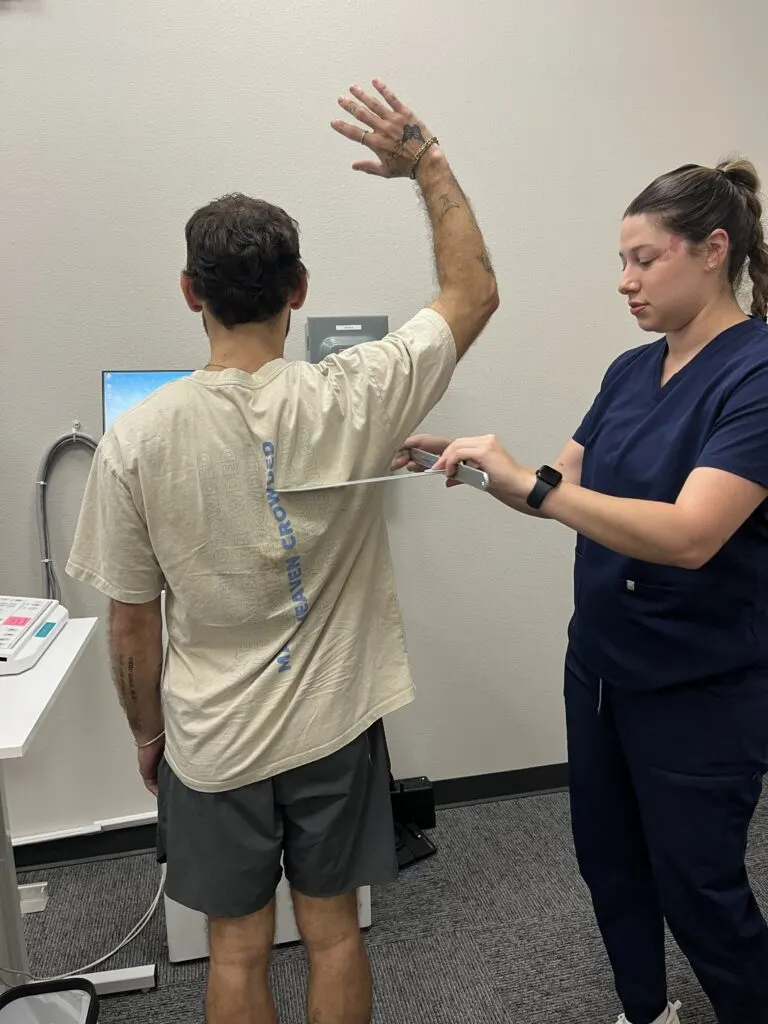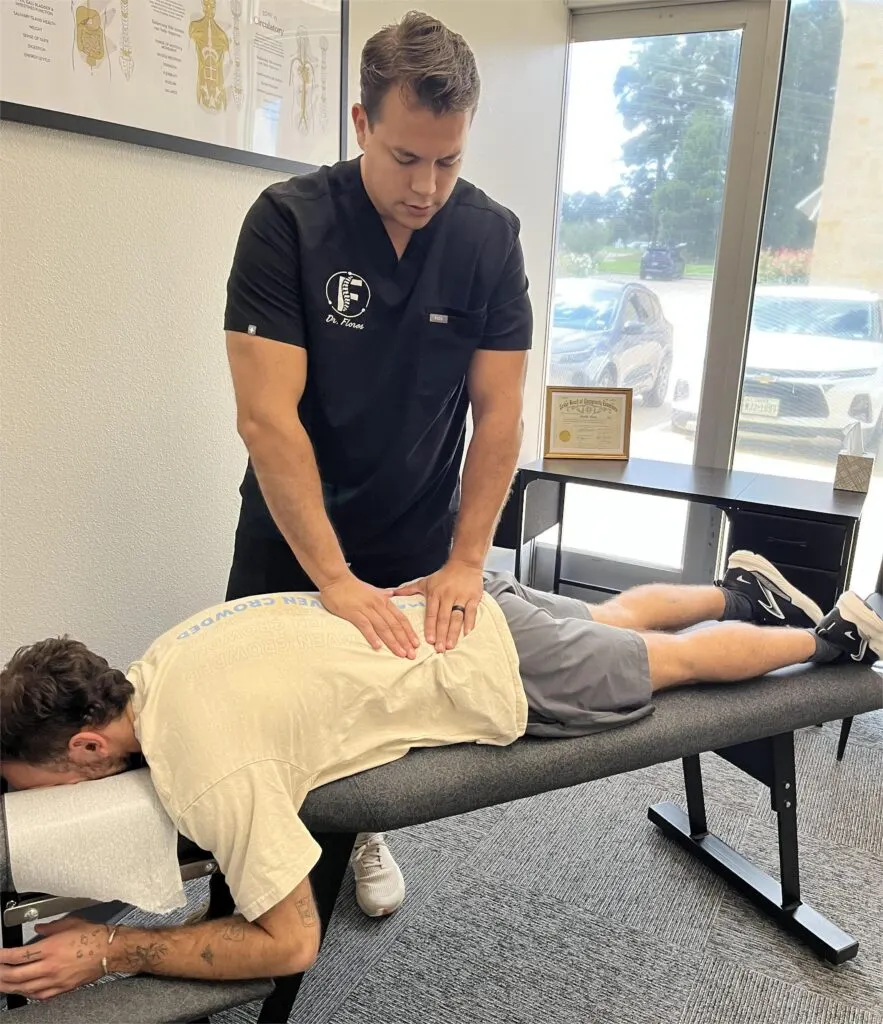

Shoulder pain has a way of sneaking into every corner of your life. Whether you’re reaching for something on a high shelf, trying to get a good night’s sleep, or simply pulling on a jacket, a rotator cuff injury makes even the most routine tasks feel frustratingly difficult. If you’ve been dealing with persistent shoulder pain in Tyler, TX, you’re far from alone — rotator cuff injuries are among the most common musculoskeletal complaints we see here at Flores Chiropractic. The good news is that understanding what’s happening in your shoulder is the first step toward feeling better, and there are effective, non-invasive options that can help.
What is a rotator cuff injury? The rotator cuff is a group of four muscles and their tendons that surround and stabilize the shoulder joint. A rotator cuff injury occurs when one or more of these muscles or tendons becomes strained, inflamed, or torn — causing pain, weakness, and limited range of motion in the shoulder. These injuries can range from mild irritation to significant structural damage, and they affect people of all ages and activity levels.
Understanding the Rotator Cuff
The shoulder is the most mobile joint in the entire human body, and that incredible range of motion comes at a cost — it also makes the shoulder one of the most vulnerable joints to injury. The rotator cuff is the key stabilizing system that keeps the ball of your upper arm bone (the humerus) properly seated within the shallow socket of the shoulder blade (the glenoid). Without a healthy, functioning rotator cuff, the shoulder simply cannot move the way it’s designed to.
The four muscles that make up the rotator cuff are the supraspinatus, infraspinatus, teres minor, and subscapularis. Each one plays a specific role in rotating and lifting the arm, and they all work together as a coordinated team. When even one of these muscles or tendons is compromised, the whole system feels the strain. That’s why rotator cuff injuries often create a ripple effect of pain, compensatory movement patterns, and muscle imbalances that can extend into the neck, upper back, and even down the arm.
Here in Tyler, TX, Dr. Ricardo Flores frequently works with patients who have been living with shoulder discomfort for weeks — or even months — before seeking care. Many people assume the pain will simply go away on its own, and sometimes mild strains do resolve with rest. But chronic or recurring shoulder pain deserves proper attention, because untreated rotator cuff issues can lead to progressive weakness and long-term joint problems.
Common Causes of Rotator Cuff Injuries
Rotator cuff injuries don’t always happen dramatically. While some do result from a sudden fall or a forceful overhead movement, many develop gradually over time through repetitive strain and cumulative wear. Understanding the cause of your specific injury is essential to finding the most effective path forward.
Repetitive overhead activities are one of the leading contributors to rotator cuff problems. Painters, carpenters, athletes who throw or swing, and people who work at overhead stations all place significant, repeated stress on the tendons of the rotator cuff. Over time, this repetitive loading can cause micro-tears in the tendon tissue — a process sometimes called tendinopathy or tendinosis — which leads to persistent pain and gradual weakness.
Acute trauma is another common cause. Falling on an outstretched arm, lifting something too heavy with poor mechanics, or a sudden jerking movement can cause a partial or complete tear in one or more of the rotator cuff tendons. These acute injuries are typically more immediately painful and may cause a noticeable loss of strength or range of motion right away.
Age-related degeneration also plays a significant role. As we get older, the tendons of the rotator cuff naturally lose some of their elasticity and blood supply. Research suggests that degenerative rotator cuff tears are quite common in adults over the age of 50, and many people have some degree of tendon wear without even realizing it. Poor posture — particularly the forward head and rounded shoulder posture so common in our screen-heavy lives — can further compromise the mechanics of the shoulder joint and accelerate this process.
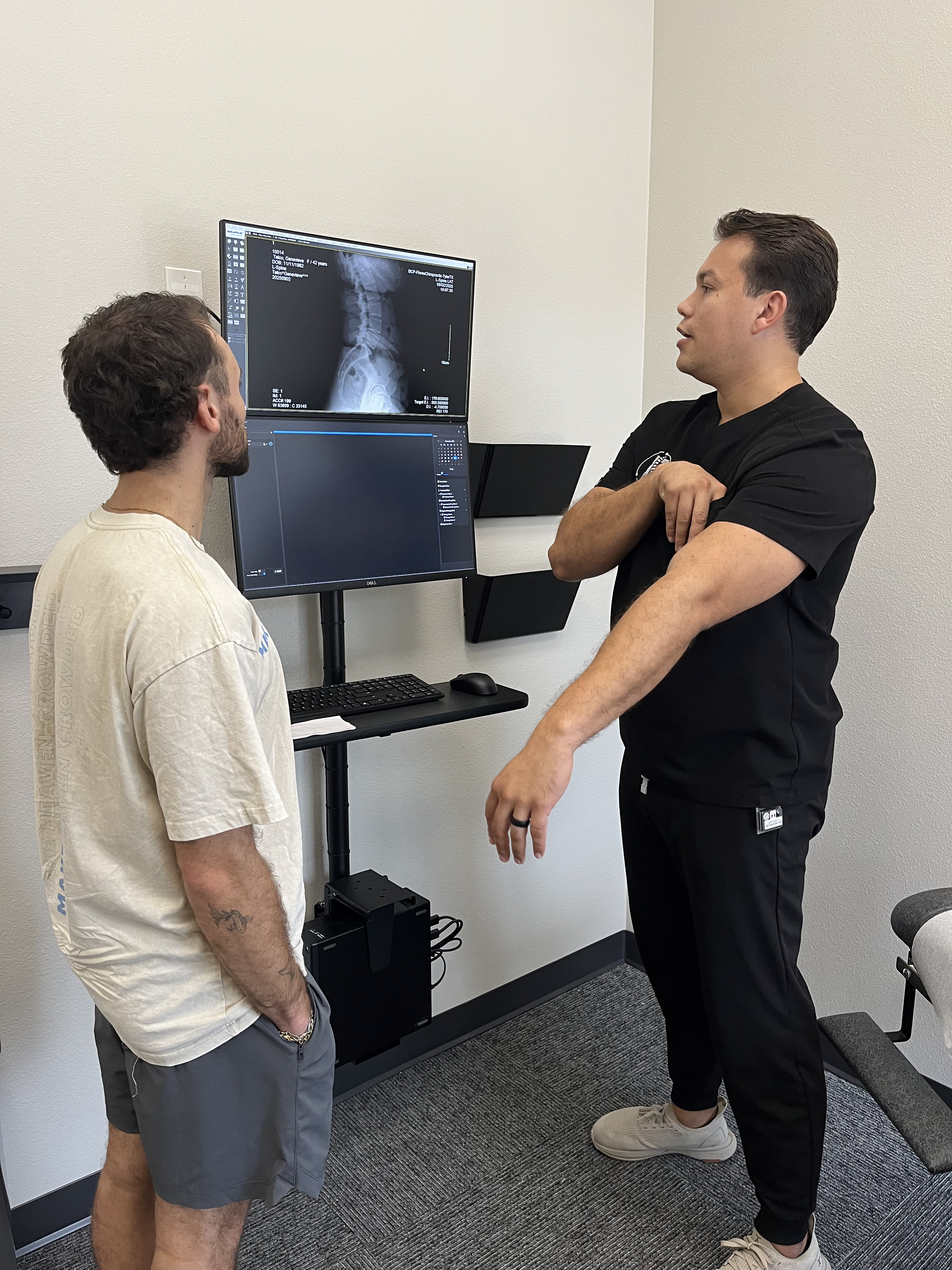
Signs and Symptoms to Watch For
Rotator cuff injuries can present in a variety of ways depending on which structure is affected, how severe the damage is, and how long the injury has been present. Recognizing the warning signs early gives you the best chance at a smoother, faster recovery.
The most common symptom is a dull, aching pain deep in the shoulder — often described as being located in the front or side of the shoulder joint. This pain frequently worsens with reaching overhead, reaching behind the back, or lifting the arm away from the body. Many people with rotator cuff injuries also notice that the pain intensifies at night, particularly when lying on the affected side, which can significantly disrupt sleep quality.
Weakness in the shoulder is another hallmark sign. You might find it harder than usual to lift objects, raise your arm above your head, or perform activities that require rotating the arm outward. A crackling or clicking sensation (sometimes called crepitus) during shoulder movement can also accompany a rotator cuff injury, though this alone doesn’t always indicate a serious problem.
In more severe cases — particularly with significant or complete tears — there may be a noticeable loss of shoulder strength and function that doesn’t improve with rest. If you’re experiencing any combination of these symptoms in the Tyler, TX area, the team at Flores Chiropractic encourages you to seek an evaluation rather than waiting it out.
How Chiropractic Care Fits Into Shoulder Recovery
When people think of chiropractic care, they often think exclusively of the spine. But chiropractic is a whole-body discipline rooted in musculoskeletal health, and the shoulder joint is absolutely within that scope. Dr. Ricardo Flores takes a comprehensive approach to shoulder pain that looks at the entire kinetic chain — not just the shoulder itself, but how the neck, upper back, and thoracic spine may be contributing to the problem.
One of the things that makes chiropractic care so well-suited for rotator cuff injuries is its focus on restoring proper joint mechanics. Misalignments or restricted movement in the cervical and thoracic spine can alter the mechanics of the shoulder blade (scapula), which in turn affects how the rotator cuff muscles function. By addressing these underlying biomechanical issues, chiropractic adjustments can help create a more favorable environment for healing and reduce the compensatory strain placed on injured tissues.
In addition to spinal adjustments, soft tissue therapies are often an important part of shoulder care at Flores Chiropractic. Techniques that address muscle tension, reduce inflammation in the surrounding tissues, and improve circulation to the injured area can all support the healing process. Targeted rehabilitative exercises and guidance on movement patterns help restore strength and function while reducing the risk of re-injury.
Research published through organizations like the National Center for Complementary and Integrative Health (NCCIH) suggests that chiropractic and manual therapies can be beneficial components of conservative care for shoulder pain. While chiropractic is not a cure for structural tears, it can meaningfully support pain management, restore functional movement, and reduce reliance on pain medications — especially when care begins early. Dr. Ricardo Flores works collaboratively and, when a more serious structural injury is suspected, will refer patients to the appropriate specialists to ensure they get the full picture of care they need.
Practical Tips for Supporting Your Shoulder Health
Whether you’re actively recovering from a rotator cuff injury or simply trying to protect your shoulders for the long term, there are practical steps you can take every day to support your shoulder health. These recommendations align with the conservative, whole-body philosophy we practice at Flores Chiropractic in Tyler, TX.
Posture awareness is one of the most impactful things you can work on. Rounded shoulders and a forward head posture place the shoulder joint in a mechanically disadvantaged position, increasing the load on the rotator cuff tendons with every arm movement. Sitting tall, keeping your shoulder blades gently drawn back and down, and positioning your computer screen at eye level are all small habits that make a real difference over time.
Be mindful of how you sleep. Sleeping on your side with the affected shoulder compressed under your body weight is one of the most common ways people aggravate rotator cuff pain overnight. Try sleeping on your back or on the unaffected side with a pillow supporting your arm in a neutral position.
Avoid the temptation to completely rest the shoulder for extended periods. While acute pain does call for some relative rest, total immobilization can lead to stiffness and weakening of the surrounding musculature. Gentle, pain-free movement within a comfortable range is generally more beneficial than complete inactivity — but always follow the specific guidance provided by your care provider.
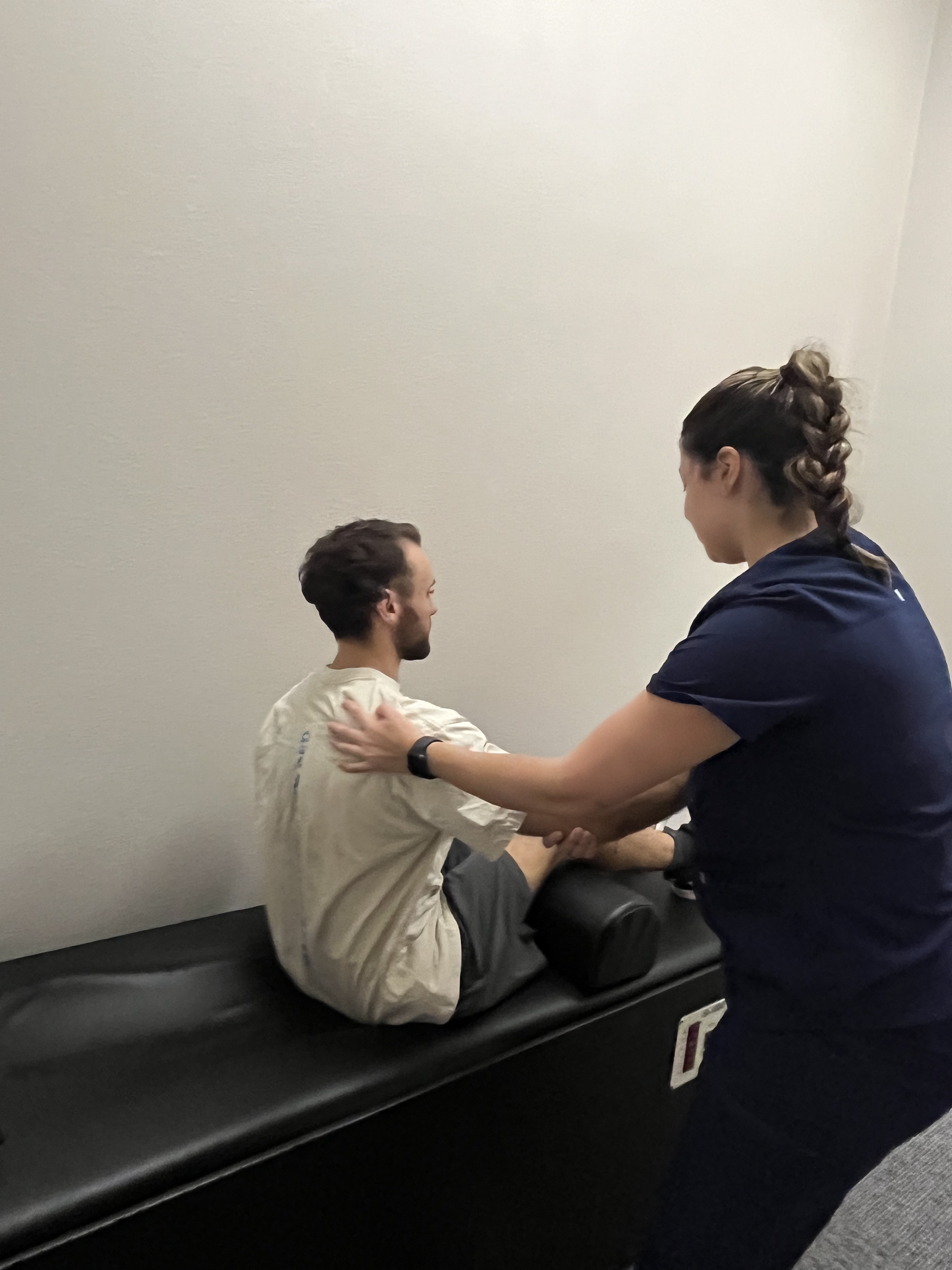
When to See a Chiropractor for Shoulder Pain
If your shoulder pain has lasted more than one to two weeks without improvement, it’s a good time to seek a professional evaluation. Waiting too long to address a rotator cuff injury can allow compensatory movement patterns to set in, making the recovery process more complex and drawn out.
You should also consider seeking care if your pain is limiting your ability to perform everyday activities — dressing yourself, driving, sleeping, or working — or if you notice progressive weakness in the shoulder that isn’t getting better with rest. These are signs that the injury may need targeted, hands-on attention.
There are certain situations where chiropractic care alone may not be sufficient and where a medical referral is warranted. If you experience a sudden, severe loss of shoulder strength following a traumatic event, significant swelling or bruising, or numbness and tingling radiating down the arm into the hand, these symptoms should be evaluated medically — potentially including imaging — to rule out a complete tendon tear or nerve involvement. At Flores Chiropractic, Dr. Ricardo Flores is committed to making sure every patient in the Tyler community receives the right level of care for their specific situation.
Treatment Approaches at a Glance
|
Treatment Approach |
Primary Goal |
Invasiveness |
Best Suited For |
|---|---|---|---|
|
Chiropractic Care |
Restore joint mechanics, reduce pain, improve function |
Non-invasive |
Mild to moderate strains, tendinopathy, biomechanical dysfunction |
|
Physical Therapy |
Strengthen muscles, restore range of motion |
Non-invasive |
Post-injury rehabilitation, chronic weakness |
|
Pain Medication / Anti-inflammatories |
Symptom management |
Non-invasive (oral) |
Short-term pain relief during acute flare-ups |
|
Corticosteroid Injections |
Reduce localized inflammation |
Minimally invasive |
Significant inflammation when conservative care hasn’t provided relief |
|
Surgical Repair |
Structural repair of torn tissue |
Invasive |
Complete tears or cases unresponsive to conservative treatment |
Myths vs. Facts About Rotator Cuff Injuries
Myth: You always need surgery for a rotator cuff tear.
Fact: Many rotator cuff tears — particularly partial tears and smaller full-thickness tears — respond well to conservative, non-surgical care. Evidence suggests that a significant number of patients achieve meaningful pain relief and functional improvement through chiropractic care, physical therapy, and rehabilitative exercise without ever needing surgery. Surgery is generally reserved for large complete tears or cases that do not respond to extended conservative management.
Myth: If the pain goes away, the injury is fully healed.
Fact: A reduction in pain does not always mean the underlying issue has fully resolved. The tissues of the rotator cuff can remain weakened or structurally compromised even after acute pain fades. This is why completing a full rehabilitation program — including strengthening exercises and correcting any contributing biomechanical problems — is so important for preventing re-injury.
Myth: Rotator cuff injuries only happen to athletes or manual laborers.
Fact: While athletes and people in physically demanding jobs are at elevated risk, rotator cuff injuries can affect anyone. Office workers with poor posture, older adults with age-related tendon degeneration, and people who sleep in certain positions regularly come in to see Dr. Ricardo Flores at Flores Chiropractic with shoulder pain that traces back to rotator cuff dysfunction.
Myth: Rest alone is the best treatment for shoulder pain.
Fact: Complete rest can actually be counterproductive for rotator cuff recovery in many cases. Prolonged inactivity can weaken the surrounding muscles and lead to stiffness in the joint. A balanced approach that includes appropriate activity modification, targeted therapeutic movement, and professional care tends to produce better outcomes than extended rest alone.
Myth: Chiropractic care is only for back and neck pain.
Fact: Chiropractic care addresses the entire musculoskeletal system, including the shoulder. Chiropractors are trained to assess and treat conditions affecting the joints, muscles, and connective tissues throughout the body. The shoulder’s connection to the cervical spine and thoracic spine also makes it a natural area of focus within chiropractic practice.
Final Thoughts from Flores Chiropractic
Dealing with a rotator cuff injury can be discouraging, especially when it interferes with the activities you love and the daily tasks you rely on. But it’s important to know that effective help is available — and that you don’t have to live with shoulder pain indefinitely. Here in Tyler, TX, our goal at Flores Chiropractic is to help our community members understand what’s happening in their bodies and to provide compassionate, evidence-informed care that supports real, lasting improvement.
Dr. Ricardo Flores brings a thorough, personalized approach to every patient who walks through our doors with shoulder concerns. From the initial evaluation to the development of a care plan tailored to your specific injury, activity level, and goals, every step is designed with your long-term wellbeing in mind. We believe that educated patients make better decisions about their health, and we’re always happy to take the time to explain what we’re finding and why we’re recommending a particular approach.
If you or someone you love in the Tyler area has been struggling with shoulder pain, we warmly encourage you to take the next step. Reaching out for a professional evaluation is one of the most empowering things you can do for your shoulder health — and it’s never too early or too late to start.
Frequently Asked Questions
How long does it take to recover from a rotator cuff injury?
Recovery time varies widely depending on the severity of the injury, the specific structures affected, and the consistency of the treatment approach. Mild strains and tendinopathy can begin to improve within a few weeks of consistent care, while more significant tears may require several months of rehabilitation. Dr. Ricardo Flores will give you a realistic picture of what to expect based on your individual presentation.
Can a chiropractor diagnose a rotator cuff tear?
Chiropractors are trained to perform a thorough orthopedic and functional assessment of the shoulder and can identify signs that may suggest a rotator cuff injury. However, a definitive diagnosis of a structural tear typically requires imaging such as an MRI or ultrasound. If imaging is needed, Dr. Ricardo Flores will coordinate a referral to ensure you have a complete and accurate diagnosis.
Is it safe to exercise with a rotator cuff injury?
Gentle, guided movement is generally beneficial and encouraged, but the type, intensity, and range of exercises appropriate for your injury depend on its severity. Exercising without guidance can sometimes aggravate an injury or create compensatory problems. It’s important to get specific recommendations from your chiropractor or healthcare provider before starting or continuing an exercise program.
Can poor posture really cause rotator cuff problems?
Yes, absolutely. Poor posture — particularly rounded shoulders and a forward head position — alters the way the shoulder blade moves and reduces the space within the shoulder joint where the rotator cuff tendons pass. Over time, this can contribute to impingement, inflammation, and eventual tendon damage. Correcting posture is often a meaningful part of both treating and preventing rotator cuff issues.
What’s the difference between rotator cuff tendinitis and a rotator cuff tear?
Rotator cuff tendinitis refers to inflammation of the tendon tissue, often caused by overuse or repetitive strain, and typically does not involve structural damage. A rotator cuff tear, on the other hand, means the tendon tissue has actually been disrupted — either partially or completely. Both conditions can cause similar symptoms, which is why a professional evaluation is important for determining the right course of care.
Does Flores Chiropractic treat other shoulder conditions beyond rotator cuff injuries?
Yes. The shoulder is a complex joint, and pain in the area can stem from a variety of sources including bursitis, frozen shoulder (adhesive capsulitis), AC joint issues, and referred pain from the cervical spine. At Flores Chiropractic in Tyler, TX, Dr. Ricardo Flores conducts a thorough assessment to identify the root cause of your shoulder pain and build an appropriate care plan.
TL;DR Summary
-
Rotator cuff injuries involve damage to the muscles and tendons that stabilize the shoulder joint, causing pain, weakness, and limited movement.
-
Common causes include repetitive overhead activity, acute trauma, age-related degeneration, and poor posture habits.
-
Chiropractic care at Flores Chiropractic in Tyler, TX can help address the biomechanical contributors to shoulder pain and support a non-invasive path to recovery.
-
Many rotator cuff injuries respond well to conservative care — surgery is not always necessary, especially when treatment begins early.
-
If your shoulder pain has lasted more than one to two weeks, is affecting your daily life, or involves progressive weakness, seek a professional evaluation with Dr. Ricardo Flores.