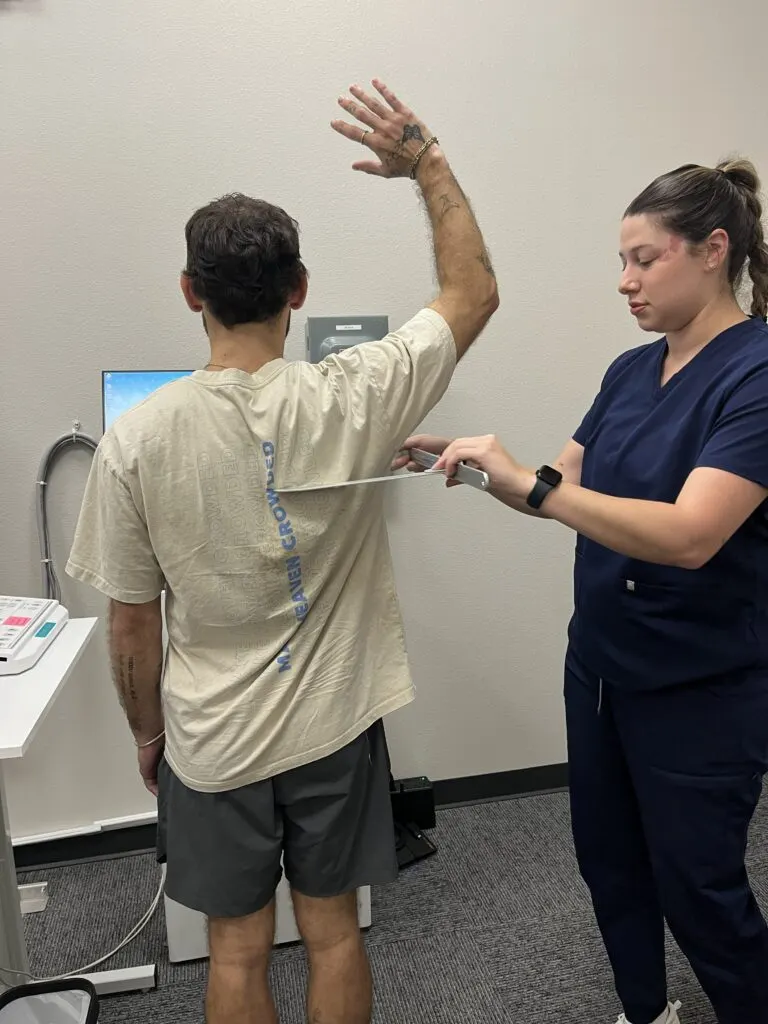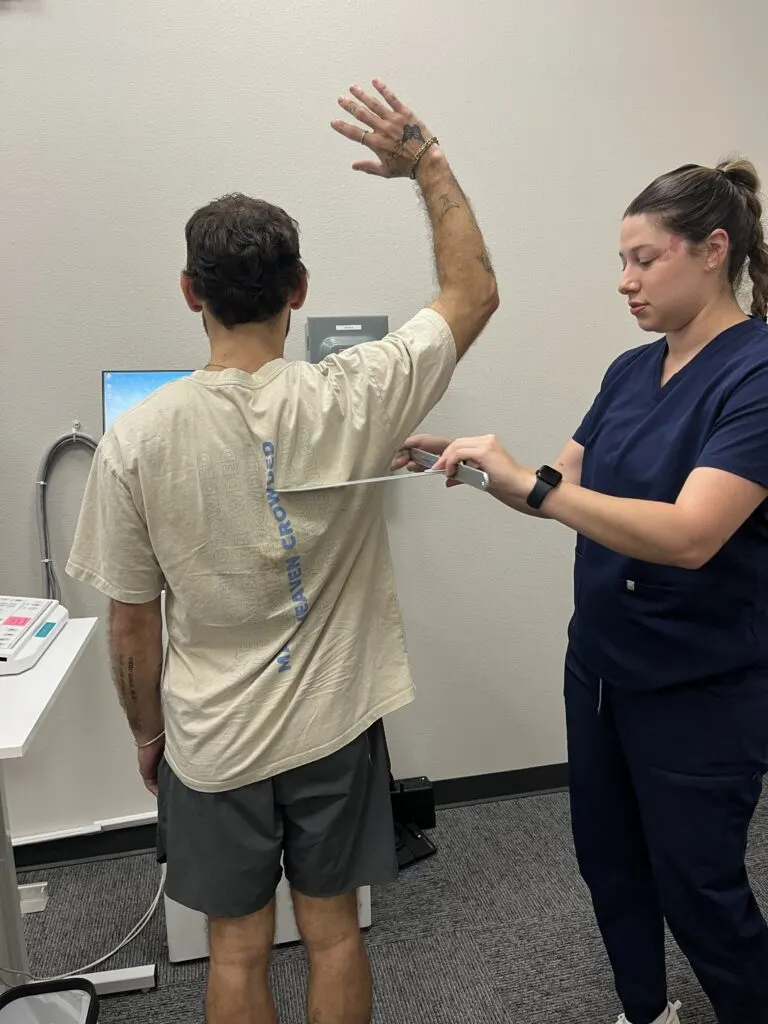

When it comes to finding the ideal frequency for headache relief, it’s important to consider a schedule that works for your unique needs. Regular chiropractic care is a vital component of this journey, as it can address the root causes of headaches and promote overall wellness. Different types of headaches may require tailored approaches, and your lifestyle choices can significantly influence how often you may benefit from chiropractic treatments.
Chiropractic adjustments work to align your spine, which can relieve tension and stress that often contribute to headaches. By visiting a chiropractor regularly, you can help prevent headaches before they start, rather than just treating them after they occur. Here are some factors to consider that can influence your path to relief:
- Type of Headache: Tension headaches, migraines, and cluster headaches each have different triggers and may respond differently to chiropractic care. Understanding your specific type can guide your treatment frequency.
- Lifestyle Factors: Your daily habits, such as posture, stress levels, and hydration, can play a big role in headache frequency. Incorporating healthy practices like good posture and regular hydration can enhance the benefits of chiropractic care.
- Frequency of Visits: Many patients find that regular visits, such as weekly or bi-weekly adjustments, can help maintain spinal health and reduce headache occurrences. Your chiropractor can help you determine the best schedule based on your individual needs.
- Self-Care Techniques: In addition to chiropractic adjustments, practicing relaxation techniques, stretching, and maintaining a balanced diet can further support your headache relief efforts. Simple changes can lead to significant improvements in your overall health and wellness.
In summary, chiropractic care is an excellent choice for those seeking natural relief from headaches. By working with a chiropractor and considering your unique factors, you can develop a personalized plan that promotes optimal health and helps you live pain-free. Remember, the goal is not just to alleviate headaches, but to enhance your overall well-being—naturally!
Key Takeaways
- For optimal headache relief and to boost your overall health, regular chiropractic adjustments are highly recommended. A weekly visit can help keep your spine aligned and your nervous system functioning at its best, which is essential for managing headaches.
- Acupuncture is another powerful natural therapy that can complement chiropractic care. Scheduling weekly acupuncture sessions can enhance your body’s ability to respond to headache treatment effectively, working alongside the benefits of chiropractic adjustments.
- While over-the-counter medications may offer quick relief, they should not be a substitute for the ongoing care and support provided by chiropractic treatments. It’s essential to focus on natural healing methods that address the root causes of headaches rather than just masking the symptoms.
- Incorporating stress management techniques into your routine several times a week can also play a significant role in reducing the frequency of headaches. Simple practices like deep breathing, meditation, or gentle yoga can help lower stress levels and contribute to overall wellness.
- Keeping a headache diary is a smart way to track your headache patterns and triggers. This valuable tool can help you and your chiropractor make informed adjustments to your treatment plan and lifestyle, leading to better headache management and improved health outcomes.
By prioritizing chiropractic care and these holistic approaches, you can find effective relief from headaches while promoting your overall well-being. Remember, your health is a journey, and we’re here to support you every step of the way!
Understanding Different Types of Headaches
When you experience a headache, understanding its type can be crucial for finding effective relief, and chiropractic care can play a significant role in your journey to wellness.
Headaches generally fall into two main categories: primary and secondary. Primary headaches, like migraines and tension headaches, occur independently and aren’t caused by other conditions. Migraines can bring intense pain, often accompanied by nausea or sensitivity to light and sound. Tension headaches, on the other hand, usually feel like a tight band around your head and can stem from stress or muscle strain, often related to tension in the neck and spine.
Secondary headaches are caused by underlying issues, such as sinus infections or high blood pressure. Identifying these can help guide your treatment approach, but it’s important to remember that chiropractic care can address many of the tensions and strains that contribute to headaches.
Here are some general tips to help you manage headaches naturally:
- Stay Hydrated: Dehydration can lead to headaches, so make sure you drink plenty of water throughout the day.
- Maintain Good Posture: Poor posture can contribute to tension headaches. Be mindful of your sitting and standing posture, especially if you’re working at a desk.
- Regular Chiropractic Adjustments: Regular visits to a chiropractor can help keep your spine aligned, reduce muscle tension, and alleviate headache symptoms.
- Stress Management Techniques: Incorporate relaxation techniques such as deep breathing, meditation, or yoga into your routine to help manage stress levels.
- Keep a Headache Diary: Tracking your headaches can help identify patterns and triggers, making it easier to address the root causes.
Understanding these distinctions empowers you to take the right steps toward relief.
Over-the-Counter Medications: When and How Often to Use Them
Understanding your headache type is just the first step in managing pain effectively, and as a chiropractor, I want to emphasize that there are natural and holistic approaches to achieving relief. While some may consider over-the-counter (OTC) medications like acetaminophen, ibuprofen, and aspirin for quick relief, I encourage exploring chiropractic care as a more effective and sustainable solution.
Chiropractic adjustments can help address the root causes of headaches, such as tension in the neck and spine. By improving spinal alignment, we can reduce nerve irritation and muscle tension that often contribute to headaches. Instead of relying on pain relievers, consider scheduling regular chiropractic sessions to support your overall health and well-being.
If you do find yourself in discomfort, it’s important to listen to your body. Here are some general tips to help manage headaches naturally:
- Stay Hydrated: Dehydration can trigger headaches, so drink plenty of water throughout the day.
- Practice Good Posture: Poor posture can lead to tension headaches. Be mindful of your posture while sitting and standing.
- Manage Stress: Engage in relaxation techniques such as deep breathing, meditation, or yoga to alleviate stress-related headaches.
- Get Adequate Sleep: Establish a regular sleep schedule to help prevent headaches related to fatigue.
- Regular Chiropractic Care: Consider incorporating chiropractic adjustments into your routine to maintain a healthy spine and nervous system.
By focusing on these natural approaches, you can manage your headaches effectively while promoting your overall health. If headaches persist or worsen, it’s important to consult with a healthcare professional who respects and understands the benefits of chiropractic care.
Lifestyle Changes for Headache Prevention
To prevent headaches, it’s essential to prioritize your hydration and nutrition. Drinking plenty of water and eating a balanced diet can work wonders for your overall health and well-being.
Remember, good nutrition supports not just your body but also the health of your spine, which plays a key role in your nervous system function.
Getting enough restful sleep is another vital factor in headache prevention. Sleep helps your body recover and regenerate, and a well-aligned spine can promote better sleep quality.
If you’re struggling with sleep, consider visiting a chiropractor to ensure your spine is aligned, which can lead to improved sleep patterns.
Managing stress is equally important. High stress levels can lead to tension headaches, so incorporating relaxation techniques such as deep breathing, yoga, or even regular chiropractic adjustments can help alleviate stress.
A chiropractor can teach you techniques to manage stress while also addressing any physical tension in your body.
By adopting these lifestyle changes and considering chiropractic care, you can significantly reduce your chances of experiencing headaches.
Remember, your spine is the foundation of your overall health, and keeping it in optimal condition can lead to a healthier, headache-free life.
Take charge of your health today and explore the natural healing benefits of chiropractic care!
Hydration and Nutrition
Staying properly hydrated and maintaining a balanced diet can significantly support your overall wellness and help alleviate headaches. As a chiropractor, I emphasize the importance of hydration and nutrition in promoting optimal health.
Make it a habit to drink plenty of water throughout the day—aim for at least eight glasses. Dehydration is a common trigger for headaches, so keep a water bottle nearby to remind yourself to stay hydrated.
In addition to hydration, focusing on nutrient-rich foods is essential. Incorporate plenty of fruits, vegetables, whole grains, and lean proteins into your meals. Foods high in magnesium, such as spinach and nuts, can be particularly helpful in preventing headaches.
It’s also wise to limit your intake of excessive caffeine and processed foods, as they can contribute to dehydration and headache triggers.
Listening to your body’s signals is crucial. Eating regular meals can help maintain stable blood sugar levels, which is important for overall health and headache prevention.
By prioritizing hydration and nutrition, you not only support your body but also enhance the effectiveness of chiropractic care in achieving pain relief and overall wellness.
Remember, chiropractic care focuses on the alignment of your spine and the nervous system, which plays a vital role in your body’s ability to function optimally.
Sleep and Stress Management
While you mightn’t realize it, the quality of your sleep and your stress levels play a significant role in preventing headaches, and chiropractic care can enhance both. Aim for 7-9 hours of restorative sleep each night, as a well-aligned spine promotes better sleep quality. Establishing a consistent sleep schedule can help regulate your body’s internal clock, making it easier to drift off into a restful slumber.
Creating a calming bedtime routine, free from screens and distractions, is essential for promoting relaxation. Consider incorporating gentle stretches or spinal exercises before bed to release tension in your back and neck, further improving your sleep quality.
Managing stress is equally important for overall wellness and headache prevention. Chiropractic adjustments can help reduce physical stress on your body, allowing you to feel more relaxed and balanced.
Additionally, consider integrating stress-reduction techniques such as deep breathing, meditation, or yoga into your daily routine. These practices work hand-in-hand with chiropractic care to enhance your well-being.
Engage in activities that bring you joy and help you unwind—whether it’s reading, taking a walk, or spending quality time with loved ones.
Alternative Therapies and Their Frequency
As you seek relief from headaches, understanding the frequency of various alternative therapies can greatly enhance their effectiveness. Chiropractic care stands out as a top choice for achieving optimal health and alleviating headache pain. Regular chiropractic adjustments, ideally scheduled once a week, can help your body realign and reduce tension in the spine, ultimately leading to fewer headaches over time.
In addition to chiropractic care, incorporating acupuncture into your routine can also be beneficial. Similar to chiropractic adjustments, weekly sessions can help your body adapt and respond positively to treatment.
For those looking to complement their chiropractic care, practices like yoga and meditation can be incredibly helpful. Aim to engage in these activities several times a week to effectively manage stress and tension that contribute to headaches.
Herbal remedies, such as feverfew or butterbur, can also support your wellness journey but should be taken daily over several weeks for noticeable results.
Remember, the key is to find a routine that suits your lifestyle and stick with it. Pay attention to how your body responds, and don’t hesitate to adjust the frequency of your chiropractic visits or other therapies as needed.
Incorporating these practices into your life can lead to significant improvements in your overall well-being and headache relief. By choosing chiropractic care as your primary method for pain relief, you’ll be on the path to a healthier, more balanced life.
When to Seek Professional Help
If you’re experiencing persistent or severe headache pain, it’s essential to consider chiropractic care as a natural and effective solution. Headaches can often stem from tension in the spine or neck, and a chiropractor can help identify and address these underlying issues.
Pay attention to any accompanying symptoms, such as vision changes or nausea, as they may indicate a need for a deeper evaluation. Remember, your health should always be a priority, and seeking chiropractic care can be a proactive step towards relief and wellness.
In addition to professional care, there are simple tips you can incorporate into your daily routine to help manage headache discomfort. Staying hydrated, practicing good posture, and taking regular breaks from screens can significantly reduce tension.
Gentle stretching and relaxation techniques, like deep breathing or meditation, can also be beneficial. By focusing on these natural approaches, you can support your body’s healing process and work towards optimal health.
Persistent or Severe Pain
When headaches become persistent or severe, it’s crucial to pay attention to the signs that indicate it’s time to seek professional help. Ignoring these signals could mean that there are underlying issues that need to be addressed. Here are three key indicators to keep an eye on:
- Duration: If your headache lasts more than 72 hours without relief, it’s a strong indication to reach out for assistance. Persistent headaches can often be alleviated with the right chiropractic care, which focuses on spinal health and overall wellness.
- Intensity: If your headache escalates quickly or feels different from your usual headaches, it’s important to get evaluated. Chiropractic adjustments can help realign the spine, reducing tension and improving overall function, which may relieve headache intensity.
- Frequency: Experiencing headaches more than twice a week is a sign that you should consult a healthcare professional. Regular chiropractic care can help manage and reduce the frequency of headaches by ensuring your spine is in optimal alignment, which supports your nervous system and overall health.
Taking these signs seriously can lead you to effective pain relief and a happier, healthier life.
Remember, chiropractic care is a natural approach that focuses on healing your body without the need for medications or surgeries.
Don’t hesitate to reach out for help when you need it! Embrace a healthier lifestyle with chiropractic care and enjoy the benefits of natural wellness.
Accompanying Symptoms Present
Headaches can often signal more than just discomfort, especially when accompanied by other symptoms. If you’re experiencing nausea, vomiting, vision changes, or confusion along with your headache, it’s crucial to pay attention to these signs. While these symptoms can sometimes indicate a more serious condition, chiropractic care can provide natural relief and address the underlying causes of your headaches.
If you have a sudden and severe headache or if it feels like the worst headache you’ve ever had, it’s important to listen to your body. In these cases, consulting with a healthcare professional is wise. However, many headaches can be effectively managed through chiropractic adjustments, which help realign the spine and alleviate tension in the muscles.
Additionally, if you’re noticing symptoms like fever, a stiff neck, or a rash, these could be signs of infections like meningitis that require immediate attention. But remember, regular chiropractic care can help strengthen your body and may reduce your susceptibility to headaches in the first place.
To support your overall wellness and potentially reduce headache occurrences, consider incorporating these general tips into your routine:
- Maintain good posture, especially if you sit for long periods.
- Stay hydrated; dehydration can contribute to headaches.
- Practice stress-relieving techniques such as yoga or meditation.
- Get regular chiropractic adjustments to keep your spine aligned and your nervous system functioning optimally.
Trust your instincts—if something doesn’t feel right, it’s always best to consult a healthcare professional. Embracing chiropractic care can be a powerful step towards achieving optimal health and natural pain relief.
Monitoring Your Headache Patterns and Triggers
As you track your headache patterns and triggers, you’ll gain valuable insights that can lead you to effective relief strategies, particularly through chiropractic care. Start by keeping a detailed headache diary. Document when your headaches occur, their intensity, and duration. With this information, you’ll begin to see patterns emerge that can help you and your chiropractor develop a tailored treatment plan.
Next, identify potential triggers. Consider these common factors:
- Food and Drink: Note if specific foods or beverages, like caffeine or aged cheeses, coincide with your headaches. Understanding your dietary triggers can help you make healthier choices that support your overall wellness.
- Stress Levels: Recognize how stress from work or personal life might affect your headaches. Engaging in relaxation techniques, such as deep breathing or gentle stretches, can help alleviate tension and improve your spinal health.
- Environmental Changes: Pay attention to changes in weather, lighting, or noise levels that could trigger your pain. Creating a calming, supportive environment in your home can contribute to your well-being.
By monitoring these factors and sharing your findings with your chiropractor, you can work together to explore natural healing techniques that target the root causes of your headaches. Chiropractic adjustments, along with lifestyle modifications, can provide effective relief and promote optimal health.
Conclusion
Incorporating regular chiropractic care into your routine can significantly improve your headache relief and overall wellness. Aim for weekly sessions to help realign your spine, reduce tension, and promote better health. Alongside chiropractic adjustments, consider making simple lifestyle changes such as staying hydrated, managing stress, and maintaining a healthy diet.
Pay attention to your headache patterns and triggers; keeping a journal can be a helpful tool for this. If you notice persistent headaches, don’t hesitate to reach out for professional chiropractic help. With the right approach, including regular adjustments and healthy habits, you can reduce the frequency of your headaches and enhance your quality of life. Remember, chiropractic care is a natural and effective way to achieve optimal health and wellness without the need for medications or surgeries.