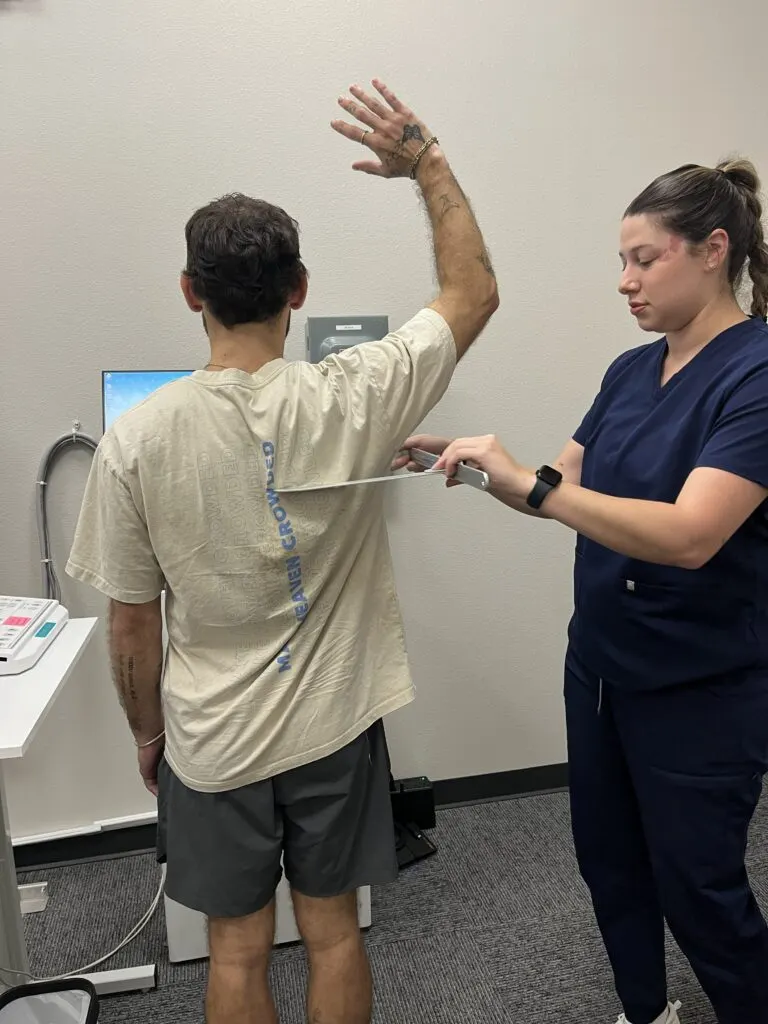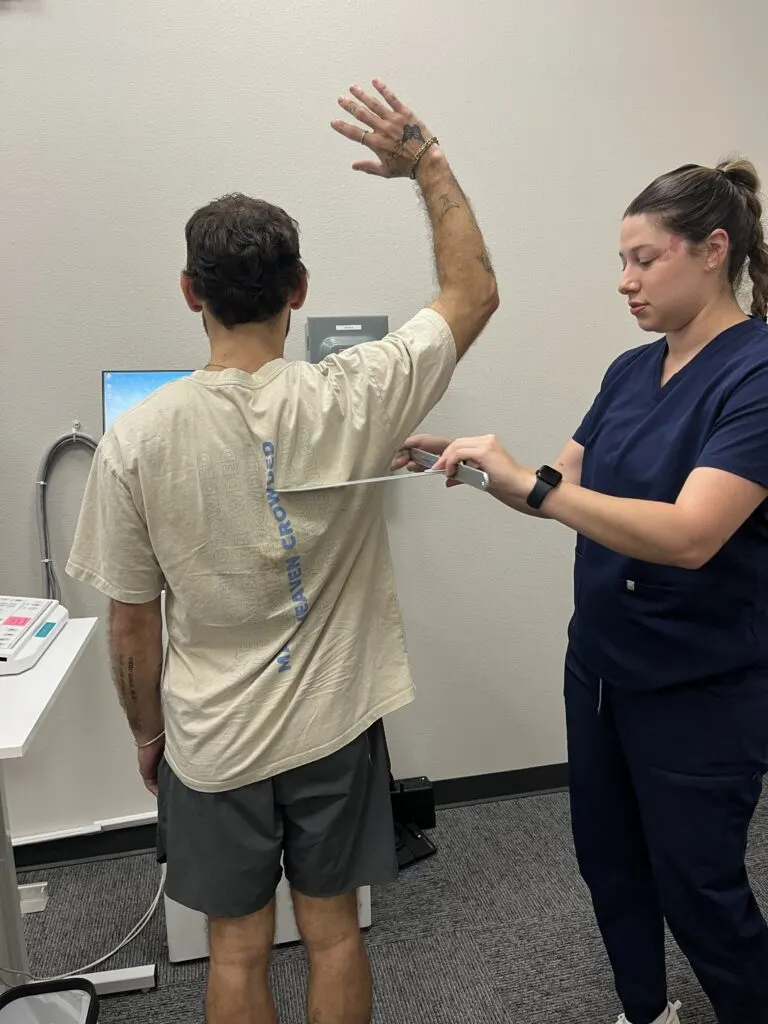

Have you ever thought about how your spinal alignment might be impacting your headaches? Misalignments in your spine can disrupt nerve signals, leading to tension in your neck and shoulders, which often results in more intense headaches. Poor posture and spinal health can even worsen migraines. By understanding this vital connection, you can find relief and enhance your overall well-being.
Chiropractic care is a natural and effective way to address these issues. By focusing on proper spinal alignment, we can help restore balance to your body and alleviate headache pain. Here are some tips to consider:
- Practice Good Posture: Be mindful of your posture throughout the day, especially if you sit for long periods. Keep your shoulders relaxed, and align your ears over your shoulders.
- Stay Active: Regular exercise strengthens the muscles that support your spine. Simple activities like walking, stretching, or yoga can make a significant difference.
- Take Breaks: If you’re working at a desk, make sure to take frequent breaks. Stand up, stretch, and move around to relieve tension in your neck and shoulders.
- Chiropractic Adjustments: Regular visits to your chiropractor can help maintain proper spinal alignment, reducing the frequency and severity of headaches.
- Hydration and Nutrition: Staying hydrated and eating a balanced diet can also play a role in preventing headaches. Make sure you’re drinking enough water and consuming plenty of fruits and vegetables.
By prioritizing your spinal health through chiropractic care and following these practical tips, you can effectively manage headaches and improve your overall quality of life. Let’s work together towards a healthier, pain-free future!
Key Takeaways
The Impact of Spinal Alignment on Headaches: Understanding the Connection
As a local chiropractor, I want to shed light on how proper spinal alignment can significantly impact your overall well-being, particularly when it comes to headaches.
- Enhanced Nerve Communication: When your spine is aligned correctly, it allows for better nerve signal transmission throughout your body. This means that your brain can communicate more effectively with the rest of your body, reducing the likelihood of headaches.
- Tension Relief: Misalignments in your spine can lead to increased tension in the neck and skull muscles, which often results in headache pain. By correcting these misalignments through gentle chiropractic adjustments, we can alleviate this tension and help you find relief.
- Blood Flow Matters: Poor spinal alignment can disrupt blood flow, which may exacerbate conditions like cluster headaches. Ensuring that your spine is in proper alignment supports healthy circulation and can help diminish headache symptoms.
- Regular Chiropractic Care: Consistent chiropractic care plays a vital role in maintaining spinal alignment. By making regular visits to your chiropractor, you can prevent misalignments from occurring, reducing the frequency and severity of headaches while promoting overall wellness.
Tips for Maintaining Healthy Spinal Alignment and Reducing Headaches:
- Practice Good Posture: Be mindful of your posture while sitting, standing, or using electronic devices. Keeping your spine in a neutral position can help prevent misalignments.
- Stay Active: Regular physical activity strengthens your muscles and supports spinal health. Aim for a mix of cardio, strength training, and flexibility exercises.
- Hydrate: Drinking enough water supports overall health and can help prevent dehydration-related headaches.
- Manage Stress: Stress can contribute to tension headaches. Explore relaxation techniques such as deep breathing, yoga, or meditation to help keep stress levels in check.
- Sleep Well: Ensure you have a comfortable sleeping position and a supportive mattress to promote good spinal alignment during sleep.
By prioritizing your spinal health through chiropractic care and these simple lifestyle tips, you can take significant steps towards reducing headaches and enhancing your overall quality of life. Remember, natural healing is just a chiropractic visit away!
Understanding Headaches: Types and Triggers
When you experience a headache, it’s important to remember that not all headaches are the same; each type has its own unique triggers and characteristics. Tension headaches, for example, often arise from stress, muscle tension, or poor posture. You might notice a dull, aching sensation that wraps around your head, signaling the need for relief.
This is where chiropractic care can play a significant role. By addressing misalignments in the spine and improving posture, chiropractic adjustments can help alleviate tension and reduce the frequency of these headaches.
Migraines are another type of headache that can be particularly debilitating, often causing intense, throbbing pain along with nausea or sensitivity to light and sound. Triggers for migraines can include certain foods, hormonal changes, or lack of sleep.
Chiropractic care can help by enhancing overall spinal health, which may contribute to reducing migraine occurrences.
Cluster headaches, while less common, can be extremely painful and occur in cyclical patterns. If you’re suffering from this type of headache, chiropractic adjustments may provide relief by promoting better blood flow and reducing inflammation.
One effective way to manage your headaches is to keep a headache diary. Jot down when your headaches occur, their intensity, and any potential triggers. This information can be incredibly valuable when working with a chiropractor to develop a personalized plan for relief.
In addition to chiropractic care, there are some general tips you can incorporate into your daily routine for better health and wellness. Make sure to stay hydrated, practice good posture, and take regular breaks from screens.
Gentle stretches and relaxation techniques can also help reduce tension in the muscles around your neck and shoulders, potentially minimizing headache occurrences.
The Role of Spinal Alignment in Body Function
Your spinal alignment is crucial for how well your body functions day-to-day. When your spine is misaligned, it can lead to muscle tension and discomfort, which can negatively impact your overall health and well-being. That’s where chiropractic care comes in as an effective and natural solution.
Proper spinal alignment enhances communication within your nervous system, allowing your body to operate at its best. When your spine is in alignment, your nerves can send and receive signals more efficiently, reducing pain and promoting overall wellness.
Here are a few simple tips to help maintain good spinal health:
- Practice Good Posture: Whether sitting at a desk or standing, be mindful of your posture. Keep your shoulders back and your spine straight to help prevent misalignment.
- Stay Active: Regular exercise can help strengthen the muscles that support your spine. Activities like walking, swimming, or yoga can be beneficial.
- Invest in a Good Mattress: A supportive mattress can help maintain proper spinal alignment while you sleep, leading to better rest and recovery.
- Stretch Regularly: Incorporate stretching into your daily routine to keep your muscles flexible and reduce tension in your back.
- Schedule Regular Chiropractic Visits: Regular check-ups with your chiropractor can help ensure your spine stays aligned, preventing discomfort before it starts.
By prioritizing your spinal health through chiropractic care, you’re taking a proactive step toward achieving optimal health naturally.
Nervous System Communication
Did you know that your spinal alignment plays a crucial part in how your nervous system communicates throughout your body? When your spine is in the right position, it allows nerve signals to travel freely between your brain and your organs.
However, when there are misalignments, it can disrupt this communication, potentially leading to issues like headaches. Poor spinal alignment can pinch nerves, causing them to send mixed signals that confuse your body’s systems.
This disruption can put extra stress on your nervous system, resulting in increased tension and discomfort. That’s why maintaining proper spinal alignment is so important. By ensuring your spine is aligned, you’re not only enhancing the efficiency of your nervous system but also promoting overall wellness.
This can lead to fewer headaches and a healthier, more balanced body. Chiropractic care is an excellent natural solution to help you achieve and maintain optimal spinal alignment. Regular chiropractic adjustments can help keep your spine in the right position, allowing your nervous system to function at its best.
Here are a few tips to help you support your spinal health at home:
- Practice Good Posture: Whether sitting at a desk or standing, keep your shoulders back and your spine straight.
- Stay Active: Regular exercise strengthens your muscles and supports spinal health. Simple activities like walking or stretching can make a big difference.
- Use Ergonomic Furniture: Invest in a good chair that supports your back, especially if you spend long hours sitting.
- Stay Hydrated: Drinking plenty of water helps keep your spinal discs hydrated and healthy.
Muscle Tension and Pain
Spinal alignment plays a crucial role in how we feel and move every day. When your spine is in proper alignment, it allows for smooth movement and minimizes unnecessary strain on your muscles.
However, if your spine is misaligned, it can lead to muscle imbalances. This means some muscles may have to work harder, while others become weak. As a result, you might experience tension and discomfort, especially in areas like your neck, shoulders, and back.
Have you ever noticed that when your spine isn’t aligned, you might also get headaches? This happens because tension can build up in the muscles around your neck and skull. By prioritizing good spinal alignment through chiropractic care, you can effectively reduce muscle tension and lower the risk of pain. This not only promotes better body function but also enhances your overall well-being.
Here are some simple tips to help maintain a healthy spine and reduce muscle tension:
- Stay Active: Regular physical activity can help keep your muscles strong and your spine aligned. Consider activities like walking, swimming, or yoga.
- Practice Good Posture: Whether you’re sitting at a desk or standing, being mindful of your posture can help prevent misalignment. Keep your shoulders back and your spine straight.
- Sleep Smart: Choose a supportive mattress and pillow that keeps your spine in a neutral position. Try sleeping on your side or back to reduce strain.
- Stay Hydrated: Drinking plenty of water helps keep your discs hydrated and supports overall spinal health.
- Regular Chiropractic Visits: Regular check-ups with a chiropractor can help ensure your spine stays aligned, allowing your body to function at its best.
By focusing on your spinal health and integrating these tips into your daily routine, you can experience significant improvements in your comfort and overall quality of life.
Chiropractic care is an excellent choice for achieving optimal health naturally, helping you to live a more vibrant and pain-free life.
Posture and Discomfort
When you maintain good posture, you’re not just standing tall; you’re actively supporting your body’s overall health and minimizing discomfort. Proper spinal alignment is crucial for how you feel throughout your day, and chiropractic care is your best ally in achieving this.
Here are four ways good posture, supported by chiropractic adjustments, can enhance your well-being:
- Reduces muscle strain: By aligning your spine, chiropractic care helps relieve tension on your muscles, allowing them to work more efficiently. This means less discomfort and more freedom of movement.
- Improves circulation: With proper alignment, blood can flow more freely to your vital organs. This not only enhances nutrient delivery but also aids in effective waste removal, promoting overall health.
- Enhances breathing: Good posture opens up your chest and lungs, improving your lung capacity and oxygen intake. A chiropractor can help you achieve and maintain this alignment, which supports better breathing.
- Boosts energy levels: When your body is properly aligned, you use less energy for everyday activities. This can help you feel more alert and focused throughout the day, making it easier to enjoy life.
Investing in your posture through chiropractic care can lead to a significant reduction in discomfort and a boost in your overall quality of life.
Remember, small daily adjustments—like being mindful of your posture while sitting or standing—can make a big difference. Regular visits to your chiropractor can help ensure that your spine stays aligned and your body continues to function at its best.
Start prioritizing your posture today for a healthier, happier you!
How Misalignments Contribute to Headaches
Misalignments in your spine can disrupt the way your nerves communicate, which may lead to headaches. When these misalignments occur, they can create tension and strain in your muscles, contributing to discomfort.
As a local chiropractor, I want to emphasize how important it’s to address these spinal misalignments for not just relieving headaches, but also for enhancing your overall health.
Chiropractic care focuses on restoring proper alignment in your spine, which can alleviate nerve interference and help your body function at its best. By correcting these misalignments, we can’t only relieve headache symptoms but also promote better communication within your body, leading to improved wellness.
Incorporating regular chiropractic adjustments into your routine can be a natural and effective way to manage headaches and enhance your quality of life.
Additionally, here are some simple tips to help you maintain spinal health and potentially prevent headaches:
- Stay Active: Regular physical activity strengthens your muscles and supports your spine. Aim for at least 30 minutes of moderate exercise most days of the week.
- Practice Good Posture: Whether you’re sitting at a desk or using your phone, maintaining good posture can help reduce strain on your spine.
- Stay Hydrated: Dehydration can contribute to headaches, so make sure you drink plenty of water throughout the day.
- Manage Stress: Techniques such as deep breathing, yoga, or meditation can help reduce stress, which is a common headache trigger.
- Sleep Well: Ensure you’re getting enough restful sleep, and consider using a supportive pillow to keep your spine aligned while you rest.
By prioritizing your spinal health through chiropractic care and these simple lifestyle changes, you can take significant steps toward a headache-free life and overall well-being.
Nerve Interference Mechanisms
Nerve interference is a significant factor in how spinal misalignments can lead to headaches. When your spine isn’t properly aligned, it can put pressure on the nerves, disrupting their normal function. This interference can result in various types of headaches.
Here are four ways that misalignments can contribute to headache pain and how chiropractic care can help:
- Reduced Blood Flow – When nerves are compressed, it can restrict blood circulation, denying your brain the essential nutrients it needs to function optimally. Chiropractic adjustments can help restore proper alignment, improving blood flow and nourishing your brain.
- Inflammation – Irritated nerves often lead to inflammation, which can result in pain and discomfort. Chiropractic care focuses on correcting misalignments to reduce nerve irritation, ultimately helping to alleviate inflammation and its associated pain.
- Altered Signals – Misaligned vertebrae can distort the signals that nerves send, leading to confusion in how pain is perceived. Through gentle spinal adjustments, chiropractors can help realign your spine, allowing your body to communicate more effectively and reducing headache frequency.
- Muscle Spasm – Nerve interference can cause muscles to tighten, resulting in tension headaches. Chiropractic treatment aims to relieve this tension by restoring balance and function to your nervous system, helping to ease muscle spasms.
By addressing spinal misalignments, chiropractic care can effectively alleviate nerve-related issues and reduce the occurrence and intensity of headaches.
If you’re experiencing headaches, consider seeking chiropractic treatment as a natural and effective way to improve your overall health and wellness.
Additionally, here are some tips to support your well-being:
- Maintain good posture while sitting and standing.
- Stay hydrated to support optimal nerve function.
- Incorporate regular physical activity to keep your spine healthy.
- Practice stress-reducing techniques like deep breathing or yoga.
Choosing chiropractic care as part of your wellness journey can lead to a healthier, pain-free life.
Muscle Tension and Strain
Spinal misalignments can lead to muscle tension and strain, which often results in headaches. When your spine is out of alignment, the surrounding muscles must work harder to compensate, leading to tightness and discomfort. This tension can extend to the head and neck, playing a significant role in headache development.
Chiropractic care is a natural and effective way to address these issues. By realigning the spine, we help relieve muscle tension, reduce strain, and promote overall wellness. Here’s a quick visual overview of how muscle tension relates to misalignment, along with some helpful tips:
| Misalignment Impact | Headache Type |
|---|---|
| Increased muscle strain | Tension headaches |
| Nerve compression | Migraines |
| Poor posture | Cervicogenic headaches |
Tips for Relief:
- Regular Chiropractic Adjustments: Regular visits to your chiropractor can help keep your spine aligned and reduce muscle tension, minimizing the frequency and intensity of headaches.
- Practice Good Posture: Be mindful of your posture throughout the day. Whether you’re sitting at a desk or standing, maintaining a neutral spine can help prevent misalignments.
- Stay Active: Engaging in regular physical activity can strengthen the muscles that support your spine, reducing the risk of tension and strain.
- Stretch Regularly: Incorporate gentle stretches into your daily routine to alleviate tightness in the muscles around your neck and shoulders.
The Connection Between Posture and Head Pain
While you may not realize it, your posture is crucial in the development of headaches. Poor alignment can lead to muscle tension and strain, triggering discomfort. As a chiropractor, I want to share how your posture might contribute to head pain and offer tips for improvement, along with the benefits of chiropractic care for relief:
- Forward Head Position: When you lean your head forward, it puts extra strain on your neck muscles, which can lead to tension headaches. To alleviate this, practice keeping your ears aligned with your shoulders. Simple exercises, like chin tucks, can help strengthen your neck muscles and improve your posture.
- Rounded Shoulders: Slouching can compress nerves and blood vessels, causing discomfort. To counteract this, regularly check your shoulder position. Try to keep them back and down, and practice shoulder rolls to release tension. Chiropractic adjustments can also help restore proper alignment and relieve pressure.
- Improper Sitting: Sitting incorrectly at a desk can lead to spinal misalignment, which often results in persistent headaches. Ensure your workstation is ergonomically friendly—your chair should support your lower back, and your computer screen should be at eye level. Incorporating short breaks to stretch can also prevent strain.
- Lack of Movement: Remaining in one position for an extended time can tighten muscles, leading to stress that manifests as head pain. Make it a habit to move every hour. Simple stretches or a quick walk can significantly relieve muscle tension. Chiropractic care can also enhance your overall mobility and flexibility.
By focusing on improving your posture and incorporating these tips, you can reduce the likelihood of headaches.
Regular chiropractic adjustments not only help with pain relief but also promote overall wellness, ensuring your spine is aligned and functioning optimally.
Identifying Symptoms of Spinal Misalignment
Are you wondering if your body is out of alignment? Your body often sends you signals when something isn’t quite right. One of the most common signs of spinal misalignment is frequent headaches, particularly tension-related ones. You may also experience discomfort in your neck or shoulders, which can point to issues in your spine.
If you’re noticing stiffness in your back or a limited range of motion, that’s another important sign to take note of. You might also feel unusually fatigued or find it hard to concentrate; these can be symptoms of your body struggling to maintain balance.
Changes in your posture, such as slouching or leaning to one side, are further indicators that your spine may not be aligned properly. Listening to your body is crucial. These symptoms shouldn’t be dismissed as minor inconveniences; they could indicate something more significant that needs attention.
By addressing these signs through chiropractic care, you can alleviate headaches and enhance your overall well-being. Chiropractic care focuses on aligning the spine naturally, allowing your body to heal itself. If you notice any of these symptoms, consider scheduling a consultation with a chiropractor.
Here are a few tips you can implement today to support your spinal health:
- Maintain good posture while sitting and standing.
- Incorporate regular stretching into your routine to enhance flexibility.
- Stay active with exercises that strengthen your core muscles.
- Be mindful of your sleep position; a supportive mattress and pillow can make a difference.
Taking these steps and seeking chiropractic care can pave the way to a healthier, more balanced life!
Techniques for Assessing Your Spinal Alignment
To assess your spinal alignment effectively, a great starting point is a visual posture assessment. This simple technique lets you observe your body’s position in front of a mirror, helping you identify any obvious misalignments that may be affecting your health. Look for any uneven shoulders, tilted hips, or abnormal curves in your spine.
Another helpful method is to perform a range of motion test. This involves gently moving your head, neck, and back to see how well your spine is functioning. Pay attention to any stiffness or discomfort, as these sensations can be signs that certain areas of your spine need attention.
Remember, maintaining proper spinal alignment is key to overall health and wellness. Regular chiropractic care can help ensure your spine is in its best shape, providing natural pain relief and promoting better movement.
If you notice any alignment issues or experience discomfort, consider visiting a chiropractor for a personalized assessment and treatment plan. With the right care, you can achieve optimal spinal health and enhance your quality of life!
Visual Posture Assessment
Visual posture assessment is a vital tool for understanding spinal alignment and spotting potential issues that could lead to headaches. Taking a moment to evaluate your posture can provide valuable insights into how well your spine and muscles are working together.
Here are some straightforward elements to focus on during your self-assessment:
- Shoulder Alignment: Make sure your shoulders are level and relaxed, not rounded forward. This can help prevent tension and discomfort.
- Head Position: Your head should sit directly over your spine, not pushed forward. Maintaining this alignment can reduce strain on your neck and upper back.
- Pelvic Tilt: Check if your pelvis is level. An uneven pelvis can throw off your spinal alignment and lead to pain.
- Knee Alignment: Your knees should be straight and not bowing in or out. Proper knee alignment supports overall posture and spinal health.
By paying attention to these simple aspects of your posture, you can take proactive steps toward better spinal health and overall well-being.
Remember, chiropractic care is an excellent choice for natural pain relief and promoting optimal health. Regular visits to your chiropractor can help you maintain proper alignment and prevent issues before they arise.
Make posture checks a part of your daily routine, and consider how chiropractic adjustments can support your journey to a healthier, pain-free life.
Range of Motion Test
Evaluating your spinal alignment through a range of motion test can provide valuable insights into your overall spinal health and well-being. This simple test involves moving your neck and back in various directions to assess how flexible and unrestricted your spine is. You’ll want to check how comfortably you can tilt, rotate, and bend your spine.
If you notice any pain or limitations during these movements, it may signal misalignments that could be affecting your posture or contributing to headaches.
To perform the test, stand tall and gently move your head from side to side, forward and back, and rotate it. Then, bend at the waist. Pay attention to any discomfort or difficulty you experience during these movements. Noting these sensations can help guide you toward effective natural treatment options, like chiropractic care, which focuses on restoring your spinal alignment and overall health.
Chiropractic care is a powerful approach to achieving optimal health and wellness, as it utilizes natural healing techniques to address misalignments in the spine. By maintaining proper spinal alignment, you can enhance your flexibility, reduce pain, and improve your posture.
As you assess your range of motion, here are some helpful tips to keep in mind:
- Practice gentle stretches to improve your flexibility and ease tension in your muscles.
- Maintain good posture throughout the day to support your spine.
- Stay active with regular exercise to strengthen the muscles that support your spine.
- Consider visiting a chiropractor who can provide personalized care to enhance your spinal health and overall well-being.
Exercises to Improve Spinal Health
As a local chiropractor, I want to emphasize the crucial role that spinal health plays in your overall well-being. Many people often overlook their spine’s importance, but incorporating specific exercises into your daily routine can have a profound impact on your alignment and health.
Here are four simple yet effective exercises designed to enhance your spinal health, while also showcasing the benefits of chiropractic care for pain relief and natural wellness:
1. Cat-Cow Stretch: This gentle yoga pose is excellent for increasing flexibility and relieving tension in your spine. By flowing between the two positions—arching and rounding your back—you can promote spinal mobility, making it a perfect addition to your daily routine.
Remember, regular chiropractic adjustments can enhance the benefits of this stretch by ensuring your spine is aligned.
2. Bridges: Strengthening your glutes and lower back with bridges not only supports proper spinal alignment, but it also helps alleviate lower back pain. To perform a bridge, lie on your back with your knees bent and feet flat on the floor. Lift your hips towards the ceiling, squeezing your glutes at the top.
This exercise works wonders for stabilizing your spine, especially when combined with chiropractic care.
3. Child’s Pose: This gentle stretch is a favorite among many for its calming effects on the spine. It helps relax your back muscles and promotes better posture. Simply kneel and sit back on your heels, then reach your arms forward while lowering your torso to the ground.
Incorporating this pose into your routine can complement the benefits of regular chiropractic visits, allowing for deeper relaxation and spinal health improvements.
4. Wall Angels: Performing wall angels is a fantastic way to encourage proper shoulder alignment and strengthen your upper back muscles. Stand with your back against a wall, arms raised, and slowly slide them up and down while keeping contact with the wall.
This exercise can help counteract the effects of poor posture, especially if you spend long hours sitting at a desk. Regular chiropractic adjustments can further support your efforts in maintaining a strong and healthy spine.
In addition to these exercises, always remember to listen to your body. If you experience any discomfort, consult with a chiropractor who can provide personalized guidance and adjustments.
Chiropractic Care and Its Benefits for Headaches
Chiropractic care provides a natural and effective way to manage headaches, particularly those caused by tension or spinal misalignment. By focusing on these root issues, many find significant relief from headache discomfort. Through spinal adjustments, chiropractors work to restore proper alignment, reducing pressure on nerves and enhancing blood flow.
Many individuals experience a notable decrease in both the frequency and intensity of their headaches after receiving chiropractic treatments. These adjustments not only help relieve headaches but also promote overall well-being by improving posture and reducing muscle tension.
It’s essential to remember that everyone’s journey is unique; what brings relief for one person may vary for another.
In addition to spinal adjustments, we often recommend simple stretching and strengthening exercises to support your spine and overall health. By incorporating these practices into your routine, you can take a proactive approach to managing headaches and enhancing your quality of life.
For those seeking natural wellness, chiropractic care stands out as an excellent choice for pain relief and maintaining optimal health.
Remember to pay attention to your posture, stay hydrated, and take regular breaks from screens to keep your spine healthy and headaches at bay. With consistent chiropractic care and healthy habits, you can enjoy a brighter, headache-free future!
Lifestyle Changes for Better Spinal Alignment
To achieve better spinal alignment, embracing certain lifestyle changes can significantly enhance your well-being and alleviate discomfort. Here are some simple yet effective tips that can help you maintain a healthy spine and support the benefits of chiropractic care:
1. Practice Good Posture: Always aim to keep your back straight and shoulders relaxed, whether you’re sitting, standing, or walking. Investing in ergonomic furniture can provide the support your body needs for proper alignment.
Remember, good posture not only helps your spine but also boosts your confidence!
2. Stay Active: Regular exercise is essential for strengthening your core and back muscles, which are vital for spinal health. Consider incorporating activities like yoga or Pilates into your routine.
These practices not only improve flexibility and stability but also promote relaxation, making them perfect complements to chiropractic care.
3. Choose the Right Sleep Position: A supportive mattress and pillow can make a world of difference. Aim to sleep on your back or side to maintain the natural curve of your spine.
Try to avoid sleeping on your stomach, as it can strain your neck and spine.
4. Reduce Screen Time: Spending long hours in front of screens can lead to neck and back strain. To combat this, take regular breaks.
A helpful tip is to follow the 20-20-20 rule: every 20 minutes, look at something 20 feet away for at least 20 seconds. This simple practice helps reduce eye strain and promotes better posture.
By incorporating these changes into your daily life, you can experience lasting improvements in your spinal health.
And remember, chiropractic care is a natural and effective way to support your journey toward optimal health and pain relief. Your spine will thank you!
When to Seek Professional Help for Headaches
How can you tell when it’s time to seek professional help for headaches? If you’re dealing with frequent or severe headaches, it’s important to consult a chiropractor. Ignoring pain that disrupts your daily activities isn’t advisable, especially if it doesn’t improve with simple home remedies or natural treatments.
Pay close attention if your headaches come with symptoms like visual changes, nausea, or confusion; these could indicate a more serious concern that deserves professional evaluation.
If you notice your headaches worsening over time or changing patterns, it’s a good idea to reach out for help. Additionally, if you’ve experienced head trauma or if headaches arise after an injury, it’s crucial to seek assistance right away.
Frequent reliance on pain relievers—more than twice a week—may also signify a need for professional guidance.
Chiropractic care focuses on addressing the root cause of headaches through spinal adjustments and natural healing methods. Regular chiropractic visits can help alleviate tension and improve overall wellness, which may reduce the frequency and intensity of headaches.
Incorporating lifestyle changes such as staying hydrated, practicing good posture, and managing stress through techniques like yoga or meditation can also contribute to better headache management.
Conclusion
In summary, keeping your spine aligned is crucial for reducing both the frequency and intensity of headaches. Misalignments in the spine can lead to tension and discomfort, which often manifest as headaches. By incorporating regular chiropractic care, along with simple exercises and maintaining good posture throughout your day, you can significantly improve your spinal health.
If you find yourself struggling with persistent headaches, it’s important to reach out for professional chiropractic assistance. This natural approach focuses on correcting spinal misalignments, which can provide relief without the need for medications or surgeries.
To help you get started on your journey to better spinal health and headache relief, here are a few tips:
- Practice Good Posture: Whether you’re sitting at a desk or standing, be mindful of your posture. Keep your shoulders back and your head aligned over your spine.
- Stay Active: Engage in regular physical activity. Simple exercises like walking, stretching, or yoga can strengthen your back muscles and promote better alignment.
- Stay Hydrated: Drinking plenty of water can help keep your muscles and joints healthy, reducing tension that can lead to headaches.
- Get Regular Adjustments: Regular visits to your chiropractor can help maintain spinal alignment and keep headaches at bay.
Remember, taking proactive steps toward better spinal alignment not only alleviates headaches but also enhances your overall health and wellness. Your journey to a pain-free life starts with a healthy spine!