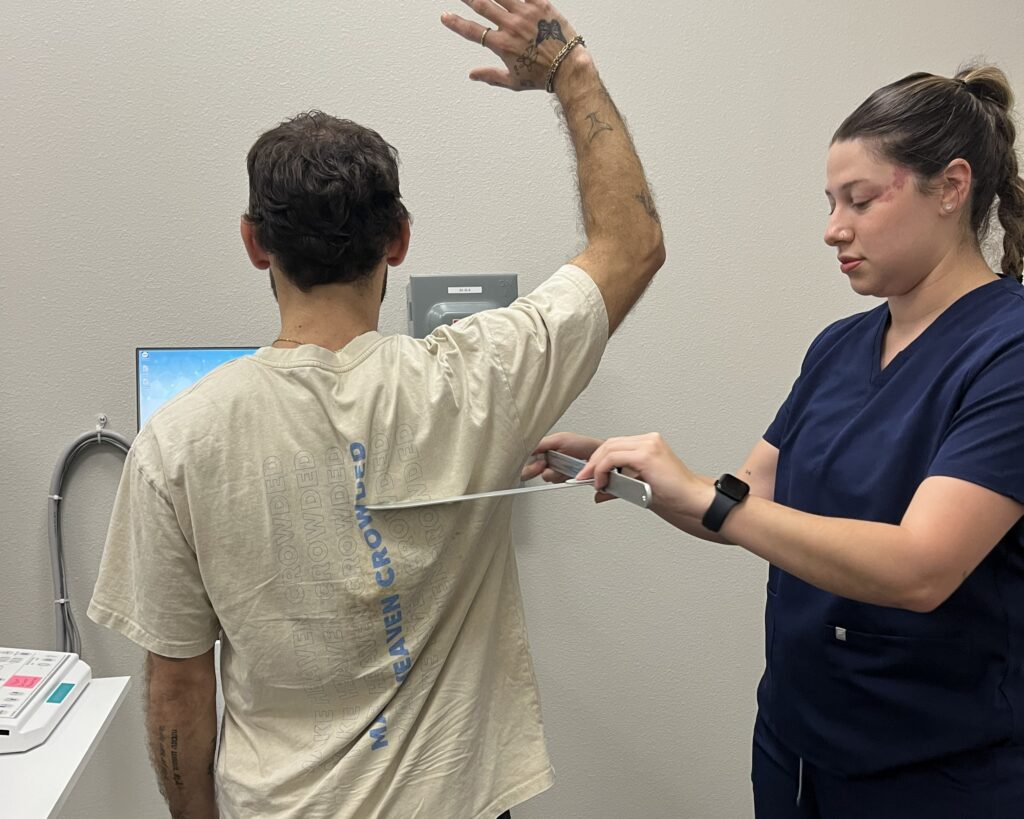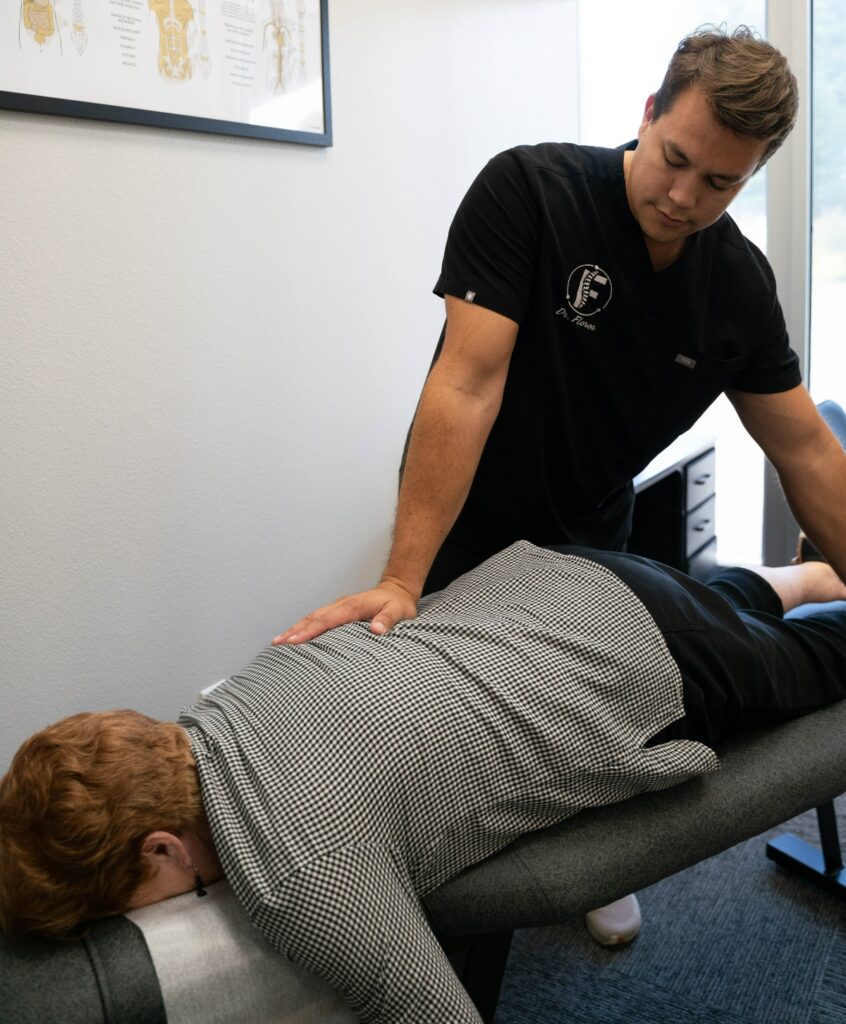

As a local chiropractor, I want you to know that if you’re dealing with chronic pain, you are certainly not alone. Many individuals seek natural methods to manage their discomfort, and it’s important to understand that there are effective alternatives to medication. By incorporating practices such as mindfulness, regular exercise, and thoughtful dietary changes, you can discover relief that resonates with your body.
In chiropractic care, we focus on holistic approaches to healing that can significantly improve your quality of life. Each technique we utilize has its own set of benefits aimed at addressing the root causes of pain rather than just masking the symptoms. So, what are the best strategies to empower you on your journey to wellness? Let’s delve into ten natural and effective ways to relieve chronic pain, all of which can support your path to recovery and help you regain control over your life.
Mindfulness and Meditation
As a local chiropractor, I want to share with you some powerful tools that can help manage chronic pain naturally—mindfulness and meditation. These practices focus on bringing your attention to the present moment, which can significantly reduce stress and help shift your focus away from discomfort.
When you engage in mindfulness, you learn to observe your thoughts and sensations without judgment. This non-reactive approach can diminish the emotional responses linked to pain, allowing you to experience it with a greater sense of control.
Incorporating meditation techniques, such as guided imagery or deep breathing, can activate your body’s relaxation response. This process decreases tension and fosters a sense of calm, which is essential for effective pain management.
As you practice these techniques regularly, you’ll likely find an increased ability to cope with pain, leading to a better quality of life.
I encourage you to set aside a few minutes each day for mindfulness and meditation. Whether you choose to sit quietly, use a meditation app, or attend a class, dedicating this time to yourself can be incredibly beneficial.
Over time, these practices can become an invaluable part of your pain management toolkit, empowering you to reclaim your life and enhance your overall well-being.
Regular Exercise and Stretching
As a local chiropractor, I want to emphasize the importance of incorporating regular exercise and stretching into your daily routine, especially for managing chronic pain. Many people find that engaging in physical activity not only strengthens muscles but also improves flexibility and enhances overall mood.
You don’t need to push yourself into high-intensity workouts; gentle activities such as walking, swimming, or cycling can be incredibly beneficial.
Stretching plays a crucial role as well. It helps keep your muscles flexible and reduces stiffness, which can often lead to increased pain. I recommend a balanced approach that includes both aerobic exercises and targeted stretches, especially focusing on areas that feel tight or tense.
Always pay attention to your body; if you experience pain during any movement, it’s important to modify your approach or seek guidance from a healthcare professional.
Consistency is vital—aim to incorporate some form of movement into your day, even if it’s for just a short period. By prioritizing exercise and stretching, you’re actively participating in your pain management journey and improving your overall well-being.
As your chiropractor, I’m here to support you in finding the right exercises and stretches that work for your unique situation.
Heat and Cold Therapy
As a local chiropractor, I’m here to help you understand the benefits of heat and cold therapy for managing chronic pain, especially if you’re new to chiropractic care and natural healing approaches.
Heat therapy, such as using a warm towel or heating pad, can work wonders for tight muscles. It helps to relax and soothe those tense areas, improving blood flow and reducing stiffness. Many of my patients find that the gentle warmth alleviates their discomfort, allowing for easier movement and greater flexibility.
On the flip side, cold therapy is equally important in your pain management toolkit. Applying ice packs or cold compresses to an affected area can numb pain and minimize inflammation, making it particularly effective after physical activity or an injury. You may notice a significant reduction in swelling and a relief from sharp, acute pain when you use cold therapy.
To get the most out of these therapies, I recommend alternating between heat and cold based on your specific needs. It’s crucial to protect your skin, so always wrap your heat sources or ice packs in a cloth before applying them.
Incorporating heat and cold therapy into your routine can be a powerful way to manage chronic pain and enhance your overall well-being. If you have any questions or would like to explore these methods further, feel free to reach out during your next visit!
Herbal Remedies
As a local chiropractor, I understand that many of you’re seeking natural ways to manage chronic pain. Herbal remedies can be an excellent addition to your healing journey.
There are a variety of well-known herbs that can provide relief, and it’s essential to be informed about the preparation and dosage to ensure both safety and effectiveness.
Let’s delve into these natural alternatives and discuss how they can complement your chiropractic care and pain relief plan.
Popular Herbal Options
As a local chiropractor, I understand that chronic pain can be incredibly challenging to manage. Many of my patients seek natural alternatives for relief, and herbal remedies can be a valuable option.
For instance, turmeric is well-regarded for its anti-inflammatory properties, making it a great addition to your wellness routine. Ginger is another herb that can help ease muscle pain and promote overall comfort.
You might also find relief with willow bark, which is often recommended for headaches and joint pain due to its natural pain-relieving component, salicin. Boswellia is another herb I often discuss with my patients, as it may help reduce inflammation and improve mobility, particularly for those experiencing joint discomfort.
For topical relief, capsicum, derived from chili peppers, can be effective in alleviating pain when applied to the skin. Additionally, St. John’s Wort is recognized for its potential benefits in addressing nerve-related pain.
Before incorporating any herbal remedies into your regimen, I strongly encourage you to consult with a healthcare professional. This ensures that the options you choose are safe for your individual health needs and won’t interfere with any other medications you may be taking.
Together, we can explore the best holistic approaches to managing your pain and enhancing your overall well-being.
Preparation and Dosage Guidelines
As your local chiropractor, I want to emphasize the importance of understanding how to effectively prepare and use herbal remedies as part of your holistic healing journey.
It all starts with sourcing high-quality herbs from trusted suppliers to ensure you’re getting the most potent options available.
For those interested in herbal teas, a simple method is to steep dried herbs in hot water for about 10-15 minutes. This allows the beneficial properties to infuse into the water.
If tinctures are more your style, be sure to follow the instructions provided by the manufacturer, which typically involve taking a few dropperfuls either in water or directly under your tongue for optimal absorption.
Remember, the right dosage can vary depending on the specific herb and your personal health needs. I recommend starting with smaller amounts and gradually increasing as you monitor how your body responds.
Keeping a journal can be a great way to track your progress and any changes you notice.
It’s crucial to consult with a healthcare professional, like myself, before embarking on any new herbal regimen—especially if you’re currently taking other medications or have pre-existing health conditions.
Acupuncture
As a local Chiropractor, I want to introduce you to a fascinating practice that complements our approach to healing: acupuncture. This ancient technique, rooted in Chinese medicine, involves the careful insertion of fine needles into specific points on the body. It’s gaining traction for its effectiveness in managing chronic pain, and many of my patients have found it to be a valuable addition to their wellness journey.
Here are some benefits you might experience:
- Pain Relief: Acupuncture has been shown to alleviate various forms of chronic pain, such as back pain, arthritis, and migraines—conditions that we often see in our practice.
- Enhanced Mobility: Regular acupuncture sessions can improve your overall functionality, helping you move with greater ease in your daily activities.
- Stress Reduction: This gentle treatment promotes relaxation, which can lower your perception of pain and enhance your overall well-being.
I understand that the thought of needles can be intimidating, but many patients report feeling deeply relaxed during their treatments.
It’s important to seek out a qualified practitioner who can customize the experience to fit your individual needs. With each session, you may find a natural way to manage your chronic pain more effectively.
If you’re curious about incorporating acupuncture into your wellness routine, I encourage you to explore it; it might just be the relief you’ve been seeking.
Essential Oils
As a local chiropractor, I want to share with you the incredible potential of essential oils in managing chronic pain. Many people may not realize that oils such as lavender and peppermint possess unique properties that can help alleviate discomfort.
In my practice, I often recommend these natural solutions to support overall wellness and enhance the healing process.
Essential oils can be an excellent complement to chiropractic care. They can help reduce inflammation, promote relaxation, and improve circulation, all of which are essential for your body to heal effectively.
I encourage you to explore the best essential oils and learn effective application techniques that can maximize their benefits alongside your chiropractic treatment. Together, we can create a holistic approach to managing your pain and improving your quality of life.
Best Essential Oils
As a local chiropractor, I often educate my patients about various natural remedies that can complement our treatments and aid in relieving chronic pain. One such approach involves the use of essential oils, which can be powerful allies in your wellness journey.
Here are three essential oils that I find particularly effective for pain relief:
- Lavender: This oil is well-known for its calming properties. It can help reduce inflammation and relieve muscle tension, making it an excellent choice for those dealing with chronic pain.
- Peppermint: Many of my patients appreciate the cooling sensation of peppermint oil. It can soothe headaches and ease sore muscles, offering quick relief that can enhance your overall comfort.
- Eucalyptus: While often associated with respiratory health, eucalyptus oil also has pain-relieving properties. It can improve circulation, which may be beneficial for alleviating discomfort.
Incorporating these essential oils into your routine mightn’t only ease your chronic pain but also enhance your overall well-being.
I encourage you to explore their benefits and consider how they might fit into your pain management strategy alongside chiropractic care. Your body deserves the best support on its healing journey!
Application Techniques
As your local chiropractor, I want to share some valuable insights on how to effectively use essential oils for chronic pain relief. Understanding the right application techniques can significantly enhance your healing journey.
First, it’s important to dilute your chosen essential oil with a carrier oil, such as coconut or jojoba oil. This helps prevent any skin irritation that could arise from direct application.
Once diluted, you can apply the mixture directly to the painful area, gently massaging it in to improve absorption.
Another great option is to utilize a diffuser to spread the aroma throughout your living space. This not only creates a calming environment but can also help reduce your perception of pain.
Additionally, consider adding a few drops of essential oil to a warm bath; this provides a soothing experience that can relax both your muscles and mind.
Before using any essential oil widely, remember to perform a patch test on a small area of your skin to check for any allergic reactions.
Consistency is essential in any healing practice, so I encourage you to incorporate these techniques into your daily routine for optimal results.
Together with chiropractic care, these natural methods can greatly enhance your overall well-being.
Dietary Changes
As a local chiropractor, I want to emphasize the significant role that dietary changes can play in managing chronic pain. Many patients may not realize that certain foods can either promote inflammation or help reduce it, and this is crucial for your overall health and well-being.
By adopting an anti-inflammatory diet, you can potentially alleviate your pain and feel better overall. Here are some key components to consider:
- Fruits and Vegetables: It’s important to include a colorful variety in your diet. Focus on berries and leafy greens, as they’re packed with antioxidants that can help fight inflammation.
- Healthy Fats: Incorporate sources of healthy fats such as olive oil, avocados, and fatty fish like salmon. These foods are known to have anti-inflammatory properties and can support your body in healing.
- Whole Grains: Choose whole grains such as quinoa, brown rice, and oatmeal over refined grains. Whole grains help keep your blood sugar levels stable, which is essential for managing pain.
I encourage you to avoid processed foods, excessive sugar, and too much red meat, as these can contribute to increased inflammation in the body.
Remember, the way you nourish your body directly influences your health. By making these dietary adjustments, you can take a proactive step towards managing your chronic pain naturally.
If you have any questions or would like personalized guidance, feel free to reach out during your next visit!
Adequate Sleep
As a local chiropractor, I want to emphasize the vital role that adequate sleep plays in managing chronic pain. Many of my patients are unaware that by improving your sleep quality, you can significantly enhance your overall well-being.
It all starts with understanding the importance of sleep hygiene practices, relaxation techniques, and creating an optimal sleep environment.
Let’s break it down: Sleep hygiene refers to the habits and practices that lead to a good night’s sleep. This includes maintaining a consistent sleep schedule, avoiding caffeine and heavy meals before bedtime, and creating a calming bedtime routine.
Incorporating relaxation techniques, such as deep breathing or gentle stretching, can also help ease tension and prepare your body for rest.
Additionally, optimizing your sleep environment is crucial. This means ensuring that your bedroom is dark, quiet, and at a comfortable temperature. Investing in a supportive mattress and pillows can also make a significant difference.
By focusing on these elements, you can improve your quality of sleep, which in turn can help alleviate chronic pain.
As your chiropractor, I’m here to guide you through these natural healing practices and help you achieve a more restful and restorative sleep. Together, we can work towards enhancing your health and well-being through the power of sleep.
Sleep Hygiene Practices
As a local chiropractor, I often emphasize the importance of sleep hygiene for overall health and well-being, especially when it comes to supporting your body’s natural healing processes.
If you’re looking to ensure a restful night’s sleep, adopting these three key habits can significantly enhance your sleep quality:
- Stick to a schedule: Consistency is crucial for your body’s internal clock. Aim to go to bed and wake up at the same time every day, even on weekends. This helps regulate your sleep patterns and can improve your overall health.
- Create a restful environment: Your bedroom should be a sanctuary for sleep. Keep it dark, quiet, and cool to foster relaxation. Consider using blackout curtains and a white noise machine if necessary, as a calm environment can help your body unwind and prepare for restorative sleep.
- Limit screens before bed: The blue light emitted from screens can disrupt your body’s production of melatonin, the hormone responsible for sleep. Try to avoid screens at least an hour before bedtime. Instead, engage in calming activities like reading or gentle stretching to prepare your mind and body for rest.
By incorporating these practices into your daily routine, you can support not just better sleep, but also your overall health and healing journey.
Relaxation Techniques
As a chiropractor, I want to emphasize the importance of not just adequate sleep, but also the incorporation of relaxation techniques in your routine to help manage chronic pain. Many of my patients may not be familiar with these practices, so let me guide you through some effective methods to enhance your well-being.
First, deep breathing exercises can be incredibly beneficial. By inhaling deeply through your nose and exhaling slowly through your mouth, you can significantly reduce tension in your body. This simple technique can set the stage for a more relaxing experience.
Another method I recommend is progressive muscle relaxation. This involves tensing and then relaxing each muscle group, starting from your toes and working your way up. This practice can help release built-up tension and promote a sense of calm throughout your body.
Mindfulness meditation is also a powerful tool. It allows you to focus on the present moment, helping you to let go of stress and any discomfort you may be experiencing. This practice can be especially useful as part of your pre-sleep routine.
In addition, gentle yoga or stretching can play a crucial role in easing muscle stiffness and promoting relaxation. These movements help improve flexibility and reduce pain, which can lead to a more restful night’s sleep.
Lastly, I encourage you to consider journaling your thoughts before bedtime. This can help clear your mind of any racing thoughts and set you up for a peaceful night’s sleep.
By integrating these relaxation techniques into your daily routine, you’ll create a calming pre-sleep ritual that not only supports restful sleep but also aids in pain relief.
As your chiropractor, I’m here to support you in exploring these natural healing approaches for a healthier, more balanced life.
Sleep Environment Optimization
As a local chiropractor, I want to emphasize the importance of creating a restful sleep environment, which can significantly improve your sleep quality and aid in managing chronic pain.
Here are some essential elements to consider for optimizing your sleep space:
- Comfortable Bedding: It’s crucial to invest in a supportive mattress that aligns with your spine and soft pillows that accommodate your preferred sleeping position. This can help alleviate pressure points and support your body’s natural alignment.
- Temperature Control: Maintaining a cooler room temperature, ideally between 60-67°F (15-19°C), can promote deeper, more restorative sleep. This is particularly important as proper rest can aid in your body’s healing processes.
- Minimize Noise and Light: Disruptive sounds and light can interfere with your sleep cycle. Consider using blackout curtains to eliminate light and white noise machines to mask any unwanted sounds, creating a more peaceful environment conducive to relaxation and recovery.
Physical Therapy
Chiropractic care provides an effective, natural approach to managing chronic pain, particularly for those who prefer to avoid medication or invasive procedures. When you consult with a licensed chiropractor, you’ll receive a personalized treatment plan that specifically addresses your unique pain areas. A thorough assessment of your condition will focus on your mobility, strength, and overall flexibility, helping you regain control over your body.
Through a combination of spinal adjustments, manual therapies, and patient education, you’ll learn valuable techniques to alleviate pain and enhance your physical function. We’ll guide you on maintaining proper posture and body mechanics, which are crucial in preventing future injuries.
Regular chiropractic sessions can lead to notable improvements in your daily activities, making even the simplest tasks feel less daunting.
Moreover, chiropractic care encourages you to take an active part in your healing journey. You’ll acquire essential skills and knowledge that empower you to manage your pain effectively and improve your overall quality of life.
Embrace this natural and holistic approach to help you live more comfortably and enjoy a healthier lifestyle.
Stress Management Techniques
As a local chiropractor, I want to emphasize the importance of managing stress effectively, especially for those dealing with chronic pain. Stress can significantly worsen physical discomfort and slow down your healing journey.
By integrating some simple stress management techniques into your everyday life, you can foster a more balanced and serene existence. Here are three strategies I recommend:
- Mindfulness Meditation: Taking just a few minutes each day to focus on your breath and stay present can work wonders. This practice not only helps to reduce anxiety but can also enhance your tolerance for pain, making it an excellent companion to chiropractic care.
- Deep Breathing Exercises: Engaging in deep breathing is a fantastic way to soothe your nervous system. Inhale slowly through your nose, hold it for a moment, and then exhale gently through your mouth. Repeat this several times to help calm both your mind and body.
- Regular Physical Activity: Find activities that you enjoy, such as walking or yoga. Incorporating regular exercise into your routine releases endorphins, which are your body’s natural pain relievers, and can uplift your mood, complementing the benefits of chiropractic adjustments.
Conclusion
As a local chiropractor, I want to share how incorporating natural methods into your daily routine can greatly enhance your ability to manage chronic pain. Adopting mindfulness practices, maintaining an active lifestyle, and making conscious dietary choices can empower you to find relief from discomfort.
Additionally, don’t overlook the benefits of heat and cold therapy, which can soothe aching muscles and joints. Herbal remedies can also play a role in your pain management plan, and acupuncture offers a holistic approach that many find effective.
Prioritizing quality sleep and managing stress levels are crucial components of your overall well-being. Each positive change you make brings you closer to a more comfortable, pain-free existence. I encourage you to embrace these strategies, as they can lead to a significant improvement in your quality of life and help you discover a greater sense of wellness through natural healing.