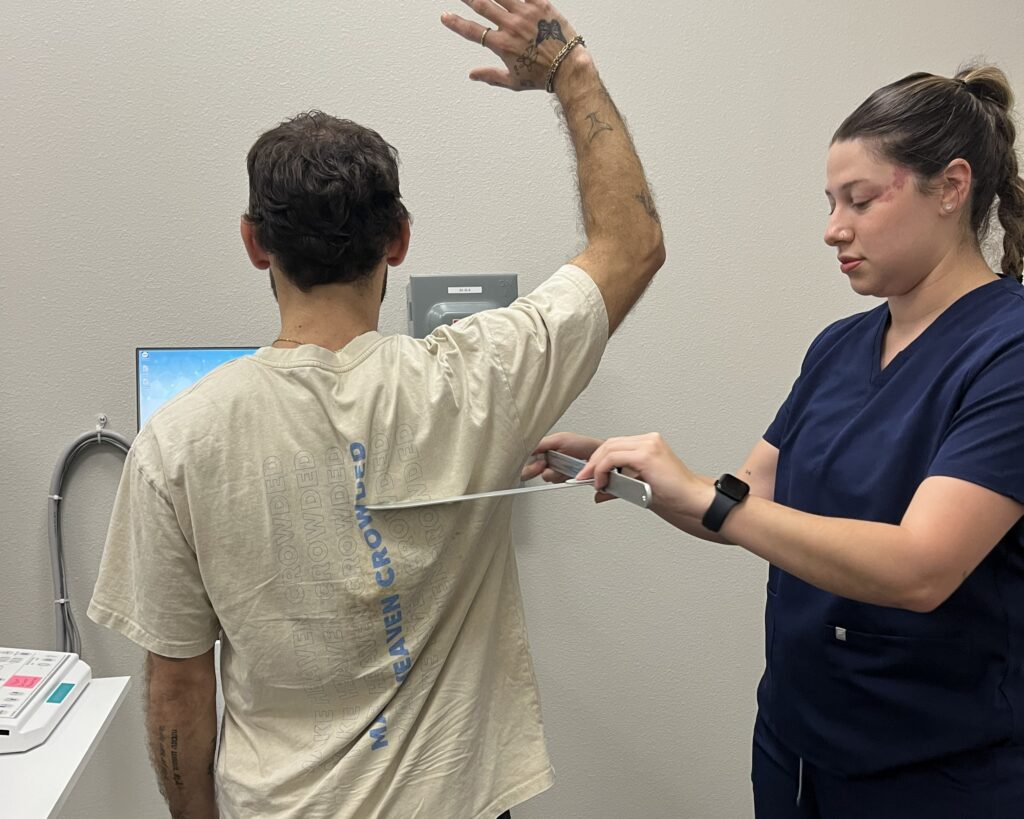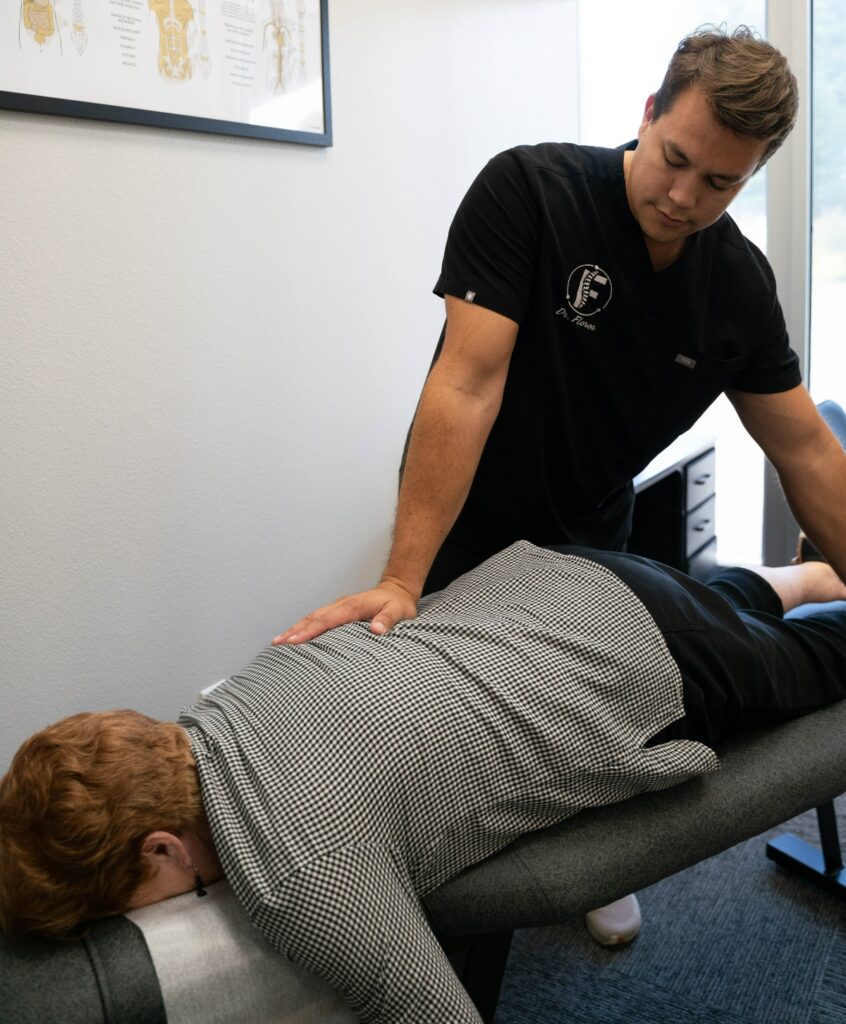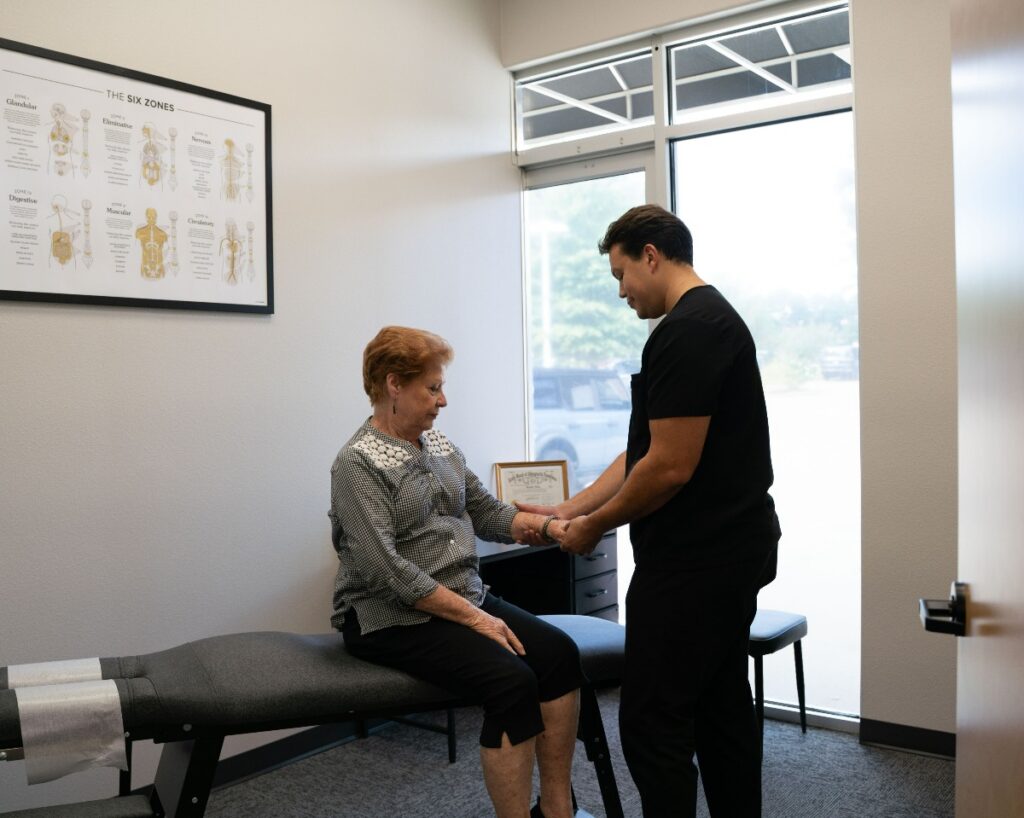

As a local chiropractor, I understand that many of you may be struggling with back pain and are seeking effective solutions. One approach that has proven beneficial for many of my patients is chiropractic adjustments. These adjustments not only help improve your posture but also enhance your overall well-being in ways you might not be aware of.
By exploring a variety of adjustment techniques, we can work together to find the most effective methods to relieve your discomfort and promote healing. You might be wondering, what specific adjustments can truly make a difference in your daily life? Let’s take a closer look at some key strategies I often recommend to help you regain control over your back health and improve your quality of life. Remember, you don’t have to live with pain—there are natural healing options available to you.
Improve Your Posture
As a local chiropractor, I want to emphasize the significant role that posture plays in your overall health, particularly when it comes to back pain. Many people are unaware that poor posture, such as slouching or leaning forward, can put unnecessary stress on your spine and muscles. While you mightn’t feel the impact right away, these habits can lead to discomfort and pain over time.
To help you improve your posture, it’s essential to be mindful of how you sit, stand, and move throughout your daily activities. When sitting, make sure your feet are flat on the floor and your back is straight against the chair.
If you’re standing, distribute your weight evenly across both feet and engage your core muscles to provide stability. Incorporating ergonomic furniture into your workspace can also support proper alignment.
When working at a desk, position your computer screen at eye level to avoid leaning forward, which can strain your neck and back. Remember to take regular breaks and check in with your posture throughout the day; even small adjustments can lead to significant improvements in your comfort level.
Incorporate Regular Stretching
As a local chiropractor, I want to share with you the importance of incorporating regular stretching into your routine to help alleviate back pain.
After improving your posture, stretching can be a game-changer. It not only enhances flexibility but also relieves tension and promotes better circulation—factors that can significantly reduce discomfort in your back.
Here are some effective stretches that I recommend:
- Cat-Cow Stretch: This gentle yoga pose is fantastic for encouraging spinal flexibility, which is crucial for maintaining a healthy back.
- Child’s Pose: A comforting stretch that relaxes both your back and hips, helping to release stored tension.
- Hamstring Stretch: By targeting the back of your legs, this stretch can effectively ease tension in your lower back.
- Torso Twist: This movement is great for increasing spinal mobility and reducing stiffness, making everyday activities easier.
- Seated Forward Bend: While seated, this stretch can be incredibly soothing for your lower back, providing relief and promoting relaxation.
Incorporating these stretches into your daily routine can greatly enhance your overall well-being and support your chiropractic care.
Invest in Ergonomic Furniture
As your local chiropractor, I want to emphasize the importance of investing in ergonomic furniture for your overall comfort and back health. Ergonomic chairs, desks, and accessories are designed to support a healthier posture, whether you’re working or relaxing. When you sit in a well-structured ergonomic chair, it provides essential support for your lower back, which helps to reduce strain on your spine and minimize discomfort.
One of the key benefits of ergonomic furniture is the availability of adjustable desks. These desks allow you to alternate between sitting and standing, which can significantly alleviate pressure on your back and promote better circulation.
I recommend looking for chairs that offer lumbar support and adjustable armrests to encourage a more natural position while you work.
Creating a well-designed workspace can truly make a difference in how your body feels throughout the day. Furthermore, incorporating ergonomic keyboards and mice into your setup can help prevent wrist strain, enhancing your overall comfort while you use your computer.
By choosing the right ergonomic furniture, you’re not just improving your workspace aesthetics; you’re actively creating an environment that prioritizes your well-being. This investment can help you avoid or reduce back pain in the long run, ultimately supporting your health and productivity.
Stay Active With Low-Impact Exercises
As a local chiropractor, I want to emphasize the importance of staying active, especially when it comes to managing back pain. One of the best ways to do this is through low-impact exercises.
Engaging in gentle stretching routines, walking, and swimming can significantly improve your mobility while putting minimal strain on your back.
Incorporating these activities into your daily routine not only aids in reducing discomfort but also enhances your overall well-being.
Remember, maintaining an active lifestyle is a crucial part of your healing journey, and I’m here to support you in finding the right exercises that work for your body.
Let’s work together to help you achieve a healthier, pain-free life!
Gentle Stretching Routines
As a local chiropractor, I often encounter patients who believe that rest is the best approach for managing back pain.
However, I want to share that incorporating gentle stretching routines can significantly aid your recovery and keep you active. Stretching not only enhances flexibility but also reduces muscle tension and improves circulation—key components in alleviating discomfort and promoting healing.
Here are some gentle stretches I recommend for you:
- Cat-Cow Stretch: This dynamic movement helps to improve mobility in your spine, making it a great addition to your routine.
- Child’s Pose: This calming stretch is excellent for relaxing the back and providing a moment of serenity.
- Seated Forward Bend: This stretch targets the hamstrings and back, helping to release tightness.
- Knee-to-Chest Stretch: A simple yet effective method to relieve tension in the lower back.
- Figure Four Stretch: This stretch focuses on the hips and glutes, areas that often contribute to back discomfort.
Incorporating these gentle stretches into your daily routine can enhance your overall wellbeing and support your journey to recovery.
Walking for Mobility
As a chiropractor, I often emphasize the importance of maintaining mobility through simple yet effective activities like walking, especially for those experiencing back pain. Walking is a natural and accessible way to stay active without the need for any special equipment. All you need is a comfortable pair of shoes and a safe route to follow.
I recommend starting with short walks and gradually increasing your distance as your strength and confidence improve. Aim for at least 30 minutes of walking each day. If that feels overwhelming, don’t hesitate to break it into smaller segments throughout the day. Engaging in regular walking not only helps strengthen your muscles but also improves circulation and can significantly enhance your overall mood.
One of the great benefits of walking is that it’s a low-impact exercise. This means it won’t place excessive stress on your back, making it an ideal choice for those with discomfort. While walking, it’s essential to maintain good posture—keep your shoulders relaxed, your head aligned, and your core engaged.
In my experience, consistent walking can play a vital role in alleviating back pain and supporting your journey towards better health.
Swimming Benefits Explained
As a local chiropractor dedicated to educating my patients on natural healing and wellness, I want to share the exceptional benefits of swimming, especially for those dealing with back pain or discomfort.
Swimming is a fantastic low-impact exercise that can help you stay active without putting undue strain on your back. Here’s why I encourage my patients to consider incorporating swimming into their routine:
- Improves flexibility: The water’s natural resistance provides an ideal environment for stretching muscles, which can enhance your overall flexibility and range of motion.
- Strengthens core muscles: A strong core is essential for spinal support. Swimming engages various muscle groups, particularly the core, helping to stabilize and protect your spine.
- Enhances circulation: The buoyancy of water allows for better blood flow throughout your body, which can alleviate stiffness and promote healing in your back.
- Reduces stress: The calming properties of water can help diminish stress levels, contributing to a sense of relaxation and well-being.
- Boosts mood: Engaging in physical activity like swimming stimulates the release of endorphins, which can lead to improved mood and a greater sense of overall wellness.
Incorporating swimming into your exercise regimen can be a powerful tool in managing back pain and enhancing your overall health.
If you have any questions or need more personalized advice, feel free to reach out!
Maintain a Healthy Weight
As a local chiropractor, I want to emphasize how crucial it’s to maintain a healthy weight for alleviating back pain. Carrying excess body weight can place unnecessary strain on your spine and muscles, often leading to discomfort and pain.
When you have extra pounds, your body tends to adjust its posture to compensate, which can further intensify tension and discomfort in your back.
To effectively manage your weight, I recommend focusing on a balanced diet that includes plenty of fruits, vegetables, lean proteins, and whole grains. Incorporating regular physical activity, such as walking, swimming, or strength training, into your routine can help you burn calories and build muscle, both of which are essential for maintaining a healthy weight.
Consistency is key in your weight management journey, and I encourage you to track your progress. Even small adjustments in your daily habits can lead to significant improvements over time.
Practice Mindfulness and Stress Reduction
As a local chiropractor, I want to emphasize the significant connection between chronic stress and back pain. It’s crucial to recognize that managing stress isn’t just about feeling better emotionally; it can also have a profound impact on your physical health, including your back.
By incorporating mindfulness and stress reduction techniques into your daily life, you can alleviate tension and promote relaxation, which can ultimately help ease your back pain.
Here are some effective practices to consider:
- Deep Breathing: Start by focusing on your breath. This simple technique can help calm both your mind and body, creating a sense of peace that can alleviate discomfort.
- Meditation: Dedicating just a few minutes each day to quiet reflection can enhance your mental clarity and reduce stress levels. This clarity can translate into decreased physical tension.
- Yoga: Engaging in gentle yoga stretches not only improves your flexibility but also helps relieve muscle tension that can contribute to back pain.
- Progressive Muscle Relaxation: This technique involves systematically tensing and relaxing each muscle group in your body, helping you identify and release physical stress.
- Mindfulness Walks: Taking a walk while consciously paying attention to your surroundings can ground you in the present moment, helping to clear your mind and reduce anxiety.
Incorporating these mindfulness practices into your routine can be a valuable complement to chiropractic care, enhancing your overall well-being and supporting your journey toward a healthier back.
Seek Professional Help When Needed
As a local chiropractor, I want to emphasize the importance of seeking professional help when it comes to managing back pain. While mindfulness practices and self-care routines can certainly play a role in alleviating discomfort, there are times when professional intervention is crucial.
If you’re dealing with persistent or severe pain that disrupts your daily activities, it’s vital to consult with a healthcare provider like myself.
In our practice, we can thoroughly assess your condition and recommend effective treatment options tailored to your needs. This might include chiropractic adjustments, physical therapy, or other natural healing methods. Ignoring pain can lead to more significant complications down the road, so I encourage you not to hesitate in reaching out for assistance.
Even if you’re diligently following self-care measures, my expertise can help uncover underlying issues such as herniated discs or muscle imbalances that you may not be aware of.
Conclusion
As a local chiropractor, I want to share some valuable strategies that can significantly help alleviate your back pain. Improving your posture is essential; it sets the foundation for a healthy spine. Regular stretching can enhance flexibility and relieve tension in your muscles. Staying active is also crucial—movement keeps your body functioning optimally.
Investing in ergonomic furniture can make a world of difference by providing the support your spine needs throughout the day. Maintaining a healthy weight is equally important, as excess weight can place added stress on your back. Additionally, practicing mindfulness can help reduce stress levels, which often contribute to pain.
Remember, it’s always a good idea to seek professional help when needed. Chiropractic care focuses on natural healing and can provide you with personalized strategies to improve your back health. By incorporating these steps, you can enhance your overall well-being and work towards a more comfortable, pain-free life.