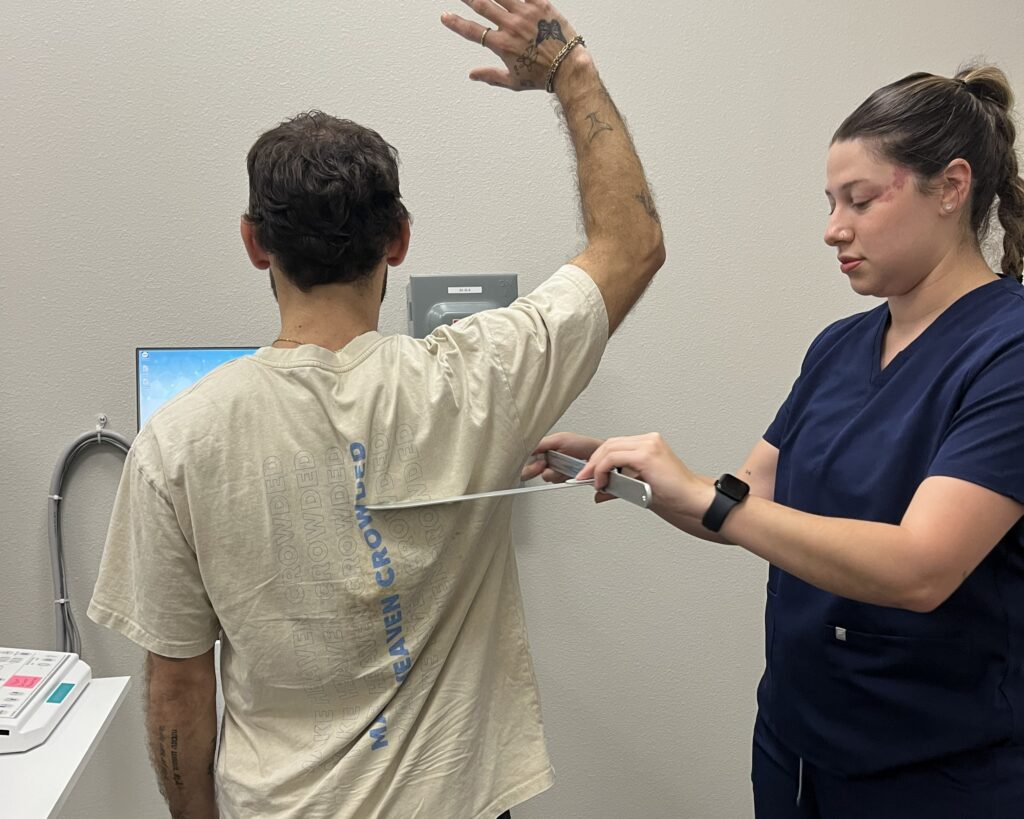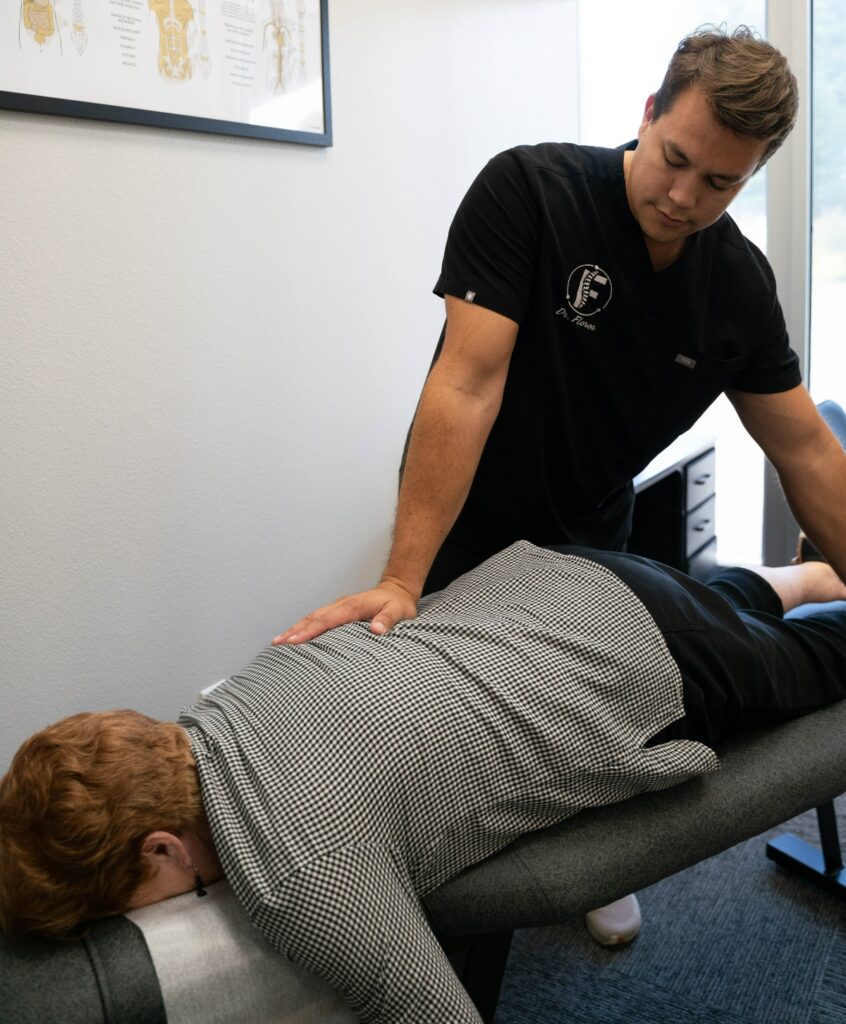

As a local chiropractor, I understand that back pain can be a frustrating and persistent issue that significantly impacts your daily life. It’s crucial to grasp the underlying causes of your discomfort and learn effective management strategies to find relief. Many people may not realize that simple adjustments in posture, regular exercise, and stress management techniques can lead to significant improvements in your back pain.
So, what are the secrets to effectively alleviating your discomfort and enhancing your overall well-being? Let’s delve into some practical strategies that can transform your approach to back pain and introduce you to the benefits of chiropractic care and natural healing.
First, maintaining proper posture is essential. It may seem minor, but how you sit, stand, and move throughout the day can have a profound impact on your spinal health. I encourage my patients to be mindful of their posture, especially when working at a desk or engaging in physical activities.
Next, incorporating gentle exercises tailored to your specific needs can strengthen your back and improve flexibility. I often recommend exercises that target the core muscles, as a strong core provides vital support for your spine.
Lastly, managing stress is equally important. High stress levels can lead to muscle tension and exacerbate back pain. Techniques such as deep breathing, meditation, or even yoga can help alleviate this tension and promote relaxation.
By understanding these strategies and the role of chiropractic care, you can take proactive steps toward relieving your back pain and improving your quality of life. Let’s work together to unlock the secrets to a healthier, pain-free back!
Understanding the Causes of Back Pain
As a local chiropractor, I want to help you understand the various causes of back pain so you can effectively manage and alleviate your discomfort. Back pain is often the result of several factors, including muscle strain from everyday activities, improper lifting techniques, or previous injuries.
It’s also common for herniated discs to contribute to pain, as they can press on nearby nerves, leading to discomfort that may radiate down your legs. Additionally, certain conditions such as arthritis or scoliosis can intensify your back pain.
We must also consider lifestyle choices that can impact your spinal health. A lack of regular exercise, obesity, and smoking can weaken your back muscles and diminish your overall flexibility. Moreover, high levels of stress and tension can lead to tight muscles, worsening your pain.
By identifying these underlying causes, you can take proactive steps to improve your condition. This might include adjusting your daily activities, incorporating exercises that strengthen your back, or even seeking professional assistance.
Understanding the reasons behind your discomfort empowers you to make informed decisions about your health and pursue natural healing methods that can lead to relief and recovery. Remember, my goal is to guide you on your journey to a healthier back and a more active lifestyle.
Importance of Posture and Ergonomics
As a local chiropractor, I want to emphasize the critical role that posture plays in maintaining your spinal health and preventing back pain, especially for those of you who spend long hours at a desk.
Many patients are unaware that simple adjustments to your sitting position and workspace can significantly alleviate strain on your back. Let’s discuss some effective sitting habits and desk setup tips that can help you stay comfortable and pain-free.
First, ensure that your chair supports the natural curve of your spine. Your feet should rest flat on the ground, and your knees should be at a 90-degree angle. This positioning helps to distribute your weight evenly and reduces pressure on your back.
Next, consider the height of your desk and monitor. Your monitor should be at eye level, so you don’t have to strain your neck to see the screen. This can help prevent discomfort in both your neck and upper back.
Additionally, take regular breaks to stand, stretch, and move around. This not only promotes circulation but also helps to relieve tension that builds up from prolonged sitting.
By adopting these simple yet effective habits, you can make a significant difference in your overall well-being and keep back pain at bay.
Ideal Sitting Position
As a local chiropractor, I want to emphasize the importance of maintaining an ideal sitting position to help you avoid back pain, especially if you find yourself spending long hours at a desk or in front of a screen.
Proper posture is crucial for your spinal health, and I encourage you to be mindful of how you sit. Here are some fundamental tips you should consider:
- Ensure your feet are flat on the floor, with your knees bent at a 90-degree angle. This alignment helps distribute your weight evenly and reduces strain on your lower back.
- Keep your back straight and well-supported by the chair. Your head should be aligned over your spine to maintain a natural posture, which can prevent discomfort and tension.
- Adjust your computer screen to eye level to avoid straining your neck. This positioning will help you maintain a neutral spine and reduce the risk of developing musculoskeletal issues.
By incorporating these practices into your daily routine, you can promote better spinal health and overall well-being.
Desk Setup Tips
As a local chiropractor, I want to emphasize the importance of creating an ergonomic desk setup to support your overall well-being and help prevent back pain, especially during those long hours of work.
It’s crucial to start with your chair: ensure it’s adjusted so that your feet can rest flat on the ground and your knees are aligned with your hips. This position helps maintain the natural curve in your spine, which is vital for good posture.
Next, let’s talk about your monitor. Position it at eye level, about an arm’s length away. This setup can significantly reduce the strain on your neck and eyes.
When it comes to your keyboard and mouse, make sure they’re positioned so that your elbows remain close to your body, ideally at a 90-degree angle. This alignment minimizes unnecessary tension in your shoulders and arms.
Lastly, remember that even with a well-organized workspace, it’s important to take regular breaks. Stand up, stretch, and move around to keep your body active and reduce stiffness.
Stretching and Strengthening Exercises
As a local chiropractor, I’d like to share some important insights on how to relieve back pain through the combination of flexibility and core strength.
Many people may not realize the significant role that safe stretching practices play in enhancing your range of motion and preventing injuries. By incorporating these techniques into your routine, you can support your back health and improve your overall well-being.
Let’s take a closer look at some effective exercises that can help you feel better and move more freely.
Importance of Flexibility
As a local chiropractor, I want to emphasize the vital role that flexibility plays in alleviating back pain. When your muscles and joints can move freely and efficiently, it not only enhances your overall well-being but also plays a crucial part in your recovery process.
By incorporating stretching into your daily routine, you can help to loosen up tight muscles, improve blood circulation, and boost your overall mobility. This proactive approach can significantly reduce discomfort and help prevent future injuries.
I encourage you to focus on these important areas:
- Hamstrings: When you stretch your hamstrings, you can relieve tension in your lower back, which is often a source of pain for many people.
- Hip Flexors: Tight hip flexors can negatively affect your posture. By relaxing them, you can support a healthier spine alignment.
- Spinal Twists: Gentle twisting stretches can enhance your spinal flexibility and help relieve stiffness, which is essential for maintaining a healthy back.
Remember, flexibility isn’t just about physical movement; it’s about creating a balanced body that functions optimally.
As you work towards improving your flexibility, you may find that your overall quality of life improves as well. If you have any questions or need guidance on how to incorporate these stretches into your routine, feel free to reach out during your next visit!
Core Strengthening Techniques
As a local chiropractor, I want to emphasize the importance of strengthening your core for overall health and wellness, particularly when it comes to maintaining a healthy back and preventing pain. A strong core provides vital support to your spine, helping to reduce strain and improve your posture, which is essential for your daily activities.
Let’s start with one of the foundational exercises: the plank. In this exercise, you’ll hold a straight position on your forearms and toes for about 20 to 30 seconds. As you become stronger, aim to gradually increase the duration.
Another great exercise is the bridge. To perform this, lie on your back with your knees bent, then lift your hips while squeezing your glutes at the top. This movement is fantastic for activating your core muscles.
I also recommend side planks, where you balance on one forearm, keeping your body perfectly straight. This exercise targets the obliques and helps stabilize your core.
Additionally, pelvic tilts are an excellent way to engage your lower back muscles. Simply lie on your back, flatten your lower back against the floor, and hold that position for a few seconds.
By consistently practicing these exercises, you can build a solid core, which won’t only help alleviate back pain but also enhance your overall stability and well-being.
Safe Stretching Practices
As a local chiropractor dedicated to your health, I want to emphasize the importance of safe stretching practices alongside building a strong core for maintaining a healthy back.
Regular stretching not only enhances flexibility but also plays a key role in reducing the risk of injury. Here are some gentle stretching techniques that I recommend for my patients:
- Cat-Cow Stretch: This simple movement alternates between arching and rounding your back, which can significantly improve spinal mobility. It’s a great way to warm up your spine and prepare it for movement.
- Child’s Pose: This restorative stretch gently elongates your spine and helps release tension in the lower back. It’s a perfect way to unwind after a long day and promote relaxation.
- Seated Forward Bend: This stretch focuses on your hamstrings and lower back, allowing you to enhance both relaxation and flexibility. It’s beneficial for alleviating tightness that can lead to discomfort.
Always remember to listen to your body during these stretches. It’s important not to push yourself beyond your limits.
By incorporating these stretching techniques into your daily routine, you can greatly improve your back health and overall well-being.
If you have any questions or need personalized guidance, feel free to reach out—I’m here to help you on your journey to natural healing!
The Role of Heat and Cold Therapy
As a local chiropractor, I want to share some valuable insights on managing back pain through heat and cold therapy, which are natural and effective methods.
Heat therapy, such as using a warm towel or a heating pad, can significantly benefit you by enhancing blood flow and relaxing tight muscles. This not only helps alleviate discomfort but also promotes the healing process. However, it’s important to be mindful of the duration—applying heat for around 20 minutes is typically sufficient to reap the benefits without risking burns or overheating.
Conversely, cold therapy is an excellent choice for reducing inflammation and numbing sharp pain. Utilizing ice packs wrapped in a cloth for 15 to 20 minutes can be particularly beneficial right after an injury or during a flare-up. This method can help manage pain and swelling effectively.
Incorporating these therapies into your routine can complement your chiropractic care and support your journey towards pain relief and overall wellness.
If you have any questions or want to learn more about how these techniques can be tailored to your individual needs, feel free to reach out during your next visit!
Exploring Alternative Therapies
As a local chiropractor dedicated to helping you find relief from back pain, I want to introduce you to the benefits of alternative therapies that can complement your traditional treatments.
These holistic approaches focus on healing the body as a whole and can significantly enhance your well-being. Here are three therapies I’d like you to consider:
- Acupuncture: This ancient practice involves the gentle placement of tiny needles at specific points on the body. This technique aims to promote the flow of energy, which can help reduce pain and improve your overall health.
- Chiropractic Care: As a chiropractor, I use my skills to expertly align your spine and restore balance to your body. This alignment not only alleviates discomfort but also allows your nervous system to function optimally, which can lead to lasting relief from pain.
- Massage Therapy: Imagine the soothing touch of a skilled massage therapist working to ease your tense muscles and improve circulation. This therapy can help you feel more relaxed and rejuvenated, making it an excellent addition to your pain management routine.
Incorporating these therapies into your wellness plan can improve your ability to manage pain effectively.
However, I always recommend consulting with a healthcare professional before trying new treatments.
By combining chiropractic care with alternative therapies, you may find a more comprehensive approach to achieving relief and enhancing your overall health.
Together, we can work towards a better quality of life.
Maintaining a Healthy Weight
As a local chiropractor, I often see how maintaining a healthy weight can play a significant role in alleviating back pain. When individuals carry excess weight, it places additional strain on the spine and the surrounding muscles, leading to discomfort and pain. By managing your weight, you can reduce this burden on your back, allowing it to function more efficiently and comfortably.
To achieve and maintain a healthy weight, I recommend incorporating a balanced diet and regular exercise into your daily routine. Focus on nutrient-dense foods such as fruits, vegetables, lean proteins, and whole grains, while reducing your intake of processed foods.
Additionally, engaging in physical activities like walking, swimming, or cycling can’t only aid in weight management but also help strengthen your back muscles.
Understanding the connection between weight and back health is crucial. By taking steps to maintain a healthy weight, you can enhance your overall well-being and reduce the likelihood of experiencing back pain.
Stress Management Techniques
As your local chiropractor, I want to emphasize how managing stress is crucial for your overall well-being, especially when it comes to alleviating back pain.
Stress can lead to muscle tension, which may worsen your discomfort, so it’s important to incorporate effective stress management techniques into your daily routine. Here are three methods I recommend to help you relax and promote healing:
- Deep Breathing: Take a moment to focus on your breath. Inhale deeply through your nose, allowing your lungs to fill completely, and then exhale slowly through your mouth. This simple practice not only calms your mind but also helps relax the muscles in your back.
- Mindfulness Meditation: I encourage you to set aside some time each day for quiet reflection. By focusing on the present moment and letting go of worries and distractions, you can create a sense of grounding that benefits both your mental and physical health.
- Physical Activity: Engaging in regular exercise, such as walking or yoga, is vital for stress relief. Physical movement releases endorphins, which can elevate your mood and decrease stress levels, ultimately supporting your chiropractic care and enhancing your recovery.
By integrating these techniques into your life, you won’t only manage stress more effectively but also contribute to a healthier spine and overall well-being.
If you have questions or need assistance with these practices, feel free to reach out during your next visit!
When to Seek Professional Help
As a local chiropractor, I want to help you understand when it’s important to seek professional care for your back pain. Recognizing the right moment to reach out can greatly influence your recovery journey.
If you’re experiencing pain that lingers for more than a few days, even after trying home remedies, it’s a good idea to consult a healthcare provider like myself.
Pay attention to the intensity of your pain—if it becomes severe enough to hinder your daily activities, or if you notice it radiating down your legs, these are clear signals that you should seek assistance.
Additionally, be mindful of any unusual symptoms such as numbness, tingling sensations, or any loss of bladder or bowel control; these may indicate a more serious underlying issue that requires immediate attention.
If your back pain arises after an injury or accident, don’t hesitate to come in for an evaluation. Symptoms like fever, unexplained weight loss, or overall weakness are also significant and warrant prompt medical evaluation.
By recognizing when to get professional help, you can ensure that you receive the right care, which can lead to effective relief and help strengthen your back through natural healing methods.
Conclusion
As a local chiropractor, I want to share some effective strategies to help you manage your back pain and enhance your overall well-being. It’s essential to start with your posture; make it a habit to sit and stand with proper alignment to reduce strain on your back. Incorporating regular stretching and strengthening exercises into your routine can significantly improve your back health. Don’t underestimate the benefits of heat and cold therapy—these simple techniques can provide immediate relief.
Additionally, maintaining a healthy weight is crucial, as excess weight can put additional stress on your back. Managing stress is equally important, as it can lead to muscle tension and exacerbate pain. If your back pain persists or worsens, I encourage you to seek professional help. As a chiropractor, I can work with you to uncover the root causes of your discomfort and create a personalized plan for recovery. Together, we can unlock the secrets to a healthier, pain-free back.