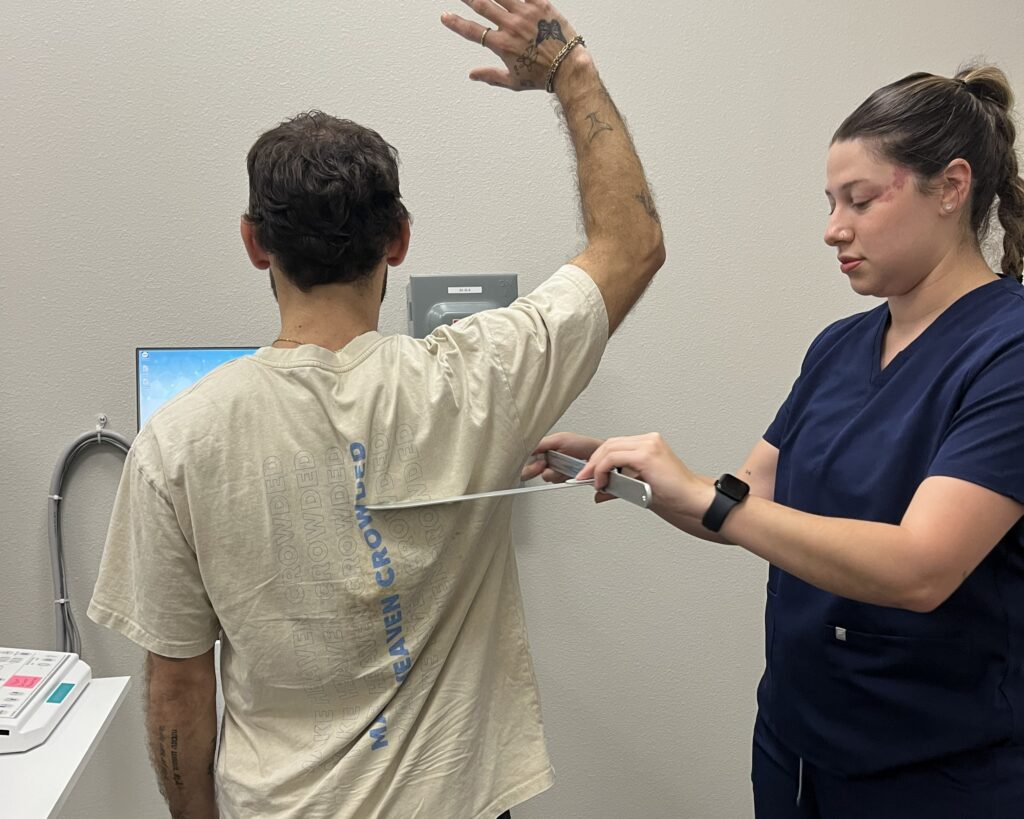

If you’ve ever dealt with tight muscles or restricted movement, you know how frustrating it can be. Achieving ultimate flexibility is not just about stretching; it requires a holistic approach that emphasizes understanding your body and incorporating mindful practices into your daily routine. As a chiropractor, I believe that the key to unlocking your body’s potential lies in natural methods, particularly through chiropractic care.
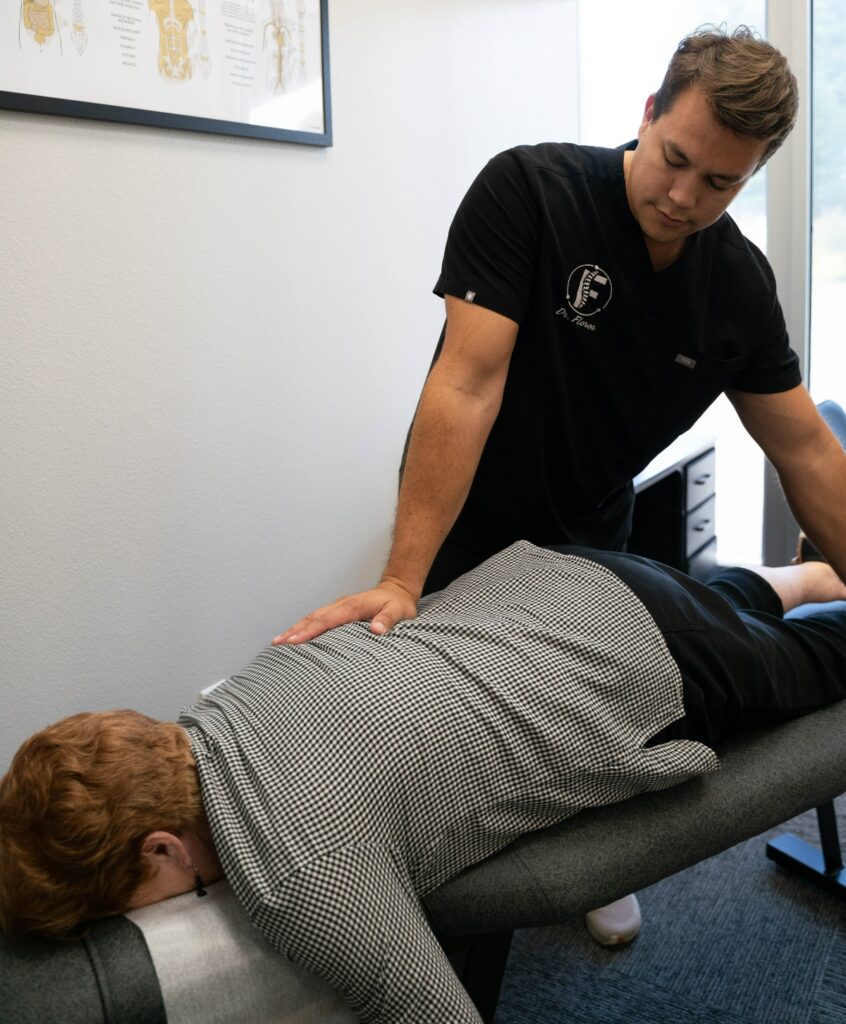
Chiropractic adjustments help to align your spine and improve your overall mobility, which can significantly enhance your flexibility. When your spine is in proper alignment, it allows your muscles to function optimally, reducing tension and promoting a greater range of motion. Additionally, chiropractic care can help alleviate pain, making it easier for you to engage in flexibility-enhancing exercises.
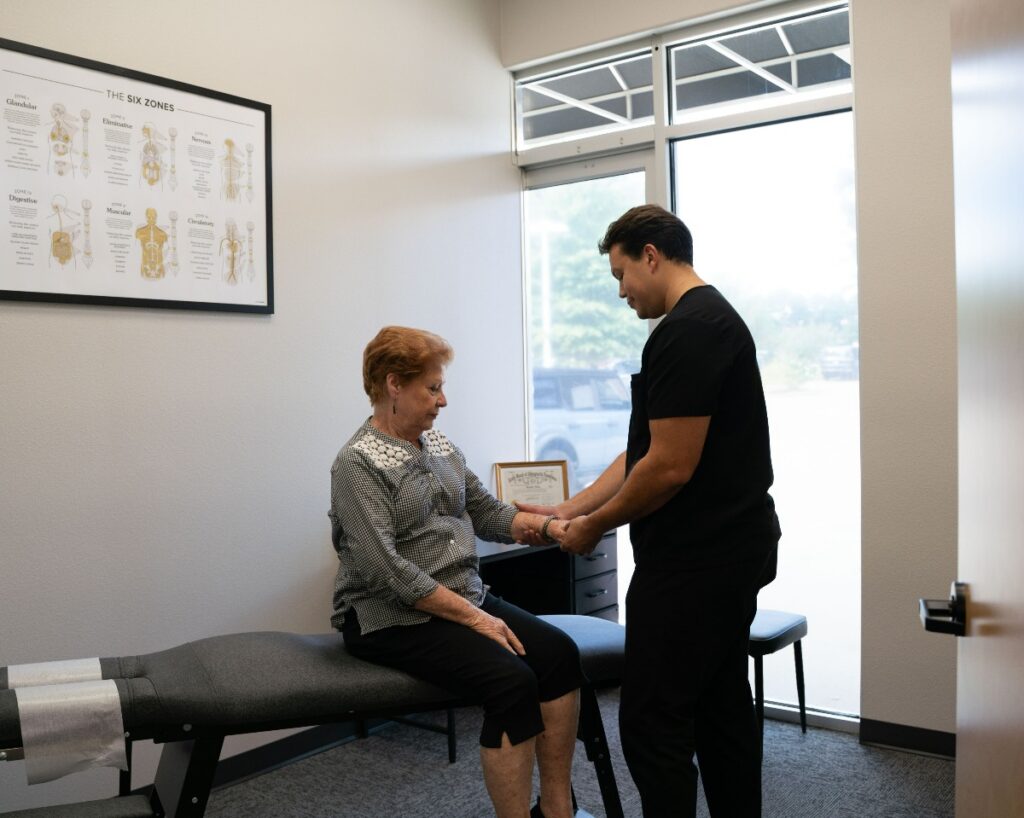
What can be your first step toward transforming your body? Consider scheduling a chiropractic assessment. A chiropractor can evaluate your spinal health and create a personalized plan to help you achieve your flexibility goals.
Here are some general tips to incorporate into your routine:
- Stay Active: Engage in regular physical activity, such as walking, swimming, or yoga, to keep your muscles and joints moving freely.
- Incorporate Stretching: Include gentle stretches in your daily routine, especially after any physical activity. Focus on major muscle groups to enhance flexibility.
- Practice Mindfulness: Techniques like deep breathing or meditation can help reduce stress, which may contribute to muscle tension.
- Stay Hydrated: Drinking plenty of water helps keep your muscles hydrated and functioning properly, which can aid in maintaining flexibility.
- Listen to Your Body: Pay attention to any signs of discomfort or pain. If you experience persistent issues, consult with a chiropractor to address the root cause.
By embracing these practices and prioritizing chiropractic care, you can experience a range of benefits that go beyond flexibility, leading you towards a healthier, more active lifestyle.
Benefits of Increased Flexibility
When you embrace increased flexibility, you open yourself up to a world of benefits that can enhance both your physical and mental well-being. Improved flexibility is essential for preventing injuries, as it allows your muscles and joints to move more freely, reducing strain during physical activities. You’ll find that everyday tasks, such as bending down to tie your shoes or reaching for something on a high shelf, become significantly easier when your body is more limber.
Moreover, increased flexibility promotes better posture, which is crucial for alleviating discomfort and tension in your back and neck. Many patients who prioritize flexibility often notice a reduction in back pain, which can be addressed effectively through chiropractic care. Regular adjustments can help maintain your spinal health and improve your range of motion, making it easier for you to incorporate stretching and flexibility exercises into your routine.
In addition to the physical benefits, embracing flexibility can be a powerful tool for mental wellness. The mindful practice of stretching or yoga encourages relaxation and fosters a deeper connection between your body and mind. When your body feels good, your mind often follows suit, leading to reduced stress and anxiety.
As a local chiropractor, I encourage you to make flexibility a priority in your life. Simple tips to enhance your flexibility include incorporating gentle stretches into your daily routine, focusing on breathing while you stretch, and considering regular chiropractic adjustments to keep your spine aligned and functioning optimally.
Understanding Your Body’s Anatomy
To achieve ultimate flexibility and optimal health, it’s important to understand how your body’s anatomy works. Your muscle structure is essential for movement, while joint mobility is crucial for a full range of motion. By grasping these concepts, you can enhance your flexibility and overall wellness more effectively.
As a chiropractor, I encourage you to pay attention to how your spine and joints move. Regular chiropractic adjustments can help improve joint mobility, reduce tension in your muscles, and promote better alignment throughout your body. This, in turn, can lead to greater flexibility and a decrease in discomfort.
Here are some tips to help you on your journey toward improved flexibility and health:
- Stay Active: Engage in regular physical activity that promotes flexibility, such as yoga or Pilates. These practices not only stretch your muscles but also enhance your body awareness.
- Listen to Your Body: Pay attention to areas of tension or discomfort. If you notice tightness, consider seeking a chiropractic adjustment to help release that tension and improve your range of motion.
- Warm Up Before Stretching: Always warm up your muscles before stretching to avoid injury. Simple movements like walking or light jogging can prepare your body for more intense flexibility work.
- Hydrate: Staying hydrated helps maintain muscle elasticity and joint lubrication, making it easier to achieve and maintain flexibility.
- Practice Regularly: Incorporate stretching into your daily routine. Consistent practice will yield better results over time.
By understanding your anatomy and taking proactive steps, you can enhance your flexibility while promoting overall health and wellness through the benefits of chiropractic care.
Muscle Structure and Function
Understanding muscle structure and function is essential for anyone looking to enhance their flexibility and overall physical performance, and as a chiropractor, I believe that this knowledge can significantly contribute to your natural healing journey. Your muscles consist of fibers that contract to create movement, and by understanding how they work, you can stretch more effectively and maintain optimal health. Here are some key aspects to consider:
- Types of Muscle Fibers: Your muscles contain slow-twitch and fast-twitch fibers. Slow-twitch fibers are great for endurance activities, while fast-twitch fibers help with strength and explosive movements. Knowing the balance between these fibers can assist you in tailoring your workout for better performance and recovery.
- Muscle Length: Longer muscles can stretch more effectively. By understanding your body’s anatomy, you can identify areas that may need extra attention during stretching or chiropractic adjustments. Regular chiropractic care helps keep your spine aligned, which can contribute to better muscle function.
- Elasticity: The ability of your muscles to return to their original length is crucial for flexibility. Incorporating gentle stretches and mobility exercises into your routine can enhance elasticity, and chiropractic adjustments can help ensure that your nervous system is functioning optimally, supporting muscle health.
- Nervous System Role: Your nervous system is responsible for controlling muscle contractions, affecting how you move and your range of motion. Chiropractic care focuses on ensuring your spine is aligned, which can enhance communication between your nervous system and muscles, leading to improved movement and reduced discomfort.
Tips for Enhancing Flexibility and Muscle Function:
- Stay Active: Incorporate regular physical activity into your routine. Activities like walking, yoga, or swimming can improve muscle flexibility and overall health.
- Stretch Daily: Make stretching a part of your daily routine. Focus on gentle, sustained stretches to help improve muscle elasticity.
- Listen to Your Body: Pay attention to how your body feels during movement. If you experience discomfort, consult with a chiropractor for a tailored approach to your care.
- Hydration Matters: Keep your muscles hydrated by drinking plenty of water, as this can support muscle function and recovery.
- Chiropractic Care: Regular visits to a chiropractor can help maintain proper alignment, which supports optimal muscle function and overall wellness.
Joint Mobility Importance
While many people often prioritize muscle strength and flexibility, it’s crucial to recognize the vital role joint mobility plays in your overall health and wellness. When your joints are able to move freely, you significantly reduce your risk of injury and improve your range of motion. This not only makes daily activities easier but also enhances your performance during workouts.
Good joint mobility helps improve coordination and balance—both of which are essential for athletic performance. When joints are tight or stiff, your body may try to compensate in ways that can strain surrounding muscles and tissues. This is where chiropractic care comes into play. By seeking regular chiropractic adjustments, you can ensure that your joints are properly aligned and functioning optimally, which promotes better movement and reduces discomfort.
Incorporating joint mobility exercises into your routine can be incredibly beneficial. Simple stretches and movements can help maintain flexibility and keep your joints healthy.
Additionally, regular chiropractic care can help you achieve the best possible alignment and function throughout your body.
So, prioritize your joint health by considering chiropractic care. By doing so, you’ll not only enhance your overall flexibility but also unlock your potential for improved performance in all aspects of life.
Essential Stretching Techniques
Incorporating essential stretching techniques into your daily routine can greatly enhance your flexibility, mobility, and overall well-being—key components of optimal health. As a chiropractor, I encourage you to focus on these simple yet effective stretching methods that can help lengthen and relax your muscles, while also supporting your spinal health:
- Static Stretching: Hold each stretch for 15-30 seconds. This gradual approach helps improve flexibility and can reduce tension in your muscles, making it a great addition to your post-chiropractic care routine.
- Dynamic Stretching: Engage in controlled movements that take you through your natural range of motion. This type of stretching is ideal for warming up your body before activities, helping to prevent injuries and improve overall function.
- PNF Stretching: This technique involves partner-assisted stretches where you contract and then relax your muscles. Not only does it boost flexibility effectively, but it can also enhance your body awareness, which is important for maintaining a healthy spine.
- Foam Rolling: Utilizing a foam roller can be an excellent way to release muscle tension and improve blood flow. This technique supports recovery and can be a beneficial complement to your chiropractic adjustments, helping to keep your muscles and fascia healthy.
By integrating these techniques into your lifestyle consistently, you’ll notice a significant improvement in your flexibility and overall health.
Always listen to your body and avoid forcing any movements; gentle stretching is the key. Focus on your breathing throughout the process, as this can help you relax and connect with your body, allowing it to reach its full potential.
Remember, chiropractic care is a powerful ally in your journey toward optimal health. Regular adjustments can enhance your flexibility and mobility, supporting your body’s natural ability to heal and thrive.
Take these tips to heart, and enjoy the benefits of a healthier, more vibrant life!
Incorporating Flexibility Into Your Routine
To truly enhance your flexibility and overall well-being, it’s essential to incorporate stretching exercises into your daily routine. As a chiropractor, I encourage you to consider practices like yoga or Pilates, which not only improve flexibility but also promote spinal health and body awareness.
Remember, it’s crucial to include warm-ups and cool-downs in your routine. These steps help prevent injuries and ensure that your body is prepared for movement and recovery. By focusing on flexibility, you can also alleviate tension in your muscles and support your spine, which is vital for maintaining your overall health.
Additionally, regular chiropractic care can play a significant role in enhancing your flexibility. Adjustments can help align your spine, allowing for better movement and reducing discomfort.
Daily Stretching Exercises
If you’re looking to enhance your flexibility and overall well-being, incorporating daily stretching exercises into your routine can be incredibly beneficial.
As a chiropractor, I emphasize the importance of maintaining a healthy spine and body alignment, and stretching plays a vital role in that. Not only can these stretches help you feel more agile, but they also contribute to reducing the risk of injury and promoting natural healing.
Here are some essential stretches to include in your daily routine:
- Hamstring Stretch: Gently bend forward while keeping your back straight. This helps stretch the muscles at the back of your thighs, supporting proper spinal alignment.
- Quadriceps Stretch: Stand on one leg and gently pull your other foot towards your glutes. This stretch helps to loosen tight muscles in the front of your thighs, which can contribute to better posture and spinal health.
- Shoulder Stretch: Bring one arm across your chest and hold it with your other arm. This stretch can relieve tension in your shoulders and upper back, areas that often hold stress and can affect spinal alignment.
- Hip Flexor Stretch: Lunge forward, keeping your back leg straight to open your hips. Tight hip flexors can lead to misalignment in your lower back, so this stretch is crucial for maintaining a healthy spine.
Dedicate just a few minutes each day to these stretches, and you’ll likely notice significant improvements in your flexibility and overall comfort.
Remember, regular stretching not only complements chiropractic care but also enhances your body’s natural ability to heal and function optimally.
For best results, consider visiting your chiropractor to discuss how these stretches can fit into your personalized wellness plan.
Yoga and Pilates Benefits
Many individuals are on a quest to improve their flexibility, and incorporating yoga and Pilates into your routine can be a fantastic way to achieve this goal while also supporting your overall strength and balance.
Both of these practices focus on controlled movements that stretch and lengthen your muscles, which is key for maintaining a healthy spine.
In yoga, you’ll find various poses that promote flexibility in a mindful way, encouraging deep breathing and relaxation. These practices not only help in enhancing your flexibility but also play a significant role in spinal health. When your muscles are flexible and your spine is well-aligned, you’re less likely to experience discomfort or injuries.
Pilates is particularly effective for developing core strength and stability. A strong core supports your spine, allowing for better posture and a greater range of motion. This is essential for everyday activities, as well as for preventing pain in the back and neck areas.
Regular practice of yoga and Pilates can make your body more resilient and capable of handling daily stresses, which is why many chiropractors recommend these activities to their patients. By embracing these disciplines, you complement the benefits of chiropractic care, creating a holistic approach to your health and well-being.
Here are some simple tips for integrating these practices into your routine:
- Start Slow: If you’re new to yoga or Pilates, begin with beginner classes or online tutorials. This helps in understanding the basic movements and prevents injury.
- Listen to Your Body: Pay attention to how your body feels during each pose or exercise. Never push yourself beyond your limits, and remember that it’s okay to modify movements to suit your comfort level.
- Incorporate Deep Breathing: Focus on your breath as you move. Deep breathing not only enhances relaxation but also helps in improving oxygen flow to your muscles.
- Stay Consistent: Aim for regular practice, even if it’s just a few times a week. Consistency is key in seeing improvements in flexibility and overall strength.
- Combine with Chiropractic Care: Consider visiting your chiropractor to complement your yoga and Pilates practice. Chiropractic adjustments can help maintain spinal alignment, which is essential for optimal flexibility and health.
By integrating yoga and Pilates into your lifestyle, along with regular chiropractic care, you can take proactive steps towards better flexibility, reduced pain, and overall wellness.
Embrace this holistic approach to thrive in your daily activities!
Warm-Up and Cool-Down
Incorporating effective warm-up and cool-down routines is essential for maximizing the benefits of yoga and Pilates, especially when it comes to enhancing your overall flexibility and spinal health. A proper warm-up prepares both your body and mind, which can significantly reduce the risk of injury.
Likewise, cooling down is vital as it helps your muscles recover and improves flexibility, all of which contribute to a healthier spine.
To get the most out of your routine, here are some key elements to consider that align with natural wellness and optimal health:
- Dynamic stretches: These are great for increasing blood flow and mobility before you start your workout. Think of gentle movements that mimic the exercises you’ll be doing; this helps your spine and joints get ready for action.
- Breathing exercises: Focusing on your breath can center your mind and help regulate your breathing, which is key for achieving peak performance. This also promotes relaxation, which is beneficial for your overall well-being.
- Static stretches: After your workout, target specific muscles during your cool-down. This not only enhances flexibility but also aids in relieving tension in your spine and surrounding areas.
- Hydration: Staying hydrated is crucial for supporting muscle recovery and joint function. Water helps maintain the elasticity of your spinal discs and keeps your body functioning optimally.
Remember, caring for your spine is integral to your overall health. Chiropractic care is a fantastic way to support your body’s natural healing processes, ensuring that you stay pain-free and active.
Yoga and Its Role in Flexibility
Yoga can be a valuable addition to your wellness routine, especially when it comes to enhancing flexibility and promoting overall health. As a chiropractor, I see the importance of combining physical activity with spinal health. Yoga integrates gentle movements with mindful breathing, helping you to stretch and strengthen your muscles effectively.
By practicing yoga regularly, you not only improve your flexibility but also support your spine’s health. Each pose targets specific muscle groups, aiding in the release of tension and tightness that can lead to discomfort or pain. This gradual lengthening of muscles enhances your range of motion, making daily activities like bending, reaching, or even sitting more comfortable.
Moreover, yoga fosters body awareness, allowing you to tune into your physical state and recognize areas that may require extra attention. This kind of mindfulness is essential; it encourages you to listen to your body and make adjustments as needed, which is in line with the principles of chiropractic care.
Incorporating yoga into your daily routine can also complement chiropractic adjustments, promoting balance and stability within your body. You’ll likely notice that as your flexibility improves, so does your ease of movement, which can play a significant role in preventing pain and injury.
Common Mistakes to Avoid
When practicing yoga, it’s important to be mindful of common pitfalls that can’t only hinder your progress but also lead to discomfort or injury. As a chiropractor, I believe that understanding these mistakes can enhance your overall practice and contribute to your journey toward optimal health and wellness.
Here are some key mistakes to avoid, along with tips to help you integrate chiropractic principles into your yoga practice:
- Rushing through poses: Take your time to align your body properly and focus on your breathing. Proper alignment helps support your spine and prevent strain, which is vital for maintaining a healthy back.
- Ignoring your body’s signals: Pay close attention to how your body feels. If you experience discomfort, it’s essential to listen to those signals. Pushing through pain can lead to injuries that may require chiropractic care for relief.
- Neglecting warm-ups: Always begin your practice with a proper warm-up. This prepares your muscles and joints for movement, promoting flexibility and reducing the risk of injury. Incorporating gentle stretches can also be beneficial for spinal health.
- Comparing yourself to others: Remember, everyone’s yoga journey is unique. Focus on your personal growth rather than measuring yourself against others. Embracing your individual path can enhance your overall well-being and encourage a positive mindset.
By avoiding these common mistakes and integrating these tips into your yoga practice, you can support your spinal health and overall wellness.
Chiropractic care can be a valuable resource in your journey towards pain relief and natural healing, helping you achieve the best results from your practice.
Tracking Your Progress and Staying Motivated
As you enhance your wellness journey through yoga, it’s essential to track your progress and maintain motivation, especially when considering the benefits of chiropractic care. A great way to do this is by keeping a journal to note your flexibility improvements, pose achievements, and personal reflections. This practice not only illustrates how far you’ve come but also helps identify areas where your body may need extra attention and care.
Setting specific, achievable goals is crucial—whether it’s mastering a challenging pose or improving your overall range of motion. Celebrate those small victories; they can significantly uplift your spirits and reinforce your commitment to your health.
Consider using wellness apps or fitness trackers to log your sessions, and taking progress photos can offer a visual reminder of your growth.
Incorporating regular chiropractic care into your routine can also support your yoga practice by ensuring your spine and nervous system are functioning optimally. A well-aligned spine can enhance your flexibility and overall performance, making it easier to achieve your goals.
Don’t overlook the importance of community. Engaging with others, whether online or in-person, can provide motivation and support. Sharing your experiences can be incredibly uplifting.
Conclusion
Incorporating flexibility into your daily routine is essential for achieving overall well-being, and chiropractic care plays a vital role in this journey. By understanding your body’s unique needs and utilizing effective stretching techniques, you can enhance your range of motion and alleviate tension.
As a chiropractor, I encourage you to embrace holistic practices like yoga, which not only promote flexibility but also help you tune into your body’s signals. Listening to your body is key—if something doesn’t feel right, it’s important to adjust your approach.
Avoid common pitfalls such as overstretching or neglecting warm-ups, as these can lead to injury. Instead, consider visiting a chiropractor who can assist you in developing a personalized plan tailored to your specific needs. Tracking your progress is also beneficial; it keeps you motivated and helps you see the improvements over time.
With patience and consistency, you’ll experience the profound benefits of increased flexibility. Not only will it enhance your physical performance, but it will also improve your daily life. Remember, chiropractic care is a natural and effective way to support your journey toward optimal health and wellness. Prioritize your spine and overall body health today!