
Unlocking your body’s flexibility potential can significantly enhance your daily life and overall well-being. Improved flexibility not only increases your range of motion but also supports spinal health and reduces the risk of injuries. You might be surprised at how simple stretching and strength training can make a difference, especially when combined with the benefits of chiropractic care.
As a chiropractor, I believe that understanding your current flexibility level is crucial. It allows you to identify areas that need attention and improvement. Incorporating essential stretching techniques into your daily routine can be a game changer for your body.
Here are some helpful tips to get you started on your journey to better flexibility:
- Start Slow: Begin with gentle stretches that target major muscle groups. Focus on areas like your back, hips, and legs.
- Consistency is Key: Aim to stretch regularly—ideally daily. Consistent practice will yield the best results over time.
- Listen to Your Body: Pay attention to how your body feels during stretches. Never push yourself to the point of pain; instead, ease into each stretch.
- Incorporate Chiropractic Care: Regular visits to a chiropractor can help align your spine and improve your overall flexibility. A well-aligned spine supports better movement and reduces tension in the muscles.
- Combine Strength and Flexibility: Strength training can complement your flexibility efforts. Focus on exercises that enhance muscle strength while promoting flexibility, like yoga or Pilates.
- Stay Hydrated: Keeping your body hydrated is essential for muscle function and helps maintain elasticity in your muscles and connective tissues.
- Warm Up: Always start with a warm-up to prepare your muscles for stretching. This can prevent injuries and improve the effectiveness of your stretches.
By making flexibility a key part of your routine and integrating chiropractic care into your wellness plan, you can achieve optimal health and a greater sense of well-being. Remember, it’s never too late to start focusing on your flexibility and overall spinal health. Your body will thank you for it!
Understanding Flexibility and Its Benefits
When you think about flexibility, it’s easy to overlook its importance in your daily life. Flexibility isn’t just about how easily you can touch your toes; it’s a key component of your overall health and well-being. Improved flexibility enhances your range of motion, making everyday tasks like bending, reaching, or squatting easier and safer.
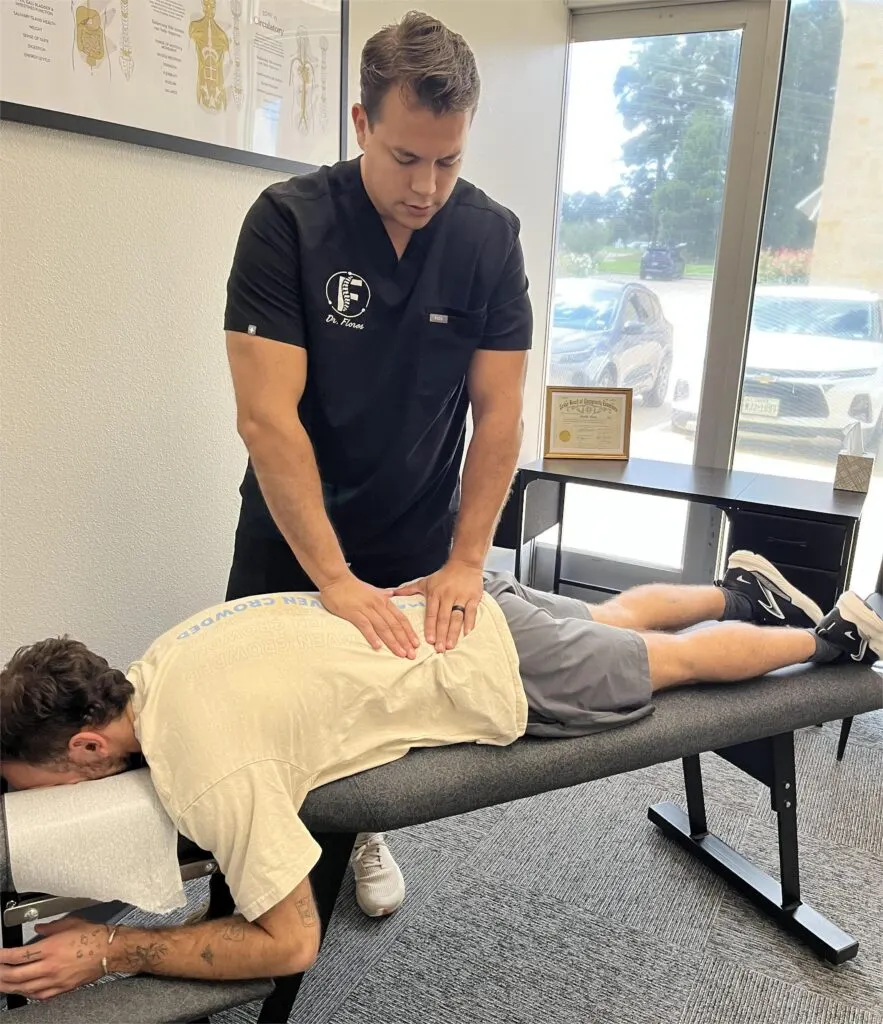
This is where chiropractic care plays a vital role. By focusing on spinal alignment and overall body mechanics, chiropractors can help improve your flexibility, ensuring your muscles and joints move freely, which reduces strain and can prevent injuries during physical activities.
Moreover, flexibility can significantly boost your athletic performance. When your body is properly aligned and flexible, you can execute movements with greater precision and efficiency. As you develop more flexibility through chiropractic adjustments and tailored exercises, you may notice less muscle soreness and faster recovery after workouts.
Additionally, improved flexibility can lead to better posture, alleviating discomfort and tension in your body, which is something many of my patients have experienced.
Incorporating flexibility exercises into your routine, alongside regular chiropractic care, is essential for a healthier, more active life. Simple stretches, yoga, or even light activities like walking can enhance your flexibility.
Remember to listen to your body and avoid pushing yourself too hard; consistency is key. By prioritizing flexibility and seeking chiropractic care, you’re taking a proactive step towards achieving optimal health and natural wellness.
Assessing Your Current Flexibility Level
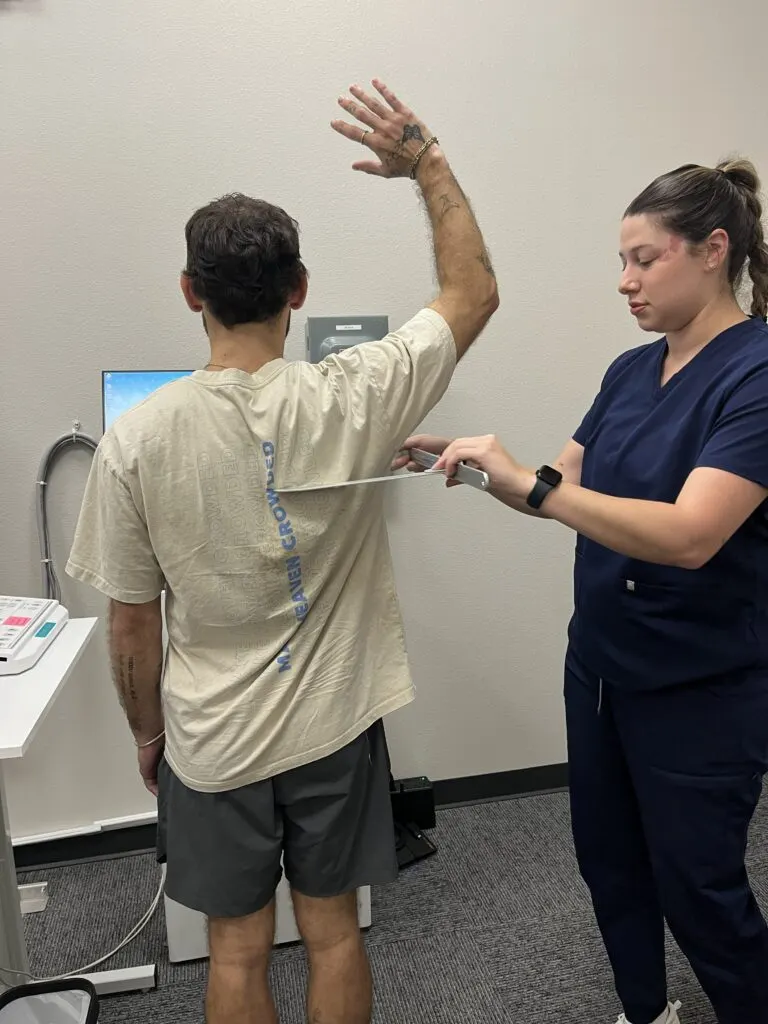
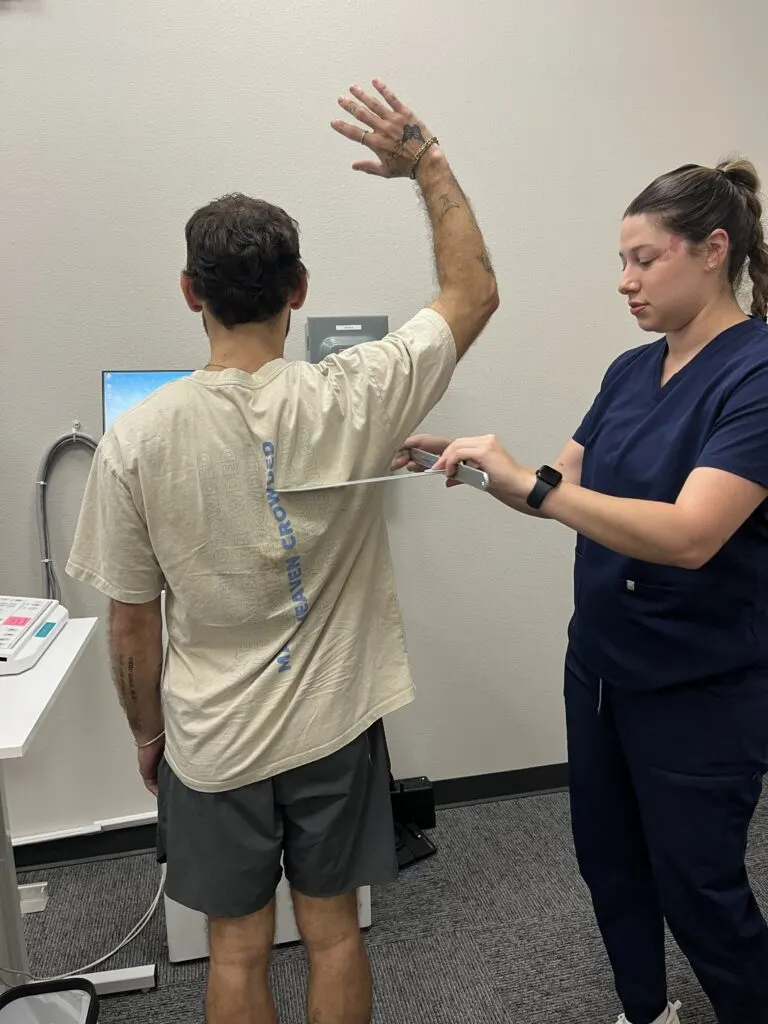
To embark on your flexibility journey and enhance your overall wellness, it’s essential to assess your current level of flexibility. Understanding where you stand can help you set realistic goals and monitor your progress.
Here are four effective ways to evaluate your flexibility while also considering how chiropractic care can support your journey to optimal health:
- Static Stretch Tests: Engage in simple stretches like the sit-and-reach or shoulder stretch. As you do these, take note of how far you can comfortably reach. If you find it challenging, chiropractic adjustments can help improve your range of motion and alleviate any restrictions.
- Dynamic Movements: Experiment with movements such as lunges or leg swings. Observe how easily you can move through these motions. A chiropractor can assist in identifying any misalignments that may be limiting your movement and provide tailored adjustments to enhance your flexibility.
- Assess Daily Activities: Reflect on how easily you can perform everyday tasks, like bending to tie your shoes or reaching for items on a shelf. If these movements are difficult, it may be a sign that your spine and muscles need some attention. Chiropractic care is a natural way to address these issues and improve your functional mobility.
- Record Your Progress: Keep a journal of your flexibility assessments, noting any improvements over time. This practice not only helps you stay motivated but also highlights how chiropractic adjustments can contribute to your progress, ensuring your body remains aligned and functioning optimally.
By incorporating these assessments into your routine and considering chiropractic care as a key component of your wellness journey, you can work towards improved flexibility and overall health naturally.
Essential Stretching Techniques
Incorporating essential stretching techniques into your daily routine can significantly improve your flexibility and enhance your overall physical performance—key components of maintaining a healthy spine.
As a chiropractor, I believe that proper movement and flexibility are crucial for optimal health, and I want to share some effective strategies with you.
Begin with dynamic stretches, such as arm circles and leg swings, to gently warm up your muscles. These movements boost blood flow and prepare your body for physical activity, which can help prevent injuries and support spinal health.
After your workouts, practice static stretching. Hold each stretch for 15 to 30 seconds, focusing on major muscle groups like your hamstrings, quadriceps, and shoulders. Regular static stretching can help alleviate muscle tightness and tension—common contributors to back pain—and promote better alignment of the spine.
Another valuable technique is proprioceptive neuromuscular facilitation (PNF) stretching. This method involves alternating between contracting and relaxing your muscles, which can further enhance flexibility and improve your body’s overall function.
It’s an excellent way to support your chiropractic care by ensuring your muscles and joints are working harmoniously.
Always listen to your body. If you experience any discomfort or pain while stretching, ease off gently. Remember, the goal is to enhance your movement without causing strain.
By incorporating these essential stretching techniques alongside your chiropractic care, you can achieve greater flexibility and better physical performance while supporting your spinal health.
With dedication to these simple yet effective practices, you’re taking important steps toward a healthier, more balanced life.
Embrace the power of stretch for a stronger, pain-free body!
Incorporating Flexibility Training Into Your Routine
While you may already have a workout routine in place, incorporating flexibility training can significantly enhance your physical performance and overall well-being. As a chiropractor, I encourage you to consider how flexibility can support your spinal health and help prevent discomfort.
Here are four key strategies for effectively integrating flexibility training into your routine:
- Schedule It: Set aside specific days or times each week for flexibility workouts, just like you do for your cardio or strength sessions. Making flexibility a priority can help ensure that you maintain a healthy spine and reduce the risk of injury.
- Warm Up First: Before diving into stretching, engage in gentle movements or light cardio to warm up your muscles. This preparation is crucial for protecting your spine and preventing injuries during your flexibility routine.
- Focus on Different Muscle Groups: Target various areas of your body, including your hips, shoulders, and back, to promote balanced flexibility. This approach not only enhances your range of motion but also supports your spinal alignment and overall function.
- Use Props: Consider using tools like yoga blocks or straps to deepen your stretches and improve your range of motion. These props can help you achieve better alignment and support your body as you work on flexibility.
By incorporating these strategies into your routine, you can enjoy the benefits of improved flexibility while supporting your spinal health naturally.
The Role of Strength Training in Flexibility
Strength training is a vital component of enhancing your flexibility, especially when paired with chiropractic care. By developing muscle strength, you not only improve your range of motion but also help prevent injuries that can disrupt your daily life.
When your muscles are strong, they support your joints and spine, allowing for better movement and less strain. Chiropractic adjustments can further enhance this by aligning your spine, which optimizes your body’s biomechanics and promotes overall wellness.
Here are some simple tips to incorporate strength training into your routine to improve flexibility:
- Start with Bodyweight Exercises: Push-ups, squats, and lunges are great ways to build strength without the need for equipment. They engage multiple muscle groups and improve your stability.
- Incorporate Stretching: After your strength training sessions, take a few minutes to stretch the muscles you’ve worked. This will help maintain your flexibility and reduce soreness.
- Focus on Core Strength: A strong core supports your spine and improves your overall balance. Try planks or bridges to strengthen this area.
- Listen to Your Body: If you experience any discomfort or pain while exercising, it’s essential to consult with your chiropractor. They can provide personalized advice and adjustments to help you stay on track.
- Stay Consistent: Regular strength training, combined with chiropractic care, can lead to better long-term results. Aim for at least two to three sessions a week.
Strength and Flexibility Connection
While many people perceive flexibility and strength as opposing forces, they actually complement each other beautifully to enhance your overall physical performance and well-being. As a chiropractor, I want to highlight the significance of incorporating strength training into your routine, as it can greatly improve your flexibility and support your spinal health in the following ways:
- Muscle Balance: Strength training focuses on specific muscle groups, promoting balance throughout your body and reducing tightness that can lead to discomfort. This balance is essential for maintaining a healthy spine.
- Joint Stability: When your muscles are strong, they provide much-needed support to your joints, allowing you to move more freely and with a greater range of motion. This can help prevent injuries and alleviate pain, making it easier to maintain an active lifestyle.
- Enhanced Coordination: Engaging in strength training improves your neuromuscular coordination, which enhances your ability to control movements. This greater control can make it easier to perform stretches safely and effectively, further promoting flexibility.
- Increased Endurance: Stronger muscles can withstand stretches longer, making your flexibility training more effective. This increased endurance helps your body adapt to physical activities and reduces the risk of strain or injury.
In addition to these benefits, consider incorporating chiropractic care into your wellness routine. Regular chiropractic adjustments can help ensure that your spine is aligned, which supports all of your body’s movements.
By combining strength training with chiropractic care, you can achieve optimal health and natural pain relief.
Here are a few general tips to keep in mind:
- Start with bodyweight exercises if you’re new to strength training, and gradually progress to weights as your strength improves.
- Always warm up before exercising and cool down afterward to reduce the risk of injury.
- Focus on maintaining proper form during exercises to prevent strain on your back and joints.
- Listen to your body; if something doesn’t feel right, consult with a chiropractor for personalized guidance.
Enhancing Range of Motion
When you focus on strength training, you’re not just building muscle; you’re also enhancing your range of motion, which is vital for overall wellness. Incorporating various resistance exercises can stimulate your muscles and connective tissues, helping them adapt and become more flexible. For example, exercises like squats and lunges not only strengthen key muscle groups but also promote joint mobility, which is essential for maintaining a healthy spine.
As your muscles grow stronger, they can support a greater range of motion during daily activities, which is crucial for preventing injuries and ensuring a pain-free lifestyle. Additionally, strength training aids in improving neuromuscular coordination, leading to better control and flexibility in your movements. This means that as you engage in strength training, you’re also unlocking your body’s potential for flexibility, which can enhance your performance in sports and everyday tasks.
However, it’s important to remember that the foundation for optimal health and movement starts with a healthy spine. Regular chiropractic care can help ensure that your spine is aligned properly, which can enhance your strength training efforts. By addressing any spinal misalignments, chiropractic care promotes better muscle function and flexibility, allowing you to move more freely and efficiently.
To support your strength training and enhance your range of motion, consider these tips:
- Stay Consistent: Incorporate strength training exercises into your routine at least two to three times a week.
- Focus on Form: Proper technique is crucial to avoid injuries and maximize the benefits of each exercise.
- Listen to Your Body: Pay attention to any discomfort or pain, and consult with your chiropractor to address any concerns.
- Incorporate Stretching: Always warm up before your workouts and include stretching to improve flexibility and support recovery.
- Stay Hydrated: Proper hydration aids in muscle function and recovery.
Injury Prevention Benefits
While building muscle is important, it’s crucial to recognize the significant role that strength training plays in enhancing flexibility and preventing injuries. By integrating strength training into your fitness routine, you not only increase your muscle power but also improve your flexibility, which is vital for overall wellness and injury prevention.
Here’s how strength training can benefit you:
- Improves Muscle Balance: Engaging in strength training helps develop balanced muscles throughout your body. This balance can significantly lower the risk of strains and injuries. Remember, a well-balanced body is less prone to pain and discomfort.
- Enhances Joint Stability: Strong muscles provide support for your joints, which is essential for maintaining stability during movements. This support helps keep you safe during activities, reducing the likelihood of injuries.
- Increases Range of Motion: Incorporating resistance exercises into your routine can enhance your flexibility, allowing for a greater range of motion. This means you can move more freely and comfortably, all while protecting your body from injury.
- Reduces Muscle Imbalances: By targeting different muscle groups, strength training helps prevent overuse injuries. When all muscles work together in harmony, you create a more resilient body that’s less likely to experience pain.
In addition to these benefits, it’s important to prioritize your spinal health. Regular chiropractic care can complement your strength training efforts by ensuring your spine is aligned, which supports overall muscle function and flexibility.
For optimal health and wellness, consider these tips:
- Always warm up before engaging in strength exercises to prepare your muscles and joints.
- Focus on proper form during strength training to prevent injuries.
- Incorporate a variety of exercises to target all muscle groups for balanced development.
- Schedule regular chiropractic adjustments to maintain spinal health and enhance your body’s performance.
Embrace these practices to promote a healthier, more active lifestyle, and remember that chiropractic care is a natural approach to achieving and maintaining your overall wellness.
Tips for Staying Motivated and Consistent
To stay motivated and consistent on your journey to better flexibility and overall wellness, it’s essential to set realistic goals that challenge you but don’t feel overwhelming.
Think of these goals as stepping stones to a healthier spine and body. Tracking your progress is a powerful way to see how far you’ve come, and it helps keep your focus sharp. Celebrate each small achievement, as every little step is a victory towards optimal health!
Incorporating chiropractic care into your wellness routine can significantly enhance your flexibility journey. Regular chiropractic adjustments can help align your spine, improve your range of motion, and reduce tension in your muscles, making it easier to achieve your flexibility goals.
Remember, your spine is the foundation of your overall health, and keeping it in optimal condition can lead to greater physical performance and less discomfort.
Also, consider integrating gentle stretching exercises into your daily routine. Pairing these with your chiropractic care can enhance your flexibility and overall well-being.
Stay committed, and remember that a healthy spine is key to a healthier life!
Set Realistic Goals
Setting realistic goals is crucial for maintaining motivation and consistency in your flexibility journey, especially as you integrate chiropractic care into your wellness routine. When you set achievable targets, you’re more likely to stay engaged and see positive results.
Here are four helpful tips to guide you in setting those goals while considering your overall spinal health:
- Start Small: Begin with short-term goals, such as dedicating 10 minutes a day to gentle stretching. This not only helps improve your flexibility but also supports your spine’s health by enhancing mobility.
- Be Specific: Instead of a vague goal like “I want to be flexible,” try something more concrete, such as “I want to touch my toes in three weeks.” Specific goals give you a clearer focus and help you track progress more effectively.
- Stay Measurable: Keep an eye on your improvements by measuring your range of motion in specific stretches. This way, you can see firsthand how your flexibility is enhancing your overall health and wellness, which is vital for maintaining a healthy spine.
- Set Timeframes: Establish deadlines for your goals. For example, aim to achieve a particular stretch by the end of the month. Having a timeframe keeps you accountable and encourages consistent practice, which is essential for long-term wellness.
By incorporating these steps into your flexibility journey, you can stay motivated and on track while supporting your body’s natural healing processes.
Track Your Progress
Tracking your progress is crucial for staying motivated and consistent on your journey to better flexibility and overall wellness. As a chiropractor, I encourage you to keep a simple journal or use a health app to record your stretches and improvements. Start by noting your current abilities—how far you can reach or how long you can hold a position.
Consider doing weekly check-ins to see how far you’ve come. This not only highlights your growth but also reveals areas that may need a bit more focus. Celebrate small victories along the way, like achieving a deeper stretch or holding a pose for a longer time, as these accomplishments can significantly boost your confidence.
Taking photos can also be a great way to visually document your progress. Seeing the changes in your flexibility can be incredibly motivating and reinforce your commitment to your health and wellness journey.
I also recommend sharing your achievements with friends or a supportive community. Their encouragement can help keep you accountable and inspired. Remember, every little bit of progress counts!
By focusing on these small steps, you’re not only working towards your flexibility goals but also enhancing your overall spinal health and well-being.
Listening to Your Body and Avoiding Injuries
Listening to your body is crucial, especially when working on improving your flexibility. As a chiropractor, I want to emphasize that ignoring pain or discomfort can lead to injuries, which can hinder your progress toward optimal health. It’s important to pay close attention to what your body is communicating.
Here are some helpful tips to keep you safe and promote natural healing:
- Warm-Up: Always begin with a proper warm-up to get your muscles ready for stretching. This helps prevent strains and prepares your spine for movement.
- Know Your Limits: It’s great to challenge yourself, but be aware of your body’s boundaries. If something feels off or painful, it’s best to ease back rather than push through the discomfort.
- Rest When Needed: Your body needs time to recover, especially if you’re feeling sore or fatigued. Taking breaks allows your muscles and spine to heal, which is vital for making progress.
- Stay Hydrated: Drinking plenty of water is essential for keeping your muscles and spine functioning at their best. Proper hydration also supports recovery and overall health.
Incorporating these tips into your routine can help you avoid injuries and promote a healthier lifestyle.
Conclusion
Unlocking your body’s flexibility potential is a rewarding journey that offers numerous benefits for your overall health and wellness. As a chiropractor, I want to emphasize the importance of a healthy spine in achieving flexibility and movement. Start by assessing your current flexibility level—this helps you understand where to focus your efforts.
Incorporating essential stretching techniques is key, but don’t forget the role of chiropractic care. Regular adjustments can enhance your range of motion, alleviate discomfort, and support your body in reaching its flexibility goals. Additionally, adding strength training can further improve your stability and prevent injuries.
Stay motivated by tracking your progress and tuning into how your body feels. Consistency is crucial, so aim to incorporate these practices into your routine. Remember, chiropractic care is a natural and effective way to support your journey toward better flexibility and overall wellness. Embrace this process, and soon you’ll find yourself moving with greater ease and confidence!