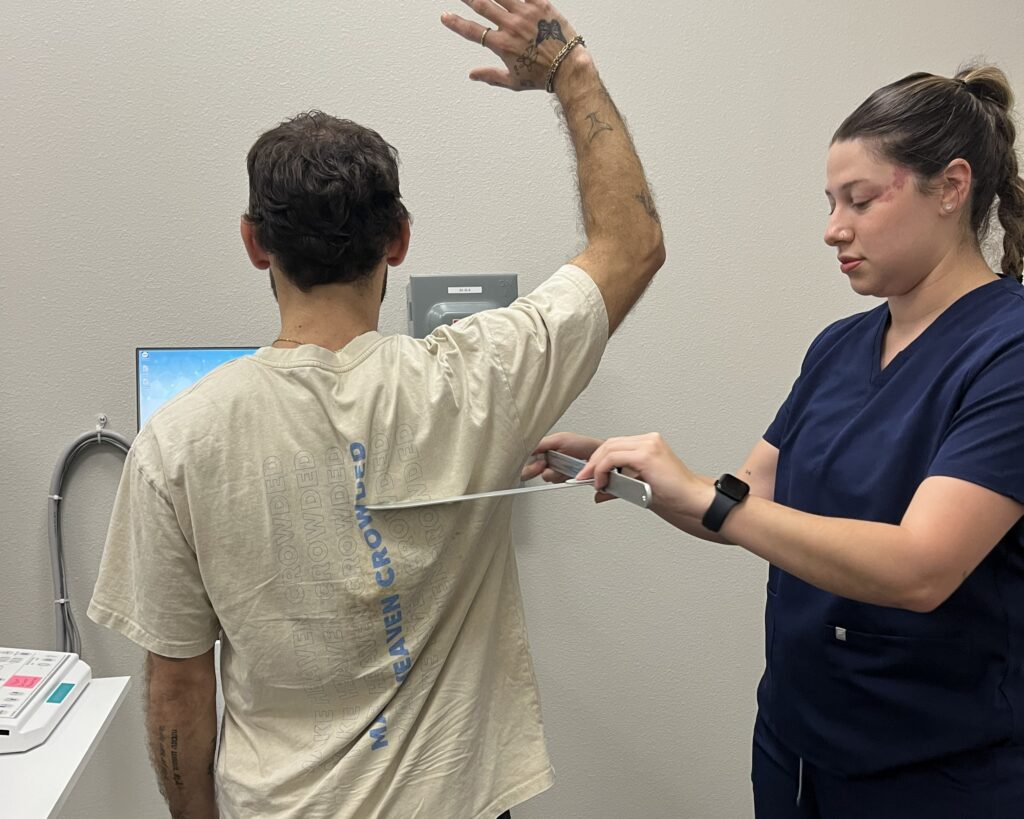

Headaches can be a frustrating and debilitating experience, often disrupting your daily life. It’s important to understand the different types of headaches and identify your personal triggers to manage them effectively. Simple lifestyle adjustments, such as staying hydrated, maintaining good posture, and practicing stress-relief techniques, can significantly lessen their impact.
Chiropractic care offers a natural, holistic approach to headache relief that focuses on spinal health and overall wellness. Misalignments in the spine can contribute to tension and discomfort, leading to headaches. By addressing these misalignments through gentle adjustments, chiropractic care can help restore balance and alleviate pain.
In addition to chiropractic adjustments, you can incorporate some general tips into your routine to support better health and reduce headache frequency:
- Stay hydrated: Drink plenty of water throughout the day.
- Maintain a regular sleep schedule: Aim for consistent sleep patterns to help your body recover.
- Practice relaxation techniques: Consider yoga, meditation, or deep-breathing exercises to manage stress.
- Keep a headache diary: Tracking your headaches may help you identify triggers and patterns.
If you find that these strategies aren’t providing the relief you need, consider consulting with a chiropractor. They can tailor a care plan specifically for you, focusing on your unique needs and helping you achieve lasting relief. Embracing chiropractic care could be the key to unlocking a healthier, headache-free life.
Key Takeaways
- Chiropractic adjustments are a powerful tool for relieving tension and correcting misalignments in the spine, which can significantly reduce the frequency and intensity of headaches. By restoring proper alignment, you can experience a natural relief that medication simply cannot provide.
- Staying well-hydrated and eating a balanced diet are essential for your overall health and can play a key role in preventing headaches related to dehydration. Remember to drink plenty of water throughout the day and nourish your body with healthy foods.
- Stress can be a major trigger for headaches, but incorporating stress management techniques such as mindfulness practices and regular exercise can greatly reduce these triggers. Consider setting aside time each day for deep breathing exercises or a brisk walk to help manage your stress levels.
- Keeping a record of your headache patterns can provide valuable insights into your triggers. This information can help you understand when it’s time to seek chiropractic care for tailored support in managing your headaches effectively.
- Holistic therapies like yoga and gentle stretching can work wonders for alleviating neck tension and promoting overall wellness. These practices complement chiropractic care beautifully, enhancing your journey to optimal health.
By embracing these natural strategies and prioritizing chiropractic care, you can take significant steps toward achieving relief from headaches and enhancing your overall well-being. Remember, your health is in your hands!
Understanding Different Types of Headaches
When you experience a headache, understanding its type can be vital for finding the right relief, especially when considering natural approaches like chiropractic care. There are several common types of headaches, each with unique characteristics.
Tension headaches are the most prevalent, often caused by stress, poor posture, or muscle tension. You might feel a dull, aching pain, sometimes accompanied by tightness in your neck or shoulders. Chiropractic adjustments can help alleviate this tension by improving spinal alignment and promoting relaxation in the surrounding muscles.
Migraines can be more intense and may include symptoms like nausea and sensitivity to light or sound. They often present with throbbing pain, usually on one side of your head. Regular chiropractic care can assist in reducing the frequency and severity of migraines by addressing spinal misalignments that may contribute to nerve irritation.
Cluster headaches, though less common, can be extremely painful and often occur in cycles, sometimes waking you during the night. While these headaches can be more challenging to manage, chiropractic care focuses on overall wellness and can help improve your body’s stress response and reduce tension.
Sinus headaches are linked to sinus infections, causing pressure and dull pain in your forehead and face. Chiropractic adjustments can help improve drainage and function of the sinuses, providing relief from this discomfort.
Recognizing these types of headaches can guide you in choosing effective strategies for relief. Incorporating regular chiropractic visits, practicing good posture, managing stress through relaxation techniques, and staying hydrated are all excellent ways to promote better spinal health and overall wellness.
Identifying Triggers and Patterns
To manage your headaches effectively, it’s essential to identify common triggers that could be contributing to your discomfort. Many headaches can be linked to lifestyle factors such as stress, poor posture, dehydration, and even diet. By tracking your headache patterns, you can uncover connections between these triggers and your pain, allowing you to make informed choices that promote overall wellness.
As a chiropractor, I encourage you to pay attention to your body’s signals. Keeping a headache diary can be a helpful tool—note when your headaches occur, their duration, and any activities or foods that might be associated with them. This awareness can empower you to make lifestyle adjustments that may reduce the frequency and intensity of your headaches.
In addition to lifestyle changes, chiropractic care can play a vital role in headache management. Misalignments in the spine can contribute to tension and discomfort, leading to headaches. Regular chiropractic adjustments can help restore proper alignment, relieve tension in the neck and shoulders, and promote better overall spinal health.
Here are a few simple tips you can incorporate into your daily routine to help manage headaches naturally:
- Stay Hydrated: Dehydration can lead to headaches, so make sure to drink plenty of water throughout the day.
- Maintain Good Posture: Whether you’re sitting at a desk or using your phone, be mindful of your posture. Keeping your spine aligned can help prevent tension headaches.
- Manage Stress: Techniques such as deep breathing, meditation, or gentle stretching can help reduce stress, which is a common headache trigger.
- Regular Chiropractic Visits: Schedule regular check-ups with your chiropractor to keep your spine in alignment and address any issues before they lead to headaches.
By taking these proactive steps and incorporating chiropractic care into your wellness routine, you can work towards reducing headaches and enhancing your overall quality of life.
Common Headache Triggers
Identifying common headache triggers is crucial for managing your discomfort naturally and effectively. Many people find that certain foods, such as aged cheese, chocolate, or caffeine, can spark their headaches. Stress is another significant factor; when life feels overwhelming, it’s not uncommon for your head to bear the brunt of it.
Additionally, fluctuations in sleep patterns, whether you’re getting too much or too little rest, can lead to nagging headaches. Environmental factors also play a role in headache occurrences. Bright lights, loud noises, and strong odors can create an uncomfortable atmosphere that may trigger pain.
Even changes in the weather, such as sudden temperature shifts or increased humidity, might contribute to your headaches. By recognizing these patterns, you can take proactive steps to avoid or minimize your exposure to these headache triggers.
Incorporating regular chiropractic care into your routine can be a powerful ally in achieving optimal health and wellness. Chiropractors focus on spinal alignment and overall body function, which can help reduce stress and tension often associated with headaches.
Consider integrating relaxation techniques, such as deep breathing or gentle stretching, to help manage stress levels. Prioritizing a consistent sleep schedule can also make a significant difference in how you feel.
Tracking Headache Patterns
Recognizing headache triggers is just the beginning; tracking your headache patterns can give you valuable insights into your unique pain experience and help you manage it more effectively.
Keeping a detailed record of your headaches allows you to identify recurring themes and potential areas for improvement in your health. Here are three key aspects to focus on:
- Frequency: Pay attention to how often your headaches occur. By noting the frequency over weeks or months, you may uncover patterns that can be addressed through natural remedies and chiropractic care.
- Duration: Track how long each headache lasts. Some may be brief, while others linger. Understanding the duration of your headaches can help you recognize when it might be time to seek chiropractic adjustments for relief.
- Severity: Rate the pain on a scale from 1 to 10. This simple method helps you gauge changes over time and can provide useful information when discussing your condition with your chiropractor.
In addition to tracking these aspects, consider incorporating some general tips into your routine to support overall wellness.
Stay hydrated, maintain a balanced diet rich in nutrients, and practice stress-reduction techniques such as deep breathing or yoga. Regular chiropractic visits can also be an effective way to address spinal alignment issues that may contribute to headache frequency and severity.
Lifestyle Adjustments for Headache Management
To effectively manage headaches, it’s essential to make some key lifestyle adjustments, and chiropractic care can play a vital role in this process. Staying hydrated and eating nourishing foods can significantly reduce the frequency of headaches, but incorporating chiropractic adjustments into your routine can enhance your overall well-being and provide natural relief.
Chiropractic care focuses on aligning the spine and improving nervous system function, which can help alleviate tension that often leads to headaches. By addressing any misalignments, or subluxations, your chiropractor can help restore balance to your body, reducing the frequency and intensity of headaches.
Additionally, integrating stress management techniques into your daily life is crucial. Simple practices such as deep breathing exercises, regular physical activity, and mindfulness can help you maintain a more balanced, headache-free life.
Remember, consistent chiropractic adjustments not only promote better spinal health but also support your body’s natural ability to heal itself.
Hydration and Nutrition
Hydration and nutrition are vital components of your overall well-being, especially when it comes to managing headaches. As a local chiropractor, I want to emphasize that these aspects not only support your body but also enhance spinal health and natural healing.
Staying properly hydrated can help prevent headaches caused by dehydration, while balanced nutrition fuels your body and supports optimal brain function. Here are three simple tips to improve your hydration and nutrition, which can work hand-in-hand with chiropractic care to promote better health:
- Drink water regularly: Aim for at least eight 8-ounce glasses of water daily. This is important for spinal health and overall well-being. Remember to adjust your water intake based on your activity level and the climate you live in. Keeping hydrated can help reduce tension in your body, which is crucial for maintaining a healthy spine.
- Incorporate magnesium-rich foods: Adding foods like spinach, nuts, and whole grains to your diet can help decrease the frequency of headaches. These foods not only nourish your body but also support muscle relaxation, which is essential for proper spinal alignment.
- Limit caffeine and sugar: Be mindful of your consumption of caffeine and sugar, as excessive intake can trigger headaches. Instead, focus on whole, nutritious foods that provide sustained energy without the crash, supporting both your physical and spinal health.
By incorporating these hydration and nutrition tips into your daily routine, you’re not just taking steps to manage headaches but also enhancing your overall wellness.
Stress Management Techniques
Managing stress effectively can significantly alleviate the frequency and intensity of headaches, and chiropractic care plays a vital role in this process. Start by identifying the stress triggers in your daily life. Understanding what causes you stress allows you to implement natural coping strategies that can enhance your overall well-being.
Incorporating mindfulness practices, such as meditation and deep breathing, can help center your thoughts and calm your mind. These techniques can be easily integrated into your day and can complement your chiropractic adjustments, helping to maintain a balance in your nervous system.
Regular exercise is also essential for managing stress; it releases endorphins that uplift your mood and reduce tension. Consider activities that promote spinal health, such as yoga or Pilates, which can enhance your body’s flexibility and strength while also relieving stress.
Prioritizing sleep is crucial as well. Establish a consistent bedtime routine and avoid screens before sleep to improve the quality of your rest. Quality sleep supports your body’s natural healing processes and enhances the benefits of chiropractic care.
Lastly, don’t hesitate to talk about your stress with someone you trust, whether it’s a friend or a chiropractor. Discussing your feelings can provide relief and help you find effective ways to manage stress.
By incorporating these techniques into your life, you can create a balanced lifestyle that reduces headaches and allows you to enjoy life more fully.
The Role of Nutrition in Headache Relief
While many factors contribute to headaches, nutrition plays a pivotal role in both prevention and relief. The foods you consume can significantly influence the frequency and intensity of your headaches. As a chiropractor dedicated to promoting natural wellness, I believe that understanding nutrition is essential for achieving optimal health. Here are some practical tips to help you manage headaches through dietary choices:
- Stay Hydrated: Dehydration is a common headache trigger. Make sure you’re drinking enough water throughout the day. Proper hydration supports overall wellness and keeps your body functioning at its best, which is crucial for spinal health.
- Limit Trigger Foods: Certain foods, such as aged cheese, processed meats, and artificial sweeteners, can exacerbate headaches. Keeping a food diary can help you identify your specific triggers, enabling you to make mindful choices. By avoiding these foods, you can contribute to reducing the strain on your body and promote a healthier spine.
- Incorporate Magnesium-Rich Foods: Magnesium may help reduce headache frequency. Consider including magnesium-rich foods like spinach, nuts, and whole grains in your diet. These nutrient-dense options not only support headache relief but also enhance your overall well-being.
- Practice Good Posture: Headaches can often be linked to tension in the neck and shoulders. Make sure to maintain good posture throughout your day, especially if you spend long hours sitting. Chiropractic care can help assess your posture and provide guidance on maintaining a healthy spine.
- Consider Regular Chiropractic Adjustments: Regular visits to your chiropractor can help address any spinal misalignments that may contribute to headaches. Chiropractic care focuses on natural healing and can help alleviate tension, reduce pain, and promote overall health without relying on medications or surgeries.
By making these dietary adjustments and considering the benefits of chiropractic care, you can take proactive steps toward managing headaches and improving your overall quality of life.
Holistic Therapies: Acupuncture and Beyond
If you’re looking for natural ways to relieve headaches, chiropractic care should be your first choice. As a chiropractor, I can tell you that spinal health plays a key role in overall wellness, including headache management. Misalignments in the spine can create tension and disrupt the nervous system, leading to headaches. By visiting a chiropractor, you can receive adjustments that help realign your spine, relieve pressure, and promote better communication between your body and brain.
In addition to chiropractic adjustments, there are other holistic approaches you can incorporate into your routine. For instance, regular gentle stretching and exercises can help keep your muscles relaxed and reduce tension in your neck and shoulders, which often contribute to headaches. Staying hydrated and maintaining a balanced diet rich in fruits and vegetables can also support your overall health and well-being.
Mindfulness techniques, like deep breathing exercises, yoga, and meditation, can be beneficial as well. These practices help reduce stress, which is a common trigger for headaches. By focusing on your breath and finding a moment of calm, you may find that your headaches become less frequent.
Remember, you don’t have to suffer in silence. Chiropractic care, combined with healthy lifestyle choices, can empower you to take charge of your health and find lasting relief from headaches.
Prioritize your spinal health and well-being, and you’ll be on your way to a healthier, more balanced life.
The Benefits of Regular Exercise
Regular exercise not only enhances your overall physical health but also plays a vital role in alleviating headaches. Engaging in consistent physical activity can lead to a noticeable decrease in the frequency and intensity of headaches.
As a chiropractor, I want to share three key benefits of exercise for headache relief, while also highlighting the importance of chiropractic care in your wellness journey:
1. Increased Endorphins: When you exercise, your body releases endorphins, which are natural painkillers. These endorphins can help ease headache pain and elevate your mood.
Regular chiropractic adjustments can further enhance this effect by improving spinal alignment and overall nervous system function.
2. Stress Reduction: Physical activity is a well-known stress reliever. By incorporating exercise into your routine, you can lower stress levels, which in turn reduces the chances of developing tension headaches.
Chiropractic care also helps manage stress by relieving tension in the spine and promoting relaxation.
3. Improved Sleep Quality: Regular exercise contributes to better sleep quality, which is crucial for preventing headaches.
A well-aligned spine, aided by chiropractic adjustments, can enhance your sleep by alleviating discomfort and promoting a more restful night.
Incorporating a consistent workout routine, along with regular chiropractic care, can be a transformative approach to managing headaches and promoting overall wellness.
Remember, simple activities like walking, stretching, or yoga can make a significant difference.
Medical Treatments and Interventions
After discussing the benefits of exercise for headache relief, it’s essential to highlight the natural approaches that can significantly aid in managing headaches, with chiropractic care being a leading option. Chiropractic adjustments can help align the spine, which may alleviate tension and reduce headache frequency and intensity.
Here’s a quick look at how chiropractic care can support headache relief:
| Treatment Type | Description |
|---|---|
| Chiropractic Adjustments | Gentle spinal manipulations to relieve tension |
| Lifestyle Guidance | Tips on posture, ergonomics, and stress management |
| Exercise Recommendations | Specific stretches and activities to strengthen the neck and back |
| Nutrition Advice | Suggestions for foods that may reduce inflammation |
| Relaxation Techniques | Techniques like deep breathing and mindfulness |
Chiropractic care focuses on the body’s natural ability to heal itself. By addressing spinal health, you may find not only relief from headaches but also an overall improvement in your well-being. It’s important to consult with a chiropractor who can develop a personalized plan tailored to your needs and lifestyle.
In addition to chiropractic adjustments, here are some general tips for managing headaches naturally:
- Stay Hydrated: Drink plenty of water throughout the day to prevent dehydration, which can trigger headaches.
- Maintain Good Posture: Be mindful of your posture while sitting or standing to avoid unnecessary strain on your neck and back.
- Incorporate Relaxation Techniques: Simple practices like deep breathing, yoga, or meditation can help reduce stress levels, which may contribute to headaches.
- Regular Exercise: Engage in regular physical activity to enhance circulation and reduce tension in the body.
- Get Adequate Sleep: Aim for a consistent sleep schedule, as poor sleep can be a significant headache trigger.
Seeking Professional Help: When to Consult a Specialist
When should you consider seeking professional help for your headaches? If your headaches disrupt your daily activities or keep coming back, it’s a good idea to consult a chiropractor. Here are three key signs that indicate you should reach out for care:
- Frequency and Intensity: If you find yourself experiencing headaches more than twice a week or if they’re becoming more intense, it’s important to get evaluated. Chiropractic adjustments can help alleviate tension and restore balance, potentially reducing the frequency and intensity of your headaches.
- Changes in Patterns: If you notice sudden changes in your headache patterns, such as an increase in frequency or a shift in how they feel, this is a signal to seek professional help. A chiropractor can assess your spinal health and identify any misalignments that may be contributing to your headaches.
- Accompanying Symptoms: If your headaches come with symptoms like vision changes, difficulty speaking, or loss of coordination, it’s crucial to reach out to a healthcare professional. While those symptoms may require immediate attention, chiropractic care can support your overall wellness and help manage tension that may be exacerbating your headaches.
Remember, early intervention is key! Chiropractic care offers natural, drug-free solutions to help you manage and relieve headache pain.
Along with seeking professional help, consider these general tips for healthier living:
- Stay hydrated: Drink plenty of water throughout the day to prevent dehydration, a common headache trigger.
- Maintain good posture: Being mindful of your posture, especially when sitting or using screens, can reduce strain on your neck and spine, potentially alleviating headache pain.
- Practice stress management: Incorporating relaxation techniques such as deep breathing, yoga, or meditation can help reduce tension and stress, which are often contributors to headaches.
Don’t hesitate to reach out to a chiropractor. With the right care, you can reclaim your quality of life and achieve optimal health naturally!
Conclusion
Incorporating these headache solutions into your daily routine can lead to lasting relief and improved well-being, especially when you consider the benefits of chiropractic care. By understanding the different types of headaches and identifying your triggers, you can take control of your pain in a natural way.
Chiropractic adjustments can play a significant role in alleviating headache discomfort by addressing misalignments in the spine that may contribute to tension and stress. Alongside these adjustments, don’t underestimate the power of nutrition and exercise. Staying hydrated, eating a balanced diet full of whole foods, and engaging in regular physical activity can help reduce headache frequency and intensity.
Additionally, holistic therapies like acupuncture can complement chiropractic care to enhance your overall wellness. Remember, if headaches persist, it’s essential to consult with a qualified chiropractor who can assess your specific needs and provide personalized care.
By adopting healthier habits and considering chiropractic adjustments, you can reclaim a pain-free life and enjoy each day to the fullest. Empower yourself with these strategies and take a proactive approach to your health!