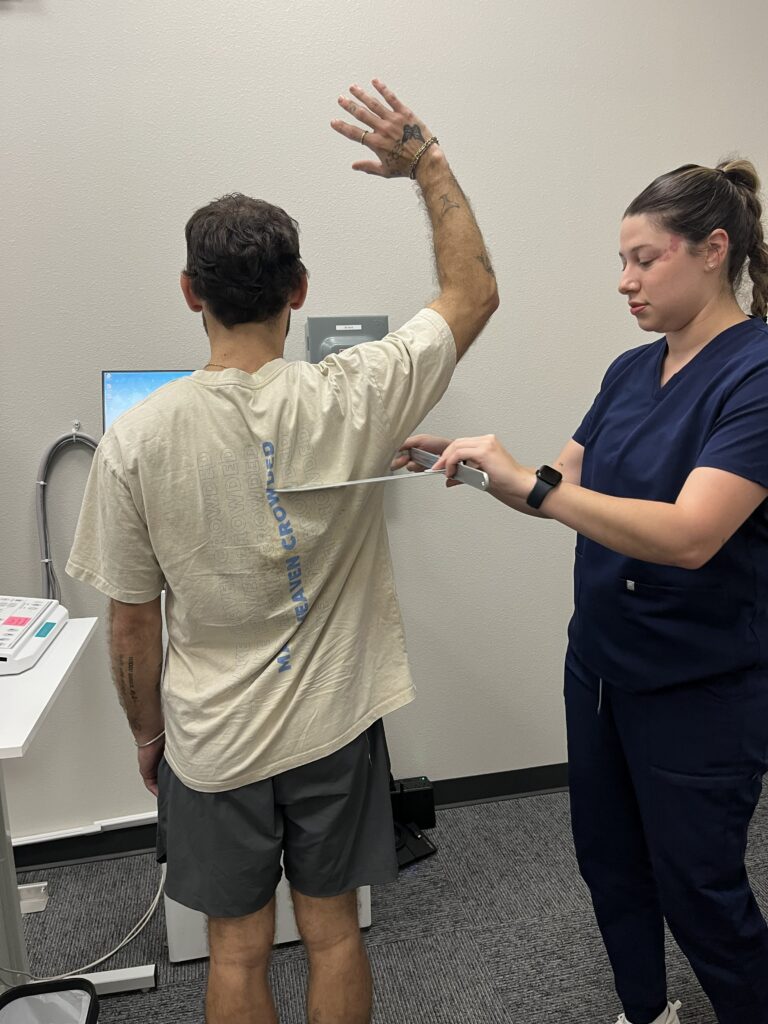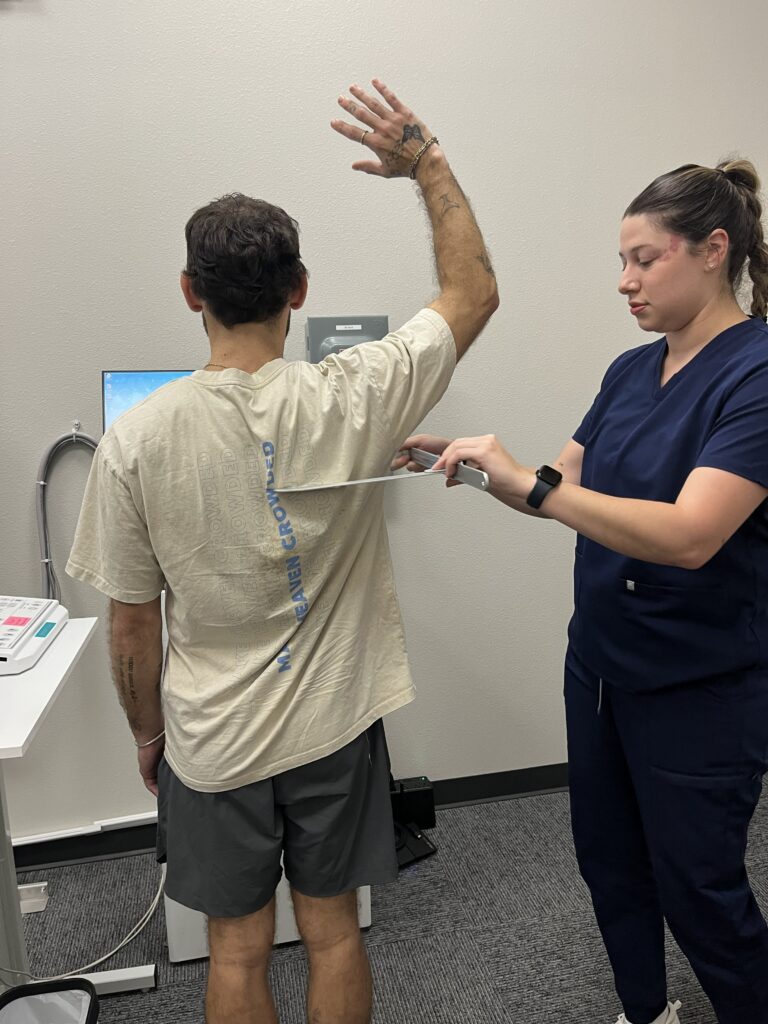

If you frequently experience tension headaches, it’s crucial to identify what might be causing them. Understanding these triggers can empower you to take proactive steps toward prevention. One of the most important aspects to consider is your posture. Ensuring that you maintain a good posture, especially while sitting at a desk or working on a computer, can significantly reduce the strain on your neck and shoulders, which are often culprits in tension headaches.
Creating an ergonomic workspace is another key factor that can help alleviate discomfort. Make sure your chair supports your lower back and that your computer screen is at eye level to prevent straining your neck. Simple adjustments like these can lead to big changes in how you feel.
In addition to physical adjustments, incorporating stress management techniques into your daily routine can make a world of difference. Practices such as deep breathing, meditation, or gentle yoga can help reduce tension in your body and mind.
As a chiropractor, I emphasize the importance of spinal health in achieving overall wellness. Regular chiropractic care can help align your spine, relieve tension, and promote better posture, making it a valuable part of your strategy for preventing tension headaches. By taking these steps, you can not only find relief from headaches but also enhance your overall health and well-being. Remember, natural healing through chiropractic care is a powerful tool in your journey to optimal health!
Key Takeaways
- Maintain good posture by using ergonomic furniture and keeping your computer screen at eye level to prevent neck strain. Proper alignment is key to spinal health, and chiropractic care can help you establish and maintain good posture.
- Stay hydrated by drinking plenty of water throughout the day and incorporating water-rich foods into your diet. Dehydration can contribute to headaches, so keeping your body well-hydrated supports your overall health, and chiropractic adjustments can enhance your body’s ability to function optimally.
- Incorporate regular exercise into your routine to reduce muscle tension, improve posture, and enhance overall well-being. Physical activity not only benefits your body but also complements chiropractic care by promoting joint mobility and reducing stress on your spine.
- Practice stress management techniques such as deep breathing, mindfulness meditation, and yoga. These practices can alleviate tension and reduce headache frequency, and when paired with chiropractic adjustments, they can lead to even greater relief and a more balanced body.
- Prioritize sleep hygiene by creating a restful environment and establishing a consistent sleep routine. Quality sleep is crucial for recovery and reducing headaches, and chiropractic care can help ensure your spine is aligned, which may improve your sleep quality and overall health.
By integrating these habits into your daily life and considering chiropractic care as part of your wellness plan, you can work towards alleviating headaches and achieving optimal health naturally.
Understanding Tension Headaches
Tension headaches are among the most common types of headaches and can often be triggered by stress, poor posture, or muscle tension. You might experience a dull, aching pain around your forehead, temples, or the back of your head. This discomfort can make it challenging to focus on daily activities.
Unlike migraines, tension headaches typically don’t come with nausea or sensitivity to light, making them distinct but equally disruptive. These headaches often appear after a long day at work or during stressful situations. They can last anywhere from 30 minutes to several days, impacting both your productivity and your mood.
By understanding the characteristics of tension headaches, you can better recognize them when they occur. One effective way to manage and prevent tension headaches is through chiropractic care. A chiropractor can help identify and address any underlying spinal misalignments or muscle tension that may be contributing to your headaches.
By promoting proper alignment and function of the spine, chiropractic care can reduce the frequency and intensity of tension headaches, allowing you to live a more comfortable and productive life. In addition to seeking chiropractic treatment, there are several practical tips you can incorporate into your daily routine to help alleviate tension headaches.
Maintaining good posture, especially while sitting at a desk, can prevent strain on your neck and shoulders. Taking regular breaks to stretch and move around can also relieve built-up tension. Staying hydrated and managing stress through relaxation techniques, like deep breathing or yoga, can further support your overall well-being.
Recognizing the symptoms of tension headaches is the first step toward prevention and relief. With the right strategies and the support of chiropractic care, you can take proactive steps to minimize their impact on your life and achieve optimal health. Remember, natural wellness is within reach!
Identifying Triggers
To effectively manage tension headaches, it’s important to identify what triggers them. Common environmental factors, such as harsh lighting and excessive noise, can contribute significantly to your discomfort. Additionally, lifestyle choices like poor posture and high-stress levels can exacerbate these headaches. By recognizing your specific triggers, you can take proactive steps to reduce their impact on your daily life.
As a local chiropractor, I encourage you to consider chiropractic care as a natural and effective way to alleviate tension headaches. Chiropractic adjustments can help realign your spine, improve posture, and relieve tension in the muscles surrounding your neck and shoulders. This not only addresses the root cause of your headaches but also promotes overall wellness.
Here are some general tips to help you manage tension headaches:
- Maintain Good Posture: Be mindful of your posture, especially if you spend long hours at a desk. Use ergonomic furniture and take breaks to stretch and move around.
- Stay Hydrated: Dehydration can lead to headaches, so make sure you’re drinking enough water throughout the day.
- Practice Relaxation Techniques: Incorporate stress-reducing practices into your routine, such as deep breathing exercises, yoga, or meditation.
- Create a Calm Environment: If you notice that certain lighting or noise levels trigger your headaches, try to create a more soothing environment at home or work.
- Schedule Regular Chiropractic Visits: Regular adjustments can help maintain spinal health, reduce tension, and prevent headaches from becoming a recurring issue.
By taking these steps and seeking chiropractic care, you can find relief from tension headaches and enhance your overall quality of life.
Common Environmental Triggers
Your environment plays a crucial role in your overall health and can significantly impact the occurrence of tension headaches. Factors like poor lighting, excessive noise, and uncomfortable temperatures can create conditions that lead to discomfort and pain. For instance, working in a dimly lit area or spending too much time looking at a screen can cause eye strain, which often leads to headaches.
Moreover, high-stress environments filled with constant interruptions can lead to increased muscle tension in your neck and shoulders, further exacerbating your discomfort. Even strong smells, such as perfumes and cleaning products, can trigger headaches for some individuals.
As a chiropractor, I want to emphasize the importance of creating a positive workspace that supports your health. Here are some simple tips you can implement to minimize these environmental triggers:
- Improve Lighting: Ensure your workspace has adequate lighting to reduce eye strain. Natural light is the best option, but if that’s not possible, consider using adjustable lamps.
- Manage Noise Levels: If you find yourself in a noisy environment, try using noise-canceling headphones or playing soft background music to create a more peaceful atmosphere.
- Adjust Temperature: Keep your workspace at a comfortable temperature. If it feels too hot or cold, it may lead to muscle tension.
- Take Regular Breaks: Incorporate short breaks into your routine. Stand up, stretch, and move around to alleviate tension in your muscles and give your eyes a break.
- Stay Hydrated: Drinking enough water throughout the day can help prevent dehydration-related headaches.
- Practice Good Posture: Maintaining proper posture while sitting can help reduce strain on your neck and shoulders. Ensure your workspace is ergonomically friendly.
- Consider Chiropractic Care: Regular chiropractic adjustments can help alleviate tension and improve your overall well-being. By addressing the root cause of your discomfort, chiropractic care can provide lasting relief from tension headaches.
By being mindful of these environmental factors and making small adjustments, you can protect yourself from tension headaches and promote a healthier, more comfortable lifestyle.
Lifestyle Factors Impacting Headaches
Understanding how your lifestyle choices contribute to headaches is essential for prevention, and as a local chiropractor, I want to share some insights that can help you achieve optimal health. Several daily habits can trigger tension headaches, and identifying these is fundamental to reducing discomfort.
First, let’s talk about posture. Poor posture while sitting or working can strain your neck and shoulders, leading to tension and headaches. Make a conscious effort to sit up straight and adjust your workspace to promote better alignment. Simple changes like using an ergonomic chair can make a big difference.
Hydration is another key factor. Often, we don’t realize how quickly we can become dehydrated, which can lead to headache symptoms. Keep a water bottle nearby and aim to drink water throughout the day to stay hydrated.
Sleep is equally important. Irregular sleep patterns or not getting enough rest can create tension that manifests as headaches. Try to establish a consistent sleep schedule and create a relaxing bedtime routine to improve your sleep quality.
Managing stress is crucial for overall wellness. Incorporating relaxation techniques like meditation, deep breathing exercises, or yoga into your daily routine can help alleviate tension and promote a sense of calm, reducing the likelihood of headaches.
Lastly, pay attention to your diet. Certain foods, including caffeine and processed items, can trigger headaches in some people. Keeping a food diary can help you identify potential triggers and make healthier choices.
By recognizing and adjusting these lifestyle factors, you can naturally reduce the frequency and severity of tension headaches.
Maintaining Good Posture
To prevent tension headaches, maintaining good posture is essential, and chiropractic care plays a pivotal role in achieving this. Start by setting up an ergonomic workspace that supports your spine’s natural alignment. This means adjusting your chair height, keeping your feet flat on the floor, and ensuring your computer screen is at eye level.
In addition to a well-organized workspace, practicing proper sitting techniques is crucial. Sit all the way back in your chair with your back supported, and avoid slouching.
Regular stretching breaks are also important; I recommend taking a few minutes every hour to stand up, stretch your neck and shoulders, and do some gentle back exercises. These simple steps can help reduce muscle strain and keep headaches at bay.
Remember, chiropractic care is a fantastic option for addressing the underlying issues that contribute to tension headaches. A chiropractor can help align your spine, improve your posture, and provide personalized exercises that cater to your unique needs.
Ergonomic Workspace Setup
Creating an ergonomic workspace is crucial for supporting your spine and maintaining good posture, especially if you spend long hours at a desk. As a chiropractor, I want to share some important tips to help you set up your workspace in a way that promotes spinal health and overall well-being.
Start by adjusting your chair to provide proper support for your lower back. This will help maintain the natural curve of your spine. Make sure your feet are flat on the floor or on a footrest to keep your legs comfortable and your circulation healthy.
Next, position your screen at eye level. This way, you won’t have to strain your neck, which can lead to discomfort and misalignment over time. Your keyboard and mouse should be within easy reach, allowing your elbows to rest close to your body and keeping your wrists straight. This setup can significantly reduce the risk of developing repetitive strain injuries.
If you often reference papers while working, consider using a document holder. This will help ensure that your documents are at the same height as your screen, minimizing neck strain and promoting a more natural posture.
Don’t forget about legroom! Position your chair and desk to allow enough space for your legs to move comfortably. This can help prevent stiffness and discomfort during long working hours.
Finally, I encourage you to regularly assess your workspace setup. Small adjustments can make a big difference in how you feel throughout the day.
Proper Sitting Techniques
Even with an ergonomic workspace, employing proper sitting techniques is crucial for maintaining a healthy spine and preventing discomfort, including tension headaches. As a chiropractor, I want to share some simple yet effective tips to promote your well-being while working.
First and foremost, sit all the way back in your chair to ensure your back is supported. This helps maintain the natural curve of your spine. Keep your feet flat on the floor, or use a footrest if necessary to avoid straining your legs. Your knees should form a 90-degree angle, parallel to your hips, as this position supports proper alignment.
Adjust your chair height so that when you rest your elbows on your desk, they also create a 90-degree angle. This positioning reduces strain on your shoulders and neck. Speaking of your neck, make sure your computer screen is at eye level. This helps prevent unnecessary strain and keeps your posture aligned.
Finally, keep your shoulders relaxed and your arms close to your body. This posture not only enhances comfort but also promotes better spinal health. By following these guidelines, you can significantly reduce the risk of developing tension headaches and improve your overall comfort while working.
Remember, chiropractic care is a powerful tool for achieving optimal health and wellness. If you experience discomfort or tension, consider visiting your local chiropractor for personalized care.
Taking these small steps towards better sitting habits can lead to a healthier spine and a more productive workday.
Regular Stretching Breaks
While it’s easy to get caught up in your tasks, taking regular stretching breaks is vital for maintaining good posture and preventing tension headaches. As a chiropractor, I encourage you to set a timer to remind yourself to stand up every 30 to 60 minutes.
During these breaks, stretch your arms overhead and gently bend side to side. This simple action helps release tension in your neck and shoulders, promoting better spinal alignment.
Rolling your shoulders back and forth is another great way to encourage proper posture and reduce strain. Incorporating neck stretches can further alleviate tightness and discomfort.
Remember, good posture goes beyond just sitting up straight; it’s about staying active and mobile throughout your day.
By prioritizing these breaks, not only will you enhance your focus, but you’ll also reduce the risk of headaches and discomfort. Regular stretching can complement chiropractic care, which aims to promote natural healing and optimal health.
Stress Management Techniques
Stress is a significant contributor to tension headaches, and managing it effectively can greatly enhance your overall well-being. As a chiropractor, I often see the connection between stress, spinal health, and pain. By incorporating simple stress management techniques, you can not only alleviate headache pain but also promote natural healing throughout your body.
Start by incorporating deep breathing exercises into your daily routine. These can help relax your muscles, lower your heart rate, and reduce anxiety, which is vital for maintaining a healthy spine. Additionally, try mindfulness meditation. It encourages you to stay present and fosters a sense of calm, which can support your body’s natural ability to heal.
Here’s a handy table of effective techniques you can easily integrate into your life:
| Technique | Benefits |
|---|---|
| Deep Breathing | Lowers heart rate, reduces muscle tension |
| Mindfulness Meditation | Enhances focus, promotes relaxation |
| Physical Activity | Releases endorphins, boosts mood, supports spinal health |
| Time Management | Reduces overwhelm, increases productivity |
Experiment with these techniques to discover what works best for you. Remember, chiropractic care is a powerful ally in your journey to wellness. It can help align your spine and improve your body’s ability to cope with stress. By managing your stress effectively, you’ll not only prevent tension headaches but also enhance your overall quality of life. Embrace these healthy habits and consider how regular chiropractic adjustments can support your health goals.
The Importance of Hydration
Managing stress is only one piece of the puzzle when it comes to preventing tension headaches. Staying hydrated is another crucial aspect of your overall wellness and can significantly influence how often you experience headaches. When your body is dehydrated, your brain may temporarily shrink due to fluid loss, which can lead to pain and discomfort.
To help keep those pesky headaches at bay, make it a habit to drink plenty of water throughout the day. It’s important to listen to your body—if you feel thirsty, don’t ignore that signal! Incorporating herbal teas and water-rich fruits and vegetables into your diet can also assist you in meeting your hydration goals.
While everyone’s hydration needs can differ, a simple guideline is to aim for at least eight 8-ounce glasses of water daily.
As you focus on hydration, remember that chiropractic care can also play a vital role in managing headaches and enhancing your overall health. Regular chiropractic adjustments can help improve spinal alignment, reduce tension in your muscles, and promote better circulation, all of which can contribute to fewer headaches.
Regular Exercise and Its Benefits
Incorporating regular exercise into your routine can be a transformative approach for preventing tension headaches. Engaging in physical activity not only helps reduce muscle tension but also releases endorphins, which serve as natural pain relievers. When you exercise, you enhance blood flow and oxygen delivery to your brain, fostering overall well-being.
Here are some key benefits of regular exercise that align with chiropractic principles for optimal health:
- Stress Reduction: Exercise serves as an effective remedy for alleviating stress, which is a common trigger for tension headaches. By regularly participating in physical activities, you can better manage stress levels and promote a sense of calm.
- Improved Posture: Strengthening your core and back muscles through exercise can lead to better posture. Good posture is essential for preventing muscle strain and discomfort, which can contribute to headaches. Consider simple exercises that focus on your back, neck, and shoulders to support spinal health.
- Enhanced Sleep Quality: Regular physical activity can help you fall asleep faster and improve your overall sleep quality. Better rest can lead to a reduction in headache frequency and intensity, allowing your body to heal naturally.
As a chiropractor, I encourage you to integrate these exercises into your daily routine. Simple activities like walking, stretching, or yoga can make a significant difference.
Additionally, regular chiropractic care can further support your wellness journey by ensuring proper spinal alignment, enhancing your body’s natural healing abilities, and providing personalized advice tailored to your needs.
Sleep Hygiene Practices
To prevent tension headaches, prioritizing sleep hygiene is essential, as quality sleep directly impacts your overall well-being and spinal health. As a chiropractor, I can’t emphasize enough how important a good night’s sleep is for your body, particularly your spine.
Start by establishing a consistent sleep schedule; going to bed and waking up at the same time every day helps regulate your body’s internal clock and can contribute to better spinal alignment.
Creating a restful environment is crucial. Keep your bedroom dark, cool, and quiet, and invest in a comfortable mattress and supportive pillows that promote proper neck and spinal support. These changes can help reduce tension in your body and prevent headaches.
Limit screen time before bed, as the blue light emitted from devices can interfere with your ability to fall asleep. Instead, unwind with calming activities like reading or practicing gentle stretches and meditation, which can help relax your muscles and spine.
Avoid large meals, caffeine, and alcohol close to bedtime, as these can disrupt your sleep cycle and lead to increased tension in your body. If you struggle to sleep, consider journaling your thoughts to clear your mind and relieve any stress that may be contributing to your headaches.
By adopting these sleep hygiene practices, you’ll not only improve your sleep quality but also support your spine and overall health.
Dietary Considerations
While you mightn’t realize it, your diet can significantly impact your overall health and well-being, including how often you experience tension headaches. As a chiropractor, I want to emphasize that taking care of your body—including what you eat—can enhance your natural healing processes and help alleviate pain.
Here are some simple dietary tips you can implement to support your health and potentially reduce the frequency and intensity of tension headaches:
- Stay Hydrated: One of the simplest ways to prevent headaches is to ensure you’re drinking enough water throughout the day. Dehydration can lead to tension and discomfort, so aim for at least eight glasses of water daily.
- Choose Whole Foods: Processed foods often contain preservatives and additives that might trigger headaches. Instead, focus on whole, fresh foods. Fruits, vegetables, and lean proteins can nourish your body and support its natural ability to heal.
- Incorporate Magnesium-Rich Foods: Magnesium can help relax your muscles and reduce tension. Foods like spinach, nuts, and whole grains are excellent sources of magnesium. Including these in your diet can be beneficial for your overall comfort and wellness.
Remember, your diet is just one piece of the puzzle.
Regular chiropractic care can also help address the underlying issues that contribute to tension headaches. By aligning your spine and improving your body’s function, chiropractic adjustments can enhance your overall health and promote natural pain relief.
Seeking Professional Help
Dietary changes can definitely play a role in reducing tension headaches, but sometimes, the root cause may lie deeper, often related to spinal health and alignment. If your headaches persist despite your nutritional efforts, it might be time to consider a visit to a chiropractor. Chiropractic care focuses on the relationship between the spine and the nervous system, and it can be particularly effective in addressing tension headaches.
A chiropractor can assess your spine and posture, identifying misalignments that may contribute to your headaches. Through gentle adjustments and spinal manipulations, they can help restore proper alignment, relieve muscle tension, and improve overall function.
Here’s a quick overview of how chiropractic care can help with tension headaches:
| Chiropractic Focus Area | Benefits |
|---|---|
| Spinal Adjustments | Correct misalignments |
| Posture Education | Promote better alignment |
| Muscle Relaxation Techniques | Alleviate tension |
| Stress Management Tips | Enhance overall well-being |
In addition to seeking chiropractic care, here are some general tips to help manage tension headaches:
- Stay Hydrated: Drink plenty of water throughout the day to prevent dehydration, a common headache trigger.
- Practice Good Posture: Be mindful of your posture, especially if you sit for long periods. Ergonomic adjustments to your workspace can make a big difference.
- Incorporate Relaxation Techniques: Techniques such as deep breathing, yoga, or meditation can help reduce stress and tension.
- Get Regular Exercise: Physical activity can improve circulation and alleviate muscle tension, offering relief from headaches.
- Prioritize Sleep: Ensure you get enough restful sleep each night, as lack of sleep can lead to increased headache frequency.
Don’t hesitate to reach out for help from a chiropractor. Finding the right support through natural, drug-free methods can significantly improve your tension headaches and enhance your overall well-being. Remember, optimal health starts with a well-aligned spine!
Conclusion
Understanding tension headaches and their triggers is crucial for taking control of your health. As a chiropractor, I can tell you that maintaining good posture, managing stress, staying hydrated, and exercising regularly are all vital steps in preventing these headaches.
Chiropractic care plays a significant role in achieving optimal health and wellness. Regular adjustments can help align your spine and relieve tension in your neck and shoulders, which are often contributing factors to tension headaches. This natural approach not only alleviates pain but also promotes overall well-being.
Prioritize sleep hygiene by creating a restful environment and sticking to a sleep schedule. Being mindful of your diet can also enhance your health—try to include anti-inflammatory foods like leafy greens and nuts in your meals.
If you’re still experiencing tension headaches, don’t hesitate to reach out for professional chiropractic care. With these tips and the support of chiropractic adjustments, you’ll be on your way to reducing the frequency and severity of tension headaches and enjoying a healthier, more vibrant life. Your journey to wellness starts here!