
As a local chiropractor, I want to emphasize the importance of flexibility and mobility for your overall health and well-being. Many people think that flexibility is just about being able to reach your toes, but it actually plays a vital role in your athletic performance and daily activities. By understanding the fundamentals and integrating specific techniques into your routine, you can improve your range of motion and significantly lower your risk of injury.
So, how can you get started on this journey towards better flexibility and mobility? Let’s delve into some essential factors that can guide you. By focusing on natural healing methods and chiropractic care, we can work together to enhance your body’s ability to move freely and comfortably. Remember, improving your flexibility is not just a goal—it’s a pathway to a healthier, more active lifestyle.
Understanding Flexibility and Mobility
As a chiropractor, I want to emphasize the importance of flexibility and mobility in maintaining your overall health and well-being. These two elements are crucial for physical fitness and play a significant role in how we move and feel in our daily lives.
Flexibility refers to the range of motion in your joints and the ability of your muscles to stretch. It enables you to carry out everyday tasks with greater ease and can significantly lower your risk of injuries during physical activities.
Mobility goes a step further; it encompasses not just the ability to move freely and easily, but also the strength and stability that support those movements. Enhancing your flexibility and mobility can lead to improved athletic performance, greater efficiency in your movements, and better posture overall.
You may find that actions like bending, twisting, or reaching become much simpler and more comfortable.
Incorporating regular stretching and mobility exercises into your routine is vital for maintaining this range of motion and feeling more agile. By focusing on these aspects of fitness, you aren’t only enhancing your performance during workouts but also paving the way for a healthier, more active lifestyle.
As you explore chiropractic care and natural healing, remember that prioritizing flexibility and mobility can have a profound impact on your physical health and everyday activities.
The Importance of Flexibility for Overall Health
As a local chiropractor, I want to emphasize the importance of flexibility in maintaining your overall health. When you focus on improving your flexibility, you’re not just enhancing your range of motion; you’re also taking proactive steps to prevent injuries. Increased flexibility allows your muscles and joints to move freely, making daily activities easier and reducing the risk of sprains and strains.
Flexibility is particularly crucial for maintaining good posture. When your body is flexible, it helps align your spine and pelvis, which can relieve discomfort and significantly lower the chances of chronic pain. This alignment is key to ensuring that your body functions optimally.
Additionally, enhancing your flexibility can lead to improved athletic performance. Whether you’re running, lifting weights, or participating in yoga, a flexible body operates more efficiently, helping you reach your fitness goals more effectively.
Beyond the physical benefits, flexibility also contributes to your mental well-being. It promotes relaxation and helps reduce stress levels, which are vital for overall health.
As you consider your health journey, I encourage you to make flexibility a priority. The benefits it brings to your body and mind are numerous, and as a chiropractor, I’m here to support you in achieving that flexibility through tailored care and guidance.
Key Factors Affecting Your Flexibility
As your local chiropractor, I want to help you understand the important factors that influence your flexibility. Flexibility isn’t just about how far you can stretch; it’s affected by several key elements, including the elasticity and length of your muscles, the structure of your joints, as well as your age and activity levels.
By understanding these factors, you can better tailor your approach to improving your flexibility and overall mobility. For instance, muscle elasticity is crucial; the more elastic your muscles are, the easier it will be to move freely.
The structure of your joints also plays a significant role—some joints may naturally allow for more movement than others.
Additionally, as we age, our flexibility tends to decrease, but maintaining an active lifestyle can help counteract this. Regular chiropractic care can also enhance your mobility by ensuring that your joints function properly and that your muscles are balanced.
Let’s work together to explore how these elements interact and how you can take proactive steps towards better flexibility and health.
Muscle Elasticity and Length
As a local chiropractor dedicated to promoting natural healing and overall wellness, I want to share some insights about flexibility and its vital components: muscle elasticity and length.
Muscle elasticity is the ability of your muscles to stretch and return to their original shape. When your muscles are elastic, they can extend more easily, which translates to greater flexibility and improved movement.
On the flip side, muscle length refers to how long your muscles are. Muscles that are longer allow for a wider range of motion, which is essential for daily activities and overall physical health.
To enhance both elasticity and length, I encourage you to incorporate activities such as dynamic stretching, yoga, and resistance training into your routine. These practices not only promote muscle fiber growth but also significantly improve elasticity.
It’s important to remember that consistency is key. By making these exercises a regular part of your fitness plan, you can achieve lasting improvements in your flexibility, helping you move more freely and reducing the risk of injury.
As your chiropractor, I’m here to support you on your journey to better health and wellness, so don’t hesitate to reach out with any questions or for guidance on your path to flexibility.
Joint Structure and Function
As a local chiropractor, I want to emphasize that flexibility isn’t just about how stretchy your muscles are—your joint structure and function play a crucial role as well.
Joints are where your bones come together, allowing for movement in a variety of directions. The specific shape of your joints, whether they’re ball-and-socket like your hips or hinge like your knees, significantly impacts how far you can move.
It’s also important to consider ligaments, which are the connective tissues that link bones together. If these ligaments are too tight or too loose, they can limit your flexibility and range of motion.
Another key player in joint health is synovial fluid, which acts as a lubricant, providing cushioning to ensure smooth movement in your joints.
To maintain healthy joints, proper nutrition and hydration are vital. Regular mobility exercises can also improve joint function, which in turn enhances your flexibility.
By understanding your joint structure, you can better tailor your flexibility training for optimal results.
Age and Activity Levels
As a local chiropractor, I want to share some important insights about how aging and activity levels can impact your flexibility.
As we age, our bodies undergo various changes that can affect our range of motion. Muscles tend to lose their elasticity, and tendons can become stiffer, making it more challenging to stay flexible. If you find yourself leading a sedentary lifestyle, you may notice these changes even more.
That’s where regular physical activity comes into play. It’s crucial for maintaining and improving your flexibility. Engaging in activities such as stretching exercises, yoga, or other mobility-focused practices can significantly counteract the natural decline that often accompanies aging.
Staying active not only helps your body adapt but also promotes better overall health.
I want to emphasize that it’s never too late to start focusing on your flexibility. Even small, consistent efforts can lead to remarkable improvements in your mobility and well-being.
If you have any questions or need guidance on how to incorporate these practices into your routine, feel free to reach out. Your health is worth the investment!
Effective Stretching Techniques for Beginners
As a local chiropractor, I want to share some effective stretching techniques that can significantly enhance your flexibility and mobility, especially if you’re new to this practice.
Here are some beginner-friendly methods that I recommend incorporating into your routine:
- Hold Each Stretch: It’s beneficial to hold each stretch for about 15-30 seconds. This duration allows your muscles to relax and gradually lengthen, promoting better flexibility.
- Breathe Deeply: Focus on your breathing; inhale and exhale slowly. Deep breathing not only helps calm your mind but also aids in relaxing your body, making your stretching sessions more effective.
- Warm Up First: Before diving into stretching, it’s crucial to do a light warm-up. Activities like jogging in place or gentle movements can prepare your muscles and joints, reducing the risk of injury.
- Listen to Your Body: Always pay attention to how your body feels during stretching. It’s important to stretch without causing pain; you should feel a gentle pull, not discomfort.
By incorporating these techniques into your routine, you can support your overall health and well-being.
Dynamic vs. Static Stretching: When to Use Each
As a local chiropractor dedicated to promoting natural healing and optimal wellness, it’s important for my patients to understand the key differences between dynamic and static stretching and how they can benefit your overall health.
Dynamic stretching is a method that involves moving different parts of your body through a full range of motion. This type of stretching is fantastic for preparing your muscles for physical activity and is something I highly recommend incorporating into your warm-up routine. Engaging in dynamic stretches, such as leg swings, arm circles, or walking lunges, helps increase blood flow and can enhance your performance during workouts.
In contrast, static stretching involves holding a stretch for a certain period, typically between 15 to 60 seconds. This method is most effective after your workout when your muscles are warm. Static stretching can significantly improve your flexibility and assist in your recovery process after physical activity.
To achieve the best results and support your body’s natural healing, I encourage you to use dynamic stretching as part of your warm-up and static stretching during your cool-down. This balanced approach not only prepares your body for exercise but also helps maintain flexibility, reducing the risk of injury.
Mobility Exercises to Incorporate Into Your Routine
As a local chiropractor dedicated to enhancing your overall health and wellness, I want to share the importance of incorporating mobility exercises into your daily routine. These exercises are essential for improving flexibility and the quality of your movement, which can make everyday activities feel easier and help reduce the risk of injury.
Here are some excellent mobility exercises that I recommend for you to try:
- Hip Circles: Stand on one leg while gently moving the other leg in a circular motion. This exercise is fantastic for loosening your hips and promoting better joint health.
- Thoracic Spine Rotations: Whether seated or standing, twist your upper body side to side. This simple movement will enhance your spinal flexibility and improve your posture, which is crucial for your overall well-being.
- Ankle Rolls: Lift one foot off the ground and roll your ankle in circles. This exercise is great for increasing ankle mobility, which is often overlooked but essential for maintaining balance and stability.
- Cat-Cow Stretches: Position yourself on all fours and alternate between arching and rounding your back. This dynamic stretch is beneficial for your spinal mobility and can alleviate tension in your back.
Incorporating these mobility exercises into your routine can greatly support your chiropractic care, helping you move better and feel your best.
The Role of Yoga and Pilates in Enhancing Flexibility
As a local chiropractor, I want to highlight the significant role that yoga and Pilates can play in enhancing your flexibility and overall well-being. Both of these practices focus on controlled movements and deep stretching, which are essential for maintaining a healthy spine and body.
When you engage in yoga, you perform a variety of poses that not only stretch your muscles but also strengthen them, promoting length and balance throughout your body. Each pose encourages deep breathing, which helps to release tension and improve your flexibility. This is particularly beneficial for spinal alignment, an area we focus on in chiropractic care.
Pilates adds another dimension by emphasizing core stability and proper alignment, which allows for smoother and more efficient movements. The targeted exercises in Pilates help to enhance flexibility through controlled and precise movements, making it easier for your body to adapt and function effectively.
By incorporating both yoga and Pilates into your routine, you may notice remarkable improvements in your flexibility and mobility. With consistent practice, your body becomes more adaptable, significantly reducing the risk of injury.
Furthermore, these practices do more than just improve physical flexibility; they also foster mental clarity and relaxation, which is crucial for overall health and wellness. As you explore these natural healing methods, you’ll find that they can be invaluable tools in your journey toward improved mobility and holistic health.
Tips for Maintaining Consistency in Your Flexibility Journey
To truly experience the benefits of yoga and Pilates for flexibility, it’s essential to maintain consistency in your practice. As a local chiropractor, I often see how regular movement can enhance overall wellness, including flexibility.
You don’t need to dedicate hours each day; even brief, consistent sessions can yield significant improvements in your body’s range of motion. Here are some tips to help you stay on track with your flexibility journey:
- Establish a Routine: Choose specific days and times for your practice. Just like regular chiropractic adjustments, having a consistent schedule can help your body adapt and improve over time.
- Start with Short Sessions: If you’re new to stretching, start with just 10-15 minutes a day. As your body becomes accustomed to the movements, you can gradually extend your practice.
- Monitor Your Progress: Keeping a journal or using an app to track your improvements can be incredibly motivating. It’s a great way to see how your body responds to regular practice and how it complements chiropractic care.
- Diversify Your Practice: Mixing different styles or routines can make your sessions more enjoyable and engaging. This variety not only keeps you interested but also helps your body engage different muscle groups, enhancing overall flexibility.
Common Mistakes to Avoid When Working on Flexibility
As a local chiropractor, I want to share some important insights about improving your flexibility, especially since many of my patients are new to this concept.
It’s common to make mistakes that can’t only slow your progress but also increase the risk of injury. One significant error is rushing through your stretches. It’s essential to take your time and gently ease into each position—this allows your muscles to adapt and respond positively.
Another frequent oversight is neglecting proper warm-up routines. Jumping straight into deep stretches without warming up can put unnecessary strain on your muscles. A simple warm-up can prepare your body and enhance your flexibility training.
Some individuals also underestimate the importance of consistency. Many believe that stretching occasionally will yield results, but in reality, regular practice is vital for noticeable improvement.
Remember, stretching should never be painful. If you experience sharp pain, it’s crucial to ease off immediately; your body is signaling that something isn’t right.
Lastly, it’s important to avoid focusing solely on one muscle group. Neglecting other areas can create imbalances, leading to injuries over time.
By keeping these common pitfalls in mind, you’ll be better equipped to enhance your flexibility and overall mobility safely and effectively.
As your chiropractor, I’m here to guide you on this journey towards better health and wellness through natural healing practices.
Tracking Your Progress: How to Measure Flexibility Improvements
As a chiropractor dedicated to your wellness, I want to emphasize the importance of tracking your flexibility improvements.
Understanding how to measure your current range of motion is essential in identifying areas where you can grow and enhance your overall health.
By utilizing various flexibility assessment methods, we can monitor your progress together.
This ongoing evaluation not only keeps you motivated but also allows us to make informed adjustments to your chiropractic care and exercise routine.
Flexibility Test Methods
As a local chiropractor dedicated to your overall well-being, I want to emphasize the importance of measuring your flexibility improvements. Tracking your progress can be an enlightening experience and serves as a great motivator to maintain your commitment to a healthier lifestyle.
Here are some effective methods to assess your flexibility that I recommend:
- Sit and Reach Test: This classic assessment allows us to evaluate the flexibility of your lower back and hamstrings, which are crucial for everyday movements and overall spinal health.
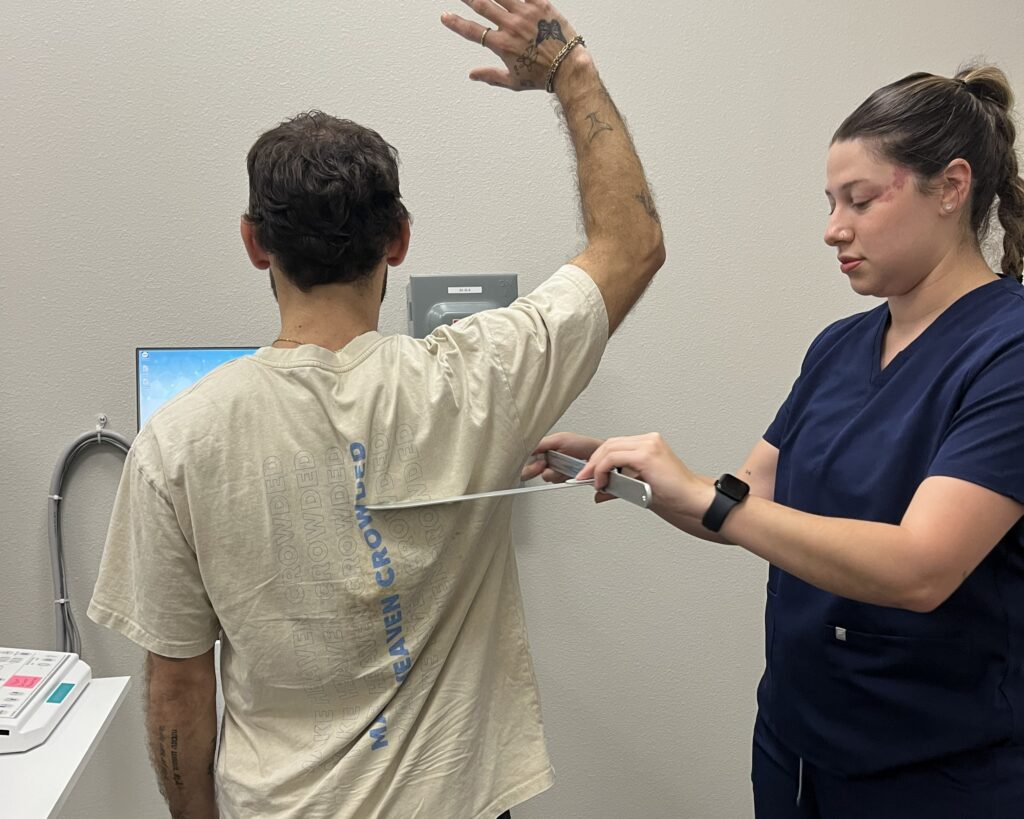
- Shoulder Flexibility Test: This test helps us understand how well your shoulders are functioning. It involves reaching behind your back with one arm over and another under, which can reveal any restrictions in movement.
- Hip Flexor Test: Here, we measure how high you can raise one knee while keeping the other leg straight. This is important because tight hip flexors can lead to discomfort and can affect your posture.
- Dynamic Stretching Assessment: This method evaluates your range of motion through controlled, full-range movements. It’s a great way to see how your flexibility improves with active engagement.
By utilizing these tests, we can better understand your body’s needs and create a tailored approach to enhance your flexibility and overall health.
Tracking Progress Over Time
As a chiropractor, I want to emphasize that understanding your flexibility test results is just the first step; tracking your progress over time is where the real motivation and benefits of chiropractic care come into play.
To see genuine improvements, it’s essential to set specific goals tailored to your needs. For instance, consider which stretches or movements you’d like to enhance to support your overall health.
I recommend keeping a dedicated journal or using an app to log your daily or weekly performance. This not only helps you visualize changes but also allows us to assess your progress during our sessions together.
Regularly retesting your flexibility using consistent methods will ensure we’re on the right path.
Don’t forget to celebrate small victories, whether it’s reaching a deeper stretch or being able to hold a position longer. These milestones are important as they reflect your commitment to natural healing and wellness.
By tracking your progress, you’ll not only stay motivated but also identify areas that may need more attention in our chiropractic care.
Conclusion
As your local chiropractor, I want to emphasize the significant benefits of incorporating flexibility and mobility practices into your daily routine. Understanding the importance of flexibility is crucial for your physical well-being. Effective stretching techniques, along with activities like yoga and Pilates, can greatly enhance your range of motion and help prevent injuries.
By prioritizing these practices, you not only improve your overall health but also support your body’s natural healing processes. Consistency is key; tracking your progress will allow you to witness the positive changes in your mobility and flexibility. As you push your limits, you may discover that increased flexibility leads to enhanced performance in daily activities and contributes to a more balanced and vibrant lifestyle. Remember, we’re here to support you on this journey to better health through natural methods!