
Headaches and migraines can significantly impact your daily life, often in ways you might not even notice. It’s crucial to understand the different types of headaches and their triggers to manage them effectively. You may be surprised to learn that simple lifestyle changes and dietary adjustments can lead to notable improvements in your condition.
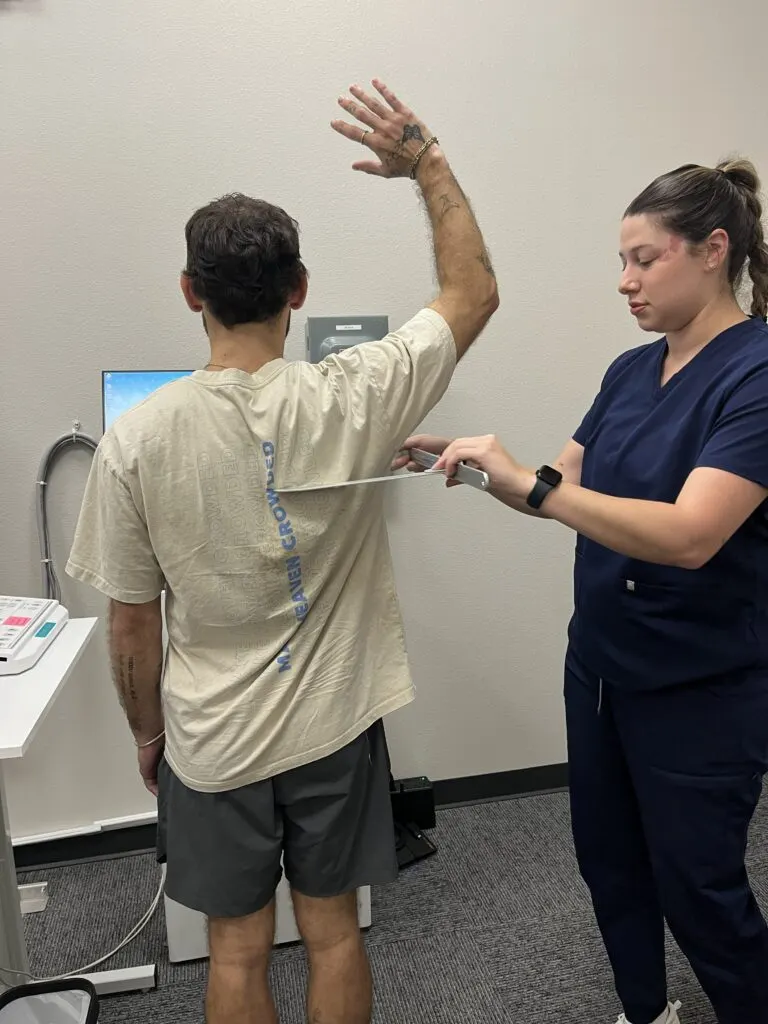
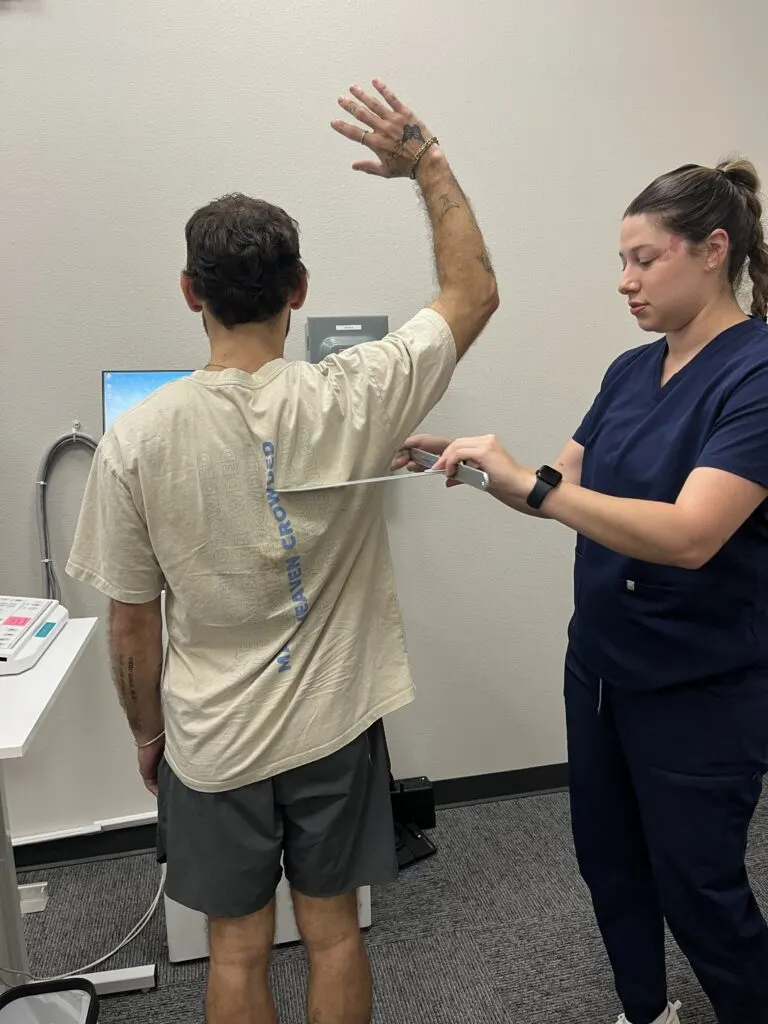
As a chiropractor, I want to highlight the importance of spinal health in managing headaches and migraines. Misalignments in the spine can lead to tension and stress, which are common triggers for these types of pain. Regular chiropractic adjustments can help align your spine, reduce tension, and improve overall nerve function, providing you with a natural and effective way to find relief.
Additionally, exploring alternative therapies, such as chiropractic care, can offer new avenues for healing. Techniques such as spinal manipulation, massage, and stretching can be beneficial in alleviating headache pain and promoting overall wellness.
Here are some general tips to help you manage headaches and migraines naturally:
- Stay Hydrated: Dehydration is a common trigger, so be sure to drink plenty of water throughout the day.
- Maintain Good Posture: Poor posture can contribute to spinal misalignment and tension in your neck and shoulders. Pay attention to your posture, especially if you sit for long periods.
- Incorporate Regular Exercise: Physical activity can reduce stress and improve circulation, both of which can help minimize headache occurrences.
- Consider Dietary Changes: Certain foods may trigger headaches for some people. Keeping a food diary can help you identify and eliminate these triggers.
- Practice Stress Management Techniques: Yoga, meditation, and deep-breathing exercises can help reduce stress, which is a known contributor to headaches.
By focusing on these strategies and prioritizing chiropractic care, you can take control of your health and well-being, leading to a life with fewer headaches and migraines. Remember, a healthy spine is key to overall wellness!
Key Takeaways
- Understand the different types of headaches and their symptoms to tailor your management strategies effectively. By recognizing your specific headache type, you can make informed decisions that align with your body’s needs.
- Keep an eye on your triggers—factors like stress, sleep patterns, and what you eat can all play a role in headache development. Identifying these can help you prevent headaches before they start.
- Embrace lifestyle changes that promote overall wellness, such as engaging in regular exercise, staying well-hydrated, and maintaining good posture. These habits not only support spinal health but can also significantly reduce the frequency and intensity of headaches.
- Consider exploring alternative therapies that complement chiropractic care, such as yoga and aromatherapy. These non-invasive approaches can enhance your relaxation and provide additional relief from headache discomfort.
- If you encounter sudden, severe headaches or notice persistent pain, it’s essential to seek professional help. A chiropractor can assess your situation, identify underlying issues, and provide tailored adjustments to support your health and well-being.
By focusing on these strategies, you can achieve a natural approach to managing headaches and enhance your overall quality of life through chiropractic care.
Understanding Headaches and Migraines: Types and Triggers
When you experience a headache or migraine, understanding the different types and their triggers can significantly enhance your ability to manage your symptoms naturally. There are several types of headaches, including tension headaches, cluster headaches, and migraines. Tension headaches often feel like a tight band around your head, while cluster headaches manifest as intense, localized pain that occurs in cycles. Migraines, on the other hand, can cause severe throbbing pain, frequently accompanied by nausea or sensitivity to light.
Identifying your headache triggers is essential for effective management. Common triggers can include stress, certain foods, hormonal changes, and lack of sleep. Keeping a headache diary can help you pinpoint what may be causing your discomfort. Once you understand your triggers, you can take proactive steps to avoid them, which may help reduce the frequency and intensity of your headaches.
One of the best ways to address headaches and migraines is through chiropractic care. Chiropractic adjustments can help improve spinal alignment, reduce tension in the neck and shoulders, and promote better blood flow, which may alleviate headache symptoms. Regular chiropractic visits can contribute to overall wellness and prevent headaches before they start.
In addition to chiropractic care, here are some general tips to help you manage headaches:
- Stay Hydrated: Dehydration can lead to headaches, so make sure you drink plenty of water throughout the day.
- Practice Good Posture: Maintaining proper posture can reduce strain on your neck and back, helping to prevent tension headaches.
- Manage Stress: Engage in relaxation techniques such as deep breathing, meditation, or yoga to help reduce stress levels.
- Get Enough Sleep: Aim for a consistent sleep schedule and ensure you’re getting adequate rest each night.
- Limit Trigger Foods: Pay attention to foods that may trigger your headaches and try to avoid them.
By embracing these lifestyle changes and incorporating chiropractic care into your routine, you can take control of your headaches and work towards a healthier, pain-free life.
Lifestyle Changes for Headache and Migraine Prevention
Making simple lifestyle changes can greatly reduce the frequency and intensity of headaches and migraines, and as a chiropractor, I believe it’s essential to focus on natural methods for achieving optimal health. Here are some effective strategies that can help you manage your headaches while enhancing your overall well-being.
1. Establish a Regular Sleep Schedule:
Quality sleep is crucial for your health. Aim for 7-9 hours of restful sleep each night. Consistency is key—try to go to bed and wake up at the same time every day. This not only helps your body recover but also supports your spine’s health.
2. Stay Hydrated:
Dehydration can be a significant headache trigger. Make it a habit to drink plenty of water throughout the day. Keep a water bottle with you to remind yourself to sip regularly and maintain hydration.
3. Incorporate Regular Exercise:
Physical activity isn’t just good for your body; it’s beneficial for your mind as well. Regular exercise can help relieve stress and tension that often contribute to headaches. Aim for at least 30 minutes of activity each day—whether it’s a brisk walk, yoga, or any movement you enjoy.
4. Practice Stress Management:
Managing stress is vital for emotional well-being and can significantly reduce headache occurrences. Techniques such as mindfulness, yoga, and deep breathing exercises can help you relax and keep stress levels in check.
Quick Reference Table:
| Change | Benefits | Tips |
|---|---|---|
| Sleep Routine | Improves overall health | Go to bed and wake up at the same time daily |
| Hydration | Reduces headache triggers | Carry a water bottle with you |
| Regular Exercise | Lowers stress and tension | Aim for at least 30 minutes a day |
| Stress Management | Enhances emotional well-being | Practice mindfulness or yoga |
Dietary Adjustments to Alleviate Symptoms
Adjusting your diet can be an effective way to help alleviate headache and migraine symptoms, and as a chiropractor, I believe in the power of natural healing and wellness. Start by keeping a food diary to pinpoint what may be triggering your headaches. Many people find that certain foods, like aged cheeses, processed meats, and artificial sweeteners, can cause discomfort.
It’s also a good idea to watch your caffeine and alcohol intake, as these can sometimes make your symptoms worse. Incorporating magnesium-rich foods such as spinach, nuts, and whole grains into your meals can potentially help reduce the frequency of headaches. Staying well-hydrated is crucial, so be sure to drink enough water throughout the day.
Eating regular meals can also help maintain stable blood sugar levels, which can prevent headaches caused by low blood sugar. Don’t overlook the benefits of omega-3 fatty acids found in fish and flaxseeds. These nutrients have anti-inflammatory properties that can support your overall health.
A balanced diet filled with a variety of fruits and vegetables is important too; they provide essential vitamins and minerals that your body needs. Remember, while dietary changes are a great step toward managing your headaches, incorporating regular chiropractic care can also play a vital role in achieving optimal health.
Chiropractic adjustments can help improve spinal alignment, reduce tension, and promote better overall wellness, which may lead to fewer headaches. By combining dietary adjustments with chiropractic care, you can take meaningful steps toward feeling your best and managing your symptoms naturally.
Alternative Therapies: Exploring Holistic Approaches
When it comes to managing headaches and migraines, chiropractic care stands out as a holistic approach that can significantly complement your overall health and wellness journey. Chiropractic adjustments focus on aligning the spine and improving nervous system function, which can be a powerful way to relieve tension and enhance blood flow, ultimately helping to alleviate headache symptoms.
In addition to regular chiropractic adjustments, there are several natural techniques you can incorporate into your daily routine. For instance, practicing mindfulness and meditation can effectively reduce stress, a common trigger for headaches. Taking a few minutes each day to breathe deeply and center your thoughts can lead to a noticeable decrease in both the frequency and intensity of your headaches.
Yoga is another fantastic way to combine movement with relaxation. The gentle stretches and deep breathing involved in yoga can help relieve tension in the neck and shoulders, which are often contributors to headache pain. Plus, it fosters a sense of overall well-being that benefits both your mind and body.
Aromatherapy can also be a soothing addition to your wellness toolkit. Using essential oils like lavender or peppermint in a diffuser or during a relaxing bath can create a calming environment, making it easier to unwind and potentially easing headache discomfort.
Lastly, consider incorporating herbal supplements like feverfew and butterbur, which have shown promise in some studies for headache relief. However, it’s crucial to consult with a knowledgeable practitioner to ensure you’re making safe choices.
Medical Treatments: When to Seek Professional Help
Holistic approaches like chiropractic care and mindfulness are powerful tools for managing headaches and migraines. Many individuals find relief through these natural methods, but there are times when it’s essential to pay attention to your body and seek further assistance. If your pain is severe, frequent, or disrupts your daily life, it’s a signal that you should consider a more in-depth evaluation. Here’s a handy guide to help you decide when it may be time to consult a healthcare professional:
| Symptoms | Suggested Action |
|---|---|
| Sudden, intense headache | Seek immediate care |
| Persistent headache | Consider scheduling a chiropractic visit |
| Headaches with aura | Consult a chiropractic specialist |
| Change in headache pattern | Get a thorough evaluation from a chiropractor |
As a chiropractor, I focus on identifying the root causes of your discomfort and providing natural, non-invasive treatments to help you achieve optimal health. Chiropractic care can offer methods such as spinal adjustments, which may alleviate tension and improve overall wellness.
In addition to seeking chiropractic care, here are some general tips to help manage headaches naturally:
- Stay Hydrated: Dehydration can lead to headaches, so be sure to drink plenty of water throughout the day.
- Practice Mindfulness: Techniques like meditation and deep breathing can reduce stress and tension that contribute to headaches.
- Maintain Good Posture: Poor posture can strain your neck and spine, leading to headaches. Pay attention to your posture when sitting or working.
- Regular Exercise: Engaging in physical activity can release endorphins, which are natural pain relievers.
- Get Enough Sleep: Aim for a consistent sleep schedule to help your body recover and reduce headache frequency.
Conclusion
In managing headaches and migraines, you have the power to take control through natural methods. Understanding the types and triggers of your headaches is crucial, as is making lifestyle changes that support your overall well-being. Incorporating regular chiropractic care can be a game-changer in alleviating pain and improving your quality of life. Chiropractors focus on spinal health, which plays a vital role in how your body functions, including the relief of headache symptoms.
Tracking your headache patterns can help identify specific triggers and patterns, allowing you to make informed choices. Simple lifestyle adjustments, such as maintaining good posture, staying hydrated, and practicing stress-reduction techniques, can also contribute significantly to your relief journey.
Don’t overlook the benefits of a well-balanced diet, rich in whole foods and nutrients, to support your body’s natural healing processes. Additionally, exploring alternative therapies, such as chiropractic adjustments, can help realign your spine, reduce tension, and promote better overall health.
Remember, if your headaches persist or worsen, seeking professional chiropractic care is an essential step toward finding relief. With these strategies in hand, you can navigate your path to wellness and regain control over your life. Don’t let headaches hold you back any longer—embrace a healthier, happier you!