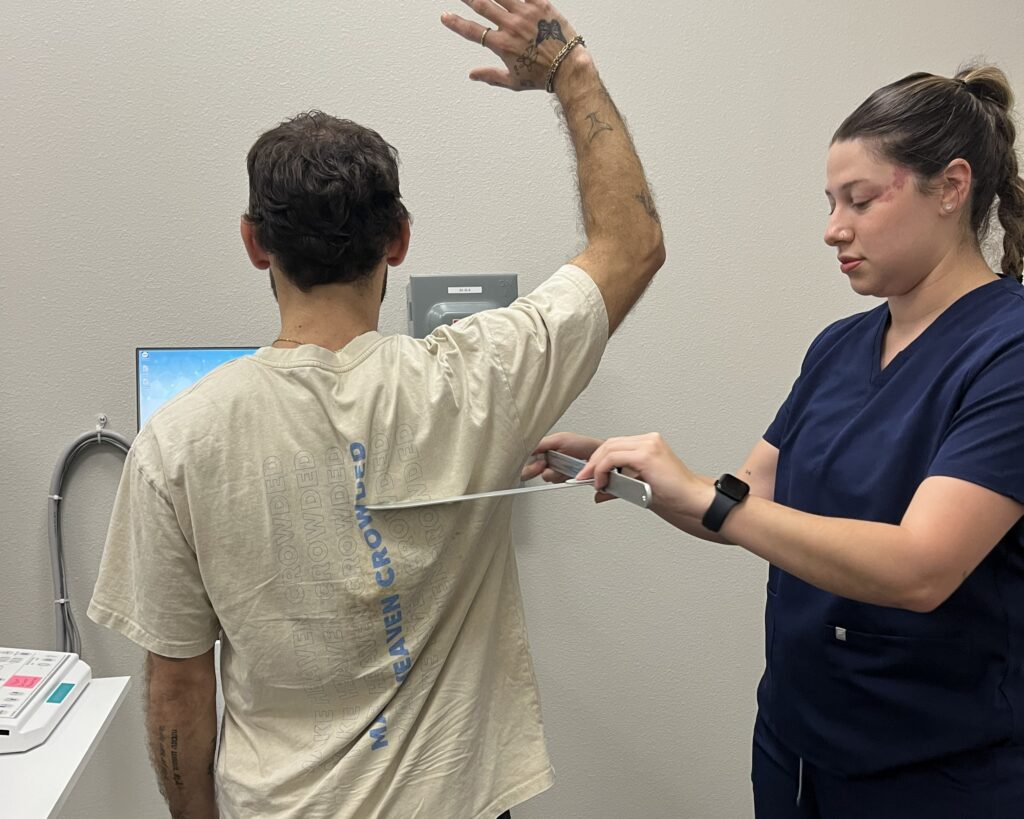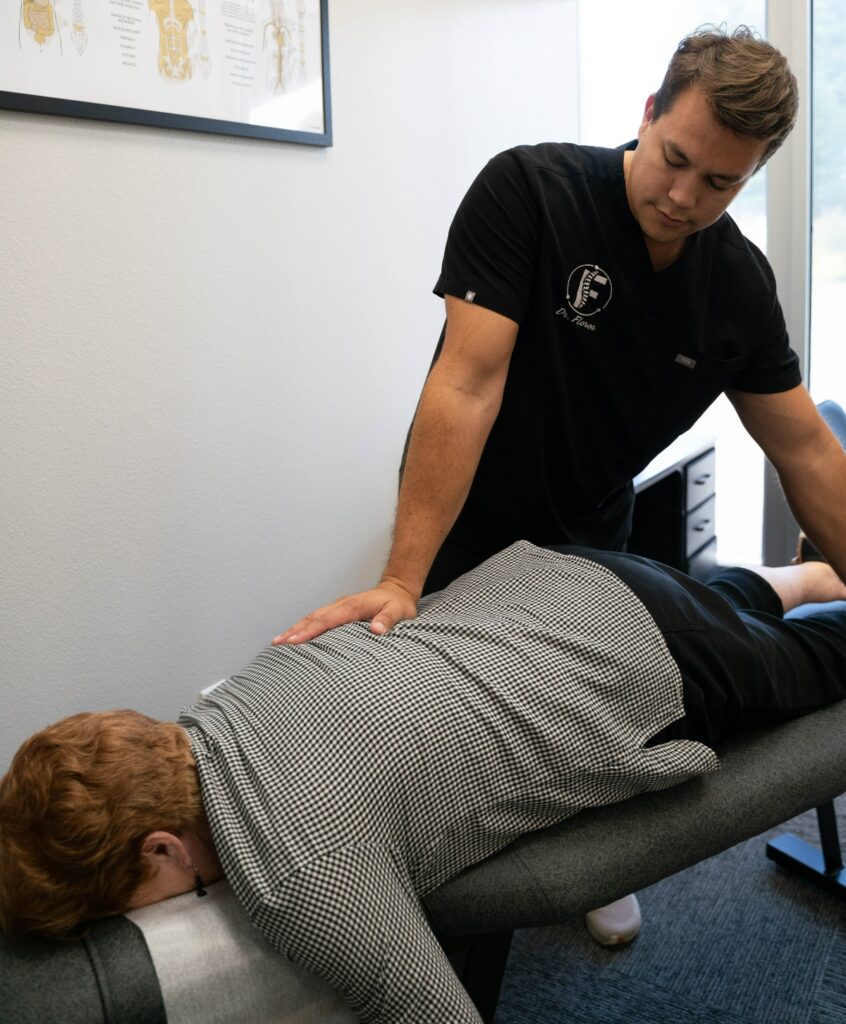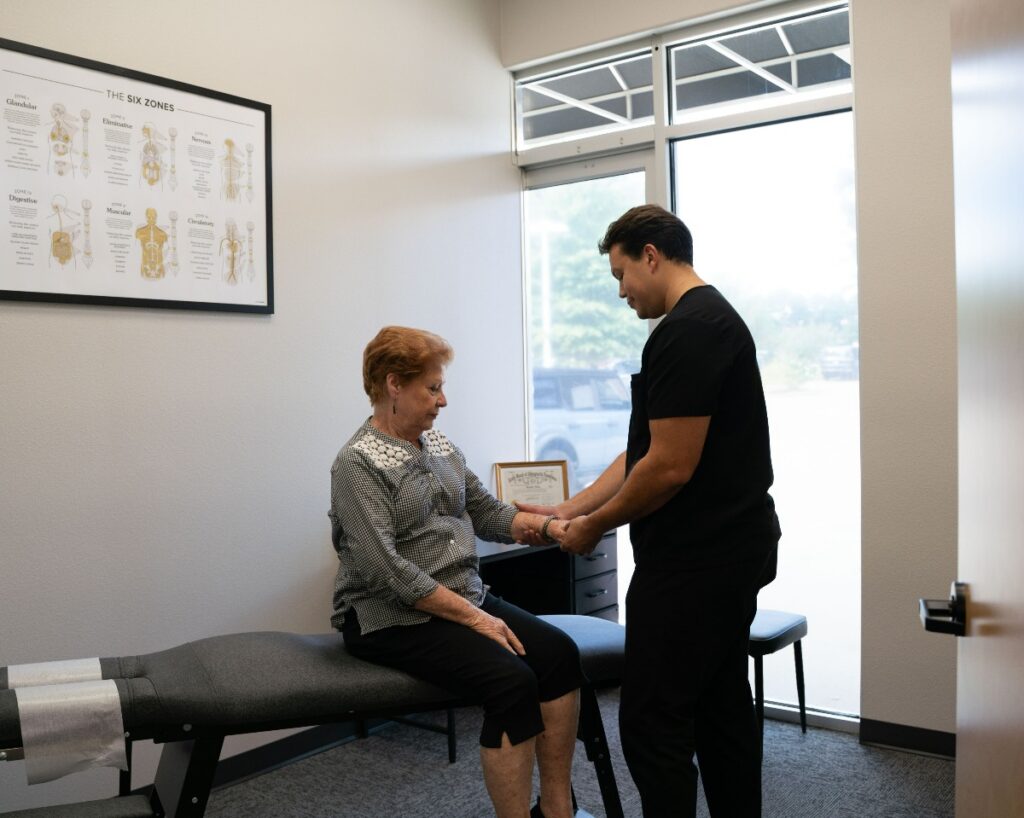

When it comes to managing stress, chiropractic care can be an invaluable ally in your journey toward better health and wellness. Not only does it help you address physical tension and discomfort, but it also plays a significant role in enhancing your overall well-being. By focusing on spinal health, chiropractic adjustments can alleviate stress-related symptoms, allowing you to feel more relaxed and at ease.
As you receive chiropractic care, you may find that your body feels lighter and your mind clearer. This holistic approach supports your nervous system, which is crucial for managing stress effectively. Curious about how chiropractic care can lead to lasting changes in your life? Let’s explore the benefits it offers for stress relief and overall wellness.
Here are a few tips to enhance your stress relief journey through chiropractic care:
- Regular Adjustments: Schedule regular visits to your chiropractor to maintain optimal spinal health. Consistent adjustments can help prevent tension from building up in your body, keeping stress at bay.
- Practice Good Posture: Be mindful of your posture during daily activities. Proper alignment can reduce physical strain and discomfort, contributing to a calmer state of mind.
- Incorporate Stretching: Simple stretching exercises can help ease muscle tension and promote relaxation. Consider incorporating gentle stretches into your daily routine.
- Stay Active: Engage in regular physical activity, such as walking or yoga. Movement can help release endorphins, which are natural stress relievers.
- Mindfulness and Relaxation Techniques: Explore mindfulness practices, such as deep breathing or meditation, to help center your thoughts and reduce stress.
By focusing on your spinal health and incorporating these practices, you can create a supportive environment for stress relief and overall wellness. Remember, chiropractic care is a natural and effective choice for achieving optimal health.
Understanding the Root Causes of Stress
When you take a moment to explore the root causes of stress, you might discover that it often stems from a mix of external pressures and internal conflicts. External factors, like work demands, financial worries, and relationship issues, can weigh heavily on your mind and body. You may feel overwhelmed by deadlines or anxious about your job security, and this stress can manifest in physical tension and discomfort, particularly in your spine.
At the same time, internal conflicts play a significant role. Your own expectations, fears, and self-doubt can create a persistent cycle of stress that affects your overall well-being. You might hold yourself to unrealistic standards or fear judgment from others, which can add to your anxiety and tension. Recognizing these factors is essential; it helps you pinpoint why you feel stressed and how it impacts your body.
Understanding the roots of your stress is the first step towards addressing them. Chiropractic care can be a powerful tool in this journey. By focusing on spinal health and alignment, chiropractic adjustments can help relieve physical tension and promote relaxation, allowing your body to better cope with stress.
Additionally, regular chiropractic sessions can enhance your overall wellness by improving nervous system function, which is vital for managing stress effectively.
Here are some general tips to help manage stress and improve your well-being:
- Stay Active: Regular physical activity can help reduce stress and improve your mood. Consider incorporating activities like walking, yoga, or stretching into your routine.
- Mindfulness Practices: Engage in mindfulness activities, such as meditation or deep breathing exercises, to calm your mind and reduce anxiety.
- Prioritize Sleep: Ensure you’re getting enough restful sleep, as it plays a crucial role in stress management and overall health.
- Healthy Nutrition: A balanced diet rich in whole foods can support your body and mind. Consider foods that are high in omega-3 fatty acids, antioxidants, and vitamins.
- Regular Chiropractic Visits: Make chiropractic care a part of your wellness routine. Regular adjustments can help alleviate physical tension caused by stress and improve your overall health.
Developing Effective Coping Strategies
Developing effective coping strategies is crucial for managing stress and maintaining your overall well-being. As a chiropractor, I believe that a holistic approach that includes spinal health can significantly impact your ability to cope with stress.
Start by identifying your stress triggers—understanding what affects you is vital for addressing the underlying issues. Once you’ve pinpointed these stressors, brainstorm and implement practical solutions. For instance, if work deadlines cause you tension, prioritize tasks and break them into manageable steps.
Incorporating relaxation techniques can also be beneficial for both your mind and body. Try deep-breathing exercises, mindfulness, or even engaging in physical activities like yoga or walking. These practices not only help reduce immediate stress but also contribute to better spinal health and overall resilience over time.
Don’t underestimate the power of social support. Talking with friends or family can provide perspective and comfort, making challenges feel less intimidating. Remember, it’s okay to seek professional guidance when needed; as a chiropractor, I can offer tailored strategies to help alleviate physical tension, improve your posture, and enhance your overall well-being.
Chiropractic care focuses on natural healing, allowing your body to recover and thrive without the need for medications or invasive procedures.
By actively engaging in these techniques and considering chiropractic care as part of your wellness journey, you’ll empower yourself to handle stress more effectively and improve your quality of life.
Prioritize your spinal health, and you may find that it positively influences your ability to cope with life’s challenges.
Gaining Insight and Perspective
How can gaining insight and perspective transform your approach to stress, particularly when it comes to your overall health and wellness? Exploring therapy, much like chiropractic care, can help you uncover layers of understanding about yourself, your body, and how stress affects your spine and overall health.
This newfound clarity can shift your mindset, enabling you to view stressors in a different light. Here are four ways this insight can make a difference, especially when combined with chiropractic care:
- Shift in Perception: With chiropractic adjustments, you can alleviate physical tension, which helps you see challenges as opportunities rather than threats. This shift reduces anxiety and promotes a more positive outlook on life.
- Enhanced Self-Awareness: Understanding your body’s reactions to stress through chiropractic care helps you identify your triggers. This awareness allows you to anticipate stress and respond more effectively, promoting a healthier lifestyle.
- Improved Decision-Making: A chiropractic approach encourages you to consider your body’s needs and make choices that align with your health goals. With a clearer mind and body, you can weigh options better and prioritize your well-being.
- Stronger Relationships: Gaining insight into how stress impacts your physical health can improve your communication with loved ones. Chiropractic care supports your overall wellness, allowing you to engage more fully in relationships and foster deeper connections.
Incorporating regular chiropractic care into your routine can provide you with the tools to manage stress naturally, leading to a healthier, more balanced life.
Building Emotional Resilience
Building emotional resilience is essential for maintaining overall health and wellness, and it starts with understanding the connection between your emotions and your physical wellbeing. As a chiropractor, I often see how stress and emotional triggers can manifest as physical discomfort in the body. By developing effective coping strategies, you can manage stress more effectively, which can lead to a reduction in pain and tension.
One effective way to enhance your emotional resilience is through increased self-awareness. This not only helps you identify emotional triggers but also empowers you to respond more thoughtfully in challenging situations. Chiropractic care plays a significant role in this process. Regular adjustments can help alleviate physical discomfort and improve body function, which in turn supports your emotional health.
Here are some general tips to help you build emotional resilience:
- Stay Active: Regular physical activity can help reduce stress and elevate your mood. Consider incorporating gentle exercises like walking, yoga, or stretching into your routine—activities that complement chiropractic care.
- Practice Mindfulness: Techniques such as meditation or deep-breathing exercises can help you stay present and manage stress more effectively. These practices can enhance your self-awareness and emotional regulation.
- Get Adjusted: Regular chiropractic care can improve your spinal health, which is closely linked to your nervous system and emotional wellbeing. A well-aligned spine can lead to better stress management and overall health.
- Connect with Others: Build a supportive network of friends and family. Talking about your feelings can help you process emotions and reduce stress.
- Prioritize Self-Care: Make time for activities you enjoy and that bring you peace. Whether it’s reading, gardening, or enjoying a hot bath, self-care is a vital part of emotional resilience.
By integrating these strategies into your daily life alongside regular chiropractic care, you can cultivate emotional resilience and achieve a healthier, more balanced life.
Understanding Emotional Triggers
Navigating through life’s challenges can be tough, but understanding your emotional triggers can be a powerful tool in your journey toward health and wellness. Just like your spine, your emotional well-being needs attention and care. By recognizing what provokes intense feelings, you can pave the way for better emotional management and overall health.
Here are four common emotional triggers and insights on how chiropractic care can help:
- Conflict: Tensions in relationships can lead to feelings of anger or sadness, which may manifest as physical tension in your body. Regular chiropractic adjustments can help relieve this tension, allowing you to approach conflicts with a clearer mindset.
- Rejection: Experiences of being overlooked can tap into insecurities, potentially leading to stress and discomfort. Chiropractic care promotes a sense of well-being and balance, which can help bolster your confidence and emotional resilience.
- Change: Sudden changes in routine, such as moving jobs or homes, can cause anxiety that might affect your physical health. Chiropractic adjustments can help alleviate stress and anxiety by promoting relaxation and improving your body’s response to change.
- Criticism: Negative feedback can trigger self-doubt and defensiveness, which may also lead to physical symptoms like tension headaches. Chiropractic care can aid in reducing these symptoms, enabling you to respond to criticism with a more open and positive attitude.
By incorporating chiropractic care into your wellness routine, you not only address physical health but also support your emotional well-being.
Here are some general tips to help you along the way:
- Stay active: Regular physical activity can help reduce stress and improve your mood.
- Practice mindfulness: Techniques like deep breathing or meditation can enhance your emotional management.
- Maintain a balanced diet: Proper nutrition plays a crucial role in both your physical and emotional health.
- Stay connected: Surround yourself with supportive friends and family to help you navigate life’s challenges.
Developing Coping Strategies
What if you could turn life’s challenges into opportunities for growth and wellness? Developing effective coping strategies isn’t only essential for emotional resilience but also plays a vital role in maintaining a healthy spine and overall well-being. By identifying ways to manage stress, you can face life’s difficulties with confidence and a stronger body.
Start by recognizing what triggers your stress. Understanding these triggers allows you to develop responses that empower you rather than overwhelm you. Techniques such as deep breathing can help calm your mind and alleviate tension in your muscles, which is essential for spinal health.
Engaging in physical activity, like walking or gentle stretching, not only improves your mood but also promotes a healthy spine by keeping your body flexible and strong.
Journaling can also be a beneficial tool, allowing you to process your thoughts and emotions while promoting mental clarity. Surrounding yourself with supportive friends and family can enhance your journey, offering encouragement and positivity as you work towards a healthier you.
Remember, it’s always a good idea to seek professional guidance. A chiropractor can provide you with tailored strategies that focus on natural healing and optimal health. They can help you understand the connection between your spine and your overall well-being and guide you in creating a pain-free lifestyle.
As you practice these strategies, you’ll find that life’s hurdles become stepping stones toward a stronger, healthier, and more resilient you. Embrace this journey of growth and wellness, and consider chiropractic care as a vital component of your health routine!
Enhancing Self-Awareness Techniques
To cultivate emotional resilience, enhancing self-awareness techniques is essential for managing life’s ups and downs. Just like maintaining spinal health is crucial for overall well-being, tuning into your emotions and thoughts can help you navigate challenges more effectively.
Here are four powerful techniques to boost your self-awareness, which can complement your journey towards natural wellness and pain relief:
- Journaling: Take a few minutes each day to write about your feelings and experiences. This practice can help you uncover patterns and triggers, similar to how keeping track of your physical symptoms can guide your chiropractic care.
- Mindfulness Meditation: Spend some time each day practicing mindfulness. Focus on being present and observing your thoughts without judgment. This clarity can help you recognize stressors that may impact your spine and overall health.
- Emotional Check-ins: Throughout your day, take a moment to ask yourself how you’re feeling. Recognizing and validating your emotions is just as important as being aware of any physical discomfort, and it can help you manage stress more effectively.
- Feedback from Others: Don’t hesitate to seek honest input from trusted friends or family. Understanding how your behavior affects those around you can provide insights into both your emotional and physical well-being.
By incorporating these self-awareness techniques into your routine, you can better understand yourself and your reactions, which is essential for fostering resilience in tough times.
Enhancing Communication Skills
Effective communication skills play a crucial role in maintaining not just emotional health, but also physical well-being. When you can express your thoughts and feelings clearly, it can help reduce stress, which is beneficial for your spine and overall health. Feeling understood can alleviate tension in both your mind and body, making it easier to navigate daily challenges.
Incorporating chiropractic care into your wellness routine can further enhance your communication skills. Chiropractic adjustments help align your spine, which can improve nerve function and reduce stress. This physical relief often translates into clearer thinking and better emotional regulation, making it easier for you to express yourself without feeling overwhelmed.
Practicing active listening is another key component to improving communication. When you engage in conversations with a calm mind—possibly aided by regular chiropractic adjustments—you’re more likely to respond thoughtfully instead of reacting impulsively. This can lead to deeper connections with friends, family, and colleagues.
Additionally, learning to assert your needs without aggression is essential for setting healthy boundaries. Chiropractic care can help alleviate physical discomfort that might otherwise distract you from engaging fully in conversations. As you become more comfortable expressing your feelings, you may notice a significant reduction in internal pressure and stress.
Remember, sharing your thoughts and feelings is vital for emotional well-being. By enhancing your communication skills and incorporating chiropractic care into your life, you can experience not only improved relationships but also a more balanced and healthy lifestyle.
Prioritizing your spine health through natural healing methods like chiropractic care is a wonderful step towards achieving optimal health and wellness.
Creating a Supportive Environment
Creating a supportive environment is essential for effective wellness and healing. When it comes to your health, you need a safe space where you can discuss your concerns and feelings without fear of judgment. This is especially important in chiropractic care, where building a trusting relationship with your chiropractor can significantly enhance your journey toward pain relief and overall wellness.
In a supportive environment, you’re encouraged to express your thoughts about your health, which allows your chiropractor to better understand your unique needs. This communication fosters a partnership that’s crucial for achieving optimal health through natural healing methods.
Here are some general tips to create a supportive environment for your health journey:
- Communicate Openly: Share your symptoms, concerns, and goals openly with your chiropractor. The more they know, the better they can help you.
- Stay Informed: Educate yourself about spinal health and the benefits of chiropractic care. Understanding how your body works can empower you to make healthier choices.
- Create a Comfortable Space: Whether it’s at home or in the chiropractor’s office, ensure that the environment is calming and inviting. This can help reduce stress and enhance your overall experience.
- Build a Support Network: Surround yourself with friends and family who support your commitment to natural health and wellness. Their encouragement can make a big difference.
- Practice Relaxation Techniques: Incorporate practices like deep breathing, meditation, or gentle stretching into your routine. These can help you maintain a positive mindset and improve your overall well-being.
Chiropractic care is a natural approach to achieving optimal health and relieving pain. By fostering a supportive environment, you can enhance your healing journey and embrace a healthier lifestyle.
Safe Space for Expression
Navigating the complexities of stress can take a toll on your overall well-being, especially when it comes to your spine and nervous system. Creating a safe space for expression is essential not just for mental clarity but also for physical health. This supportive environment allows you to share your thoughts and feelings freely, which can significantly impact your stress levels and, consequently, your spinal health.
Consider these elements that contribute to a nurturing atmosphere:
- Comfortable seating: Opt for plush chairs or a cozy couch that encourages relaxation. When your body is comfortable, your nervous system can function optimally, which is crucial for stress relief.
- Soft lighting: Warm, dim lights can help create a calming ambiance. This relaxed setting can reduce tension in your body, promoting better posture and spinal alignment.
- Personal touches: Incorporate artwork or plants that resonate with you. These elements can enhance the space’s warmth and positivity, fostering a healing environment.
- Quiet ambiance: A serene background, free from distractions, encourages open dialogue and reflection. This tranquility can help reduce muscle tension and promote relaxation throughout your spine.
In such a setting, you can explore your emotions and experiences, paving the way for healing and understanding. Remember, managing stress effectively is vital for your journey toward optimal health. Chiropractic care can play a key role in supporting your body’s natural ability to heal and maintain wellness.
Here are some general tips to enhance your stress relief journey:
- Stay Active: Regular physical activity, like walking or gentle stretching, can keep your spine healthy and alleviate stress. Consider incorporating chiropractic adjustments to enhance your mobility and overall well-being.
- Practice Mindfulness: Techniques such as deep breathing or meditation can help calm your mind and reduce physical tension. When your mind is at ease, your body can follow suit.
- Prioritize Sleep: Ensure you get adequate rest, as poor sleep can exacerbate stress and lead to discomfort in your spine. A good night’s sleep is essential for recovery.
Building Trusting Relationships
Building trusting relationships is essential for creating a supportive environment, not just in personal interactions but also in your journey toward optimal health. When you establish trust, you promote open communication, allowing your feelings and thoughts about wellness and pain relief to flow freely.
Being authentic and vulnerable with your healthcare provider, like a chiropractor, leads to deeper connections and can significantly reduce the stress that often accompanies pain.
In chiropractic care, you work with a professional who understands the importance of trust. They provide a safe space where you can share your concerns about discomfort or pain without fear of judgment. As you build this rapport, you’ll feel more comfortable discussing your challenges, which can enhance your healing process.
This connection not only aids in addressing physical issues but also fosters a sense of belonging and support.
Here are some tips to help you nurture these trusting relationships while prioritizing your health:
- Communicate Openly: Don’t hesitate to share your symptoms, lifestyle habits, and concerns with your chiropractor. The more they know, the better they can help you.
- Be Honest About Your Pain: Whether it’s chronic pain or a recent injury, being honest about your experience helps your chiropractor tailor a treatment plan that suits your needs.
- Stay Engaged: Ask questions and participate in discussions about your treatment. Understanding the process can help you feel more in control of your health journey.
- Follow Recommendations: If your chiropractor suggests exercises or lifestyle changes, try to follow through. These recommendations are intended to complement your treatment and enhance your overall wellness.
- Build a Support Network: Surround yourself with positive influences and individuals who support your health goals. This network can provide encouragement as you navigate your wellness journey.
Ultimately, nurturing trusting relationships with your chiropractor and support network can be a powerful tool in your path toward pain relief and natural wellness. Embrace the journey, and remember that chiropractic care is a holistic approach that promotes not just spinal health, but overall well-being.
Fostering Personal Growth and Self-Discovery
Chiropractic care can be a transformative journey toward personal growth and self-discovery, especially when it comes to enhancing your overall health and well-being. By focusing on the spine and its connection to your nervous system, chiropractic adjustments can lead to profound insights and positive changes in your life.
Here’s how chiropractic care can help you thrive:
- Identify Physical Limitations: Regular chiropractic check-ups can help uncover areas of tension or misalignment in your body that may be holding you back from living life to the fullest.
- Enhance Body Awareness: Chiropractic care encourages you to connect with your body, helping you recognize how physical alignment affects your emotions and overall well-being. This awareness can foster healthier relationships with yourself and others.
- Develop Natural Coping Strategies: A chiropractor can provide you with tools and techniques to manage stress, such as exercises for posture improvement and tips for ergonomic living, allowing you to navigate life’s challenges with ease.
- Set Wellness Goals: With the guidance of a chiropractor, you can clarify your health aspirations and create actionable steps to achieve optimal wellness, whether that’s through regular adjustments, lifestyle changes, or exercise.
By prioritizing chiropractic care, you’ll gain a deeper understanding of your body and mind, paving the way for a more fulfilling and authentic life.
Conclusion
To sum up, chiropractic care can be an invaluable resource for relieving stress and promoting overall wellness. By addressing the physical aspects of stress, such as tension and discomfort in the spine, chiropractic adjustments help restore balance to your body. This not only alleviates pain but also allows your nervous system to function optimally, which is essential for emotional well-being.
Through regular chiropractic visits, you can gain insights into how your body works and learn effective techniques for managing stress, such as proper posture and relaxation exercises. Additionally, chiropractic care encourages a supportive environment within your body, enhancing your ability to cope with daily pressures.
Embracing a chiropractic lifestyle not only promotes self-discovery but also leads to a healthier, more balanced life. Remember, taking care of your spine is taking care of your overall health. So don’t hesitate to reach out to your local chiropractor and take the first step towards a more peaceful you!