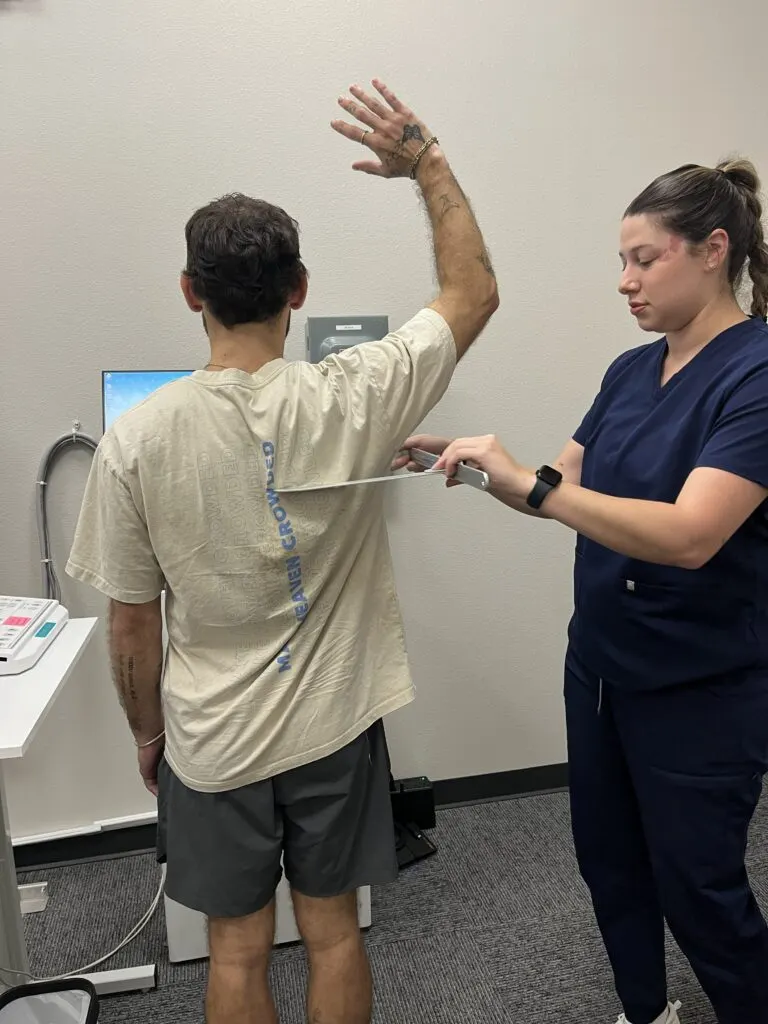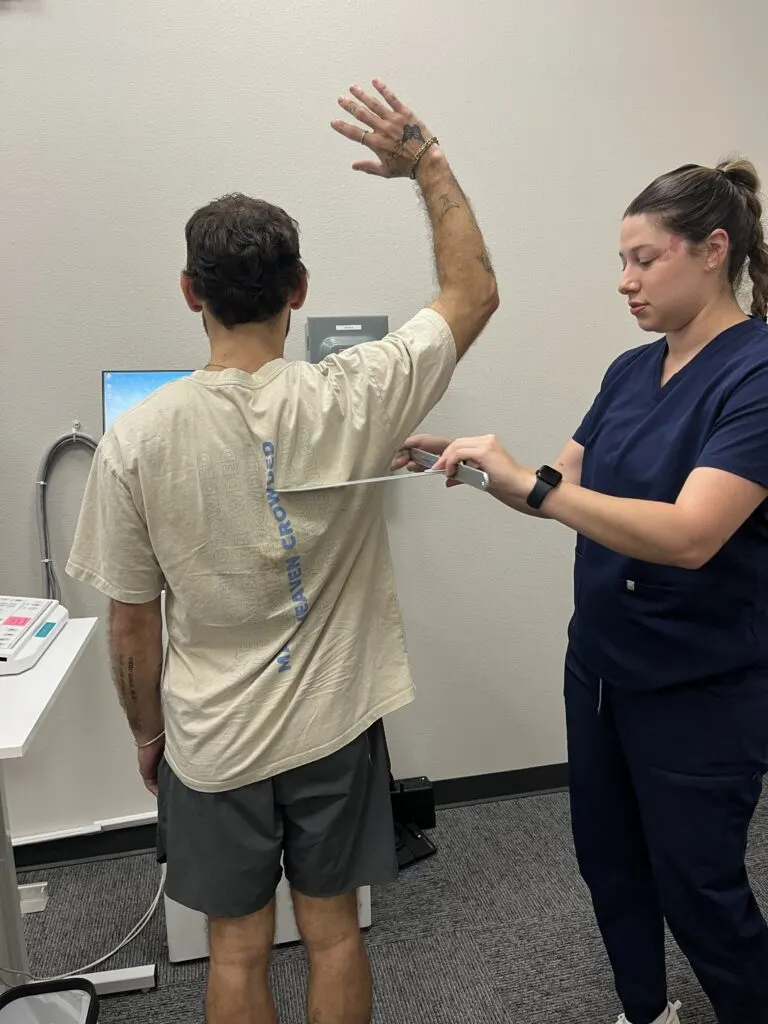

Tension headaches can be a real nuisance, affecting your daily life and overall well-being. As a chiropractor, I want to share some natural ways to ease this discomfort without relying on medications or invasive procedures. By focusing on holistic health and spinal alignment, you can take charge of your wellness and find relief.
Here are some practical tips to help you alleviate tension headaches:
- Maintain Good Posture: Poor posture can contribute to tension headaches. Be mindful of your sitting and standing positions, especially if you spend long hours at a desk. Keeping your spine aligned can significantly reduce the strain on your muscles.
- Stay Hydrated: Dehydration can lead to headaches. Make sure you’re drinking enough water throughout the day. Proper hydration supports overall health and can prevent tension from building up.
- Regular Chiropractic Adjustments: Visiting a chiropractor can help identify misalignments in your spine that may be contributing to your headaches. Regular adjustments can relieve tension in the neck and shoulders, promoting better overall function and reducing headache frequency.
- Incorporate Relaxation Techniques: Stress is a major trigger for tension headaches. Try practicing deep breathing, meditation, or gentle yoga to relax your mind and body. These techniques can help release built-up tension in your muscles.
- Get Moving: Regular physical activity is essential for maintaining a healthy spine and reducing stress. Find an exercise routine that you enjoy, whether it’s walking, swimming, or stretching, to keep your body moving and your mind clear.
- Create a Comfortable Workspace: If you work at a desk, ensure that your workspace is ergonomically friendly. Adjust your chair, monitor, and keyboard to promote better posture and reduce strain on your neck and back.
- Sleep Well: Quality sleep is vital for recovery and stress reduction. Aim for a consistent sleep schedule and create a calming bedtime routine to ensure you’re getting the rest you need.
By integrating these strategies into your daily life, you can manage tension headaches effectively and promote better health. Remember, chiropractic care is a powerful tool in achieving optimal wellness, so consider making it a part of your routine for lasting relief. Your body will thank you!
Key Takeaways
- Stay hydrated: Aim to drink at least eight 8-ounce glasses of water each day. Including hydrating foods like cucumbers and oranges can also help keep you refreshed and support overall wellness.
- Prioritize good posture: It’s essential to maintain proper posture, especially if you spend long hours at a desk. Adjust your workspace to ensure your spine is aligned, and remember to take breaks to stretch and reset your position. This can significantly reduce the risk of tension headaches.
- Incorporate relaxation techniques: Managing stress is key to preventing tension headaches. Simple practices like deep breathing, mindfulness, and meditation can help keep your stress levels in check, promoting a healthier mind and body.
- Stay active: Regular physical activity is vital for overall health. Aim for at least 30 minutes of movement most days. Exercise boosts circulation and helps relieve muscle tension, both of which can contribute to headache relief.
- Apply cold or heat therapy: Using a cold pack or a warm compress on areas of tension can provide relief. Additionally, consider natural remedies like peppermint or ginger, which can support relaxation and overall health.
As a chiropractor, I encourage you to explore these natural approaches to wellness. Chiropractic care focuses on aligning your spine and improving your body’s function, offering a holistic solution for headache relief and overall health. By integrating these practices into your daily routine alongside chiropractic adjustments, you can achieve optimal wellness and reduce the frequency of tension headaches.
Practice Relaxation Techniques
When a tension headache starts to make its presence known, incorporating relaxation techniques can be a real turning point in your comfort and well-being. As a chiropractor, I encourage you to create a peaceful environment where you can either sit or lie down comfortably. Close your eyes and focus on taking deep, calming breaths—breathing in slowly through your nose and out through your mouth. As you do this, pay special attention to releasing any tightness in your neck and shoulders, which are often areas where tension builds up.
Another effective method is progressive muscle relaxation. This involves tensing and then relaxing each muscle group in your body, beginning from your toes and working your way up to your head. This practice not only helps you identify areas of tension but also promotes a deep sense of relaxation.
Mindfulness and meditation can significantly enhance your relaxation routine. Picture a serene space in your mind, allowing yourself to drift away from the day’s stresses. By making these relaxation techniques a regular part of your life, you can foster a deeper sense of calm and potentially lessen the intensity of your tension headaches.
Remember, chiropractic care plays a vital role in maintaining spinal health and overall wellness, which can help minimize headaches. Regular chiropractic adjustments can improve spinal alignment, reduce tension in the neck and shoulders, and promote better overall health.
Maintain Good Posture
To relieve tension headaches, maintaining good posture is crucial, and chiropractic care can play a significant role in achieving this. As a chiropractor, I encourage you to set up an ergonomic workspace that supports your spine and promotes healthy alignment. Simple adjustments to your desk height, chair support, and computer screen position can make a world of difference.
Incorporating regular stretching and movement into your daily routine is also essential for reducing strain on your neck and shoulders. Gentle stretches can help alleviate tightness and improve your overall posture, which in turn can help prevent those pesky headaches.
Remember, chiropractic care is a natural and effective approach to achieve optimal health and relieve pain. Regular visits to a chiropractor can help ensure that your spine is properly aligned, leading to better posture and reduced tension.
Here are some general tips to help you maintain good posture throughout your day:
- Sit with your back straight and shoulders relaxed.
- Keep your feet flat on the floor or on a footrest.
- Take breaks every hour to stretch and move around.
- Be mindful of your posture while using your phone or other devices.
Ergonomic Workspace Setup
Creating an ergonomic workspace is essential for maintaining good posture and preventing discomfort, such as tension headaches, especially during long hours of work. As a chiropractor, I want to emphasize that proper alignment and support can significantly contribute to your overall health and well-being.
Start by adjusting your chair to support your lower back. This support is crucial for maintaining the natural curve of your spine, helping prevent pain. Ensure that your feet are flat on the floor to promote good posture.
Your monitor should be positioned at eye level and about an arm’s length away. This setup helps you avoid straining your neck, which can lead to discomfort and misalignment in the spine.
Position your keyboard and mouse so that your elbows are close to your body and form a 90-degree angle. This alignment helps reduce strain on your shoulders and wrists, which can lead to chronic issues over time. If you often refer to printed materials, consider using a document holder to keep everything within easy reach, minimizing the need to twist or strain your neck.
Adequate lighting is also important; it reduces eye strain and allows you to maintain focus without unnecessary discomfort. If your chair is too high, using a footrest can help you maintain proper alignment and support your lower back, enhancing your overall comfort.
Remember, these small adjustments can make a world of difference in your daily routine, improving your productivity and comfort. By focusing on ergonomic principles, you can support your spine and overall health naturally.
If you experience ongoing discomfort, consider consulting with a chiropractor, who can provide tailored advice and treatment to help you achieve optimal wellness.
Stretching and Movement
As a chiropractor, I understand how crucial it is to maintain good posture to prevent tension headaches, but that’s just the beginning! Regular stretching and movement throughout your day can significantly enhance your comfort and overall well-being. These simple stretches can help relieve tightness in your muscles and promote better blood circulation, which is essential for a healthy spine.
I recommend taking short breaks every hour to stand up and stretch your body. This not only helps prevent discomfort but also encourages better spinal alignment. Chiropractic care plays a vital role in supporting your body’s natural healing processes, and incorporating these stretches into your daily routine can complement that care beautifully.
Here’s a quick reference table of effective stretches that you can do anywhere:
| Stretch | Duration |
|---|---|
| Neck Tilts | 30 seconds |
| Shoulder Rolls | 1 minute |
| Upper Back Stretch | 30 seconds |
| Chest Opener | 30 seconds |
| Wrist Flex | 30 seconds |
Stay Hydrated
Staying hydrated is crucial for not only your overall health but also for preventing tension headaches, which can often be a source of discomfort for many individuals.
As a local chiropractor, I want to emphasize that when you’re not drinking enough water, it can lead to signs of dehydration such as fatigue and headaches. This is where incorporating hydration-boosting foods into your diet becomes essential.
In addition to drinking plenty of water, consider adding fruits and vegetables with high water content—like cucumbers, oranges, and strawberries—to your meals. These not only hydrate but also provide important nutrients that support spinal health and overall wellness.
Remember, proper hydration is just one piece of the puzzle. Regular chiropractic care can also play a vital role in maintaining your body’s health and preventing pain.
By focusing on spinal alignment and overall body function, chiropractic adjustments can help improve circulation and ensure that your body is functioning at its best, further aiding in hydration and headache prevention.
So, make sure to sip on water throughout the day, eat those hydrating foods, and consider visiting your chiropractor for a check-up.
Together, these practices can help you feel your best and keep those pesky headaches at bay. Stay hydrated and take care of your spine—your body will thank you!
Importance of Water Intake
Hydration is crucial for your overall health and can play a significant role in preventing tension headaches. Your body depends on water to function optimally, and staying well-hydrated can help your systems work more efficiently. This reduces the likelihood of stress and tension buildup, which are common headache triggers.
When you’re adequately hydrated, your muscles can remain relaxed, and your mind can stay clear, making it easier to manage stress. Aiming for at least eight 8-ounce glasses of water daily is a good starting point, but you may need to adjust based on your activity level and the climate you live in. If you’re active or live in a warmer area, you might require even more fluids to stay hydrated.
To make hydration easier, consider carrying a water bottle with you throughout the day. Remember that staying hydrated isn’t just about quenching your thirst; it’s a vital step in keeping headaches at bay and promoting overall wellness.
Additionally, regular chiropractic care can also support your body’s natural ability to manage stress and tension. Chiropractors focus on aligning your spine and improving nervous system function, which can enhance your body’s performance and resilience.
Signs of Dehydration
How can you tell if you’re becoming dehydrated? One of the first signs is feeling thirsty; it’s your body’s way of signaling a need for water. Additionally, you might notice a dry mouth or less saliva. Keep an eye on your urine color; if it’s dark yellow or amber, that’s a clear indication that you need to hydrate.
Fatigue and dizziness can also creep in as dehydration progresses, which may make it harder to concentrate and can affect your overall wellness. Headaches can also occur when your body struggles to function without enough fluids. These symptoms can’t only impact your daily activities but can also affect your spinal health and overall well-being.
As a chiropractor, I emphasize the importance of staying hydrated to support not just your physical health but also your spinal function. Proper hydration helps maintain the elasticity of your spinal discs and promotes optimal nerve function.
If you experience any of these symptoms, don’t wait—grab a glass of water! Here are a few tips to help you stay hydrated and support your overall health:
- Carry a Water Bottle: Keep a reusable water bottle with you throughout the day to remind yourself to drink more water.
- Set Reminders: Use your phone or a timer to remind you to take water breaks.
- Infuse Your Water: If plain water doesn’t excite you, try adding slices of fruit or herbs for flavor.
- Eat Water-Rich Foods: Incorporate fruits and vegetables with high water content, like cucumbers, oranges, and watermelon, into your diet.
Hydration-Boosting Foods
When it comes to maintaining your fluid levels and overall wellness, incorporating hydration-boosting foods into your diet can play a vital role in supporting your health. Foods with high water content, such as cucumbers, watermelon, and oranges, not only help quench your thirst but also deliver essential nutrients that your body craves.
Leafy greens like spinach and kale are also excellent choices; they’re packed with water and are rich in vitamins that help promote bodily functions and overall well-being.
In addition to these fresh foods, consider including soups and broths in your meals. Not only do they hydrate, but they also add delicious flavor and warmth, making them a comforting choice, especially if you’re feeling under the weather.
Snacking on yogurt or enjoying smoothies can further contribute to your hydration needs, all while providing a nutritious boost to your diet.
Maintaining proper hydration is crucial for your body’s function, and it can even help reduce the frequency and intensity of tension headaches.
Remember, hydration is just one piece of the puzzle when it comes to achieving optimal health. Regular chiropractic care can further enhance your wellness journey by ensuring your spine is aligned and your nervous system is functioning at its best.
Consider making these hydration-boosting foods a regular part of your diet, and pair them with chiropractic adjustments for a holistic approach to health. Your body will thank you!
Apply Cold or Heat Therapy
Applying cold or heat therapy can be a highly effective way to alleviate tension headaches, helping to soothe discomfort and relax tight muscles. As a chiropractor, I encourage you to explore these natural methods alongside your chiropractic care for optimal health.
If you find that cold therapy works best for you, try placing a cold pack or a bag of frozen peas wrapped in a cloth on your forehead or the back of your neck for about 15-20 minutes. The cold can help numb the area and reduce inflammation, offering you some much-needed relief.
Conversely, if you’re drawn to heat therapy, a warm compress or heating pad can provide excellent comfort. Applying heat to your neck and shoulders can help release tension and promote better blood flow. You might also enjoy a warm shower or bath, which can relax your entire body and enhance your overall sense of well-being.
It’s important to experiment with both methods to discover which one brings you the most relief. Remember, everyone’s body is different, so it’s crucial to listen to what feels best for you.
Additionally, incorporating regular chiropractic adjustments can help keep your spine aligned and reduce the frequency and intensity of tension headaches.
Always prioritize natural healing approaches that support your body’s innate ability to heal. By maintaining a healthy lifestyle, practicing good posture, and seeking chiropractic care, you can achieve optimal health and wellness.
Incorporate Regular Exercise
Incorporating regular exercise into your routine can be a game changer in managing tension headaches and promoting overall wellness. As a chiropractor, I often see how physical activity enhances blood circulation and releases endorphins—our body’s natural stress relievers. Simple activities like a brisk walk or a short cycling session can greatly reduce tension in the neck and shoulders, where many headaches originate.
I recommend aiming for at least 30 minutes of moderate exercise most days of the week. This doesn’t have to be overwhelming; even gentle movement can make a significant difference.
In addition to traditional workouts, consider incorporating activities that focus on relaxation and flexibility, such as yoga or tai chi. These practices not only strengthen your body but also help reduce stress levels.
Remember to listen to your body—if you’re feeling fatigued, it’s perfectly okay to choose gentler movements instead of intense workouts.
Sticking to a consistent exercise routine can enhance your overall well-being. You may find that as you develop these healthy habits, you experience fewer headaches and an improved mood.
Always remember that chiropractic care can support your journey to optimal health by addressing any spinal misalignments that may be contributing to your pain. Embracing a holistic approach to wellness, including regular exercise and chiropractic adjustments, is key to achieving lasting relief and vitality.
Explore Herbal Remedies
While you might be tempted to reach for over-the-counter medications when dealing with tension headaches, it’s worth considering the benefits of natural remedies like herbal options. These can serve as a gentle alternative with fewer side effects, promoting overall wellness. As a chiropractor, I believe in the power of natural healing, and incorporating certain herbs into your routine can complement your journey to optimal health.
Here’s a quick overview of some popular herbal remedies that can help alleviate headache symptoms:
| Herb | Benefits | How to Use |
|---|---|---|
| Feverfew | May help reduce headache frequency | Try as tea or in supplement form |
| Peppermint | Known to relieve tension and pain | Use essential oil or brew as tea |
| Ginger | Can help reduce inflammation | Drink as tea or take in capsule form |
| Lavender | Promotes relaxation and calm | Enjoy in aromatherapy or as tea |
Incorporating these herbs into your daily routine might provide the relief you seek, but remember, the foundation of good health starts with a balanced lifestyle and proper spinal care. Regular chiropractic adjustments can enhance your body’s natural ability to heal and maintain wellness. They help align your spine, which can reduce tension and improve blood flow, potentially leading to fewer headaches.
Always consult with a healthcare professional before introducing new treatments, especially if you have existing health conditions or are on other medications. Additionally, consider these general tips for managing tension headaches:
- Stay Hydrated: Dehydration can lead to headaches. Make sure you drink enough water throughout the day.
- Practice Good Posture: Poor posture can contribute to tension headaches. Be mindful of your posture, especially if you sit for long periods.
- Manage Stress: Incorporate relaxation techniques such as deep breathing, meditation, or yoga into your daily routine.
- Get Regular Exercise: Physical activity can improve circulation and reduce stress, helping to prevent headaches.
Prioritize Sleep and Rest
Quality sleep and adequate rest are crucial for managing tension headaches and overall wellness. When you prioritize sleep, your body has the chance to recover and rejuvenate, which can significantly lower the frequency and intensity of headaches. Aim for 7 to 9 hours of restorative sleep each night to support your health.
Establishing a consistent sleep schedule is beneficial as it helps regulate your body’s internal clock, making it easier to fall asleep and wake up feeling refreshed. A calming bedtime routine can signal to your body that it’s time to wind down. Consider minimizing screen time before bed and avoiding caffeine or heavy meals, as these can interfere with your ability to sleep soundly.
If sleep issues arise, try relaxation techniques such as deep breathing, meditation, or gentle stretching before bedtime. These practices not only promote relaxation but can also enhance the effectiveness of your chiropractic care by relieving tension in your body.
Additionally, don’t overlook the benefits of short naps during the day. A brief nap of just 20 to 30 minutes can recharge your energy levels and help alleviate tension. By prioritizing sleep and rest, you’re taking a significant step toward reducing tension headaches and promoting your overall health.
Remember, chiropractic care is a natural and effective way to address pain and enhance wellness. Regular visits can help keep your spine aligned, improve your sleep quality, and provide you with the tools you need to manage stress effectively.
Make sure to consult with your chiropractor about how to incorporate sleep and rest into your wellness routine for optimal results.
Conclusion
As a local chiropractor dedicated to your health and wellness, I want to share seven natural tips that can help relieve tension headaches and enhance your overall well-being. By incorporating these strategies into your daily routine, you can not only alleviate headache pain but also promote a healthier lifestyle.
- Practice Relaxation Techniques: Stress can contribute significantly to tension headaches. Techniques such as deep breathing, meditation, or gentle yoga can help you relax and reduce stress levels.
- Maintain Good Posture: Poor posture can lead to tension in your neck and shoulders, which may trigger headaches. Be mindful of your posture, especially when sitting at a desk or using your phone. Regular chiropractic adjustments can also help align your spine and improve your posture.
- Stay Hydrated: Dehydration can lead to headaches, so make sure you drink plenty of water throughout the day. Proper hydration supports overall health and can help prevent headaches from occurring.
- Apply Cold or Heat Therapy: Depending on your preference, applying a cold pack or a warm compress to your neck and shoulders can provide relief from tension. This simple technique can help soothe tight muscles and alleviate pain.
- Engage in Regular Exercise: Physical activity is essential for maintaining overall health and can also help reduce the frequency and intensity of headaches. Aim for regular exercise that you enjoy, whether it’s walking, swimming, or yoga.
- Explore Herbal Remedies: Certain herbs, such as peppermint or chamomile, may have natural properties that help relieve headache pain. However, always consult with a healthcare professional before trying any new remedies.
- Prioritize Sleep and Rest: Quality sleep is vital for recovery and overall wellness. Ensure you create a restful sleep environment and establish a consistent sleep routine to help your body recharge and prevent headaches.
By focusing on these natural strategies, you can take charge of your health and work towards a headache-free life. Remember, chiropractic care is an excellent option for addressing the root causes of tension headaches and promoting optimal health. With regular visits to your chiropractor, you can achieve better spinal alignment and overall wellness. Embrace these simple yet powerful strategies, and enjoy the benefits of a healthier, happier you!