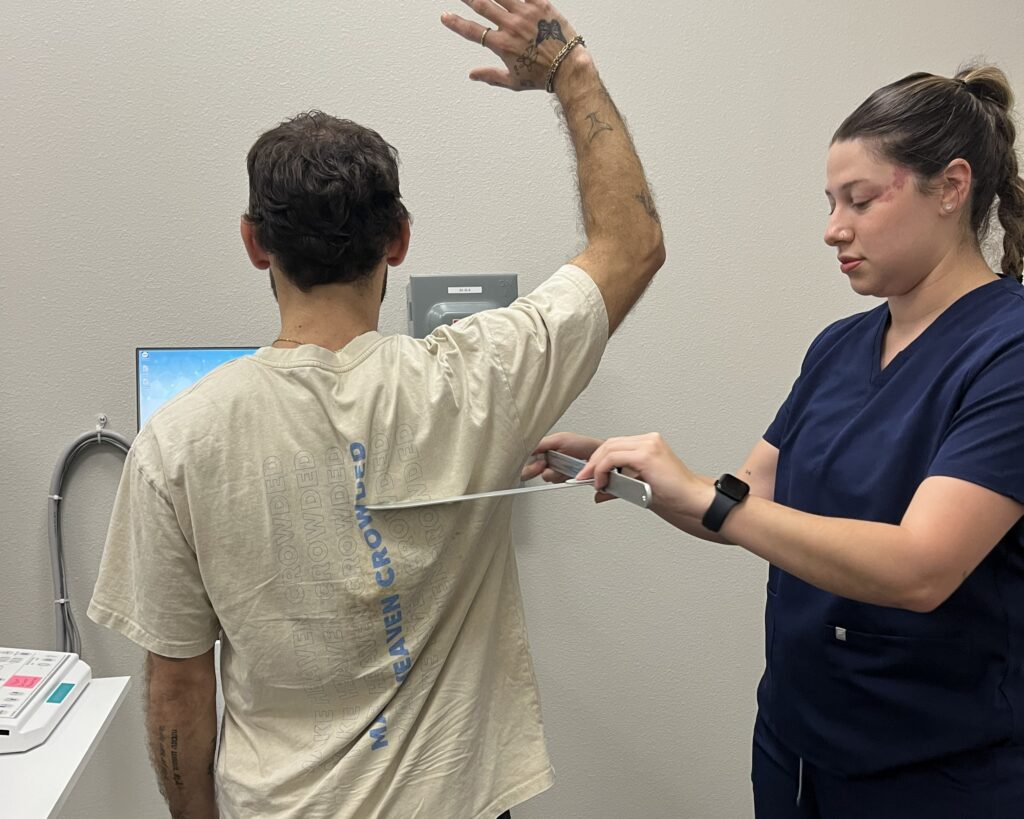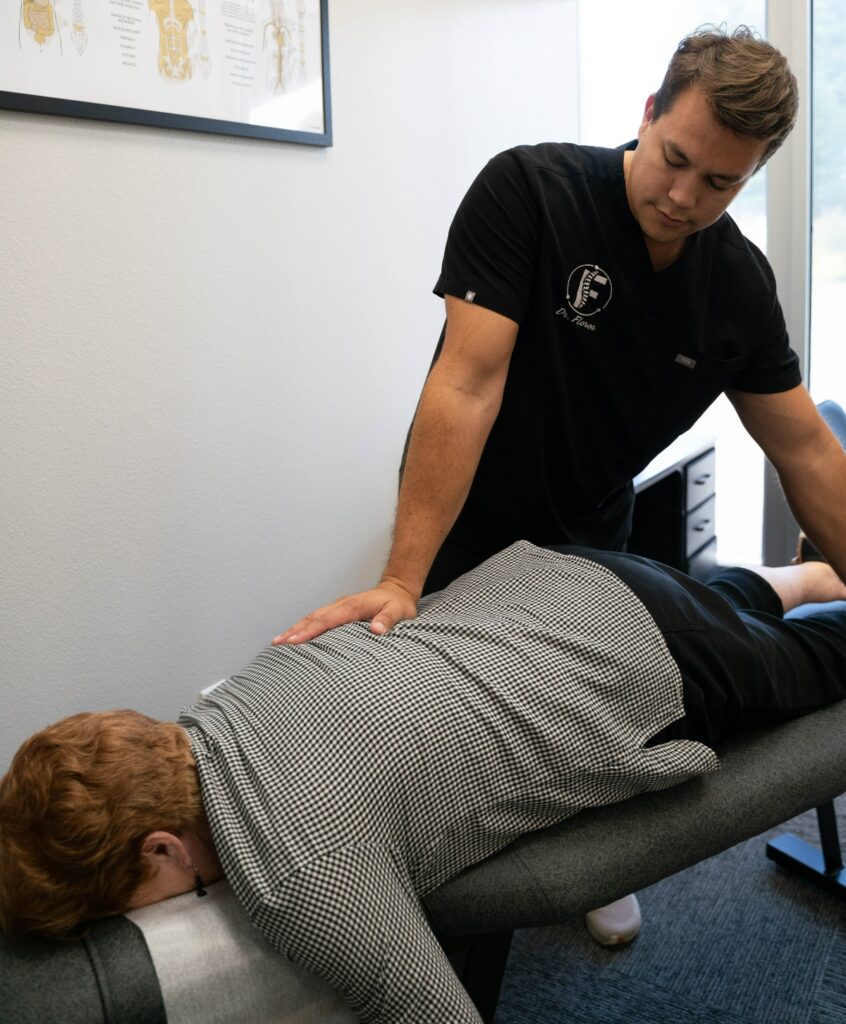

Tension headaches can be a real nuisance, affecting your daily life and overall well-being. You know that feeling when stress builds up, and your head starts to throb? It’s not just uncomfortable; it can be incredibly frustrating. Thankfully, there are effective, natural ways to find relief, and chiropractic care is one of the best options to consider.
As a local chiropractor, I understand the importance of addressing the root causes of tension headaches. Often, these headaches stem from tension in the neck and shoulders, poor posture, or stress. By focusing on spinal health and alignment, you can significantly reduce the frequency and intensity of these headaches.
Here are some practical tips to help ease your discomfort quickly and naturally:
- Correct Your Posture: Make a conscious effort to sit and stand with proper posture. Keeping your spine aligned can relieve pressure on your neck and reduce headache triggers.
- Stay Hydrated: Dehydration can lead to headaches. Make sure you are drinking enough water throughout the day to keep your body—and brain—hydrated.
- Practice Relaxation Techniques: Incorporate deep breathing, meditation, or yoga into your daily routine. These practices can help reduce stress and promote relaxation.
- Apply Heat or Cold: Use a warm compress on your neck or a cold pack on your forehead. Both can provide immediate relief and help soothe tense muscles.
- Regular Chiropractic Adjustments: Visiting your chiropractor regularly can help keep your spine aligned and reduce the tension that contributes to headaches. Your chiropractor can also provide personalized advice on exercises and stretches.
- Get Enough Sleep: A consistent sleep schedule with adequate rest is crucial for reducing headaches. Aim for 7-9 hours of quality sleep each night.
- Limit Screen Time: Too much time in front of screens can contribute to tension headaches. Take regular breaks to stretch and rest your eyes.
- Engage in Regular Exercise: Physical activity can help manage stress and tension. Incorporate activities you enjoy, such as walking, swimming, or cycling, into your routine.
- Mind Your Diet: Certain foods can trigger headaches. Keeping a food diary may help you identify and avoid these triggers.
- Seek Support: If stress is a constant in your life, consider talking to a professional or counselor. Managing stress effectively can significantly reduce the occurrence of tension headaches.
Remember, chiropractic care is a natural, effective way to support your overall health and wellness. If you’re struggling with tension headaches, consider scheduling an appointment with your chiropractor to discuss how spinal care can help you find lasting relief and promote a healthier, pain-free life.
Key Takeaways
- Start by practicing deep breathing exercises; this helps to relax your mind and release tension with each breath out. Incorporating these techniques can also enhance the benefits of chiropractic adjustments.
- Staying well-hydrated is crucial for your overall health. Aim to drink at least eight glasses of water daily. Proper hydration can prevent dehydration-related headaches and support your spinal health.
- Gentle stretches and yoga poses can do wonders for relieving muscle tightness in your neck and shoulders. These movements complement chiropractic care by helping to maintain proper alignment and flexibility.
- Consider using aromatherapy with calming essential oils like lavender or peppermint. This can create a soothing environment, making it easier for your body to relax and respond positively to chiropractic treatments.
- Establishing a consistent sleep schedule is essential for maintaining optimal health. Pairing good sleep habits with chiropractic care can significantly reduce the frequency of headaches and improve your overall well-being.
Practice Deep Breathing Exercises
When you feel a tension headache starting to set in, practicing deep breathing exercises can truly help you find relief. As a chiropractor, I encourage you to take a moment to find a quiet spot, sit comfortably, and concentrate on your breath. Inhale deeply through your nose, letting your abdomen rise, and then exhale slowly through your mouth. Aim for a steady rhythm; count to four as you breathe in, hold for another count of four, and exhale for a final count of four. Repeat this cycle several times.
As you breathe, visualize the tension in your head melting away with each exhale. This simple yet effective practice not only calms your mind but also helps relax your muscles, which can reduce the intensity of your headache. Remember, there’s no need to rush—take your time with each breath. You may find that just a few minutes of deep breathing can clear your mind and ease discomfort.
Incorporating these exercises into your daily routine can be a powerful tool against tension headaches. Additionally, regular chiropractic care can further support your overall wellness and help maintain proper spinal alignment, which is essential for a healthy nervous system.
When your spine is aligned, your body can function optimally, reducing the likelihood of headaches and other discomforts. Consider scheduling regular visits with your chiropractor to ensure your spine is in top shape, and remember to practice deep breathing whenever you feel tension building.
These small, natural steps can lead to a happier, healthier life without the need for medications or surgeries. Embrace these practices, and you’ll be taking significant strides towards achieving optimal health.
Stay Hydrated
Staying hydrated is crucial for maintaining your overall health and can play a significant role in preventing tension headaches.
As your local chiropractor, I want to emphasize how important water is for your body and mind. When you’re not drinking enough water, you may experience dehydration symptoms such as fatigue, dizziness, or an increase in headache frequency.
To support your body’s natural healing processes and promote optimal wellness, make it a priority to drink water throughout the day. This simple habit can help keep your spinal health in check, as proper hydration supports the discs in your spine and helps maintain their flexibility.
In addition to drinking enough water, consider incorporating regular chiropractic care into your health routine. Chiropractic adjustments can alleviate tension in your neck and upper back, reducing the likelihood of headaches.
Importance of Water Intake
Proper hydration plays a crucial role in preventing tension headaches, and as a chiropractor, I want to emphasize the importance of this simple yet effective practice for your overall well-being.
Even mild dehydration can lead to discomfort and pain, so drinking enough water throughout the day is essential for maintaining your body’s balance and ensuring that your muscles and tissues function efficiently.
When you stay well-hydrated, your brain receives the necessary nutrients it needs to operate effectively, which can help reduce the likelihood of headaches.
To support your health, aim to drink at least eight 8-ounce glasses of water daily, but feel free to adjust this amount based on your activity level and the environment you’re in.
If you find yourself feeling particularly stressed or have a busy day ahead, consider increasing your water intake.
A great tip is to keep a water bottle with you; it serves as a constant reminder to sip regularly. This habit not only helps you stay hydrated but also contributes to your overall health, which is essential for maintaining a well-aligned spine and reducing tension in the body.
Remember, staying hydrated is a simple yet powerful way to fend off those pesky tension headaches.
Coupled with regular chiropractic care, which focuses on spinal alignment and natural healing, you can achieve optimal health and well-being.
Your body will thank you for it!
Signs of Dehydration
Recognizing the signs of dehydration is crucial for your overall health and can even help prevent tension headaches. Your body communicates its need for hydration in clear ways, and as a chiropractor, I want to help you understand these signs so you can maintain optimal wellness.
Here are three common indicators that you might need to drink more fluids:
- Thirst: Feeling thirsty is your body’s way of telling you it needs more water. It’s a signal that you should reach for a glass of water to keep your body functioning at its best.
- Dark Urine: If you notice your urine is darker than a pale yellow, it’s a strong sign that you’re not adequately hydrated. Aim to drink enough water to keep your urine light in color, which indicates proper hydration.
- Fatigue: Feeling unusually tired or sluggish can often be linked to dehydration. Keeping yourself well-hydrated can boost your energy levels and support your body’s natural healing processes.
In addition to recognizing these signs, here are some tips you can implement to ensure you’re staying hydrated:
- Keep Water Handy: Carry a water bottle with you throughout the day. This way, you’ll have easy access to fluids whenever you feel thirsty.
- Set Reminders: Use phone alerts or apps to remind you to drink water at regular intervals.
- Incorporate Hydrating Foods: Include fruits and vegetables with high water content in your diet, such as cucumbers, oranges, and watermelon.
Apply a Cold or Warm Compress
Applying a cold or warm compress can be an effective way to alleviate tension headaches, helping to relieve discomfort and promote relaxation. While it’s essential to seek the underlying cause of headaches through chiropractic care, these simple techniques can offer temporary relief.
If you choose to use a cold compress, you can easily make one at home by wrapping ice packs or frozen vegetables in a cloth. Place it on your forehead for about 15 minutes. The cold sensation can help numb the pain and reduce inflammation, offering a soothing effect.
Conversely, a warm compress can work wonders for tense muscles. To create a warm compress, soak a washcloth in warm water, wring it out, and apply it to the back of your neck or across your forehead. A heating pad can also provide added comfort and relaxation.
It’s a great idea to experiment with both methods to see which one brings you the most relief. Remember to take breaks between applications to prevent any skin irritation. These techniques are simple yet effective, allowing you to manage discomfort while you focus on what truly matters—maintaining your overall health and well-being.
While these compresses can be helpful, I encourage you to consider chiropractic care for a more comprehensive approach to pain relief and wellness.
Chiropractic adjustments can address the root causes of tension headaches, improve spinal alignment, and enhance your body’s natural healing abilities. By prioritizing your spinal health, you can achieve optimal wellness and reduce the frequency and intensity of headaches in the long run.
Take a Break and Stretch
When you start to notice tension building in your head and neck, it’s a clear signal from your body that it’s time to take a break and stretch. This simple yet powerful practice can significantly alleviate tight muscles and discomfort, helping you to feel more at ease.
Here are three easy stretches that can promote relaxation and support your spinal health:
- Neck Stretch: Gently tilt your head to one side, allowing your ear to move toward your shoulder. Hold this position for 15 seconds to give those tight neck muscles a chance to relax, then switch to the other side. This stretch helps maintain proper alignment and can enhance mobility in your cervical spine.
- Shoulder Rolls: To ease tension in your upper back, roll your shoulders forward in a circular motion for 10 seconds, and then reverse the direction. This simple movement encourages blood flow and can help to release stiffness that might be contributing to discomfort.
- Upper Back Stretch: Interlace your fingers and stretch your arms forward while rounding your upper back. Hold this position for 15 seconds. This stretch is particularly beneficial for counteracting the slouched posture many of us adopt during long hours at a desk, promoting better spinal alignment.
Incorporating these stretches into your daily routine not only aids in relaxation but also minimizes the risk of tension headaches and other discomforts.
Remember, regular gentle movement is key to maintaining a healthy spine. If you’re experiencing ongoing pain or tension, consider consulting a chiropractor who can provide personalized care and adjustments to help you achieve optimal health.
Taking time to stretch is a simple yet effective step toward natural wellness, and it complements the benefits of chiropractic care beautifully. So, don’t hesitate—take a break and stretch for your health!
Maintain Good Posture
Maintaining good posture is vital not only for preventing tension headaches but also for enhancing your overall health and well-being. As a chiropractor, I want to emphasize that proper alignment reduces strain on your neck and shoulders, which can be key triggers for headaches.
It’s important to keep your head aligned over your spine while ensuring your shoulders are relaxed—not slumped. If you spend a lot of time at a desk, consider adjusting your chair height to allow your feet to rest flat on the floor and your elbows to be at a comfortable 90-degree angle.
Choosing a chair with good lumbar support can help maintain the natural curve of your spine, which is essential for optimal health. Remember to take frequent breaks throughout your day to check in on your posture.
If you catch yourself slouching or leaning forward, correct it immediately. This simple act of mindfulness can significantly reduce headache triggers and improve your overall comfort and productivity.
Chiropractic care is an excellent way to help maintain good posture and support your spine’s health. Regular adjustments can enhance your body’s alignment, reduce pain, and promote natural healing.
Use Aromatherapy
Aromatherapy can be a wonderful complement to chiropractic care when it comes to easing tension headaches. While chiropractic adjustments focus on aligning the spine and improving overall well-being, essential oils can enhance your relaxation and create a calming atmosphere, helping to alleviate discomfort.
In this article, we’ll look at how to effectively use essential oils alongside your chiropractic care for maximum relief.
To diffuse essential oils, you can use a diffuser or simply add a few drops of your chosen oil to a bowl of hot water. Inhale deeply and let the soothing aroma wash over you. Some of the top essential oils for relieving tension headaches include lavender, peppermint, and eucalyptus. These oils are known for their calming and invigorating properties, which can help reduce stress and promote relaxation.
In addition to using aromatherapy, consider incorporating these general tips into your routine for better health and wellness:
- Stay Hydrated: Drinking plenty of water can help prevent dehydration, which is a common trigger for headaches.
- Maintain Good Posture: Keep your spine aligned and practice good posture throughout the day to reduce tension in your neck and shoulders.
- Practice Deep Breathing: Take a few moments each day to practice deep breathing exercises, which can help alleviate stress and tension.
- Regular Chiropractic Care: Consistent visits to your chiropractor can help keep your spine aligned, reduce tension, and improve your overall health.
By combining the benefits of aromatherapy with regular chiropractic care, you’re taking a holistic approach to managing tension headaches and promoting your overall wellness.
Essential Oils Benefits
Tension headaches can be quite bothersome, but there’s good news! Incorporating chiropractic care into your wellness routine can be an effective way to address the root causes of your headaches and promote overall health.
Regular adjustments can help align your spine, improve blood flow, and relieve muscle tension, which can significantly reduce headache symptoms.
In addition to chiropractic care, you might find that certain essential oils can complement your journey toward relief. Here are three essential oils you might consider, along with tips on how to use them effectively:
- Lavender: This oil is well-known for its calming properties. When tension builds in your body, lavender can help to soothe your mind and reduce stress, making it a great ally for headache relief. You can diffuse lavender oil in your home or add a few drops to your pillow before sleep to enhance relaxation.
- Peppermint: With its refreshing aroma and cooling effect, peppermint oil can help improve circulation and ease headache pain. Applying diluted peppermint oil to your temples can provide a quick, invigorating relief. Just remember to mix it with a carrier oil to protect your skin.
- Eucalyptus: If sinus pressure is contributing to your headaches, eucalyptus oil might be beneficial. This oil can help open your airways and promote easier breathing, which can alleviate headache symptoms. You can add a few drops to a bowl of hot water and inhale deeply to enjoy its benefits.
While essential oils can be a helpful addition to your wellness routine, remember that the most effective way to achieve lasting pain relief and optimal health is through chiropractic care.
Regular adjustments can help keep your spine aligned, reduce tension, and support your body’s natural healing processes.
If you’re experiencing frequent tension headaches, consider scheduling an appointment with a chiropractor. Together, you can create a personalized plan that addresses your specific needs and promotes a healthier, pain-free lifestyle.
How to Diffuse
Using essential oils can be a wonderful way to support your relaxation and overall well-being, especially when you know how to diffuse them properly. As a chiropractor, I believe in the power of natural healing and holistic approaches to health.
Start by selecting a diffuser that fits your space—whether it’s ultrasonic, nebulizing, or heat-based. Fill the diffuser with water and add a few drops of your chosen essential oil. Turn it on and let the calming aroma envelop your room, promoting a peaceful atmosphere that can aid in reducing stress and tension.
If you don’t have a diffuser handy, there are other simple methods to enjoy the benefits of essential oils. You can place a few drops on a cotton ball or tissue and take deep breaths to inhale the soothing scents.
Another great option is to add essential oils to a warm bath, allowing the warmth to help relax your muscles and mind. You can also mix essential oils with a carrier oil for a gentle, relaxing massage—perfect for easing tension in your body.
Remember, while essential oils can enhance your relaxation, it’s important to address the root causes of tension and discomfort. Regular chiropractic care can help ensure your spine is aligned and functioning optimally, which in turn supports your overall health.
By combining the soothing effects of essential oils with the benefits of chiropractic adjustments, you can create a comprehensive approach to wellness that promotes natural healing and pain relief.
Explore various essential oils to find the ones that resonate with you, and consider incorporating chiropractic care into your routine for the best results in achieving a pain-free, balanced life.
Top Oils for Relief
When you’re looking for relief from tension headaches, it’s important to remember that chiropractic care can address the root cause of your pain by improving spinal alignment and reducing tension in your muscles.
However, certain essential oils can also offer additional comfort and relaxation during your recovery. Here are three top oils that may help complement your chiropractic treatment:
- Peppermint Oil: This oil has a soothing cooling effect that can help ease pain and tension. You can apply a diluted drop to your temples and gently massage it in. This practice, combined with regular chiropractic adjustments, may enhance your overall relief.
- Lavender Oil: Known for its calming effects, lavender can help reduce stress and promote relaxation, which is essential for managing headaches. Consider diffusing lavender oil in your home or adding it to a warm bath. This can create a peaceful environment that supports the healing process initiated by your chiropractor.
- Eucalyptus Oil: If sinus pressure is contributing to your headaches, eucalyptus oil can help clear your mind and alleviate discomfort. Inhaling its aroma through a diffuser or steam inhalation can be beneficial. Using this oil alongside your chiropractic care can create a holistic approach to your wellness.
Incorporating these essential oils into your routine can provide additional comfort while you work towards optimal health through chiropractic care.
Remember, regular chiropractic adjustments not only help relieve tension headaches but also promote overall wellness, allowing your body to function at its best.
Take care of your spine, and your whole body will thank you!
Try Over-the-Counter Pain Relievers
If you’re dealing with tension headaches, it’s important to know that there are natural and effective ways to find relief. As a chiropractor, I believe that addressing the root cause of your pain is key to achieving long-term wellness. Many tension headaches can be linked to issues with posture, spinal alignment, and muscle tension.
Instead of turning to over-the-counter pain relievers like ibuprofen or acetaminophen, consider visiting a chiropractor who can help identify and treat the underlying issues contributing to your headaches. Chiropractic care focuses on restoring proper alignment to your spine, which can alleviate tension in the muscles surrounding your neck and head.
In addition to chiropractic adjustments, there are some general tips you can incorporate into your daily routine to help manage and prevent tension headaches:
- Stay Hydrated: Dehydration can contribute to headaches, so make sure you’re drinking enough water throughout the day.
- Practice Good Posture: Whether you’re sitting at a desk or using your phone, be mindful of your posture. Keeping your head aligned with your spine can help reduce strain on your neck and shoulders.
- Take Breaks: If you’re working for long periods, take regular breaks to stretch and move around. This can help relieve muscle tension and improve circulation.
- Manage Stress: Stress is a common trigger for tension headaches. Incorporating relaxation techniques such as deep breathing, meditation, or yoga can be beneficial.
- Keep a Headache Diary: Tracking your headaches can help you identify patterns and potential triggers, allowing you to make informed adjustments to your lifestyle.
If your headaches persist, it’s a good idea to consult with a chiropractor who can provide personalized care tailored to your needs.
Engage in Regular Exercise
Engaging in regular exercise isn’t only beneficial for your overall health but can also significantly alleviate the frequency and intensity of tension headaches. As a local chiropractor, I emphasize the importance of incorporating physical activity into your routine as a natural way to support your spinal health and enhance your well-being.
When you exercise, you promote better blood circulation and release endorphins, which can help reduce pain and tension in your body. Additionally, maintaining a strong and flexible spine is crucial for preventing headaches, and certain exercises can help achieve that. Let’s look at some effective exercises that can support your spinal health and how to create a workout schedule that seamlessly fits into your lifestyle.
Effective Exercises for Tension Headaches:
- Neck Stretches: Gently tilt your head side to side, holding each stretch for 15-30 seconds. This can help relieve tension in the neck area, which may contribute to headaches.
- Shoulder Rolls: Roll your shoulders forward and backward in a circular motion. This simple movement can help release built-up tension in your upper back and shoulders.
- Chin Tucks: Sit or stand up straight and gently tuck your chin towards your chest. This helps strengthen the muscles that support your neck and can alleviate headache symptoms.
- Walking: A brisk walk can do wonders for your body and mind. It gets your blood flowing and can be a great way to clear your head.
Creating a Consistent Workout Schedule:
To reap the benefits of exercise, consistency is key. Here are some tips to help you establish a routine that works for you:
- Start Small: If you’re new to exercising, begin with short sessions of 10-15 minutes and gradually increase the duration as you become more comfortable.
- Choose Activities You Enjoy: Whether it’s dancing, swimming, or yoga, find activities that you love to make it easier to stick with your routine.
- Schedule It In: Treat your workout like an important appointment. Set aside specific times during the week dedicated to exercise.
- Listen to Your Body: Pay attention to how your body feels. If you experience pain, it’s important to consult with a chiropractor who can provide guidance and adjustments tailored to your needs.
Incorporating regular exercise into your life is a powerful way to enhance your overall health and may help reduce tension headaches naturally.
Remember, chiropractic care can also play a vital role in supporting your body’s health journey. By addressing spinal alignment and function, chiropractic adjustments can help alleviate tension and promote a greater sense of well-being.
If you’re experiencing frequent headaches or discomfort, don’t hesitate to reach out to your local chiropractor for a personalized approach to your health.
Benefits of Physical Activity
Regular exercise is a fantastic way to help relieve tension headaches and enhance your overall well-being. As a chiropractor, I encourage you to incorporate physical activity into your routine, as it can provide numerous benefits for your health:
- Reduced Stress: Engaging in exercise releases endorphins, which are natural mood lifters that can significantly reduce stress levels. Since stress is a common trigger for tension headaches, finding an enjoyable way to stay active can make a big difference.
- Improved Posture: Regular physical activity strengthens the muscles that support your spine, leading to better posture. Good posture is essential for reducing strain on your neck and shoulders, which can help prevent tension headaches.
- Enhanced Sleep Quality: Staying active can improve your sleep quality, which is vital for overall health and headache prevention. Quality sleep allows your body to recover and recharge, helping to maintain a balanced life.
In addition to these benefits, here are a few tips to help you incorporate exercise into your daily routine for optimal health:
- Start with simple activities you enjoy, such as walking, swimming, or yoga, to make it easier to stick with.
- Consider combining your workouts with chiropractic visits. Adjustments can enhance your physical activity by ensuring your spine is aligned, which can prevent injuries and improve your performance.
- Take breaks throughout your day to stretch and move around, especially if you spend long hours sitting. This can alleviate tension in your neck and shoulders.
Types of Effective Exercises
Incorporating physical activity into your routine can greatly enhance your overall well-being and is an excellent way to alleviate tension headaches. As a chiropractor, I emphasize the importance of natural healing through movement and proper spinal care.
Start with gentle stretches, such as neck rolls and shoulder shrugs, to help release tightness in your muscles. These simple movements can alleviate pressure on your spine and improve your overall posture.
Yoga is another wonderful practice to consider. Poses like Child’s Pose and Cat-Cow not only ease muscle tension but also promote relaxation, which is essential for headache relief. Engaging in regular yoga sessions can enhance your flexibility and support spinal alignment—key factors in preventing future headaches.
Aerobic activities, such as brisk walking or cycling, are beneficial as they increase blood flow throughout your body, helping to reduce headache severity. These activities also contribute to a healthier spine and overall physical condition, making them ideal for anyone looking to maintain wellness.
Don’t overlook strength training! Even using light weights can bolster your posture, which is crucial for headache prevention. A well-aligned spine can drastically reduce the frequency and intensity of headaches.
Finally, consider incorporating deep breathing exercises or meditation into your routine. These practices can help calm your mind and body, further supporting your overall health. By regularly engaging in these exercises, you’ll not only find relief from tension headaches but also promote a healthier lifestyle.
Remember, chiropractic care is an excellent resource for addressing headache issues naturally. Regular check-ups can help ensure your spine is aligned and functioning optimally, allowing your body to heal and thrive.
Creating a Routine
To effectively manage tension headaches and promote overall wellness, establishing a consistent exercise routine is a vital step. Alongside chiropractic care, regular physical activity can significantly reduce stress and relieve muscle tension that may trigger headaches.
Below are some helpful tips to create an effective routine that complements your journey to optimal health:
- Schedule Your Workouts: Dedicate specific days and times each week for exercise. Just like your chiropractic appointments, consistency is key. By treating your workouts like important commitments, you’ll find it easier to stick with your routine.
- Choose Activities You Love: Find exercises that you genuinely enjoy, whether it’s going for a brisk walk, practicing yoga, or swimming. When you enjoy what you’re doing, you’re more likely to stay committed and make it a regular part of your life.
- Start Slowly and Progress Gradually: If you’re new to exercise, it’s essential to begin with shorter sessions and gradually increase intensity. This approach not only helps prevent injury but also allows your body to adapt and makes it easier to maintain your routine over time.
Incorporating these tips into your life can enhance your wellness journey.
Get Adequate Sleep
Getting adequate sleep is crucial for your overall health and can play a significant role in preventing tension headaches. As a chiropractor, I emphasize the importance of allowing your body to recover and manage stress, both of which are essential for headache prevention. Strive for seven to nine hours of quality sleep each night to support your spinal health and overall well-being.
To enhance your sleep quality, consider establishing a calming bedtime routine. Limiting screen time an hour before bed is beneficial, as the blue light emitted by devices can interfere with your body’s natural sleep cycle. Instead, opt for relaxing activities such as reading a book or practicing deep breathing exercises, which can help unwind your mind and prepare your body for rest.
Creating a comfortable sleep environment is also key. Aim for a dark, cool, and quiet space to promote better sleep. If noise or light disrupts your rest, earplugs or an eye mask can be effective solutions.
Consistency is vital; try to go to bed and wake up at the same time each day to regulate your body’s internal clock.
By prioritizing good sleep habits, you can significantly reduce the frequency and intensity of tension headaches. This, in turn, allows you to feel more refreshed and focused throughout the day.
Consider Mindfulness or Meditation Techniques
Mindfulness and meditation techniques can be excellent complementary practices to chiropractic care in managing tension headaches. By reducing stress and promoting relaxation, these techniques can enhance the benefits of your chiropractic adjustments.
Here’s how you can start incorporating them into your daily routine for optimal health:
- Deep Breathing: Set aside a few minutes each day to concentrate on your breath. Inhale deeply through your nose, hold for a moment, and then exhale slowly through your mouth. This simple practice can help calm your mind and ease muscle tension, which is crucial for maintaining a healthy spine.
- Guided Meditation: Consider using apps or online videos for guided meditation sessions. These resources can help you focus your thoughts, allowing you to disconnect from stressors and provide a mental reset. This practice complements chiropractic care by promoting mindfulness, which can lead to better overall wellness.
- Body Scan: Find a comfortable position, lying down or seated, and conduct a mental scan of your body from head to toe. Notice any areas of tension and consciously relax those muscles. By understanding where you hold stress, you can work with your chiropractor to address these areas effectively.
In addition to these practices, remember that regular chiropractic adjustments can help alleviate tension headaches by improving spinal alignment and promoting better overall health.
Conclusion
By incorporating these tips into your daily routine, you can effectively alleviate tension headaches and enhance your overall well-being. As a chiropractor, I emphasize the importance of maintaining proper spinal alignment, which plays a crucial role in preventing headaches.
Start by practicing deep breathing exercises; this helps reduce stress and tension held in your body. Staying hydrated is key, as dehydration can contribute to headache symptoms. Remember to keep good posture throughout your day, whether you’re sitting at a desk or walking. Proper alignment of the spine is essential for overall health and can significantly reduce headache occurrences.
Don’t underestimate the benefits of regular exercise and ensuring you get adequate sleep; both are vital in preventing headaches and promoting a healthy spine. Being mindful of your headache triggers can also empower you to manage stress more effectively.
Chiropractic care is a natural and holistic approach to addressing tension headaches. Regular adjustments can help relieve tension in the neck and upper back, which often contribute to headache pain.
Take care of yourself, and by prioritizing chiropractic care along with these wellness tips, you’ll soon find relief from those pesky headaches while supporting your journey to optimal health!