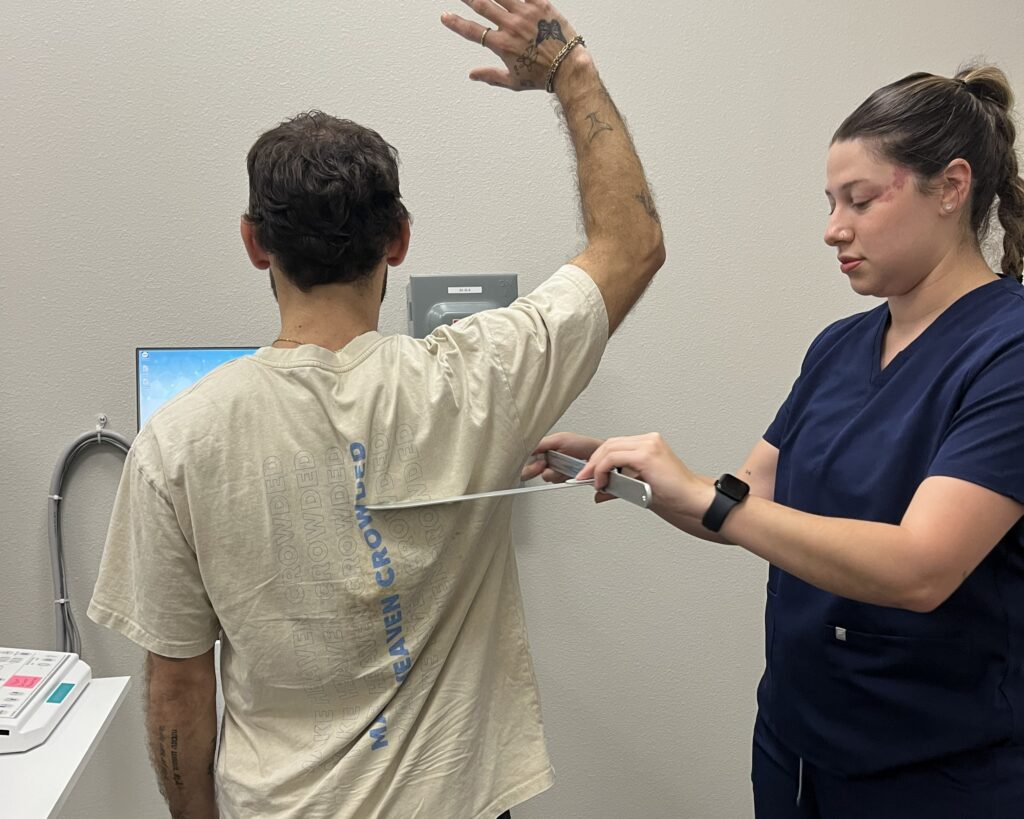

Managing cluster headache symptoms can feel overwhelming, but remember, you don’t have to navigate this journey alone. As a chiropractor, I believe that understanding your body and its signals is key to finding relief. By identifying your triggers and establishing a consistent routine, you can lay the groundwork for better health.
Incorporating techniques like chiropractic adjustments can significantly help alleviate tension and improve your overall well-being. Additionally, practices such as oxygen therapy and relaxation techniques can provide relief as well. Wondering how to weave these strategies into your daily life? Let’s explore ten practical tips that can truly make a difference in managing your cluster headaches while promoting a natural path to wellness.
- Know Your Triggers: Keep a headache diary to track what might be causing your headaches, such as certain foods, stress, or sleep patterns.
- Stay Consistent: Establish a daily routine that includes regular sleep, meals, and relaxation. Routine can help stabilize your body’s natural rhythms.
- Consider Chiropractic Care: Regular chiropractic adjustments can help alleviate tension in your spine and neck, which may reduce the severity and frequency of headaches.
- Practice Deep Breathing: Incorporate relaxation techniques such as deep breathing or meditation to help reduce stress and tension.
- Stay Hydrated: Drink plenty of water throughout the day to keep your body hydrated, as dehydration can trigger headaches.
- Avoid Alcohol and Smoking: These substances can aggravate cluster headaches, so try to limit or eliminate them from your lifestyle.
- Incorporate Regular Exercise: Gentle exercises, like walking or yoga, can help improve blood flow and reduce tension in the body.
- Use Heat or Cold Therapy: Applying a cold pack or heat pad to your neck and head can provide relief during an episode.
- Prioritize Sleep: Ensure you’re getting enough quality sleep, as lack of rest can lead to increased headache frequency.
- Seek Support: Connect with others who understand what you’re going through. Support groups can provide encouragement and share useful strategies.
By integrating these tips into your life, you can create a holistic approach to managing cluster headaches. Remember, chiropractic care is a powerful ally in your journey towards pain relief and optimal health. Let’s work together towards a healthier, happier you!
Key Takeaways
- Keep a headache diary to pinpoint individual triggers like alcohol or strong scents, which can help you avoid them in the future. This awareness can complement chiropractic care, as understanding your triggers is essential for overall wellness.
- Develop a consistent sleep schedule and eat a balanced diet to help regulate your energy levels. This can contribute to reducing headache frequency, and when combined with chiropractic adjustments, can enhance your body’s natural healing processes.
- Consider inhaling pure oxygen during headache attacks for quick relief. While this is a temporary solution, incorporating chiropractic care can help address underlying issues that contribute to headaches, potentially reducing their occurrence.
- Engage in relaxation techniques such as deep breathing exercises and yoga. These practices are excellent for managing stress, which is a common headache trigger. Regular chiropractic adjustments can also help align your spine, reducing tension and promoting relaxation.
- Join support groups or online forums to share your experiences and learn from others. This community connection can be beneficial for your emotional health. Additionally, chiropractic care can provide you with a holistic approach to managing your pain, combining physical adjustments with emotional support from fellow patients.
Remember, chiropractic care is a natural and effective way to enhance your overall health and well-being while addressing headache pain. By focusing on lifestyle changes and regular adjustments, you can work towards optimal health and a pain-free life.
Identify and Avoid Triggers
When it comes to managing cluster headache symptoms, identifying and avoiding triggers is crucial for your well-being. You may have noticed specific factors that can lead to an attack, so keeping track of these is essential. A helpful way to do this is by maintaining a headache diary. Jot down when attacks occur, what you ate, activities you engaged in, and any environmental factors like weather changes or strong scents.
Common triggers include alcohol, strong odors, and fluctuations in sleep patterns. Once you identify your personal triggers, you can take proactive steps to avoid them. For example, if you find that alcohol triggers an attack, it might be beneficial to limit or eliminate it from your routine.
Additionally, stress management is vital. Techniques such as deep breathing, meditation, or gentle yoga can help you find relaxation, which may ease headache symptoms. Remember, understanding your individual triggers is key to managing your condition more effectively.
As a chiropractor, I encourage you to consider how spinal health plays a role in overall wellness. Regular chiropractic adjustments can help maintain proper alignment, which supports your nervous system and may contribute to reduced stress and tension.
Establish a Consistent Routine
Establishing a consistent routine can significantly enhance your ability to manage cluster headache symptoms and promote overall wellness. One of the best ways to support your health is by setting regular sleep and wake times, which helps regulate your body’s internal clock and can reduce the frequency of headaches.
Sticking to a balanced diet and planning your meal times can also make a big difference; this helps maintain stable energy levels and prevents hunger-related triggers that might lead to discomfort.
Incorporating regular exercise into your daily routine is another fantastic way to boost your overall well-being and relieve stress. Activities like walking, yoga, or even gentle stretching can be beneficial.
Additionally, consider scheduling time for relaxation or mindfulness practices, such as meditation or deep breathing exercises, to help manage stress and promote a sense of calm.
Staying hydrated is essential for your health, so make sure you’re drinking enough water throughout the day. A simple trick is to keep a water bottle with you as a reminder to drink.
Lastly, keeping a headache diary can provide valuable insights into your triggers and patterns, helping you refine your routine for better results.
By committing to these consistent habits, you create a stable environment that may lessen the intensity and frequency of your cluster headaches.
Remember, chiropractic care can also play a vital role in your journey to optimal health. Regular adjustments can help improve spinal function, reduce tension, and support your body’s natural healing processes.
Embrace these lifestyle changes along with chiropractic care for a holistic approach to managing your symptoms and enhancing your overall quality of life.
Utilize Oxygen Therapy
Cluster headaches can be incredibly painful, and while there are various treatments available, I want to highlight the importance of holistic approaches, including chiropractic care, for managing pain and promoting overall wellness.
One natural method that many find helpful is oxygen therapy. Inhaling pure oxygen during a cluster headache attack may provide quick relief. If you’re considering this option, it’s often advised to use a high-flow setup, around 12 to 15 liters per minute, for about 15 to 20 minutes. This increased oxygen can help ease the pain by supporting better blood flow and reducing headache intensity.
However, don’t forget that chiropractic care plays a crucial role in maintaining a healthy spine and nervous system, which can also help reduce the frequency and intensity of headaches. Regular adjustments can relieve tension, improve circulation, and promote overall well-being, making it a great complementary strategy alongside other treatments.
For those who experience cluster headaches, having an oxygen tank readily available at home might provide quick access during an attack. But remember, it’s essential to consult with your healthcare provider to tailor any treatment to your specific needs.
In addition to oxygen therapy and chiropractic care, here are some general tips for managing headaches naturally:
- Stay hydrated, as dehydration can trigger headaches.
- Maintain a consistent sleep schedule to promote restorative rest.
- Practice stress-reducing techniques, such as deep breathing or meditation.
- Keep a headache diary to identify potential triggers and patterns.
Explore Medications
While holistic approaches like chiropractic care can greatly help in managing cluster headaches, it’s important to remember that there are natural ways to support your health without relying on medications. As a chiropractor, I believe in the power of the body’s natural healing abilities, and chiropractic adjustments can play a crucial role in relieving pain and tension that may contribute to headaches.
Regular chiropractic care can help improve spinal alignment and reduce nerve interference, which can lead to a decrease in headache frequency and intensity. Additionally, techniques such as massage and stretching can promote relaxation and improve overall well-being.
Incorporating healthy lifestyle choices can also make a significant difference. Staying hydrated, maintaining a balanced diet, and getting adequate rest are foundational elements in preventing headaches. Practicing stress-reduction techniques, like mindfulness or gentle yoga, can further support your body’s natural healing processes.
If you experience cluster headaches, consider discussing your symptoms with a chiropractor who can provide personalized care tailored to your needs. They can help you explore holistic and natural strategies that prioritize your health without the risks associated with medications or surgeries.
Implement Relaxation Techniques
Implementing relaxation techniques can significantly help manage cluster headaches and promote overall wellness. As a chiropractor, I believe that addressing stress through natural methods is essential for optimal health, and these practices can complement chiropractic care effectively.
Start by dedicating a few minutes each day to focus on your breath. Inhale deeply through your nose, hold for a few seconds, and then exhale slowly through your mouth. This simple exercise can help calm both your mind and body, reducing tension that might contribute to headaches.
Mindfulness meditation is another powerful tool. By focusing on the present moment without judgment, you can create a mental space that helps you detach from anxious thoughts. This can be particularly useful for those who experience stress-related headaches.
Yoga is also an excellent practice to consider. It combines physical movement with controlled breathing, promoting relaxation and flexibility. Even short sessions of yoga can provide immediate relief and enhance your overall well-being.
Incorporating these relaxation techniques into your daily routine not only helps with headache management but also supports your spinal health.
Keep a Headache Diary
Keeping a headache diary can be a game-changer in managing your cluster headaches, and it can also guide you towards a more natural approach to wellness. By tracking your symptoms, you can identify triggers and patterns, making it easier to discuss your condition with your chiropractor, who can help you find effective pain relief through spinal adjustments and holistic care.
Each diary entry should include the date, time, intensity, and duration of your headaches, as well as any potential triggers you notice. This information helps in understanding how your body reacts to different factors, and it can assist your chiropractor in tailoring your treatment for optimal results.
Here’s a simple format to help you get started:
| Date | Notes |
|---|---|
| 2023-10-01 | Intensity: 8, Duration: 45 mins |
| 2023-10-02 | Intensity: 5, Duration: 30 mins |
| 2023-10-03 | Intensity: 6, Trigger: Alcohol |
| 2023-10-04 | Intensity: 9, Trigger: Stress |
As you review your headache diary, you might see connections between your headaches and various lifestyle factors such as stress, diet, and hydration. By sharing this information with your chiropractor, you can work together to create a personalized plan that may include spinal adjustments, lifestyle changes, and natural remedies for better overall health.
In addition to keeping a diary, here are some general tips for managing headaches naturally:
- Stay Hydrated: Dehydration can lead to headaches, so make sure you’re drinking enough water throughout the day.
- Maintain Good Posture: Poor posture can strain your neck and back, potentially leading to headaches. Ensure your workspace is ergonomically friendly.
- Practice Relaxation Techniques: Stress management techniques such as deep breathing, meditation, or yoga can help reduce the frequency and intensity of headaches.
- Get Regular Chiropractic Care: Regular visits to your chiropractor can help keep your spine aligned and relieve tension that may be contributing to headaches.
With this knowledge and the guidance of your chiropractor, you’ll be better equipped to manage your symptoms effectively and embrace a healthier, pain-free lifestyle.
Stay Hydrated
Staying hydrated is essential for managing cluster headache symptoms effectively and promoting overall wellness. As a chiropractor, I understand the importance of natural healing and the role hydration plays in your health. When you’re well-hydrated, you’re more likely to experience relief from headaches, as dehydration can trigger or intensify your pain.
Recognizing the signs of dehydration is crucial so you can take action before it affects your well-being. Common signs include dry mouth, fatigue, and headaches. To prevent dehydration, aim to drink plenty of water throughout the day. A good rule of thumb is to keep a water bottle with you and sip regularly, even if you don’t feel thirsty.
In addition to hydration, consider how chiropractic care can help alleviate headache symptoms. Misalignments in the spine can contribute to tension and pain, so regular chiropractic adjustments may provide relief and promote better spinal health.
Combining hydration with chiropractic care can lead to a more holistic approach to managing your headaches and enhancing your overall wellness.
Importance of Water Intake
Although many people underestimate the importance of hydration, drinking enough water is crucial for managing cluster headache symptoms. Staying hydrated not only supports your body’s essential functions but also plays a significant role in reducing the frequency and intensity of headaches. As a chiropractor, I encourage you to make it a daily habit to drink water throughout the day, especially during those challenging headache cycles.
Proper hydration can help your body function optimally, which is vital for overall wellness and can complement the benefits of chiropractic care. When your body is well-hydrated, it can better manage pain and discomfort, allowing your spine and nervous system to function at their best.
To help you stay on track with your water intake, here’s a simple reference table:
| Time of Day | Suggested Water Intake |
|---|---|
| Morning | 1-2 cups |
| Midday | 2-3 cups |
| Afternoon | 1-2 cups |
| Evening | 2-3 cups |
| Before Bed | 1 cup |
Remember, every little bit counts! Carrying a reusable water bottle can serve as a great reminder to hydrate throughout the day. Also, pairing your water intake with your meals and during breaks can make it easier to reach your hydration goals.
Incorporating adequate hydration into your daily routine is a simple yet effective way to support your overall health and enhance the benefits of your chiropractic care. Stay hydrated, and take a step towards a healthier, pain-free life!
Hydration and Headache Relief
When it comes to managing cluster headaches, staying hydrated is key to finding relief and supporting your overall wellness. As a chiropractor, I believe in the power of natural healing and simple lifestyle changes to help alleviate discomfort.
Here are some straightforward tips to ensure you’re getting enough fluids, which can ultimately contribute to better health and fewer headaches:
- Drink Water Throughout the Day: Aim for at least 8 glasses of water daily. If you’re active or live in a warm climate, you might need even more. Keeping a water bottle handy can remind you to sip regularly.
- Add Hydrating Foods to Your Meals: Incorporate fruits and vegetables like cucumbers, oranges, and watermelon into your diet. These not only taste great but also help keep you hydrated naturally.
- Be Mindful of Caffeine and Alcohol: While these can be enjoyable in moderation, they can also lead to dehydration. Try to balance your intake and consider herbal teas or sparkling water as alternatives.
- Check Your Hydration Status: A simple way to monitor your hydration is by observing the color of your urine. A light yellow color generally means you’re well-hydrated, while a darker shade might indicate it’s time to drink up.
By focusing on hydration and maintaining a healthy lifestyle, you can support your body’s natural ability to manage pain and enhance your overall well-being.
Signs of Dehydration Awareness
How can you tell if you’re becoming dehydrated? It’s important to listen to the signs your body provides. If you start to feel a dry mouth, unusual fatigue, or dizziness, these can be strong indicators that your body needs more fluids.
Pay attention to the color of your urine as well; dark yellow urine is a signal for concern, while ideally, it should be a light straw color. You may also notice headaches or increased irritability, which can exacerbate issues like cluster headaches.
Dehydration can impede your body’s ability to function optimally, including the health of your spine and overall well-being. Staying hydrated is essential for maintaining good health and facilitating the healing process.
Make a habit of drinking water throughout the day, especially if you’re sweating or feeling thirsty. Keeping a water bottle within reach can serve as a great reminder to sip regularly.
As a chiropractor, I encourage you to prioritize your hydration as part of a holistic approach to health and wellness. Along with regular chiropractic care, which helps your body perform at its best, staying hydrated can contribute significantly to your overall well-being.
By making these simple changes, you can reduce the risk of dehydration and its related discomforts, allowing your body to function more effectively and possibly even helping to alleviate pain.
Consider Alternative Therapies
As you look for ways to manage cluster headache symptoms, considering alternative therapies can provide additional paths to relief.
While chiropractic care remains a top choice for achieving optimal health and wellness, integrating some of these alternative approaches may enhance your overall well-being.
Here are four options that may complement your chiropractic treatments:
- Acupuncture: This ancient technique may complement chiropractic care by helping to alleviate headache symptoms through relaxation and energy balancing. Many patients have found relief when combining these practices.
- Herbal Remedies: Some herbs, like butterbur and feverfew, have shown potential in easing headache symptoms. However, it’s important to discuss these with your chiropractor or healthcare provider to ensure they fit well with your overall health plan.
- Mindfulness and Meditation: These practices can help you manage stress, a common headache trigger. Incorporating mindfulness techniques into your daily routine may boost your resilience against pain and enhance the benefits of your chiropractic adjustments.
- Biofeedback: This technique can empower you to control certain physiological functions, assisting you in managing pain more effectively. Biofeedback can work hand-in-hand with chiropractic care by teaching you how to respond to your body’s signals.
As you explore these options, remember to prioritize chiropractic care as a key component of your pain relief and wellness journey.
Consult your chiropractor for personalized guidance and to ensure these alternative therapies align with your health goals.
Together, you can create a comprehensive plan for better health and a more comfortable life.
Seek Support
Finding support can be incredibly beneficial when managing cluster headaches, and chiropractic care can play a key role in this process. By working with a chiropractor, you can discover natural methods to relieve pain and enhance your overall wellness.
Additionally, joining a support group can help you connect with others who understand your struggles. Sharing experiences with fellow cluster headache sufferers can provide comfort and valuable insights, helping you feel less isolated on your journey.
Incorporating chiropractic care into your routine may help alleviate the frequency and intensity of your headaches by ensuring proper alignment of your spine and reducing tension in your body. Regular adjustments can promote better nervous system function, which is essential for overall health.
Here are a few general tips to consider alongside chiropractic care:
- Stay Hydrated: Drink plenty of water throughout the day to prevent dehydration, which can trigger headaches.
- Maintain Good Posture: Practice proper posture at work and home to reduce strain on your neck and back.
- Manage Stress: Engage in relaxation techniques such as deep breathing, meditation, or yoga to help manage stress levels.
- Regular Exercise: Incorporate gentle exercises into your routine to help improve circulation and reduce tension.
- Healthy Diet: Focus on a balanced diet rich in whole foods, which can have a positive impact on your overall health and potentially reduce headache occurrences.
Join a Support Group
Joining a support group can be a wonderful step towards managing the challenges of cluster headaches, and it can also complement your journey to optimal health through chiropractic care. Connecting with others who understand your pain can provide relief and valuable insights. Here are some benefits to consider, along with tips for enhancing your wellness:
1. Shared Experiences: Hearing stories from others who face similar struggles can help you feel less isolated. This sense of community can be uplifting and motivate you to explore holistic approaches to pain relief, including chiropractic adjustments that may help alleviate headache symptoms.
2. Practical Advice: Members often share coping strategies that have worked for them. You might discover natural remedies, relaxation techniques, or lifestyle changes that support your overall well-being.
Consider integrating chiropractic care into your routine, as it focuses on spinal health, which can positively impact your nervous system and potentially reduce headache frequency.
3. Emotional Support: A support group provides a safe space to express your feelings and frustrations without judgment. Emotional well-being is crucial for managing pain, and chiropractic care can also play a role in reducing stress and promoting relaxation through spinal adjustments and techniques that enhance your body’s natural healing abilities.
4. Resource Sharing: Groups often share information about local events, specialists, and helpful resources. This can include recommendations for chiropractors who focus on headache management and overall wellness.
Remember, a well-balanced lifestyle that includes regular chiropractic visits can contribute to long-term health benefits.
Takeaway Tips:
- Incorporate regular chiropractic check-ups into your routine to maintain spinal health, which can help with headache management.
- Explore relaxation techniques such as deep breathing or meditation, which can complement the physical relief you receive from chiropractic care.
- Stay connected with your support group for ongoing encouragement and to share your progress.
Connect With Others
Connecting with others who share your experiences can greatly enhance your journey toward natural healing and overall wellness, especially when dealing with cluster headaches. By reaching out to like-minded individuals, you can find people who truly understand the intensity of your pain and the challenges you face.
Whether through online forums, social media groups, or local meet-ups, these connections can provide vital emotional support as well as practical tips for managing your symptoms. Sharing coping strategies, discussing potential triggers, and exploring natural remedies can empower you to take control of your health.
You’ll discover that you’re not alone in this struggle, which can be incredibly comforting. Additionally, building friendships with those who understand your journey can uplift your spirits and motivate you to seek healthier living.
As a local chiropractor, I encourage you to consider chiropractic care as a valuable approach to managing pain and promoting wellness. Regular chiropractic adjustments can help alleviate headaches by addressing spinal alignment issues that may contribute to your discomfort.
Plus, chiropractic care focuses on natural healing, allowing your body to heal itself without the need for surgery or medications. Remember, it’s important to take proactive steps in your health journey.
Stay hydrated, practice relaxation techniques, and consider keeping a journal to track your symptoms and triggers. Most importantly, don’t hesitate to connect with others and share your experiences. It could be a game-changer in your battle against cluster headaches and in achieving optimal health.
Share Personal Experiences
Sharing your personal experiences with cluster headaches can be an important step towards finding relief and support. Connecting with others who understand your pain can be incredibly beneficial, especially when seeking natural methods for wellness. Here are some effective ways to share your story and build a supportive network, while also considering the role of chiropractic care in managing pain:
- Join Online Forums: Engage in discussions on platforms dedicated to health and wellness. Sharing your experiences can help you connect with others who understand cluster headaches, and you can learn about natural remedies, including chiropractic adjustments that may alleviate your discomfort.
- Attend Support Groups: Look for local or virtual support groups focused on cluster headaches. These gatherings can provide face-to-face connections, allowing you to share your journey and learn from others. You can also explore how chiropractic care has helped others in managing their pain.
- Social Media: Utilize platforms like Facebook or Instagram to share your journey with cluster headaches. By documenting your experiences, you can connect with a community of individuals facing similar challenges. Highlighting your positive experiences with chiropractic care can inspire others to seek natural solutions for their pain.
- Blog or Vlog: Consider creating a blog or a video diary to document your experiences with cluster headaches. Sharing your story, alongside insights about the benefits of chiropractic care, can resonate with others who are looking for non-invasive ways to manage their pain.
Educate Yourself and Others
Understanding cluster headaches can feel overwhelming, but educating yourself and those around you is essential for effective management and overall wellness. Start by researching the condition, its triggers, and exploring natural approaches to relief, including chiropractic care. Knowledge empowers you to make informed decisions and manage symptoms more effectively.
Share what you learn with family and friends. This not only helps them understand your experience but also fosters a supportive environment. When they know what you’re going through, they can offer the right kind of help during an episode, whether it’s encouraging you to practice relaxation techniques or suggesting gentle stretches to ease tension.
Consider connecting with support groups or online forums where you can share and learn from others facing similar challenges. Hearing their stories and tips can be invaluable, and you might discover new techniques to incorporate into your daily routine.
Additionally, educating your chiropractor about your specific symptoms and triggers can help them tailor a treatment plan that focuses on your unique needs.
Remember, chiropractic care is a natural and effective way to address pain and discomfort. Regular spinal adjustments can improve your overall spinal health, promote better nerve function, and enhance your body’s ability to heal itself.
Incorporating practices such as proper posture, regular exercise, and stress management techniques can further enhance your well-being.
Conclusion
By following these tips, you can take control of your cluster headache symptoms and enhance your overall well-being. Start by identifying your triggers and establishing a consistent daily routine to help your body adapt. Consider integrating oxygen therapy as a natural approach when necessary. Don’t underestimate the power of relaxation techniques—practices like deep breathing or gentle yoga can significantly alleviate tension.
Stay well-hydrated, as proper hydration plays a crucial role in your body’s function. Additionally, exploring alternative therapies such as chiropractic care can be an excellent way to address underlying issues contributing to your headaches. Chiropractic adjustments can help alleviate pain and promote better spinal health, leading to improved overall wellness.
Remember, seeking support from family, friends, or a healthcare professional can make a substantial difference in your journey. Educating yourself and those around you about cluster headaches is vital; knowledge empowers you to take charge of your health. You’re not alone in this journey—embrace the natural healing power of chiropractic care and take steps toward relief and a healthier lifestyle!