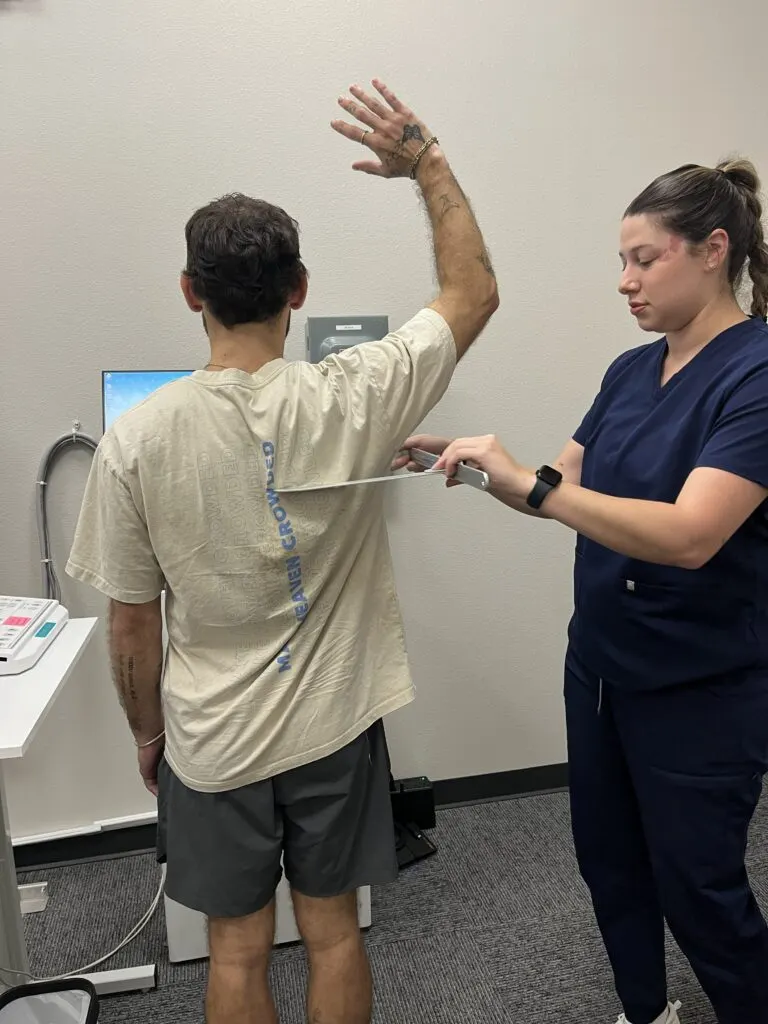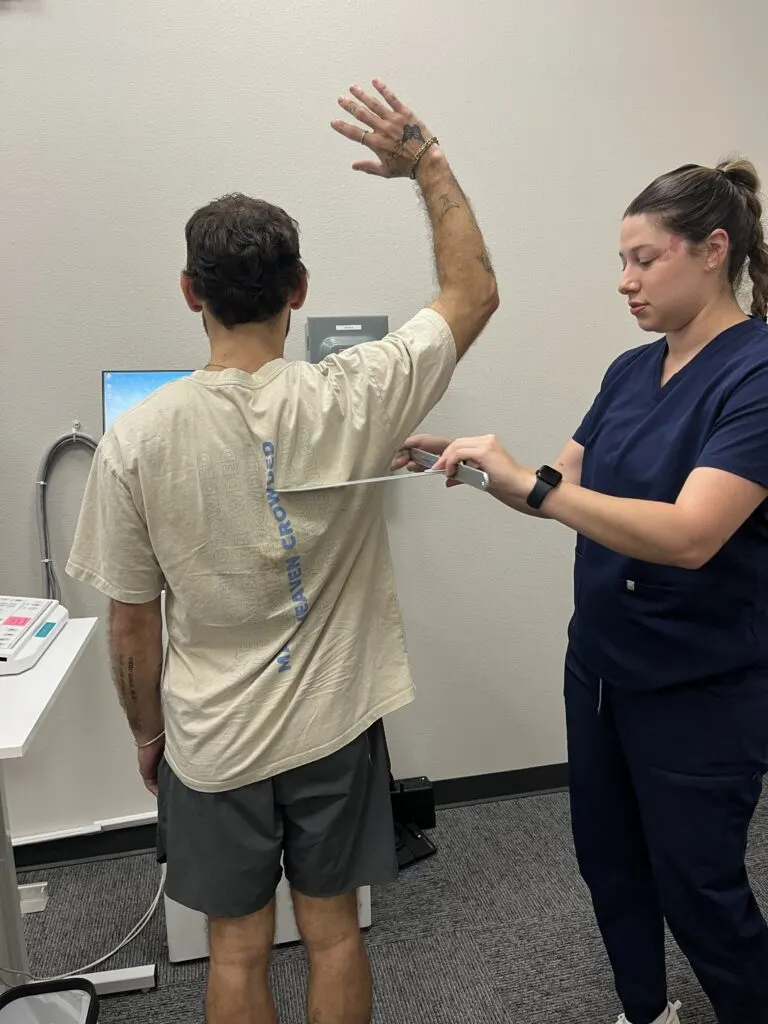

If you’ve ever experienced headaches, you know how disruptive they can be to your daily life. As a chiropractor, I want to share how chiropractic care can provide natural relief for various types of headaches, such as tension headaches and migraines. Each headache type comes with its own set of symptoms and triggers, which is why understanding them is crucial for effective treatment.
Chiropractors focus on spinal alignment and muscle tension, addressing the root causes of headaches rather than just masking the pain. By ensuring that your spine is properly aligned, we can help alleviate pressure on the nervous system and improve overall function, leading to significant relief from headaches.
Curious about how chiropractic treatments can help with specific headache types? Let’s explore the seven types of headaches that chiropractors commonly treat and discuss some tips you can implement in your daily life to support your health.
- Tension Headaches: Often caused by stress and muscle tension, these headaches can be alleviated through chiropractic adjustments that relax tight muscles and improve spinal alignment. Consider incorporating regular stretching and relaxation techniques into your routine.
- Migraines: These can be debilitating, but chiropractic care can help reduce the frequency and intensity of migraine attacks. Keeping a headache diary to track triggers can also be beneficial.
- Cervicogenic Headaches: Originating from the neck, these headaches respond well to chiropractic adjustments. Maintaining good posture while sitting and using ergonomic furniture can help prevent these types of headaches.
- Cluster Headaches: Although less common, chiropractic care can offer relief by addressing nerve irritation and muscle tension. Staying hydrated and managing stress levels may help reduce the occurrence of these headaches.
- Sinus Headaches: Chiropractic adjustments can improve drainage and reduce pressure in the sinuses. Using a humidifier and practicing breathing exercises can also support sinus health.
- Hormonal Headaches: Fluctuations in hormones can trigger headaches. Chiropractic care can help balance the body’s systems, and maintaining a healthy lifestyle through nutrition and exercise can be beneficial.
- Rebound Headaches: These can occur from overuse of pain medications. Chiropractic care focuses on addressing the underlying issues, and exploring natural methods for pain relief can break the cycle.
Remember, chiropractic care is a holistic approach that not only targets headaches but also promotes overall wellness. By prioritizing spinal health and making lifestyle adjustments, you can take control of your health and well-being. If you’re struggling with headaches, I encourage you to consider chiropractic care as a natural and effective solution. Together, we can work towards achieving optimal health and a pain-free life!
Key Takeaways
As a local chiropractor, I’m here to share valuable insights into how chiropractic care can effectively address various headache types, helping you achieve optimal health and wellness naturally. Understanding the different types of headaches can empower you to take control of your pain relief journey.
- Tension Headaches: These are the most common headaches, often triggered by stress, poor posture, or muscle tension. To alleviate tension headaches, consider practicing good posture, taking regular breaks from screens, and incorporating relaxation techniques, such as deep breathing or gentle stretching. Chiropractic adjustments can help relieve the underlying tension and restore balance to your spine.
- Migraines: Migraines can bring on intense pain, nausea, and sensitivity to light. Many patients find that spinal alignment and lifestyle changes—like staying hydrated, managing stress, and maintaining a regular sleep schedule—can significantly reduce the frequency and intensity of their migraines. Chiropractic care focuses on correcting spinal misalignments, which may help ease migraine symptoms.
- Cervicogenic Headaches: These headaches originate from issues in the neck, causing pain and stiffness on one side. Chiropractic adjustments can help relieve the pressure on the nerves and muscles in the neck, providing much-needed relief. Simple neck stretches and maintaining proper ergonomics while working can also support your neck health.
- Cluster Headaches: Known for their severe pain, cluster headaches typically affect one side of the head. While these can be challenging, chiropractic care may help reduce the frequency of attacks. Consider keeping a headache diary to track triggers and patterns, which can be valuable information for your chiropractor.
- Sinus Headaches: Caused by sinus inflammation, these headaches can be uncomfortable. Chiropractic adjustments may help improve drainage and alleviate pressure in the sinuses. Staying hydrated and using steam inhalation can also provide relief.
- Hormonal Headaches: Fluctuations in hormones can lead to headaches, particularly in women. Maintaining a balanced diet, regular exercise, and stress management techniques can be beneficial. Chiropractic adjustments can also support overall hormonal balance by promoting optimal nerve function.
- Rebound Headaches: These headaches occur from overusing pain relief medications. If you find yourself relying on over-the-counter pain relievers, it might be time to explore natural alternatives. Chiropractic care focuses on addressing the root cause of your headaches, helping you break the cycle of rebound headaches.
In conclusion, chiropractic care is a holistic approach that addresses the underlying causes of headaches rather than just masking the symptoms. By focusing on spinal health, lifestyle changes, and natural healing techniques, you can find effective pain relief and enhance your overall well-being. Remember to consult with your chiropractor for personalized advice and treatment options tailored to your specific needs. Together, we can work towards a healthier, headache-free life!
Tension Headaches
Tension headaches rank among the most prevalent types of headaches, impacting millions of individuals every year. You may experience a dull, aching sensation around your forehead or temples, often accompanied by tightness in your neck and shoulders. Common triggers for these headaches include stress, poor posture, and muscle tension, which can turn them into a daily annoyance for many.
As a local chiropractor, I want to share some effective strategies to help you alleviate this discomfort naturally. One of the best ways to reduce the frequency and intensity of tension headaches is through regular chiropractic adjustments. These adjustments work to relieve tension in your muscles and improve spinal alignment, which can significantly contribute to reducing headache pain.
In addition to chiropractic care, you can incorporate relaxation techniques into your daily routine. Practices such as deep breathing, gentle stretching, or yoga can work wonders in easing muscle tension and promoting relaxation.
Another simple yet effective tip is to pay close attention to your posture, especially while sitting or working. Maintaining good posture not only helps prevent tension headaches but also supports overall spinal health.
By addressing the underlying causes of tension headaches and integrating these practices into your lifestyle, you can take charge of your well-being and enhance your quality of life.
Migraines
Migraines can be a significant hurdle in your daily life, presenting challenges that go beyond the typical tension headaches many experience. The pain associated with migraines can be intense and is often accompanied by symptoms such as nausea, and heightened sensitivity to light and sound. These episodes can last anywhere from a few hours to several days, making it difficult to carry on with your usual activities.
As a chiropractor, I want to emphasize how effective chiropractic care can be in managing migraine symptoms. By focusing on spinal alignment and overall body balance, chiropractic treatments may help reduce both the frequency and intensity of your migraines.
We take a comprehensive approach to identify and address any underlying issues that could be contributing to your discomfort, allowing us to create a personalized treatment plan that fits your needs.
In addition to chiropractic adjustments, there are simple lifestyle changes you can implement to support your overall wellness. Techniques for managing stress, such as deep breathing exercises or yoga, can be incredibly helpful for migraine sufferers. Staying well-hydrated is also crucial, as dehydration can trigger migraines for some individuals.
If you’re grappling with migraines, I encourage you to reach out for a consultation. Together, we can explore chiropractic care as a natural, effective way to achieve relief and improve your quality of life.
You deserve to live without the burden of migraines overshadowing your days. Let’s work towards a healthier, pain-free future together!
Cervicogenic Headaches
Cervicogenic headaches can be quite troublesome, often stemming from issues in your neck that lead to discomfort and pain. If you’re experiencing symptoms such as stiffness and tenderness in your neck or shoulders, it’s essential to understand that these signals are your body’s way of indicating that something needs attention.
As a chiropractor, I want to emphasize that chiropractic care is a natural and effective approach to addressing these headaches. By focusing on the spine and neck alignment, we can help alleviate pain and tackle the root causes of your discomfort. Chiropractors utilize gentle adjustments and specialized techniques that promote healing and restore proper function to your neck, helping you find relief without the need for medications or surgeries.
In addition to chiropractic adjustments, there are several simple tips you can incorporate into your daily routine to support your neck health and reduce the frequency of cervicogenic headaches:
- Practice Good Posture: Ensure that your workspace is ergonomically friendly, keeping your shoulders relaxed and your head aligned with your spine.
- Stay Hydrated: Drinking enough water can help maintain the health of your spinal discs and reduce tension in your neck.
- Stretch Regularly: Gentle neck stretches and shoulder rolls can relieve tension and improve flexibility. Try to incorporate a few stretches into your daily routine, especially if you sit for long periods.
- Apply Heat or Cold: Using a warm compress or an ice pack can help reduce inflammation and soothe tight muscles in the neck.
- Manage Stress: Stress can contribute to muscle tension and headaches. Consider practices like deep breathing, meditation, or yoga to help relax your mind and body.
By embracing chiropractic care and making these simple lifestyle adjustments, you can take proactive steps toward achieving optimal health and well-being.
Causes of Cervicogenic Headaches
If you’ve ever felt neck pain along with a headache, you could be experiencing a cervicogenic headache. These headaches usually arise from issues in your cervical spine or the surrounding muscles and structures. One of the primary culprits can be poor posture, such as slouching at your desk, which can put a strain on your neck muscles and lead to headaches.
Injuries, like whiplash from a car accident, may also trigger cervicogenic headaches. Additionally, degenerative conditions, such as arthritis, can impact the joints and tissues in your neck, contributing to discomfort. Muscle tension due to stress or repetitive movements can make these headaches even worse.
Understanding these causes is crucial for managing and alleviating your headaches effectively. By pinpointing the source of your discomfort, you can seek the right chiropractic care to help you find relief and prevent future headaches.
As a chiropractor, I encourage you to adopt some simple practices to support your neck health. Maintain good posture while sitting and standing, take regular breaks to stretch if you work at a desk, and incorporate gentle neck exercises to keep your muscles strong and flexible.
Symptoms to Identify
Recognizing the symptoms of cervicogenic headaches is vital for addressing them effectively, and chiropractic care can play a significant role in your relief. These headaches often start in the neck and can radiate to the forehead, temples, or behind the eyes, making them quite uncomfortable. Understanding the signs can help you seek the right care and find a natural path to wellness.
Here are some common symptoms you might notice:
- Neck Stiffness: You may feel tightness or limited movement in your neck. Gentle stretches and chiropractic adjustments can help restore mobility.
- Unilateral Pain: Often, the headache affects just one side of your head. Chiropractic care can assist in balancing your spine and alleviating this pain.
- Worsening with Movement: Activities that involve neck movement can make the pain worse. A chiropractor can provide you with specific exercises and adjustments to reduce discomfort during movement.
If you recognize these symptoms, consider consulting a chiropractor who specializes in spinal health. They can provide a thorough evaluation and recommend a personalized treatment plan, focusing on natural healing methods that promote overall wellness.
In the meantime, here are some general tips you can incorporate into your daily routine to help manage your symptoms:
- Maintain Good Posture: Be mindful of your posture, especially if you spend long hours at a desk. Keep your head aligned with your spine to reduce strain on your neck.
- Stay Hydrated: Drinking plenty of water can help keep your muscles hydrated and functioning well.
- Practice Relaxation Techniques: Stress can contribute to muscle tension. Techniques such as deep breathing, meditation, or gentle yoga can promote relaxation.
- Apply Heat or Cold: Using a heating pad or ice pack on your neck can help soothe pain and stiffness.
Chiropractic Treatment Options
Chiropractors provide a variety of effective treatment options specifically designed for cervicogenic headaches, focusing on relieving pain and restoring your overall function naturally. One of the most common and beneficial techniques we use is spinal manipulation, which helps realign the cervical spine. This realignment reduces tension in the neck, enhances mobility, and can significantly alleviate headache pain.
In addition to spinal adjustments, we employ soft tissue techniques to relieve muscle tightness and improve blood circulation in the affected areas. These methods not only help in pain relief but also promote healing.
We also encourage specific exercises to strengthen your neck and shoulder muscles, which can improve your posture and address the underlying issues contributing to your headaches.
Lifestyle adjustments are another key component of our care. We often provide guidance on ergonomic changes to your workspace and stress management strategies to help prevent future headaches. Simple changes, like ensuring your computer screen is at eye level or taking regular breaks to stretch, can make a big difference.
By choosing chiropractic care, you’re investing in a natural and holistic approach to your health. Regular visits not only target your current discomfort but also foster long-term wellness, allowing you to take control of your health journey.
With the right chiropractic support, you can find relief from headaches and improve your overall quality of life. Remember, your path to better health starts with understanding your body and making informed choices!
Cluster Headaches
Cluster headaches can strike suddenly and with intense pain, often leaving you feeling helpless. These debilitating headaches typically occur on one side of the head and can come in cycles, making them particularly challenging to manage. However, there’s hope! Chiropractic care offers a natural and effective way to alleviate your discomfort and enhance your overall quality of life.
Chiropractic treatment focuses on the alignment of your spine and the proper function of your nervous system. By ensuring that your spine is in optimal alignment, we can help reduce the frequency and intensity of cluster headaches. Many patients experience significant relief after just a few sessions, as chiropractic adjustments can improve blood flow and reduce muscle tension in the neck and head.
In addition to chiropractic adjustments, there are several tips you can incorporate into your daily routine to help manage cluster headaches:
- Stay Hydrated: Dehydration can trigger headaches, so make sure to drink plenty of water throughout the day.
- Maintain a Regular Sleep Schedule: Consistent sleep patterns can help regulate your body’s internal clock and reduce headache occurrences.
- Manage Stress: Practice relaxation techniques such as deep breathing, meditation, or yoga to help manage stress levels, which can contribute to headaches.
- Limit Alcohol and Caffeine: Both substances can trigger headaches in some individuals, so it may be beneficial to limit their intake.
- Monitor Your Triggers: Keep a headache diary to identify patterns and triggers, whether they be certain foods, activities, or environmental factors.
By choosing chiropractic care, you’re taking a proactive step towards achieving optimal health and wellness. Our goal is to help you find the relief you deserve while promoting a healthier lifestyle.
Symptoms of Cluster Headaches
Experiencing a cluster headache can be an excruciating ordeal, often characterized by sudden, intense pain that feels like a stabbing sensation, typically around one eye. These headaches can occur in cycles, with episodes lasting weeks or months, followed by periods without headaches.
As a chiropractor, I want to help you understand these symptoms so you can seek effective, natural relief. Here are some common symptoms to be aware of:
- Severe, unilateral pain: This pain is usually localized on one side of your head, often around the eye area. It’s important to listen to your body and note where the pain is concentrated.
- Red or watery eye: You may notice eye redness or tearing on the side where the headache occurs. This can be a sign that something is out of balance in your body.
- Nasal congestion: A runny or blocked nose may accompany the headache on the same side. This could indicate that your body is trying to signal a need for balance and wellness.
Recognizing these symptoms is the first step towards finding relief. Chiropractic care can be a powerful ally in managing pain and promoting overall wellness. By focusing on spinal health and the alignment of your body, chiropractic adjustments can help reduce tension and improve your body’s natural ability to heal itself.
Here are a few tips to consider for managing cluster headaches naturally:
- Stay Hydrated: Dehydration can exacerbate headaches, so make sure you’re drinking enough water throughout the day.
- Practice Relaxation Techniques: Techniques such as deep breathing, meditation, or yoga can help alleviate stress and tension, reducing the frequency and intensity of headaches.
- Maintain Good Posture: Poor posture can contribute to headaches. Be mindful of your posture, especially when sitting for long periods.
- Consider Regular Chiropractic Visits: Regular adjustments can help maintain spinal alignment and overall health, potentially reducing headache occurrences.
If you’re struggling with cluster headaches, consider reaching out to a chiropractor. They can work with you to develop a personalized plan that addresses your specific needs and promotes your overall well-being.
Chiropractic Treatment Benefits
When it comes to managing cluster headaches, chiropractic treatment is a powerful option that can bring you significant relief and enhance your overall well-being. Through gentle chiropractic adjustments, we can help reduce nerve irritation and muscle tension, specifically targeting the areas where headaches often stem from. By realigning your spine, you may notice improved blood circulation, which can help decrease both the frequency and intensity of your headaches.
In addition to spinal adjustments, I also offer valuable lifestyle advice and ergonomic modifications that empower you to make healthier choices in your daily routines. This can include simple changes like adjusting your workstation setup or incorporating stress-relief techniques into your life.
Regular chiropractic care not only promotes relaxation but also helps manage stress and anxiety, factors that can trigger headache episodes.
Remember, our holistic approach focuses on addressing the root causes of your cluster headaches, giving you a better chance at finding lasting relief. Here are a few tips you can implement today:
- Stay Hydrated: Drink plenty of water throughout the day to help prevent dehydration, which can trigger headaches.
- Maintain Good Posture: Pay attention to your posture, especially when sitting at a desk for long periods. This can alleviate tension in your neck and shoulders.
- Practice Relaxation Techniques: Incorporate deep breathing or mindfulness practices into your routine to help reduce stress.
- Get Regular Adjustments: Make chiropractic visits a regular part of your wellness plan to maintain spinal health and prevent headaches from returning.
By choosing chiropractic care as your primary method of pain relief and wellness, you’re taking a natural and effective step toward a healthier, more vibrant life.
Let’s work together to create a personalized plan that supports your journey to optimal health!
Sinus Headaches
Sinus headaches can be incredibly uncomfortable, but understanding their causes and symptoms is the first step toward finding relief. These headaches typically result from inflammation in the sinuses due to allergies or infections. When the sinus cavities swell, they create pressure that can lead to painful discomfort.
Here are some common symptoms you may experience:
- Pain around the forehead, cheeks, or eyes
- Increased pressure when bending over or lying down
- Nasal congestion or discharge
Chiropractic care is a powerful and natural approach to alleviating sinus headaches. By focusing on spinal alignment and relieving tension in the neck and upper back, your chiropractor can help improve sinus drainage and reduce inflammation, addressing the root cause of your discomfort.
Techniques such as spinal manipulation and gentle massage can relieve pressure, facilitate better airflow, and reduce the severity of headaches.
In addition to seeking chiropractic care, there are simple lifestyle tips you can incorporate to help manage sinus headaches:
- Stay Hydrated: Drinking plenty of water helps keep your sinuses moist, which can reduce inflammation and congestion.
- Use a Humidifier: Adding moisture to the air can help ease sinus pressure and promote drainage, especially during dry seasons.
- Practice Good Posture: Maintaining proper posture can help reduce tension in your neck and upper back, which can contribute to sinus headaches.
- Warm Compresses: Applying a warm compress to your face can help soothe sinus pain and promote relaxation.
If you’re struggling with sinus headaches, I encourage you to consult with a chiropractor. We can work together to explore personalized treatment options that enhance your comfort and overall well-being, steering you toward a healthier, pain-free life.
Hormonal Headaches
Hormonal headaches can be a frustrating source of discomfort, affecting many individuals, especially during times of hormonal fluctuations like menstrual cycles, pregnancy, or menopause. You may notice these headaches often appear just before your period, as estrogen levels drop. They can also occur during pregnancy or perimenopause when your body is adjusting to changes in hormone levels.
If you’re dealing with these headaches, chiropractic care can be a natural and effective way to alleviate your symptoms. Chiropractors specialize in spinal alignment and can use gentle techniques to relieve tension in your neck and shoulders, areas that often contribute to headache pain. By focusing on your spine and nervous system, chiropractic care can help restore balance in your body, potentially reducing the frequency and intensity of hormonal headaches.
In addition to chiropractic adjustments, your chiropractor may offer valuable lifestyle advice. Simple changes, such as maintaining a balanced diet, staying hydrated, and practicing stress management techniques like deep breathing or meditation, can also support your overall wellness and help minimize headache triggers.
Understanding your specific hormonal triggers empowers you to take control of your health. By choosing chiropractic care as a holistic approach to wellness, you can work towards achieving optimal health and enjoy a better quality of life free from the burden of hormonal headaches.
Rebound Headaches
Rebound headaches, also known as medication-overuse headaches, can occur when you rely too heavily on pain relief medications. If you find yourself taking over-the-counter or prescription medications more than twice a week, you might be setting yourself up for these irritating headaches.
Here are some important points to consider about rebound headaches:
- These headaches often worsen as the medication wears off, leading to a frustrating cycle of dependency.
- Common symptoms include throbbing pain, nausea, and sensitivity to light or sound.
- To break the cycle, it’s essential to gradually reduce your medication intake, ideally with the support of a healthcare professional.
As a chiropractor, I want to emphasize that there are natural ways to manage and alleviate rebound headaches. Chiropractic care focuses on restoring balance and function to your body, which can help address the underlying issues contributing to your headaches.
Techniques like spinal adjustments can improve your overall spinal health and reduce tension that may trigger headaches.
Here are some tips to help you manage headaches naturally:
- Stay Hydrated: Drinking plenty of water can help prevent dehydration, which is a common headache trigger.
- Practice Good Posture: Maintaining proper posture, especially if you work at a desk, can reduce strain on your neck and spine.
- Incorporate Regular Exercise: Physical activity can improve circulation and reduce stress, both of which may help decrease headache frequency.
- Manage Stress: Techniques like deep breathing, meditation, or yoga can help manage stress levels, which may contribute to headache development.
- Get Adequate Sleep: Aim for consistent sleep patterns to help your body recover and reduce the likelihood of headaches.
Chiropractic care is an effective way to promote natural healing and wellness. By focusing on spinal health and overall body function, you can regain control over your pain and work towards a healthier, headache-free life.
Remember to consult a chiropractor to discuss your specific needs and how they can help you achieve optimal health.
Conclusion
Chiropractic care is a powerful way to find relief from various types of headaches, allowing you to take back control of your life and well-being. By focusing on the underlying causes of tension headaches, migraines, and other headache types, chiropractors create personalized treatment plans that cater to your unique needs.
Through techniques like spinal adjustments, we help to restore proper alignment and function to your spine, which can significantly reduce headache pain. Additionally, we offer guidance on lifestyle changes that support your overall health, such as proper posture, stress management, and regular exercise.
If you’re tired of dealing with headaches, consider visiting a chiropractor. Together, we can explore natural methods to alleviate your pain and improve your quality of life. Remember, your journey to wellness doesn’t have to involve medications or surgeries; chiropractic care provides a holistic approach to achieving optimal health.
Here are a few general tips to help manage headaches naturally:
- Stay hydrated by drinking plenty of water throughout the day.
- Maintain good posture, especially if you spend long hours at a desk.
- Incorporate regular physical activity to reduce tension and stress.
- Practice relaxation techniques such as deep breathing or meditation.
By prioritizing your health and seeking chiropractic care, you can find lasting relief from headaches and enhance your overall well-being.