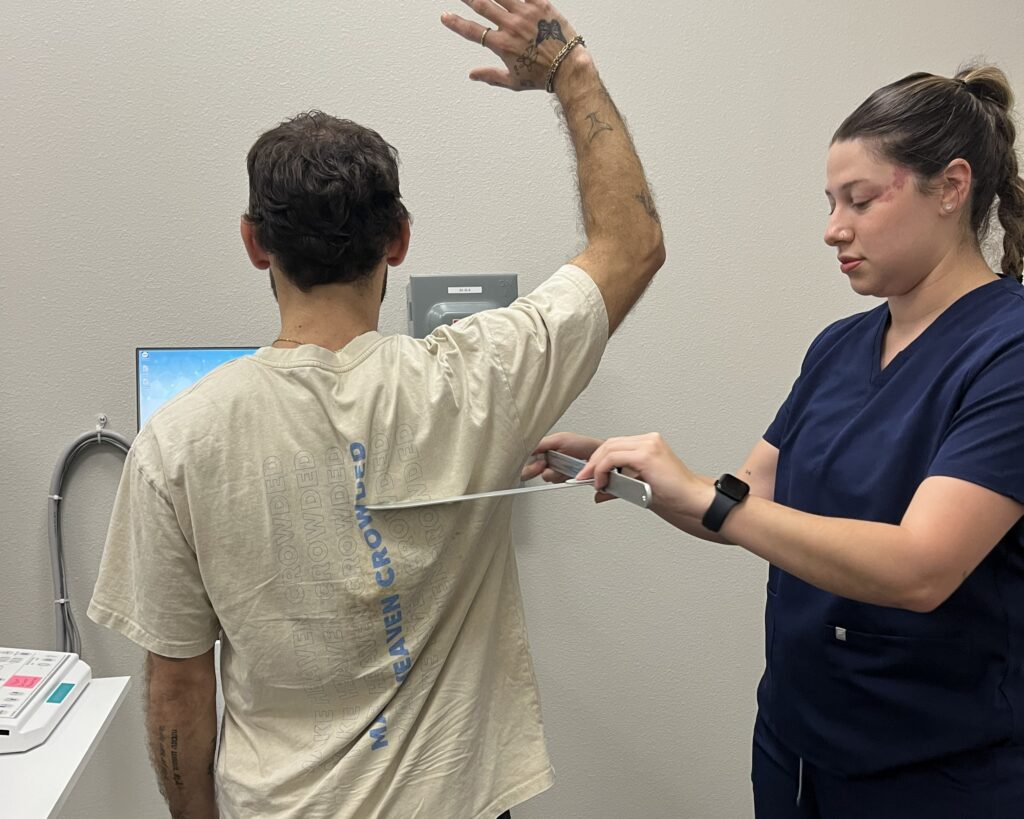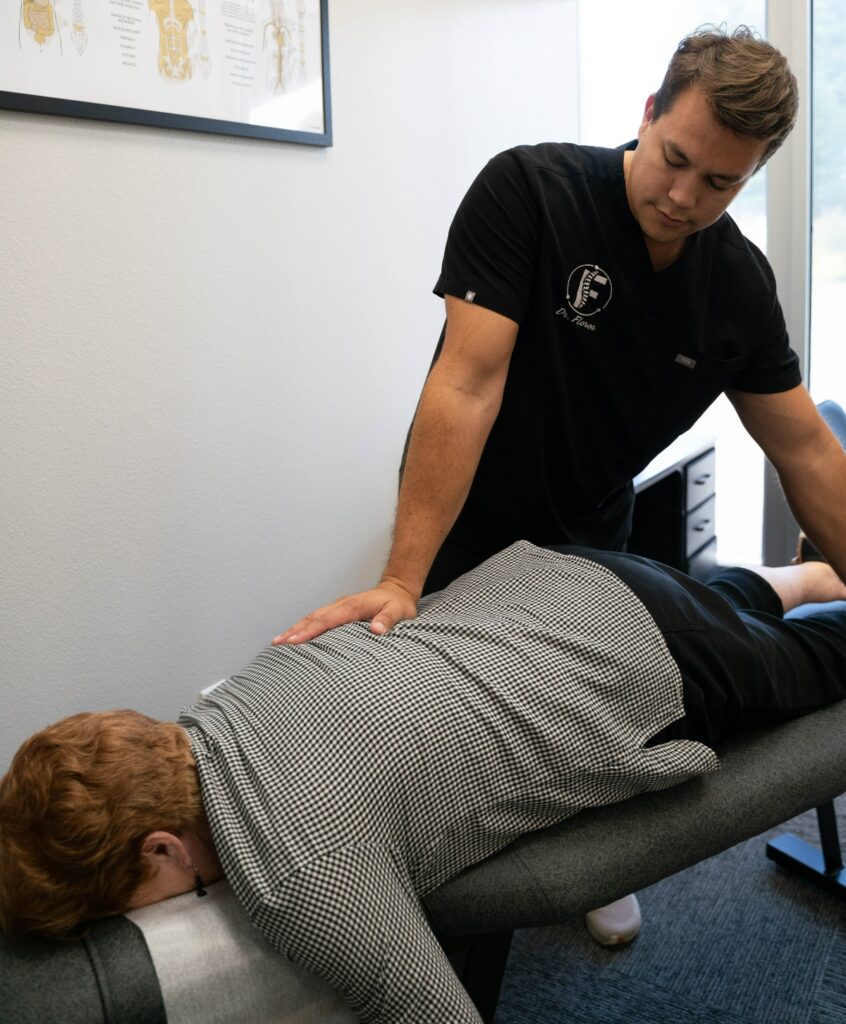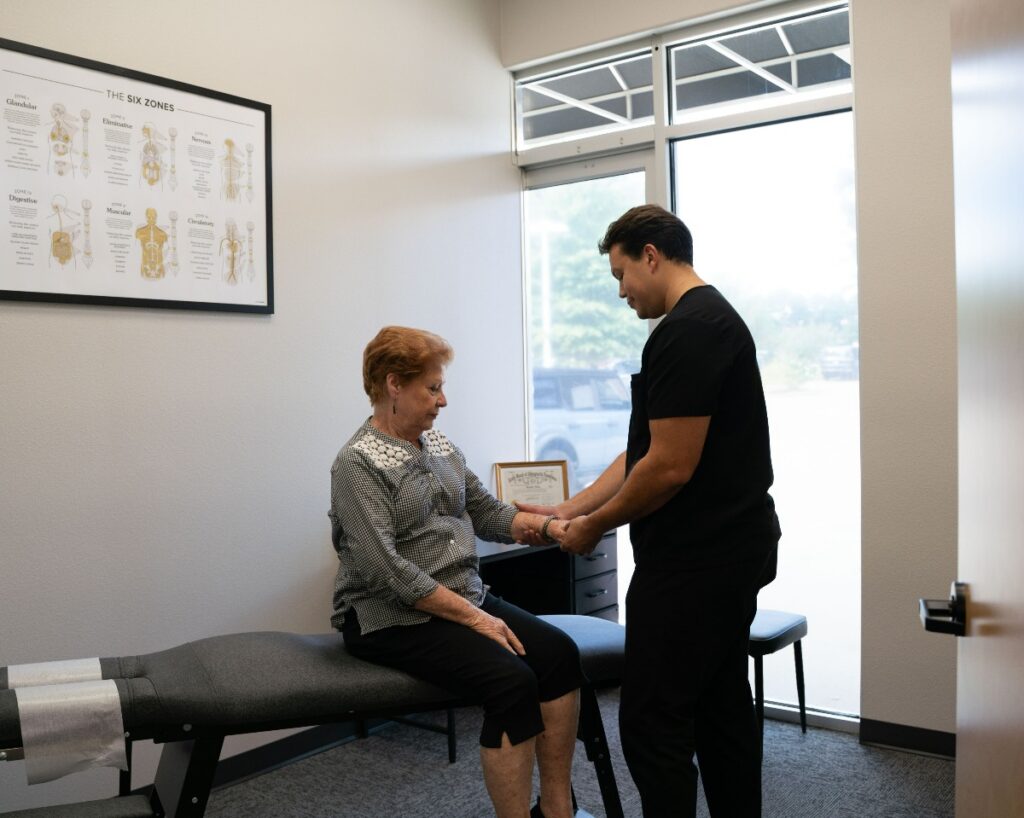

Improving your flexibility is not only essential for overall fitness but also plays a crucial role in injury prevention and enhancing spinal health. While many people think flexibility is solely about stretching, there’s so much more to it. Incorporating dynamic movements, understanding breath control, and even seeking chiropractic care can significantly elevate your routine and overall well-being.
As a chiropractor, I often see how tight muscles and restricted movement can lead to discomfort and pain. Fortunately, there are effective strategies you can adopt today to enhance your flexibility and support your spinal health. Here are some tips to get you started:
- Chiropractic Adjustments: Regular chiropractic care can help realign your spine, allowing for better movement and flexibility. This natural approach can relieve tension and improve your overall range of motion.
- Dynamic Movements: Instead of static stretching, try incorporating dynamic movements like leg swings, arm circles, or gentle twists into your warm-up. These movements can help prepare your body for activity and enhance flexibility.
- Breath Control: Focus on your breathing while you stretch. Deep, controlled breaths can help relax your muscles and increase blood flow, making it easier to stretch and improve flexibility.
- Warm Up Properly: Always warm up your muscles before engaging in any physical activity. A proper warm-up prepares your body and reduces the risk of injuries.
- Stay Hydrated: Water plays a vital role in muscle function. Staying hydrated can help keep your muscles pliable and reduce stiffness.
- Consistency is Key: Make flexibility training a regular part of your routine. Even just a few minutes a day can yield significant improvements over time.
- Listen to Your Body: Pay attention to how your body feels during stretches. Never push through pain; instead, ease into stretches and hold them gently.
- Use Props: Tools like foam rollers, yoga blocks, or resistance bands can help you achieve deeper stretches and improve flexibility safely.
- Incorporate Yoga or Pilates: These practices focus on flexibility, strength, and balance. They can significantly enhance your overall mobility and help support spinal health.
- Schedule Regular Check-Ups: Regular visits to your chiropractor can help maintain your flexibility and ensure that your spine is in optimal condition for movement.
By following these tips and considering chiropractic care as a part of your wellness routine, you can enhance your flexibility and enjoy a healthier, more active lifestyle. Remember, taking small steps consistently can lead to lasting results. Embrace the journey to better flexibility and overall health today!
Understand the Importance of Flexibility
Understanding the importance of flexibility is essential, especially in today’s fast-paced world. As a chiropractor, I can’t emphasize enough how flexibility plays a vital role in your overall physical health and well-being. When you prioritize flexibility, you enhance your range of motion, making daily activities easier and reducing the risk of injuries. This is particularly important for maintaining a healthy spine and ensuring your body can move freely without discomfort.
By incorporating flexibility exercises into your routine, you’ll find that your muscles recover faster after workouts, allowing you to stay active without pain or stiffness. This is a key component of natural healing and one of the many ways chiropractic care supports your journey to optimal health.
Flexibility isn’t just for athletes; it benefits everyone, regardless of age or fitness level. Improved flexibility can contribute to better athletic performance, increased blood flow, and enhanced posture. Additionally, incorporating stretching and flexibility exercises can aid in stress relief, helping you feel more relaxed and focused throughout your day.
Here are a few simple tips to improve your flexibility and overall wellness:
- Daily Stretching: Dedicate a few minutes each day to stretch major muscle groups, focusing on areas like your back, hips, and legs. This helps maintain flexibility and prevents stiffness.
- Incorporate Yoga or Pilates: These practices not only promote flexibility but also strengthen your core and improve posture. Many chiropractic offices offer classes or can recommend local studios.
- Warm-Up Before Activities: Always take the time to warm up before engaging in physical activity. This prepares your muscles and joints, reducing the risk of injury.
- Stay Hydrated: Proper hydration is essential for muscle function and flexibility, so make sure to drink plenty of water throughout the day.
- Consult with Your Chiropractor: Regular chiropractic adjustments can help improve spinal alignment, which in turn supports better flexibility and overall mobility.
By making flexibility a priority, you’re taking a significant step towards maintaining your health and well-being naturally. Remember, chiropractic care is a holistic approach that can help you achieve optimal health without the need for surgeries or medications.
Embrace flexibility, and your body will thank you!
Incorporate Dynamic Stretching Into Your Routine
Dynamic stretching is a fantastic way to improve your flexibility and prepare your body for physical activity, especially when paired with chiropractic care. As a chiropractor, I often emphasize the importance of a well-rounded routine that includes dynamic stretching to enhance your performance and reduce the risk of injury.
Incorporating effective dynamic stretching exercises not only helps your body move better but can also support spinal health and overall wellness. When your muscles and joints are properly warmed up, they function more efficiently, which is essential for maintaining a healthy spine and preventing pain.
To maximize the benefits of dynamic stretching, it’s crucial to time your routine right. Ideally, you should engage in dynamic stretches before any physical activity. This helps to increase blood flow to your muscles and prepares your body for movement.
Remember, always listen to your body and avoid overstretching—this can lead to injuries, which chiropractic care can help address and prevent.
Here are some simple dynamic stretches you can incorporate into your routine:
- Leg Swings: Stand next to a wall for support and swing one leg forward and backward, gradually increasing your range of motion.
- Arm Circles: Extend your arms out to the sides and make small circles, gradually making them larger to warm up your shoulder joints.
- Walking Lunges: Take a step forward into a lunge position, alternating legs. This engages your hips, glutes, and thighs.
By integrating dynamic stretching into your daily routine, alongside regular chiropractic care, you not only improve your flexibility but also promote natural healing and healthier living.
Benefits of Dynamic Stretching
Incorporating dynamic stretching into your routine can significantly enhance your flexibility and overall performance, particularly in the context of spinal health and wellness. As a chiropractor, I emphasize the importance of preparing your muscles for activity, and dynamic stretching does just that.
Unlike static stretching, which holds muscles in place, dynamic stretching involves movement that increases blood flow to your muscles, warming them up and reducing the risk of injuries during your workouts.
When you engage in dynamic stretching, you’re not just improving your range of motion; you’re also actively preparing your body for the physical challenges ahead. This can lead to better exercise performance, as it enhances coordination and balance—key components of maintaining good spinal alignment and overall body function.
By integrating dynamic stretching into your warm-up routine, you’re setting the stage for a more productive workout. You’ll likely notice that you feel more limber and agile, which can contribute to a healthier spine and reduce the likelihood of discomfort or pain.
Remember, a well-prepared body is less prone to injuries, and chiropractic care can support you in maintaining optimal health and wellness.
A few tips to get you started with dynamic stretching include:
- Leg Swings: Swing one leg forward and backward while holding onto a wall for balance. This helps loosen up your hip joints.
- Arm Circles: Extend your arms out to the sides and make small circles, gradually increasing the size. This activates the shoulder area.
- Torso Twists: Stand with feet shoulder-width apart and gently twist your torso side to side, which promotes spinal mobility.
Incorporating these movements into your routine can enhance your overall wellness and complement your chiropractic care, allowing you to move more freely and live a healthier life.
Effective Dynamic Stretching Exercises
To enhance your flexibility and prepare your body for exercise, incorporating a variety of dynamic stretching exercises into your routine can be incredibly beneficial. These stretches not only improve your range of motion but also promote spinal health—an essential aspect of overall wellness that chiropractic care emphasizes.
Start with leg swings. Stand next to a wall or sturdy surface for support, and gently swing one leg forward and backward while keeping your core engaged. This movement helps to loosen up your hips, which is crucial for maintaining a healthy spine.
Next, try arm circles. Extend your arms out to the sides and make small, controlled circles. This movement increases circulation in your shoulders, helping to alleviate tension and improve alignment—something we focus on in chiropractic care.
Don’t forget about torso twists! Stand with your feet shoulder-width apart and gently rotate your upper body side to side. This action helps to mobilize your spine and can relieve stiffness, making it an excellent addition to your routine.
Walking lunges are also fantastic; step forward into a lunge while reaching your arms overhead. This dynamic stretch not only engages your legs but also promotes proper posture and spinal alignment.
Lastly, incorporate high knees into your routine to elevate your heart rate and activate your hip flexors. This exercise stimulates blood flow and prepares your body for more strenuous activity, which aligns with the principles of natural healing that chiropractic care supports.
Integrating these dynamic stretches into your warm-up routine won’t only enhance your flexibility but also contribute to improved overall performance and spinal health.
Timing Your Stretching Routine
Finding the right timing for your stretching routine can greatly enhance your flexibility and overall performance, especially when combined with chiropractic care. As a chiropractor, I encourage you to embrace natural methods for achieving optimal health and wellness, and stretching is a key component of this.
To maximize the benefits of your stretching routine, start with dynamic stretching before your workouts. This type of stretching warms up your muscles, preparing them for activity and enhancing your range of motion. Spend about 5 to 10 minutes doing dynamic stretches such as leg swings and arm circles. Not only does this activate your body, but it also helps prevent injuries, which is vital for maintaining a healthy spine.
After your workout, it’s important to switch to static stretching. This helps cool down your muscles and improves flexibility, which is essential for maintaining a healthy spine and preventing discomfort. Hold each stretch for 15 to 30 seconds, allowing your muscles to relax and lengthen. This practice can be especially beneficial if you’re experiencing tightness, as it promotes muscle relaxation and can alleviate tension.
Always listen to your body. If you feel tightness or discomfort, don’t skip your stretching routine. Regular stretching can complement the benefits of chiropractic care, helping you maintain a healthy spine and overall wellness. Consistency is key, so make stretching a regular part of your routine for the best results.
Incorporating these simple stretching techniques into your daily life can lead to significant improvements in your overall health and well-being.
Practice Static Stretching Regularly
To enhance your flexibility and overall health, incorporating static stretching into your routine is essential. As a chiropractor, I often emphasize the importance of maintaining a healthy spine and body through natural methods. Static stretching, when performed correctly and at the right times, can aid in promoting spinal health and relieving tension.
Here are some tips to effectively integrate static stretching into your daily life:
- Warm Up First: Before you begin stretching, it’s crucial to warm up your muscles. A light walk or gentle movements can increase blood flow and prepare your body for stretching.
- Focus on Key Areas: Pay special attention to areas that often hold tension, such as the neck, shoulders, back, and hips. These areas are vital for maintaining proper spinal alignment and function.
- Hold Each Stretch: Aim to hold each static stretch for 15-30 seconds. This duration allows your muscles to relax and elongate, which can help alleviate discomfort and improve flexibility over time.
- Breathe Deeply: As you stretch, remember to breathe deeply. Inhaling and exhaling slowly can help your body relax further and enhance the effectiveness of your stretches.
- Listen to Your Body: It’s important to pay attention to how your body feels during stretching. Avoid pushing yourself too hard, as this can lead to injury. If you feel pain, ease off the stretch.
- Consistency is Key: Try to incorporate static stretching into your daily routine. Even just a few minutes a day can make a significant difference in your flexibility and overall well-being.
- Combine with Chiropractic Care: Regular chiropractic adjustments can complement your stretching routine by ensuring that your spine is in alignment. This alignment can facilitate better movement and flexibility, making your stretching efforts more effective.
Incorporating these practices not only helps improve flexibility but also supports your journey toward optimal health.
Benefits of Static Stretching
While many people often lean towards dynamic stretches during their warm-ups, it’s essential to recognize the powerful benefits of static stretching as part of your health and wellness routine. Regularly practicing static stretching can significantly improve your flexibility, which in turn can enhance your overall physical performance—whether you’re engaging in sports or simply going about your daily activities.
Static stretching works by allowing your muscles to lengthen and become more pliable, which is crucial for maintaining a healthy spine and preventing discomfort. Additionally, incorporating static stretches can increase blood flow to your muscles, promoting faster recovery after physical activity. This is especially important for those of us who may experience tension or discomfort in our back or neck, as improved circulation helps facilitate natural healing.
One of the key benefits of static stretching is its ability to prepare your muscles and joints for movement, thereby reducing the risk of injury. This is particularly valuable for individuals who are active or wish to maintain an active lifestyle.
Furthermore, taking the time to hold stretches can promote relaxation and help alleviate muscle tension, providing a much-needed mental break amid a busy day.
As a chiropractor, I encourage you to incorporate static stretching into your routine, as it not only enhances physical well-being but also contributes to your overall mental health. Remember to listen to your body and stretch gently, focusing on areas that feel tight or sore.
Best Times to Stretch
Incorporating static stretching into your daily routine can greatly enhance your overall health and wellness, especially when combined with chiropractic care. The most effective times to stretch are after your workouts or physical activities, as your muscles are warm and more pliable, making it easier to promote flexibility and prevent injury.
Starting your day with morning stretches can be a wonderful way to set a positive tone for the day. It not only increases blood flow but also prepares your body for the activities ahead.
Additionally, dedicating a few minutes to stretch before bed can help relax your muscles and improve your sleep quality, which is essential for recovery and overall well-being.
As a local chiropractor, I encourage you to aim for at least 15-30 minutes of dedicated stretching time a few times a week. Consistency is key; by integrating stretching into your daily routine, you can enhance your flexibility over time. This will make daily activities easier and allow you to exercise more effectively.
Remember, regular stretching can complement the benefits of chiropractic care, helping to alleviate pain and promote natural healing.
If you’re looking to improve your spinal health and overall wellness, consider scheduling a visit to your chiropractor. Together, we can develop a plan that incorporates stretching and other natural approaches to help you feel your best.
Common Stretching Techniques
Static stretching plays a crucial role in enhancing your flexibility and overall well-being, especially when paired with chiropractic care. Incorporating these stretches into your routine can’t only improve your mobility but also complement the benefits of chiropractic adjustments.
Here are four essential static stretching techniques that can help you feel better and support your journey towards optimal health:
- Hamstring Stretch: While sitting on the floor, reach for your toes while keeping your legs straight. This stretch can alleviate tension in your lower back, which is often linked to tight hamstrings.
- Quadriceps Stretch: Stand on one leg and gently pull your other foot towards your glutes. This stretch helps improve the mobility of your hips and thighs, which supports your spine’s alignment.
- Shoulder Stretch: Bring one arm across your body and use the opposite hand to deepen the stretch. This exercise can relieve tension in the upper back and neck, areas that often benefit from chiropractic care.
- Hip Flexor Stretch: Kneel on one knee, push your hips forward, and feel the stretch in the front of your hip. This stretch is important for maintaining proper posture and spinal health.
Incorporating these stretches into your daily routine can greatly contribute to your overall health and well-being. Regular stretching, combined with chiropractic care, can help alleviate pain, improve mobility, and promote a healthier lifestyle.
Use Foam Rollers for Myofascial Release
When it comes to enhancing your flexibility and relieving muscle tension, using foam rollers for myofascial release can truly make a difference.
These handy tools are excellent for breaking down muscle knots, improving blood circulation, and promoting relaxation—all key components of maintaining optimal health.
To get started with foam rolling, find a comfortable flat surface and position the foam roller under the muscle group you want to target.
Begin by rolling slowly back and forth, applying gentle pressure to any tight areas. Pay special attention to spots that feel tender; spending extra time on these areas can help release accumulated tension.
As you incorporate foam rolling into your routine, you may notice an improvement in your range of motion, making stretching easier and more effective.
This practice complements chiropractic care beautifully, as it prepares your muscles for better alignment and function.
For the best results, consider adding foam rolling to your regimen both before and after workouts.
This not only aids in recovery but also supports your body in maintaining flexibility.
Remember, chiropractic care is your best ally for achieving overall wellness, and foam rolling can be a valuable tool in your journey towards a pain-free, healthier life.
Warm-Up Properly Before Stretching
Foam rolling is an excellent way to start your journey towards improved flexibility, but it’s crucial to warm up properly before stretching to maximize your results. A good warm-up increases blood flow and prepares your muscles for deeper stretches, which can enhance your overall flexibility and well-being.
Here’s a simple guide to warming up effectively:
- Dynamic Movements: Start with light cardio to get your heart pumping. Activities like jogging in place or doing jumping jacks for 5-10 minutes can elevate your heart rate and prepare your body for movement.
- Joint Mobilization: Gentle circles with your arms, legs, and hips can help increase your range of motion. This simple practice can prepare your joints for stretching and reduce the risk of injury.
- Muscle Activation: Engage your key muscle groups with easy exercises like lunges or bodyweight squats. Activating these muscles helps them respond better when you stretch, making your routine more effective.
- Gradual Stretching: Incorporate dynamic stretches, such as leg swings or arm circles. These movements warm up specific areas and improve flexibility without putting too much strain on your muscles.
Remember, proper warm-up techniques not only enhance your flexibility but also contribute to better spinal health. Maintaining a healthy spine is essential for overall wellness, and incorporating chiropractic care can support your journey to optimal health.
Stay Hydrated for Optimal Muscle Function
Staying hydrated is crucial for keeping your muscles functioning at their best, which is vital for overall wellness and mobility. When you’re dehydrated, your body struggles to operate effectively, affecting not only your flexibility and strength but also your overall spinal health. Proper hydration supports the spinal discs, which act as cushions between the vertebrae.
Let’s delve into why water intake is so important and share some simple tips to ensure you’re staying hydrated.
First and foremost, drinking enough water helps maintain the elasticity of your muscles and joints. This is essential for avoiding stiffness and discomfort, which can often lead to misalignments in the spine.
As a chiropractor, I emphasize how spinal health is interconnected with overall physical wellness. When your muscles are well-hydrated, they can better support your spine during daily activities, enhancing your posture and reducing the risk of pain.
Here are some practical tips to help you maintain optimal hydration levels:
- Drink Water Regularly: Aim to drink water throughout the day, not just when you feel thirsty. Keeping a water bottle with you can serve as a reminder.
- Incorporate Hydrating Foods: Many fruits and vegetables, like cucumbers, oranges, and watermelon, have high water content. Adding these to your diet can boost your hydration.
- Set Goals: Consider setting a daily water intake goal. This can help you stay accountable and ensure you’re drinking enough.
- Listen to Your Body: Pay attention to signs of dehydration, such as dry mouth, fatigue, or dark urine. If you notice these signs, increase your water intake.
- Consult with Your Chiropractor: If you’re experiencing muscle tension or pain, it’s a great idea to discuss hydration with your chiropractor. They can provide personalized advice on maintaining hydration and how it supports your spine.
Importance of Water Intake
Hydration is key to maintaining optimal muscle function, and as a chiropractor, I can’t stress enough how important it’s for your overall health and wellness. Even mild dehydration can hinder your performance, particularly when it comes to flexibility and mobility.
When you stay properly hydrated, you support your muscles, which is crucial for maintaining a healthy spine. Here are four reasons why water intake is so important:
- Regulates Body Temperature: Keeping hydrated helps your body maintain a stable temperature, especially during physical activity. This is essential for avoiding unnecessary strain on your spine and muscles.
- Lubricates Joints: Good hydration is vital for keeping your joints well-lubricated. This reduces the risk of injuries and promotes better movement, which is crucial for spinal health.
- Enhances Nutrient Transport: Water plays a significant role in delivering essential nutrients to your muscles and tissues. This not only supports recovery but also helps in maintaining a strong and flexible spine.
- Boosts Energy Levels: Staying adequately hydrated can enhance your overall energy, making it easier to engage in flexibility exercises and daily activities. This can lead to better posture and spinal alignment.
Remember, by prioritizing your water intake, you’re not just staying hydrated; you’re also supporting your body’s natural healing processes.
Make it a habit to drink water throughout the day, especially before and after any physical activity. Your spine and overall health will thank you!
Effects of Dehydration
Dehydration can have a significant impact on your muscle function and overall mobility, which is crucial for maintaining a healthy spine. When your body doesn’t get enough water, your muscles can become stiff. This can lead to reduced flexibility and an increased risk of injury, especially when you’re trying to stay active. Proper hydration is key to keeping your muscles and connective tissues elastic and functioning well.
When you’re dehydrated, your body struggles to produce synovial fluid, which is vital for lubricating your joints. Without this natural lubricant, moving can become uncomfortable and even painful. If you ever feel fatigued or experience cramping during physical activities, it might be a sign that you need to hydrate more.
As a chiropractor, I want to emphasize that even slight dehydration can impair your performance and recovery, making it harder for your spine and body to heal and function optimally. By prioritizing hydration, you can support better muscle function, enhance your flexibility, and keep your body moving freely.
Here are some simple tips to help you stay hydrated:
- Drink Water Regularly: Aim to drink water throughout the day, not just when you’re thirsty. Keeping a water bottle with you can remind you to sip regularly.
- Eat Water-Rich Foods: Incorporate fruits and vegetables that have high water content, such as cucumbers, watermelon, and oranges, into your diet.
- Set Reminders: Use your phone or an app to set reminders to drink water, especially if you get busy and forget.
- Listen to Your Body: Pay attention to how you feel. If you notice symptoms like fatigue or cramping, take it as a cue to hydrate.
By focusing on your hydration, you’ll not only support your overall health but also optimize the benefits of chiropractic care. This approach helps you achieve and maintain a pain-free, active lifestyle, allowing your body to heal naturally and function at its best.
Best Hydration Practices
To maintain ideal muscle function and promote overall wellness, it’s crucial to adopt effective hydration practices. Staying hydrated not only enhances flexibility and supports your overall performance but also plays a significant role in your spinal health.
Here are some essential hydration tips that align with a natural approach to health:
- Drink Water Regularly: Aim to consume at least eight 8-ounce glasses of water daily. If you’re active or exercising, you may need to drink more to support your body’s needs.
- Monitor Electrolytes: Incorporate natural sources of electrolytes into your diet, such as bananas or coconut water. These can help replenish essential minerals lost during physical activity, contributing to better muscle and spinal function.
- Pre-Hydrate: It’s beneficial to drink water before, during, and after any exercise. This practice keeps your muscles and spine well-hydrated and helps them perform at their best.
- Listen to Your Body: Pay close attention to your body’s thirst signals. If you’re feeling thirsty, it’s a clear indication that your body needs fluids. Staying in tune with your body’s needs is vital for overall health.
By implementing these hydration strategies, you not only support muscle function but also contribute to a healthier spine and overall wellness.
Focus on Breath Control During Stretching
How can focusing on your breath enhance your stretching routine and support your overall health? As a chiropractor, I understand the vital connection between breath control and the well-being of your spine and muscles. When you concentrate on your breath, you foster a deeper mind-body connection, allowing you to relax into each stretch more effectively.
Inhale deeply through your nose, envisioning the area you’re stretching. This visualization helps your muscles expand and prepares them for movement. As you exhale slowly through your mouth, gently ease into the stretch, releasing any tension you may be holding. This rhythmic breathing not only aids in improving flexibility but also encourages you to remain present, making your stretching routine more enjoyable and beneficial for your spine.
To get the most out of your stretching, try to synchronize your breath with your movements. For example, breathe in as you prepare to stretch, and breathe out as you gently deepen into the stretch. Over time, this focus on breath control will enhance your flexibility and overall spinal health, allowing you to reach new limits in your physical capabilities without the need for invasive treatments.
Remember, it’s not just about the stretch; it’s about how you engage with your body and breath throughout the process. Embracing breath control can lead to improved posture, reduced tension, and a greater sense of well-being.
If you find yourself struggling with discomfort or stiffness, consider incorporating regular chiropractic care into your routine. A chiropractor can help address underlying issues and guide you on your path to optimal health through natural methods.
Set Realistic Goals and Track Your Progress
After you’ve established a connection between breath control and your stretching routine, it’s essential to set realistic goals for your flexibility journey, particularly when it comes to supporting your overall spinal health.
Setting achievable targets not only keeps you motivated but also allows you to track your progress effectively, which is a key aspect of maintaining a healthy body.
Here are some steps to guide you:
- Define Specific Goals: Identify what flexibility milestones you want to achieve that can benefit your spine, such as being able to touch your toes or improve your range of motion. These goals should align with your overall health objectives.
- Set a Timeline: Give yourself a realistic timeframe—whether it’s weeks or months—to reach these goals. This allows you to plan your stretching routine around your chiropractic care sessions for optimal results.
- Break It Down: Divide your main goal into smaller, manageable steps, such as increasing your stretch duration or frequency. This way, you can celebrate mini-victories, which can be motivating and help you stay on track.
- Track Your Progress: Keep a journal or use an app to log your flexibility improvements and any adjustments to your routine. Monitoring your progress can also help your chiropractor tailor your treatment plan to better suit your needs.
By incorporating these steps into your flexibility journey, you can enhance your overall health and well-being while complementing your chiropractic care.
Include Yoga or Pilates in Your Fitness Regimen
Incorporating yoga or Pilates into your fitness routine can significantly enhance your flexibility and support your spinal health. As a chiropractor, I understand the importance of maintaining a healthy spine, and both practices emphasize stretching, balance, and controlled movements that can help lengthen your muscles and improve your range of motion.
Yoga offers various poses that target specific muscle groups, promoting not only flexibility but also strength and mindfulness. Poses like Downward Dog and Pigeon are great examples; they stretch key areas of your body, helping you achieve deeper flexibility over time. This can alleviate tension and discomfort in your back, ultimately contributing to better spinal alignment.
Pilates, on the other hand, focuses on core strength and stability, which are crucial for supporting your flexibility goals. The controlled movements in Pilates encourage you to engage your muscles while stretching. This dual approach helps you develop both strength and flexibility simultaneously, which is essential for maintaining a healthy spine.
To get the most out of your yoga or Pilates practice, here are a few tips:
- Listen to Your Body: Pay attention to how your body feels during stretches. If something doesn’t feel right, don’t push through the pain.
- Breathe Deeply: Focus on your breath. Deep breathing can enhance your relaxation and the effectiveness of your stretches.
- Consistency is Key: Regular practice will yield better results. Aim for a few sessions each week to see improvements in flexibility and overall spinal health.
Remember, while yoga and Pilates can be beneficial, chiropractic care is essential for addressing underlying spinal issues. Regular adjustments can help maintain proper alignment, allowing your body to function at its best.
Be Consistent and Patient With Your Practice
To achieve lasting improvements in flexibility and overall wellness, it’s essential to be consistent and patient with your practice. Flexibility doesn’t develop overnight; it requires time, dedication, and a holistic approach to health.
As a chiropractor, I believe that maintaining flexibility is vital for spinal health and overall body function. Here are some practical tips to help you stay on track while enhancing your well-being:
- Set a Routine: Designate specific days and times each week for your stretching and flexibility exercises. Just like regular chiropractic adjustments, consistency in your practice will yield the best results.
- Start Gradually: Listen to your body and avoid pushing yourself too hard too quickly. Just as with chiropractic adjustments, it’s important to take small steps. Gradually increase the intensity of your stretches to prevent injury and promote natural healing.
- Incorporate Variety: Keep your practice engaging by trying out different types of stretches and techniques. This not only helps maintain interest but also targets various muscle groups, enhancing your overall flexibility and spinal health.
- Monitor Your Progress: Consider keeping a simple journal to track your flexibility journey. Note any improvements and celebrate your milestones, no matter how small. This will help keep you motivated and reinforce the benefits of your consistent efforts.
Remember, chiropractic care can be an integral part of your journey to optimal health. Regular adjustments can help improve your flexibility, reduce pain, and enhance your overall well-being.
Embrace the process, and stay committed to your health goals!
Conclusion
Improving your flexibility is a journey that requires time and dedication, and as a chiropractor, I believe that incorporating chiropractic care can greatly enhance your progress. Remember to always warm up your muscles before stretching, and try to include both dynamic and static stretches in your routine. Focusing on your breath during these exercises can also help in easing tension throughout your body.
Incorporating activities like yoga or Pilates can be incredibly beneficial for flexibility and overall spinal health. These practices not only promote flexibility but also strengthen your core, which is essential for maintaining a healthy spine. Consistency is key, so make sure to set realistic goals and track your progress to stay motivated.
Chiropractic adjustments can also play a significant role in improving your flexibility. By ensuring that your spine is properly aligned, you can alleviate tension and restrictions in your muscles, which allows for greater range of motion.
Remember, patience and persistence are essential. With the right approach, including chiropractic care, you’ll be on your way to enhanced flexibility and overall well-being. Embrace this journey and enjoy the benefits of a more flexible and healthier lifestyle!