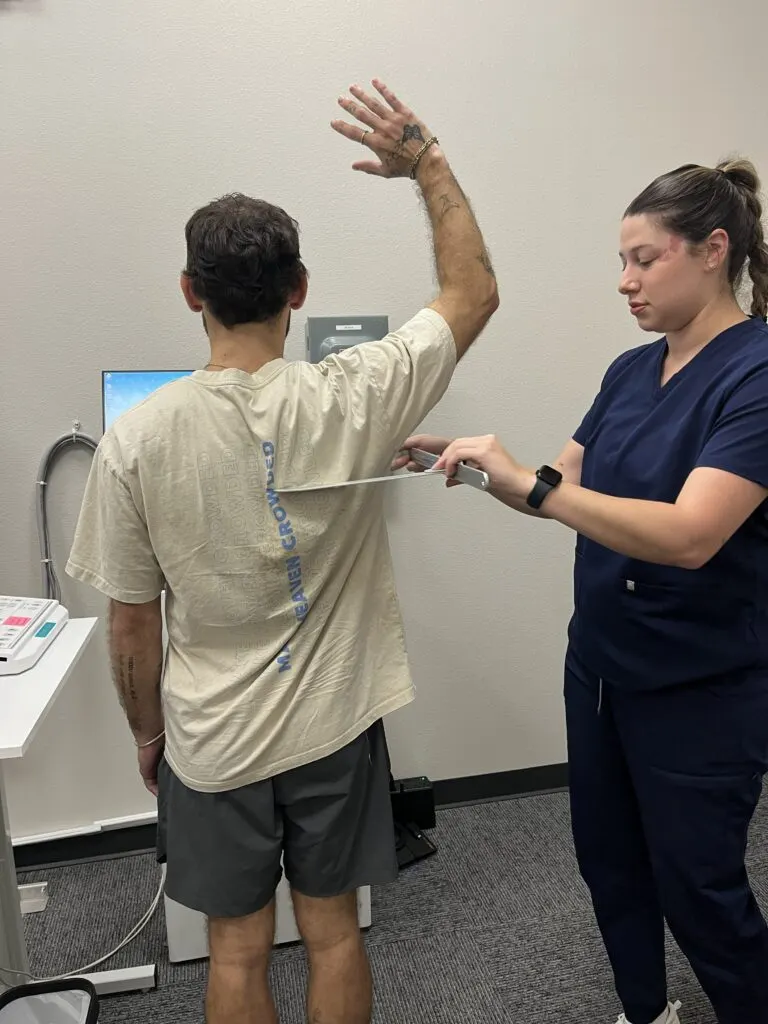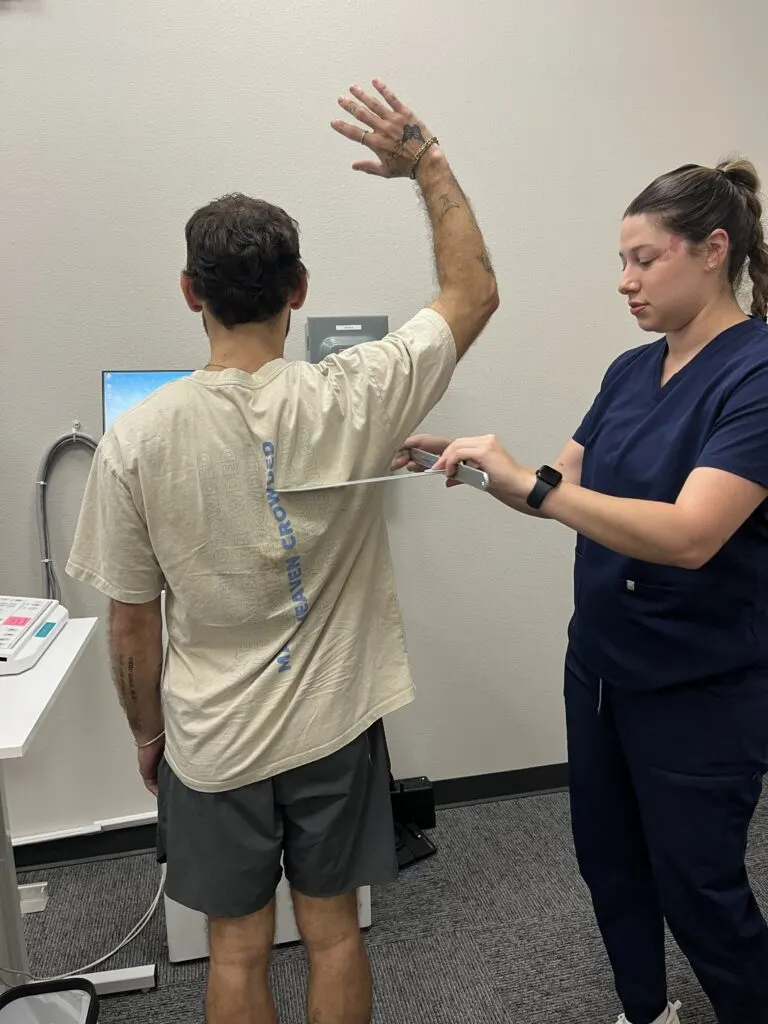


If you’re an athlete dealing with a sharp, shooting pain that radiates from your lower back down through your leg, there’s a good chance sciatica is at the root of it. For active people here in Tyler, TX, this kind of pain can feel especially frustrating — it shows up right when you’re pushing your hardest, and it doesn’t always stop just because you need to compete or train. The good news is that sciatica in athletes is very well understood, and with the right approach, most people can manage their symptoms and stay active through the recovery process. At Flores Chiropractic, we work with athletes at all levels to address the underlying causes of sciatic pain and help them get back to doing what they love.
What is sciatica? Sciatica refers to pain that travels along the path of the sciatic nerve, which runs from the lower back through the hips and buttocks and down each leg. It’s not a diagnosis on its own but rather a symptom of an underlying issue — often a compressed or irritated nerve root in the lumbar spine.
What Causes Sciatica in Athletes
Athletes put their bodies through a lot — repetitive loading, high-impact movements, explosive forces, and sustained postures that the average person never encounters. Any of these stressors can contribute to conditions that irritate or compress the sciatic nerve. Understanding the most common underlying causes is the first step toward meaningful, lasting relief.
One of the most frequent culprits is a herniated or bulging disc in the lumbar spine. The discs between your vertebrae act as shock absorbers, and in sports that involve heavy lifting, repeated bending, or twisting — like football, weightlifting, rowing, or golf — those discs can shift out of position and press against a nearby nerve root. When that nerve root happens to be part of the sciatic nerve, the familiar pain, tingling, or numbness begins.
Piriformis syndrome is another common cause in the athletic population. The piriformis is a small but important muscle deep in the buttock, and in many people the sciatic nerve runs directly beneath it — or even through it. Sports that involve a lot of running, lateral cutting, or hip rotation can cause this muscle to tighten and clamp down on the nerve. Runners in particular are prone to this, and here in Tyler, TX, where road races and cross-country training are popular, Dr. Ricardo Flores sees this pattern regularly.
Lumbar joint dysfunction — sometimes called spinal subluxation in chiropractic terms — is also a contributing factor. When the vertebrae in the lower back aren’t moving freely or are slightly misaligned, they can create localized inflammation and nerve irritation. This kind of dysfunction is often subtle and builds gradually, which is why athletes sometimes dismiss early warning signs until the pain becomes hard to ignore.
Finally, tight hip flexors and weak core muscles are biomechanical risk factors that many athletes overlook. When the muscles that support the lumbar spine are imbalanced, the spine compensates in ways that increase stress on the discs and nerve roots. Over time, this creates the perfect environment for sciatic nerve irritation to develop.
Recognizing the Symptoms
Sciatica has a fairly distinctive set of symptoms, but it doesn’t always look the same from person to person — or even from sport to sport. Knowing what to watch for can help you catch it early and avoid training through pain that’s trying to tell you something important.
The hallmark symptom is a pain that radiates from the lower back or buttock down one leg, sometimes traveling all the way to the foot. The quality of that pain varies widely — some athletes describe it as sharp and electric, while others feel a deep, aching soreness or a burning sensation along the back of the thigh. It usually affects only one side of the body, though bilateral symptoms are possible in some cases.
Beyond pain, sciatica can cause numbness or tingling in the leg or foot, and in more significant cases, a feeling of weakness in the affected limb. Athletes might notice that their leg feels heavier than usual, that they’re losing explosive power on one side, or that certain movements — like a sprint start, a heavy squat, or a hard serve in tennis — suddenly produce a jolt of nerve pain.
Position and activity often influence symptoms. Many athletes find that sitting for extended periods, bending forward, or carrying a loaded pack aggravates their sciatica, while walking or gentle movement provides temporary relief. Others experience the opposite — extended standing or prolonged activity makes things worse. Paying attention to these patterns can give your chiropractor valuable information when mapping out a care plan.
How Chiropractic Care Fits In
Chiropractic care is widely recognized as one of the most effective non-surgical, drug-free approaches for managing sciatica. The American College of Physicians and other leading healthcare organizations have endorsed spinal manipulation as a first-line treatment for acute and chronic low back and radicular pain — which is the clinical term for the kind of nerve pain sciatica produces. For athletes who want to stay active and avoid dependency on pain medications, this matters a great deal.
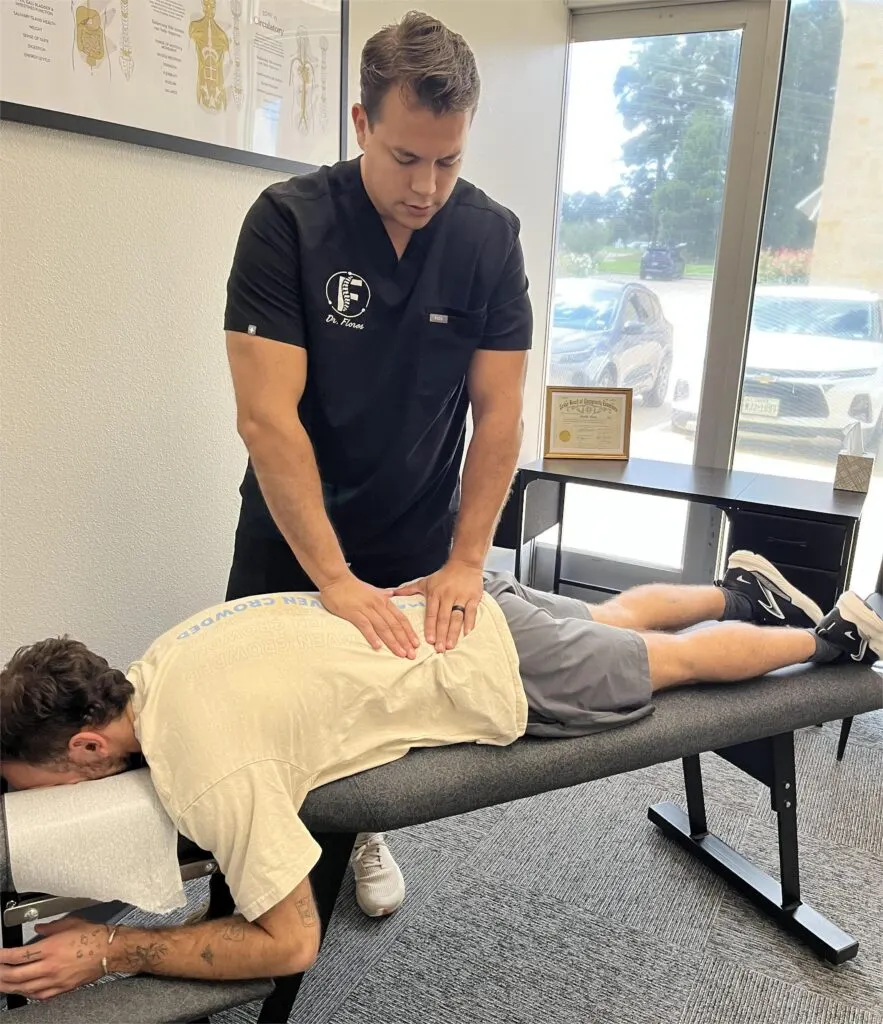
At Flores Chiropractic in Tyler, TX, Dr. Ricardo Flores begins by thoroughly evaluating the spine, pelvis, and lower extremities to identify the root cause of the sciatic nerve irritation. This is important because no two cases of sciatica are exactly the same, and what works for a disc herniation may not be the right approach for piriformis syndrome or a lumbar joint restriction. A precise diagnosis guides a more precise — and effective — treatment plan.
Chiropractic spinal adjustments aim to restore proper movement and alignment to the vertebral joints. When joints move freely and are in better alignment, pressure on the surrounding nerves is reduced, inflammation decreases, and the nervous system can function more efficiently. Research published in journals like the Spine Journal and reviewed by the Cochrane Library suggests that spinal manipulation can meaningfully reduce pain and improve function in patients dealing with sciatica.
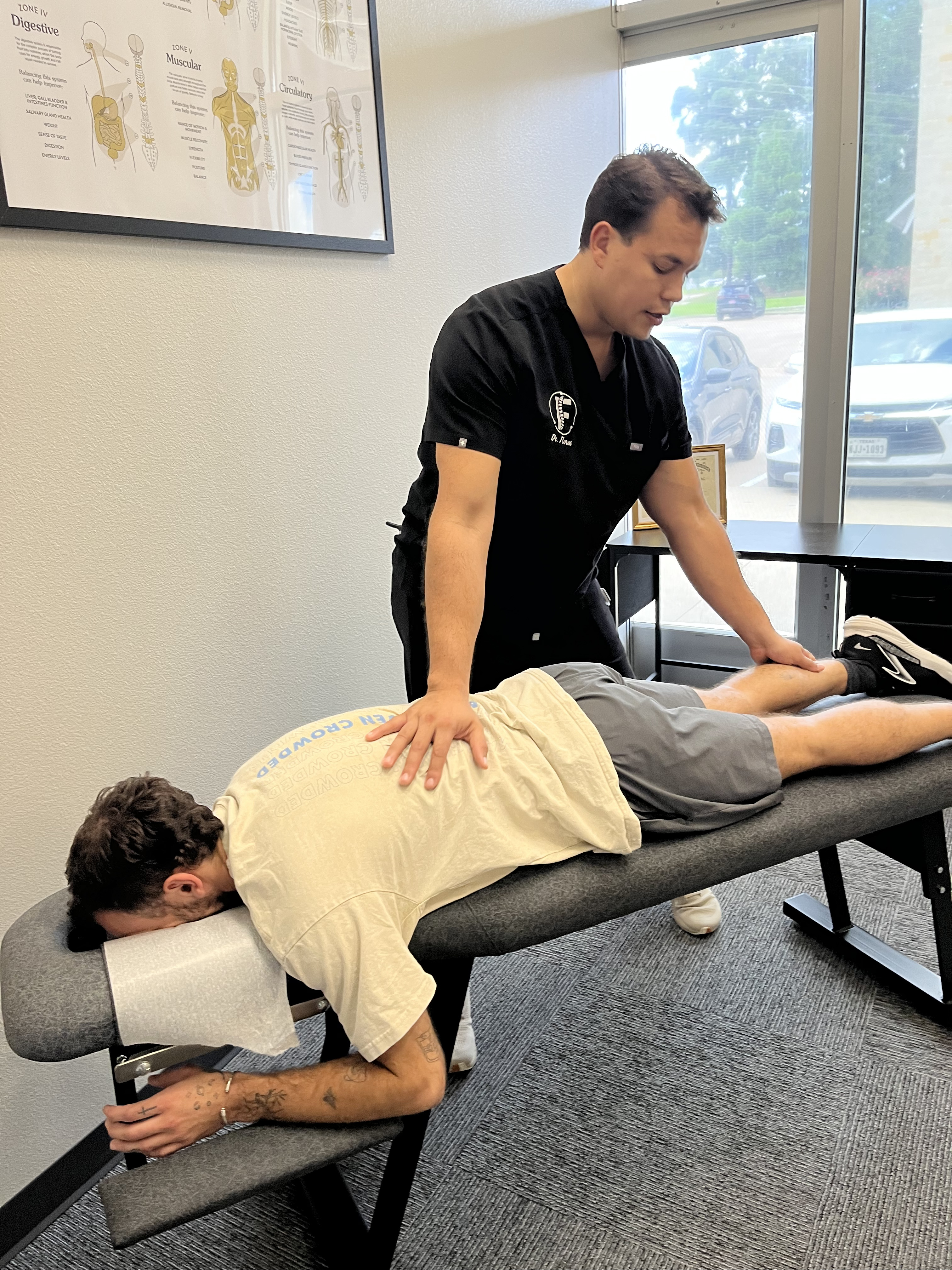
Soft tissue techniques are often incorporated alongside adjustments, particularly when piriformis syndrome or myofascial tightness is contributing to the problem. Therapeutic modalities, targeted movement guidance, and corrective exercise recommendations may also be part of the care plan at Flores Chiropractic, depending on what each athlete’s body specifically needs. The goal is always to reduce pain, improve mobility, and help athletes get back to their sport safely — not to keep them off the field indefinitely.
Practical Tips for Athletes Managing Sciatica
There are several things athletes can do day-to-day to support their recovery and reduce flare-ups while continuing to stay as active as possible. These aren’t substitutes for professional care, but they complement what’s happening in the treatment room and help maintain progress between visits.
First and foremost, listen to your body. Pain is information. Training through sharp, radiating nerve pain almost always makes sciatica worse and can delay healing. That doesn’t mean you need to stop moving entirely — in fact, prolonged rest tends to be counterproductive. But modifying your training to remove the specific movements that aggravate your symptoms is a smart, practical strategy.
Hip and piriformis stretching can be genuinely helpful for athletes whose sciatica is related to soft tissue tension. Gentle movements like a supine figure-four stretch or a seated pigeon pose can reduce tension on the sciatic nerve pathway. Consistency matters more than intensity here — a short stretch held calmly and regularly will do more good than an aggressive stretch done infrequently.
Core strengthening is a long-term investment in lumbar spine health. Building endurance in the deep stabilizing muscles — not just the surface-level abs — gives your lower back better support during athletic movements. Exercises like dead bugs, bird dogs, and pallof presses are commonly recommended because they build stability without placing excessive load on the spine. Ask Dr. Ricardo Flores or another qualified professional before starting any new exercise program if you’re currently in a flare.
Pay attention to your posture and ergonomics when you’re off the field. Athletes sometimes spend hours sitting at a desk, driving, or hunched over a phone — and all of those positions place sustained stress on the lumbar discs and nerve roots. Breaking up long periods of sitting with short walks, adjusting your seat position, and being mindful of how you lift objects out of your car or gym bag can make a meaningful difference over time.
When to See a Chiropractor
If you’re an athlete in the Tyler, TX area and you’ve been dealing with lower back pain that radiates into your leg — even if it comes and goes — it’s worth getting evaluated sooner rather than later. Sciatica that’s addressed early is typically easier to resolve and less likely to become a chronic, recurring problem.
There are also certain situations where it’s important to seek care promptly. If your sciatic pain is severe, has lasted more than a few weeks without improvement, or is significantly limiting your ability to train or compete, that warrants a professional evaluation. Significant muscle weakness in the leg, loss of bladder or bowel control, or numbness in the groin or inner thighs are red flag symptoms that require immediate medical attention — these could indicate a more serious condition called cauda equina syndrome, and you should go to an emergency room right away in that case.
For most athletes, though, sciatica falls well within the scope of chiropractic care. Dr. Ricardo Flores is experienced in evaluating active patients and developing care plans that respect their athletic goals. The aim isn’t to sideline you — it’s to help you move better, feel better, and perform better for the long haul.
Sciatica Triggers vs. Aggravating Movements
|
Common Trigger / Cause |
Sports / Activities Most Affected |
Movements That Often Aggravate |
|---|---|---|
|
Lumbar disc herniation |
Weightlifting, rowing, football, golf |
Forward bending, heavy squatting, sustained sitting |
|
Piriformis syndrome |
Running, cycling, soccer, tennis |
Hip rotation, lateral cuts, prolonged sitting |
|
Lumbar joint dysfunction |
Any sport with repetitive spinal loading |
Twisting, extension, high-impact landings |
|
Tight hip flexors / weak core |
Cycling, swimming, desk athletes |
Sprint starts, overhead lifts, pelvic instability movements |
|
Sacroiliac joint irritation |
Running, gymnastics, martial arts |
Single-leg loading, stair climbing, asymmetrical movements |
Myths vs. Facts About Sciatica in Athletes
Myth: You need to stop all physical activity until sciatica goes away.
Fact: Complete rest is rarely the best approach for sciatica. Evidence consistently supports staying gently active, modifying training to avoid pain-provoking movements, and using targeted exercises to support recovery. Prolonged inactivity can actually worsen muscle weakness and prolong recovery time.
Myth: Sciatica always means you have a serious spinal injury.
Fact: Many cases of sciatica in athletes are caused by muscle tightness, joint dysfunction, or minor disc irritation — none of which are catastrophic. While some cases do involve disc herniation, the majority respond very well to conservative care like chiropractic treatment without any need for surgery.
Myth: Only older athletes get sciatica.
Fact: Sciatica can and does affect athletes of all ages. Young athletes who participate in high-impact or high-volume sports are just as susceptible. At Flores Chiropractic in Tyler, TX, Dr. Ricardo Flores evaluates and treats athletes across a wide range of ages, from high school competitors to adult weekend warriors.
Myth: If the pain goes away on its own, the problem is resolved.
Fact: Pain relief and full resolution of the underlying cause are not the same thing. Sciatica that goes away without treatment and then returns repeatedly is a sign that the root cause — whether it’s a movement pattern, joint dysfunction, or muscular imbalance — hasn’t been fully addressed. Getting evaluated even during a pain-free window can help prevent future flare-ups.
Myth: Chiropractic care is only for back pain, not nerve-related symptoms.
Fact: Chiropractic care is specifically well-suited for nerve-related conditions like sciatica because it addresses the spinal and musculoskeletal structures that are often responsible for nerve irritation. Spinal adjustments, soft tissue work, and corrective movement guidance all target the mechanical sources of nerve compression — not just the surface-level pain.
Final Thoughts from Flores Chiropractic
Being an athlete means you’ve already proven you understand commitment, discipline, and the ability to push through challenge. But sciatica is one of those things that rewards patience and smart management over brute force. Trying to grind through radiating nerve pain without addressing the cause is a short road to a longer recovery.
Here at Flores Chiropractic in Tyler, TX, Dr. Ricardo Flores is genuinely passionate about helping active people stay active. Whether you’re a competitive runner, a weekend softball player, a high school football player, or someone who simply refuses to let pain slow you down, our approach is always focused on understanding your body, identifying the true source of your discomfort, and building a care plan that works with your life — not against it.
Sciatica in athletes is manageable. Most people respond well to conservative chiropractic care, and many are able to continue training in some capacity throughout the process. If you’ve been dealing with that familiar shooting, burning, or radiating pain down your leg, don’t wait it out and hope it disappears. Reach out to our team at Flores Chiropractic and take the first step toward real, lasting relief.
Frequently Asked Questions
Can I keep training if I have sciatica?
In many cases, yes — with modifications. The key is to identify which movements aggravate your symptoms and temporarily avoid those while continuing lower-impact activity. A chiropractor can help you determine what’s safe based on your specific presentation.
How long does sciatica typically last for athletes?
Duration varies depending on the underlying cause and how quickly it’s addressed. Many acute cases improve within a few weeks with appropriate care. Chronic or recurring sciatica may take longer to resolve, especially if the root cause hasn’t been properly treated.
Is chiropractic adjustment safe for athletes with sciatica?
For the vast majority of athletes, chiropractic adjustments are a safe and effective part of sciatica management. Dr. Ricardo Flores conducts a thorough evaluation before beginning any care to ensure the approach is appropriate and tailored to each individual’s condition.
What’s the difference between sciatica and general low back pain?
General low back pain is typically localized to the lower back region. Sciatica specifically involves pain, tingling, or numbness that travels along the sciatic nerve pathway — from the lower back or buttock down the back of one leg, sometimes reaching the foot. The radiating quality is the defining characteristic.
Can strengthening exercises prevent sciatica from coming back?
Yes, targeted strengthening — especially of the core and hip musculature — is one of the most effective tools for reducing the risk of sciatica recurrence. Building a stable foundation takes pressure off the lumbar discs and nerve roots during athletic movement. A chiropractor or rehabilitation specialist can guide you toward the right exercises for your needs.
Do I need an MRI before seeing a chiropractor for sciatica?
Not necessarily. Most cases of sciatica can be thoroughly evaluated through a clinical examination, movement assessment, and health history. Imaging may be recommended if there are red flag symptoms or if symptoms don’t respond as expected to initial conservative care. Dr. Ricardo Flores will guide you through that decision based on your individual situation.
TL;DR Summary
-
Sciatica in athletes is most often caused by lumbar disc issues, piriformis syndrome, joint dysfunction, or muscular imbalances — all of which are manageable with proper care.
-
Symptoms include radiating pain, tingling, or numbness from the lower back down one leg, sometimes accompanied by weakness in the affected limb.
-
Chiropractic care, including spinal adjustments and soft tissue work, is a well-supported, non-surgical approach for relieving sciatic nerve pain and restoring function.
-
Athletes can often remain active during recovery by modifying training, stretching the hip region, and building core stability.
-
If you’re experiencing sciatica symptoms in the Tyler, TX area, Dr. Ricardo Flores at Flores Chiropractic can help you identify the cause and build a plan to get you back to your sport safely.