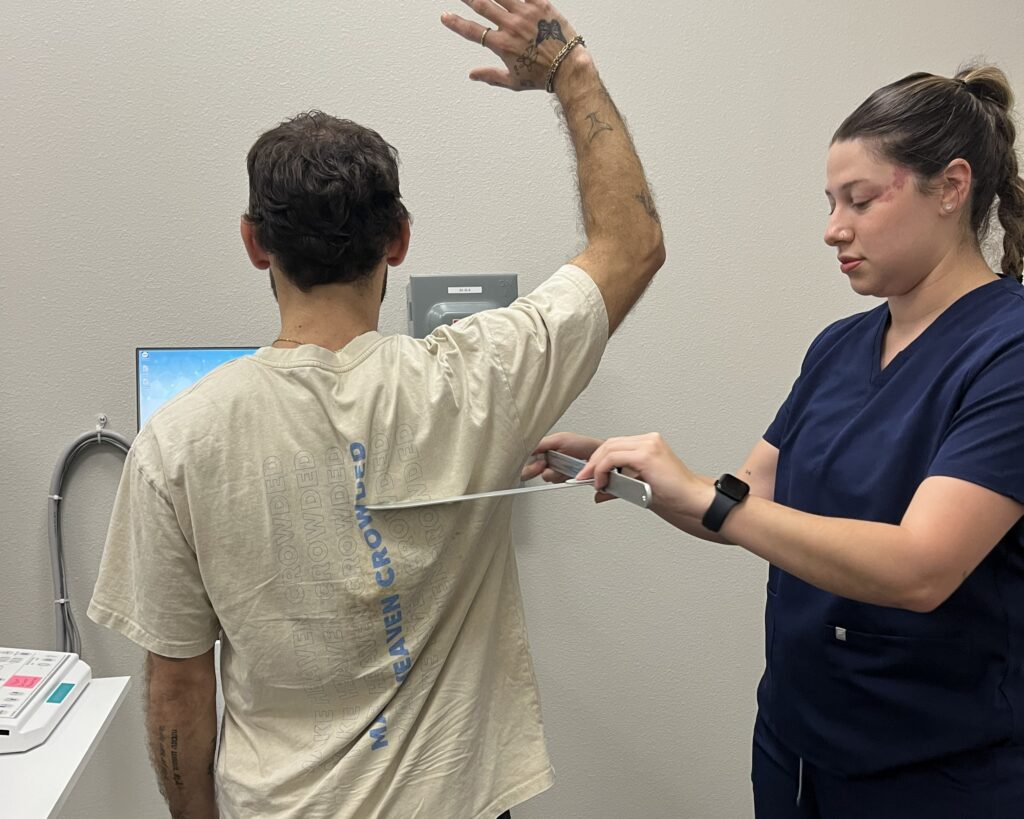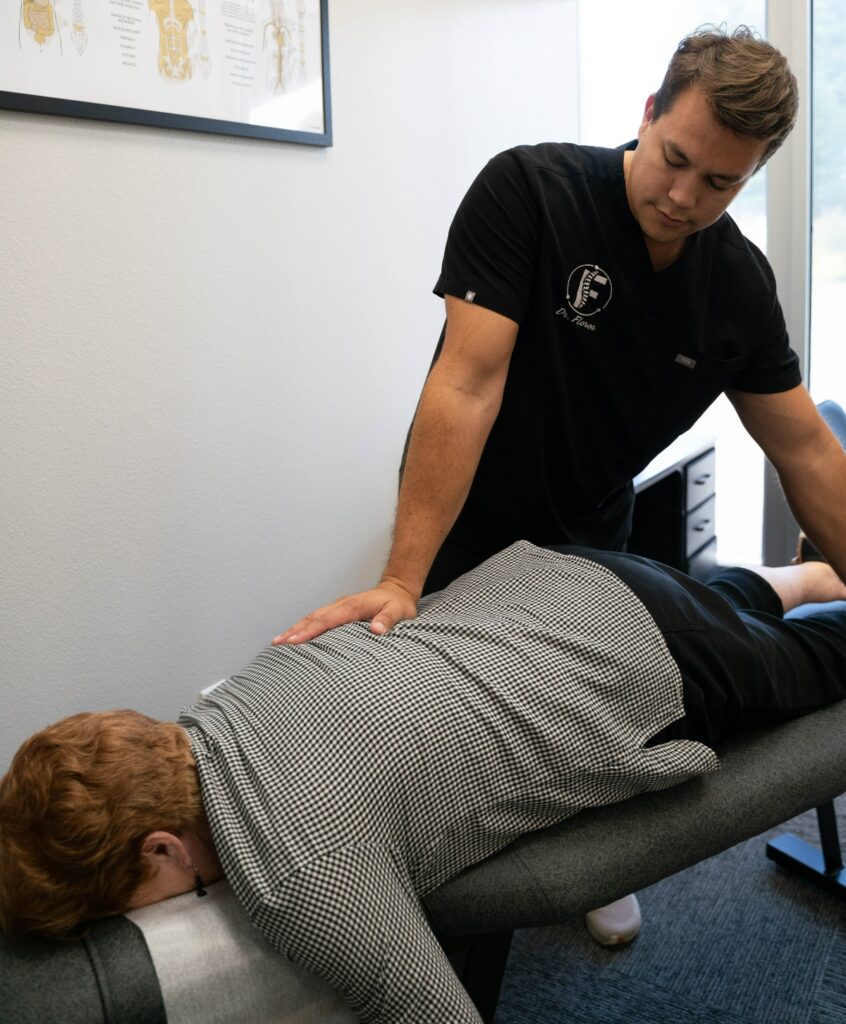

If you’ve ever dealt with headaches, you understand how they can disrupt your daily life. Fortunately, safe chiropractic solutions can help you tackle not only the pain but also the root causes of your headaches. Through gentle spinal adjustments and soft tissue therapy, you can find relief while enhancing your overall well-being.
So, what specific techniques can truly make a difference in your headache management? Chiropractic care focuses on aligning your spine and optimizing your nervous system function, which plays a crucial role in your overall health. Regular chiropractic adjustments can help alleviate tension, improve blood flow, and reduce stress, all of which are important factors in headache relief.
Here are some general tips to keep in mind for managing headaches naturally:
- Stay Hydrated: Dehydration can lead to headaches. Make sure to drink plenty of water throughout the day.
- Practice Good Posture: Poor posture can put extra strain on your neck and back, leading to headaches. Be mindful of your posture while sitting and standing.
- Incorporate Relaxation Techniques: Techniques such as deep breathing, meditation, or yoga can help reduce stress and tension in your body.
- Regular Chiropractic Visits: Regular check-ups with your chiropractor can keep your spine aligned and help prevent headaches from occurring.
- Exercise Regularly: Engaging in regular physical activity can help improve your overall health and reduce the likelihood of headaches.
By embracing chiropractic care and these healthy habits, you can take control of your headaches and work towards achieving optimal health naturally. Remember, your well-being is within your reach, and chiropractic care is here to guide you on that journey!
Key Takeaways
Chiropractic care is a natural and effective solution for addressing spinal misalignments and muscle tension that can lead to various types of headaches. By focusing on the spine, we can help alleviate headache symptoms while also enhancing the overall function of your nervous system.
Regular spinal adjustments play a crucial role in managing headaches. These adjustments not only relieve tension but also improve the communication between your body and brain, leading to better health overall. Additionally, incorporating soft tissue therapy can boost your muscle flexibility and reduce the tightness that often triggers headaches.
To maximize the benefits of chiropractic care, consider making some lifestyle changes. Staying properly hydrated and maintaining good posture are simple yet powerful ways to support your head and neck health. Remember, your habits can significantly impact how you feel!
If you’re experiencing persistent, intense, or frequent headaches, it’s important to seek chiropractic care, especially if you’re also dealing with symptoms like nausea or changes in vision. Our goal is to help you find relief naturally, guiding you on your path to optimal health and wellness.
By embracing chiropractic care and making supportive lifestyle choices, you can take control of your health and enjoy a headache-free life.
Understanding Different Types of Headaches
When you experience a headache, it’s important to understand that not all headaches are the same, and this knowledge can lead you to effective relief. As a chiropractor, I want to emphasize that many headaches can often be linked to spinal health and overall wellness.
Tension headaches are the most common type, frequently triggered by stress, muscle tension, or poor posture. These may present as a constant, dull ache on both sides of your head. To help alleviate tension headaches, consider incorporating regular chiropractic adjustments into your routine. This can improve spinal alignment, reduce muscle tension, and promote relaxation.
Migraines can be more debilitating, presenting intense, throbbing pain, often accompanied by nausea or sensitivity to light. While these can be challenging, chiropractic care can offer natural relief. Techniques such as spinal manipulation and massage can help reduce the frequency and intensity of migraines by addressing underlying issues related to spinal health.
Cluster headaches, though less common, can be excruciating and typically occur in cycles. Chiropractic care can help manage pain and may reduce the frequency of these headaches by improving overall spinal function and relieving neck tension.
Sinus headaches often arise from sinus infections and lead to pressure and pain in the forehead and cheeks. While these headaches may seem to stem from sinus issues, addressing any misalignments in the cervical spine through chiropractic care can often help improve drainage and reduce discomfort.
In addition to regular chiropractic visits, here are some general tips for managing headaches naturally:
- Maintain Good Posture: Be mindful of your posture, especially during long periods of sitting. Use ergonomic chairs and take breaks to stretch.
- Stay Hydrated: Dehydration can contribute to headaches, so be sure to drink plenty of water throughout the day.
- Manage Stress: Incorporate relaxation techniques such as deep breathing, meditation, or yoga into your daily routine.
- Get Enough Sleep: Aim for a consistent sleep schedule and ensure you’re getting restful sleep each night.
- Exercise Regularly: Engaging in regular physical activity can help reduce tension and improve overall health.
By understanding the different types of headaches and their potential connections to spinal health, you can take proactive steps toward effective relief.
The Role of Chiropractic Care in Headache Management
Chiropractic care is a vital approach to managing headaches by targeting the underlying issues often linked to spinal misalignments and muscle tension. When you come to see me, I’ll carefully assess your posture, neck, and spine to uncover any irregularities that might be contributing to your headache pain. By addressing these specific areas, chiropractic adjustments can relieve muscle tension and enhance blood circulation, which often leads to a reduction in headache symptoms.
Beyond just alleviating headaches, chiropractic care supports your overall wellness by fostering a healthier lifestyle. I’ll guide you in stress management techniques, simple stretching exercises, and ergonomic tips for your workspace to help minimize headache triggers.
Many of my patients discover that regular chiropractic visits not only help ease their current headaches but also play a significant role in preventing them from happening in the future.
By prioritizing chiropractic care, you’re taking proactive steps toward better headache management and enhancing your overall health. This allows you to experience life more fully, with fewer interruptions from pain.
Spinal Adjustments for Headache Relief
Spinal adjustments are essential for relieving headaches by realigning your spine and restoring its natural function. When the spine is misaligned, it can lead to tension and pressure that contribute to headache pain. Through chiropractic adjustments, you can effectively alleviate these symptoms and enhance your overall well-being.
Let’s break down how spinal adjustments can help you feel better:
| Benefits of Spinal Adjustments | Description |
|---|---|
| Improved Spinal Alignment | Realigns your vertebrae to ease tension |
| Increased Mobility | Restores your neck’s range of motion |
| Pain Reduction | Effectively eases headache pain |
| Enhanced Nervous System Function | Supports your body’s overall function |
In addition to receiving spinal adjustments, here are some general tips you can incorporate into your daily routine to further support your health and reduce headaches:
- Stay Hydrated: Drink plenty of water throughout the day to keep your body well-hydrated, as dehydration can lead to headaches.
- Practice Good Posture: Maintain proper posture while sitting, standing, and using electronic devices to avoid unnecessary strain on your neck and spine.
- Take Breaks: If you work at a desk or use a computer for extended periods, take regular breaks to stretch and move around. This helps relieve tension and prevent headaches.
- Manage Stress: Engage in relaxation techniques such as deep breathing, meditation, or yoga to help reduce stress, which can trigger headaches.
- Get Enough Sleep: Aim for 7-9 hours of quality sleep each night, as lack of sleep can contribute to headache occurrence.
Soft Tissue Therapy and Its Benefits
Soft tissue therapy can be a transformative approach for those seeking relief from headaches. As a chiropractor, I emphasize techniques that not only alleviate pain but also improve muscle flexibility and support overall wellness. By incorporating soft tissue therapy into your chiropractic care, you can make meaningful strides toward feeling your best.
Chiropractic care focuses on the spine and nervous system, which play a crucial role in your body’s function. When your spine is in alignment, your entire body can operate more efficiently, reducing tension and discomfort that often lead to headaches.
Here are some simple tips to enhance your wellness journey:
- Stay Hydrated: Drinking plenty of water can help reduce tension and prevent headaches.
- Practice Good Posture: Whether sitting at your desk or using your phone, maintaining proper posture can relieve stress on your neck and spine.
- Incorporate Stretching: Regular gentle stretching of your neck and shoulders can help alleviate tightness that contributes to headaches.
- Schedule Regular Adjustments: Regular chiropractic adjustments can keep your spine aligned and help prevent the occurrence of headaches.
By focusing on these natural methods, you can achieve lasting relief and promote a healthier lifestyle without the need for medications or invasive procedures.
Embrace chiropractic care as the best choice for optimal health and wellness!
Techniques for Pain Relief
Headaches can be incredibly disruptive to your daily life, but there are natural techniques that can provide significant relief, with chiropractic care being one of the most effective options. One such technique is soft tissue therapy, which focuses on gently manipulating the muscles and connective tissues. This hands-on approach targets areas of tension that often contribute to headache pain.
By applying pressure and stretching, soft tissue therapy helps release muscle knots and improves blood circulation, which can lead to a reduction in discomfort. Regular sessions not only help alleviate immediate pain but can also play a vital role in preventing future headaches. This is particularly important for those who experience tension headaches or migraines.
Additionally, soft tissue therapy promotes relaxation, which is essential for managing stress-related headaches. When combined with chiropractic adjustments, this holistic approach can greatly enhance your overall well-being.
As a local chiropractor, I encourage you to consider incorporating these techniques into your routine. Here are a few general tips to help manage headaches naturally:
- Stay Hydrated: Dehydration can often trigger headaches, so make sure you drink plenty of water throughout the day.
- Practice Good Posture: Poor posture can lead to tension in the neck and shoulders, contributing to headaches. Be mindful of your posture while sitting, especially if you work at a desk.
- Take Breaks: If you’re working on a computer or focusing on a task for a long time, take regular breaks to rest your eyes and stretch your body.
- Manage Stress: Incorporate relaxation techniques such as deep breathing, meditation, or yoga into your daily routine to help reduce stress levels.
- Get Enough Sleep: Ensure you’re getting adequate sleep each night, as lack of rest can lead to headaches.
Working with a skilled chiropractor can help tailor a soft tissue approach specifically for your needs and create a personalized plan for headache management. By choosing chiropractic care, you’re taking a step towards achieving optimal health and natural wellness.
Enhancing Muscle Flexibility
When you prioritize enhancing muscle flexibility, you open the door to numerous benefits that can significantly boost your overall health and wellness. Increased flexibility can help reduce muscle tension, allowing you to perform daily activities with greater ease and comfort. One of the best ways to achieve this is through chiropractic care, which focuses on natural healing methods to improve your body’s function.
Incorporating techniques like gentle stretching and chiropractic adjustments can help release tight muscles and improve circulation throughout your body. This not only alleviates discomfort but also promotes faster recovery from injuries, which is vital for maintaining an active lifestyle. Enhanced flexibility can lead to better posture, reducing strain on your spine and neck—an important factor for relieving headaches and tension.
As your range of motion increases, you’ll find it easier to engage in physical activities, which contributes to a healthier, more active life.
Here are some simple tips to help you enhance your muscle flexibility:
- Regular Stretching: Dedicate a few minutes each day to stretch major muscle groups. Gentle stretches can significantly improve your flexibility over time.
- Chiropractic Adjustments: Regular visits to your chiropractor can help align your spine and improve your overall mobility, making it easier to incorporate flexibility exercises.
- Stay Hydrated: Drinking plenty of water helps keep your muscles hydrated and functioning properly, which is essential for flexibility.
- Warm Up Properly: Before engaging in physical activities, take time to warm up your muscles with light movements. This prepares your body for more intensive exercise and reduces the risk of injury.
- Listen to Your Body: Pay attention to how your body feels during stretches and activities. If something doesn’t feel right, don’t push through the pain; consult with your chiropractor for guidance.
Investing time in enhancing your muscle flexibility through chiropractic care not only improves your physical capabilities but also contributes to your overall well-being. Embrace these practices for lasting health benefits!
Promoting Overall Wellness
While many people often think of chiropractic adjustments as the primary method for experiencing immediate relief, adding soft tissue therapy to your wellness routine can significantly enhance your overall health and well-being. This gentle therapy focuses on relieving muscle tension and fostering relaxation, making it particularly beneficial for those who suffer from headaches.
Here are several key advantages of incorporating soft tissue therapy alongside your chiropractic care:
- Improves circulation: Better blood flow not only aids in healing but also accelerates recovery, helping you feel your best more quickly.
- Reduces muscle tension: By alleviating tightness, you can experience relief from stress and discomfort, making daily activities more enjoyable.
- Enhances flexibility: A greater range of motion supports better movement, allowing you to engage in your favorite activities with ease.
- Boosts overall relaxation: When your body is relaxed, your mind can also find calm, contributing to improved mental wellness.
- Supports injury prevention: Stronger and more flexible muscles can help reduce the risk of future injuries, keeping you active and healthy.
Incorporating soft tissue therapy into your chiropractic routine creates a comprehensive approach to wellness.
Paired with regular adjustments, you can achieve optimal health naturally. Remember, your body is designed to heal itself, and through chiropractic care, you can enhance that natural healing process.
Stay proactive about your health by focusing on regular adjustments, soft tissue therapy, and maintaining a balanced lifestyle.
Posture Correction and Ergonomics
Maintaining good posture and creating an ergonomic workspace are essential for preventing headaches and promoting overall health. As a chiropractor, I can attest to the profound impact that proper alignment and a supportive environment have on your well-being.
By making simple adjustments to your setup and incorporating daily stretching techniques, you can significantly alleviate muscle tension and discomfort.
Here are a few tips to enhance your workspace and improve your posture:
- Chair Height: Ensure your chair is adjusted so that your feet are flat on the floor and your knees are at a 90-degree angle. This promotes better spinal alignment.
- Monitor Position: Your computer screen should be at eye level, about an arm’s length away. This helps reduce strain on your neck and eyes.
- Keyboard and Mouse Placement: Keep your keyboard and mouse close enough that you can use them without reaching. Your wrists should be straight and your elbows at a 90-degree angle.
- Daily Stretching: Incorporate simple stretches into your daily routine, such as neck rolls, shoulder shrugs, and back stretches. These can help relieve tension and keep your muscles flexible.
- Regular Breaks: Take short breaks every hour to stand up, walk around, and stretch. This promotes circulation and helps prevent stiffness.
- Chiropractic Care: Regular visits to a chiropractor can help maintain proper alignment, relieve pain, and promote natural healing. Chiropractic adjustments can enhance your body’s ability to function optimally and support your overall wellness.
By focusing on these practical tips and considering chiropractic care as a part of your health routine, you can take significant steps toward achieving a pain-free life and improved well-being.
Importance of Proper Posture
Proper posture isn’t just about looking good; it’s crucial for your overall health and can be a powerful tool in preventing and alleviating headaches. As a chiropractor, I can tell you that your body’s alignment plays a significant role in how you feel.
When you maintain good posture, you help reduce unnecessary strain on your muscles and joints, which can be a common trigger for headaches. Here are some key benefits of proper posture that can help you live a healthier, pain-free life:
- Reduces muscle tension in the neck and shoulders: By keeping your spine aligned, you lessen the stress on these areas, which can often lead to tension headaches.
- Improves blood circulation to the brain: Good posture allows for better blood flow, ensuring that your brain receives the oxygen and nutrients it needs to function optimally.
- Enhances breathing efficiency: Proper alignment opens up your airways, making it easier to take deep, restorative breaths which can help you stay calm and reduce stress.
- Boosts energy levels and productivity: When your body is aligned, you’ll feel more energetic and focused throughout the day, making it easier to tackle your tasks without discomfort.
- Promotes better spinal alignment: A well-aligned spine is the foundation for a healthy body. Regular chiropractic care can help maintain this alignment and prevent issues before they start.
To help you embrace better posture in your daily life, here are some simple tips:
- Be mindful of your posture: Whether you’re sitting at a desk or standing, keep your shoulders back and your head aligned over your spine.
- Take regular breaks: If you sit for long periods, stand up and stretch every 30 minutes to relieve tension.
- Use ergonomic furniture: Invest in a chair that supports your lower back and keeps your feet flat on the floor.
- Practice core strengthening exercises: A strong core supports your spine, helping you to maintain good posture effortlessly.
- Visit your chiropractor regularly: Regular chiropractic adjustments can help keep your spine aligned and your body functioning at its best.
By focusing on these practices, you can take control of your health and well-being, making chiropractic care a key component in your journey toward a pain-free life.
Ergonomic Workspace Setup
Creating an ergonomic workspace is vital for anyone spending long hours at a desk, especially when considering the health of your spine. Start by adjusting your chair to ensure your feet rest flat on the floor, with your knees bent at a 90-degree angle. This positioning helps maintain your spine’s natural alignment, reducing the risk of discomfort and pain.
Position your computer screen at eye level, approximately an arm’s length away. This helps prevent neck strain and promotes better posture. A chair with lumbar support is crucial; it helps support the natural curve of your spine, contributing to overall spinal health.
Make sure your keyboard and mouse are easily accessible, allowing your elbows to remain close to your body and bent at a 90-degree angle. This setup minimizes strain on your shoulders and wrists, which can lead to tension and discomfort.
If you frequently use a headset, opt for a hands-free option to avoid straining your neck, promoting better alignment and reducing the risk of pain.
Remember, a well-organized and ergonomic workspace can significantly reduce discomfort and help prevent headaches.
As a chiropractor, I encourage you to consider these adjustments not just for immediate relief, but as part of a holistic approach to maintaining a healthy spine and overall well-being.
Daily Stretching Techniques
As a chiropractor, I want to emphasize the importance of daily stretching techniques for enhancing your posture and overall spinal health. By setting aside just a few minutes each day for gentle stretches, you can relieve tension, increase flexibility, and support a healthier spine.
Here are some effective stretches you can easily incorporate into your routine:
- Neck Rolls: Slowly roll your head in a circular motion to relieve tightness and improve neck mobility.
- Shoulder Shrugs: Lift your shoulders towards your ears, hold for a moment, and then let them drop to release built-up tension.
- Chest Opener: Interlace your fingers behind your back, straighten your arms, and gently pull back to open up your chest and stretch the front of your shoulders.
- Cat-Cow Stretch: This dynamic movement alternates between arching your back (like a cat) and rounding it (like a cow), promoting spinal flexibility and mobility.
- Hamstring Stretch: Sit with one leg extended straight in front of you, lean forward gently to stretch the back of your thigh, helping to alleviate tension from sitting.
Incorporating these stretches into your daily routine can significantly reduce discomfort and headaches caused by poor posture.
Remember, while stretching is beneficial, regular chiropractic care is the best way to address underlying issues and support your journey to optimal health.
Lifestyle Modifications for Preventing Headaches
Making small adjustments to your daily routine can significantly help reduce the frequency and intensity of headaches, and chiropractic care can play a vital role in your journey to better health and wellness.
Start by prioritizing sleep; aim for seven to eight hours each night to allow your body to recharge. Establishing a consistent bedtime and wake-up time can help regulate your sleep cycle, which is essential for maintaining overall well-being.
Next, let’s talk about posture. If you find yourself sitting for long periods, it’s crucial to pay attention to how you’re positioned. Using ergonomic furniture can support your spine, and remember to take breaks to stretch and move around. This not only helps with discomfort but also promotes better spinal health.
Reducing stress is another key element in preventing headaches, and chiropractic care can assist in this area as well. Techniques such as spinal adjustments can help alleviate tension throughout your body. Additionally, practicing relaxation techniques like deep breathing or meditation can help keep stress at bay.
Staying active is crucial too! Incorporating regular exercise into your week, even something as simple as a brisk walk, can alleviate stress and tension. Physical activity promotes better circulation and can enhance your overall health.
Finally, consider keeping a headache diary to track potential triggers, patterns, and effective relief methods. This can help you and your chiropractor identify what may be contributing to your headaches and develop a tailored approach to your care.
By making these lifestyle changes and incorporating chiropractic care into your routine, you’ll be well on your way to preventing headaches and improving your overall health and wellness naturally.
Nutrition and Hydration’s Impact on Headaches
Proper nutrition and hydration are vital components in managing headaches and achieving overall wellness. What you eat and drink can significantly impact your body’s ability to function optimally. As a chiropractor, I believe that maintaining a well-nourished and hydrated body can help you avoid common headache triggers and support your journey to better health.
Here are some straightforward tips to consider:
- Stay Hydrated: Make it a habit to drink plenty of water throughout the day. Dehydration is a frequent culprit behind headaches, so keeping your body well-hydrated can make a significant difference.
- Balanced Diet: Focus on consuming a variety of fresh fruits, vegetables, whole grains, and lean proteins. This balanced approach ensures your body receives essential nutrients that promote healing and wellness, helping to keep headaches at bay.
- Limit Caffeine: While a little caffeine can sometimes offer quick relief, too much can lead to withdrawal headaches. Moderation is key, so try to keep your caffeine intake in check.
- Avoid Processed Foods: These foods often contain harmful additives and preservatives that can trigger headaches, especially for sensitive individuals. Opt for whole, natural foods whenever possible to support your health.
- Monitor Food Sensitivities: Pay attention to how certain foods make you feel. Some people find that certain items, like aged cheeses or chocolate, can trigger headaches. Identifying and avoiding these foods can be beneficial.
Incorporating these simple strategies into your daily routine can help you manage headaches naturally and effectively.
Stress Management Techniques in Chiropractic Care
Stress is a common factor that can worsen headaches, making it crucial to explore effective stress management techniques through chiropractic care. One of the most beneficial methods you’ll experience is spinal manipulation. This gentle technique helps realign your spine, enhancing mobility and relieving tension, which can significantly reduce stress levels.
In addition to spinal adjustments, chiropractors often include relaxation exercises and stretches in your treatment plan. These activities are designed to release muscle tension and create a sense of calm, helping you feel more at ease.
Learning proper posture is also essential, as maintaining good posture can minimize physical stress on your body and contribute to overall wellness.
Breathing exercises serve as another powerful tool in managing stress. By practicing deep breathing techniques, you can lower your heart rate and promote relaxation, which may help ease the intensity of headaches.
Moreover, your chiropractor may suggest simple lifestyle changes to further boost your stress management efforts. Regular physical activity, ensuring you get enough sleep, and incorporating mindfulness practices into your routine can greatly enhance your overall well-being.
Combining these chiropractic techniques and tips creates a holistic approach to reducing stress and alleviating headache symptoms.
When to Seek Professional Chiropractic Help
How do you know when it’s time to seek professional chiropractic help? If you find yourself dealing with frequent or severe headaches, it’s essential to consult a chiropractor. Our expertise focuses on identifying and addressing the root causes of your discomfort, providing you with natural relief strategies tailored just for you.
Here are some signs that indicate it’s time to reach out:
- Headaches that persist for more than a few days
- An increase in the intensity or frequency of your headaches
- Pain that spreads into your neck, shoulders, or arms
- Accompanying symptoms such as nausea, vomiting, or changes in vision
- A history of head trauma or concussions
It’s crucial not to ignore these signs, as they can lead to chronic pain or more serious complications down the line. A chiropractor can assess your unique situation and create a customized treatment plan designed to help you achieve optimal health and wellness.
In addition to seeking chiropractic care, consider these general tips for managing your headaches:
- Stay Hydrated: Drink plenty of water throughout the day to prevent dehydration, which can trigger headaches.
- Maintain Good Posture: Pay attention to your posture, especially when sitting for long periods. This can help reduce tension in your neck and shoulders.
- Regular Exercise: Engage in regular physical activity to improve circulation and reduce stress, both of which can help minimize headaches.
- Adequate Sleep: Ensure you’re getting enough restful sleep each night to support your overall health and well-being.
- Stress Management: Practice relaxation techniques such as deep breathing, meditation, or yoga to help alleviate stress-related headaches.
Conclusion
Incorporating safe chiropractic solutions into your headache management can lead to lasting relief and enhance your overall well-being. Understanding the different types of headaches is the first step towards effective management. By leveraging spinal adjustments, soft tissue therapy, and practical lifestyle changes, you can take control of your headaches naturally.
One key aspect is posture. Maintaining good posture while sitting, standing, and even sleeping can make a significant difference in headache frequency and intensity. Be mindful of how you position yourself throughout the day, especially if you spend long hours at a desk.
Nutrition also plays a vital role in how you feel. Eating a balanced diet rich in fruits, vegetables, whole grains, and staying hydrated can help keep headaches at bay. Additionally, managing stress through relaxation techniques, such as deep breathing or meditation, can be beneficial.
If your headaches continue to trouble you, seeking professional chiropractic care is a great choice. A chiropractor can provide personalized guidance and treatment tailored to your specific needs, helping you achieve a healthier, pain-free life. Embrace these simple strategies and empower yourself on your journey to wellness! Remember, chiropractic care is a holistic approach to achieving optimal health and well-being.