
If you’ve ever dealt with the persistent discomfort of a tension headache, you understand how it can interfere with your daily life. Fortunately, there are natural ways to find relief that prioritize your overall wellness and don’t rely on medication. By making some simple lifestyle changes and incorporating relaxation techniques, you can effectively manage and even reduce the frequency of these headaches.
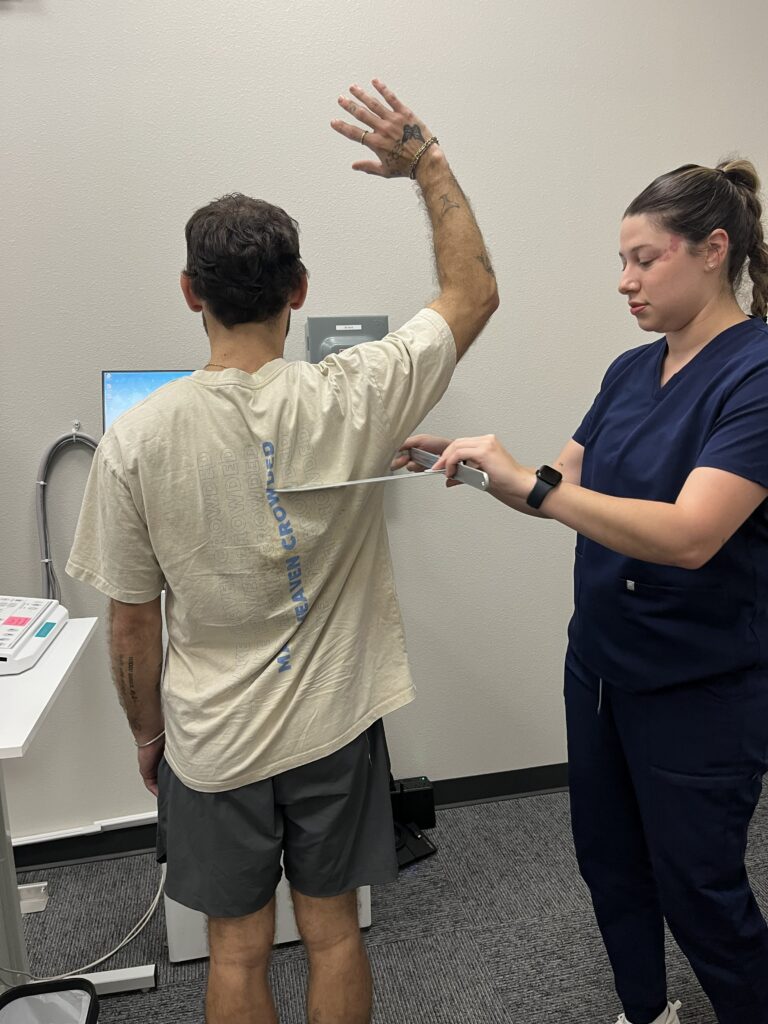
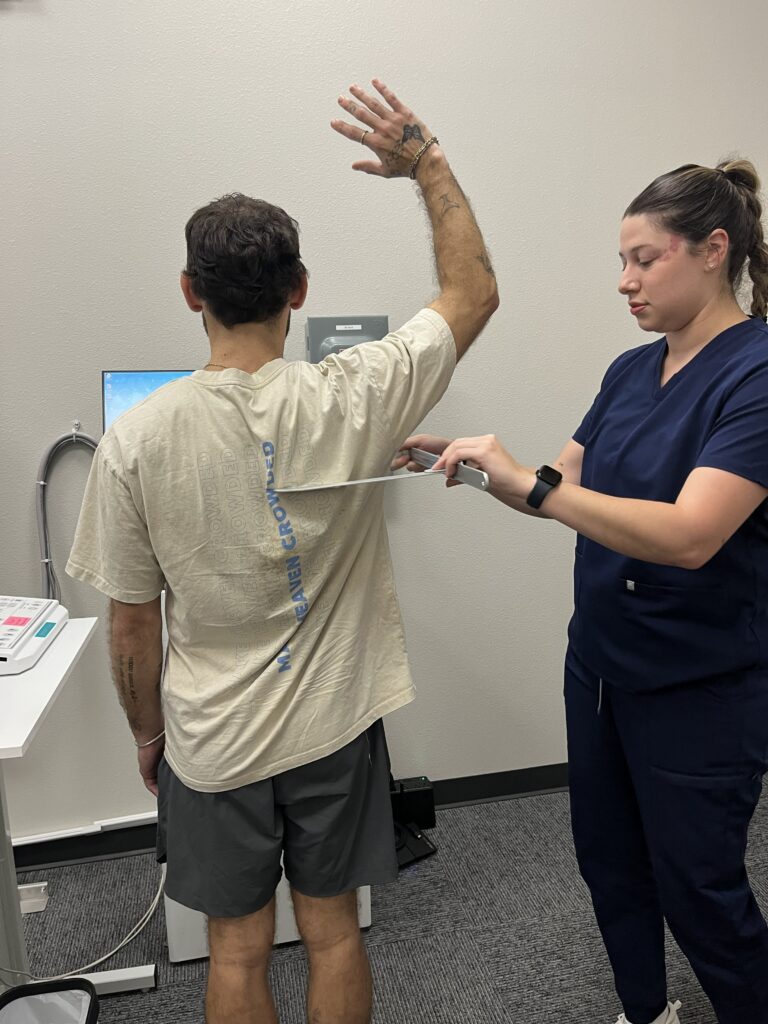
As a chiropractor, I encourage you to consider how spinal health plays a crucial role in your overall well-being. Misalignments in the spine can contribute to tension and discomfort, leading to headaches. Regular chiropractic adjustments can help restore proper alignment, reduce tension, and promote better blood flow, which may alleviate headache symptoms.
In addition to chiropractic care, mindfulness practices can also be a powerful tool in your headache relief arsenal. Techniques such as deep breathing, meditation, or gentle yoga can help release built-up stress and tension in your body. These practices not only help reduce the occurrence of tension headaches but also enhance your overall sense of calm and well-being.
Herbal remedies are another natural option worth exploring. Certain herbs, like peppermint and lavender, are known for their soothing properties and can be used in various forms, such as essential oils or teas, to help relieve headache symptoms. However, it’s important to consult with a healthcare professional before trying new herbal treatments.
Here are some general tips to keep in mind for managing tension headaches:
- Stay Hydrated: Dehydration can trigger headaches, so make sure you’re drinking enough water throughout the day.
- Practice Good Posture: Maintaining proper posture, especially if you sit for long periods, can help prevent tension build-up in your neck and shoulders.
- Take Breaks: If you’re working at a desk or looking at screens for extended periods, take regular breaks to stretch and relax your muscles.
- Prioritize Sleep: Ensure you’re getting enough restful sleep each night, as fatigue can contribute to headache occurrences.
- Seek Chiropractic Care: Regular chiropractic adjustments can help maintain spinal health, alleviate tension, and keep headaches at bay.
By integrating these practices into your routine, you may find that you can effectively manage tension headaches and improve your overall health. Remember, chiropractic care is a holistic approach that addresses the root causes of pain, helping you achieve optimal wellness naturally. Don’t hesitate to reach out to a chiropractor for personalized guidance and treatment options tailored to your needs.
Key Takeaways
As your local chiropractor, I want to share some valuable tips to help you relieve tension headaches naturally and improve your overall wellness. By focusing on spinal health and making simple lifestyle adjustments, you can achieve optimal health and reduce the occurrence of headaches.
- Maintain Good Posture: Keeping your spine aligned is crucial. Pay attention to your posture, especially when sitting at a desk or using your phone. Take regular breaks to stretch and move around, which can help reduce muscle tension and prevent headaches.
- Stay Hydrated and Eat Balanced Meals: Drinking plenty of water and eating nutritious meals at consistent times can help stabilize your blood sugar levels. This not only supports your overall health but also plays a key role in preventing headaches.
- Practice Relaxation Techniques: Stress is a major contributor to tension headaches. Incorporate relaxation techniques like deep breathing, yoga, or meditation into your daily routine. These practices can help you manage stress effectively and promote a sense of calm.
- Explore Herbal Remedies: Natural options like peppermint oil and chamomile tea can provide soothing effects. While these remedies can be helpful, remember that regular chiropractic adjustments can greatly enhance your body’s ability to heal and maintain balance.
- Consider Chiropractic Care: Regular visits to your chiropractor can improve spinal alignment and alleviate tension that contributes to headaches. Chiropractic care focuses on addressing the root cause of pain, ensuring your body functions optimally.
By integrating these tips into your daily life and prioritizing chiropractic care, you can take significant steps toward relieving tension headaches and enhancing your overall well-being. Embrace a healthier lifestyle and experience the benefits of natural healing through chiropractic care!
Understanding Tension Headaches: Causes and Symptoms
When you experience a tension headache, it’s often linked to stress, muscle tension, or poor posture. These headaches typically feel like a tight band around your head, resulting in dull, aching pain. You may also notice discomfort in areas like your neck, shoulders, or jaw. Identifying what triggers your headaches can help you manage them more effectively, and that’s where chiropractic care can play a vital role.
Common culprits of tension headaches include long hours spent at a computer, lack of sleep, and emotional strain. Additionally, skipping meals or not drinking enough water can make your symptoms worse. Tension headaches can last anywhere from 30 minutes to several days, and you might feel fatigued afterward.
Paying attention to your body is key in uncovering what might be causing your headaches. By recognizing patterns in your daily activities and lifestyle, you can take proactive steps to alleviate the tension. Regular chiropractic adjustments can help relieve muscle tension, improve posture, and promote overall spinal health, which can significantly reduce the frequency and severity of headaches.
Here are some general tips to help you manage tension headaches naturally:
- Practice Good Posture: Make sure your workspace is ergonomically arranged to support good posture. Keep your computer screen at eye level and take breaks to stretch.
- Stay Hydrated: Drink plenty of water throughout the day to prevent dehydration, which can trigger headaches.
- Get Enough Sleep: Aim for 7-9 hours of quality sleep each night to help your body recover and reduce stress levels.
- Manage Stress: Incorporate relaxation techniques such as deep breathing, yoga, or meditation into your routine.
- Regular Chiropractic Care: Consider visiting a chiropractor regularly to address any spinal misalignments or muscle tension. This can provide significant relief from headaches and improve your overall well-being.
Mindfulness and Relaxation Techniques
To effectively manage tension headaches, integrating mindfulness and relaxation techniques into your daily routine can significantly enhance your well-being and complement your chiropractic care.
Let’s explore some simple methods you can adopt to alleviate discomfort naturally.
Begin with deep breathing exercises. Inhale deeply through your nose, hold it for a few seconds, and then exhale slowly through your mouth. This straightforward practice not only calms your mind but also relaxes your body, creating a favorable environment for healing.
Guided imagery is another powerful tool. Picture a serene location, like a tranquil beach or a lush forest. Focus on the vivid details of this scene to help divert your mind from any pain you may be experiencing. This technique can foster relaxation and support your overall health.
Progressive muscle relaxation is also beneficial. Start by tensing and then relaxing each muscle group in your body, beginning with your toes and gradually working your way up to your head. This method helps release physical tension, which can contribute to headaches.
Incorporating a few minutes of meditation into your daily routine can further enhance your mindfulness practice. Even brief sessions can help lower stress levels and promote a sense of calm, which is crucial for managing tension headaches.
By incorporating these techniques into your life, you not only empower yourself to handle tension headaches more effectively but also support your journey toward optimal health through chiropractic care.
The Role of Yoga in Headache Relief
Yoga can be a valuable tool in managing tension headaches, but it’s important to remember that chiropractic care is often the most effective approach to achieving optimal health and wellness. As a chiropractor, I see firsthand how spinal alignment plays a crucial role in reducing headaches and promoting overall well-being.
When you engage in yoga, you’re not just stretching; you’re also working to release muscle tension and improve blood circulation. Poses like Child’s Pose and Cat-Cow can indeed help alleviate tightness in your neck and shoulders—areas that are often linked to headaches. However, these benefits can be significantly enhanced through regular chiropractic adjustments that focus on aligning the spine, relieving nerve pressure, and ensuring your body functions at its best.
Incorporating deep breathing during yoga can foster relaxation and reduce stress, both of which are essential for headache relief. As you practice mindfulness through yoga, you become more attuned to your body’s signals. This awareness is beneficial, but a chiropractor can provide specific adjustments that directly address the root causes of your headaches.
Additionally, regular chiropractic care can improve your posture, alleviating strain on your neck and spine. By ensuring that your spine is properly aligned, you can prevent the muscle tension that often leads to headaches.
So while yoga can be part of your wellness routine, I encourage you to consider chiropractic care as your primary method for natural pain relief and achieving a healthier lifestyle. By visiting a chiropractor, you can create a comprehensive approach to headache management that focuses on correcting underlying issues, not just alleviating symptoms.
Herbal Remedies for Natural Pain Relief
If you’re looking for natural ways to find relief from tension headaches, consider incorporating chiropractic care into your wellness routine. Chiropractic adjustments can help align your spine and relieve tension in your neck and head, promoting overall health and reducing headache severity.
In addition to chiropractic care, certain herbal remedies may also complement your pain management strategy. For example, peppermint oil has a soothing, cooling effect. You can gently apply it to your temples to help ease headache pain.
Drinking chamomile tea can be beneficial as well; it not only calms your mind but may also help relax tight muscles that contribute to headaches.
Ginger is another herb worth trying. It possesses anti-inflammatory properties that can aid in reducing headache intensity. Sipping ginger tea could be a comforting addition to your routine.
Feverfew, often used for headache prevention, can be taken in capsule form or brewed as a tea to help keep headaches at bay.
Lastly, consider using lavender essential oil. Its calming aroma can create a relaxing environment, making it a great addition to your self-care rituals.
However, remember that while these remedies can be helpful, the best approach for long-term headache relief is through regular chiropractic care. Always consult with your chiropractor before trying new remedies, especially if you have other health concerns.
Embracing a holistic approach to your health can lead to a happier, healthier life!
Dietary Changes to Support Headache Management
Dietary changes can significantly aid in managing tension headaches, and as a chiropractor, I believe in a holistic approach to health and wellness. One of the first steps you can take is to ensure you’re well-hydrated, as dehydration is a common headache trigger. Aim for at least eight glasses of water each day to keep your body functioning optimally.
Next, focus on a balanced diet that includes plenty of fruits, vegetables, whole grains, and lean proteins. These foods provide essential nutrients that support overall health and can help reduce the frequency of headaches. Specifically, foods rich in magnesium, such as leafy greens like spinach and nutrient-dense nuts, can be particularly beneficial.
It’s also important to identify and avoid common food triggers that might exacerbate your headaches. These can include items like aged cheeses, processed meats, and artificial sweeteners. By being mindful of what you eat, you can create a more supportive environment for your body.
Regular meal patterns can also help, as skipping meals may lead to drops in blood sugar, which can trigger headaches. Try to eat at consistent times throughout the day to maintain steady energy levels. Including omega-3 fatty acids from sources like fish or flaxseeds can be another great way to support your brain health and overall wellness.
Lastly, while it’s wise to be mindful of caffeine and alcohol intake, remember that chiropractic care is a fantastic natural option for pain relief and headache management. Regular chiropractic adjustments can help improve spinal alignment and reduce tension, which may alleviate headache symptoms over time.
Conclusion
Incorporating natural healing methods into your daily routine can make a significant difference in managing tension headaches, and as a chiropractor, I want to emphasize the importance of spinal health in this process. Prioritizing mindfulness, practicing yoga, and exploring herbal remedies can certainly provide relief and promote overall wellness. However, one of the most effective ways to address tension headaches is through chiropractic care, which focuses on aligning the spine and improving nerve function.
Remember to stay hydrated and maintain good posture, as these small adjustments can prevent headaches from occurring. When your spine is aligned, it helps reduce tension in your muscles and allows your body to function at its best. Regular chiropractic adjustments can alleviate the underlying causes of headaches, leading to long-lasting relief.
Embrace these strategies, and you’ll be on your way to a more relaxed and headache-free life. Consistency is key, not only in practicing mindfulness and yoga but also in receiving regular chiropractic care. By doing so, you are taking proactive steps toward achieving optimal health and wellness. Always remember to consult with your chiropractor for personalized advice tailored to your specific needs.