
Chronic tension headaches can be incredibly challenging, impacting your daily activities and overall well-being. As a chiropractor, I understand how important it is to find effective ways to manage these discomforts without relying on medications or invasive procedures. One of the first steps in alleviating tension headaches is identifying your triggers, which can include stress, poor posture, or muscle tension.
Incorporating natural relief strategies can significantly reduce the impact of these headaches. Here are some tips that may help you:
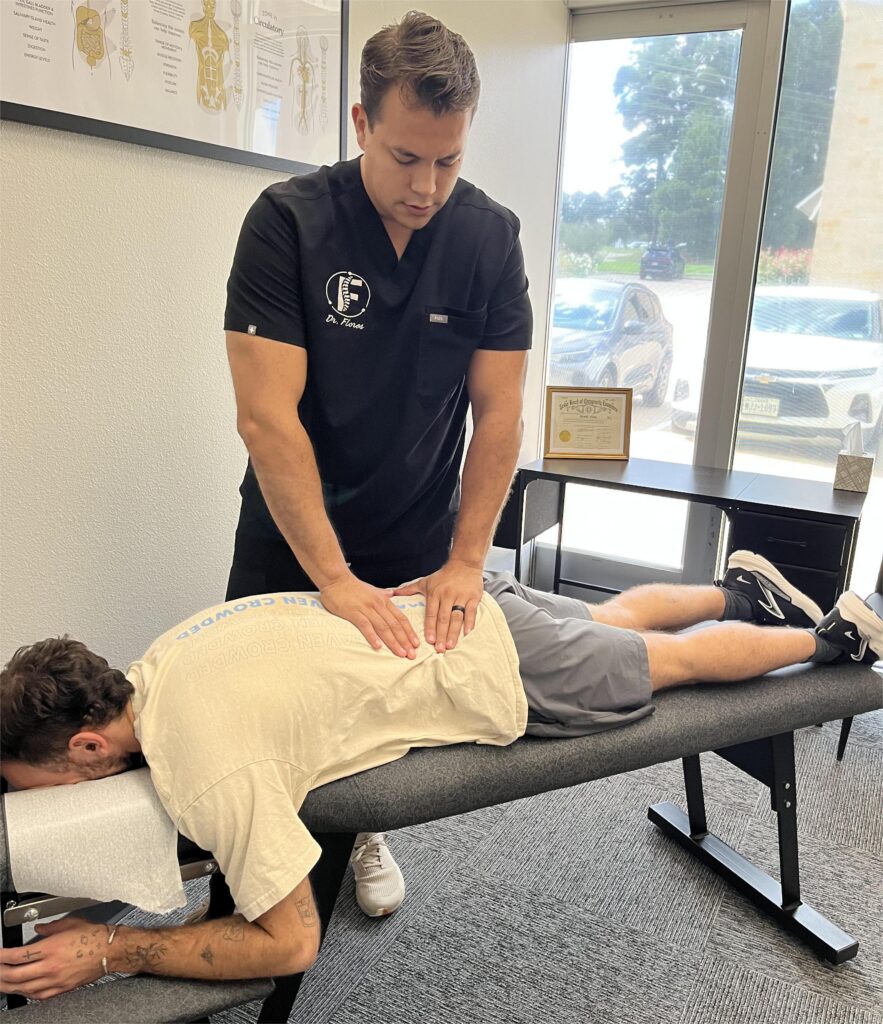
- Chiropractic Care: Regular chiropractic adjustments can help align your spine, reduce muscle tension, and improve overall function. This holistic approach not only targets headaches but also promotes overall wellness.
- Stress Management: Techniques such as deep breathing exercises, meditation, or yoga can help reduce stress levels. These practices can relax your mind and body, leading to fewer headaches.
- Posture Improvement: Maintaining good posture is crucial in preventing tension headaches. Be mindful of your body mechanics, especially if you spend long hours at a desk. Consider ergonomic furniture and take regular breaks to stretch.
- Hydration and Nutrition: Staying well-hydrated and eating a balanced diet can also play a role in headache prevention. Dehydration and certain food sensitivities can trigger headaches, so pay attention to your body’s needs.
- Regular Exercise: Engaging in regular physical activity can help relieve tension and improve blood flow, which may reduce the frequency and intensity of headaches.
By implementing these strategies, you can take significant steps towards managing chronic tension headaches naturally. If you’re looking for personalized advice and care, consider visiting your local chiropractor. Together, we can work towards achieving optimal health and wellness tailored to your unique needs.
Key Takeaways
- Regular chiropractic adjustments can be a game changer for alleviating muscle tension and improving spinal alignment. This not only helps reduce the frequency and intensity of chronic tension headaches but also supports overall wellness.
- Make sure to adopt a good posture while sitting, especially if you spend long hours at a desk. Proper posture prevents tension from building up in your neck and shoulders, which can trigger headaches.
- Incorporate simple daily stretching exercises, like neck and shoulder rolls, into your routine. These stretches are effective in relieving muscle tightness and promoting relaxation.
- Embrace relaxation techniques such as deep breathing exercises and mindfulness meditation. These practices not only help you manage stress but also play a key role in reducing headache triggers. Remember, a relaxed mind can contribute to a relaxed body!
- Staying well-hydrated is crucial. Make it a habit to drink plenty of water throughout the day. Additionally, pay attention to your dietary choices, as certain foods can trigger headaches. Opting for a balanced diet supports not just your head but your overall health!
By focusing on natural methods like chiropractic care, you can take significant strides toward achieving optimal health and reducing tension headaches. Remember, your body is designed to heal itself, and with the right support, you can enhance your wellness journey!
Understanding Chronic Tension Headaches
Chronic tension headaches can be a frustrating and persistent issue, often stemming from stress, poor posture, or muscle tension. As a local chiropractor, I understand that these headaches can feel like a dull, aching pain, almost like a tight band around your head. They can last for hours or even days, making everyday activities seem overwhelming.
It’s important to recognize that they often develop gradually, sometimes triggered by long hours spent at a desk or emotional strain. Understanding the nature of these headaches can empower you to manage them more effectively. Unlike migraines, chronic tension headaches typically don’t come with nausea or extreme sensitivity to light. Instead, they create a constant pressure that can hinder your ability to concentrate.
By recognizing the patterns and characteristics of your headaches, you’ll be better equipped to implement effective relief strategies. One of the best approaches to combat chronic tension headaches is chiropractic care. Chiropractic adjustments can help alleviate muscle tension, improve posture, and promote spinal alignment, which may significantly reduce the frequency and intensity of your headaches.
Regular chiropractic visits can also support your body’s natural healing processes, enabling you to achieve optimal health and wellness without the need for medications or invasive procedures. In addition to chiropractic care, here are some general tips you can incorporate into your daily routine to help manage tension headaches:
- Practice Good Posture: Be mindful of your body position while sitting, especially at your desk. Use ergonomic furniture and take breaks to stretch.
- Stay Hydrated: Dehydration can contribute to headaches, so make sure to drink plenty of water throughout the day.
- Incorporate Relaxation Techniques: Techniques such as deep breathing, meditation, or yoga can help reduce stress and muscle tension.
- Regular Exercise: Engaging in regular physical activity can help alleviate tension and improve overall well-being.
- Sleep Well: Ensure you’re getting enough restful sleep each night, as fatigue can exacerbate headache symptoms.
By implementing these strategies and considering chiropractic care as a natural and effective solution, you can take meaningful steps toward alleviating chronic tension headaches and enhancing your overall quality of life.
Identifying Triggers and Symptoms
Chronic tension headaches can be a real challenge for many, but understanding your specific triggers and symptoms is key to managing them effectively. A great way to start is by keeping a headache diary. This means jotting down when your headaches happen, how intense they are, and any other symptoms you may experience.
Common triggers to look out for include poor posture, insufficient sleep, dehydration, and spending too much time in front of screens. By being mindful of your daily habits and routines, you can identify changes in your diet or stress levels that might also contribute to your headaches.
You may notice physical symptoms such as tightness in your neck and shoulders, or even sensitivity to light and sound. By recognizing these patterns, you can better anticipate when a headache might be on the horizon.
Don’t forget to consider emotional triggers as well—feelings of anxiety and frustration can also play a role in headache onset.
One of the best ways to address these issues naturally is through chiropractic care. A chiropractor can help alleviate tension and misalignments in your spine, which may be contributing to your headaches. Regular adjustments not only support your spinal health but can also promote relaxation and improve your overall well-being.
In addition to chiropractic care, here are some tips to help manage your tension headaches:
- Maintain good posture, especially if you work at a desk or spend a lot of time on your computer.
- Stay hydrated by drinking plenty of water throughout the day.
- Prioritize sleep by establishing a consistent sleep schedule.
- Take regular breaks from screen time to rest your eyes and stretch your body.
- Incorporate relaxation techniques, such as deep breathing or gentle yoga, into your routine.
Stress Management Techniques
Identifying triggers and symptoms is just the first step in managing chronic tension headaches. To effectively reduce your headaches, integrating stress management techniques into your daily routine is essential. One of the best ways to promote overall wellness is through chiropractic care, which not only addresses spinal alignment but also supports your body’s natural ability to heal and manage stress.
Start by practicing mindfulness or meditation. These techniques help you focus on the present moment, easing anxiety and tension, which can contribute to headaches. Incorporating these practices alongside regular chiropractic adjustments can enhance your relaxation and overall well-being.
Deep breathing exercises are also incredibly beneficial. Take a few minutes to inhale deeply through your nose, hold for a moment, and exhale slowly through your mouth. This simple technique can calm both your mind and body, enhancing the effects of your chiropractic care.
Regular physical activity is another fantastic way to alleviate stress and tension. Whether it’s a brisk walk, yoga, or another form of exercise, moving your body can boost your mood and reduce muscle tightness that often accompanies headaches.
Consider discussing your exercise routine with your chiropractor, who can recommend specific activities that support spinal health.
Don’t underestimate the power of laughter and engaging in activities you enjoy. These moments of joy can significantly counteract stress and help prevent headaches from developing.
By prioritizing these practices, along with regular chiropractic care, you can create a balanced, headache-free life and achieve optimal health naturally.
Posture Improvement Strategies
If you’re struggling with chronic tension headaches, one of the most effective ways to find relief is by improving your posture. As a chiropractor, I believe that proper alignment is crucial for overall health and wellness.
Start by creating a workspace that promotes good posture—choose a chair that supports your lower back and position your computer screen at eye level to prevent straining your neck.
In addition to an ergonomic setup, incorporating daily stretching exercises can play a significant role in alleviating tension. Simple stretches for your neck, shoulders, and back can help keep your muscles relaxed and aligned, reducing the likelihood of headaches.
Remember, chiropractic care is a natural and effective way to address the root cause of your discomfort. Regular chiropractic adjustments can help maintain spinal alignment and improve your posture, leading to long-term relief from tension headaches.
Ergonomic Workspace Setup
Creating an ergonomic workspace is crucial for reducing the risk of chronic tension headaches, and as a chiropractor, I want to emphasize how important it is to set up your environment for optimal spinal health. By making a few simple adjustments, you can support your body’s natural alignment and promote overall wellness.
Start with your chair: Ensure it allows your feet to rest flat on the floor, with your knees at hip level. This position helps maintain a healthy posture and reduces strain on your spine. If your chair is too high, don’t hesitate to use a footrest to achieve the right height.
Next, let’s talk about your computer monitor. Position it at eye level, about an arm’s length away. This setup helps prevent neck strain and encourages a neutral spine. A slight tilt of the monitor can also enhance comfort, reducing the tendency to lean forward.
Here’s a simple table to guide your ergonomic setup:
| Element | Ideal Position | Tips |
|---|---|---|
| Chair | Feet flat on the floor | Use a footrest if needed to maintain posture |
| Monitor | Eye level, arm’s length away | Tilt slightly back for added comfort |
| Keyboard | Elbows at a 90-degree angle | Keep wrists straight to avoid tension |
| Mouse | Close to the keyboard | Consider using a wrist pad to lessen strain |
| Desk Height | Level with elbows | Adjust to keep your back straight and avoid slouching |
In addition to these adjustments, remember to take regular breaks. Stand up, stretch, and move around to keep your body engaged and prevent stiffness. These practices, along with regular chiropractic care, can significantly enhance your well-being and help you achieve a pain-free lifestyle.
Daily Stretching Exercises
Incorporating daily stretching exercises into your routine can significantly enhance your posture and alleviate tension in your body, contributing to a healthier spine. As a chiropractor, I want to emphasize the importance of maintaining flexibility and strength to support optimal spinal health.
Begin with neck stretches by gently tilting your head from side to side, holding each position for about 15 seconds. This simple exercise can help relieve stiffness and promote better alignment.
Next, try shoulder rolls to release tightness; roll your shoulders forward and backward in sets of ten. This movement can improve circulation and reduce tension in the upper back.
For your spine, the cat-cow stretch is a fantastic way to enhance flexibility and alleviate discomfort. This involves alternating between arching your back and rounding it while on all fours, which helps maintain spinal mobility.
Don’t forget to stretch your hamstrings and hip flexors, as tightness in these areas can impact your posture and spinal alignment.
Aim for at least 10 minutes of stretching each day. Consistency in these exercises is crucial. As you build strength and flexibility, you may notice a significant reduction in chronic tension headaches and overall discomfort.
Physical Therapy and Exercise
Managing chronic tension headaches can be a real struggle, but there’s good news: chiropractic care, combined with physical therapy and exercise, can provide effective relief. By focusing on the spine and the surrounding muscles, we can help reduce the frequency and intensity of those pesky headaches. A chiropractor can work with you to develop a personalized plan that strengthens the muscles supporting your neck and head, addressing the root cause of your discomfort.
Here’s a simple table outlining key components of chiropractic care and exercise for headache relief:
| Component | Description | Frequency |
|---|---|---|
| Spinal Adjustments | Gentle manipulations to align the spine | As needed |
| Stretching | Focus on neck and shoulder stretches | Daily |
| Strengthening | Exercises for upper back and neck | 2-3 times a week |
| Posture Training | Techniques to improve posture | As needed |
Incorporating these elements into your daily routine can lead to significant improvements in your overall wellness. Remember, it’s always best to consult with a chiropractor as your first step in finding natural relief from headaches.
Here are some general tips you can incorporate into your life for even better results:
- Stay hydrated: Dehydration can worsen headaches, so drink plenty of water throughout the day.
- Take breaks: If you’re working at a desk, remember to take regular breaks to stretch and move around.
- Mind your posture: Be aware of your posture while sitting, standing, and using devices to reduce strain on your neck and spine.
Relaxation Techniques and Mindfulness
When chronic tension headaches become a recurring issue, it’s important to find effective, natural solutions to relieve discomfort. As a chiropractor, I believe that chiropractic care is one of the best ways to achieve optimal health and alleviate pain. Alongside professional adjustments, there are several relaxation techniques and mindfulness practices you can incorporate into your daily routine to support your overall wellness.
One of the simplest yet most effective techniques is deep breathing. Take a moment to inhale slowly through your nose, hold for a few seconds, and then exhale gently through your mouth. This practice not only lowers stress but also helps in promoting relaxation. Regular deep breathing can create a sense of calm and can be easily integrated into your day, especially during times of stress.
Another beneficial method is progressive muscle relaxation. Start by tensing each muscle group, beginning with your toes and gradually moving up to your head, then releasing the tension. This practice helps to release physical stress and can enhance your body’s ability to relax, which is essential for maintaining a healthy spine and reducing headache frequency.
Mindfulness meditation is also a powerful tool. Find a quiet space, close your eyes, and focus on your breath or a calming phrase. This practice encourages you to stay present and can help shift your mind away from pain and discomfort. By incorporating mindfulness into your routine, you may find that your body becomes more resilient to stressors that contribute to headaches.
Additionally, gentle yoga or stretching can be incredibly beneficial. These movements not only help to release tension but also improve circulation, which is vital for spinal health. Regularly engaging in gentle stretches can enhance your flexibility and support your overall physical well-being.
In conclusion, while chiropractic care is a key component of managing tension headaches and achieving optimal health, integrating these relaxation techniques into your daily life can significantly enhance your results.
When to Seek Professional Help
It’s essential to understand that even with your best efforts in practicing relaxation techniques and mindfulness, chronic tension headaches can sometimes persist or even worsen. If you notice your headaches are affecting your daily activities, it may be time to seek professional help. Look for signs such as an increase in how often you experience headaches, their intensity, or their duration.
Also, pay attention if you have additional symptoms like changes in vision, nausea, or confusion.
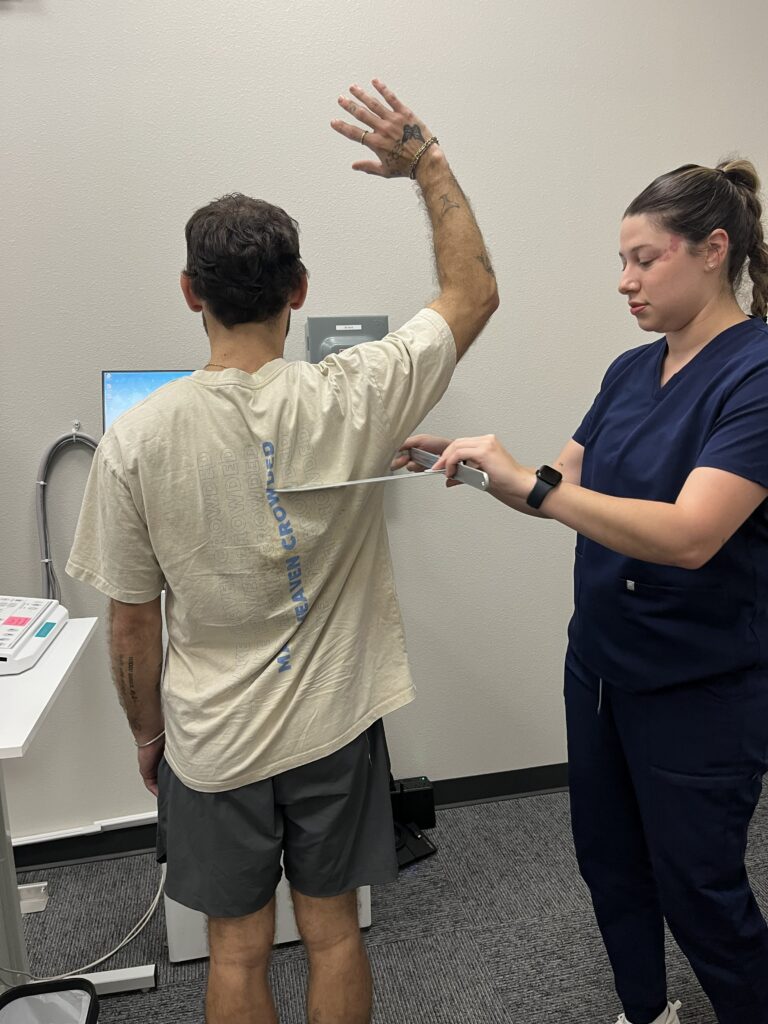
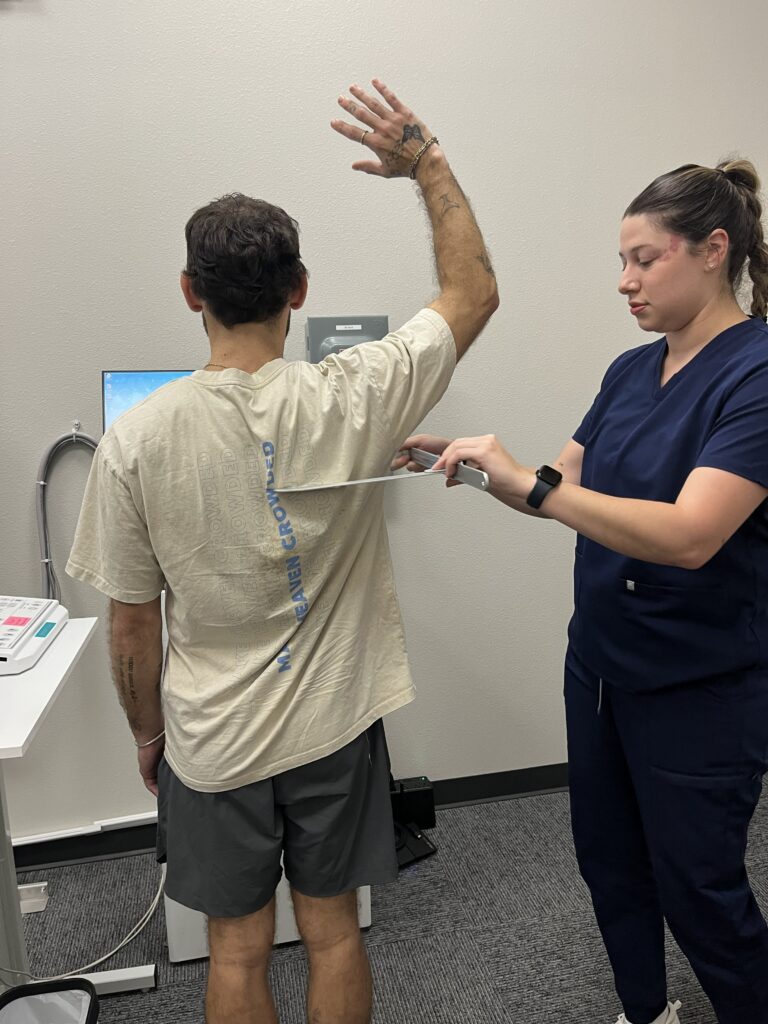
As a chiropractor, I want to emphasize the benefits of exploring chiropractic care for headache relief. Chiropractors specialize in identifying the root causes of headaches, often related to spinal alignment and muscle tension. By addressing these underlying issues, we can develop a personalized treatment plan that may include spinal adjustments, lifestyle advice, and natural healing techniques.
If over-the-counter pain relievers aren’t providing the relief you need, or if you feel anxious about your headaches, don’t hesitate to reach out to a chiropractor. You don’t have to endure this discomfort alone. Chiropractic care focuses on restoring balance and health to your body naturally, which can lead to significant relief from headaches and an overall improvement in your quality of life.
In addition to seeking chiropractic care, here are some general tips to help manage your headaches:
- Stay Hydrated: Dehydration can contribute to headaches, so ensure you’re drinking enough water throughout the day.
- Practice Good Posture: Maintaining proper posture can reduce strain on your neck and spine, potentially decreasing headache frequency.
- Incorporate Regular Exercise: Gentle exercise, like walking or yoga, can relieve tension and promote relaxation.
- Manage Stress: Engage in stress-reducing activities such as meditation, deep breathing, or hobbies that you enjoy.
- Get Adequate Sleep: Aim for a regular sleep schedule, as lack of sleep can trigger headaches.
- Limit Caffeine and Alcohol: Both can contribute to dehydration and may lead to headaches.
Conclusion
Managing chronic tension headaches requires a holistic approach, and as a chiropractor, I believe that integrating chiropractic care can be a crucial part of your journey to relief. By focusing on stress management, improving your posture, and incorporating regular physical activity, you can take significant steps toward reducing the frequency of your headaches.
Start by identifying what triggers your headaches. This could be anything from poor posture at your desk to stress from daily life. Once you know your triggers, you can incorporate relaxation techniques—like deep breathing exercises or gentle stretching—into your daily routine to help alleviate tension.
Chiropractic care plays a vital role in supporting your overall well-being. Regular adjustments can help realign your spine, improve your posture, and relieve muscle tension that often contributes to headaches. Moreover, consistent chiropractic treatment can enhance your body’s natural healing abilities, allowing you to manage pain more effectively.
Don’t underestimate the power of exercise! Engaging in regular physical activity not only strengthens your body but also helps to reduce stress and improve your mood. Simple activities like walking, yoga, or even light stretching can make a significant difference.
If you find that your headaches persist or worsen, seeking the guidance of a chiropractor is essential. We can provide personalized care and tailored treatment plans designed specifically for your needs. Remember, the goal is to achieve optimal health naturally, without the need for medications or surgeries.
Keep in mind these key takeaways: prioritize your posture, manage your stress, stay active, and consider chiropractic care as a safe and effective way to relieve your chronic tension headaches. Your journey to wellness starts with these simple steps!