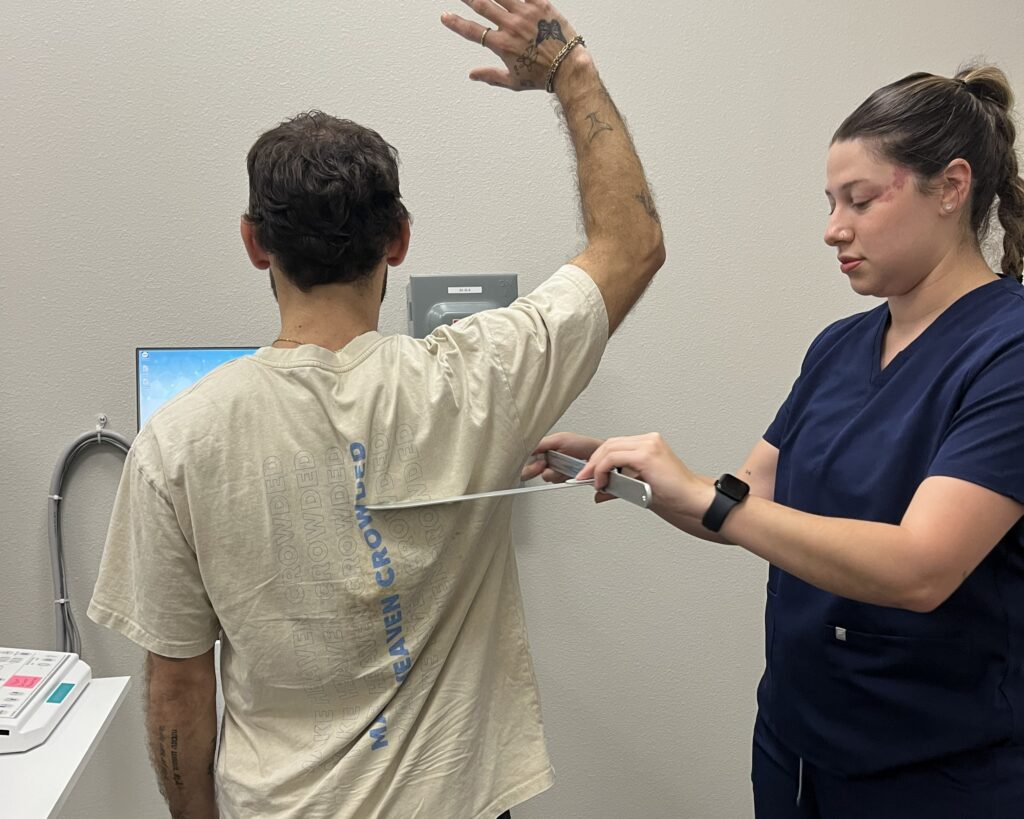

If you’ve ever dealt with the excruciating pain of migraines, you know how crucial it is to find effective relief. As a local chiropractor, I want to share how chiropractic care can be a powerful ally in your journey to wellness. When it comes to managing migraines, alternative treatments like chiropractic adjustments can provide significant relief by addressing the root causes of your pain rather than just masking the symptoms.
Chiropractic care focuses on the health of your spine and nervous system, which play a vital role in your overall well-being. By ensuring that your spine is properly aligned, we can reduce tension and improve circulation, which may help alleviate the frequency and intensity of migraine attacks. Many patients find that regular chiropractic adjustments not only ease their migraine pain but also contribute to their overall health and vitality.
In addition to chiropractic care, you might consider incorporating some simple lifestyle changes to support your wellness journey. Staying hydrated, managing stress through mindfulness techniques, and engaging in regular physical activity can all contribute to reducing migraine triggers. It’s also beneficial to maintain a consistent sleep schedule and pay attention to your diet, as certain foods can sometimes exacerbate migraine symptoms.
Remember, exploring alternative treatments like chiropractic care doesn’t mean abandoning traditional methods—it’s about finding what works best for you. By prioritizing natural healing and healthier living, you can take proactive steps toward a life with fewer migraines and improved overall health. If you’re ready to experience the benefits of chiropractic care, don’t hesitate to reach out and schedule an appointment today!
Key Takeaways
Relief for Migraines Through Chiropractic Care and Natural Approaches
As a local chiropractor committed to your health and wellness, I want to share some effective ways to manage migraines naturally, with a strong focus on the benefits of chiropractic care.
- Chiropractic Adjustments: Regular chiropractic adjustments can significantly improve your spinal alignment. When your spine is aligned, it reduces tension in your body, which can help lower the frequency and intensity of migraines. By visiting a chiropractor, you’re taking a proactive step toward achieving optimal health and finding relief from pain.
- Natural Herbal Remedies: While I always recommend consulting with a healthcare professional before trying new remedies, some natural options, like feverfew and butterbur, have been known to help prevent migraines. These herbs can be a great complement to the spinal care you receive in my office.
- Dietary Awareness: Making simple dietary adjustments can also play a key role in managing migraines. For instance, avoiding aged cheeses and processed meats may help you identify and eliminate potential migraine triggers. Keeping a food diary can help you figure out what might be causing your headaches and allow you to make informed choices about your diet.
- Mindfulness and Relaxation Techniques: Incorporating mindfulness and meditation into your daily routine can promote relaxation and reduce stress, which is often a trigger for migraines. When you engage in relaxation techniques, you enhance the effectiveness of other treatments, including chiropractic care.
- Creating a Calm Environment: Designing a migraine-friendly space at home can also make a big difference. Reducing exposure to bright lights and strong odors can help minimize the chances of a headache. Simple changes like using softer lighting and avoiding certain scents can create a more comfortable atmosphere.
By focusing on chiropractic care and these natural approaches, you can take control of your health and find relief from migraines. Remember, your journey to wellness is a partnership, and I’m here to support you every step of the way. If you’re struggling with migraines, let’s discuss how chiropractic care can be your best option for pain relief and overall wellness.
Understanding Migraines and Their Triggers
Migraines can be incredibly challenging, but understanding their triggers can help you manage them more effectively. By pinpointing what sparks your migraines, you can take proactive steps to avoid those triggers and improve your overall well-being. Common triggers include stress, certain foods, hormonal fluctuations, and environmental changes.
One helpful method is to keep a migraine diary where you can track your headaches and note any potential triggers. This practice not only helps you identify causes but also reveals patterns that can guide your lifestyle choices.
After identifying your triggers, consider making some lifestyle adjustments. For example, if stress is a significant factor, integrating relaxation techniques like deep breathing or gentle yoga into your routine can be beneficial.
Additionally, if you notice specific foods trigger your migraines, try removing them from your diet and see if that makes a difference. Staying hydrated and maintaining a consistent sleep schedule are also important for overall health and can significantly affect how you feel.
As a chiropractor, I want to emphasize that spinal health plays a crucial role in your overall wellness. Misalignments in the spine can contribute to tension and discomfort, which may exacerbate migraine symptoms.
Regular chiropractic care can help ensure your spine is aligned, reducing tension and promoting better overall health. By focusing on natural healing and wellness through chiropractic care, you can take control of your migraine experience and enhance your quality of life.
Acupuncture: Ancient Healing for Modern Pain
If you’ve taken the time to identify your migraine triggers and make some changes to your lifestyle, you might be considering various therapies for relief. While acupuncture is a popular option, I want to emphasize the incredible benefits of chiropractic care as a primary choice for managing migraines and achieving overall wellness.
Chiropractic care focuses on the alignment of the spine and the nervous system, which plays a crucial role in how our body functions. Misalignments in the spine can lead to tension and pain, which may contribute to the frequency and intensity of migraines. By visiting a chiropractor, you can receive gentle adjustments that help restore proper alignment, reduce tension in the muscles, and promote better blood flow—all of which can be beneficial for alleviating migraine symptoms.
Many of my patients report significant improvements in their migraines after receiving chiropractic adjustments. This approach not only targets the root cause of pain but also enhances the body’s natural healing abilities. Regular chiropractic care can help reduce stress and tension, two common contributors to migraines.
If you’re ready to explore chiropractic care, look for a licensed chiropractor who focuses on treating headaches and migraines. They’ll work with you to create a personalized treatment plan that addresses your unique needs.
In addition to chiropractic adjustments, here are some helpful tips you can incorporate into your daily routine to further manage your migraines:
- Stay Hydrated: Dehydration can be a trigger for many people, so make sure you’re drinking plenty of water throughout the day.
- Maintain a Healthy Diet: Eating balanced meals and avoiding known trigger foods can help keep migraines at bay.
- Manage Stress: Incorporate relaxation techniques such as deep breathing, meditation, or yoga into your daily routine to help reduce stress levels.
- Get Regular Exercise: Physical activity can help improve overall health and reduce tension in the body.
- Prioritize Sleep: Aim for a consistent sleep schedule and ensure you’re getting enough rest each night.
By focusing on chiropractic care and these healthy lifestyle changes, you can take proactive steps toward managing your migraines and achieving optimal health.
Herbal Remedies: Nature’s Pharmacy
As you seek out natural ways to manage migraines, consider the benefits of chiropractic care as a holistic approach to wellness. Chiropractic adjustments can help align the spine and improve overall body function, which may reduce the frequency and intensity of migraine attacks.
In addition to chiropractic care, certain herbal remedies can complement your journey to wellness. For example, feverfew has been used for centuries to help prevent migraines and alleviate pain. You can find it in capsule form or enjoy it as a tea.
Butterbur is another herb that may help in preventing migraines and reducing inflammation. Make sure to choose a PA-free version to ensure safety.
Ginger is also a fantastic option, known for its anti-inflammatory properties, which can be helpful in easing nausea that often accompanies migraines.
Don’t forget about the soothing effects of peppermint oil. Applying it to your temples can provide quick relief from tension. However, always consult with a healthcare professional before adding new remedies to your routine, especially if you’re already receiving chiropractic care or have other health considerations.
Incorporating these natural solutions along with regular chiropractic adjustments can enhance your overall health and help you manage migraines more effectively.
Mindfulness and Meditation: Calming the Storm
Chiropractic care is an essential part of managing migraines, and when combined with mindfulness and meditation, it can elevate your journey toward optimal health. These holistic practices not only help in alleviating pain but also foster a sense of calm and awareness, which is crucial in managing migraine triggers.
Here’s how to integrate mindfulness and meditation into your routine alongside chiropractic care:
- Daily Chiropractic Alignment: Start your day with a chiropractic adjustment to ensure your spine is aligned, which can help alleviate tension and reduce migraine frequency. Following your adjustment, dedicate at least 10 minutes to mindfulness or meditation. Find a quiet space, sit comfortably, and focus on your breath to center yourself.
- Guided Sessions for Relaxation: Consider using guided meditation apps or online videos. These resources can provide you with structured sessions that complement your chiropractic care, helping you to stay focused and relaxed as you learn to manage your body’s responses to stress.
- Mindful Check-Ins: Throughout your day, take a moment to pause and check in with your body. This practice can be particularly beneficial after a chiropractic session. Notice any areas of tension or discomfort, and consciously work to relax those areas. This awareness can enhance the benefits of your chiropractic care.
By incorporating these mindfulness techniques into your routine, you can greatly improve your overall wellness and pain management.
Dietary Adjustments: Food as Medicine
Your diet plays a vital role in managing migraines, and identifying trigger foods is a crucial first step toward finding relief. As a chiropractor, I believe in the power of natural healing, and making simple dietary adjustments can be a game-changer for your overall wellness.
By replacing those migraine-triggering foods with nutrient-rich alternatives, you not only nourish your body but also support your spine’s health and reduce headache frequency.
Incorporating foods that promote a healthy nervous system can be incredibly beneficial. For instance, leafy greens, whole grains, and omega-3 rich foods like fish can help reduce inflammation and support brain health. Staying hydrated is equally important, as dehydration is a common trigger for migraines. Drinking plenty of water throughout the day can make a significant difference.
Moreover, consider keeping a food diary to track what you eat and when headaches occur. This can help you pinpoint specific triggers and make informed dietary choices. Remember, small changes can lead to significant improvements in your health and wellness.
As you work on these dietary adjustments, don’t forget that chiropractic care can further enhance your journey. Regular spinal adjustments can improve nervous system function, reduce tension, and promote relaxation, which can all help mitigate migraine symptoms.
Trigger Foods Identification
How often do you find yourself reaching for a snack only to be hit with a migraine later? Identifying trigger foods can be a pivotal step in managing your migraines naturally. By tracking what you eat, you’ll be able to discover which foods might be causing your headaches.
Here are three common culprits to consider:
- Aged Cheeses: These often contain tyramine, a substance that can trigger migraines in some individuals.
- Processed Meats: Nitrates and nitrites found in these meats are known to be migraine triggers for many.
- Chocolate: While it may be a favorite treat, it can sometimes lead to headaches.
Keeping a food diary is a simple yet effective way to recognize patterns in your diet and how they relate to your migraines. By eliminating or reducing these trigger foods, you may find that the frequency and intensity of your migraines diminish.
Remember, chiropractic care can also play a crucial role in achieving optimal health and wellness. Regular adjustments can help alleviate tension and stress in your body, which may contribute to headaches.
Nutrient-Rich Alternatives
While it’s essential to be aware of trigger foods that may lead to migraines, incorporating nutrient-rich alternatives into your diet can significantly improve your overall health and may even reduce migraine frequency.
As a chiropractor, I believe in the power of natural healing and wellness through diet and lifestyle choices. One way to support your body is by focusing on foods that are high in magnesium, such as spinach, almonds, and avocados. These foods can help relax blood vessels, which may alleviate some migraine symptoms.
Additionally, incorporating omega-3 fatty acids from sources like fish, walnuts, and flaxseeds can help reduce inflammation in the body, potentially easing your migraines.
Hydration is another crucial factor; drinking plenty of water is vital for maintaining overall health and wellness. Staying hydrated can also help prevent headaches from dehydration.
Whole grains like quinoa and brown rice not only provide sustained energy but also offer essential nutrients that support your body’s functions. Including fruits like bananas and berries can add a burst of vitamins to your meals, enhancing your nutrient intake.
As you make these dietary adjustments, remember that chiropractic care can also play a significant role in managing pain and improving your quality of life. Regular chiropractic adjustments can help ensure that your spine and nervous system are functioning optimally, which can contribute to better overall health and potentially reduce the frequency of migraines.
Physical Therapy and Massage: Easing Tension
When tension builds in your muscles, it can often lead to migraines, making chiropractic care a valuable solution for relief. Chiropractic adjustments and techniques focus on restoring proper alignment, releasing tightness, and improving blood flow, which can significantly reduce the frequency and intensity of headaches.
Here are three ways chiropractic care can help:
- Spinal Alignment: Chiropractors specialize in adjusting the spine to ensure proper alignment. Misalignments can contribute to muscle tension and headaches. By correcting these issues, you can alleviate the strain that triggers migraines.
- Stress Management: Chiropractic care encourages relaxation through gentle adjustments and holistic practices. Regular visits not only help reduce physical tension but can also lower stress levels, a common trigger for headaches, leaving you feeling more at ease.
- Posture Improvement: Poor posture is often linked to migraines. A chiropractor can assess your posture and provide guidance on how to improve it. By enhancing your posture, you can minimize muscle tension and reduce the likelihood of experiencing migraines.
In addition to chiropractic care, consider incorporating these general wellness tips into your routine:
- Stay Hydrated: Dehydration can trigger headaches, so drink plenty of water throughout the day.
- Practice Good Ergonomics: If you work at a desk, ensure your workspace is set up to promote good posture.
- Manage Stress: Engage in relaxation techniques such as deep breathing, yoga, or meditation to help keep stress levels in check.
Lifestyle Changes: Creating a Migrane-Friendly Environment
Creating a migraine-friendly environment is essential for managing and preventing headaches, and chiropractic care can play a vital role in your overall wellness journey. Start by reducing exposure to bright lights and loud noises, which can exacerbate headaches. Consider investing in blackout curtains and using soft, warm lighting to foster a calming atmosphere that’s conducive to relaxation and healing.
A tidy space can also contribute to a stress-free environment, so decluttering your surroundings can be beneficial. Stress can lead to tension in the body, which may trigger migraines. By maintaining an organized space, you can minimize distractions and promote a sense of tranquility.
Temperature control is another important aspect. Keeping your living area cool can help, as heat is a known trigger for many individuals with migraines. Incorporating indoor plants not only enhances the aesthetics of your space but also improves air quality, contributing to a more soothing ambiance.
Establishing a consistent routine is key to stabilizing your body’s rhythm. Regular sleep patterns, balanced meals, and staying hydrated are crucial for overall health and can help reduce the frequency of migraines. Chiropractic adjustments can also support your body’s natural functions, helping to alleviate tension and improve your overall well-being.
Lastly, be mindful of strong smells, such as perfumes or cleaning products, which may provoke migraines. Opt for natural alternatives when possible.
Conclusion
Incorporating chiropractic care into your routine can significantly enhance your quality of life, especially for those struggling with migraines. As a chiropractor, I believe that a holistic approach to health—focusing on spinal alignment and nervous system function—can lead to effective migraine relief.
Chiropractic adjustments help relieve tension in the spine and promote better blood flow, which can reduce the frequency and intensity of migraines. Additionally, we can explore natural remedies such as herbal supplements and dietary adjustments that complement chiropractic care, addressing potential triggers in your lifestyle.
Mindfulness practices, like deep breathing and relaxation techniques, can also be beneficial when incorporated alongside chiropractic treatments. These methods help reduce stress, which is often a significant trigger for migraines.
It’s essential to remember that your journey to wellness is unique. Don’t hesitate to experiment with these strategies and work closely with your chiropractor to create a personalized plan. Together, we can identify your specific triggers and develop a comprehensive approach that prioritizes your health without the need for medications or invasive procedures.
Start your path to migraine relief today by considering chiropractic care as your primary choice for natural wellness. Embrace healthier living through spinal education and let’s work towards achieving optimal health together!