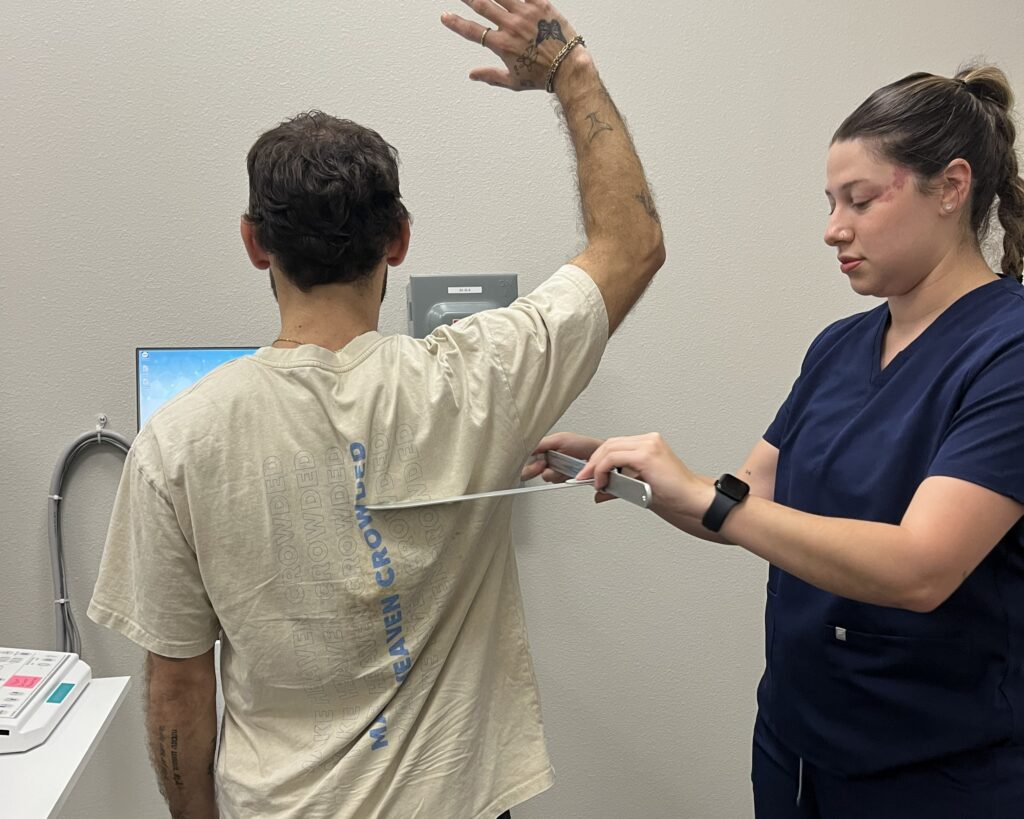

If you’re one of the many individuals who experience persistent headaches, you understand how disruptive they can be to your daily life. Thankfully, there are proven strategies that can provide relief, and chiropractic care is at the forefront of these solutions. By gaining insight into the types of headaches you face and recognizing your triggers, you can make informed decisions about your health and well-being.
One of the most effective ways to manage headache pain is through chiropractic adjustments. These gentle, non-invasive treatments can help realign your spine, improve your posture, and relieve tension in your neck and shoulders, all of which can contribute to headache relief.
In addition to chiropractic care, here are some simple lifestyle adjustments that you can implement to enhance your overall wellness and reduce headache frequency:
- Stay Hydrated: Dehydration can lead to headaches, so be sure to drink plenty of water throughout the day.
- Maintain Good Posture: Poor posture can strain your neck and back, leading to tension headaches. Be mindful of your alignment, especially when sitting at a desk or using your phone.
- Regular Exercise: Engaging in regular physical activity can help reduce stress and improve circulation, both of which can alleviate headache symptoms.
- Manage Stress: Incorporate relaxation techniques into your routine, such as deep breathing exercises, yoga, or meditation, to help manage stress levels.
- Sleep Well: Aim for a consistent sleep schedule and create a restful environment to ensure you’re getting enough restorative sleep.
- Limit Caffeine and Alcohol: Both substances can trigger headaches in some individuals, so monitor your intake and see if reducing them helps.
By embracing these natural approaches and prioritizing chiropractic care, you can take significant steps toward achieving optimal health and reducing the impact of headaches on your life. Remember, understanding your body and making small changes can lead to big improvements in your well-being. If you’re ready to explore how chiropractic care can help you, don’t hesitate to reach out for a consultation. Your path to relief starts here!
Key Takeaways
- Regular chiropractic adjustments can effectively relieve spinal tension and significantly reduce the frequency of headaches for those who suffer from them persistently. By addressing misalignments in the spine, chiropractic care not only alleviates pain but also promotes overall wellness.
- Staying well-hydrated and eating a balanced diet are key components in preventing dehydration-related headaches and minimizing potential triggers. Incorporating plenty of fruits, vegetables, and whole grains can improve your body’s resilience against headaches.
- Implementing simple stress management techniques, such as mindfulness and deep breathing, can help alleviate headache intensity and frequency. These practices not only relax the mind but also support your body’s natural healing processes.
- Establishing a consistent sleep routine and practicing good sleep hygiene, like creating a calming bedtime environment, can lead to better rest and fewer headaches. Quality sleep is essential for your body’s recovery and overall health.
- If you experience persistent headaches, seeking a professional evaluation from a chiropractor is vital. They can provide a thorough assessment and develop a personalized treatment plan that focuses on natural healing methods and chiropractic care, ensuring that you find relief without relying on medications or surgeries.
By embracing chiropractic care and these healthy lifestyle tips, you can take proactive steps towards achieving optimal health and reducing headache occurrences.
Understanding Different Types of Headaches
When you experience a headache, it’s essential to understand that not all headaches are the same. Each type has unique characteristics and causes.
Tension headaches, for instance, often feel like a tight band around your head and can be linked to stress or muscle tension in the neck and shoulders. These headaches can often be alleviated through gentle chiropractic adjustments, which help relieve tension and restore proper alignment in the spine, promoting overall relaxation.
Migraines, on the other hand, are typically more intense and can be accompanied by nausea or sensitivity to light. They may have specific triggers such as certain foods, stress, or even changes in sleep patterns. While conventional treatments may focus on medications, chiropractic care can help by addressing spinal misalignments that may contribute to the frequency and severity of migraines. Techniques like spinal adjustments and lifestyle advice can be beneficial in managing and reducing migraine occurrences.
Cluster headaches, although less common, are extremely painful and tend to occur in cycles. While these might require specialized approaches, chiropractic care can still play a role in overall wellness by promoting a healthy spine and nervous system, which may help reduce the intensity of symptoms.
Sinus headaches arise from inflammation in your sinuses and often result in pressure and discomfort in your forehead and cheeks. Chiropractic adjustments can improve drainage and reduce pressure by ensuring proper alignment of the cervical spine, which can positively impact sinus function.
Recognizing these different types of headaches is crucial for addressing your symptoms effectively. By communicating your experiences with a healthcare professional, particularly a chiropractor, you can explore natural, non-invasive methods for relief.
Incorporating regular chiropractic care into your wellness routine can’t only help alleviate headache pain but also promote a healthier lifestyle overall. Remember to practice good posture, stay hydrated, and manage stress through relaxation techniques. These small changes can make a significant difference in your well-being.
Identifying Common Triggers
Have you ever wondered what might be causing your headaches? As a local chiropractor, I believe that identifying common triggers is essential for finding relief and achieving optimal health. Let’s take a moment to reflect on some daily habits that might be contributing to your discomfort.
First and foremost, stress is often a major player in causing headaches. Think about your workload or personal life—how might these factors create tension in your body? Chiropractic care focuses on alleviating stress by improving your spinal alignment, which can help reduce headaches and promote overall well-being.
Next, let’s examine your diet. Certain foods, like aged cheeses or processed meats, may be culprits in triggering headaches. It’s also important to maintain a consistent eating schedule because skipping meals can lead to headaches. Nourishing your body with healthy foods can support your spine and overall health.
Hydration is another key factor you shouldn’t overlook. Dehydration can sneak up on you and trigger discomfort, so make sure you’re drinking plenty of water throughout the day to keep your body functioning optimally.
Environmental factors can also provoke headaches. Bright lights, loud noises, or strong odors might be triggers for many people. Creating a calm, soothing environment can support your overall health and help reduce headache occurrences.
Finally, consider your sleep patterns. Inconsistent sleep schedules or not getting enough rest can lead to frequent headaches. Establishing a regular sleep routine can be beneficial not just for headaches, but for your overall health as well. Chiropractic care can also help improve sleep quality by addressing any spinal issues that may be affecting your ability to rest.
By pinpointing these common triggers, you’ll be better equipped to manage and reduce your headache occurrences.
Lifestyle Modifications for Headache Prevention
To prevent headaches, consider making some simple lifestyle changes that can significantly enhance your well-being. Staying hydrated is essential; drinking enough water throughout the day helps keep your body functioning optimally, which can reduce headache frequency.
Additionally, prioritize getting adequate sleep each night, as restorative sleep is crucial for your overall health and can help mitigate headache triggers.
Managing stress is another important factor. Stress can lead to tension headaches, so finding effective ways to relax is vital. Incorporating practices such as deep breathing exercises, meditation, or gentle yoga can be incredibly beneficial.
As a chiropractor, I want to emphasize that maintaining proper spinal alignment is also key in preventing headaches. Regular chiropractic adjustments can help ensure your spine is in optimal condition, reducing tension in your neck and shoulders, which can contribute to headaches.
By focusing on hydration, sleep, stress management, and chiropractic care, you’ll create a healthier routine that supports not only headache prevention but your overall wellness.
Hydration and Diet
Staying properly hydrated and maintaining a balanced diet are crucial steps in reducing the frequency and intensity of headaches, and as your local chiropractor, I can’t stress enough how these practices contribute to overall wellness.
Drinking enough water throughout the day is essential, as dehydration is a common headache trigger. Aim for at least eight 8-ounce glasses daily, but be sure to adjust this based on your activity level and climate. Proper hydration not only helps prevent headaches but also supports your spinal health and overall bodily function.
When it comes to diet, prioritize whole foods that are rich in vitamins and minerals. Incorporate a variety of fruits, vegetables, whole grains, and lean proteins into your meals. These foods provide the nutrients your body and spine need to function optimally.
It’s important to avoid excessive caffeine, alcohol, and processed foods, as these can lead to headaches and negatively impact your health. Regular meal times are vital too; skipping meals can cause your blood sugar levels to dip, which may trigger headaches.
By keeping your body nourished and hydrated, you’re supporting your overall health and making strides towards headache prevention.
In addition to these lifestyle choices, consider regular chiropractic care. It can help address the root causes of headaches, such as tension in the neck and spine. Chiropractic adjustments can improve your body’s alignment, enhance your nervous system function, and promote natural healing, leading to better overall health and reduced headache frequency.
Sleep Hygiene Practices
Headaches can be a real pain, and often, poor sleep hygiene is a significant contributor to their frequency and intensity. As a chiropractor, I want to share some effective strategies to improve your sleep, which in turn can help alleviate headache discomfort and promote overall wellness.
First, establish a consistent sleep schedule. Try to go to bed and wake up at the same time every day. This helps regulate your body’s internal clock, making it easier to fall asleep and wake up refreshed.
Creating a calming bedtime routine is also essential. This can include activities like reading a book, practicing gentle stretches, or meditating—anything that signals to your body that it’s time to unwind.
Your sleep environment matters too. Keep your bedroom dark, cool, and quiet to foster a restful atmosphere. It’s also wise to limit your exposure to screens for at least an hour before sleep, as the blue light emitted can interfere with your ability to fall asleep.
Be mindful of what you consume before bed. Avoid large meals, caffeine, and alcohol close to bedtime, as these can disrupt your sleep cycles. Instead, consider light, healthy snacks if you’re feeling hungry.
Lastly, ensure that your mattress and pillows provide the support you need for a good night’s rest. A comfortable sleep surface can make a significant difference in how well you sleep and how you feel upon waking.
By prioritizing good sleep hygiene and incorporating these practices into your daily routine, you can reduce the likelihood of headaches and enhance your overall wellness.
Remember, regular chiropractic care can also play a crucial role in supporting your health. By addressing any spinal misalignments, we can help promote better sleep patterns and reduce tension that may contribute to headaches.
Embrace these tips, and you’ll be on your way to a more restful night and a healthier life!
Stress Management Techniques
Even with good sleep hygiene, stress can still trigger headaches and exacerbate discomfort. It’s crucial to manage stress effectively to prevent headaches from becoming a recurring issue. Here are three natural techniques that can help you find relief:
- Mindfulness Meditation: Dedicate a few minutes each day to focus on your breath. This simple yet powerful practice calms the mind and reduces tension throughout the body. Consider incorporating this into your daily routine to promote relaxation and enhance your overall well-being.
- Regular Exercise: Engaging in physical activities like brisk walking, yoga, or dancing can significantly improve your mood. Exercise stimulates the release of endorphins, which are natural stress relievers. Not only does it help alleviate stress, but it also promotes better spinal health, making chiropractic care even more effective.
- Time Management: Organize your tasks and set realistic goals for yourself. By prioritizing responsibilities, you can avoid feeling overwhelmed and reduce stress levels. Incorporating good time management practices not only supports mental clarity but also creates a more balanced lifestyle that complements chiropractic treatments.
By integrating these techniques into your daily life, you can support your body’s natural healing processes and work towards long-term relief from stress-related headaches.
Dietary Changes to Reduce Headache Frequency
Making simple dietary changes can significantly support your overall health and wellness, especially when it comes to reducing the frequency of headaches. As a chiropractor, I believe in a holistic approach that encompasses both spinal health and nutrition to promote natural healing.
First and foremost, it’s essential to identify potential food triggers that may contribute to your headaches. Common offenders like aged cheeses, processed meats, and foods containing MSG can lead to discomfort for many. Keeping a food diary can be an effective way to track what you eat and help you identify these triggers.
Incorporating more whole foods into your diet is another fantastic step toward better health. Fresh fruits, vegetables, whole grains, and lean proteins are packed with nutrients that not only nourish your body but may also help alleviate headache symptoms.
Remember, a well-nourished body is better equipped to manage stress and tension, which are often linked to headaches.
Maintaining regular meal times is also crucial. When you skip meals, your blood sugar can drop, triggering headaches. It’s beneficial to aim for balanced meals that include a mix of carbohydrates, proteins, and healthy fats to keep your energy levels steady throughout the day.
Caffeine can be a double-edged sword. While some people find that a cup of coffee provides relief, excessive caffeine consumption can lead to withdrawal headaches. Moderation is essential, so be mindful of your intake.
Lastly, don’t underestimate the importance of chiropractic care in your journey toward optimal health. Chiropractic adjustments can help improve spinal alignment, reduce tension, and enhance overall wellness.
By addressing the root causes of pain and discomfort, chiropractic care offers a natural approach to achieving lasting relief from headaches and promoting a healthier lifestyle.
The Role of Hydration in Headache Relief
Hydration is essential for maintaining overall health and can significantly help in preventing and alleviating headaches. As a chiropractor, I want to emphasize that even mild dehydration can trigger discomfort, and by staying hydrated, you not only support your body’s functions but also reduce the chances of experiencing headaches.
Here are three key reasons why keeping hydrated is crucial for your well-being, particularly in relation to headaches:
- Maintains Electrolyte Balance: Staying hydrated is vital for balancing electrolytes in your body. These minerals are essential for proper nerve function and muscle contractions. When your electrolytes are out of balance due to dehydration, it can lead to headaches. Drinking plenty of water throughout the day can help maintain this balance.
- Supports Blood Flow: Water is crucial for maintaining blood volume. Proper circulation ensures that oxygen and nutrients flow to your brain effectively. When your brain receives the nourishment it needs, the likelihood of headache triggers decreases. Make it a habit to sip water regularly, especially if you’re active or in a warm environment.
- Reduces Muscle Tension: Dehydration can lead to muscle tension, particularly in the neck and shoulders, which can be a significant contributor to headaches. By staying well-hydrated, you can help relax these muscles and reduce the severity of headaches. Consider incorporating hydration into your daily routine, perhaps by keeping a water bottle handy or setting reminders to drink water.
In addition to hydration, remember that chiropractic care can also play a vital role in your health journey. Regular chiropractic adjustments can improve spinal alignment, enhance blood flow, and relieve muscle tension, all of which contribute to headache prevention and relief.
By combining proper hydration with chiropractic care, you’ll be taking significant steps towards achieving optimal health and wellness.
Make sure to listen to your body and prioritize both hydration and chiropractic visits as part of your self-care routine!
Stress Management Techniques
Managing stress is crucial for relieving headaches, and as a chiropractor, I want to emphasize the importance of incorporating natural techniques like mindfulness meditation and deep breathing into your daily routine.
These practices not only help calm your mind but also contribute to better spinal health by reducing tension throughout your body. When you focus on the present moment through mindfulness, you allow your body to relax and release built-up stress, which can often be a trigger for headaches.
Deep breathing exercises can further enhance this relaxation by helping to improve oxygen flow and reduce muscle tension in the neck and shoulders—areas that are commonly affected by stress. Incorporating these techniques into your life can help you achieve a more balanced state, paving the way for overall wellness.
Remember, chiropractic care plays a vital role in supporting your journey to optimal health. Regular adjustments can help maintain proper spinal alignment and alleviate the tension that contributes to headaches.
Here are some simple tips to integrate mindfulness and deep breathing into your routine:
- Set aside a few minutes each day to practice mindfulness. Find a quiet space, close your eyes, and focus on your breath. Notice how it feels as you inhale and exhale.
- Incorporate deep breathing exercises during your breaks. Inhale deeply through your nose for a count of four, hold for four, and exhale through your mouth for a count of six. Repeat several times to feel the tension release.
- Stay aware of your posture throughout the day. Good spinal alignment can help reduce stress and prevent headaches. If you’re sitting for long periods, ensure your workstation is ergonomically set up.
- Combine movement with mindfulness. Go for a walk and pay attention to the sensations in your body and the environment around you. This can be a great way to clear your mind and relieve stress.
By focusing on these natural methods and considering chiropractic care as a cornerstone of your wellness strategy, you can take significant steps toward reducing headaches and enhancing your overall quality of life.
Your health is a priority, and embracing these practices can lead you to a happier, healthier you.
Mindfulness Meditation Practices
While headaches can often feel overwhelming, incorporating mindfulness meditation practices into your daily routine can greatly alleviate stress and tension, complementing the benefits of chiropractic care. By focusing on the present moment, you can reduce the intensity of your headaches and promote relaxation, which is essential for overall wellness.
Here are three effective mindfulness techniques to try, along with how they can support your journey to natural healing:
- Body Scan: Lie down comfortably and mentally scan your body, focusing on areas of tension, particularly in the neck and shoulders where many headaches originate. Acknowledge these sensations without judgment and breathe into them. This practice not only promotes relaxation but also helps you become more aware of your body, which can enhance the effects of chiropractic adjustments.
- Guided Visualization: Picture a serene landscape or a calming scene. As you visualize, allow yourself to immerse in the details—this helps distract your mind from pain. Combining this technique with regular chiropractic visits can enhance your body’s natural ability to heal and adapt, leading to a more profound sense of well-being.
- Mindful Breathing: Concentrate on your breath, noticing each inhale and exhale. This practice grounds you and creates a sense of peace, which can be particularly beneficial in reducing headache triggers. When paired with chiropractic care, mindful breathing can help maintain a balanced nervous system, essential for optimal health.
In addition to these mindfulness techniques, remember that regular chiropractic adjustments can significantly help in managing headaches by addressing spinal misalignments that may contribute to pain.
Deep Breathing Exercises
Incorporating deep breathing exercises into your daily routine can significantly enhance your stress management efforts and contribute to your overall wellness. When you focus on your breath, you activate your body’s natural relaxation response, which can be particularly beneficial for reducing headache triggers and promoting spinal health.
To get started, find a quiet space where you can sit comfortably. Begin by inhaling deeply through your nose for a count of four, allowing your abdomen to expand fully. This not only helps you relax but also encourages proper posture, which is essential for spinal alignment.
Hold your breath for a count of four, and then exhale slowly through your mouth for another four counts. This rhythmic breathing can help release tension in your body, including the muscles surrounding your spine.
Repeat this cycle for several minutes. As you practice deep breathing, you may notice your heart rate slowing and the tension in your muscles melting away. Consistent practice can empower you to regain control during stressful moments, ultimately reducing the frequency and intensity of headaches.
Remember, while deep breathing is a simple yet powerful tool for relief, it works best in conjunction with regular chiropractic care. Chiropractic adjustments can help improve your body’s alignment and function, further supporting your efforts in achieving optimal health and wellness.
Incorporating both deep breathing and chiropractic care into your routine can lead to a healthier, pain-free life.
Effective Over-the-Counter Medications
When a headache strikes, it’s crucial to seek relief, and while many people turn to over-the-counter medications, there are natural and holistic approaches that can provide effective relief without the need for drugs. As a chiropractor, I believe in the power of chiropractic care and natural healing to address the root causes of headaches and promote overall wellness.
- Chiropractic Adjustments: Regular adjustments can help alleviate tension in the spine and neck, which may be contributing to your headaches. By ensuring proper alignment, you can reduce muscle tension and improve blood flow, leading to fewer headaches.
- Lifestyle Changes: Incorporating healthy habits into your daily routine can significantly reduce the frequency and intensity of headaches. Make sure to stay hydrated, eat balanced meals, and maintain a regular sleep schedule. These simple adjustments can make a big difference in your overall health.
- Stress Management Techniques: Stress is a common trigger for headaches. Practicing relaxation techniques such as deep breathing, yoga, or meditation can help reduce stress levels and promote a sense of calm, potentially preventing headaches before they start.
- Posture Awareness: Poor posture, especially while sitting at a desk for long periods, can lead to tension headaches. Be mindful of your posture—keep your shoulders back, your neck aligned, and take regular breaks to stretch and move around.
- Physical Activity: Engaging in regular exercise can help reduce the frequency of headaches. It promotes circulation, releases endorphins, and can alleviate tension in the muscles. Find an activity you enjoy, whether it’s walking, swimming, or yoga, and make it a part of your routine.
Remember, while over-the-counter medications may provide temporary relief, they don’t address the underlying issues that can lead to headaches. By focusing on chiropractic care and adopting a healthier lifestyle, you can achieve lasting relief and improve your overall well-being.
If you’re struggling with frequent headaches, consider visiting a chiropractor to explore natural treatment options tailored to your needs. Your path to a pain-free life is just a visit away!
Exploring Prescription Treatment Options
For those who experience headaches and are looking for effective relief, chiropractic care can be a powerful and natural option. Rather than turning to prescription medications, which can come with side effects, many individuals find that chiropractic adjustments help alleviate headache pain by addressing the root causes, such as spinal misalignments and tension in the neck and upper back.
Chiropractors are trained to assess your spine and nervous system, which can significantly impact headache frequency and intensity. By restoring proper alignment, chiropractic adjustments can improve blood flow, reduce tension, and promote overall well-being. Many patients report a noticeable reduction in headache symptoms after just a few visits.
In addition to regular chiropractic care, there are several lifestyle tips that can enhance your health and potentially reduce headaches. Staying hydrated, practicing good posture, and incorporating regular exercise into your routine can all contribute to better spinal health and decreased headache occurrences.
Furthermore, managing stress through relaxation techniques like yoga or meditation can also be beneficial.
If you’re struggling with frequent headaches, consider reaching out to a chiropractor who can work with you to develop a personalized plan that emphasizes natural healing and wellness.
Natural Remedies and Alternative Therapies
If you’re dealing with headaches, chiropractic care could be your best option for relief. As a chiropractor, I believe in the body’s natural ability to heal itself, and spinal health plays a crucial role in that process. By addressing misalignments in the spine, we can alleviate tension that contributes to headaches.
In addition to chiropractic adjustments, there are several natural remedies and techniques that you can incorporate into your daily routine to enhance your overall well-being. For instance, practicing mindfulness and meditation can help reduce stress, which is often a trigger for headaches. Simple breathing exercises can also promote relaxation and decrease discomfort.
Acupuncture and pressure point therapy can be beneficial, but they should always be considered in conjunction with chiropractic care for the best results.
Remember, maintaining proper posture and staying hydrated are essential for preventing headaches as well.
If you’re seeking a holistic approach to managing your headaches, chiropractic care is a powerful tool that can help restore balance to your body and improve your quality of life. By prioritizing spinal health and incorporating these natural practices, you can take significant steps towards achieving optimal wellness.
Herbal Remedies for Headaches
Headaches can be a frustrating and debilitating experience, affecting your daily life and overall well-being. While many people may reach for over-the-counter medications, there are natural approaches that can provide relief without unwanted side effects. As a chiropractor, I believe in the power of natural healing, and I want to share some herbal remedies that may complement your chiropractic care and help you find relief.
- Peppermint: This refreshing herb is more than just a flavor. It can help relax tense muscles and improve blood circulation, which may ease tension headaches. Consider sipping peppermint tea or applying diluted peppermint oil to your temples for a soothing effect.
- Feverfew: Known for its traditional use in preventing migraines, feverfew may help reduce the frequency and intensity of headaches for some individuals. You can find feverfew in various forms, including capsules and teas. Always check with a healthcare professional to ensure it’s the right fit for you.
- Ginger: This versatile root is famous for combating nausea, but it can also help with headaches, especially those related to digestive issues. Incorporating ginger tea or fresh ginger into your meals may provide a natural boost to your overall health.
In addition to herbal remedies, I encourage you to explore the benefits of chiropractic care. Regular chiropractic adjustments can help alleviate tension in your spine and neck, which may be contributing to your headaches. Maintaining proper spinal alignment is crucial for optimal nerve function and overall wellness.
Here are a few general tips to help you manage headaches:
- Stay hydrated: Dehydration can trigger headaches, so make sure you’re drinking enough water throughout the day.
- Practice good posture: Poor posture can strain the muscles in your neck and back, leading to tension headaches. Be mindful of your posture, especially when sitting for long periods.
- Take breaks: If you work at a desk, remember to take regular breaks to stretch and move around. This can help reduce muscle tension and prevent headaches.
- Manage stress: Stress is a common headache trigger. Incorporate relaxation techniques such as deep breathing, meditation, or yoga into your routine to help manage stress levels.
Before trying any herbal remedy, it’s always a good idea to consult with a healthcare professional. Together with chiropractic care, these natural approaches can help you achieve optimal health and wellness.
Mindfulness and Meditation Techniques
As a local chiropractor, I want to share how mindfulness and meditation techniques can be effective tools for managing headaches and boosting your overall well-being. These practices help you focus on the present moment, which can significantly reduce stress and tension—two common triggers for headaches.
One of the simplest ways to start is with breathing exercises. Take a moment to inhale deeply through your nose, hold for a few seconds, and then exhale slowly. This deep breathing can help calm your nervous system and promote relaxation.
Incorporating a daily meditation routine, even if it’s just for 10 minutes, can enhance both relaxation and mental clarity. You might want to explore guided meditations that focus on pain relief.
When you feel a headache coming on, take a brief pause to practice mindfulness. Be aware of your thoughts and feelings without judgment, allowing yourself to shift your perspective. This mental shift can often help alleviate discomfort.
Remember, while mindfulness and meditation are valuable, maintaining proper spinal alignment through chiropractic care is one of the best ways to achieve lasting pain relief and optimal health.
Regular chiropractic adjustments can help address the root causes of headaches, ensuring your body functions at its best. By combining these mindfulness practices with chiropractic care, you can create a comprehensive approach to managing headaches and enhancing your overall wellness.
Acupuncture and Pressure Benefits
When it comes to finding natural ways to relieve headaches, chiropractic care stands out as a top choice. While acupuncture and pressure techniques can provide some benefits, it’s important to understand how chiropractic adjustments can help you achieve optimal health and wellness.
Here are some compelling reasons to consider chiropractic care for headache relief:
- Pain Relief: Chiropractic adjustments target misalignments in the spine, which can contribute to headache pain. By realigning the spine, we can relieve pressure on nerves and improve overall function, leading to significant pain reduction.
- Stress Relief: Tension in the neck and shoulders can often lead to headaches. Chiropractic care focuses on releasing this tension through adjustments, allowing your body to relax and reducing the likelihood of tension headaches.
- Improved Circulation: Regular chiropractic adjustments can enhance blood flow and circulation throughout the body. This not only promotes overall well-being but can also help reduce the frequency of headaches by ensuring that blood and nutrients reach the brain effectively.
Incorporating chiropractic care into your routine can lead to lasting relief from headaches and improve your overall quality of life.
Consider visiting a chiropractor to discuss your headache concerns and explore how spinal care can support your journey to better health.
When to Seek Professional Help
When should you consider seeking professional help for your headaches? If your headaches persist despite trying home remedies or over-the-counter treatments, or if they disrupt your daily life, it’s time to consult a chiropractor. Chiropractic care can be a powerful approach for managing headaches, as it focuses on addressing the root causes, including spinal alignment and tension in the body.
Additionally, if your headaches worsen, change in pattern, or come with other symptoms like vision changes, nausea, or difficulty speaking, it’s essential to seek professional advice. These signs could indicate a more serious issue, and a chiropractor can help evaluate your overall health and spinal function to find the best course of action.
If your headaches occur after a head injury or if you experience sudden, severe pain, don’t hesitate to get in touch with a chiropractor. They can provide gentle adjustments and techniques to alleviate pain and promote healing.
Even if your headaches are manageable, a chiropractor can help identify potential triggers related to posture, stress, or lifestyle and recommend natural strategies to enhance your well-being.
Remember, seeking help from a chiropractor isn’t a sign of weakness; it’s a proactive step toward finding relief and achieving optimal health. By addressing spinal health and overall wellness, you can improve your quality of life. Don’t wait—your well-being is worth it!
Here are some general tips to help you manage headaches:
- Stay Hydrated: Drink plenty of water throughout the day to prevent dehydration, which can trigger headaches.
- Maintain Good Posture: Pay attention to your posture while sitting or standing to reduce neck and back strain.
- Manage Stress: Incorporate relaxation techniques such as deep breathing, meditation, or yoga into your routine.
- Get Enough Sleep: Aim for a regular sleep schedule, as lack of sleep can contribute to headaches.
- Limit Screen Time: Take breaks from screens to reduce eye strain and tension headaches.
Conclusion
To summarize, finding relief from persistent headaches can be greatly enhanced through chiropractic care, alongside some lifestyle changes and natural remedies. Regular chiropractic adjustments can help align your spine, relieve tension, and improve overall nervous system function, which is essential for reducing headache frequency and intensity.
Additionally, there are simple lifestyle tips you can incorporate into your daily routine. Staying properly hydrated, managing stress through relaxation techniques, and ensuring you have a consistent sleep schedule can all contribute to your well-being.
Remember to listen to your body and take proactive steps towards a healthier life. Consult with your chiropractor for personalized advice tailored to your unique needs. You don’t have to navigate this journey alone—embrace natural healing and discover how chiropractic care can help you reclaim your comfort and wellness.