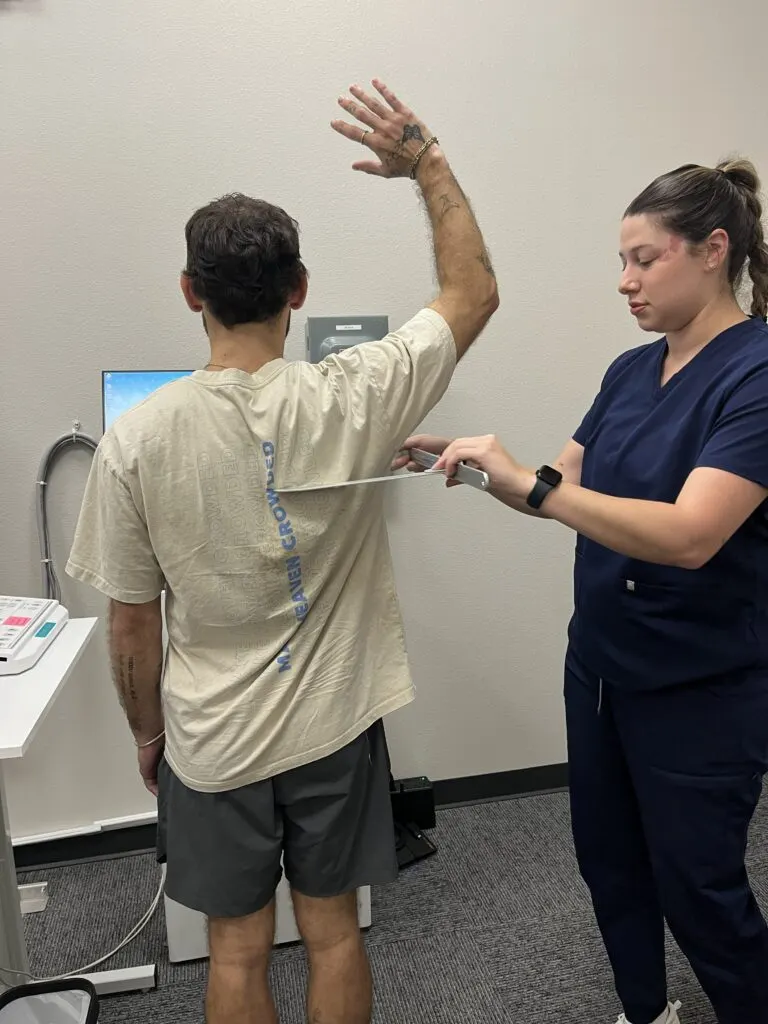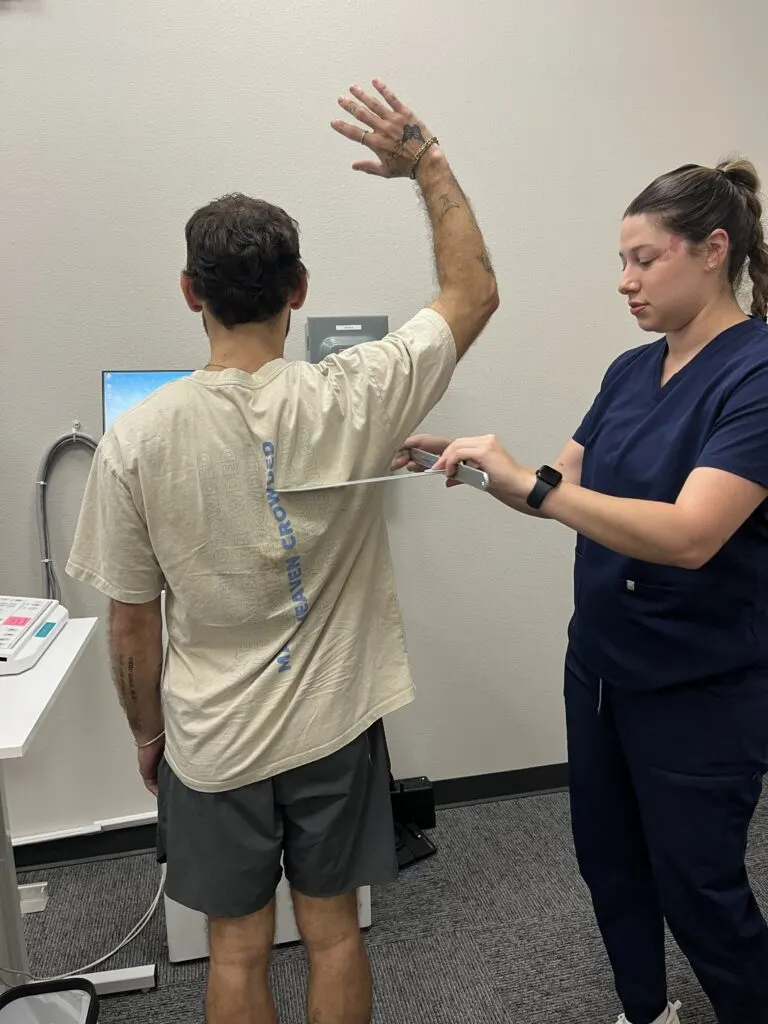

Tension headaches can be a real nuisance, impacting your daily life and productivity. As a local chiropractor, I want to share how simple lifestyle changes, along with chiropractic care, can make a significant difference in managing these headaches. Staying properly hydrated and maintaining good posture are essential steps you can take to alleviate tension.
Incorporating relaxation techniques, such as deep breathing or gentle stretching, can also help manage stress, which is often a trigger for headaches. However, one of the most effective ways to address tension headaches is through chiropractic care. Chiropractic adjustments can realign the spine, relieve muscle tension, and improve overall nervous system function, leading to reduced headache frequency and intensity.
If you’re curious about how these methods can work for you, consider making an appointment for a chiropractic evaluation. Together, we can explore natural, non-invasive strategies to tackle those tension headaches and promote your overall well-being. Remember, small adjustments in your daily routine, combined with regular chiropractic care, can lead to a healthier, pain-free life.
Key Takeaways
- Stay hydrated by drinking at least eight glasses of water daily. Proper hydration is crucial for overall health and can help prevent headaches related to dehydration.
- Maintain good posture, especially while sitting at your desk. This simple adjustment can significantly reduce muscle tension in your neck and shoulders, which is often a contributing factor to tension headaches.
- Incorporate regular physical activity into your routine. Activities like walking or yoga not only help lower stress levels but also promote overall wellness, making them great for headache relief.
- Explore relaxation techniques such as deep breathing and progressive muscle relaxation. These methods are effective in managing stress and tension, which can lead to fewer headaches.
- Consider chiropractic care as an essential part of your wellness routine. Regular spinal adjustments can relieve muscle tension, improve your body’s function, and enhance your overall health, especially if you experience frequent headaches. Chiropractic care offers a natural and effective way to manage pain and promote wellness without relying on medications or surgeries.
By implementing these tips and prioritizing chiropractic care, you can take significant steps towards achieving optimal health and finding relief from tension headaches.
Understanding Tension Headaches
Understanding tension headaches is crucial for managing discomfort and enhancing your overall wellness. These headaches often stem from stress, muscle tension, or fatigue, presenting as a dull, aching pain that feels like a band around your head. You may also notice tightness in your neck and shoulders, which can make the discomfort more intense.
Unlike migraines, tension headaches usually don’t come with nausea or sensitivity to light. They can occur occasionally or may become a chronic issue, impacting your daily life. By recognizing the signs early, you can take steps to alleviate the pain effectively.
Common triggers for tension headaches include poor posture, long hours spent at a desk, and emotional stress. By identifying these factors, you can understand what may be causing your headaches. Simple adjustments, such as maintaining good posture, taking regular breaks from screens, and incorporating relaxation techniques, can significantly reduce the frequency and intensity of these headaches.
Chiropractic care is an excellent option for treating tension headaches. Through spinal adjustments, chiropractors can help relieve muscle tension, improve posture, and enhance overall spinal health, leading to a reduction in headache occurrences. Regular chiropractic visits can also promote better stress management and overall wellness.
Pay attention to your body’s signals and keep a journal of when headaches arise. This awareness can help you pinpoint triggers and develop effective relief strategies tailored to your needs.
Lifestyle Changes for Prevention
Making simple lifestyle changes can significantly help reduce the risk of tension headaches and promote overall wellness. As a chiropractor, I encourage you to prioritize your spinal health, as a well-aligned spine can contribute to better function and less discomfort.
First and foremost, staying hydrated is crucial. Dehydration can lead to headaches, so make sure to drink plenty of water throughout the day. Remember, your body thrives when it’s well-hydrated!
Next, be mindful of your posture, especially if you work at a desk for long periods. Poor posture can put extra strain on your neck and shoulders, leading to tension headaches. Consider using ergonomic chairs and setting up your workspace to support a healthy posture. This not only helps with headaches but can also enhance your spinal health.
Regular physical activity is another key factor. Aim for at least 30 minutes of exercise most days. This doesn’t have to be intense; even simple activities like walking or stretching can boost your mood and reduce stress, which is often a trigger for headaches.
Sleep is vital too. Establishing a consistent sleep schedule and creating a restful environment can help you achieve restorative sleep, which is essential for your body to heal and function optimally.
Don’t forget to take regular breaks during your work. Stand up, stretch, and give your muscles a chance to relax. This can help alleviate tension that builds up in your neck and back.
Lastly, it’s wise to limit your intake of caffeine and alcohol, as both can contribute to headaches. Instead, focus on nourishing your body with healthy foods and staying in tune with how your body feels.
By integrating these simple lifestyle changes and considering regular chiropractic care, you can promote natural healing and achieve optimal health. Chiropractic adjustments can help ensure your spine is aligned, leading to improved function and reduced tension headaches.
Relaxation Techniques to Reduce Stress
To reduce stress and alleviate tension headaches, incorporating relaxation techniques into your daily routine can be incredibly beneficial. As a local chiropractor, I recommend focusing on methods that not only calm your mind but also support your overall spinal health.
Deep breathing exercises can help reduce stress and tension in your body, allowing for better alignment of your spine. Guided imagery practices can help you visualize a peaceful state, promoting relaxation and wellness. Additionally, progressive muscle relaxation can release built-up tension, further supporting your physical and mental well-being.
By prioritizing these techniques, you may find yourself feeling more at ease and less susceptible to headaches. Remember, chiropractic care directly addresses the root causes of tension and pain by improving spinal alignment and function.
Regular chiropractic adjustments can enhance your body’s natural ability to heal and maintain balance, making it an excellent choice for achieving optimal health and wellness. Always consult with your chiropractor to create a holistic plan that includes these relaxation practices for the best results in pain relief and stress management.
Deep Breathing Exercises
Deep breathing exercises can be an invaluable practice for alleviating tension headaches and managing stress, especially when combined with chiropractic care. By focusing on your breath, you can create a sense of calm that helps reduce muscle tension and anxiety, which are often linked to spinal misalignments.
Here are some key benefits of incorporating deep breathing into your daily routine, alongside regular chiropractic adjustments:
- Increases oxygen flow: Enhanced oxygen delivery can improve overall brain function and help minimize headache triggers. Proper spinal alignment also supports optimal nerve function, allowing your body to operate at its best.
- Promotes relaxation: Deep breathing activates your body’s natural relaxation response, easing physical tension. When paired with chiropractic care, you can achieve a deeper state of relaxation that helps relieve stress and tension in the muscles surrounding your spine.
- Balances emotions: Practicing deep breathing helps regulate stress hormones, leading to a more stable mood. Chiropractic adjustments can further support emotional well-being by ensuring proper communication between your brain and body.
- Improves focus: Clearing your mind through deep breathing makes it easier to tackle stressors effectively. Coupled with the benefits of chiropractic care, you can enhance your mental clarity and focus, allowing you to handle daily challenges with ease.
Set aside a few minutes each day to practice deep breathing alongside your chiropractic routine, and notice how these two powerful tools can positively impact your tension headaches and overall well-being.
Guided Imagery Practices
Imagine yourself in a serene environment, free from distractions and stress. Close your eyes and picture a peaceful scene—a quiet beach, a lush forest, or a tranquil mountain. As you visualize this place, engage your senses. Hear the gentle waves, feel the warm sun, or smell the fresh pine. Allow these sensations to wash over you, releasing tension with each breath.
Incorporating guided imagery into your wellness routine can be a powerful complement to chiropractic care. This technique helps shift your focus from pain and discomfort to calmness and relaxation, supporting the healing process. While chiropractic adjustments work to align your spine and improve overall function, guided imagery can enhance your state of mind, promoting a deeper sense of peace in your daily life.
You can easily practice guided imagery on your own or find recordings and apps that lead you through these calming scenarios. Regularly engaging in this practice not only helps reduce tension, including headaches, but also fosters a holistic approach to your health. Remember, chiropractic care is designed to address the root causes of pain naturally, without the need for medications or surgeries.
To get the most out of your chiropractic experience, consider these tips:
- Combine Techniques: Pair your chiropractic visits with guided imagery to enhance relaxation and healing.
- Create a Routine: Set aside time each day for visualization and mindfulness practices to cultivate a calm mindset.
- Stay Active: Engage in gentle exercises and stretches recommended by your chiropractor to support your spine and overall wellness.
- Listen to Your Body: Pay attention to how your body feels and communicate any concerns with your chiropractor to ensure optimal care.
Embrace these practices as valuable tools for achieving and maintaining your health naturally. With a commitment to chiropractic care and supportive techniques like guided imagery, you can work towards a more balanced and pain-free life.
Progressive Muscle Relaxation
Everyday stress can lead to physical tension, making it crucial to find effective ways to release that tightness. One powerful technique is Progressive Muscle Relaxation (PMR), which can be especially beneficial for those seeking natural pain relief and overall wellness. This method involves tensing and then relaxing different muscle groups, helping you become more aware of your body and promoting deep relaxation.
Here’s how PMR can help you achieve a healthier, more balanced state:
- Reduces muscle tension and stress, which can alleviate discomfort in your spine
- Enhances your overall sense of well-being, supporting your body’s natural healing processes
- Improves sleep quality, crucial for recovery and maintaining optimal health
- Increases body awareness, allowing you to better understand your physical needs
To practice PMR, find a quiet space, close your eyes, and systematically tense each muscle group for a few seconds before releasing. Start from your toes and work your way up to your head. Not only can this technique ease tension headaches, but it also contributes to a calmer mindset, making it a perfect complement to chiropractic care.
By incorporating PMR into your routine, you can enhance the benefits of your chiropractic adjustments and support your journey to better health.
Effective Over-the-Counter Treatments
When tension headaches strike, many people reach for over-the-counter treatments for quick relief. While options like nonsteroidal anti-inflammatory drugs (NSAIDs) such as ibuprofen or naproxen can be effective, it’s important to consider more natural approaches that address the root of the problem.
As a chiropractor, I believe that chiropractic care can be the best choice for achieving optimal health and relieving tension headaches without relying on medications.
Tension headaches often result from muscle tension and misalignments in the spine. Chiropractic adjustments can help restore proper alignment, relieve muscle tension, and improve overall function. By addressing the underlying issues, you may experience long-lasting relief from headaches.
In addition to chiropractic care, there are several tips you can try at home to alleviate tension headaches naturally. Regularly practicing relaxation techniques such as deep breathing, yoga, or meditation can help reduce stress and tension.
Staying hydrated and maintaining good posture throughout the day can also make a significant difference.
For immediate relief, consider using natural topical treatments like essential oils or cooling gels on your temples or neck. These can provide soothing sensations without the need for medications.
If you find that your headaches persist or worsen, don’t hesitate to reach out to a chiropractor for a thorough evaluation and personalized treatment plan.
The Role of Hydration and Nutrition
Staying hydrated and eating nutrient-rich foods are crucial components in managing tension headaches, and they can also complement your overall well-being. As a chiropractor, I believe in the power of natural healing and the body’s ability to thrive when given the right support. Drinking plenty of water and nourishing your body with wholesome foods can help alleviate the frequency and intensity of headaches, making you feel better and healthier.
When you’re properly hydrated, your body functions optimally, reducing the likelihood of headaches caused by dehydration. Aim to drink at least eight glasses of water a day, and remember that your body might need more if you’re active or in a hot environment.
In addition to hydration, focus on incorporating nutrient-rich foods into your diet. Foods high in magnesium, such as leafy greens, nuts, and seeds, can be particularly beneficial for headache relief. Omega-3 fatty acids found in fish and flaxseeds can also help reduce inflammation and promote overall health.
It’s essential to listen to your body and recognize the signs it gives you. If you’re experiencing tension headaches, consider evaluating your hydration and nutrition habits. Small changes can lead to significant improvements in your health.
Moreover, chiropractic care can play a vital role in your journey to optimal health. By addressing misalignments in the spine, we can enhance your nervous system’s function, which may help reduce headaches and improve overall well-being.
If you’re looking for a natural approach to pain relief and wellness, chiropractic care may be the solution you need.
Importance of Water Intake
Staying properly hydrated is essential for your overall health and can significantly help in managing tension headaches. When you’re dehydrated, your body struggles to operate effectively, which can lead to increased pain and discomfort. Ensuring you drink enough water each day not only helps prevent headaches but also enhances your overall wellness.
Here are some benefits of proper hydration:
- Boosts blood flow to the brain: Adequate water intake helps maintain optimal blood circulation, which is crucial for brain health.
- Reduces muscle tension: Staying hydrated can help relax your muscles, alleviating unnecessary tension that can contribute to headaches.
- Supports nutrient transportation: Water plays a vital role in delivering essential nutrients throughout your body, helping you feel your best.
- Promotes overall bodily function: Proper hydration is key to keeping all your body systems working smoothly, which can prevent headaches from occurring.
As a chiropractor, I recommend making hydration a part of your daily routine. Consider carrying a water bottle with you and setting reminders to drink water throughout the day.
Remember, staying hydrated is more than just quenching your thirst; it’s a fundamental step in managing and preventing tension headaches naturally.
Incorporating proper hydration into your lifestyle, along with regular chiropractic care, can lead to a healthier and headache-free life.
Prioritize your water intake and consider visiting your chiropractor to explore additional ways to enhance your well-being and manage pain naturally. Your health is worth it!
Nutrient-Rich Foods
Eating a nutrient-rich diet is vital not just for fueling your body, but also for managing tension headaches, which can be an obstacle to your overall wellness. At our chiropractic practice, we believe that nutrition plays a key role in your health journey, working hand-in-hand with spinal care to promote natural healing. By incorporating specific foods into your diet, you can alleviate headache symptoms and enhance your well-being without relying on medications or invasive procedures.
Focus on adding foods that are high in magnesium, omega-3 fatty acids, and antioxidants to your meals. These nutrients can help reduce inflammation and support brain health, which is essential for those suffering from headaches. Here’s a simple guide to some beneficial foods you can easily include in your diet:
| Nutrient | Food Sources |
|---|---|
| Magnesium | Spinach, nuts, seeds |
| Omega-3 Fatty Acids | Salmon, flaxseeds, walnuts |
| Antioxidants | Berries, dark chocolate |
| Hydration | Water-rich fruits, vegetables |
| B Vitamins | Whole grains, leafy greens |
In addition to focusing on these nutrient-rich foods, ensure you stay well-hydrated. Dehydration can trigger headaches, so incorporating water-rich fruits and vegetables like cucumbers and watermelon can be beneficial.
Remember, managing tension headaches is not just about what you eat; it’s also about how you take care of your spine. Regular chiropractic adjustments can help alleviate tension in your neck and shoulders, which often contributes to headache pain. By combining a healthy diet with chiropractic care, you can take a proactive approach to your health and achieve relief naturally.
Make these small changes today, and feel the difference in your body and mind. Your journey to optimal health starts with simple, everyday choices.
When to Seek Professional Help
When should you consider seeking help for tension headaches? If you’re dealing with frequent or severe headaches that interfere with your daily activities, it’s important to explore your options for relief. Chiropractic care can be a powerful tool in managing tension headaches naturally and effectively.
Here are some signs that indicate it might be time to consult a chiropractor:
- You experience headaches more than twice a week.
- Over-the-counter medications haven’t been helpful.
- You notice changes in your headache pattern.
- You have additional symptoms like vision changes, nausea, or confusion.
Don’t overlook these signs. A skilled chiropractor can help identify the underlying causes of your tension headaches and develop a personalized treatment plan that may include spinal adjustments, massage, and lifestyle recommendations to promote overall wellness.
Tension headaches can often be alleviated with the right approach, and pursuing natural alternatives like chiropractic care can lead to lasting relief.
It’s always better to address these issues proactively rather than waiting for the pain to escalate. By seeking help sooner rather than later, you can significantly improve your quality of life.
Remember, you don’t have to manage this alone—chiropractic care is here to support your journey toward optimal health and wellness.
Consider incorporating regular chiropractic visits, along with maintaining good posture, staying hydrated, and managing stress through relaxation techniques to help minimize the frequency and intensity of your headaches.
Incorporating Regular Exercise Into Your Routine
Regular exercise can be a transformative approach to managing tension headaches, and as a chiropractor, I encourage you to consider it an essential part of your wellness journey. By incorporating physical activity into your daily routine, you can relieve built-up tension and significantly enhance your overall health. Aim for at least 30 minutes of moderate exercise most days of the week. Simple activities such as walking, yoga, or cycling can effectively reduce stress and improve blood circulation, which may help prevent headaches from occurring.
If you’re new to exercise, start small. It’s important to listen to your body and gradually increase the intensity and duration of your workouts as you become more comfortable. Don’t overlook the benefits of stretching exercises; they’re vital for enhancing flexibility and reducing muscle tightness, particularly in the neck and shoulders, which are common headache triggers.
Choosing enjoyable activities is crucial for maintaining motivation. Remember, consistency is key to experiencing long-term benefits. You’ll likely notice a reduction in the frequency of your tension headaches, making regular exercise an integral part of your headache management strategy.
In addition to exercise, consider incorporating chiropractic care into your routine. A chiropractor can help assess your spinal alignment, which plays a significant role in overall health and wellness. Proper spinal alignment can alleviate nerve interference and muscle tension, further reducing the likelihood of tension headaches.
Prioritize your health by combining regular exercise with chiropractic care for optimal results. Together, these practices can support a healthier, pain-free lifestyle.
Conclusion
By embracing these effective methods, you can not only alleviate tension headaches but also enhance your overall wellness. One of the simplest yet most important strategies is to stay hydrated—water plays a vital role in keeping your body functioning optimally. Good posture is another key factor; it helps reduce strain on your neck and back, which can contribute to headache pain.
Incorporating relaxation techniques, such as deep breathing or gentle stretching, into your daily routine can significantly lower stress levels, helping to prevent headaches before they start. Regular exercise is also crucial; it boosts your mood and promotes better circulation, both of which can help ward off headaches.
A nutrient-rich diet is essential too—opt for whole foods that nourish your body, and don’t forget to include plenty of fruits and vegetables. These small changes can make a big difference in your overall health.
If you find that your headaches persist, consider visiting a chiropractor. Chiropractic care focuses on spinal health and can help alleviate the root causes of your headaches, leading to natural relief and improved function. By taking these proactive steps and considering chiropractic care, you can pave the way for a healthier, headache-free future.