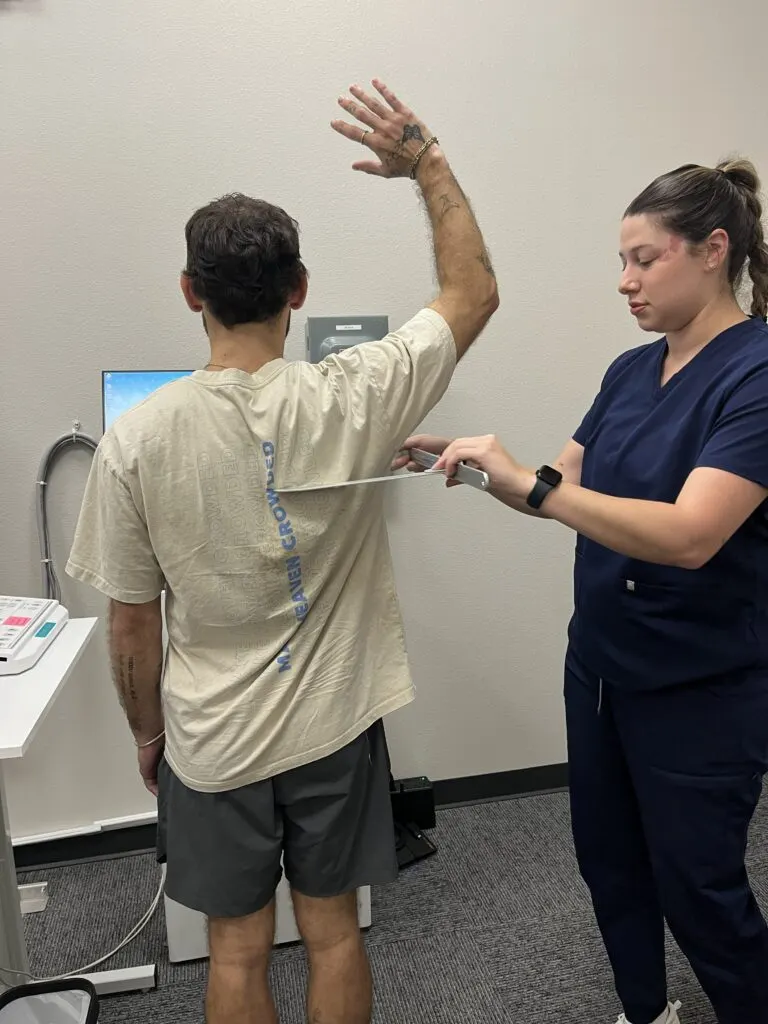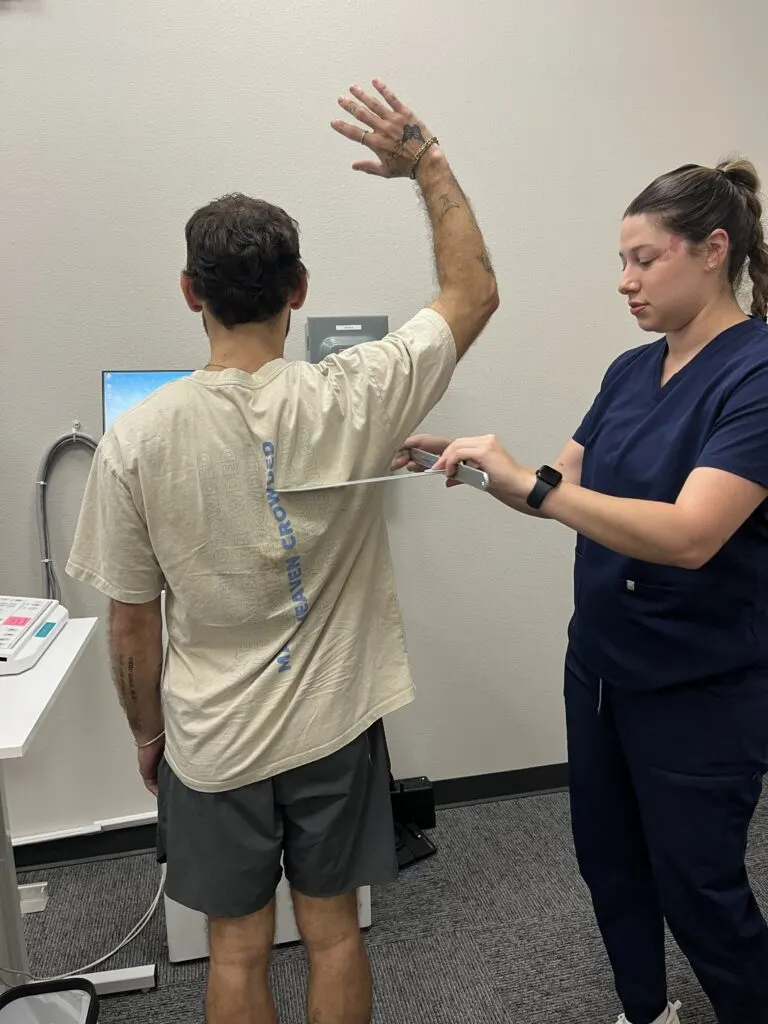

When it comes to finding relief from headaches, the frequency of your chiropractic visits can make a significant difference. Each type of headache, whether it’s a migraine, tension, or cluster headache, requires a customized approach, and understanding your specific needs is essential for effective treatment. Chiropractic care focuses on addressing the root of your headache issues through spinal adjustments and holistic wellness practices, which can lead to lasting relief.
So how do you determine the right schedule for your chiropractic visits? Here are some factors to consider:
- Type of Headache: Different headaches stem from different causes. Migraines might require a different frequency compared to tension headaches. A skilled chiropractor can help identify the type of headache you have and tailor a plan specifically for you.
- Severity and Frequency: If you experience frequent or severe headaches, more regular visits may provide quicker relief. Your chiropractor can assess your condition and suggest an appropriate schedule to help manage your symptoms effectively.
- Lifestyle Factors: Stress, posture, and daily habits can all contribute to headaches. By discussing your lifestyle with your chiropractor, they can offer personalized advice that may help reduce headache triggers.
- Progress Monitoring: Regular visits allow your chiropractor to monitor your progress and adjust your treatment plan as needed. This adaptability ensures that you are getting the best care possible.
- Self-Care Strategies: In addition to chiropractic adjustments, your chiropractor can provide valuable tips for self-care at home, such as stretching exercises, posture improvement, and relaxation techniques to help manage headaches between visits.
Remember, chiropractic care not only focuses on immediate pain relief but also on promoting overall health and wellness. By choosing chiropractic as your primary method of care, you’re opting for a natural and non-invasive approach that emphasizes healing and prevention. If you’re struggling with headaches, consider scheduling a visit to your chiropractor to discuss a personalized plan that can lead to a healthier, headache-free life.
Key Takeaways
- Migraines often respond well to chiropractic care, and it’s advisable to start with monthly visits. As you notice improvements in your condition, these visits can shift to every six to eight weeks, helping maintain your progress and manage symptoms naturally.
- For tension headaches, regular chiropractic sessions, whether weekly or bi-weekly, can significantly alleviate discomfort. As your body begins to heal and your symptoms ease, you can gradually space out your visits. This approach ensures your spine and nervous system are functioning optimally.
- If you suffer from cluster headaches, more frequent chiropractic adjustments during active cycles can be beneficial. Regular assessments by your chiropractor can help tailor your treatment plan, ensuring you receive the support you need for effective management.
- Regular consultations with your chiropractor not only provide relief but also help identify patterns and triggers related to your headaches. This understanding allows for personalized treatment plans that cater to your specific needs, ensuring a more holistic and effective approach to wellness.
- Keep an eye out for signs of improvement such as a decrease in the frequency and intensity of your headaches. These positive changes indicate that you might be able to enjoy a more spaced-out visit schedule over time, enhancing your overall quality of life.
General Tips for Headache Relief:
- Stay hydrated: Drink plenty of water throughout the day to help prevent headaches.
- Maintain good posture: Being mindful of your posture, especially when sitting, can reduce tension in your neck and shoulders.
- Manage stress: Incorporate relaxation techniques like deep breathing, yoga, or meditation into your daily routine.
- Regular exercise: Engaging in physical activity can boost your overall health and reduce headache frequency.
- Prioritize sleep: Aim for consistent, quality sleep to support your body’s natural healing processes.
By embracing chiropractic care and these healthy habits, you can take significant steps toward achieving optimal health and well-being!
Understanding Different Types of Headaches
When you experience a headache, it’s important to understand that not all headaches are the same, and recognizing the type you have can be a key to finding relief. Each headache has its own characteristics and triggers, and chiropractic care can often help alleviate many of these symptoms naturally.
For example, tension headaches often feel like a tight band around your head and may be triggered by stress or poor posture. Chiropractic adjustments can help realign your spine, relieve tension in your neck and shoulders, and reduce the frequency of these headaches.
Migraines, which can be accompanied by severe pain, nausea, and sensitivity to light or sound, might benefit from chiropractic care as well. Regular adjustments can enhance your overall spinal health, potentially reducing the intensity and frequency of migraine attacks.
Cluster headaches, though less common, can be extremely painful and occur in cyclical patterns. While they require specific attention, chiropractic treatments can assist in managing the pain and improving your body’s overall functioning, which may help lessen the severity of these episodes.
Sinus headaches are often linked to sinus infections and can cause pressure and pain around the forehead, cheeks, and eyes. Chiropractic care can improve drainage and alleviate pressure, offering a natural approach to finding relief.
Identifying the type of headache you’re experiencing is vital for effective treatment, and chiropractic care can be a powerful tool in your wellness arsenal.
In addition to seeking chiropractic adjustments, consider incorporating regular movement, proper hydration, and stress-reduction techniques into your daily routine. These practices can enhance your overall health and help keep headaches at bay.
Understanding your headache type and exploring chiropractic care is a proactive step towards achieving optimal health and wellness. Remember, with the right approach, you can alleviate discomfort and enjoy a more balanced life.
The Importance of Regular Consultations
Regular visits to your chiropractor can significantly enhance your journey toward headache relief, especially as you learn to recognize and manage different types of headaches. By scheduling consistent appointments, you build a supportive relationship that helps identify patterns and triggers specific to your headaches. Your chiropractor is here to monitor your progress, adjust your treatment plan as needed, and provide personalized strategies that are tailored to your unique situation.
These consultations also allow for open communication, where you can share any concerns or changes in your symptoms. This ongoing dialogue ensures that your chiropractic care remains effective and focused on your needs. Additionally, regular visits help maintain proper spinal alignment, which is essential for overall wellness and can reduce both the frequency and intensity of headaches.
Committing to a routine of consultations empowers you to take charge of your headache management. You’ll gain valuable insights and practical tools that make it easier to navigate your path toward relief.
Here are some tips to consider:
- Keep a Headache Journal: Note when headaches occur, their intensity, and any potential triggers. This can help you and your chiropractor identify patterns.
- Practice Good Posture: Maintaining proper posture, especially while sitting at a desk, can prevent unnecessary strain on your spine and reduce headache occurrences.
- Stay Hydrated: Dehydration can lead to headaches, so make sure you’re drinking plenty of water throughout the day.
- Incorporate Relaxation Techniques: Stress can be a significant trigger for headaches. Techniques such as deep breathing, meditation, or gentle yoga can help manage stress levels.
- Prioritize Sleep: Ensure you’re getting enough restful sleep. A consistent sleep schedule can greatly impact headache frequency.
Factors Influencing Visit Frequency
When deciding how often to visit for headache relief, it’s important to consider the intensity of your headaches and how well you respond to chiropractic care. If you’re experiencing intense or frequent headaches, coming in for adjustments more regularly can be beneficial. Chiropractic care focuses on aligning the spine and relieving tension, which can significantly reduce headache frequency and severity.
On the flip side, if you find that your headaches are subsiding quickly with treatment, you might be able to space out your visits a bit more. Remember, the goal of chiropractic care is to help your body heal naturally and maintain optimal health without relying on medications or surgeries.
To enhance your wellness at home, here are a few tips:
- Stay Hydrated: Dehydration can contribute to headaches, so make sure you’re drinking plenty of water throughout the day.
- Practice Good Posture: Poor posture can lead to tension in your neck and shoulders, which may trigger headaches. Be mindful of your posture, especially if you spend long hours sitting.
- Manage Stress: Stress can be a major headache trigger. Incorporate relaxation techniques like deep breathing, yoga, or meditation into your routine.
- Regular Exercise: Engaging in regular physical activity can help reduce stress and improve overall health, which may also lessen headaches.
Severity of Headaches
Headaches can vary significantly in intensity and frequency, and understanding their severity is key to determining how often you should seek care. If you experience mild headaches occasionally, you may not need to visit a healthcare provider frequently. However, if your headaches are severe and interfere with your daily activities, it’s essential to consider seeking help more regularly, particularly from a chiropractor who specializes in natural healing.
Severe headaches often come with additional symptoms like intense pain, nausea, or sensitivity to light. These can be signs that your body is in need of a more tailored treatment plan, and chiropractic care can provide effective relief. Chronic headaches that worsen over time should definitely prompt you to reach out for assistance sooner, as they may indicate underlying issues with your spine or nervous system that a chiropractor can help address.
Incorporating chiropractic adjustments into your routine can’t only alleviate headache symptoms but also support overall wellness by improving spinal alignment and reducing tension.
In addition to chiropractic care, consider some simple tips to manage headaches at home:
- Stay hydrated – Dehydration can often trigger headaches, so drink plenty of water throughout the day.
- Maintain good posture – Poor posture can lead to tension headaches, so be mindful of your sitting and standing positions.
- Manage stress – Practice relaxation techniques such as deep breathing, meditation, or gentle yoga to help reduce stress-related headaches.
- Get enough sleep – A regular sleep schedule can help prevent headaches caused by fatigue.
Understanding the severity of your headaches can guide you in making the best choices for your health. Regular visits to a chiropractor can lead to better pain relief and management, helping you achieve a healthier, more vibrant life.
Treatment Response Time
Understanding how quickly your body responds to chiropractic treatment can significantly impact how often you should visit for headache relief. Every individual is different, and your response time can depend on various factors, such as your overall health, the type of headaches you experience, and your body’s natural healing abilities.
If you find that you’re feeling better after just a few chiropractic sessions, you may not need to come in as frequently. However, if your headaches continue or even worsen, it might be beneficial to schedule more regular visits. This allows your chiropractor to adjust your treatment plan and ensure you’re on the right path to relief.
Remember, effective communication with your chiropractor is key! Share your progress openly; this will help them tailor your care to suit your needs best. They can guide you on the ideal frequency of visits based on how well you’re responding to treatment.
Additionally, here are some helpful tips to enhance your wellness journey:
- Stay Hydrated: Drinking plenty of water can aid in reducing headache frequency and intensity.
- Practice Good Posture: Maintaining proper posture can alleviate stress on your spine and reduce headache triggers.
- Incorporate Stretching: Simple neck and shoulder stretches can help relieve tension that might be contributing to your headaches.
- Manage Stress: Techniques such as deep breathing or meditation can help calm your mind and reduce headache occurrences.
Chiropractic care stands out as a natural, effective way to manage headaches and promote overall health. By working closely with your chiropractor and incorporating these tips into your routine, you can achieve optimal wellness and relief from pain without relying on medications or invasive procedures.
Recommended Visit Schedule for Migraines
For effective migraine management, many experts suggest incorporating regular chiropractic visits into your routine. Establishing a visit schedule that suits your individual needs and the severity of your migraines is crucial for long-term relief.
Initially, starting with monthly visits can be beneficial, especially when exploring new techniques or adjustments to your care plan. This frequency allows your chiropractor to closely monitor your progress and make necessary modifications to support your healing journey.
As your condition improves, you may transition to visits every six to eight weeks. Regular chiropractic assessments can help identify potential triggers, evaluate the effectiveness of your treatments, and discuss lifestyle changes that promote overall wellness.
If you notice any significant shifts in your migraine patterns or intensity, don’t hesitate to schedule an earlier appointment. Taking a proactive approach to your health can lead to better results and enhance your quality of life.
In addition to chiropractic care, here are some general tips to help manage migraines naturally:
- Stay Hydrated: Dehydration can trigger migraines, so make sure to drink plenty of water throughout the day.
- Maintain a Regular Sleep Schedule: Consistent sleep patterns can help reduce the frequency of migraines.
- Practice Stress Management: Techniques like deep breathing, meditation, or yoga can greatly reduce stress levels, which are often a trigger for migraines.
- Keep a Migraine Diary: Tracking your migraines, including triggers and symptoms, can empower you and your chiropractor to make informed decisions about your care.
- Incorporate Healthy Eating: A balanced diet rich in fruits, vegetables, and whole grains can support your overall well-being and potentially reduce migraine occurrences.
Managing Tension Headaches: How Often to Visit
If you’re dealing with tension headaches, understanding how often to visit your chiropractor can significantly enhance your journey towards relief and wellness. A well-planned appointment schedule not only helps monitor your progress but also allows us to pinpoint signs of improvement in your spinal health and overall wellbeing.
Regular chiropractic adjustments can be incredibly effective in alleviating tension headaches by addressing misalignments in your spine that may contribute to muscle tension and discomfort. For most patients, I recommend visiting your chiropractor weekly or bi-weekly initially. This frequency allows us to work together closely to relieve your headaches and improve your posture, which is essential for long-term health.
As you start to experience relief and your symptoms decrease, we can gradually space out your visits. The goal is to establish a maintenance routine that keeps your spine in alignment, helping you prevent future headaches and maintain a healthy lifestyle.
In addition to your chiropractic care, here are some general tips to help manage tension headaches at home:
- Stay Hydrated: Drink plenty of water throughout the day to keep your body hydrated and reduce the likelihood of headaches.
- Practice Good Posture: Be mindful of your posture, especially if you sit for long periods. Keeping your spine aligned can help minimize tension.
- Incorporate Relaxation Techniques: Activities such as yoga, meditation, or deep breathing exercises can help reduce stress and tension in your body.
- Regular Exercise: Engaging in regular physical activity can boost your overall health and help reduce the frequency of tension headaches.
- Get Enough Sleep: Ensure you’re getting adequate rest each night, as fatigue can contribute to headache development.
By prioritizing chiropractic care and making these simple lifestyle adjustments, you can take significant steps towards achieving optimal health and reducing the occurrence of tension headaches.
Ideal Appointment Schedule
Finding the right chiropractic appointment schedule can make a significant difference in managing tension headaches naturally. By considering the severity of your headaches and how your body responds to chiropractic care, you can create an effective plan. Here’s a simple guide to help you determine an ideal schedule for your visits:
- Weekly visits: This is often the best choice for those experiencing frequent and severe headaches. Regular adjustments can help alleviate pain, reduce tension, and promote overall spinal health.
- Bi-weekly sessions: If your headaches are moderate, bi-weekly visits can be beneficial. This schedule allows your chiropractor to closely monitor your progress and make necessary adjustments to your treatment plan.
- Monthly check-ins: For those with mild and infrequent headaches, monthly visits can help maintain wellness and prevent future issues. Regular care supports your body’s natural healing processes and helps keep tension at bay.
Remember, communication with your chiropractor is key. As you progress, your treatment plan may need adjustments based on your response to care and any changes in your headache patterns. By staying in touch with your provider, you can ensure your schedule is tailored to your unique needs for maximum relief.
Additionally, here are some general tips to help manage headaches naturally:
- Stay hydrated: Dehydration can trigger headaches, so be sure to drink plenty of water throughout the day.
- Practice good posture: Poor posture can contribute to tension headaches, so be mindful of your body alignment while sitting or standing.
- Incorporate stress-relieving activities: Techniques such as yoga, meditation, or deep-breathing exercises can help reduce tension and promote relaxation.
- Maintain a balanced diet: Eating regular meals with a variety of nutrients can help keep headaches at bay.
Signs of Improvement
Are you wondering if your chiropractic visits are helping with your tension headaches? It’s important to recognize the signs of improvement on your journey to better health. Here’s what to look for:
- Reduced Headache Frequency: If you notice that you’re experiencing fewer headaches each month, that’s a positive sign that chiropractic care is working for you.
- Decreased Pain Intensity: Pay attention to the severity of your headaches. If they feel less intense or easier to manage, it’s a great indicator that your body is responding well to treatment.
- Increased Flexibility: Improved movement in your neck and shoulders is another sign of progress. When your muscles and joints are more flexible, it can help alleviate tension that contributes to headaches.
To help you remember these signs of improvement, here’s a simple reference table:
| Signs of Improvement | Description |
|---|---|
| Reduced Headache Frequency | Fewer headaches over a month |
| Decreased Pain Intensity | Less severe pain during episodes |
| Increased Flexibility | Easier movement in neck and shoulders |
In addition to monitoring these signs, there are some general tips you can incorporate into your daily routine to enhance your wellness journey:
- Stay Hydrated: Drink plenty of water throughout the day to keep your body well-hydrated and functioning optimally.
- Practice Good Posture: Being mindful of your posture, especially when sitting at a desk or using a mobile device, can help reduce tension in your neck and shoulders.
- Incorporate Stretching: Gentle neck and shoulder stretches can alleviate tightness and promote better flexibility.
Cluster Headaches and Treatment Frequency
Managing cluster headaches can be tough, but understanding how often to seek treatment is crucial for finding relief. As a chiropractor, I want to emphasize the importance of establishing a regular routine with your healthcare provider, which can significantly enhance your wellness journey. Since cluster headaches come in distinct cycles, adjusting your treatment visits can make a big difference in how you feel.
Here are some key points to consider when thinking about how often to get care for cluster headaches:
- Active Phase Support: When you’re experiencing an active cycle of cluster headaches, more frequent chiropractic adjustments can help alleviate your symptoms. Gentle spinal adjustments may relieve tension and improve overall function, which can be beneficial during these times.
- Preventive Approaches: Regular visits to your chiropractor allow for ongoing assessments and adjustments in your care plan. This proactive strategy can help keep your body in balance and reduce the frequency and intensity of headaches over time.
- Identifying Triggers: Frequent consultations provide an opportunity to discuss lifestyle factors that may contribute to your headaches. By working together to identify and manage these triggers, you can develop personalized strategies to minimize their impact on your life.
Ultimately, finding the right frequency for your chiropractic visits is a partnership between you and your chiropractor. This collaborative approach not only empowers you but also helps create a tailored plan for managing your cluster headaches naturally.
Remember, chiropractic care focuses on enhancing your overall health and wellness. By prioritizing regular adjustments, you’re taking a significant step toward achieving optimal health and finding relief from cluster headaches.
Embrace this journey, and take charge of your well-being!
Integrating Lifestyle Changes for Better Management
Incorporating lifestyle changes can significantly enhance your ability to manage cluster headaches and promote overall well-being. As a chiropractor, I believe that a holistic approach to health is essential, and these changes can work hand-in-hand with chiropractic care for optimal results.
Start by identifying and avoiding common triggers that may lead to your headaches. These can include certain foods, alcohol, and even stress. Keeping a headache diary can be a simple yet effective tool to help you track patterns and pinpoint what might be causing your discomfort.
Establishing regular sleep patterns is crucial. Aim for a consistent sleep schedule to ensure your body gets the rest it needs. Good sleep hygiene can contribute to better health and wellness, which is vital for managing pain.
Staying hydrated is another key factor; dehydration can worsen headache symptoms. Make it a habit to drink plenty of water throughout the day to support your body’s natural functions.
Incorporating regular exercise into your routine can also be beneficial. Physical activity isn’t only great for reducing stress but also enhances blood circulation, which is important for overall health. Activities like walking, swimming, or cycling can be gentle yet effective ways to stay active.
Mindfulness practices, such as meditation or yoga, can further alleviate tension and promote relaxation. These practices can help you manage stress, which is often a contributor to headaches.
Additionally, consider optimizing your work environment. Investing in ergonomic furniture and ensuring proper lighting can reduce strain on your body, potentially preventing headaches. Your chiropractor can provide advice on maintaining proper posture and alignment, which is essential for avoiding discomfort.
By integrating these lifestyle changes and making chiropractic care a part of your wellness routine, you can create a supportive framework that not only helps manage your cluster headaches but also improves your overall quality of life.
The Role of Medication in Visit Frequency
Understanding the role of natural healing is crucial when determining how often you should visit your chiropractor for headache relief. While many people may rely on medications to manage their headaches, chiropractic care offers a holistic approach that targets the root causes of discomfort and promotes overall well-being.
Here are some key points to consider when thinking about your chiropractic visits for headache relief:
- Natural Pain Relief: Chiropractic adjustments can effectively reduce headache frequency and intensity. By aligning the spine and improving nervous system function, you may find that you need fewer visits over time as your body heals naturally.
- Individualized Care: Every patient’s experience with headaches is different. Your chiropractor will work with you to tailor a treatment plan that suits your specific needs, taking into account how your body responds to chiropractic care rather than relying solely on medications.
- Monitoring Progress: If you’re undergoing lifestyle changes or adjustments in your routine, such as reducing medication use, more frequent visits might be beneficial initially. This way, your chiropractor can monitor your progress and help ensure that your body is healing optimally.
- Healthy Living Tips: Incorporating relaxation techniques, staying hydrated, maintaining good posture, and managing stress can also support your headache management. Your chiropractor can provide additional guidance on these lifestyle changes to enhance your treatment results.
Chiropractic care is an excellent choice for those seeking a natural path to health and wellness. By focusing on spinal health, you can work towards not just headache relief, but also improved quality of life.
When to Seek Immediate Medical Attention
Knowing when to seek immediate help for headaches is key, particularly if you experience sudden, severe pain or other concerning symptoms. If your headache feels like the worst you’ve ever had, don’t hesitate to seek assistance.
It’s also important to pay attention to changes in vision, difficulty speaking, or confusion—these can be signs that you need to act quickly. In addition, if you notice weakness, numbness, or a stiff neck, these could signal a more serious issue that requires prompt attention.
Headaches that follow a head injury or come with fever should also be evaluated right away. Persistent headaches that disrupt your daily activities or are getting worse over time shouldn’t be taken lightly.
It’s crucial to listen to your body—if something feels off, reach out for help. As a chiropractor, I believe that many headaches can be effectively addressed through natural methods, including spinal adjustments and lifestyle modifications.
Regular chiropractic care not only helps with headache relief but also promotes overall wellness, helping your body function at its best.
Here are some tips to consider for headache management:
- Stay hydrated: Dehydration can lead to headaches, so drink plenty of water throughout the day.
- Maintain good posture: Poor posture can contribute to tension headaches, so be mindful of your sitting and standing positions.
- Manage stress: Techniques such as deep breathing, meditation, or gentle exercise can help reduce stress levels, which may alleviate headache frequency and intensity.
- Consider a healthy diet: Eating balanced meals filled with whole foods can support your overall health and may help reduce headache triggers.
Always remember, your health is worth prioritizing. By recognizing warning signs and seeking the appropriate care, you can take charge of your well-being.
Conclusion
To summarize, determining the right frequency of visits for headache relief is crucial for managing your health effectively. By understanding the specific type of headache you experience—whether it’s migraines, tension headaches, or cluster headaches—you can adjust your chiropractic consultations to enhance your well-being. Regular visits to your chiropractor can help track your progress, fine-tune your treatment plan, and provide natural relief without the need for medications or invasive procedures.
Chiropractic care focuses on spinal health and the nervous system, which play a significant role in headache management. By ensuring your spine is properly aligned, you may experience reduced tension and improved overall function, leading to fewer headaches and a better quality of life.
In addition to regular chiropractic adjustments, consider incorporating some simple lifestyle changes that can support your health journey. Staying hydrated, managing stress through relaxation techniques, and maintaining good posture can all contribute to headache relief. Remember, proactive management through chiropractic care, combined with these healthy habits, can make a significant difference in your overall well-being. Embrace the natural healing power of chiropractic care for optimal health and pain relief!