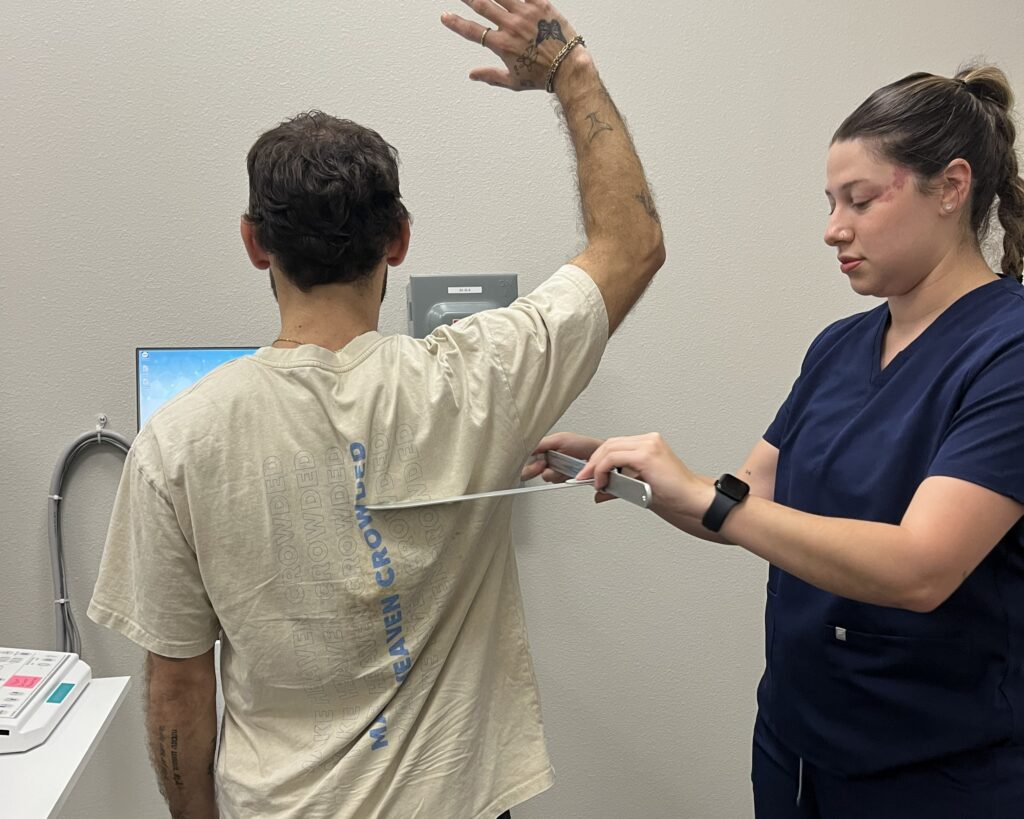

If you experience migraines, you’re probably looking for effective relief without depending too much on medication. One of the best natural approaches to consider is chiropractic care. This form of treatment not only focuses on alleviating pain but also addresses the physical and emotional triggers that can lead to migraines.
Chiropractic adjustments can help restore proper alignment to your spine, which may alleviate tension and pressure that contribute to migraine symptoms. By enhancing the function of your nervous system, chiropractic care empowers your body to heal itself naturally, promoting overall wellness.
In addition to chiropractic adjustments, there are several strategies you can incorporate into your routine to complement your treatment:
- Stay Hydrated: Dehydration can be a significant trigger for migraines. Make sure you drink plenty of water throughout the day.
- Maintain a Regular Sleep Schedule: Poor sleep can lead to increased migraine frequency. Aim for consistent sleep patterns to help your body find balance.
- Manage Stress: Stress is a common trigger for migraines. Consider incorporating relaxation techniques such as meditation, yoga, or deep breathing exercises into your daily routine.
- Monitor Your Diet: Certain foods may trigger migraines in some individuals. Keeping a food diary can help you identify any potential culprits and avoid them.
- Exercise Regularly: Regular physical activity can reduce the frequency and intensity of migraines. Aim for at least 30 minutes of moderate exercise most days.
By understanding and implementing these natural strategies alongside chiropractic care, you can take control of your health and find relief from migraines. Remember, your spine plays a crucial role in your overall well-being. Prioritizing chiropractic care can lead to a healthier, more vibrant life without relying on medications or invasive procedures.
Key Takeaways
As a local chiropractor, I want to share some valuable insights into managing migraines naturally and effectively, emphasizing the importance of chiropractic care in achieving optimal health and wellness.
- Chiropractic Care: One of the most effective ways to manage migraines is through chiropractic adjustments. These treatments can improve spinal alignment, reduce muscle tension, and may even lower the frequency and intensity of your migraine attacks. By ensuring your spine is aligned, you’re supporting your body’s overall function and reducing stress on your nervous system.
- Stay Hydrated: Drinking plenty of water is crucial for preventing dehydration-related migraines. Aim to drink at least eight glasses of water a day, and consider keeping a water bottle handy to remind yourself to hydrate throughout the day.
- Regular Exercise: Engaging in regular physical activity not only promotes overall health but also helps reduce the occurrence of migraines. Activities like walking, swimming, or even gentle stretches can be beneficial. Incorporating stress management techniques such as yoga and meditation can further enhance your well-being and reduce migraine triggers.
- Essential Oils for Relief: Many people find that essential oils, particularly lavender and peppermint, can provide temporary relief during migraine episodes. You can try diffusing these oils in your home or applying them topically (diluted with a carrier oil) to help promote relaxation and ease tension.
- Mindful Eating: Paying attention to your diet can play a significant role in preventing migraines. Try to avoid processed foods and keep a food diary to identify any potential triggers. Eating whole, nutritious foods can help keep your body balanced and reduce the likelihood of migraines.
Remember, chiropractic care is a natural and effective way to support your body’s health and manage migraines. If you’re struggling with migraines or want to learn more about how chiropractic can help, don’t hesitate to reach out. Together, we can work towards achieving a healthier, pain-free life!
Understanding Migraines and Their Triggers
What causes migraines to strike when you least expect them? Migraines often hit unexpectedly due to a variety of triggers such as stress, hormonal changes, or environmental factors. Certain scents or bright lights might set off your headaches, while a lack of sleep or dehydration can also play a significant role. Emotional factors like anxiety or depression can heighten your chances of experiencing these painful episodes.
As a chiropractor, I encourage you to pay attention to your body and note what seems to precede your migraines. Keeping a journal can help identify patterns that lead to attacks. For some individuals, caffeine can serve as both a remedy and a trigger; it’s essential to observe how it affects you personally.
Incorporating chiropractic care into your wellness routine can help address some underlying issues that may contribute to migraine frequency and intensity. Regular adjustments can promote better spinal alignment, reducing tension and stress on your nervous system, which may mitigate migraine occurrences.
Here are a few general tips to help manage your migraines naturally:
- Stay Hydrated: Dehydration can be a significant trigger for migraines. Make sure you drink plenty of water throughout the day.
- Maintain a Regular Sleep Schedule: Aim for consistent sleep patterns to help reduce the likelihood of migraines.
- Manage Stress: Consider practicing relaxation techniques such as yoga, meditation, or deep breathing exercises to help alleviate stress.
- Monitor Your Diet: Keep track of the foods you eat; certain items may trigger your headaches.
- Seek Chiropractic Care: Regular visits to a chiropractor can help keep your spine aligned and your body functioning optimally, which may reduce the frequency of migraines.
By understanding your unique triggers and incorporating these natural strategies, you can take proactive steps to navigate your daily life more comfortably.
The Role of Diet in Migraine Management
Managing migraines can feel daunting, but you have the power to influence their frequency and intensity through simple dietary adjustments. As a chiropractor, I believe in a holistic approach to health, where natural solutions and lifestyle choices play a crucial role in wellness. Here are some dietary tips that can help you manage migraines and enhance your overall health:
- Stay Hydrated: Make it a habit to drink plenty of water throughout the day. Dehydration is a common migraine trigger, and staying hydrated can support your overall health and spinal function.
- Limit Processed Foods: Processed foods often contain additives and preservatives that can provoke migraines. Opt for whole, natural foods that nourish your body and support your spinal health.
- Identify Triggers: Keeping a food diary can be incredibly helpful. Track what you eat and take note of how it affects your migraines. This awareness can empower you to make better dietary choices that work for your body.
- Incorporate Magnesium-Rich Foods: Foods like spinach, nuts, and whole grains are rich in magnesium, which may help reduce the frequency of migraines. Magnesium is also essential for proper nerve function and muscle relaxation, contributing to overall wellness.
- Eat Regular Meals: Skipping meals can lead to low blood sugar, which may trigger a migraine. Aim to eat balanced meals at regular intervals to maintain steady energy levels and support your overall health.
Remember, while dietary changes can be beneficial, chiropractic care also plays a vital role in managing migraines. Adjustments can help improve spinal alignment, reduce tension, and promote better overall health, enhancing your body’s natural ability to heal itself.
Herbal Remedies for Migraine Relief
When it comes to managing migraines, incorporating chiropractic care can be a powerful option for you. As a chiropractor, I believe that understanding your body’s alignment and health can play a crucial role in alleviating migraine discomfort.
Alongside chiropractic adjustments, exploring effective herbal remedies can provide additional support.
Let’s take a closer look at some helpful herbs that may ease your migraine symptoms, while also emphasizing the importance of spinal health. Remember, ensuring proper alignment through regular chiropractic visits can help reduce tension and improve overall wellness, which may contribute to fewer headaches.
Here are a few tips to consider:
- Stay Hydrated: Dehydration can trigger migraines, so make sure you’re drinking plenty of water throughout the day.
- Mind Your Posture: Poor posture can lead to spinal misalignment, which may contribute to headaches. Focus on sitting and standing with proper alignment.
- Herbal Allies: While chiropractic care is your best bet for pain relief, some herbs like feverfew and butterbur have been traditionally used to help with migraines. Always consult with a healthcare provider before trying new remedies.
- Regular Adjustments: Incorporating regular chiropractic adjustments can help keep your spine aligned and reduce the frequency and intensity of migraines.
- Stress Management: Techniques such as deep breathing, yoga, and meditation can help reduce stress, which is a common migraine trigger.
By focusing on spinal health and integrating these natural strategies, you can work towards achieving optimal wellness and finding relief from migraines.
Always remember, chiropractic care should be your primary approach for pain relief and maintaining a healthy lifestyle.
Effective Herbal Options
If you’re looking for natural ways to ease migraine pain, consider exploring herbal remedies, but remember that chiropractic care can be a powerful ally in your journey to wellness.
Many people have found relief through various herbs known for their therapeutic properties, but combining these with chiropractic adjustments can enhance your overall health and alleviate pain more effectively.
Here are some herbal options you might consider, along with how chiropractic care can support your wellness:
- Feverfew: This herb is often used to prevent migraines and can help reduce their severity. However, regular chiropractic adjustments can also help align your spine, which may reduce tension that contributes to headaches.
- Butterbur: Known for its ability to decrease the frequency of migraine attacks, incorporating chiropractic care can address any underlying spinal issues that might be triggering these headaches.
- Ginger: This natural remedy is great for easing nausea and headache pain. In addition to ginger, a chiropractor can provide techniques to relieve tension in your neck and shoulders, which often contribute to migraines.
- Peppermint: The soothing aroma of peppermint may help relieve tension headaches. Coupled with chiropractic adjustments, you can improve circulation and reduce muscle tightness, enhancing the effects of the herb.
- Lavender: Known for promoting relaxation, lavender can help reduce headache symptoms. Regular chiropractic visits can also help you manage stress and promote relaxation through spinal alignment.
Incorporating these herbs alongside chiropractic care could provide you with the relief you need.
Always remember that maintaining a healthy spine through regular chiropractic adjustments is a key component of achieving optimal health and well-being.
If you’re considering new remedies, it’s a good idea to consult with a healthcare professional, particularly a chiropractor, who can guide you on the best approach for your individual needs.
Dosage and Safety
Understanding how to safely and effectively manage migraines is essential for maintaining overall wellness. As a chiropractor, I believe in the power of natural healing and the body’s ability to find balance. While herbal remedies can be part of a holistic approach, it’s crucial to prioritize safety and informed choices.
Before trying any herbal treatment, it’s always wise to consult with a healthcare professional who understands your health history. Each herb comes with its own recommended dosage, and sticking to it is important to avoid any unwanted effects. For instance, feverfew is commonly recommended in doses of 50-300 mg daily, and it’s important to ensure that butterbur is standardized for safety.
It’s also essential to be aware that some herbs may interact with other supplements or medications. If you’re incorporating herbal remedies into your routine, be open about all supplements you’re taking to avoid any potential issues. Pay attention to how your body responds, and if you notice any side effects, discontinue use immediately.
For those who are pregnant or breastfeeding, it’s best to steer clear of certain herbs altogether, as some may not be safe during this time. Always prioritize your health by choosing high-quality products from trusted sources.
Remember, while herbal remedies can support your wellness journey, chiropractic care is a fantastic way to address pain and promote natural healing. Regular chiropractic adjustments can help alleviate migraine triggers, improve spinal alignment, and enhance your body’s overall function. By maintaining a healthy spine and nervous system, you’re setting the stage for optimal health.
Incorporate these tips into your wellness routine:
- Stay hydrated and maintain a balanced diet rich in nutrients.
- Practice stress-reducing techniques, such as deep breathing or yoga.
- Get regular chiropractic check-ups to support your body’s natural healing processes.
Your health deserves careful attention, and I’m here to help you on your journey to wellness!
Preparation Methods
Herbal remedies can be a wonderful addition to your wellness routine, especially when it comes to finding relief from migraines. However, it’s important to remember that chiropractic care is one of the best ways to address pain and promote overall health.
That said, incorporating natural remedies can complement your journey towards wellness. Here are some popular ways you might prepare herbal remedies for migraine relief:
- Tea: Brewing a cup of chamomile or peppermint tea can be a soothing ritual. These herbs are known for their calming effects, which might help ease headache symptoms.
- Tinctures: Concentrated herbal tinctures, like feverfew, can provide quick relief. They’re easy to take and can be a convenient option when you’re on the go.
- Essential Oils: You can inhale or apply diluted peppermint or lavender essential oil to your temples. These oils have natural properties that may help alleviate tension and promote relaxation.
- Capsules: Herbal supplements, such as butterbur, can be taken as a preventive measure. While they may be beneficial, always consult with your chiropractor before starting any new supplement to ensure it aligns with your health plan.
- Infused Oils: Making your own infused oils with herbs like ginger can be a great way to create a topical application for soothing headaches. These natural oils can be massaged into the temples or neck area for added relief.
While experimenting with these methods, remember that regular chiropractic adjustments can help align your spine and improve your body’s ability to heal itself.
The Benefits of Essential Oils
Essential oils can be a wonderful addition to your wellness routine, especially when it comes to finding relief from migraines. While chiropractic care is the best way to address the root causes of your pain, incorporating natural remedies like essential oils can complement your overall health journey.
Scents such as lavender and peppermint are popular choices for migraine relief, and you can explore which ones resonate with you through aromatherapy.
It’s important to remember that while essential oils can provide temporary relief, they should be used alongside regular chiropractic adjustments. These adjustments help to align your spine and improve nervous system function, which can significantly reduce the frequency and intensity of migraines.
Here are some simple tips to maximize the benefits of essential oils for migraine relief:
- Diffusion: Use a diffuser to disperse your chosen essential oils in your home or workspace. This creates a calming environment that may help alleviate headache symptoms.
- Topical Application: Dilute essential oils like peppermint or lavender with a carrier oil and apply them to your temples or the back of your neck. This can provide localized relief and promote relaxation.
- Breathing Exercises: Combine the use of essential oils with deep breathing exercises. Inhale the calming scents deeply to help reduce stress, which is often a trigger for migraines.
- Stay Hydrated: Drink plenty of water throughout the day. Dehydration can exacerbate headaches, so keeping hydrated is essential for overall wellness.
- Regular Chiropractic Care: Don’t forget to schedule regular chiropractic adjustments. This is key to maintaining spinal health, improving blood flow, and reducing tension that can lead to migraines.
Incorporating these practices into your routine can enhance your overall well-being.
Aromatherapy for Pain Relief
Have you ever thought about how the calming scents of essential oils can complement your journey to finding relief from migraine pain?
While chiropractic care is a powerful method for addressing the underlying causes of migraines, incorporating aromatherapy can enhance your wellness routine and provide additional comfort.
The right essential oils can support your relaxation and overall well-being, making your migraine experience more manageable.
Here are some benefits of using essential oils alongside your chiropractic care for pain relief:
- Reduces stress: Calming scents can help lower anxiety and tension, promoting a more relaxed state that’s essential for healing.
- Improves mood: Uplifting aromas can help combat irritability often associated with migraines, helping you feel more balanced.
- Enhances relaxation: Certain oils encourage a sense of calm, which can be beneficial after a chiropractic adjustment.
- Aids sleep: Good sleep is crucial for overall health and can lead to fewer migraines. Aromatherapy can enhance your sleep quality.
- Alleviates nausea: Some scents may help ease nausea that often comes with migraines, providing additional comfort during an episode.
As you explore the world of essential oils, remember that they can be a valuable adjunct to your chiropractic care.
Always consult with your chiropractor about integrating new wellness practices into your routine.
Popular Essential Oil Options
When it comes to finding relief from migraines, incorporating essential oils into your wellness routine can be a complementary approach alongside chiropractic care. While chiropractic adjustments focus on aligning your spine and improving nervous system function, essential oils can offer additional support for relaxation and pain relief.
Peppermint oil, with its soothing and cooling properties, can be particularly helpful in alleviating headache pain. This oil can be inhaled directly or diffused in your home to create a calming environment.
Lavender oil is another excellent option, known for its ability to reduce stress and tension, which are often triggers for migraines. A few drops in your diffuser or a warm bath can help promote relaxation.
Eucalyptus oil can also be beneficial, as it helps open airways and encourages a sense of calm. This oil can be inhaled or used in a steam inhalation, providing a refreshing experience that may ease discomfort.
Additionally, consider rosemary oil, which is thought to enhance circulation and relieve pain.
To use these oils safely, you can add a few drops to a diffuser, inhale them directly, or mix them with a carrier oil for topical application. Always conduct a patch test first to ensure your skin reacts well, and remember that these oils are meant to complement, not replace, the benefits of chiropractic adjustments.
Incorporating these natural remedies, like essential oils, along with regular chiropractic care can help you manage migraine discomfort more effectively.
Prioritizing a healthy spine and a stress-free lifestyle can significantly contribute to your overall wellness. For ongoing relief and to address the root causes of your pain, consider scheduling regular chiropractic visits.
Acupuncture and Its Effectiveness
While many people look for quick fixes for migraine relief, chiropractic care offers a holistic approach that promotes natural healing and overall wellness. Instead of relying on temporary solutions, consider how adjustments and spinal health can play a crucial role in managing migraine symptoms.
Chiropractic care focuses on the relationship between your spine and nervous system. When your spine is aligned properly, it can help alleviate tension and improve your body’s overall function. Many patients find that regular chiropractic adjustments can lead to fewer and less intense migraines.
Here are some benefits you might experience with chiropractic care for migraine relief:
- Alleviates muscle tension and stress through spinal adjustments
- Improves blood flow and oxygenation to the head and neck
- Encourages the body’s natural healing processes and pain relief
- Addresses misalignments that may contribute to headache triggers
- Enhances your overall health and sense of well-being
If you’re considering chiropractic care for migraines, it’s essential to consult with a qualified chiropractor who can assess your specific needs. Many patients report significant improvements in their symptoms after a series of adjustments.
In addition to chiropractic care, here are some general tips to help manage migraines naturally:
- Maintain a consistent sleep schedule
- Stay hydrated by drinking plenty of water
- Practice relaxation techniques, such as deep breathing or meditation
- Keep a food diary to identify potential triggers
- Incorporate regular physical activity into your routine
Focusing on a healthy lifestyle, combined with chiropractic care, can be a powerful way to achieve optimal health and reduce migraine episodes. Prioritize your wellness and explore how chiropractic adjustments can be an essential part of your migraine management strategy.
Lifestyle Changes to Reduce Migraine Frequency
Chiropractic care is an essential element of your migraine management journey, and making lifestyle changes can significantly enhance your results. By embracing a few simple adjustments, you can cultivate a healthier lifestyle that complements your chiropractic treatments and promotes overall wellness.
Here are some practical lifestyle changes to consider:
| Change | Benefit |
|---|---|
| Stay Hydrated | Prevents migraines triggered by dehydration, helping to keep your body functioning optimally. |
| Maintain Regular Sleep | Establishes consistent sleep patterns, which can lower the risk of migraines and enhance your chiropractic progress. |
| Eat Balanced Meals | Stabilizes blood sugar levels, reducing the likelihood of migraine attacks and supporting your body’s natural healing processes. |
| Exercise Regularly | Improves mood and reduces stress, both of which are beneficial for migraine management and overall health. |
Mindfulness and Relaxation Techniques
Incorporating mindfulness and relaxation techniques into your daily routine can significantly reduce migraine symptoms and promote overall well-being. Stress is a common trigger for migraines, and chiropractic care is an excellent way to help manage stress and facilitate healing.
Here are some effective techniques you can easily incorporate alongside your chiropractic care:
- Deep Breathing: Take a moment to focus on your breath. Inhale slowly through your nose, hold for a few seconds, and exhale gently through your mouth. This simple practice can help calm your nervous system and relieve tension.
- Progressive Muscle Relaxation: Starting from your toes, tense each muscle group for a few seconds, then relax them. Gradually work your way up to your head. This technique can help release physical tension and promote relaxation.
- Guided Imagery: Imagine a peaceful place, such as a quiet beach or a serene forest. Engage all your senses to enhance the experience. This mental escape can help reduce stress and pain perception.
- Meditation: Spend a few minutes each day in quiet reflection. Allow your thoughts to flow without judgment. Meditation can be a powerful tool to help center your mind and improve your overall mental health.
- Gentle Yoga: Incorporate gentle stretches that promote relaxation and improve blood circulation. Yoga can complement chiropractic care by enhancing flexibility and reducing muscle tension.
Remember, chiropractic care is a holistic approach that addresses the root causes of pain and promotes natural healing.
The Importance of Hydration
Staying properly hydrated is crucial for managing migraines, as dehydration can often trigger or worsen your symptoms. When your body lacks sufficient water, it can react negatively, leading to more intense and longer-lasting headaches.
It’s important to be aware of the signs of dehydration, such as dry mouth, fatigue, and dizziness, and to take action to address them quickly.
To help keep yourself well-hydrated, try to make it a habit to drink water throughout the day, even if you don’t feel thirsty. A good goal is to aim for at least eight 8-ounce glasses of water daily. If you’re active or it’s particularly hot outside, you may want to increase your intake.
Additionally, incorporating foods with high water content—like fruits and vegetables—into your diet can further support your hydration.
Keeping a water bottle nearby can help you monitor your intake and make drinking water more convenient. Remember, prioritizing hydration not only helps in managing migraines but also contributes to your overall health and wellness.
As a chiropractor, I believe in natural healing and supporting your body’s innate ability to function optimally. By focusing on proper hydration and maintaining your spinal health through regular chiropractic care, you can potentially reduce the frequency and severity of migraines and enhance your overall well-being.
Taking these simple steps can lead to a healthier, pain-free life!
When to Seek Professional Help
When should you think about seeking professional help for your migraines? It’s important to recognize when self-care just isn’t cutting it. If you’re dealing with any of the following, it’s a good idea to reach out for support, ideally from a chiropractor:
- Migraines that occur more than twice a month.
- Severe pain that disrupts your daily activities.
- Symptoms that seem to worsen or change in pattern.
- Headaches that hit you suddenly and intensely.
- New symptoms, like changes in your vision or difficulty speaking.
Don’t wait until your migraines become unbearable. A chiropractor can help identify potential triggers related to spinal alignment and provide natural treatment options that focus on healing your body without the use of medications or invasive procedures.
They can also offer guidance on lifestyle changes and exercises that may help alleviate your pain.
In addition to chiropractic care, here are some general tips for managing migraines at home:
- Stay hydrated: Dehydration can trigger migraines, so drink plenty of water throughout the day.
- Maintain a consistent sleep schedule: Try to go to bed and wake up at the same time every day.
- Manage stress: Incorporate relaxation techniques like deep breathing, yoga, or meditation into your routine.
- Keep a food diary: Identifying and avoiding food triggers can be helpful.
Remember, you’re not alone in this journey. Seeking chiropractic care can lead to better management of your migraines and an improved quality of life.
Trust your instincts—if something feels off, it’s always wise to get it checked out. Your path to wellness can start with a simple visit to a chiropractor!
Conclusion
Incorporating natural migraine relief methods, especially chiropractic care, can significantly improve your overall well-being. Chiropractic adjustments focus on aligning the spine, which can help alleviate physical and emotional triggers that contribute to migraines. By addressing these underlying issues, you may find a reduction in the frequency and intensity of your headaches.
In addition to chiropractic care, consider making some lifestyle changes. Staying well-hydrated, maintaining a balanced diet, and practicing mindfulness techniques can also play a vital role in managing migraines. Simple practices like deep breathing, regular exercise, and getting enough sleep can further enhance your health.
If your migraines continue to be a challenge, don’t hesitate to seek professional guidance. As a chiropractor, I can work with you to create a personalized plan that promotes natural healing and optimal health. Embrace these holistic approaches and take control of your health for a brighter, migraine-free future! Remember, the path to wellness starts with taking the first step towards chiropractic care.