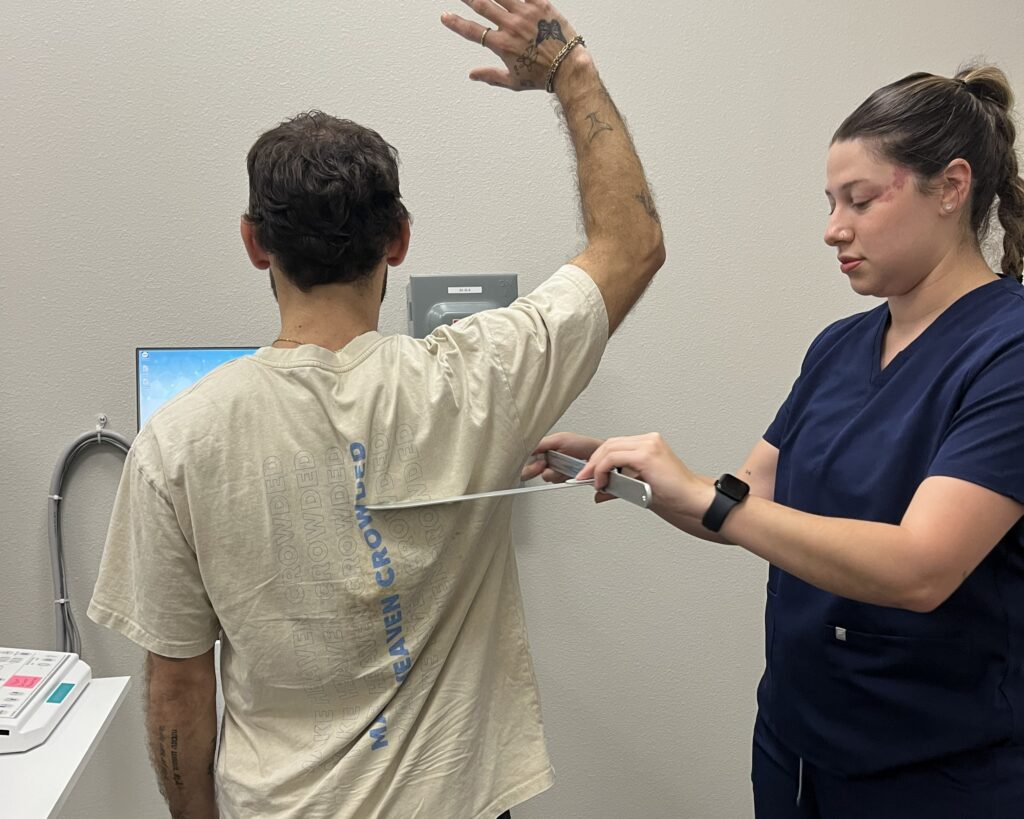

If you suffer from migraines, you’re definitely not alone. Many individuals are on the lookout for natural relief options to effectively manage their symptoms. One of the best ways to tackle migraines is by understanding your triggers and making specific lifestyle changes – and that’s where chiropractic care comes in. By focusing on spinal health and overall wellness, chiropractic adjustments can help alleviate tension and improve your body’s ability to cope with headaches.
Incorporating dietary adjustments, staying hydrated, practicing stress management techniques, and maintaining good posture are just a few strategies you can explore alongside chiropractic care. Regular chiropractic visits can help ensure that your spine is properly aligned, which may reduce the frequency and intensity of your migraines.
The journey to finding what works for you starts here, and you might be surprised at the natural options available through chiropractic care. Let’s uncover some first steps together that can lead you toward a healthier, migraine-free life. Remember, by prioritizing your spinal health and overall wellness, you’re taking an important step in managing your migraines naturally.
Key Takeaways
- Start a migraine diary to track your headaches and identify triggers. This can help you avoid activities or foods that might lead to a migraine, and also gives your chiropractor valuable insight into your condition.
- Stay well-hydrated by drinking plenty of water—aim for at least eight 8-ounce glasses a day. Dehydration can often lead to headaches, so keeping your body hydrated is essential for overall wellness.
- Include magnesium-rich foods in your diet, like spinach and nuts. Magnesium has been linked to headache relief and may help in preventing migraines, supporting your body’s natural healing processes.
- Engage in stress management techniques, such as mindfulness meditation and gentle exercises like yoga or walking. These practices not only help reduce migraine frequency but also promote better spinal health and overall well-being.
- Explore herbal remedies like Feverfew and Butterbur, but always consult with your chiropractor before trying new treatments. They can guide you on safe and effective natural options that align with your health goals.
Remember, chiropractic care is a holistic approach to health that focuses on the spine and nervous system, which can be key in managing migraines and improving your overall quality of life. Regular chiropractic adjustments can help keep your body aligned, reduce stress, and promote natural healing.
Understanding Migraines: Triggers and Symptoms
When you experience a migraine, understanding its triggers and symptoms is essential for managing and preventing future attacks. Migraines often present with intense, throbbing pain, typically on one side of your head. You may also notice heightened sensitivity to light, sound, or smell, and nausea can accompany the pain.
Identifying specific triggers is crucial to reducing the frequency of these headaches. Common culprits include stress, hormonal changes, lack of sleep, and dehydration. You might also find that certain weather conditions or strong odors can trigger an attack. Keeping a migraine diary can be a helpful tool; it allows you to track these patterns and pinpoint your triggers more effectively.
As you become more aware of your symptoms and triggers, you can take proactive steps to address them. Chiropractic care can play a significant role in this journey. By focusing on spinal health and nervous system function, chiropractic adjustments can help alleviate tension and improve your overall well-being, potentially reducing the severity and frequency of migraine attacks.
In addition to chiropractic care, consider these general tips to support your health and wellness: stay hydrated, maintain a consistent sleep schedule, manage stress through relaxation techniques, and pay attention to your diet.
These lifestyle changes, combined with regular chiropractic adjustments, can enhance your body’s natural ability to heal, ultimately leading to a more comfortable and manageable life. Embrace the power of natural healing through chiropractic care, and take control of your migraine health today!
Dietary Changes for Migraine Prevention
Making dietary changes can significantly enhance your overall health and well-being, especially when it comes to managing migraines. As a chiropractor, I believe in a holistic approach to health, and nutrition plays a vital role in that.
Start by keeping a food diary to help identify any potential migraine triggers such as aged cheeses, processed meats, or artificial sweeteners. Once you identify what might be causing your symptoms, consider removing these foods from your diet to see if you experience any improvements.
Incorporating more whole, natural foods can also be beneficial. Focus on eating plenty of fruits, vegetables, whole grains, and lean proteins. Staying hydrated is crucial, so remember to drink plenty of water throughout the day. Regular meals can help stabilize your blood sugar levels, which may reduce the chances of a migraine occurring.
Additionally, consider adding magnesium-rich foods to your meals, like spinach, nuts, and seeds. Magnesium can be helpful for some people in preventing migraines. Foods rich in omega-3 fatty acids, such as fish, can also have anti-inflammatory benefits that support your overall health.
By making these dietary adjustments, you create a nurturing environment for your body, which can help reduce the frequency and intensity of migraines.
Remember, chiropractic care is also an excellent way to support your health and well-being. Regular chiropractic adjustments can help improve spinal alignment, reduce tension, and enhance your body’s natural healing abilities, which all contribute to migraine relief and prevention.
Embrace these healthy lifestyle choices and consider chiropractic as a key component of your journey toward optimal health.
Herbal Remedies and Supplements
When it comes to managing migraines, chiropractic care can be a powerful ally in your journey towards relief and wellness. While herbal remedies and supplements may provide some support, it’s important to understand that the foundation of effective pain management lies in addressing the underlying issues, which is where chiropractic comes into play.
Chiropractic adjustments can help alleviate tension and misalignments in the spine that may contribute to migraine headaches. By ensuring that your spine is properly aligned, you can enhance your overall nervous system function, leading to improved health and potentially reduced migraine frequency and intensity.
In addition to regular chiropractic care, there are some general tips that can help you manage migraines more effectively:
- Stay Hydrated: Dehydration can trigger migraines, so make sure to drink plenty of water throughout the day.
- Maintain a Consistent Sleep Schedule: Sleep plays a crucial role in your overall health. Aim for 7-9 hours of quality sleep each night, and try to go to bed and wake up at the same time daily.
- Identify Triggers: Keep a journal to track what may be contributing to your migraines—whether it’s certain foods, stress, or environmental factors—and work with your chiropractor to develop strategies to avoid these triggers.
- Practice Stress Management: Techniques such as deep breathing, yoga, or meditation can help reduce stress, which is a common migraine trigger.
- Consider Nutritional Support: While I won’t recommend specific supplements, incorporating a balanced diet rich in whole foods, fruits, vegetables, and omega-3 fatty acids can support overall health and wellness.
Remember, the key to managing migraines is a holistic approach that includes regular chiropractic care, healthy lifestyle choices, and effective self-care strategies.
Popular Herbal Remedies
Herbal remedies have become increasingly popular as natural options for managing migraine symptoms, but it’s important to remember that chiropractic care is also a powerful tool for achieving optimal health and wellness.
Many people experience relief from migraines through holistic approaches, including chiropractic adjustments, which can help align the spine and alleviate tension in the body.
Here are three herbal remedies you might consider, alongside the benefits of chiropractic care:
- Feverfew: This herb has a long history of use for preventing migraines and reducing their intensity. While it may help, consider visiting your chiropractor for spinal adjustments that can also address nerve tension and improve overall body function.
- Butterbur: Some studies suggest that butterbur may help decrease the frequency of migraines. However, instead of relying solely on herbs, incorporating regular chiropractic visits can help ensure your spine is in alignment, which may reduce the occurrence of headaches.
- Peppermint: Applying diluted peppermint oil to your temples can provide a cooling effect and relieve tension headaches associated with migraines. Complement this approach with chiropractic care, as spinal adjustments may help relieve tension in the neck and shoulders, reducing headache triggers.
While experimenting with these herbal remedies, remember that chiropractic care offers a comprehensive approach to pain relief and wellness.
Regular adjustments can support your body’s natural healing processes and improve your overall health.
Always consult a healthcare professional, like your chiropractor, before starting any new treatment to find the best plan tailored specifically for you.
Effective Supplements Overview
When it comes to finding relief from migraines, exploring natural options can be a great path to take. One of the most effective ways to support your overall health and reduce migraine occurrences is through chiropractic care. By focusing on spinal alignment and nervous system function, chiropractic adjustments can help alleviate tension and improve your body’s natural ability to heal itself.
In addition to chiropractic care, certain supplements may complement your wellness journey. For instance, magnesium is a mineral that can help regulate neurotransmitters and improve blood flow, which may reduce the frequency of migraines. Coenzyme Q10 is another helpful supplement that may enhance energy production in your cells and has been associated with fewer migraine episodes.
Omega-3 fatty acids, commonly found in fish oil, have anti-inflammatory properties that might also support your overall health and potentially ease migraine symptoms. Additionally, riboflavin, or vitamin B2, has been shown to be effective in migraine prevention.
While these supplements can be beneficial, it’s essential to remember that everyone’s body responds differently. A holistic approach that includes regular chiropractic adjustments, a balanced diet, and proper hydration is key to finding what works best for you.
Always consult with your chiropractor to tailor a plan that suits your health needs. By prioritizing your spinal health and incorporating these natural supplements, you can take significant steps towards managing your migraines and achieving optimal wellness.
Dosage and Safety Tips
To ensure a safe and effective approach to managing migraines, it’s important to understand how natural remedies and chiropractic care can work together for your health. Before trying any new supplements or herbs for migraine relief, it’s always best to consult with your chiropractor or healthcare provider, especially if you’re already receiving treatment or taking other medications.
Here are some helpful tips to consider:
- Start Low and Go Slow: When exploring natural remedies, begin with a small amount and gradually increase it. Pay attention to how your body reacts, as this can help you find the right balance without overwhelming your system.
- Stay Informed: Educate yourself about the natural options available. Not all herbs and supplements are created equal; some could potentially worsen migraines or cause other health issues. Understanding their effects will empower you to make informed choices.
- Keep Track of Your Symptoms: Maintaining a journal of your migraine patterns, including frequency and intensity, can be incredibly beneficial. Note any changes you observe after trying new remedies or treatments. This information can be valuable when discussing your care with your chiropractor.
Chiropractic care is a fantastic, drug-free option for managing pain and promoting overall wellness. By focusing on spinal health and aligning your body, you may find relief from migraines and improve your general well-being.
The Role of Hydration in Migraine Management
The Role of Hydration in Migraine Management: A Chiropractic Perspective
As a chiropractor dedicated to promoting health and wellness, I want to emphasize the important connection between hydration and migraine management. Many of my patients have found that staying well-hydrated can significantly reduce the frequency and severity of their migraines. Dehydration is a common trigger for these painful episodes, so ensuring adequate water intake is crucial for overall well-being.
While the general guideline suggests aiming for at least eight 8-ounce glasses of water a day, it’s important to listen to your body and adjust based on your individual needs. Factors such as activity level, climate, and overall health can influence how much water you require.
To effectively monitor your hydration and its impact on migraine severity, you might find it helpful to keep a simple log. Here’s a table you can use to track your water intake and any migraine occurrences:
| Day | Water Intake (Oz) | Migraine Severity (1-10) |
|---|---|---|
| Monday | ||
| Tuesday | ||
| Wednesday | ||
| Thursday | ||
| Friday |
In addition to hydration, I encourage my patients to explore chiropractic care as a natural and effective approach to managing pain and promoting wellness. Chiropractic adjustments can help improve spinal alignment, reduce tension, and enhance overall bodily function, which can be beneficial for those suffering from migraines.
Stress Reduction Techniques for Relief
As stress can significantly worsen migraine symptoms, incorporating effective stress reduction techniques into your daily routine can be a true game changer.
As a chiropractor, I believe that managing stress not only helps alleviate discomfort but also promotes overall wellness. Here are three simple methods to try:
- Deep Breathing: Take a few minutes each day to focus on your breath. Inhale deeply through your nose, hold it for a moment, and then exhale slowly through your mouth. This practice calms the mind and helps release tension in the body, supporting spinal health by reducing muscle tightness.
- Mindfulness Meditation: Dedicate some quiet time to sit comfortably and focus on the present moment. Allow your thoughts to come and go without judgment. This mindfulness practice can help you become more aware of your body and its needs, leading to better stress management and overall health improvement.
- Gentle Exercise: Engage in light activities such as walking, yoga, or stretching. These movements not only help keep your spine healthy but also release endorphins, which can enhance your mood and lower stress levels. Regular gentle exercise supports your body’s natural healing processes.
By incorporating these techniques into your daily life, you can experience significant relief from migraines and stress, while also enhancing your overall well-being.
The Importance of Sleep and Rest
Getting enough sleep is crucial for managing migraines, and one of the best ways to enhance your sleep quality is by establishing good sleep hygiene. As a chiropractor, I often see how proper alignment of the spine can contribute to better sleep. When your spine is in alignment, your body is better able to relax and recover, which in turn can help reduce the intensity and frequency of headaches.
In addition to good sleep habits, you might find that regular naps can also be beneficial for migraine relief. Short naps can help recharge your energy and alleviate stress, which are common triggers for migraines.
Prioritizing rest and taking care of your spine can support your overall well-being in numerous ways. Regular chiropractic adjustments can help ensure that your nervous system is functioning optimally, promoting better sleep and overall health.
Here are a few tips to help you improve your sleep and manage migraines naturally:
- Maintain a Consistent Sleep Schedule: Go to bed and wake up at the same time every day to help regulate your body’s internal clock.
- Create a Relaxing Bedtime Routine: Engage in calming activities before bed, such as reading or gentle stretching, to signal to your body that it’s time to wind down.
- Optimize Your Sleep Environment: Ensure your bedroom is dark, quiet, and cool. Consider using blackout curtains or white noise machines if necessary.
- Stay Hydrated: Dehydration can trigger migraines, so make sure you’re drinking enough water throughout the day.
- Consult with Your Chiropractor: Regular chiropractic care can help keep your spine aligned, which may reduce headache frequency and improve your overall sleep quality.
Sleep Hygiene Practices
Sleep is a vital component in managing migraines and overall health, and good sleep hygiene can significantly improve your well-being.
As a chiropractor, I understand the importance of a well-aligned body and mind for optimal health. Here are three simple tips to enhance your sleep quality, which can complement your chiropractic care:
1. Stick to a Schedule: Aim to go to bed and wake up at the same time every day, even on weekends. This consistency helps regulate your body’s internal clock, promoting better sleep and reducing stress on your nervous system.
2. Create a Relaxing Environment: Your bedroom should be a sanctuary for rest. Keep it dark, quiet, and at a comfortable temperature. Consider using blackout curtains to block out light and a white noise machine to mask disruptive sounds.
A peaceful space can help your body relax, allowing your spine and nervous system to unwind as well.
3. Limit Screen Time: Try to reduce your exposure to screens at least one hour before bedtime. The blue light from phones and computers can interfere with your ability to fall asleep.
Instead, consider engaging in relaxing activities like reading or gentle stretching, which can also enhance your spinal health and overall relaxation.
By incorporating these sleep hygiene practices into your routine, you can support your body’s natural healing process and enhance the benefits of chiropractic care.
Nap Benefits for Relief
Naps might seem like a luxury, but they can be a vital part of your wellness routine, especially for those dealing with migraines. Short naps, ideally lasting 20 to 30 minutes, can help reset your brain and alleviate migraine symptoms.
When you nap, your body has a chance to heal, and a quiet, dark environment can shield you from the sensory overload that often triggers migraines.
Listening to your body is crucial. If you find yourself feeling fatigued or stressed, don’t hesitate to take a break and recharge. Creating a comfortable and dark space for your naps can significantly enhance their effectiveness.
Incorporating regular naps into your daily routine can’t only improve your mood and boost your focus but can also help reduce the frequency of migraine episodes.
Remember, while naps are beneficial, regular chiropractic care can further support your natural healing process and help maintain your spinal health, leading to improved overall wellness.
Physical Activity and Its Benefits
Engaging in regular physical activity can significantly alleviate the frequency and intensity of migraines, and as a local chiropractor, I want to emphasize how this can align perfectly with your journey towards optimal health through natural healing.
Incorporating movement into your daily routine not only enhances your overall well-being but also acts as a strong defense against those painful headaches. Here are three key benefits of physical activity, along with some actionable tips:
- Improved Blood Flow: Exercise promotes better circulation, which is essential for delivering oxygen and nutrients to your brain. This improved blood flow can help prevent migraines. Consider simple activities like walking, stretching, or even gentle yoga to get your blood pumping.
- Stress Reduction: Physical activity is a natural way to release endorphins, the body’s built-in stress relievers. Lowering stress levels can lead to fewer migraines. Try setting aside a few minutes each day for activities you enjoy, such as dancing, gardening, or playing with your pets. These can be fun ways to reduce stress while keeping active.
- Better Sleep: Regular movement helps regulate your sleep patterns, which is crucial for reducing migraine triggers and enhancing your overall wellness. Aim for at least 30 minutes of moderate exercise most days of the week, and consider establishing a calming bedtime routine to improve sleep quality.
Remember, chiropractic care can play a vital role in supporting your journey towards a healthier lifestyle.
By addressing any spinal misalignments and improving your nervous system function, you can enhance your body’s natural ability to cope with stress and manage pain.
If you’re struggling with migraines or looking to enhance your physical activity levels, consider visiting your local chiropractor for tailored advice and support.
Your path to natural wellness starts with taking care of your spine!
Acupuncture and Alternative Therapies
Acupuncture and alternative therapies can be beneficial for managing migraines, but as a chiropractor, I want to emphasize the incredible benefits of chiropractic care as a primary method for achieving optimal health and pain relief. Many individuals experience significant relief from migraine symptoms through chiropractic adjustments, which can help restore proper alignment to the spine and improve nervous system function. This, in turn, promotes better circulation and reduces muscle tension, which are key factors in alleviating migraine pain.
Chiropractic care focuses on the root cause of migraines rather than just treating the symptoms. By addressing spinal misalignments and improving overall body function, many patients find that they not only experience fewer migraines, but their overall health improves as well.
Here’s a quick comparison of chiropractic care and some popular alternative therapies for migraine relief:
| Therapy | Benefits |
|---|---|
| Chiropractic Care | Restores spinal alignment and reduces nerve irritation |
| Acupuncture | Targets specific points for pain relief |
| Herbal Medicine | May provide anti-inflammatory effects |
| Massage | Relieves muscle tension and promotes relaxation |
| Biofeedback | Helps control physiological responses |
| Yoga | Enhances relaxation and reduces stress |
In addition to chiropractic adjustments, here are some general tips for managing migraines naturally:
- Stay Hydrated: Dehydration can trigger migraines, so drink plenty of water throughout the day.
- Maintain a Consistent Sleep Schedule: Aim for regular sleep patterns to help prevent migraine onset.
- Practice Stress Management: Techniques such as deep breathing, meditation, or gentle yoga can help reduce stress levels.
- Monitor Diet: Keep track of potential food triggers, such as aged cheeses, processed meats, or excessive caffeine.
- Regular Exercise: Engage in regular physical activity to promote overall wellness and reduce stress.
Creating a Personalized Migraine Relief Plan
How can you create a personalized migraine relief plan that truly fits your needs? Start by understanding your triggers and symptoms. Keeping a migraine diary can be incredibly helpful—track what you eat, your stress levels, and other factors leading up to an attack. This awareness is the first step toward effective relief.
Next, let’s look at three key components that can help you tailor your plan, all while emphasizing the benefits of chiropractic care:
- Dietary Adjustments: Identify foods that may trigger migraines and replace them with healthier options that support overall wellness. A balanced diet not only nourishes your body but can also play a role in reducing the frequency and intensity of migraines.
- Regular Exercise: Incorporate activities you enjoy, like walking or yoga. Regular movement can help alleviate tension in your body, promote better spinal health, and improve your mood. Remember, chiropractic care can enhance your physical performance and flexibility, making it easier to stay active.
- Stress Management Techniques: Explore methods like meditation, deep breathing, or journaling to manage stress effectively. Stress can significantly impact your spinal alignment and overall health. Chiropractic adjustments can help relieve tension in your body, making it easier to cope with stressors in your life.
By focusing on these components and incorporating chiropractic care into your routine, you can create a personalized migraine relief plan that supports your overall well-being.
Conclusion
By embracing these natural migraine relief strategies, you can take charge of your health and lessen the frequency and intensity of your migraines. One of the best first steps is to identify your migraine triggers. This may include certain foods, stress, or even lack of sleep. Adjusting your diet to include more whole foods and staying hydrated can also make a significant difference in how you feel.
Chiropractic care is an excellent option for those seeking natural relief from migraines. By focusing on spinal health, chiropractic adjustments can help alleviate tension in the body and improve overall function, which may reduce the occurrence of migraines. Regular visits to a chiropractor not only help with pain relief but also promote better alignment and balance in the body.
Incorporating stress management techniques, such as deep breathing or mindfulness meditation, can also be beneficial. Regular exercise is essential, too—aim for activities that you enjoy, as this will help keep you motivated while promoting better health.
Don’t underestimate the power of a good night’s sleep, as it plays a crucial role in managing migraines. Establishing a calming bedtime routine and ensuring your sleep environment is conducive to rest can help improve your sleep quality.
Additionally, therapies like acupuncture can be complementary to chiropractic care, providing further relaxation and pain relief. With a personalized plan that includes chiropractic care and these wellness strategies, you’ll be well-equipped to tackle migraines and enhance your overall well-being naturally.