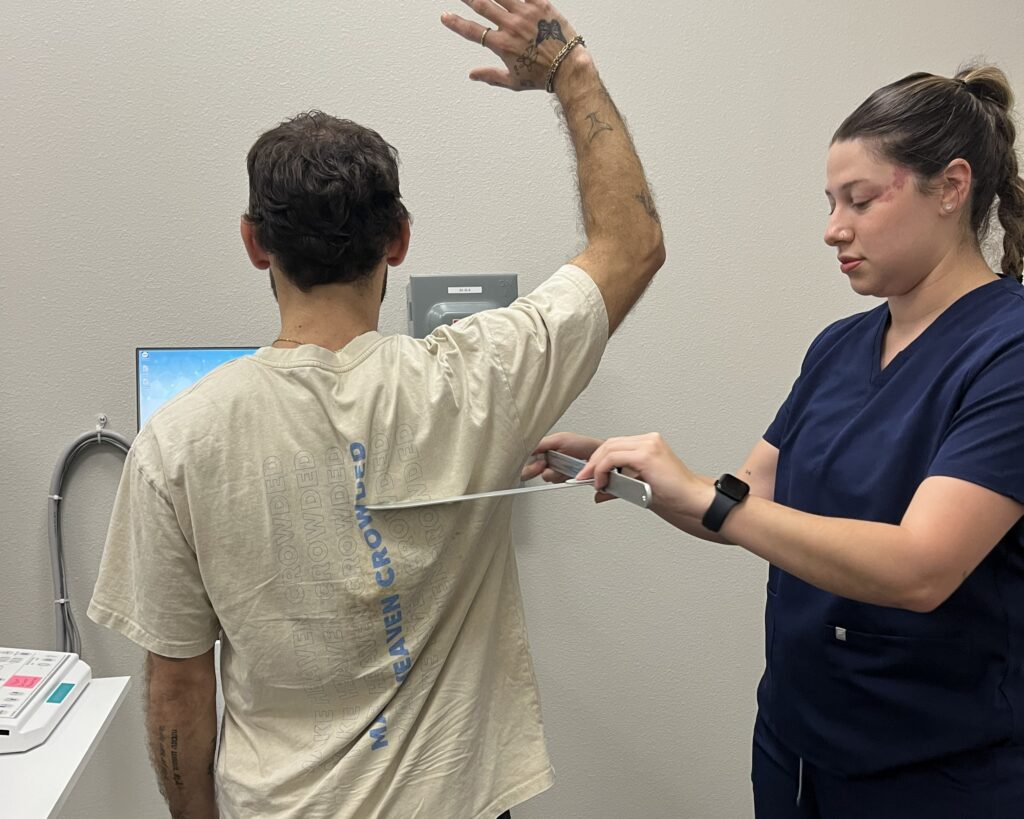

If you find yourself sitting at a desk for long hours, it’s crucial to pay attention to your posture, as it can have a significant effect on your overall health and productivity. Many people overlook the way they sit and interact with their workspace, leading to discomfort and even chronic pain. Fortunately, by making a few simple adjustments, you can create a more ergonomic environment that supports your spine and promotes natural healing.
Here are some practical steps you can take to improve your desk job posture:
- Chair Selection: Choose a chair that supports the natural curve of your spine. Look for one with adjustable height and lumbar support to help maintain the proper alignment of your back.
- Desk Height: Your desk should be at a height that allows your elbows to be at a 90-degree angle when typing. This will help reduce strain on your shoulders and wrists.
- Monitor Position: Position your computer monitor at eye level, about an arm’s length away. This helps prevent neck strain and encourages a more upright posture.
- Foot Placement: Keep your feet flat on the ground or on a footrest. Avoid crossing your legs, as this can lead to imbalances in your posture.
- Take Breaks: Make a habit of standing up and stretching every 30 minutes. This can help reduce stiffness and improve circulation, allowing your spine to stay healthy.
- Stay Active: Incorporate physical activity into your day. Simple exercises, like walking or gentle stretches, can strengthen your core muscles and support your spine.
- Consider Chiropractic Care: Regular visits to a chiropractor can help maintain spinal alignment and provide relief from discomfort. Chiropractic adjustments can promote healing, enhance mobility, and support overall wellness.
By implementing these tips, you can create a workspace that promotes better posture and reduces the risk of discomfort over time. Remember, taking care of your spine is essential for achieving optimal health and well-being. If you’re experiencing pain or discomfort, don’t hesitate to seek the expertise of a chiropractor, who can guide you on your journey to natural healing and healthier living.
Assessing Your Current Posture
How can you tell if your posture is impacting your health? Start by tuning in to your body. When you sit at your desk, take a moment to notice the position of your shoulders, neck, and back. Are your shoulders hunched or is your neck leaning forward? These postures can strain your muscles and lead to discomfort or pain.
After spending long hours at your desk, consider how you feel—are you experiencing fatigue, headaches, or stiffness? These are often signs of poor posture.
Using a mirror or asking a friend for a quick check can also help you assess your alignment. Ideally, your ears should be in line with your shoulders, and your back should have its natural curve. Remember, good posture isn’t just about aesthetics; it supports better circulation and enhances focus.
Incorporating chiropractic care into your routine can be an excellent way to improve your posture and overall well-being. Regular adjustments can help realign your spine, relieve tension, and promote a healthier posture.
Additionally, here are some simple tips to help you maintain better posture throughout your day:
- Ergonomic Setup: Ensure your desk and chair are set up to support your body. Your feet should be flat on the floor, and your computer screen should be at eye level.
- Take Breaks: Stand up and stretch every 30-60 minutes. This can help alleviate tightness and encourage better alignment.
- Strengthen Your Core: Engage in exercises that strengthen your core muscles, as a strong core supports your spine and promotes good posture.
- Mind Your Movement: Be conscious of how you sit and stand. Use reminders, such as sticky notes or alarms, to check in with your posture throughout the day.
Choosing the Right Chair
When you’re spending long hours at a desk, the importance of choosing the right chair can’t be overstated, especially for maintaining good posture and overall comfort. As a chiropractor, I can tell you that the right chair can significantly contribute to your spinal health.
Look for a chair that offers support for your lower back—this helps keep your spine aligned, which is essential for preventing discomfort and promoting wellness.
An adjustable chair is particularly beneficial; you should be able to modify the height and lumbar support to suit your individual body shape. This customization helps promote a neutral spine position, which is vital for reducing strain on your back.
Don’t forget to consider the seat depth, too—your back should comfortably rest against the backrest while your feet stay flat on the floor. It’s also helpful to have armrests, but they should be positioned in a way that allows your shoulders to remain relaxed and free from tension.
The materials used in the chair can also impact your comfort. Choose breathable fabrics to help you stay cool during long working hours.
Before making a purchase, take the time to test the chair out. A chair that feels good to you will encourage better posture and productivity, which is key for your overall health.
Remember, investing in a proper chair is just one step toward better spinal health. Regular chiropractic care can complement your efforts by helping to align your spine and alleviate any discomfort that may arise from prolonged sitting.
Desk Height Adjustments
Finding the right desk height is crucial for maintaining good posture and supporting your spinal health while you work. An adjustable desk can offer significant benefits, allowing you to easily switch between sitting and standing positions, which can help reduce strain on your back and neck.
As a chiropractor, I often see the impact of poor desk ergonomics on patients’ spinal health. When your desk is at the right height, it encourages a neutral spine position, reducing the risk of discomfort and pain.
Here are some tips to ensure your workspace supports your overall well-being:
- Adjust Your Chair and Desk Height: Your elbows should be at a 90-degree angle when typing, and your feet should rest flat on the floor or on a footrest. This position helps maintain proper alignment in your spine.
- Incorporate Movement: Try to alternate between sitting and standing throughout the day. Standing desks can help you engage your muscles and promote better circulation, which is essential for spinal health.
- Take Frequent Breaks: Every 30 minutes, stand up, stretch, or walk around for a few minutes. This simple habit can significantly reduce the risk of developing chronic pain.
- Practice Good Posture: Sit back in your chair with your back supported. Keep your shoulders relaxed and avoid slouching. Good posture helps distribute weight evenly across your spine.
- Consider Chiropractic Care: Regular chiropractic adjustments can help maintain proper spinal alignment, alleviate pain, and support your body’s natural healing processes. It’s a safe, effective way to enhance your health without the need for medications or surgeries.
By making these adjustments and incorporating chiropractic care into your wellness routine, you can create a healthier work environment that boosts your comfort and productivity.
Optimal Desk Height
Optimal Desk Height for Your Spinal Health
As a chiropractor, I can’t stress enough how important desk height is for your overall health and wellness. Many people overlook this aspect, but it plays a vital role in maintaining good posture during those long hours of work. The right desk height ensures that your elbows can rest comfortably at a 90-degree angle while typing.
If your desk is too high or too low, you may end up straining your shoulders and wrists, leading to discomfort and potential spinal issues.
Here are some easy tips to help you find the ideal desk height, promoting better posture and spinal health:
- Knees: Ensure your knees can fit comfortably under the desk without any obstructions. This helps maintain proper alignment and reduces strain on your lower back.
- Feet: Keep your feet flat on the floor or on a footrest. This not only provides better support but also aids in maintaining proper posture, which is crucial for spinal health.
- Screen Level: Position your monitor at eye level. This helps avoid neck strain, allowing your spine to stay in a neutral position as you work.
Adjust your desk to fit your body, and you’ll likely notice a significant improvement in your comfort level throughout the day.
Remember, taking care of your spine is essential, and small changes in your workspace can lead to big benefits for your health.
If you ever experience discomfort, remember that chiropractic care is a fantastic way to address pain naturally and promote overall wellness. Keeping your spine healthy is key to living your best life!
Adjustable Desk Benefits
Adjustable desks can be a fantastic addition to your workspace, especially when it comes to promoting better posture and overall spinal health. As a chiropractor, I often see the benefits of being able to switch between sitting and standing throughout the day.
This flexibility not only helps you find the most comfortable position for your body, but it also plays a crucial role in reducing strain on your back and neck, which can minimize discomfort or even prevent injury.
When you adjust your desk height, you can maintain your wrists in a neutral position while typing, which is key for good ergonomics. This simple adjustment can prevent repetitive strain injuries, a common issue among office workers.
By incorporating more movement into your routine, you may also find that your energy levels and productivity significantly improve. Standing while you work can boost your focus and creativity too!
Investing in an adjustable desk isn’t just about comfort; it’s about supporting your overall well-being, especially if you spend long hours at a desk.
Remember, maintaining a healthy spine is essential for optimal health. In addition to using an adjustable desk, I recommend taking regular breaks to stretch and move your body, practicing good posture while sitting and standing, and consulting with a chiropractor for personalized advice on maintaining a healthy spine.
By making these adjustments, you can create a healthier work environment that supports your body and enhances your quality of life.
Monitor Placement for Optimal Viewing
To maintain good posture and support your spinal health during long hours at your desk, it’s crucial to position your monitor correctly. A proper setup not only reduces eye strain and neck discomfort but also helps you stay focused on your tasks while promoting overall wellness.
Here’s how to achieve ideal monitor placement for optimal spinal health:
- Eye Level: Position the top of your monitor screen at or just below eye level. This encourages a slight downward gaze, which helps keep your neck in a neutral position. Proper neck alignment can prevent strain and discomfort, allowing your spine to maintain its natural curvature.
- Distance: Keep the monitor about an arm’s length away from you. This distance is key to preventing eye fatigue and encourages a relaxed sitting position. Remember, a relaxed body contributes to a healthier spine!
- Angle: Tilt the monitor slightly back, around 10-20 degrees. This angle reduces glare and allows for comfortable viewing, helping to avoid unnecessary neck strain. By minimizing strain on your body, you’re giving your spine the best chance to stay healthy.
Incorporating these simple adjustments can greatly enhance your comfort and well-being while working.
Remember, maintaining good posture at your workstation is just one aspect of supporting your spinal health. Regular chiropractic care can also play a vital role in achieving and maintaining optimal wellness.
It’s a natural way to address discomfort and promote healing, allowing you to live your best, pain-free life.
Keyboard and Mouse Positioning
Getting your keyboard and mouse positioned correctly is essential for maintaining good posture at your desk, which in turn supports your spinal health. By ensuring that your arms are at a comfortable angle while typing, you help prevent unnecessary strain on your neck and back. This simple adjustment can make a significant difference in your overall comfort and well-being.
To achieve the perfect setup, aim to have your keyboard at elbow height and your mouse close enough to avoid stretching. This minimizes the risk of developing musculoskeletal issues, which often lead to discomfort and pain.
Additionally, consider using wrist support techniques, such as a wrist rest or ergonomic keyboard, to further reduce strain on your wrists and arms.
Remember, taking care of your spine is crucial for your overall health. Regular chiropractic adjustments can help maintain proper alignment, alleviate pain, and enhance your body’s natural healing abilities.
Ideal Height Alignment
Proper keyboard and mouse positioning is essential for maintaining ideal height alignment at your desk, which can significantly impact your spinal health and overall well-being.
By setting up your workspace correctly, you not only reduce strain on your body but also promote a healthier lifestyle. Here are some straightforward tips to help you create an ergonomic workspace that supports your spine and enhances your productivity:
- Keep your elbows close to your body: This simple adjustment helps you maintain a relaxed posture while typing or using the mouse, reducing unnecessary tension in your shoulders and neck.
- Position your keyboard at elbow height: Aim for your forearms to be parallel to the ground. This alignment encourages smooth movement and minimizes the risk of developing discomfort in your wrists and arms.
- Place your mouse within easy reach: Keeping your mouse close helps prevent overextending your arm, which can lead to strain and discomfort. A comfortable hand position can make a significant difference in your daily comfort levels.
Remember, making these small changes in your workspace can contribute to better spinal health and overall wellness.
If you ever experience pain or discomfort related to your workspace setup, consider consulting with a chiropractor. Chiropractic care focuses on natural healing and can be a powerful ally in achieving optimal health.
Elbow Angle Consideration
While it might seem minor, the angle at which your elbows rest during keyboard and mouse use is crucial for your overall comfort, posture, and spinal health. Ideally, you want your elbows to form an angle of about 90 to 100 degrees. This position not only helps reduce strain on your muscles and joints but also supports a healthy spine.
When your elbows are too high or too low, you can create tension in your shoulders and neck, which can lead to discomfort and even pain over time.
To achieve the right angle and promote optimal health, start by adjusting your chair height and desk setup. Keep your wrists straight and your hands at or slightly below elbow level. This alignment is essential for maintaining a healthy posture that supports your spine and reduces the risk of injury.
Make sure your keyboard and mouse are within easy reach so you can maintain this ideal elbow position throughout your workday.
In addition to these adjustments, consider incorporating regular breaks into your routine. Stand up, stretch, and move around every hour to keep your body engaged and reduce stiffness.
Remember, chiropractic care can be an excellent choice for addressing any discomfort you may feel due to poor posture or repetitive strain. A chiropractor can help you achieve better alignment and provide tips tailored to your specific needs, promoting natural healing and overall wellness.
Prioritizing your posture today can lead to a healthier, more comfortable tomorrow!
Wrist Support Techniques
To ensure your wrists are well-supported during keyboard and mouse use, it’s important to maintain a neutral wrist position. This means keeping your wrists straight and relaxed, which can significantly help prevent strain and discomfort.
As a chiropractor, I encourage you to adjust your chair height and desk setup so that your elbows are at a 90-degree angle while typing. Here are some simple techniques to enhance wrist support and promote overall wellness:
- Use a wrist rest: A wrist rest provides cushioning and helps maintain proper alignment, reducing the risk of strain over time. Think of it as a friendly reminder for your wrists to stay in a neutral position.
- Position your keyboard correctly: Keep your keyboard at or slightly below elbow level. This minimizes bending and encourages a more natural posture, which can alleviate unnecessary stress on your wrists.
- Choose an ergonomic mouse: Opt for a mouse that fits comfortably in your hand, as this will help reduce wrist twisting. An ergonomic design promotes better wrist alignment, leading to less strain and discomfort.
Remember, caring for your body is essential for achieving optimal health.
Regular chiropractic adjustments can also help in maintaining proper spinal alignment, which supports your overall posture and can contribute to wrist health.
Taking proactive steps in your workspace can lead to a healthier and more comfortable life. If you ever experience pain or discomfort, consider visiting your local chiropractor to explore natural healing options tailored for you.
Foot Position and Support
Your foot position is crucial for maintaining good posture while sitting at a desk, and as a chiropractor, I want to emphasize how this can influence your overall spinal health. When your feet are flat on the floor, it helps distribute your weight evenly and reduces strain on your lower back, which is essential for preventing discomfort and promoting a healthy spine.
Aim to keep your knees at a right angle, ideally at or just below hip level. If your feet can’t quite reach the floor, consider using a footrest to achieve that necessary alignment.
It’s important to avoid crossing your legs, as this can lead to muscle tension and restrict circulation. Instead, keep your feet shoulder-width apart, creating a stable base that supports your spine.
Adjusting your chair height can also help ensure your feet rest comfortably, further enhancing your comfort and alignment.
Remember, proper foot support not only boosts your comfort but also plays a key role in your overall body alignment. By being mindful of your foot position, you’re taking a significant step toward better posture and reduced discomfort during those long hours at your desk.
Additionally, regular chiropractic care can help maintain your spinal health by ensuring your body is aligned and functioning at its best. Prioritizing these practices will put you on the path to optimal health and wellness.
Incorporating Movement Into Your Day
Incorporating movement into your day is vital for counteracting the negative effects of prolonged sitting, which can lead to discomfort and misalignment in your spine. Regular movement not only boosts circulation and enhances focus, but it also plays a key role in improving your overall well-being.
You don’t need to set aside hours for exercise; even small actions can make a significant impact on your health. Here are some easy ways to get started:
- Take short breaks: Set a timer to remind yourself to stand up and move every 30 to 60 minutes. These brief breaks can help alleviate tension in your spine and promote better posture.
- Walk during calls: If you’re on a phone or video call, take a stroll around your workspace instead of remaining seated. This not only keeps you active but can also help you think more clearly.
- Use a standing desk: Alternating between sitting and standing can break up long periods of inactivity and support spinal alignment. Consider incorporating a standing desk to help reduce strain on your back.
Remember, incorporating movement throughout your day is a simple yet effective way to support your spine and overall health.
Chiropractic care can further enhance your well-being by addressing any misalignments and promoting natural healing. By prioritizing movement and considering chiropractic adjustments, you can take proactive steps toward achieving optimal health and pain relief.
Stretching Exercises for Desk Workers
While it’s easy to get caught up in work, taking a few moments to stretch can significantly relieve tension and promote better posture throughout your day. As a chiropractor, I understand how vital it’s to maintain spinal health, especially for desk workers who often experience discomfort from prolonged sitting.
Start with a neck stretch to ease any tension that may be building up. Gently tilt your head to one side, holding for 15 seconds, then switch to the other side. This simple stretch can help alleviate stiffness and improve mobility in your neck, which is often affected by poor posture.
Next, let’s focus on your shoulders. Try shoulder rolls—lift your shoulders towards your ears, then roll them back and down. Repeat this for about 30 seconds. This exercise not only helps to release tightness but also encourages better alignment of your spine.
For your back, it’s essential to maintain flexibility. Sit tall in your chair and gently twist your torso to one side, holding the back of your chair for support. Hold for 15 seconds, then switch sides. This stretch can help promote spinal health by encouraging mobility in your lumbar region.
Don’t forget about your wrists! Desk work can lead to tension in this area as well. Extend one arm in front of you with the palm facing up, and gently pull back on the fingers with your other hand. Hold for 15 seconds on each side. This will help keep your wrists flexible and reduce the risk of strain.
Incorporating these stretches into your daily routine can vastly improve circulation and keep you feeling more energized and focused throughout your workday.
Remember, regular chiropractic care can also play a vital role in achieving optimal health. By addressing misalignments and promoting proper spinal function, chiropractic can help alleviate pain and support your overall wellness journey.
Prioritize your health, and consider integrating chiropractic adjustments into your routine for long-lasting relief and vitality!
Creating an Ergonomic Workspace
Creating an ergonomic workspace is vital for promoting comfort, productivity, and overall well-being during your workday. By thoughtfully arranging your environment, you can help reduce strain on your body and enhance your focus. This is particularly important for maintaining a healthy spine, which is essential for overall health and wellness.
Start by adjusting your chair and desk to fit your unique height. Ensure your feet rest flat on the ground and your knees align with your hips. This alignment supports your spine and can help prevent discomfort and pain.
Here are some key elements to consider for an ergonomic setup:
- Monitor Position: Set your monitor at eye level, about an arm’s length away. This helps keep your neck in a neutral position, reducing strain and promoting spinal health.
- Keyboard and Mouse: Position your keyboard and mouse close enough that your elbows can remain at a 90-degree angle while you type. This minimizes tension in your shoulders and supports proper posture.
- Lighting: Ensure you have adequate lighting to reduce glare on your screen. Proper lighting can help minimize eye strain and fatigue, contributing to a more comfortable working experience.
Incorporating these ergonomic tips into your workspace can lead to a healthier lifestyle and reduce the risk of pain and discomfort.
Remember, regular chiropractic care can also play a crucial role in maintaining your spinal health, allowing you to work more comfortably and effectively.
Maintaining Good Posture Habits
Creating an ergonomic workspace is just the first step toward maintaining a healthy posture throughout your workday. As a chiropractor, I want to emphasize the importance of good posture and its impact on your spinal health. Here are some practical tips to help you develop and sustain healthy posture habits.
Start by sitting back in your chair, making sure your lower back is well-supported. Your feet should be flat on the floor, with your knees at a right angle—this simple adjustment can significantly reduce strain on your spine. Avoid crossing your legs, as this can lead to misalignment and discomfort over time.
Next, position your monitor so the top of the screen is at eye level. This helps keep your neck in a neutral position, which is vital for preventing neck pain and stiffness. If you find yourself leaning forward to see the screen, it’s time to make some adjustments.
Incorporate regular breaks into your routine. Aim to stand up and stretch or take a short walk every hour. This practice not only alleviates stiffness but also promotes circulation and rejuvenates your body—essential for maintaining overall wellness.
While typing, be mindful of your wrists; they should be straight and relaxed. Keep your elbows close to your body to avoid excessive reaching, which can lead to discomfort and strain.
Lastly, make it a habit to check in with your posture throughout the day. It’s easy to slip into bad habits, especially when you’re focused on work. By staying aware of your posture and making small adjustments, you can help protect your spine and prevent pain.
Remember, chiropractic care is a fantastic option for addressing any discomfort you may experience. Regular chiropractic adjustments can help improve your posture, relieve tension, and promote natural healing.
Conclusion
Improving your desk job posture is crucial for your overall health and productivity, and as a chiropractor, I want to emphasize how proper alignment can significantly impact your well-being. Start by evaluating your current posture; simple adjustments can make a world of difference.
Choosing the right chair is vital. Look for one that supports your lower back and encourages a natural curve in your spine. Adjust your desk height so that your elbows are at a 90-degree angle when typing, which helps to reduce strain on your neck and shoulders.
Position your monitor at eye level, about an arm’s length away, to prevent leaning forward, which can lead to discomfort. Your keyboard and mouse should be close enough to avoid reaching; this helps keep your wrists in a neutral position, reducing the risk of repetitive strain injuries.
Incorporating regular movement and stretching into your day is essential. Set reminders to take short breaks every hour to stand up, stretch, and walk around. These little changes can help alleviate tension and improve circulation, making a significant difference in how you feel throughout the day.
Lastly, practice good posture habits daily. Be mindful of how you’re sitting; your back should be straight, shoulders relaxed, and feet flat on the floor. By following these tips, not only will you feel better, but you’ll also enhance your productivity and overall health. Remember, chiropractic care is a natural and effective way to maintain your spine’s health and support your journey toward optimal wellness. If you experience persistent discomfort, consider visiting a chiropractor for tailored advice and treatment options that can help you thrive in your work environment.