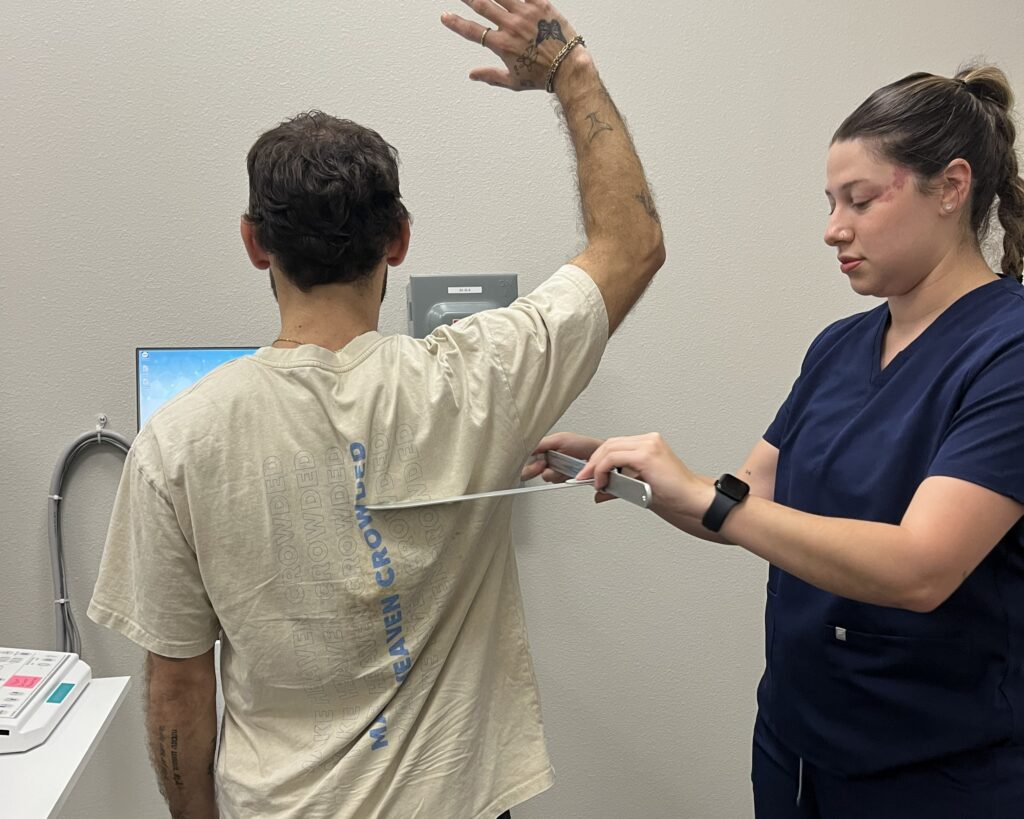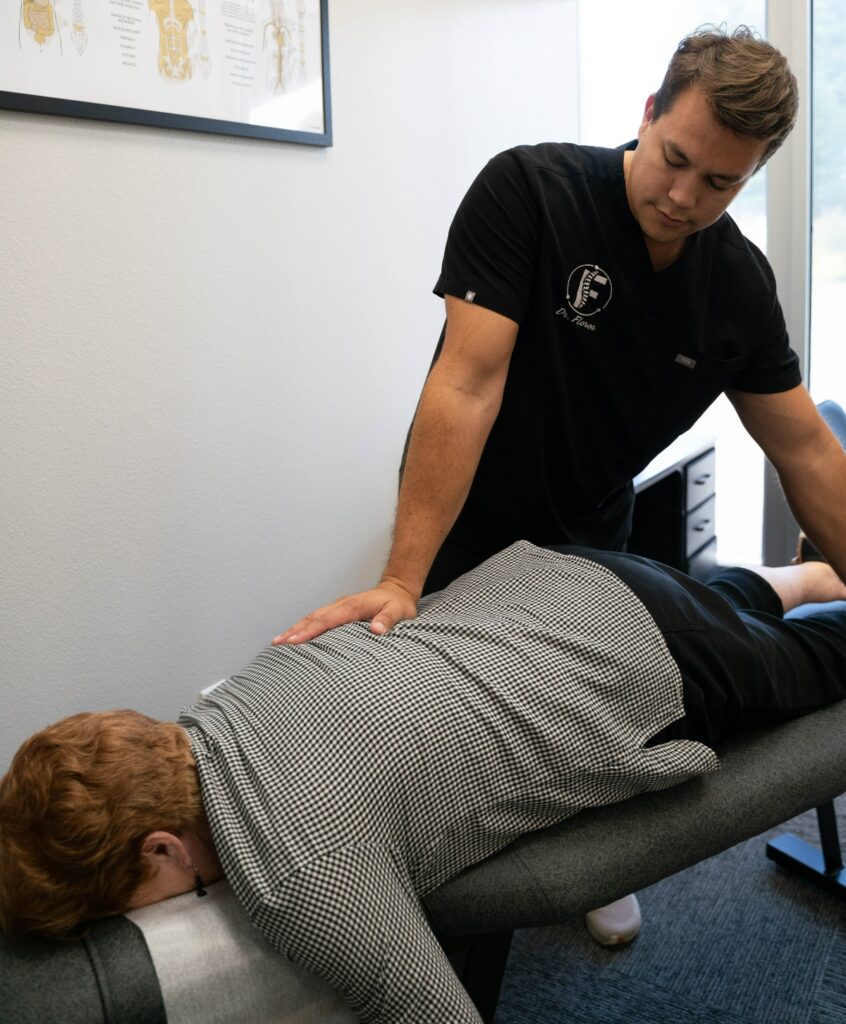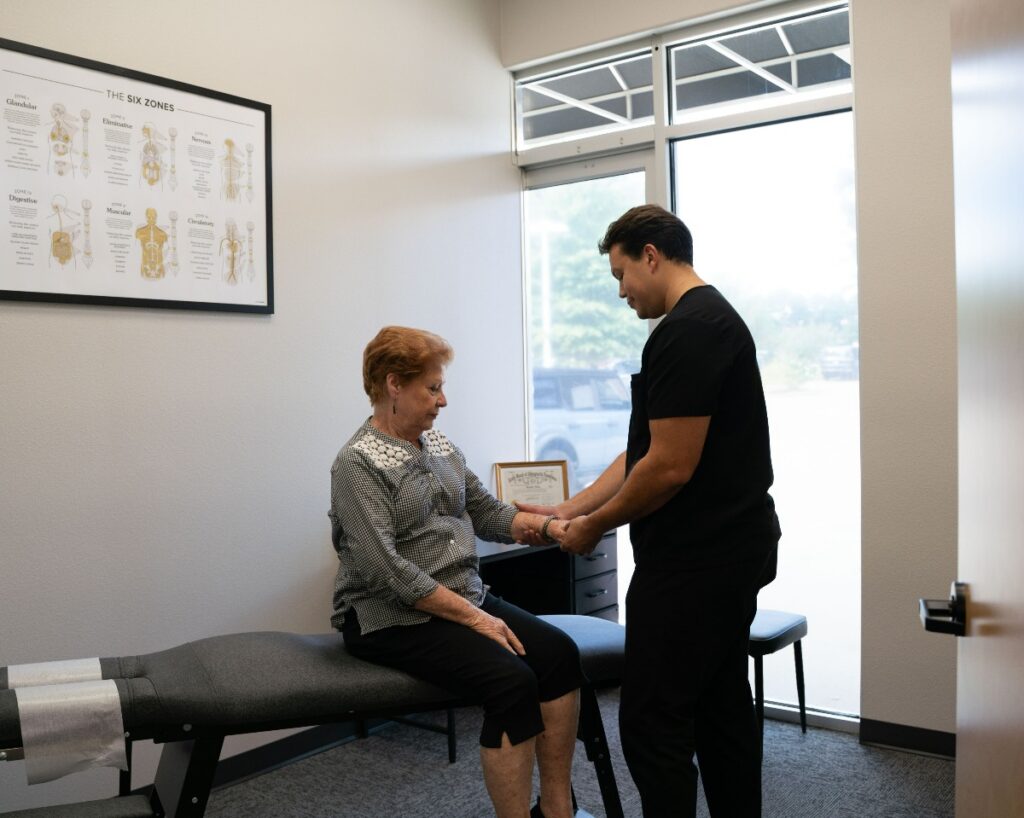

Dealing with lower back pain can often feel like a lonely and frustrating experience. You might be searching for answers, trying different treatments, and still not finding the relief you seek. It’s crucial to understand the underlying causes of your pain and to explore various approaches to healing.
As a chiropractor, I’ve seen firsthand how effective chiropractic care can be in alleviating lower back pain. During my own journey to healing, I discovered several strategies that not only helped me but have also benefited many of my patients. Here are some insights that could change your perspective on managing your pain and encourage you towards a path of natural wellness.
First and foremost, chiropractic care focuses on the spine and its connection to overall health. Misalignments in the spine can lead to discomfort and pain, so regular chiropractic adjustments can help restore proper alignment, relieve tension, and promote healing. This natural approach avoids the complications and side effects associated with medications and surgeries.
In addition to chiropractic adjustments, here are some general tips that you can incorporate into your daily routine to support your back health:
- Stay Active: Engage in gentle exercises, such as walking or swimming, to strengthen your back muscles and improve flexibility. Regular movement is key to preventing stiffness.
- Practice Good Posture: Be mindful of your posture while sitting, standing, and lifting. Keeping your spine aligned can reduce strain and discomfort.
- Use Supportive Equipment: Invest in ergonomic chairs or cushions that provide proper support, especially if you spend long hours sitting.
- Stretch Regularly: Incorporate stretching into your daily routine to enhance flexibility and reduce muscle tension. Focus on stretches that target the lower back and hips.
- Listen to Your Body: Pay attention to any signs of discomfort. If something doesn’t feel right, don’t hesitate to seek help from a chiropractor who can guide you on the best course of action.
Embracing these strategies, alongside regular chiropractic care, can significantly improve your quality of life. Remember, you are not alone in this journey, and there is hope for relief through natural and effective means. Let’s work together towards achieving optimal health and well-being!
Understanding My Lower Back Pain
Understanding your lower back pain is essential for finding effective relief, and as a chiropractor, I want to help you navigate this journey towards wellness. Recognizing the specific sensations and triggers of your discomfort is the first step. Is it a sharp, stabbing pain or more of a dull ache? Take note of when it intensifies—whether during certain activities, after long periods of sitting, or first thing in the morning. By identifying these patterns, we can work together to uncover the root cause of your pain.
It’s also important to consider your daily habits. Are you slouching at your desk or lifting heavy objects incorrectly? These common behaviors can significantly contribute to your discomfort. Incorporating good posture and proper lifting techniques can make a world of difference.
Remember, your lifestyle matters; a sedentary routine can weaken your back muscles, while overexertion may lead to strain.
Don’t overlook the emotional aspects of pain, as stress and anxiety can manifest physically. Keeping a pain journal can be a valuable tool; jot down your symptoms and emotional state. This awareness can enhance our understanding and help tailor a chiropractic approach to your healing.
Chiropractic care focuses on the relationship between the spine and the nervous system, promoting natural healing and overall wellness. Regular adjustments can alleviate pain, improve mobility, and restore balance to your body.
Together, we can create a holistic plan that prioritizes your health, so you can live a vibrant, active life. Remember, understanding your pain is the first step toward a healthier you!
Exploring Conventional Treatments
When it comes to lower back pain, many people seek immediate relief and support for their recovery. One of the best approaches to managing this discomfort is through chiropractic care. Chiropractors focus on the spine and its alignment, which plays a crucial role in overall health and wellness. By addressing misalignments in your spine, chiropractic adjustments can help alleviate pain, reduce inflammation, and enhance your body’s natural healing abilities.
In addition to chiropractic care, there are several simple and effective ways to manage lower back pain at home. Gentle stretching and strengthening exercises can help improve flexibility and support the muscles around your spine. Incorporating heat therapy, like a warm compress or heating pad, can also soothe tight muscles and provide quick relief. Similarly, cold therapy with ice packs can help reduce inflammation during flare-ups.
It’s important to listen to your body and take breaks throughout the day, especially if you have a sedentary lifestyle. Maintaining good posture while sitting and standing can prevent further strain on your back. Make sure your workspace is ergonomically friendly to support proper alignment.
While some may consider medications for pain relief, chiropractic care offers a natural and holistic approach that focuses on the root causes of your discomfort. Before starting any treatment, it’s always a good idea to consult with a qualified chiropractor who can tailor a plan specifically for you.
Remember, addressing lower back pain early on is key to preventing it from becoming a chronic issue. Embracing chiropractic care and making small lifestyle adjustments can lead you to a path of healing and optimal health.
Don’t hesitate to explore these natural solutions as part of your journey towards a pain-free life.
The Role of Physical Therapy
Chiropractic care plays a vital role in alleviating lower back pain and promoting overall wellness. Unlike other treatment methods, chiropractic focuses on the spine and its relationship to the nervous system, making it a natural and effective choice for pain relief. A skilled chiropractor will assess your condition to identify the underlying issues causing your discomfort and create a personalized treatment plan designed just for you.
Through adjustments, spinal manipulation, and targeted exercises, chiropractic care can help improve your flexibility, reduce pain, and restore proper function to your spine. As you begin your journey with chiropractic care, your chiropractor will also teach you valuable techniques for maintaining good posture and proper body mechanics in your daily life. This proactive approach not only addresses your current pain but also helps prevent future flare-ups.
As you commit to your chiropractic sessions, you’ll likely notice improvements in your mobility and overall well-being. To maximize your results, it’s essential to stay consistent with your visits and communicate openly with your chiropractor about your progress.
Here are a few tips to help you support your spine health at home:
- Practice Good Posture: Be mindful of your posture when sitting, standing, or lifting. Keeping your spine aligned can help reduce strain.
- Stay Active: Engage in low-impact exercises like walking, swimming, or yoga to keep your back strong and flexible.
- Stretch Regularly: Incorporate gentle stretches into your daily routine to relieve tension and improve mobility.
- Listen to Your Body: Pay attention to any signs of discomfort and address them promptly with your chiropractor.
Alternative Approaches I Tried
When it comes to managing lower back pain, exploring various approaches can be beneficial, but I want to emphasize the incredible advantages of chiropractic care as a primary solution.
As a local chiropractor, I’ve seen firsthand how spinal adjustments can provide effective relief and promote overall wellness. Chiropractic care focuses on identifying and addressing the root causes of pain, particularly in the spine.
By correcting misalignments, we can help restore proper function to your nervous system, leading to reduced pain and improved mobility. Many patients report feeling better after just a few sessions, as chiropractic adjustments can relieve pressure on nerves and muscles.
In addition to chiropractic adjustments, incorporating gentle exercises, stretching, and good posture into your daily routine can significantly enhance your recovery. Activities such as walking or practicing yoga can complement your chiropractic care, helping to strengthen your back and improve flexibility.
Remember, maintaining a healthy spine is crucial for your overall well-being. Regular chiropractic visits can’t only alleviate pain but also help prevent future issues by keeping your spine aligned and your body functioning optimally.
If you’re looking for a natural, effective approach to managing lower back pain, I encourage you to consider chiropractic care as your first choice. It’s a holistic way to promote healing and support your journey to better health.
Acupuncture for Pain Relief
When it comes to relieving lower back pain, many people turn to traditional treatments. However, as a chiropractor, I want to emphasize the importance of considering chiropractic care as a natural and effective option for pain relief and overall wellness.
While some may find acupuncture interesting, I believe that chiropractic adjustments are one of the best ways to address the root cause of pain and promote healing.
Chiropractic care focuses on aligning the spine and improving nervous system function, which can lead to significant pain reduction. During your visits, I’ll assess your spine and use gentle adjustments to help restore proper alignment. This technique not only alleviates pain but also enhances your body’s ability to heal itself.
If you’re experiencing lower back pain, here are a few tips to consider alongside your chiropractic treatment:
- Maintain Good Posture: Be mindful of your posture at home and work. Sitting and standing with proper alignment can help reduce strain on your back.
- Stay Active: Regular movement and gentle exercises, like walking or stretching, can keep your spine healthy and reduce stiffness.
- Listen to Your Body: Pay attention to how your body feels during different activities. If something causes discomfort, it’s important to modify or avoid it.
- Stay Hydrated: Drinking plenty of water helps keep your spinal discs healthy and can contribute to overall well-being.
- Consider Regular Adjustments: Many patients find that regular chiropractic adjustments help maintain their health and prevent future pain.
While acupuncture may be an alternative for some, I encourage you to explore chiropractic care as a powerful and natural method for achieving optimal health and pain relief.
Yoga and Stretching Benefits
In addition to chiropractic care, adding yoga and stretching to your routine can significantly support your recovery from lower back pain. These practices enhance flexibility, strength, and posture, all of which are crucial for maintaining a healthy spine.
Gentle poses such as Child’s Pose and Cat-Cow can help relieve tension and promote blood circulation in the affected areas. Regular stretching is a great way to prevent stiffness and keep your muscles agile, making everyday activities feel easier.
Mindfulness during yoga also fosters relaxation, which is essential for reducing stress that can contribute to pain. As you continue with these practices, you’ll likely experience improved mobility and a noticeable reduction in discomfort.
Embracing yoga and stretching, alongside chiropractic adjustments, can truly transform your healing journey and lead you to a healthier, pain-free life.
Remember to listen to your body, start slowly, and incorporate these stretches into your daily routine for the best results. Your journey to optimal health begins with small, consistent steps!
Herbal Remedies Explored
Exploring herbal remedies can provide you with effective alternatives for managing lower back pain, complementing the benefits of chiropractic care.
While chiropractic adjustments are crucial for spinal health and pain relief, incorporating natural options can enhance your healing journey. Here are three herbal remedies that may offer additional support:
- Turmeric: This vibrant yellow spice contains curcumin, which is known for its anti-inflammatory properties. Adding a warm turmeric latte to your routine can be a soothing and delicious way to help reduce inflammation while you work on your spinal alignment through chiropractic care.
- Ginger: Known for its warming qualities, ginger tea can help relieve pain and improve circulation—both essential for recovery. Regularly sipping on ginger tea may assist in easing discomfort and complement the adjustments you receive during your chiropractic visits.
- Devil’s Claw: This herb has been used for centuries to alleviate pain and inflammation. Available in capsule or tea form, it can be a helpful addition to your wellness toolkit, supporting your overall health alongside regular chiropractic care.
Incorporating these herbal remedies into your routine could offer the relief you’ve been seeking.
When combined with chiropractic adjustments, they can promote a holistic approach to health and wellness.
Lifestyle Changes for Long-Term Relief
To achieve long-term relief from lower back pain, embracing a holistic approach through lifestyle changes is essential. As a chiropractor, I believe that the foundation of your well-being lies in how you care for your spine and overall health.
Setting up an ergonomic workspace, for instance, can significantly reduce strain on your back. Make sure your chair supports your lower back and that your computer screen is at eye level to promote good posture.
Incorporating a regular exercise routine is also vital. Gentle exercises, such as walking, swimming, or yoga, can strengthen your back muscles and improve flexibility, which can alleviate pain. Remember, consistency is key!
Being mindful of your posture throughout the day—whether you’re sitting, standing, or lifting—can make a big difference. Always engage your core when lifting heavy items and avoid slouching, as these habits can lead to discomfort over time.
Chiropractic care plays a crucial role in supporting these lifestyle changes. Regular adjustments can help maintain proper spinal alignment, enhance mobility, and promote natural healing.
By prioritizing your spinal health, you can experience lasting relief and live a more active, fulfilling life.
Ergonomic Workspace Setup
Creating an ergonomic workspace is a vital step towards alleviating lower back pain, particularly for those of us who spend long hours seated. By making a few simple adjustments, you can significantly improve your comfort and support throughout the day, ultimately enhancing your overall well-being.
Here are three essential elements to consider when setting up your workspace:
- Chair: Opt for a chair that provides good lumbar support. This means it should encourage a straight posture, allowing your lower back to rest comfortably against the chair. A supportive chair can help maintain the natural curve of your spine, which is crucial for preventing pain.
- Desk Height: Ensure your desk is at a height that allows your elbows to rest at a 90-degree angle while typing. This position not only prevents strain on your back and shoulders but also promotes better alignment of your spine. If your desk is too high or too low, it can lead to discomfort and potential injury over time.
- Monitor Position: Place your monitor at eye level. This positioning helps prevent leaning forward or tilting your head down, both of which can create tension in your neck and upper back. Ideally, your monitor should be about an arm’s length away, with the top of the screen at or just below eye level.
By implementing these ergonomic changes, you’re not only taking proactive steps to improve your comfort but also fostering a healthier work environment.
Remember, chiropractic care is an excellent approach for achieving optimal spinal health and relieving pain. Regular visits to your chiropractor can help ensure that your spine remains aligned, which is essential for overall health and wellness.
Incorporating these simple tips can lead to long-term relief from discomfort and promote a more enjoyable work experience. Your spine will thank you!
Regular Exercise Routine
Incorporating a regular exercise routine into your daily life can significantly enhance your ability to manage lower back pain, and chiropractic care plays a crucial role in this journey. Engaging in low-impact activities such as walking, swimming, or cycling not only helps strengthen your core and back muscles but also complements the adjustments you receive in chiropractic care, providing better support for your spine.
Aim for at least 30 minutes of moderate exercise most days of the week. These activities can help improve your overall wellness and keep your spine aligned. Stretching exercises, such as yoga or Pilates, are excellent for enhancing flexibility and relieving tension in tight muscles, further supporting your chiropractic treatment.
Always listen to your body; if something doesn’t feel right, don’t hesitate to modify your routine. Consistency is essential, so try to find exercises you enjoy—this will help you stay motivated and committed to your health journey.
Remember, managing lower back pain isn’t just about finding quick relief. It’s about developing a sustainable lifestyle that promotes your back health in the long run.
With chiropractic care as your foundation, alongside regular exercise, you’re setting yourself up for optimal health and wellness. Embrace these changes, and you’ll be on your way to a more active and pain-free life!
Mindful Posture Awareness
While you prioritize exercise and chiropractic care for your well-being, being mindful of your posture is crucial for long-term relief from lower back pain. Poor posture can worsen discomfort, so it’s important to cultivate awareness in your daily activities.
Here are three simple tips to help you maintain a healthy posture and support your spine:
- Sit Up Straight: Ensure your back is firmly against the chair and your feet are flat on the floor. If needed, consider using a cushion to provide extra support for your lower back.
- Stand Tall: Distribute your weight evenly on both feet. Engaging your core muscles while keeping your shoulders relaxed can help you maintain a strong and upright position.
- Lift Properly: When lifting objects, remember to bend at your knees rather than your back. Avoid twisting your torso to prevent strain on your spine.
By incorporating these mindful practices into your daily routine, you can enhance your comfort and reduce pain, all while supporting your overall health.
Chiropractic care is an excellent choice for achieving optimal wellness and alleviating discomfort naturally. By focusing on your posture, you empower your body to heal and thrive.
Reflecting on My Healing Journey
As you embark on your own healing journey, it’s crucial to reflect on the steps that have led you here. Consider the challenges you’ve faced and how they’ve influenced your understanding of your body and its needs. Acknowledge the moments of frustration, but also take the time to celebrate your resilience.
Think about the small victories you’ve achieved, such as discovering effective stretches or learning to maintain a mindful posture. These lessons are essential building blocks in your growth and awareness of how chiropractic care can enhance your overall well-being.
Evaluate your mindset throughout this process. Did you lean towards positivity, or did negativity seep in? Being aware of your thought patterns can empower you to make necessary adjustments and keep moving forward.
It’s also important to remember that healing isn’t a straight line. You’ll experience ups and downs, but each step—whether it feels like progress or a setback—is an integral part of your journey. Embrace it; your path is unique, and every effort brings you closer to lasting relief.
Incorporating chiropractic care into your routine can be a powerful step toward achieving optimal health. Regular adjustments can help align your spine, alleviate pain, and promote natural healing.
Additionally, consider integrating some of these tips into your daily life:
- Practice Good Posture: Be mindful of your posture throughout the day, whether sitting at a desk or standing. Keeping your spine aligned can help prevent discomfort.
- Stay Active: Incorporate gentle exercises or stretches recommended by your chiropractor to strengthen your muscles and improve flexibility.
- Listen to Your Body: Pay attention to how your body feels. Don’t ignore discomfort; instead, consult with your chiropractor for guidance on how to address it naturally.
- Stay Hydrated: Drinking plenty of water supports overall health and aids in the recovery process.
- Prioritize Rest: Allow your body to rest and recover. Quality sleep is essential for healing.
Conclusion
In your journey to heal lower back pain, it’s essential to listen to your body and embrace the changes that resonate with you. Each small victory, whether it’s improved mobility or reduced discomfort, is worth celebrating. Stay committed to your wellness through chiropractic care, which is a natural and effective way to address pain and promote overall health.
Chiropractic adjustments help realign your spine, relieving pressure on nerves and enhancing your body’s ability to heal itself. Alongside chiropractic care, consider incorporating gentle stretches and strengthening exercises into your routine to support your spine and muscles. Staying hydrated is also key—water helps maintain the elasticity of your spinal discs and overall health.
Make choices that align with your long-term wellness goals. Prioritize good posture, ergonomic workspaces, and regular movement throughout the day to prevent strain on your back. Remember, your path to a pain-free life is within reach with the right approach—stay determined and trust in the power of chiropractic care for lasting relief!