
Headaches and migraines are among the most common complaints I hear from patients who walk through the doors of our practice. Whether it’s a dull, persistent ache that builds through the workday or a debilitating migraine that forces you to shut the blinds and lie down in a dark room, these episodes can seriously disrupt your life. What many people don’t realize is that a significant portion of headaches — especially tension-type and cervicogenic headaches — have roots in the spine, muscles, and nervous system. That means there may be more you can do about them than simply reaching for over-the-counter pain relievers and hoping for the best.
At Flores Chiropractic in Tyler, TX, Dr. Ricardo Flores works with patients every day who are struggling with chronic headaches and migraines. The goal isn’t just to mask the pain — it’s to understand where the problem is coming from and address it at the source. This article is designed to help you understand common headache and migraine triggers, what’s really happening in your body, and how chiropractic care may be able to help reduce the frequency and intensity of your episodes.
What Are Headache and Migraine Triggers?
Headache and migraine triggers are specific factors — physical, environmental, or behavioral — that initiate or worsen a headache episode. Triggers don’t cause the underlying condition itself, but they can set off a cascade of neurological or muscular responses that lead to pain. Common triggers include spinal tension, poor posture, stress, dehydration, sleep disruption, and even certain foods. Identifying and addressing your personal triggers is a key part of effective headache management.
- Understanding Different Types of Headaches
- Common Headache and Migraine Triggers Explained
- The Spine-Headache Connection
- How Chiropractic Care May Help
- Practical Tips to Reduce Headache Frequency
- When to See a Chiropractor for Headaches
- Headache Types at a Glance
- Myths vs. Facts About Headaches and Chiropractic Care
- Final Thoughts
- Frequently Asked Questions
- TL;DR Summary
Understanding Different Types of Headaches
Not all headaches are created equal, and understanding what type you’re dealing with is the first step toward finding lasting relief. The three most common types that chiropractic care is well-positioned to address are tension-type headaches, cervicogenic headaches, and migraines — though there are several other classifications that a healthcare provider may consider during a full evaluation.
Tension-type headaches are the most common form. They typically feel like a tight band or pressure around the forehead, temples, or back of the skull. These headaches are often linked to muscle tightness in the neck and shoulders, poor posture, and prolonged screen time. Many patients here in Tyler, TX describe this kind of headache as the “end-of-workday” headache that seems to build gradually and ease with rest — though for some, it never fully goes away.
Cervicogenic headaches originate from structures in the cervical spine — meaning the neck. Joints, discs, or muscles in the upper neck can refer pain directly into the head, often mimicking a tension headache or even a migraine. The key feature of a cervicogenic headache is that head movement or sustained neck postures tend to make it worse. These are particularly common in people who sit at desks for long hours or who have experienced whiplash-type injuries in the past.
Migraines are more complex. They involve changes in brain chemistry and blood flow, and they tend to produce more severe symptoms than other headache types — including throbbing pain (often on one side), nausea, light sensitivity, and sound sensitivity. Some people experience an “aura” before the migraine begins, which can include visual disturbances or tingling sensations. While migraines have a strong neurological component, research suggests that musculoskeletal dysfunction — especially in the upper cervical spine — may contribute to both their frequency and severity in some individuals.
Common Headache and Migraine Triggers Explained
Triggers are highly individual, which is part of what makes headache management so nuanced. However, certain triggers come up again and again in clinical practice. Dr. Ricardo Flores often discusses these with patients as part of a broader conversation about lifestyle, posture, and spinal health.
Postural stress is one of the most underappreciated triggers. When you spend hours with your head tilted forward — whether you’re looking at a computer screen, a phone, or a steering wheel — the muscles in the back of your neck and upper back work overtime. This sustained tension can activate trigger points in muscles like the suboccipitals and upper trapezius, which are well-known sources of referred head pain. The forward head posture epidemic, driven largely by our screen-heavy culture, is something Dr. Ricardo Flores sees the downstream effects of regularly in patients throughout the Tyler community.
Spinal joint dysfunction in the upper cervical spine is another major contributor. When the joints in the top two vertebrae — the atlas (C1) and axis (C2) — aren’t moving properly, they can irritate nearby nerves and muscles in ways that manifest as headache pain. This dysfunction often develops gradually through repetitive strain, poor posture, or old injuries, and many patients don’t even realize they have it until a thorough spinal examination is performed.
Stress and anxiety are well-documented headache triggers that work through multiple mechanisms — increasing muscle tension, altering sleep patterns, and affecting how the nervous system processes pain signals. Hydration levels, hormonal fluctuations, sleep quality, dietary patterns, and even barometric pressure changes have all been identified as potential migraine triggers. The picture is complex, but addressing the physical, structural contributors to headaches through chiropractic care can often reduce overall vulnerability to these other triggers.
The Spine-Headache Connection
The relationship between the cervical spine and headache disorders is well-established in the medical literature. The upper cervical spine has a remarkably close anatomical relationship with key structures involved in headache generation — including the trigeminal nucleus caudalis, which is a brainstem structure that processes pain signals from the head and face. Irritation or dysfunction in the upper cervical region can directly influence this pathway, contributing to both the onset and the persistence of headache pain.
The muscles that connect the base of the skull to the upper cervical vertebrae — particularly the suboccipital muscles — contain a high density of sensory nerve endings and are prone to developing areas of localized tension known as trigger points. When these trigger points are active, they can send referred pain up into the back of the skull, behind the eyes, or across the temples. This is one reason why so many patients are surprised to find that a headache that feels like it’s entirely in their head actually responds so well to treatment focused on the neck and upper back.
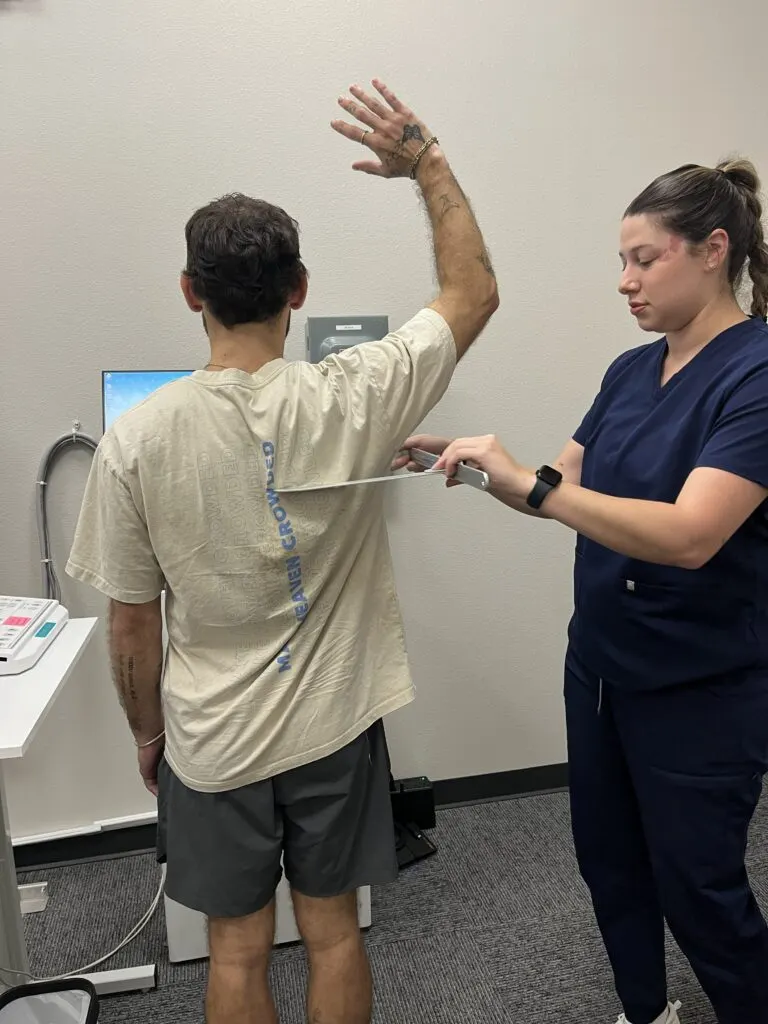
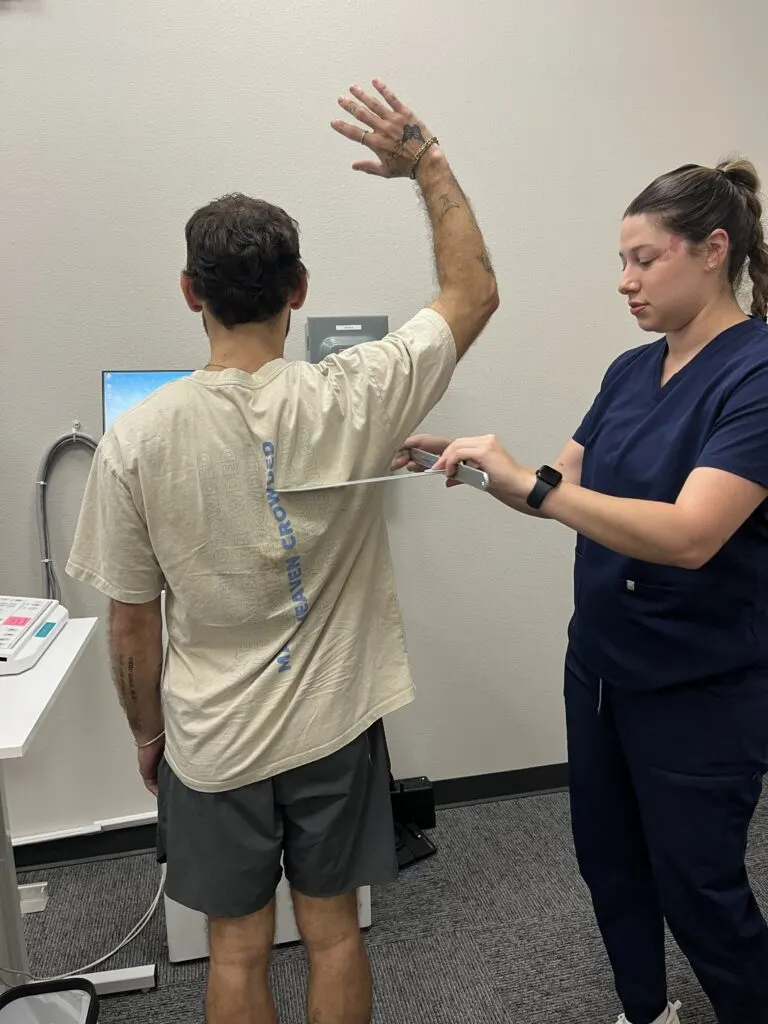
At Flores Chiropractic in Tyler, TX, Dr. Ricardo Flores takes a thorough approach to evaluating the relationship between spinal health and headache patterns in each patient. Rather than treating every headache the same way, the assessment process looks at posture, range of motion, joint mobility, and muscle function to identify where structural problems may be contributing to a patient’s symptoms.
How Chiropractic Care May Help
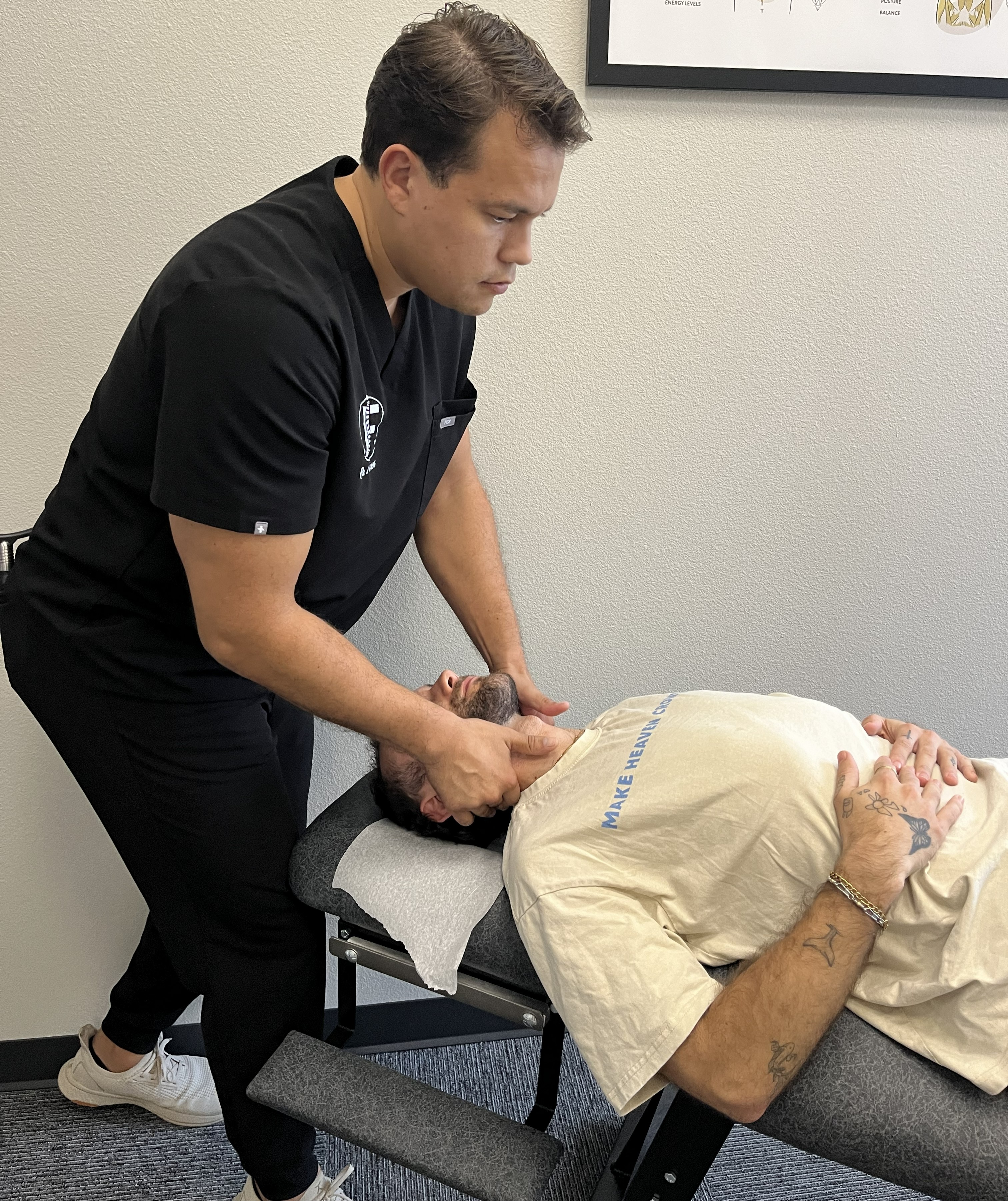
Chiropractic care takes a non-invasive, drug-free approach to addressing the structural contributors to headaches. The American Chiropractic Association recognizes headaches — particularly tension-type and cervicogenic headaches — as conditions that chiropractic care is well-positioned to address. Evidence from the Cochrane Library and other respected research bodies suggests that spinal manipulation may be effective in reducing headache frequency and intensity for certain types of headaches, particularly cervicogenic and tension-type presentations.
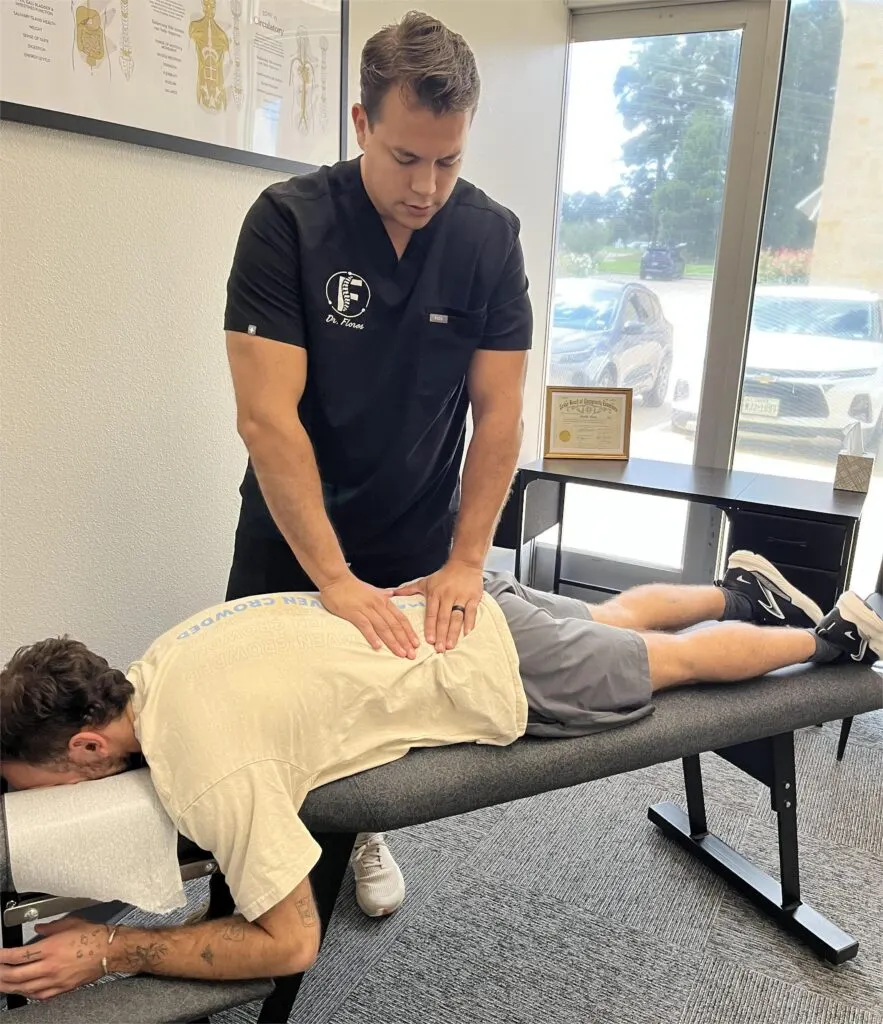
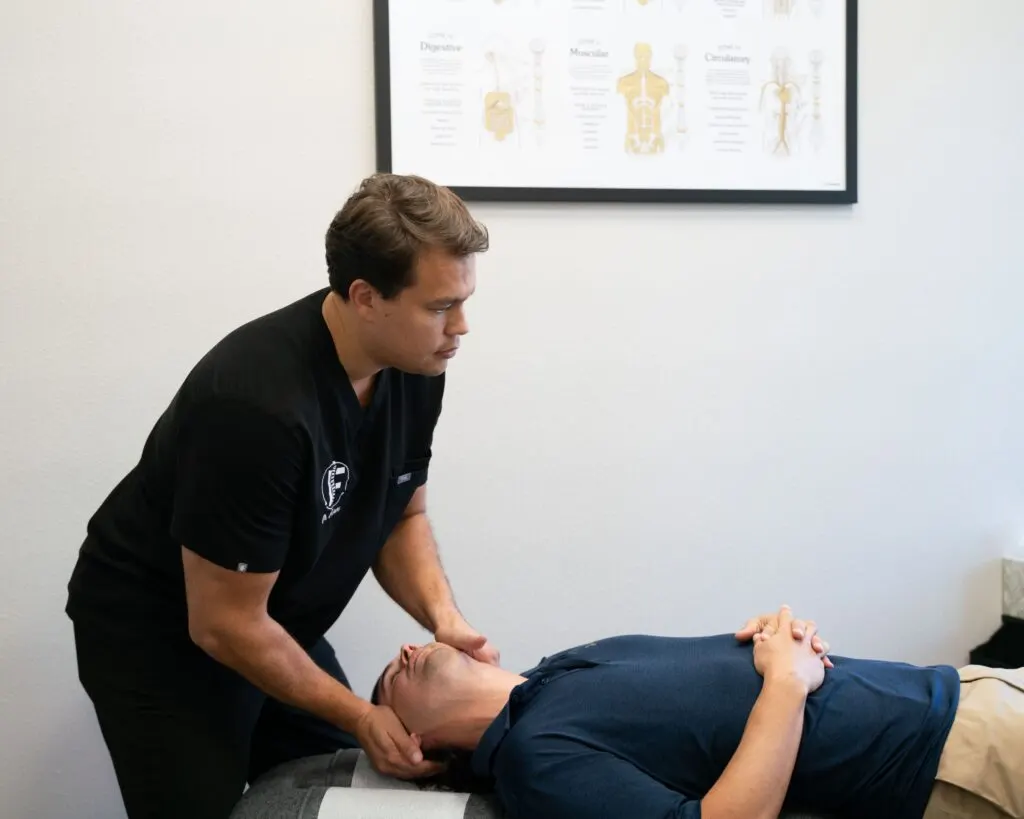
Spinal manipulation — commonly called a “chiropractic adjustment” — involves applying a precise, controlled force to a joint that has become restricted in its movement. When applied to the cervical spine, this can help restore normal joint mobility, reduce nerve irritation, ease muscular tension, and interrupt the pain cycle that fuels chronic headaches. Patients often report not just a reduction in headache frequency after beginning chiropractic care, but also improvements in neck range of motion, sleep quality, and overall energy levels.
Beyond adjustments, chiropractic care at Flores Chiropractic may include soft tissue work to release trigger points in the suboccipital and upper trapezius muscles, postural correction exercises, ergonomic guidance, and education about lifestyle habits that may be amplifying your headache triggers. Dr. Ricardo Flores believes strongly that care works best when patients understand what’s happening in their bodies and feel empowered to make supportive choices between appointments.
It’s important to set realistic expectations. Chiropractic care is not a cure for migraines, and not every patient will experience the same level of improvement. However, for patients whose headaches have a musculoskeletal or cervicogenic component, chiropractic care can be a meaningful part of a comprehensive management plan — often working alongside other healthcare providers when appropriate.
Practical Tips to Reduce Headache Frequency
There are several things you can do between chiropractic visits to support your body and reduce the likelihood of headache episodes. These aren’t magic solutions, but they reflect the same principles Dr. Ricardo Flores discusses with patients in Tyler every day.
Prioritize your workstation setup. If you spend significant time at a desk, make sure your monitor is at eye level so you’re not tilting your head forward or downward for hours at a stretch. Your chair should support your lower back, and your keyboard and mouse should allow your shoulders to stay relaxed. Small ergonomic adjustments can meaningfully reduce the cumulative postural stress that feeds tension headaches over time.
Be intentional about movement breaks. The human body isn’t designed for prolonged static postures. Setting a reminder to stand, walk, or gently move your neck and shoulders every 45 to 60 minutes can help prevent the muscle tension buildup that often precedes a headache. Even a few gentle neck rolls or chin tucks can make a difference when done consistently throughout the day.
Stay hydrated and maintain a consistent sleep schedule. Dehydration and irregular sleep are two of the most common and correctable headache triggers. Aim to drink water steadily throughout the day rather than in large amounts all at once, and try to go to bed and wake up at the same time each day — even on weekends. Your nervous system thrives on rhythm and consistency.
When to See a Chiropractor for Headaches
If you’re experiencing headaches that occur more than twice a week, last for several hours, require regular use of over-the-counter pain medication, or are accompanied by neck stiffness and postural problems, it’s a good time to seek a professional chiropractic evaluation. Chronic headache patterns rarely resolve on their own without addressing the underlying structural contributors.
Chiropractic care is particularly worth considering when your headaches seem related to neck position or movement, when you notice that stress and tension accumulate in your neck and shoulders before a headache hits, or when you’ve tried other conservative measures without lasting success.
However, it’s equally important to recognize when headaches warrant urgent medical attention. Seek emergency care immediately if you experience a sudden, severe headache that feels unlike any you’ve had before (sometimes called a “thunderclap” headache), a headache accompanied by fever, stiff neck, vision changes, slurred speech, weakness, or confusion. These can be signs of serious medical conditions that are outside chiropractic scope of practice and require immediate evaluation by a physician.
Headache Types at a Glance
| Headache Type | Common Location | Key Characteristics | Chiropractic Relevance |
|---|---|---|---|
| Tension-Type | Forehead, temples, back of skull | Pressure/band-like sensation, bilateral, gradual onset | High — closely linked to neck/shoulder muscle tension and posture |
| Cervicogenic | Back of head, base of skull, may radiate to forehead | Worsened by neck movement or sustained postures, often one-sided | Very high — originates from cervical spine structures |
| Migraine | Usually one side, behind the eye | Throbbing, nausea, light/sound sensitivity, may have aura | Moderate — upper cervical dysfunction may contribute to frequency/severity |
| Cluster | Around or behind one eye | Extremely severe, short duration, occur in clusters, eye redness/tearing | Low — primarily neurological; medical evaluation recommended |
Myths vs. Facts About Headaches and Chiropractic Care
Myth: Headaches are just part of life and there’s nothing you can do about them.
Fact: While occasional mild headaches are common, frequent or severe headaches are not something you simply have to accept. Many chronic headache sufferers have underlying structural contributors — like cervical joint dysfunction or chronic muscle tension — that respond well to conservative care. Getting a professional evaluation is the first step toward understanding your options.
Myth: Chiropractic adjustments are only for back pain.
Fact: Chiropractic care addresses the entire spine, including the cervical (neck) region. Because the upper cervical spine is closely connected to headache-generating pathways, chiropractic care has been studied and applied specifically for headache disorders, not just low back conditions. Evidence from bodies like the Cochrane Library supports its use for certain headache types.
Myth: If you have migraines, you just need medication — nothing else will help.
Fact: Medications can be an important part of migraine management, and we support patients working with their physicians. However, research suggests that addressing musculoskeletal factors — like upper cervical dysfunction and postural stress — may help reduce migraine frequency for some individuals. A multi-disciplinary approach tends to produce the best outcomes.
Myth: Chiropractic neck adjustments are dangerous.
Fact: Chiropractic spinal manipulation, when performed by a licensed and trained chiropractor, is considered a generally safe and well-tolerated procedure. Serious adverse events are rare. At Flores Chiropractic, Dr. Ricardo Flores takes a thorough health history and performs a careful examination before any care is recommended, ensuring that treatment is appropriate for each individual patient.
Myth: If my headaches go away on their own, I don’t need to worry about them.
Fact: Intermittent relief doesn’t mean the underlying cause has resolved. Many patients cycle through headaches for months or years without ever addressing the structural factors that make them vulnerable. Proactive evaluation and care can help break that cycle before the pattern becomes more entrenched.
Final Thoughts
Living with chronic headaches and migraines is exhausting — and it’s easy to feel like you’ve tried everything without finding lasting answers. But for many patients, the missing piece has been a thorough evaluation of the spine, posture, and musculoskeletal system. These structural factors don’t always show up in standard medical workups, yet they can have a profound influence on headache frequency, severity, and recoverability.
Here in Tyler, TX, the team at Flores Chiropractic is committed to helping patients get to the bottom of what’s driving their headaches. Dr. Ricardo Flores takes the time to listen, assess, and build a care plan that’s individualized to each patient’s specific pattern and needs. Whether you’re dealing with daily tension headaches, occasional migraines, or something that’s been going on for years without a clear explanation, chiropractic care may be able to offer a meaningful piece of the puzzle.
You deserve to feel well. You deserve to understand what’s happening in your body. And you deserve care from someone who genuinely wants to help — not just manage your symptoms, but address their root cause. If you’re ready to take a closer look at what might be behind your headaches, we encourage you to reach out to Flores Chiropractic and start the conversation.
Frequently Asked Questions
Can a chiropractor help with chronic migraines?
Chiropractic care may help reduce the frequency and intensity of migraines in some patients, particularly when upper cervical spine dysfunction or postural stress is contributing to the pattern. It’s not a cure for migraines, but it can be a valuable part of a comprehensive management approach. Results vary from person to person, and a thorough evaluation is needed to determine whether chiropractic care is appropriate for your specific situation.
How many chiropractic visits does it typically take to see improvement in headaches?
The timeline varies depending on the type of headaches, how long they’ve been occurring, and each individual’s overall health. Some patients notice improvement within the first few visits, while others with more longstanding patterns may require a longer course of care. Dr. Ricardo Flores will discuss realistic expectations with you based on your examination findings.
Is it safe to get a chiropractic neck adjustment if I have migraines?
For most patients, cervical chiropractic adjustments are safe and well-tolerated. Dr. Ricardo Flores performs a thorough evaluation before recommending any treatment to ensure the approach is appropriate for your health history. If you have specific concerns or contraindications, those will be addressed during your initial consultation.
What’s the difference between a tension headache and a cervicogenic headache?
Tension headaches are primarily driven by muscle tension and stress and typically feel like a band of pressure around the head. Cervicogenic headaches actually originate from structures in the cervical spine — such as joints or discs — and are often worsened by neck movement or sustained postures. The distinction matters because it influences which type of care is most appropriate.
Can poor posture really cause headaches?
Yes — postural stress, particularly forward head posture associated with screen use, places significant strain on the muscles and joints of the cervical spine. Over time, this can activate trigger points and joint restrictions that refer pain into the head. Improving posture and addressing underlying spinal dysfunction are both important components of headache management.
Should I stop taking my headache medication if I start chiropractic care?
No — you should never discontinue prescribed medications without speaking with the prescribing physician first. Chiropractic care at Flores Chiropractic is meant to complement, not replace, any medical treatment you’re already receiving. Dr. Ricardo Flores encourages a collaborative approach to your overall health and will communicate with other providers when appropriate.
TL;DR Summary
- Many headaches — especially tension-type and cervicogenic headaches — have roots in spinal dysfunction, muscle tension, and poor posture that chiropractic care is well-suited to address.
- Common triggers include forward head posture, upper cervical joint restriction, stress, dehydration, and poor sleep — several of which can be influenced through conservative chiropractic care and lifestyle guidance.
- Research suggests chiropractic spinal manipulation may help reduce headache frequency and intensity, particularly for cervicogenic and tension-type presentations.
- At Flores Chiropractic in Tyler, TX, Dr. Ricardo Flores provides individualized evaluations to identify the structural contributors to each patient’s headache pattern and builds care plans accordingly.
- Seek emergency medical care for any sudden, severe, or unusual headache accompanied by neurological symptoms — these require immediate physician evaluation, not chiropractic care.