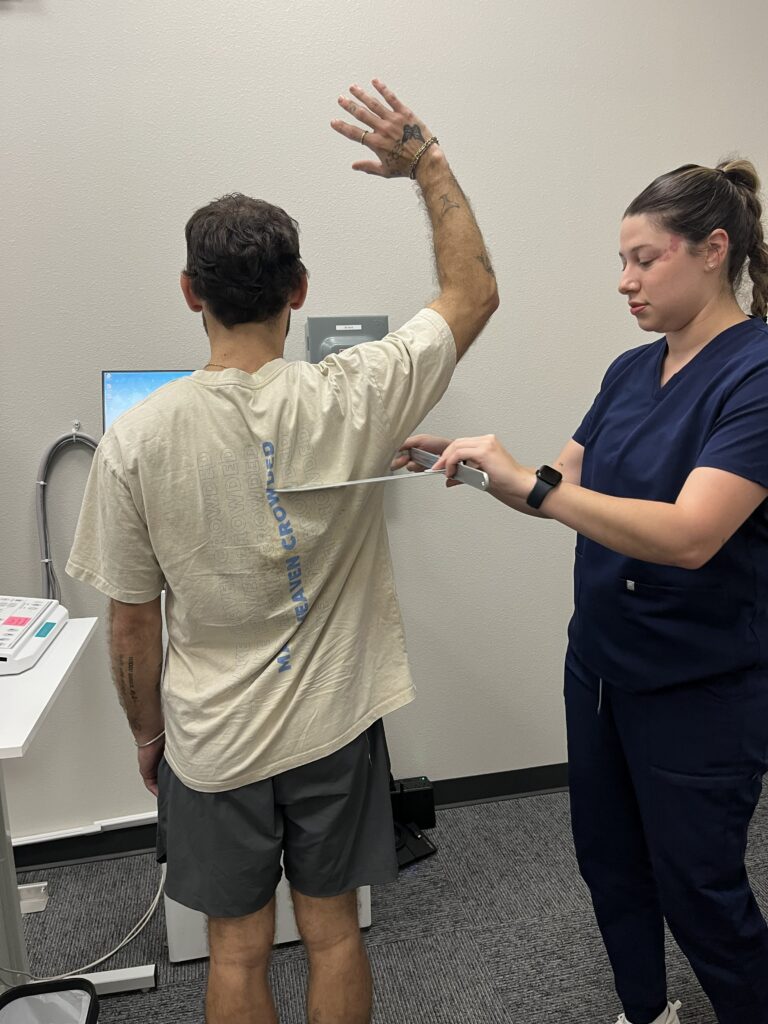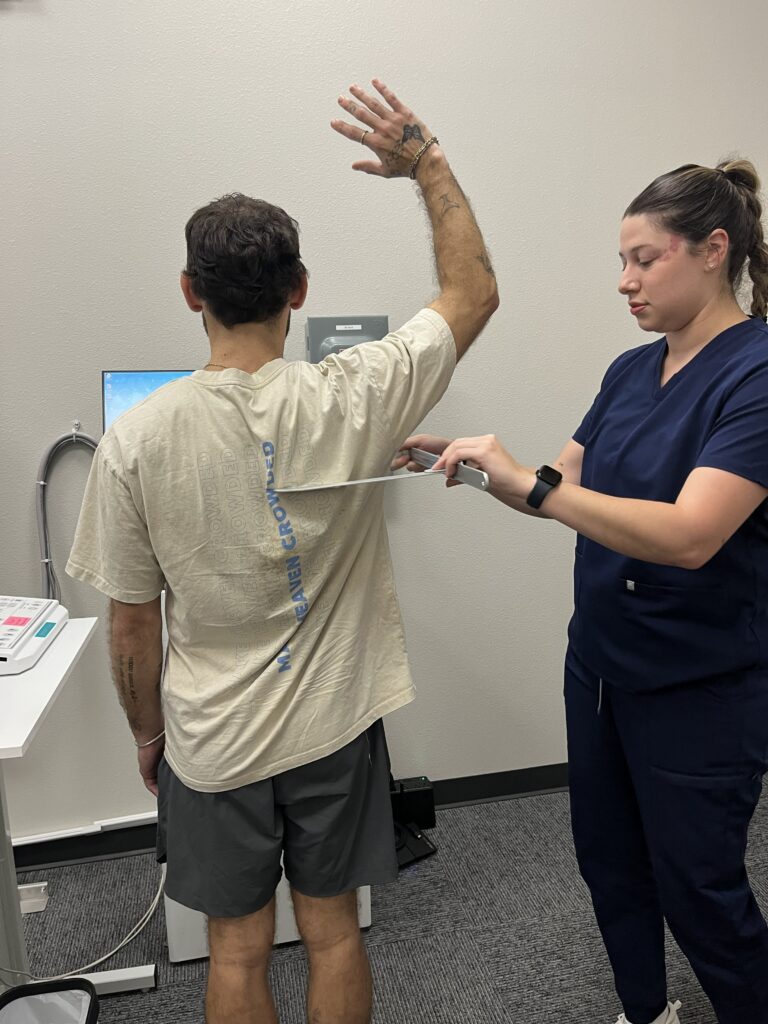

If you frequently deal with tension headaches, you may be amazed at how chiropractic adjustments can be a game changer for your comfort. By gently realigning your spine and relieving muscle tension, these adjustments can not only provide immediate relief from that persistent discomfort but also contribute to your overall health and wellness.
Chiropractic care focuses on the connection between your spine and nervous system, and when your spine is properly aligned, it can help your body function at its best. This means fewer headaches and a better quality of life!
Here are some tips to help you manage tension headaches and enhance your overall wellness:
- Stay Hydrated: Dehydration can contribute to headaches, so make sure you’re drinking plenty of water throughout the day.
- Practice Good Posture: Poor posture can lead to muscle tension in your neck and shoulders, which can trigger headaches. Be mindful of your posture, especially if you spend long hours sitting at a desk.
- Take Regular Breaks: If you’re working at a computer, take short breaks every hour to stretch and move around. This can help reduce muscle tension and prevent headaches.
- Incorporate Relaxation Techniques: Activities like yoga, meditation, or even deep breathing exercises can help reduce stress and tension, which are often key contributors to headaches.
- Regular Chiropractic Care: Consistent adjustments can help maintain proper spinal alignment, reduce muscle tension, and promote overall wellness. It’s a natural way to support your body’s healing process and keep headaches at bay.
By understanding how chiropractic adjustments work and incorporating these simple tips into your routine, you can take control of your headaches and improve your overall health. Remember, chiropractic care is a safe and effective option for finding relief and achieving optimal wellness.
Key Takeaways
Chiropractic adjustments are a powerful way to relieve tension headaches by realigning the spine. This realignment reduces muscle tension and alleviates the pressure that can contribute to those nagging headaches.
One of the benefits of chiropractic care is that it promotes better posture. Improved posture can enhance spinal health, which in turn decreases the frequency and intensity of tension headaches. When our spine is aligned properly, our body can function more efficiently, helping to keep headaches at bay.
Regular chiropractic adjustments also help promote relaxation by alleviating stress—one of the leading triggers for tension headaches. When you’re feeling relaxed and at ease, your body is less likely to hold onto tension that can lead to discomfort.
Moreover, chiropractic care can improve blood circulation, which helps to relieve tightness in the neck and shoulder muscles—common culprits for headaches. By enhancing blood flow, your body can better nourish the areas that may be contributing to your pain.
Every individual is unique, which is why tailored treatment plans are essential. At our practice, we focus on understanding your specific needs and identifying the triggers that may be causing your headaches. By addressing these triggers, we can help you manage and potentially eliminate your headaches altogether.
Here are a few simple tips you can take away to help with tension headaches:
- Practice Good Posture: Be mindful of how you sit and stand throughout the day. Keeping your spine aligned can help prevent headaches.
- Stay Hydrated: Dehydration can lead to headaches, so make sure to drink plenty of water throughout the day.
- Manage Stress: Consider relaxation techniques such as deep breathing, meditation, or yoga to help reduce stress levels.
- Take Breaks: If you work at a desk, make sure to take regular breaks to stretch and move around. This can help relieve tension in your neck and shoulders.
- Regular Chiropractic Visits: Routine adjustments can keep your spine healthy and reduce the likelihood of tension headaches.
By focusing on natural healing and wellness through chiropractic care, you can achieve optimal health and find relief from tension headaches without the need for medications or invasive procedures. Your journey to better health starts here!
Understanding Tension Headaches
Understanding tension headaches is crucial for anyone looking to enhance their daily life and overall well-being. These headaches often feel like a tight band around your head, bringing on mild to moderate pain. You might find that they creep up after long hours of work, during stressful times, or as a result of poor posture.
Unlike migraines, tension headaches typically don’t come with nausea or sensitivity to light, which can make them easy to dismiss. Additionally, you might experience muscle tightness in your neck and shoulders, which can amplify the discomfort.
It’s important to recognize that while stress and fatigue are often the main offenders, factors like dehydration or lack of sleep can also contribute to these headaches.
As a chiropractor, I want to emphasize that understanding the nature of tension headaches empowers you to seek natural solutions. Chiropractic care is an excellent choice for addressing tension headaches, as it focuses on the alignment of your spine and the overall health of your nervous system.
By ensuring that your spine is properly aligned, you can reduce muscle tension and improve circulation, which may help alleviate headache symptoms.
Here are some practical tips to manage tension headaches and promote a healthier lifestyle:
- Practice Good Posture: Make sure your workstation is ergonomically friendly. Keep your computer screen at eye level and take regular breaks to stretch your neck and shoulders.
- Stay Hydrated: Drink plenty of water throughout the day to prevent dehydration, which can trigger headaches.
- Incorporate Relaxation Techniques: Deep breathing, meditation, or yoga can help reduce stress levels and relax tense muscles.
- Regular Chiropractic Care: Regular visits to a chiropractor can help maintain proper spinal alignment and relieve muscle tension. This proactive approach can play a key role in preventing tension headaches before they start.
- Get Enough Sleep: Aim for 7-9 hours of quality sleep each night to ensure your body is well-rested and resilient against stress.
Identifying Triggers and Symptoms
Identifying the triggers and symptoms of tension headaches is crucial for effective management and promoting overall wellness. By understanding what causes your headaches, you can take proactive steps to minimize or avoid these factors. Here are some common triggers to be aware of:
- Stress: Emotional or mental strain can lead to muscle tension, which is a significant contributor to headaches. Finding ways to relax and manage stress—like deep breathing exercises or gentle stretches—can help alleviate this tension.
- Poor Sleep: Inadequate rest can make you more prone to headaches. Establishing a consistent sleep routine and ensuring a restful environment can improve your sleep quality and reduce headache frequency.
- Dehydration: Not drinking enough water can lead to headaches, as proper hydration is vital for your overall health. Aim to drink plenty of water throughout the day to stay hydrated and support your body’s functions.
When it comes to symptoms, you may experience a dull, aching pain around your forehead or the back of your head. This discomfort often feels like a tight band around your head. Additionally, you might notice sensitivity to light or sound, and sometimes muscle tightness in the neck or shoulders.
Chiropractic care is an excellent approach to managing tension headaches naturally. By addressing spinal misalignments and improving your overall posture, chiropractic adjustments can relieve muscle tension and promote better alignment, which may help reduce headache symptoms.
Incorporating regular chiropractic visits into your wellness routine can support your body’s natural healing processes and enhance your quality of life.
In addition to chiropractic care, here are some general tips to help you manage tension headaches:
- Practice relaxation techniques such as yoga or meditation to reduce stress.
- Maintain good posture while working or using devices to minimize neck and shoulder strain.
- Stay hydrated by drinking water regularly throughout the day.
- Consider gentle stretches or a warm compress on your neck and shoulders to relieve tension.
Posture Correction Techniques
Poor posture can lead to muscle tension and trigger tension headaches, making it crucial to adopt effective posture correction techniques. As a chiropractor, I believe that chiropractic care plays a vital role in addressing these issues and promoting overall wellness. Here are some simple tips to help you maintain better posture and alleviate discomfort.
First, pay attention to your sitting position. It’s essential to keep your back straight, shoulders relaxed, and feet flat on the floor. If you’re working at a desk, make sure to adjust your chair and monitor height so that your screen is at eye level. This simple adjustment can significantly reduce strain on your neck and improve your posture.
Incorporating regular breaks into your routine is also important. Stand up, stretch, and take a brief walk every hour. This helps relieve tension and keeps your body active, which is vital for maintaining good spinal health.
Strengthening your core muscles is another key aspect of better posture. Exercises like planks or bridges can help build a strong core, which supports your spine and encourages proper alignment. A strong core not only enhances your posture but also reduces the risk of back pain.
Additionally, consider using ergonomic tools, such as a lumbar support pillow, to promote healthy spine alignment. These tools can provide extra support and comfort, helping you maintain good posture throughout the day.
By focusing on these posture correction techniques and integrating chiropractic care into your wellness routine, you can effectively reduce muscle tension and alleviate those bothersome tension headaches.
Stress Management Strategies
To keep tension headaches at bay, it’s essential to incorporate effective stress management strategies into your daily routine. As a chiropractor, I understand the profound connection between stress, spinal health, and overall well-being. Practicing mindfulness and relaxation techniques can help you regain focus, calm your mind, and alleviate tension that often contributes to headaches.
Regular physical activity is also crucial; it not only keeps your body strong but helps release endorphins that naturally enhance your mood. Coupled with chiropractic adjustments, which align your spine and promote better nervous system function, these approaches create a powerful toolkit for reducing stress and preventing headaches.
Here are some general tips you can try:
- Deep Breathing: Take a few moments each day to practice deep breathing exercises. This can help relax your mind and reduce tension in your body.
- Stretching: Gentle neck and shoulder stretches can relieve tightness and improve circulation, which may help decrease headache frequency.
- Stay Hydrated: Drink plenty of water throughout the day. Dehydration can lead to headaches.
- Regular Chiropractic Care: Regular visits to your chiropractor can help maintain proper spinal alignment, reduce tension in your muscles, and enhance your body’s natural ability to heal.
By focusing on these natural and holistic approaches, you can effectively manage stress, promote your overall health, and reduce the occurrence of tension headaches.
Mindfulness and Relaxation Techniques
When you feel tension building in your head, incorporating mindfulness and relaxation techniques can be a powerful ally in your journey to overall wellness.
These methods not only help alleviate stress but also foster a deep sense of calm, which can be beneficial for your spine and nervous system health. Making these practices a part of your daily routine might significantly enhance your well-being.
Here are some simple techniques to consider:
- Deep Breathing: Take a moment to focus on slow, deep breaths. This practice helps to center your thoughts and releases built-up tension, making it easier for your body to maintain proper alignment.
- Guided Imagery: Close your eyes and visualize a serene place, like a quiet beach or a tranquil forest. This mental escape can help reduce stress and promote relaxation, which is vital for spinal health.
- Progressive Muscle Relaxation: Start by tensing each muscle group in your body, one at a time, and then relax them. This technique not only soothes your body but also reinforces the connection between your mind and spine, encouraging better posture and alignment.
Remember, regular chiropractic care can also play a crucial role in managing tension and enhancing overall wellness.
By aligning your spine, we can help optimize your body’s function, allowing you to integrate these relaxation techniques more effectively into your life.
Prioritizing your spinal health is a key step toward achieving optimal well-being.
Regular Physical Activity
Engaging in regular physical activity is a fantastic way to boost your mood and manage stress, which is essential for those who experience tension headaches. When you exercise, your body releases endorphins—natural substances that help relieve pain and enhance your mood. This natural response can significantly reduce the frequency and intensity of headaches.
To support your overall wellness and help alleviate headache symptoms, aim for at least 30 minutes of moderate exercise most days of the week. Simple activities like walking, cycling, or practicing yoga can be particularly beneficial. Not only do these activities promote physical health, but they also help improve sleep quality and reduce muscle tension, both of which play a crucial role in managing stress.
Incorporating regular movement into your daily routine can lead to better physical and mental well-being. As a chiropractor, I encourage you to view physical activity as a key part of your wellness toolkit, alongside chiropractic care.
Regular adjustments can help ensure that your spine is aligned and functioning optimally, further supporting your body’s natural ability to heal and manage pain.
Hydration and Nutrition Tips
Staying properly hydrated and maintaining balanced nutrition is essential not only for your overall well-being but also for reducing the frequency and intensity of tension headaches. When your body is dehydrated or lacking vital nutrients, you may experience discomfort that can be alleviated through simple lifestyle changes.
Here are some helpful tips to ensure you’re nourishing your body correctly and supporting your spinal health:
- Stay Hydrated: Make it a habit to drink plenty of water throughout the day. Aim for at least 8 cups, but adjust this based on your level of activity and the climate you live in. Proper hydration supports your spine and muscles, promoting overall health.
- Add Magnesium-Rich Foods: Incorporating foods high in magnesium, such as spinach, almonds, and bananas, into your meals can be beneficial. Magnesium helps relax muscles and has been shown to reduce headache occurrences. A relaxed body contributes to a healthier spine.
- Don’t Skip Meals: It’s vital to eat balanced meals regularly. Focus on including proteins, healthy fats, and whole grains to keep your blood sugar stable. Avoiding spikes in your blood sugar can help prevent headaches and keep your energy levels consistent throughout the day.
Remember, chiropractic care plays a significant role in achieving optimal health.
Relaxation Techniques and Practices
When tension headaches strike, incorporating relaxation techniques can significantly enhance your relief and overall wellness. As a chiropractor, I emphasize the importance of a holistic approach to health.
Start with simple breathing exercises to calm your mind and body; this not only eases headache pain but also supports spinal health by promoting relaxation throughout the body.
Mindfulness meditation is another excellent practice that can enhance your focus and reduce stress, which is often a contributor to tension headaches. By taking a moment to center yourself, you can alleviate the pressure that builds up in your neck and shoulders, areas that are closely tied to headache pain.
Additionally, maintaining good posture is crucial for preventing tension headaches. Pay attention to how you sit and stand throughout the day.
Implementing ergonomic adjustments in your workspace can also help reduce strain on your spine and neck.
Remember, chiropractic care is an effective way to address the underlying issues contributing to your headaches. Regular adjustments can help keep your spine aligned and functioning optimally, which supports your overall health and can lead to fewer headaches.
Breathing Exercises
Breathing exercises can be an invaluable tool in managing tension headaches and enhancing relaxation, complementing the benefits of chiropractic care. By concentrating on your breath, you can divert your attention from stress and tension, which can contribute to discomfort in your spine and overall well-being.
Here are three effective techniques to incorporate into your daily routine:
- Deep Belly Breathing: Begin by inhaling deeply through your nose, allowing your abdomen to expand fully. As you exhale slowly through your mouth, envision releasing any tension stored in your body. Repeat this process for several minutes. This practice not only calms your mind but also supports proper spinal alignment by encouraging relaxation of surrounding muscles.
- 4-7-8 Technique: Inhale for a count of four, hold your breath for seven seconds, and then exhale for eight seconds. This method is particularly effective in soothing your nervous system, which can help alleviate tension that may be affecting your spine and posture. Incorporating this technique can promote a sense of balance and well-being.
- Alternate Nostril Breathing: This technique involves closing one nostril with your thumb while inhaling through the other, then switching sides. This practice helps to balance your body’s energy and encourages a state of relaxation, which can be beneficial for your spine and overall health.
By regularly incorporating these breathing exercises into your routine, you can help manage and prevent tension headaches while supporting your chiropractic care.
Mindfulness Meditation
Mindfulness meditation is an excellent complementary practice to chiropractic care, especially when it comes to alleviating tension headaches. By fostering a state of deep relaxation and awareness, mindfulness can enhance the benefits you receive from your chiropractic adjustments. When you focus on the present moment, you can let go of stress and distractions that often contribute to headaches.
To practice mindfulness, start by finding a quiet space where you can sit comfortably. Close your eyes and take a deep breath. Shift your attention to your body, paying special attention to areas where you feel tension. As you breathe slowly and deeply, visualize that tension melting away with each exhale. This practice not only helps reduce the frequency of headaches but also improves your overall well-being.
Incorporating mindfulness into your routine can enhance how you respond to stress, making it easier to manage headaches when they arise. This, in turn, works hand-in-hand with chiropractic care, which focuses on spinal health and alignment to promote natural healing and optimal wellness.
Remember, regular chiropractic adjustments can help ensure that your spine is in alignment, which can alleviate tension and stress that may lead to headaches. By combining chiropractic care with mindfulness practices, you’ll be developing a powerful toolkit for achieving lasting relief and a healthier lifestyle.
Here are a few tips to help you integrate mindfulness and chiropractic into your life:
- Schedule regular chiropractic visits to maintain spinal health.
- Practice mindfulness meditation daily, even for just a few minutes.
- Pay attention to your posture throughout the day to prevent tension buildup.
- Stay hydrated and nourish your body with healthy foods to support overall wellness.
When to Seek Professional Help
While many tension headaches can be managed at home, it’s important to recognize when it might be time to seek professional help. If your headaches persist or worsen, don’t hesitate to consult a healthcare provider, particularly a chiropractor who specializes in natural healing and spinal health. Understanding the signs can significantly improve your well-being.
Consider reaching out to a chiropractor if you experience:
- Frequent headaches that interfere with your daily activities
- Severe pain that doesn’t improve with simple home remedies or relaxation techniques
- Accompanying symptoms such as nausea, changes in vision, or unusual sensations
These signs may point to an underlying issue that could benefit from chiropractic care. Remember, you don’t have to endure pain silently. Chiropractic adjustments and holistic approaches can help address the root cause of your tension headaches, leading to a tailored treatment plan that focuses on your health and wellness.
In addition to seeking professional help, here are some general tips to manage tension headaches naturally:
- Stay Hydrated: Drink plenty of water throughout the day to avoid dehydration, which can trigger headaches.
- Practice Good Posture: Ensure your workstation is ergonomically designed to reduce strain on your neck and back.
- Incorporate Relaxation Techniques: Try deep breathing exercises, meditation, or gentle yoga to reduce stress and tension.
- Get Regular Exercise: Engaging in regular physical activity can improve circulation and reduce headache frequency.
- Consider Chiropractic Care: Regular visits to a chiropractor can help align your spine, reduce tension, and improve your overall health.
Your health is valuable, so trust your instincts if something feels off. By taking action and exploring chiropractic options, you can manage your tension headaches more effectively and enhance your quality of life.
Conclusion
In conclusion, managing tension headaches effectively requires a holistic approach that emphasizes the importance of chiropractic adjustments alongside lifestyle modifications. By recognizing your headache triggers, enhancing your posture, managing stress, and ensuring proper hydration, you can significantly reduce the frequency and severity of headaches.
Chiropractic care is a powerful tool in this process. Regular adjustments can help align your spine, relieve tension in your neck and shoulders, and promote better overall function of your nervous system. This not only aids in alleviating headaches but can also enhance your overall well-being.
Incorporating relaxation techniques, such as deep breathing exercises or gentle yoga stretches, into your daily routine can further support your journey to relief. Remember, if your headaches continue, seeking the guidance of a chiropractor can provide you with personalized care tailored to your needs. With the right combination of chiropractic adjustments and healthy lifestyle choices, you can reclaim your comfort and thrive in your daily life.