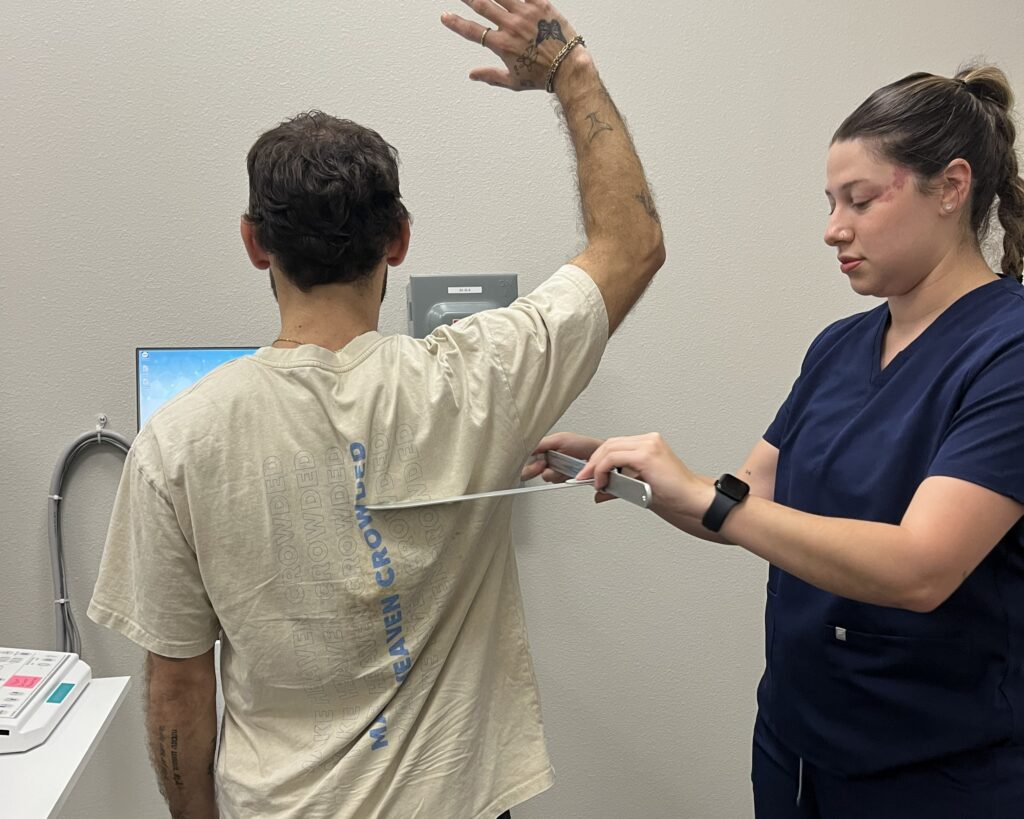

Headaches can be incredibly frustrating and can interfere with your daily life. However, understanding the different types of headaches and their underlying causes is key to finding effective relief. One of the best ways to address headaches is through chiropractic care, which focuses on the health of your spine and overall wellness.
As a chiropractor, I often see how spinal alignment can play a significant role in relieving headache pain. Misalignments in the spine can lead to tension and discomfort that contribute to headaches. By seeking chiropractic adjustments, you can help restore proper alignment, reduce muscle tension, and improve overall function, which may alleviate headache symptoms.
In addition to chiropractic care, there are several natural remedies and lifestyle adjustments you can incorporate to help manage and prevent headaches:
- Stay Hydrated: Dehydration is a common trigger for headaches. Make sure you are drinking enough water throughout the day.
- Manage Stress: Stress can lead to tension headaches. Techniques such as deep breathing, meditation, or yoga can help reduce stress levels.
- Posture Awareness: Poor posture can contribute to headaches, especially tension headaches. Be mindful of your posture while sitting, standing, or using devices.
- Regular Exercise: Physical activity promotes better circulation and can reduce tension in the muscles. Aim for regular exercise to improve your overall health and reduce headache frequency.
- Adequate Sleep: Ensure you are getting enough restorative sleep each night, as lack of sleep can be a significant headache trigger.
- Nutrition: Eating a balanced diet can help maintain stable blood sugar levels and prevent headaches. Avoid skipping meals and try to incorporate plenty of fruits, vegetables, and whole grains into your diet.
- Alternative Therapies: Consider complementary therapies such as acupuncture or massage, which can help alleviate tension and promote relaxation.
By incorporating these strategies and prioritizing chiropractic care, you can take significant steps toward managing and reducing your headaches naturally. Remember, everyone’s body is unique, so it’s essential to find the methods that work best for you. If you’re struggling with chronic headaches, consider scheduling a visit to your chiropractor to explore personalized treatment options that can help you achieve optimal health and wellness.
Key Takeaways
- Understanding the type of headache you have is essential for effective relief, and chiropractic care can play a significant role in this process. By identifying the underlying causes related to spinal alignment, we can tailor a treatment plan that addresses your specific needs.
- Natural remedies can complement chiropractic care in alleviating headache symptoms. For instance, using peppermint oil, sipping on ginger tea, or inhaling lavender essential oil can provide additional comfort and relaxation.
- Staying well-hydrated is important for overall health, and it can also help in preventing headaches. Keeping track of potential dietary triggers, such as certain foods or beverages, can be beneficial. Chiropractic care can assist in identifying lifestyle changes that promote better health and reduce headache occurrences.
- Regular chiropractic adjustments can improve spinal alignment, which may help in reducing the frequency and intensity of headaches. By ensuring that your spine is properly aligned, we can alleviate stress on the nervous system and promote better overall wellness.
- Making simple lifestyle changes can also contribute to long-term headache relief. Prioritizing quality sleep, managing stress through relaxation techniques, and practicing good posture are all essential steps. Chiropractic care can guide you in adopting these changes effectively, leading you toward a healthier, pain-free life.
By focusing on chiropractic care and integrating these natural strategies, you can achieve optimal health and find relief from headaches without the need for medications or invasive procedures.
Understanding Different Types of Headaches
When you experience a headache, it’s crucial to identify the type you have, as this can greatly influence your treatment options. The most common types of headaches include tension, migraine, and cluster headaches.
Tension headaches often feel like a tight band around your head and can be triggered by stress or poor posture. If you’ve been sitting at a desk for too long or feeling overwhelmed, it might be time to take a break, stretch, and practice some relaxation techniques. Chiropractic care can help address the underlying issues contributing to tension headaches by improving spinal alignment and relieving muscle tension.
Migraines, on the other hand, are more severe and may come with symptoms like nausea and sensitivity to light and sound. You might notice they occur in phases, with warning signs before the pain intensifies. If you experience migraines, consider keeping a journal of your triggers and talking to your chiropractor about ways to manage stress and maintain a healthier lifestyle that could reduce the frequency of your headaches.
Cluster headaches are less common but can be excruciating, usually occurring in cycles and affecting one side of your head. While these are challenging, it’s essential to explore holistic approaches to help manage your pain. Regular chiropractic adjustments can promote better overall health, which might help lessen the intensity and frequency of cluster headaches.
Knowing which type you’re dealing with helps you choose the right natural remedies and avoid potential triggers. By understanding these distinctions, you’re better equipped to seek appropriate relief.
Natural Remedies for Headache Relief
Understanding the type of headache you’re experiencing is essential for finding effective relief. By recognizing the symptoms, you can explore various natural remedies that may help alleviate discomfort, while also considering the benefits of chiropractic care for overall health and wellness. Here are some effective options to evaluate, along with the advantages of incorporating chiropractic treatments into your routine:
| Remedy | Description |
|---|---|
| Peppermint Oil | Apply diluted oil to your temples for a cooling effect, which can ease tension. |
| Ginger Tea | Brew ginger tea to help reduce inflammation and soothe nausea, promoting comfort. |
| Lavender Essential Oil | Inhale or diffuse lavender for stress relief and relaxation, which can complement chiropractic adjustments. |
While these remedies can be beneficial for tension and migraine headaches, it’s important to remember that chiropractic care offers a holistic approach to pain relief. Regular chiropractic adjustments can help improve spinal alignment, reduce tension, and enhance overall well-being.
Consider incorporating these natural solutions into your routine, along with regular visits to your chiropractor. This combination might just provide the relief you need and support your journey towards optimal health without relying on over-the-counter medications. Always consult with a healthcare professional if your headaches persist or worsen, but know that chiropractic care can be a key player in your wellness journey.
The Role of Hydration in Headache Prevention
Staying properly hydrated is crucial for preventing headaches, and as a chiropractor, I often see how hydration plays a key role in overall wellness and pain relief. Even mild dehydration can lead to discomfort, so it’s essential to pay attention to your body’s needs.
When you’re not drinking enough water, it can reduce blood flow and oxygen to the brain, which may result in pain. To help keep headaches away, aim to drink plenty of water throughout the day. A simple guideline is to consume at least eight 8-ounce glasses of water daily, but remember that everyone’s needs can differ based on factors like how active you are and the climate you live in.
Listen to your body—if you feel thirsty, that’s your signal to drink more fluids. Incorporating hydrating foods like fruits and vegetables into your meals can also be a great way to boost your hydration. Additionally, be mindful of diuretics like caffeine and alcohol, as these can lead to dehydration.
Prioritizing hydration not only supports your overall health but also helps in reducing the risk of headaches.
And remember, while staying hydrated is vital, regular chiropractic care can further enhance your well-being by ensuring your spine and nervous system function optimally. This holistic approach can lead to better pain management and overall health without the need for medications or surgeries.
Stay hydrated, stay healthy, and consider chiropractic care as a natural path to wellness!
Lifestyle Changes That Can Reduce Headaches
Making simple lifestyle changes can greatly reduce the frequency and intensity of headaches, and as a chiropractor, I want to help you achieve optimal health naturally.
First, let’s talk about sleep. Aim for 7 to 9 hours of quality sleep each night. Irregular sleep patterns can trigger headaches, so establishing a consistent sleep schedule is important for your overall wellness.
Next, focus on your diet. Eating regular meals and not skipping them can help maintain stable blood sugar levels, which is vital in reducing the risk of headaches. Consider incorporating more whole foods into your diet, as these can provide the nutrients your body needs for better health.
Staying active is another key element. Regular physical activity not only helps improve circulation but also alleviates tension in your body that may lead to headaches. Simple exercises such as walking, stretching, or yoga can make a big difference in how your body feels.
It’s also important to monitor your caffeine intake. While moderate amounts can be beneficial for some people, too much caffeine can lead to withdrawal headaches. If you find yourself relying heavily on caffeine, consider gradually reducing your intake to avoid headaches.
Lastly, let’s talk about posture. Proper alignment is essential, especially if you’re sitting for long periods. Poor posture can strain your muscles and contribute to headaches. Make sure your workstation is ergonomically friendly, and take breaks to stretch and move around.
By making these lifestyle adjustments, you can create a healthier environment that supports headache relief.
Stress Management Techniques
Stress can significantly contribute to headache discomfort, often intensifying the pain you’re already experiencing. As a local chiropractor, I want to share some effective stress management techniques that can’t only help alleviate your headaches but also promote overall wellness through natural healing.
First, it’s essential to identify what triggers your stress. Understanding these triggers allows you to tackle them directly. Incorporating deep breathing exercises into your daily routine can be immensely beneficial. Simply inhaling deeply through your nose and exhaling slowly can help calm your mind and release tension throughout your body.
Mindfulness and meditation are also powerful tools. Even dedicating just a few minutes each day to these practices can foster a sense of peace and well-being. Additionally, don’t underestimate the importance of taking regular breaks during your day. Short walks or simple stretches can help release built-up stress and give your body a chance to reset.
Quality sleep is crucial for managing stress levels. A well-rested body and mind are key to maintaining optimal health and can significantly reduce headache frequency.
Lastly, don’t hesitate to communicate your feelings with friends or family. Sharing your thoughts can lighten your emotional load and strengthen your support system.
By adopting these techniques and focusing on your spinal health through chiropractic care, you can create a healthier response to stress. Chiropractic adjustments can help align your spine, improve your overall well-being, and reduce headaches naturally.
The Benefits of Regular Exercise
Engaging in regular exercise not only boosts your physical health but also greatly enhances your mental well-being. When you stay active, your body releases endorphins—natural mood lifters that can help alleviate stress and anxiety. This is particularly beneficial for those who experience tension-related headaches, as exercise can reduce both the frequency and intensity of these discomforts.
Additionally, maintaining an active lifestyle improves blood circulation and oxygen flow to your brain, which can serve as a natural preventive measure against headaches. You might discover that activities such as walking, swimming, or yoga not only strengthen your body but also act as wonderful stress relievers.
It’s important to emphasize that consistency is key. Even short, daily workouts can lead to significant improvements in your overall well-being. As you incorporate regular movement into your routine, you may notice better sleep patterns, increased energy levels, and a greater sense of balance in your life.
Chiropractic care complements your exercise regimen by ensuring that your spine is aligned and functioning optimally, which can enhance your physical performance and reduce discomfort. Regular adjustments can help you maintain your mobility and support your body’s natural healing processes.
Dietary Considerations for Headache Sufferers
When it comes to managing headaches, what you eat and drink can play a crucial role in your overall health and wellness. Staying well-hydrated is vital, as dehydration can often lead to headaches. Additionally, being aware of your trigger foods—those specific items that may lead to discomfort—can significantly impact your headache frequency.
Incorporating more nutrient-rich foods into your diet can also support your body’s natural healing processes. Whole foods, such as fruits, vegetables, whole grains, and lean proteins, not only nourish your body but may also help reduce the likelihood of headaches.
However, it’s important to remember that while diet plays a part, chiropractic care is one of the best choices for achieving optimal health and wellness. Regular chiropractic adjustments can help alleviate tension in your spine and surrounding muscles, which may contribute to headache pain. By ensuring proper alignment, chiropractic care can improve your overall well-being and enhance your body’s ability to heal naturally.
To take proactive steps towards headache relief, consider these general tips:
- Stay Hydrated: Aim to drink plenty of water throughout the day.
- Identify Trigger Foods: Keep a food diary to track what you eat and when headaches occur.
- Eat a Balanced Diet: Focus on whole, nutrient-rich foods to support your body.
- Consider Chiropractic Care: Regular adjustments may help relieve tension and improve your overall health.
Hydration and Headaches
Staying properly hydrated is crucial for managing headaches, as dehydration can often trigger or worsen pain. As a chiropractor, I encourage my patients to make hydration a priority as part of their overall wellness routine. To keep headaches at bay, aim to drink plenty of water throughout the day.
Listen to your body; if you’re feeling thirsty, it’s a clear signal that you need to hydrate.
In addition to drinking water, incorporating hydrating foods like fruits and vegetables into your diet can significantly boost your fluid intake. Foods such as watermelon, cucumbers, and oranges not only hydrate but also provide essential nutrients that support your overall health and well-being.
It’s also important to adjust your habits during hot weather or when engaging in vigorous exercise, as your body tends to lose fluids more rapidly in these situations. Remember that caffeine can impact hydration levels too, so be mindful of your intake.
As a chiropractor, I believe that prioritizing hydration is an essential part of achieving optimal health. Staying well-hydrated can help reduce the frequency and severity of headaches, enhancing your overall quality of life.
Combine hydration with regular chiropractic care for a holistic approach to wellness. By ensuring your spine is aligned and your nervous system is functioning properly, you’re giving your body the best chance to thrive.
Trigger Foods to Avoid
Certain foods can trigger headaches for many individuals, making it important to be aware of your diet to help alleviate discomfort. As a chiropractor, I emphasize the connection between overall wellness, nutrition, and spinal health.
Common headache triggers include aged cheeses, processed meats, and foods containing MSG. You may also want to avoid chocolate, caffeine, and alcohol, as these can provoke headaches in some people. Additionally, artificial sweeteners like aspartame have been linked to increased headache frequency.
It’s essential to pay attention to how specific foods affect you personally, as triggers can vary from person to person. Keeping a food diary can be a helpful tool to identify any patterns that might be contributing to your headaches. By being mindful of your diet and eliminating these trigger foods, you can take a proactive step toward reducing headache occurrences and enhancing your overall well-being.
Remember, chiropractic care can play a significant role in relieving headaches and promoting natural healing. Regular adjustments can help align your spine, reduce tension, and improve your body’s function, making it easier for you to manage headaches more effectively.
Embracing a healthier lifestyle, which includes paying attention to the foods you consume alongside chiropractic care, can lead to a happier, healthier you.
Nutrient-Rich Food Choices
Incorporating nutrient-rich foods into your diet can greatly assist in managing headaches and enhancing your overall well-being. As a local chiropractor, I believe that a holistic approach to health, including proper nutrition and spinal care, is key to achieving optimal wellness.
When you nourish your body with the right foods, you may experience relief from those persistent headaches. Here are three powerful food choices to consider, along with some simple tips to support your health:
- Leafy Greens: Spinach and kale aren’t only delicious but are also high in magnesium, a vital nutrient that can help reduce the frequency and intensity of headaches. Try adding a handful of these greens to your smoothies or salads for a nutritious boost.
- Fatty Fish: Foods like salmon and mackerel are rich in omega-3 fatty acids, which can help decrease inflammation and support brain health. Incorporating these fish into your meals a couple of times a week can be beneficial. If you’re not a fan of fish, consider omega-3 supplements, but always consult your chiropractor or health professional for advice.
- Nuts and Seeds: Almonds and chia seeds are packed with essential nutrients such as magnesium and vitamin E, which can be beneficial for headache prevention. Keep a small bag of nuts with you as a healthy snack throughout the day, or sprinkle chia seeds on your yogurt or oatmeal.
In addition to these food choices, don’t overlook the importance of regular chiropractic care. Maintaining proper spinal alignment can play a crucial role in reducing headache frequency and intensity.
Chiropractic adjustments help relieve tension in the neck and upper back, which can often contribute to headaches.
Remember, a healthy lifestyle encompasses both nutrition and spinal health. Stay hydrated, manage stress, and consider regular chiropractic check-ups as part of your wellness routine.
Alternative Therapies: Acupuncture and Massage
When looking for relief from headaches, many people consider various therapies, but chiropractic care stands out as a top choice for natural pain relief and overall wellness. Chiropractic adjustments focus on aligning the spine and improving nervous system function, which can significantly reduce headache frequency and intensity.
While alternative therapies like acupuncture and massage may offer some benefits, chiropractic care addresses the root causes of headaches by ensuring proper spinal alignment. This not only alleviates pain but also promotes better overall health. Many patients find that regular chiropractic visits lead to fewer headaches and improved quality of life.
Massage therapy can help relieve muscle tension and promote relaxation, but it doesn’t address spinal misalignments that could be causing your headaches. Acupuncture might provide temporary relief, but it often doesn’t lead to long-term solutions like chiropractic care does.
Here’s a quick comparison of chiropractic care with other therapies for headache relief:
| Therapy Type | Benefits |
|---|---|
| Chiropractic Care | Corrects spinal alignment, enhances nervous system function, promotes overall wellness |
| Massage | Relieves muscle tension, promotes relaxation |
| Acupuncture | May provide temporary pain relief, but does not address spinal causes |
For optimal health, consider incorporating regular chiropractic adjustments into your wellness routine. Additionally, here are some general tips to help manage headaches:
- Stay Hydrated: Drink plenty of water throughout the day.
- Practice Good Posture: Maintain proper alignment while sitting and standing to reduce strain on your neck and spine.
- Manage Stress: Engage in relaxation techniques such as deep breathing, yoga, or meditation.
- Get Adequate Sleep: Aim for a consistent sleep schedule to support your overall health.
Always consult with a qualified chiropractor to explore the best options for your headache management. Your journey to better health starts with a healthy spine!
Over-the-Counter and Prescription Medications
When headaches strike, many people tend to reach for over-the-counter medications like ibuprofen or acetaminophen for relief. While these options might provide temporary relief, they don’t address the root cause of the pain.
As a chiropractor, I believe in the power of natural healing and the body’s ability to recover on its own. Instead of relying on medications that come with potential side effects, consider exploring chiropractic care as a holistic approach to managing headaches.
Chiropractic adjustments can help restore proper alignment in the spine, which is often a contributing factor to headaches. By ensuring that your spine is in alignment, you can alleviate tension and promote better overall health.
Additionally, maintaining a healthy lifestyle can make a significant difference. Here are some simple tips to help you manage headaches naturally:
- Stay Hydrated: Dehydration can trigger headaches, so make sure to drink plenty of water throughout the day.
- Practice Good Posture: Poor posture can strain your neck and back, leading to headaches. Be mindful of your posture, especially if you spend long hours sitting at a desk.
- Manage Stress: Stress is a common headache trigger. Consider incorporating relaxation techniques like deep breathing, yoga, or meditation into your routine.
- Get Regular Exercise: Physical activity can help reduce tension and improve circulation, both of which can help prevent headaches.
- Prioritize Sleep: Ensure you’re getting enough restful sleep each night, as lack of sleep can contribute to headaches.
If you find yourself experiencing frequent headaches, I encourage you to consult with a chiropractor. Together, we can work on a personalized plan to address your specific needs and help you achieve optimal health without the use of medications.
Common OTC Medications
Finding the right way to manage headaches is important for your overall health and wellness. While many people turn to over-the-counter (OTC) medications for relief, I encourage you to consider chiropractic care as a natural and effective alternative. Chiropractic adjustments can help alleviate tension and misalignments in your spine that may be contributing to headaches.
Here are a few tips that may help you manage headaches naturally:
- Stay Hydrated – Dehydration can often lead to headaches. Make sure you’re drinking enough water throughout the day to keep your body well-hydrated.
- Practice Good Posture – Poor posture can strain your neck and back muscles, leading to tension headaches. Be mindful of your posture, especially when sitting for long periods.
- Incorporate Regular Exercise – Engaging in regular physical activity can help reduce stress and tension in your body, which may help prevent headaches.
- Get Adequate Sleep – Lack of sleep can trigger headaches. Establish a regular sleep routine to ensure that you’re getting enough restorative rest.
- Consider Chiropractic Care – A chiropractor can assess your spine and nervous system to identify any misalignments that could be contributing to your headaches. Gentle adjustments can help restore balance and relieve tension, leading to improved overall health.
Remember, it’s always best to consult with a healthcare professional to discuss your specific situation and explore natural approaches to headache relief.
Prescription Options Available
Many individuals experience headaches and often seek relief through various methods. While some may turn to over-the-counter (OTC) medications like ibuprofen or acetaminophen, it’s important to consider a more holistic approach that addresses the root cause of your headaches. As a chiropractor, I believe that chiropractic care can be a powerful tool for achieving optimal health and alleviating pain naturally.
Headaches can stem from a variety of factors, including tension in the neck and spine, poor posture, and stress. By focusing on spinal health and alignment, chiropractic adjustments can help relieve tension that may be contributing to your headaches. Regular chiropractic care not only targets the source of the pain but can also promote overall wellness, helping you feel better in many areas of your life.
In addition to chiropractic adjustments, there are several lifestyle changes you can implement to help manage and prevent headaches. Here are some tips to consider:
- Maintain Good Posture: Whether you’re sitting at a desk or using your phone, be mindful of your posture. Keeping your spine aligned can reduce strain on your neck and help prevent tension headaches.
- Stay Hydrated: Dehydration is a common trigger for headaches. Make sure to drink plenty of water throughout the day to keep your body functioning optimally.
- Manage Stress: Incorporate stress-relief techniques into your daily routine, such as deep breathing exercises, meditation, or gentle yoga. Reducing stress can significantly decrease the frequency and intensity of headaches.
- Regular Exercise: Engaging in regular physical activity can improve blood flow and reduce tension in the body. Activities like walking, swimming, or cycling can be helpful.
- Sleep Hygiene: Prioritize good sleep habits by establishing a regular sleep schedule and creating a comfortable sleep environment to ensure you’re getting enough restorative rest.
If you find that headaches are interfering with your quality of life, I encourage you to explore the benefits of chiropractic care. A consultation with a chiropractor can help you identify the underlying causes of your headaches and develop a personalized plan to achieve lasting relief without the use of medications or invasive procedures.
Risks and Side Effects
While medications can sometimes offer quick relief for headaches, it’s important to understand that they come with potential risks and side effects. As a chiropractor, I believe in the power of natural healing and want to encourage you to explore safer alternatives for managing your headaches.
- Gastrointestinal Issues: Many over-the-counter pain relievers can upset your stomach or lead to more serious problems if used frequently. Instead, consider natural remedies or adjustments that can help alleviate pain without the associated risks.
- Dependency: Some prescription medications, particularly opioids, can lead to dependency, making it harder to manage pain naturally. Chiropractic care focuses on addressing the root causes of pain, helping you become less reliant on medications.
- Withdrawal Symptoms: If you suddenly stop certain medications, you might experience rebound headaches or withdrawal symptoms. By choosing chiropractic care, you can work towards long-term pain relief without the worry of these side effects.
Incorporating chiropractic adjustments into your routine can enhance your overall health and well-being. Here are some general tips to help manage headaches naturally:
- Stay Hydrated: Dehydration can trigger headaches, so drink plenty of water throughout the day.
- Practice Good Posture: Poor posture can strain your neck and back, leading to headaches. Be mindful of your posture, especially when sitting at a desk or using your phone.
- Manage Stress: Techniques such as deep breathing, meditation, or yoga can help reduce tension that may contribute to headaches.
- Get Regular Chiropractic Care: Regular visits to a chiropractor can help align your spine and relieve tension, reducing the frequency and intensity of headaches.
When to Seek Professional Help
When should you consider reaching out to a chiropractor about your headaches? If your headaches are severe, frequent, or don’t seem to improve with simple remedies like rest or hydration, it’s a good idea to consult a chiropractic professional. Headaches can be linked to spinal misalignments, tension, and stress, and a chiropractor can help identify these issues and provide natural solutions.
If your headaches disrupt your daily life or seem to get worse over time, seeking chiropractic care is essential. Pay attention if you experience sudden, intense pain, or if your headaches come with symptoms like visual disturbances or other neurological signs. These can indicate that it’s time to take action for your health.
It’s also important to consider chiropractic care if you notice changes in how your headaches feel or if they’re accompanied by other symptoms like a stiff neck or tension in your upper back. Many people rely on over-the-counter medications for headache relief, but this can lead to rebound headaches. A chiropractor can help you find a natural path to relief without the need for medications.
In the meantime, here are some general tips to manage headaches naturally:
- Stay hydrated: Drink plenty of water throughout the day.
- Maintain good posture: Be mindful of how you sit and stand, especially if you’re at a desk for long periods.
- Practice relaxation techniques: Deep breathing, yoga, or gentle stretching can help ease tension.
- Consider regular chiropractic adjustments: Keeping your spine aligned can reduce headache frequency and intensity.
Conclusion
Incorporating these headache relief techniques can significantly enhance your overall well-being. Understanding your specific headache type and its triggers is essential, and it’s here that chiropractic care truly shines. By addressing spinal misalignments and ensuring your nervous system is functioning optimally, chiropractic adjustments can provide effective relief from the discomfort of headaches.
In addition to chiropractic care, embracing natural remedies, staying well-hydrated, and making positive lifestyle changes can help you manage headaches more effectively. Don’t underestimate the power of stress management techniques, as stress is a common trigger for headaches. Incorporating practices such as deep breathing, meditation, or gentle yoga can work wonders.
Dietary adjustments may also play a key role in headache prevention. Focus on a balanced diet rich in whole foods, and be mindful of potential food triggers. Meanwhile, consider exploring alternative therapies like acupuncture or massage, which can complement your chiropractic treatments and enhance relaxation.
While some may turn to over-the-counter medications for quick relief, it’s important to listen to your body. Chiropractic care offers a natural approach to pain relief, allowing you to address the root causes of your headaches rather than just masking the symptoms.
Take control of your headaches by prioritizing chiropractic care and making these holistic changes. Reclaim your comfort and well-being, and enjoy a healthier, more vibrant life!