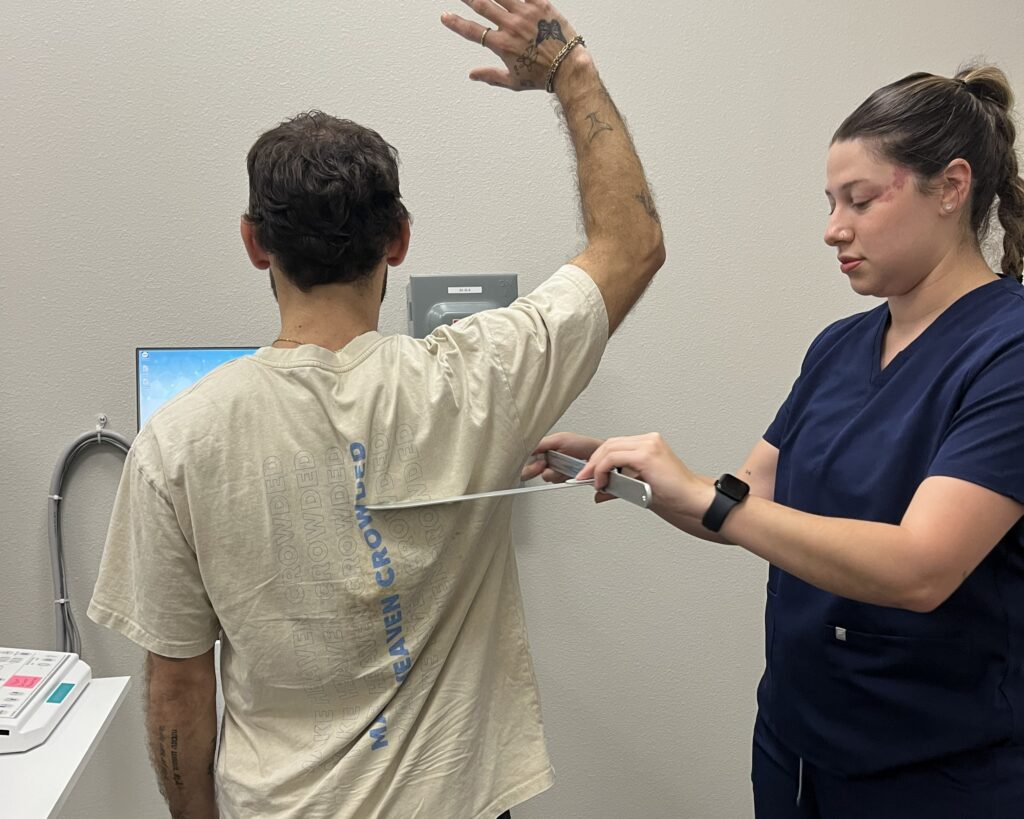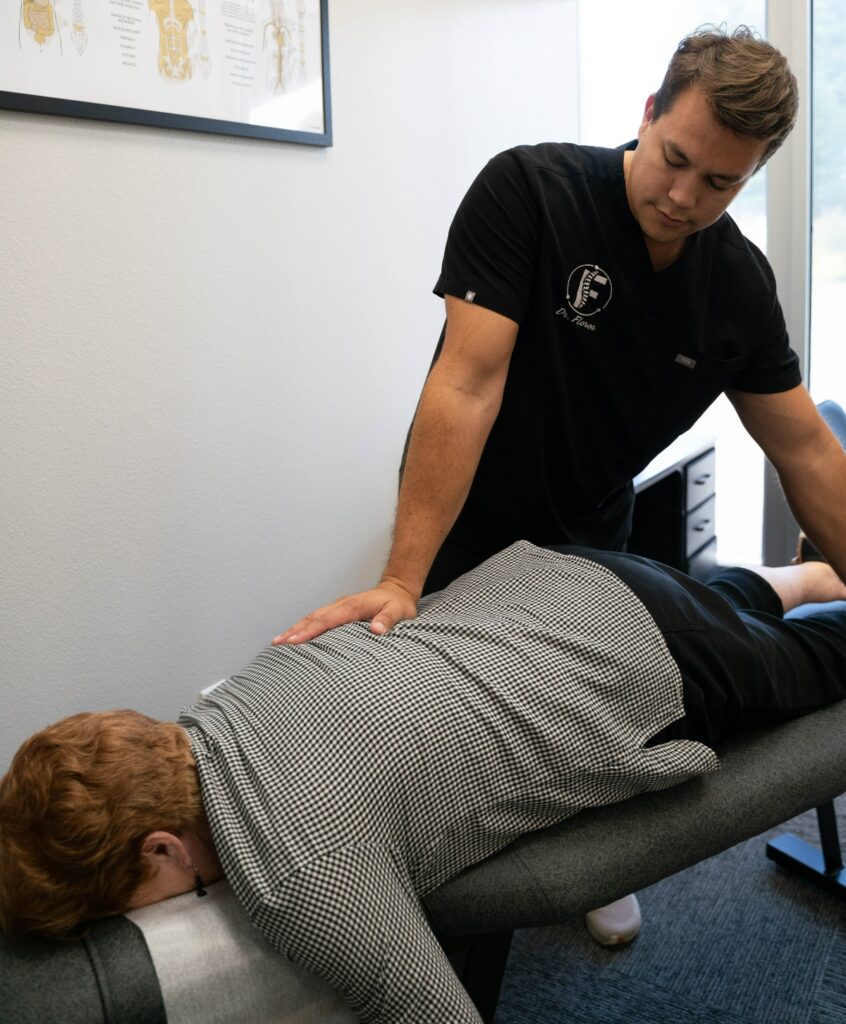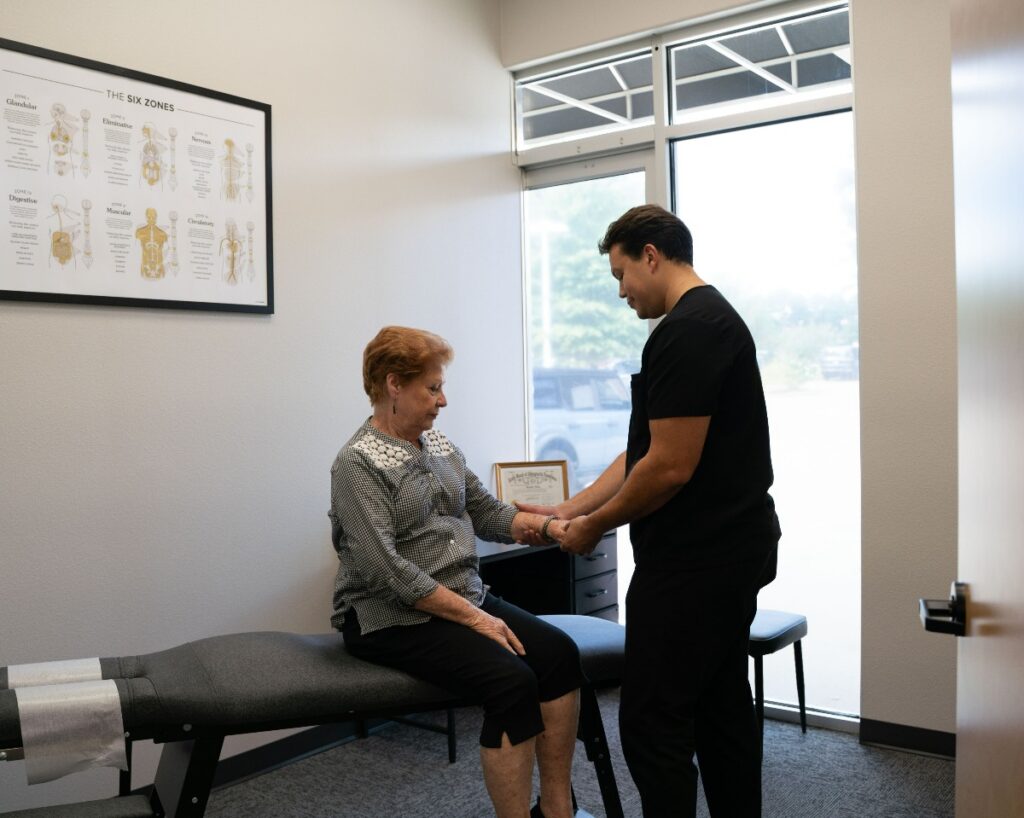

As a local chiropractor, I understand that living with fibromyalgia can make relief seem like a distant goal. The symptoms can be daunting, and navigating the array of treatment options can be overwhelming. Here in my practice, I want to help you discover how chiropractic care and natural healing can play a pivotal role in your journey toward wellness.
Chiropractic care focuses on the body’s alignment and nervous system function, which can be crucial for managing fibromyalgia symptoms. By addressing misalignments in your spine and enhancing overall body function, we can help reduce pain and improve your quality of life. Alongside traditional treatments, many patients find that incorporating natural therapies, such as massage, acupuncture, or dietary changes, can further support their healing process.
Understanding what works for you is vital, and that’s where our collaboration comes in. Together, we can explore various avenues to create a personalized treatment plan that addresses your unique needs. Whether you’re new to chiropractic care or seeking additional support, I’m here to guide you on your journey to a more manageable and fulfilling life.
Understanding Fibromyalgia: Symptoms and Diagnosis
What does it really mean to live with fibromyalgia, and how can chiropractic care help? Many of my patients describe experiencing widespread pain that seems to arise without warning, often paired with a fatigue that’s truly debilitating.
Sleep disturbances are also common; despite spending hours in bed, they wake up feeling far from rested. Additionally, cognitive challenges, often referred to as “fibro fog,” can make it difficult to focus on everyday tasks. Other symptoms may include headaches, digestive issues, and increased sensitivity to sensory stimuli like light and sound.
Diagnosing fibromyalgia can be a complex process, as there isn’t a single test that confirms it. As a chiropractor, I understand that healthcare providers typically rely on specific criteria to make a diagnosis. They’ll review your medical history, perform physical examinations, and eliminate other potential conditions.
It’s crucial for you to understand your symptoms and how they affect your daily life, as this will greatly assist in discussions with your healthcare team. If you’re feeling overwhelmed by the prospect of a diagnosis, remember that recognizing and acknowledging your experiences is the first step toward finding effective management strategies.
Chiropractic care can play a vital role in alleviating some of your symptoms by promoting better alignment, reducing pain, and enhancing overall wellness. Together, we can explore natural healing methods to help improve your quality of life.
Traditional Medical Treatments for Fibromyalgia
When it comes to managing fibromyalgia, many people are unaware of the benefits of chiropractic care and natural healing methods.
While traditional medical treatments often emphasize medications and pain management strategies, we believe that a holistic approach can make a significant difference.
Chiropractic care focuses on aligning the spine and optimizing nervous system function, which can help alleviate pain and improve overall well-being.
Additionally, incorporating physical therapy and exercise can further enhance your recovery journey.
Let’s dive into these natural options together to help you feel better and regain control over your life.
Medications and Pain Management
As a local chiropractor, I want to emphasize that managing fibromyalgia can be challenging, but there are effective natural strategies and approaches to help improve your quality of life.
While many people may rely on medications prescribed by their doctors, it’s important to consider how chiropractic care and holistic pain management can play a crucial role in your overall well-being.
Chiropractic adjustments can help alleviate pain and tension in the body, promoting better alignment and function. This can be especially beneficial for those with fibromyalgia, as it may help reduce symptoms like pain and fatigue.
In addition to spinal adjustments, we can explore other natural therapies such as massage, physical therapy, and lifestyle modifications to support your health.
While medications like antidepressants and pain relievers can offer some relief, we believe in a more comprehensive approach. Incorporating over-the-counter pain relievers, along with natural remedies, can be part of a well-rounded plan.
Also, don’t underestimate the importance of restful sleep; we can discuss techniques to enhance your sleep quality, which is vital for managing symptoms effectively.
Remember, every individual is unique, and finding the right combination of therapies is key. I encourage you to work closely with your healthcare team, including your chiropractor, to develop a personalized plan that suits your needs.
Regular check-ins can help us adjust your treatment as necessary to achieve the best outcomes for your health and comfort. Together, we can navigate your journey toward relief and improved quality of life.
Physical Therapy Options
As a local chiropractor, I want to share how chiropractic care and holistic approaches can complement traditional medical treatments like physical therapy for effectively managing fibromyalgia. Our focus is on enhancing your mobility and strength, while also alleviating pain through natural methods.
In our practice, we work closely with skilled physical therapists who tailor exercises to suit your individual needs. These exercises are designed to promote flexibility and reduce muscle tension, helping you learn how to manage daily activities without exacerbating your symptoms.
We also incorporate various modalities, such as heat therapy, cold therapy, and electrical stimulation, to provide additional relief. It’s crucial to maintain open communication with your healthcare providers, including your therapist and chiropractor, about your pain levels and any progress you’re experiencing.
Through regular chiropractic sessions, you may notice significant improvements in your overall quality of life.
Exploring Alternative Therapies: Acupuncture and Massage
As a local chiropractor, I want to share some insights about alternative therapies that can greatly benefit those suffering from fibromyalgia.
Acupuncture and massage therapy are two excellent options that I often recommend to my patients. These natural healing methods offer distinct advantages that may help alleviate your symptoms and enhance your overall well-being.
Incorporating both acupuncture and massage into your care routine can provide a synergistic effect, allowing you to customize your treatment based on your individual needs.
By addressing the root causes of your discomfort through these therapies, you may experience significant relief and improved quality of life.
Benefits of Acupuncture
As your local chiropractor, I want to introduce you to an effective alternative for managing chronic pain, particularly for those dealing with fibromyalgia.
Acupuncture is an ancient healing technique that involves the careful insertion of thin needles into specific points on the body. This practice encourages your body’s natural healing abilities, which can lead to significant pain relief.
Many of my patients have experienced improvements not only in their pain levels but also in their sleep quality and overall well-being after incorporating acupuncture into their care.
It’s a wonderful complement to chiropractic adjustments, as both focus on promoting natural healing and restoring balance in the body.
If you’re curious about how acupuncture might benefit you, let’s discuss it further!
Massage Techniques for Relief
As a local chiropractor, I often see patients seeking relief from fibromyalgia, and I want to share how massage techniques can be an integral part of your natural healing journey. Many individuals find that incorporating massage therapy into their routine significantly alleviates chronic pain and muscle tension associated with this condition.
There are various types of massage you might explore, including Swedish, deep tissue, and trigger point therapy. Each of these techniques addresses different aspects of muscle discomfort. For instance, Swedish massage is excellent for promoting overall relaxation and enhancing circulation, which can be particularly beneficial for those with fibromyalgia.
On the other hand, deep tissue massage targets the deeper layers of muscle and connective tissue, helping to relieve persistent tightness. Trigger point therapy focuses on specific knots that may be contributing to your pain, offering targeted relief.
Regular massage sessions can’t only ease physical discomfort but also help reduce stress and improve your overall mood, making daily tasks more manageable. It’s important to communicate openly with your massage therapist about the areas where you experience pain or tension. This way, they can tailor their techniques specifically to your needs, ensuring you receive the most effective treatment.
Incorporating massage therapy into your fibromyalgia care routine can be a valuable step towards improving your quality of life. As a chiropractor, I encourage you to explore these options, as they complement the holistic approach we take in natural healing.
Together, we can create a comprehensive plan that supports your journey to wellness.
Combining Therapies Effectively
As a local chiropractor, I want to share with you how integrating different therapies can significantly enhance your approach to managing fibromyalgia symptoms.
By combining chiropractic care with therapies like acupuncture and massage, you can develop a holistic treatment plan that not only addresses pain but also promotes overall relaxation and well-being.
Chiropractic care focuses on aligning the spine and improving the body’s function, which can be essential in managing pain and enhancing your energy levels.
When paired with acupuncture—where fine needles are inserted into specific points to reduce pain—and massage therapy, which alleviates muscle tension and boosts blood circulation, you create a powerful synergy that can help ease your discomfort.
I encourage you to experiment with scheduling these therapies in close proximity or alternating them weekly.
You may discover that the combination of chiropractic adjustments, acupuncture, and massage amplifies their individual benefits, giving you a greater sense of control over your condition.
However, it’s important to consult with your healthcare provider before starting any new therapies to ensure they’re safe and suitable for your unique health needs.
Together, we can work towards a more balanced and pain-free life.
The Role of Physical Therapy in Pain Management
As a local chiropractor, I want to highlight the significant role that chiropractic care can play in managing the pain associated with fibromyalgia. Our goal is to help you regain control over your body and enhance your overall quality of life through natural healing methods.
In our practice, we focus on tailored adjustments and exercises that help build strength, flexibility, and stamina. By addressing the spine and nervous system, we aim to reduce pain and improve your daily function.
Understanding proper body mechanics is crucial; we’ll teach you how to avoid movements that may exacerbate your discomfort.
In addition to spinal adjustments, we utilize various techniques such as soft tissue therapy, heat, and cold applications to provide immediate relief. We also educate you on pacing and energy conservation strategies, which empower you to manage your symptoms effectively.
As you progress through your treatment, we’ll continually adapt your care plan to suit your changing needs. Engaging in chiropractic care not only helps alleviate pain but can also improve your mood and overall well-being.
Nutrition and Diet: Fueling Your Body for Better Health
As a local chiropractor, I want to emphasize the importance of nutrition in managing conditions like fibromyalgia. Understanding how what you eat impacts your health is crucial for your overall well-being.
A balanced diet featuring whole, nutrient-rich foods—such as fruits, vegetables, whole grains, lean proteins, and healthy fats—can be incredibly beneficial. These foods not only provide essential energy but also come packed with antioxidants and anti-inflammatory properties that may help alleviate pain and fatigue.
Staying well-hydrated is also key. Drinking sufficient water supports your body’s various functions and aids digestion.
It’s important to observe how different foods affect your symptoms; many individuals with fibromyalgia notice improvements when they limit processed foods, sugar, and excessive caffeine. Instead, consider incorporating sources of omega-3 fatty acids, like fish or flaxseed, into your diet, as these may contribute to reducing inflammation.
By nourishing your body with the right nutrients, you can significantly influence how you feel on a daily basis.
The Impact of Exercise on Fibromyalgia Symptoms
As a local chiropractor dedicated to helping patients manage fibromyalgia, I want to emphasize the important role exercise plays in alleviating your symptoms. Incorporating the right types of exercises into your routine can lead to significant improvements in your overall well-being.
It’s essential to explore various beneficial exercises tailored to your personal needs and preferences. Additionally, understanding the appropriate frequency of your workouts is crucial. This allows you to remain active while avoiding the risk of overexertion, which can exacerbate your symptoms.
Together, we can create a customized plan that balances gentle movement with your body’s capabilities, ultimately enhancing your quality of life through natural healing methods.
Types of Beneficial Exercises
As a local chiropractor, I want to share how exercise can play a pivotal role in managing fibromyalgia symptoms and enhancing your overall health. Incorporating the right types of exercises into your routine can lead to significant improvements in your well-being.
Low-impact activities such as walking, swimming, and cycling are excellent choices as they help build stamina without putting excessive strain on your muscles. Stretching exercises, including yoga and tai chi, not only enhance your flexibility but also help alleviate tension throughout your body.
Additionally, engaging in strength training with light weights or resistance bands can effectively build muscle and support joint stability, which is crucial for those experiencing fibromyalgia. Balance exercises are equally important, as they can help prevent falls and increase your confidence in movement.
It’s essential to listen to your body and select activities that are comfortable for you. By integrating these beneficial exercises into your daily routine, you may experience reduced pain, an uplifted mood, and an overall improved quality of life.
Exercise Frequency Recommendations
As a local chiropractor, I want to share some insights on managing fibromyalgia symptoms through a consistent exercise routine. It’s essential to find an approach that suits your unique needs. Ideally, aim for at least 150 minutes of moderate aerobic activity each week. This can be broken into smaller, manageable sessions that fit into your schedule.
Many of my patients find that exercising three to five days a week is effective, allowing their bodies to adapt without feeling overwhelmed. I often recommend starting with low-impact activities such as walking, swimming, or cycling. These exercises are gentle on the body while still providing significant benefits.
As you become more comfortable, you can gradually increase the intensity. Additionally, incorporating strength training twice a week can help build muscle and improve your overall endurance.
Listening to your body is crucial. If you notice an increase in pain or fatigue, it’s important to adjust your routine. Remember, consistency is vital, and finding a balance between activity and rest is key to achieving long-term relief.
As your chiropractor, I’m here to support you in your journey towards better health through natural healing and exercise.
Mindfulness and Stress Reduction Techniques
Living with fibromyalgia can be a daunting experience, but as your local chiropractor, I want to share how incorporating mindfulness and stress reduction techniques can significantly enhance your overall well-being.
By centering your attention on the present and alleviating stress, you can better manage the symptoms associated with fibromyalgia.
Here are some effective techniques to consider:
- Deep Breathing: Engage in slow, deep breaths. This practice not only calms your mind but also helps reduce physical tension in your body.
- Meditation: Dedicate a few minutes each day to quiet reflection. Allow your thoughts to flow without judgment, creating a mental space that fosters relaxation.
- Progressive Muscle Relaxation: Work through each muscle group by tensing and then relaxing them. This technique promotes physical relaxation and helps you become more aware of where you might be holding tension.
- Mindful Walking: Take a leisurely walk and immerse yourself in the sights, sounds, and sensations around you. This can ground you in the moment and provide a refreshing escape from daily stressors.
Integrating these practices into your routine can help cultivate a sense of peace and resilience, making it more manageable to navigate the challenges of fibromyalgia.
I encourage you to give them a try and observe how they can positively influence your daily life.
Building a Support System: Connecting With Others
As a local chiropractor, I want to emphasize the importance of connecting with others in managing conditions like fibromyalgia. Building a support system is crucial; it creates a network of individuals who understand your challenges and can provide encouragement along your healing journey.
Start by reaching out to family and friends. Sharing your experiences can help them understand what you’re facing and how they can support you. Their involvement can also foster a more holistic approach to your care.
I recommend considering local support groups or online communities where you can connect with others who are navigating similar health issues. These environments offer a sense of belonging and allow you to exchange valuable tips and resources, all of which can complement your chiropractic care.
During tough times, don’t hesitate to lean on your support system. Whether it’s sharing a laugh or discussing coping strategies, these connections can greatly lighten your emotional load.
Navigating Emotional Health and Mental Well-being
As you navigate the challenges of managing fibromyalgia, it’s crucial to focus on your emotional health and mental well-being. This journey can feel overwhelming at times, but incorporating small, mindful practices can lead to significant improvements in your overall state.
Here are some strategies to consider:
- Explore mindfulness techniques: Engaging in meditation or deep-breathing exercises can help you stay grounded and centered, allowing you to better manage stress and discomfort.
- Set achievable goals: By breaking tasks into smaller, more manageable steps, you can prevent feelings of overwhelm and create a sense of accomplishment.
- Consult with a professional: If you’re feeling stuck, reaching out to a therapist or counselor can provide you with tailored support and strategies to address your specific needs.
- Foster connections: Maintaining relationships with friends and family who uplift and understand you is vital. Surrounding yourself with a supportive network can enhance your emotional resilience.
As your local chiropractor, I encourage you to embrace these holistic approaches alongside your chiropractic care. Together, we can work towards improving both your physical and emotional well-being.
Personal Stories: Triumphs and Challenges in Fibromyalgia Care
As a local chiropractor, I often encounter individuals living with fibromyalgia who share their triumphs and struggles in managing this complex condition. It’s inspiring to hear stories of patients who’ve turned to chiropractic care and natural healing methods, finding relief and improved quality of life. For instance, some have embraced gentle stretches and adjustments, which help transform their pain into greater strength and flexibility.
Many patients initially face challenges, such as navigating the right holistic approaches to complement their care. It’s not uncommon for individuals to experience various side effects from medications that might sometimes feel more debilitating than the symptoms of fibromyalgia itself. My role is to educate and support you in exploring alternative therapies that prioritize your well-being.
I understand the skepticism that can come from friends or family when discussing fibromyalgia and the journey toward recovery. However, I encourage you to advocate for your health and seek out natural healing options that resonate with you. Each individual’s journey is unique, filled with both setbacks and breakthroughs.
You may find joy in discovering a supportive community, whether through local groups or online forums, where shared experiences foster comfort and understanding.
In our chiropractic practice, we celebrate the small triumphs—like completing a daily task or enjoying a day with less fatigue. Every story we hear emphasizes resilience and reminds us that hope and healing are indeed possible, even amidst the challenges of fibromyalgia. Together, we can explore the path to wellness tailored to your needs.
Conclusion
As a local chiropractor, I want to assure you that finding relief from fibromyalgia can feel daunting, but you don’t have to face it alone. Chiropractic care offers a natural approach to managing your symptoms, helping you explore both traditional and alternative treatments that can enhance your overall well-being. By prioritizing nutrition and emotional health alongside spinal adjustments, we can work together to create a personalized plan that addresses your unique needs.
Engaging in open dialogue with others who share similar experiences can be incredibly beneficial. It’s important to remember that each small step you take towards relief is a victory worth celebrating. Stay hopeful and know that your journey to managing fibromyalgia is uniquely yours. With the right support and natural healing methods, relief is not just a possibility—it can be your reality. Let’s embark on this journey together!