
If you often find yourself battling tension headaches, know that you’re not alone. These discomforts can arise from stress and tight muscles, but there are natural ways to find relief that don’t involve surgeries or medications. As a local chiropractor, I believe in the power of natural healing and the body’s ability to restore itself when given the right support. By incorporating simple techniques and lifestyle adjustments, you can ease your pain and help prevent future occurrences.
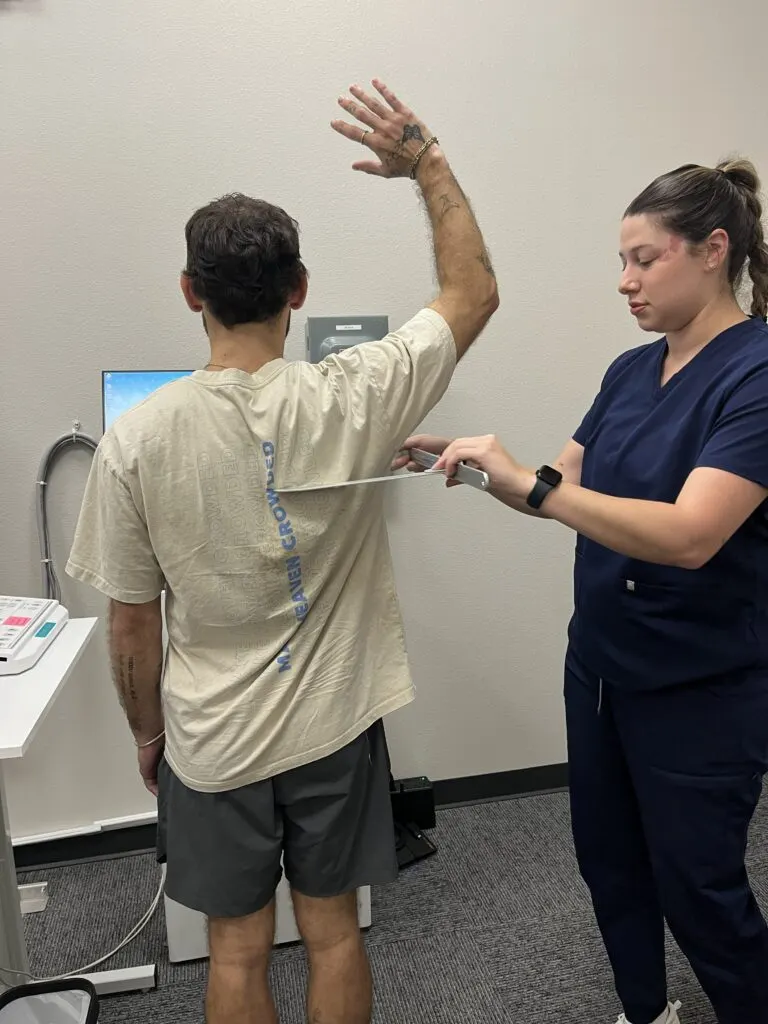
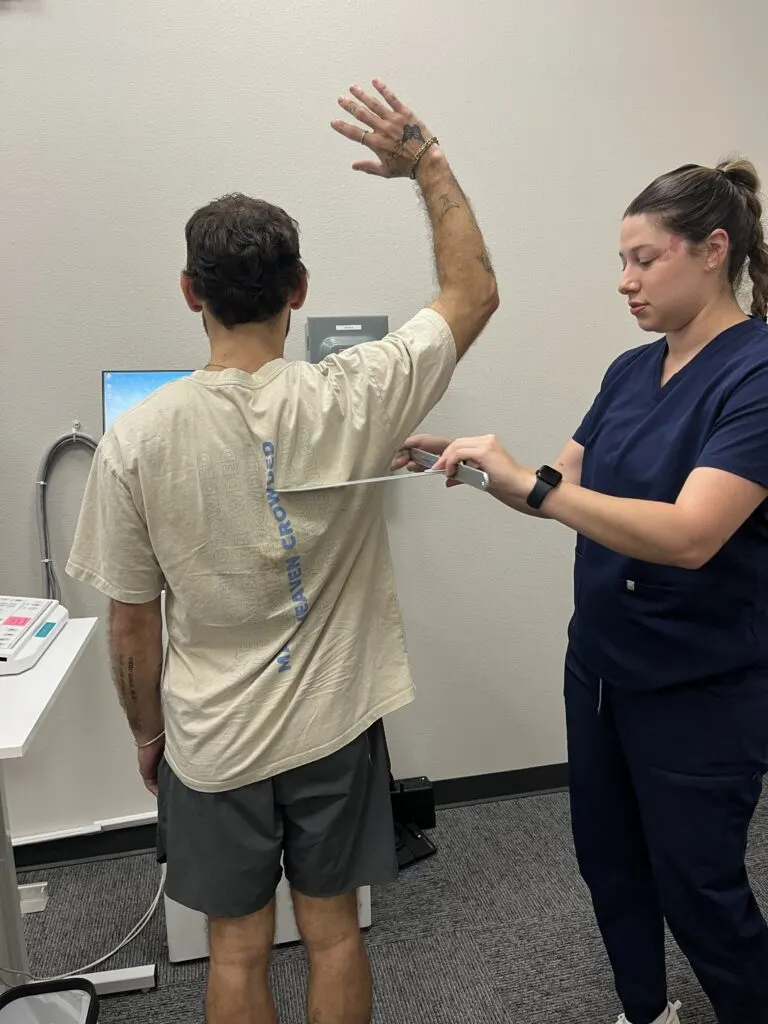
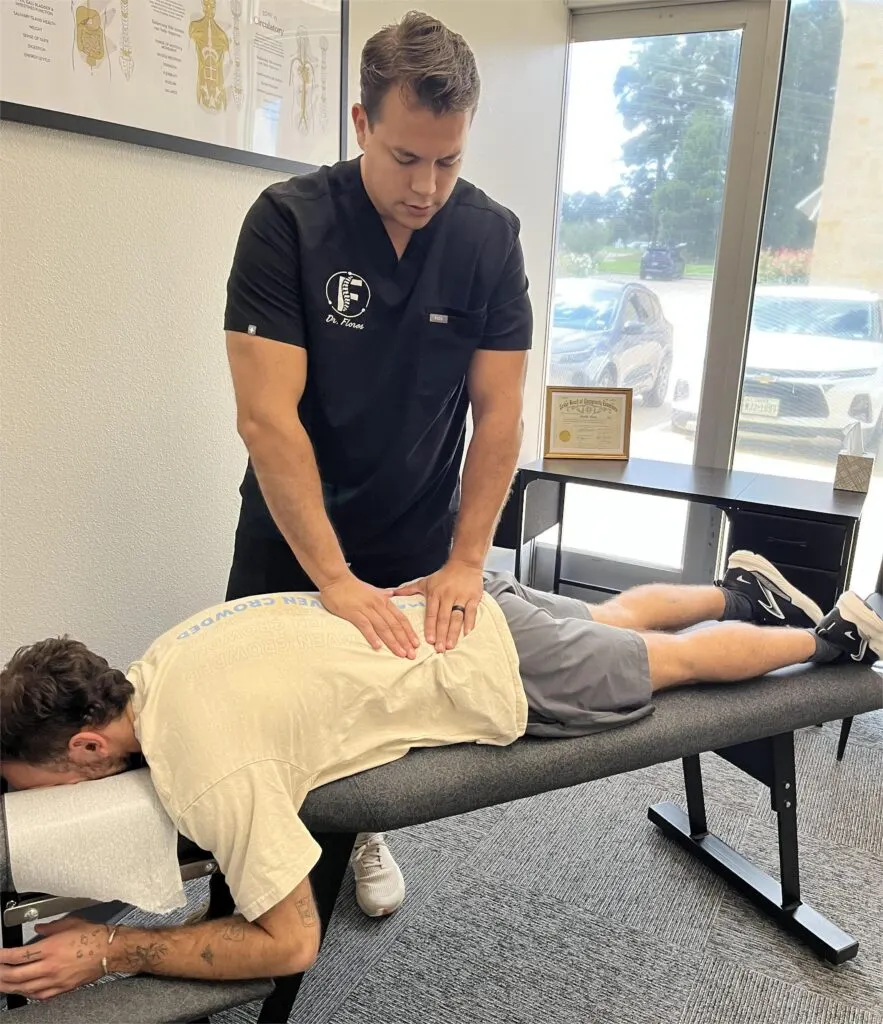
One of the most effective methods for tackling those nagging headaches is through chiropractic care. Regular adjustments can help align your spine, reduce muscle tension, and improve overall function, which may lead to a significant decrease in headache frequency and intensity.
In addition to chiropractic adjustments, there are several other strategies you can incorporate into your daily routine:
- Stretch and Strengthen: Gentle neck and shoulder stretches can relieve tension and improve flexibility. Incorporating strengthening exercises for your upper back can also support better posture, which is essential in preventing tension headaches.
- Mindfulness and Relaxation Techniques: Practices such as deep breathing, meditation, or yoga can help reduce stress levels. Taking a few moments each day to practice mindfulness can make a big difference in how your body handles stress.
- Stay Hydrated: Dehydration can contribute to headache pain. Make sure you’re drinking enough water throughout the day to keep your body well-hydrated.
- Ergonomic Adjustments: If you spend long hours at a desk, ensure that your workspace is set up ergonomically. This can minimize strain on your neck and shoulders, reducing the risk of tension headaches.
- Regular Exercise: Engaging in regular physical activity can help reduce stress, improve circulation, and promote overall health, all of which can contribute to fewer headaches.
By embracing these natural approaches along with regular chiropractic care, you can take significant steps toward achieving optimal health and well-being. Remember, your body has the potential to heal itself, and with the right support, you can find the relief you seek from tension headaches.
Key Takeaways
- As a chiropractor, I encourage you to practice relaxation techniques like deep breathing and progressive muscle relaxation. These methods can help reduce tension and stress that often lead to headaches, allowing your body to heal naturally.
- Hydration is vital for overall health, and I recommend drinking at least eight glasses of water each day. Including hydrating foods in your meals can also keep your body functioning optimally, reducing the likelihood of headaches.
- Regular physical activity is crucial for maintaining a healthy spine and reducing headache frequency. Make sure you find activities you enjoy, and don’t underestimate the importance of adequate sleep for your overall wellness.
- Essential oils can be a natural way to promote relaxation. Consider using lavender or peppermint oil, which can soothe tension. You can apply them topically or use a diffuser to fill your space with calming scents.
- Maintaining good posture is essential, especially if you spend long hours at a computer. Taking breaks and adjusting your workspace can alleviate physical strain on your neck and shoulder muscles, helping to prevent headaches.
Remember, chiropractic care is an excellent option for addressing tension headaches. A chiropractor can help identify and correct any spinal misalignments that may be contributing to your discomfort, promoting natural healing and optimal health. Prioritize your wellness by exploring how chiropractic can benefit you!
Understanding Tension Headaches
Tension headaches are a common issue that many people face at some point in their lives. You might feel a dull, aching pain that encircles your head, often accompanied by tightness in your neck and shoulders. These headaches can last anywhere from 30 minutes to several days and may worsen with stress or fatigue.
It’s important to be aware of triggers that can bring them on, such as poor posture or spending long hours at a computer. Unlike migraines, tension headaches typically don’t come with nausea or light sensitivity, which can make them easier to overlook. Recognizing the symptoms is crucial. Pay attention to your body and any patterns you notice; this awareness can help you identify when a headache might be on the horizon, allowing you to take proactive measures.
Chiropractic care can play a significant role in managing and preventing tension headaches. By focusing on spinal health and alignment, you can alleviate muscle tension and improve your overall well-being. Regular chiropractic adjustments can help reduce the frequency and intensity of headaches, as they address the underlying issues rather than just the symptoms.
To support your journey to relief, here are some general tips:
- Maintain Good Posture: Be mindful of your posture, especially when sitting for long periods. Keep your back straight and shoulders relaxed.
- Stay Hydrated: Drinking plenty of water can help prevent dehydration, which is a common headache trigger.
- Incorporate Stretching: Regularly stretch your neck and shoulders to release tension. Simple neck rolls and shoulder shrugs can be beneficial.
- Take Breaks: If you work at a computer, take frequent breaks to rest your eyes and stretch your body. Set a timer if necessary.
- Consider Chiropractic Care: Schedule regular visits with your chiropractor to keep your spine aligned and reduce tension in your muscles.
Understanding how tension headaches affect you is a vital step towards finding effective relief strategies tailored to your individual needs. By prioritizing your spinal health through chiropractic care, you can pave the way for a healthier, headache-free life.
The Role of Stress Management
The Role of Stress Management in Overall Wellness
As a chiropractor, I understand that stress can significantly contribute to tension headaches and other bodily discomforts. Effectively managing stress is crucial not just for alleviating pain but also for promoting overall wellness. By taking steps to manage stress, you can greatly reduce the risk of those painful episodes and enhance your quality of life.
Start by identifying what causes you stress—whether it’s work demands, relationship issues, or financial worries. Recognizing these stressors is the first step toward addressing them. Make self-care a priority; find activities that bring you joy, such as reading, walking, or spending quality time with family and friends. These moments of relaxation can help your body and mind recover from the stresses of daily life.
Setting boundaries is also essential. It’s perfectly okay to say no to additional responsibilities when your schedule is already packed. This helps to prevent overwhelm and keeps your stress levels in check.
Incorporating regular physical activity into your routine is another effective way to manage stress. Exercise releases endorphins, the body’s natural mood lifters, which can help alleviate tension and improve your overall mood.
Additionally, prioritizing sleep is vital for managing stress. A well-rested mind and body are much better equipped to handle life’s challenges. Ensuring you get enough restorative sleep can make a significant difference in your ability to cope with stress.
As a chiropractor, I want to emphasize that chiropractic care can play a significant role in your stress management journey. Regular adjustments can enhance your nervous system function, improve your body’s ability to handle stress, and reduce tension in your muscles.
By choosing chiropractic care, you’re opting for a natural, drug-free approach to achieving optimal health and wellness.
Relaxation Techniques for Immediate Relief
When you start to feel a tension headache coming on, using relaxation techniques can provide immediate relief and help you regain your calm. One of the most effective methods is deep breathing. Try this: inhale slowly through your nose, hold your breath for a moment, and then exhale gently through your mouth. Doing this for a few minutes can help ease muscle tension and reduce stress levels.
Another helpful technique is progressive muscle relaxation. This involves tensing each muscle group for about five seconds and then releasing the tension. Begin with your toes and gradually work your way up to your head. This exercise can help you become more aware of where you hold tension, allowing you to release it effectively.
Gentle stretches are also beneficial. Roll your shoulders back and forth, tilt your head side to side, and give your neck a gentle massage. These movements can alleviate physical strain and promote a sense of relaxation.
Additionally, visualization techniques can be helpful. Imagine a serene and peaceful scene, allowing your mind to focus on something calming rather than the discomfort.
While these relaxation techniques can be very effective, incorporating regular chiropractic care into your wellness routine can also play a crucial role in preventing tension headaches. Chiropractic adjustments help align the spine, improve posture, and relieve muscle tension, contributing to overall better health and reduced pain.
Dietary Changes That Help
Making dietary changes can significantly help reduce the frequency and intensity of tension headaches, and it’s important to remember that chiropractic care is also a vital part of achieving overall wellness and pain relief.
By addressing both your diet and spinal health, you can take steps towards a more balanced and headache-free life.
First, staying hydrated is crucial. Dehydration can often trigger headaches, so aim for about eight glasses of water each day. Adjust this based on how active you are—more activity means more water!
Next, let’s talk about caffeine. While it can provide a quick boost, too much caffeine can lead to withdrawal headaches. It’s best to limit yourself to one or two cups of coffee each day. This way, you can enjoy its benefits without risking a headache later on.
Incorporating magnesium-rich foods into your diet can also be beneficial. Foods like spinach, nuts, and whole grains help relax your muscles, potentially reducing the number of headaches you experience.
Omega-3 fatty acids, which are found in fish, flaxseed, and walnuts, are known for their anti-inflammatory properties and can further contribute to your overall well-being.
Keeping a food diary can be a helpful tool in identifying potential headache triggers. Common offenders include aged cheeses, processed meats, and artificial sweeteners.
By recognizing what might be causing your headaches, you can make informed dietary choices that support your health.
Remember, while dietary adjustments are important, regular chiropractic adjustments can also play a crucial role in managing tension headaches.
Chiropractic care focuses on the alignment of your spine and nervous system, which can reduce tension and promote better overall health.
The Power of Essential Oils
Essential oils can be a wonderful addition to your wellness routine, especially if you’re dealing with tension headaches. While I always recommend consulting with a chiropractor for adjustments that can alleviate pain at its source, essential oils can serve as a natural complement to your healing journey.
Oils like lavender, peppermint, and eucalyptus have unique properties that may help ease discomfort and promote relaxation. Lavender oil is renowned for its calming effects, making it an excellent choice for reducing stress and tension. Simply applying a few drops to your temples or inhaling its soothing scent can be a quick way to find relief.
Peppermint oil is another option worth considering. Its invigorating aroma can enhance circulation and provide a cooling sensation. When diluted properly, applying peppermint oil to your forehead can help ease headache symptoms.
Eucalyptus oil may also be beneficial, as it helps to clear the mind and promote relaxation—ideal for headaches that stem from stress.
Incorporating these oils into your daily routine is simple. You might diffuse them in your living space to create a calming environment or add a few drops to a warm bath for an extended relaxation experience.
Remember, while essential oils can be helpful, they work best alongside regular chiropractic care, which addresses the root causes of pain and promotes overall wellness.
Take these tips to heart, and consider how combining the benefits of essential oils with chiropractic adjustments can lead you toward a healthier, pain-free life. Embrace this holistic approach to wellness, and you may find the relief you’re searching for.
Gentle Exercises and Stretching
To alleviate tension headaches, incorporating gentle exercises and stretching into your daily routine can be incredibly beneficial. These activities not only help release muscle tightness but also promote better blood circulation and relaxation—key components of overall spinal health.
As your local chiropractor, I encourage you to explore these simple yet effective exercises that can support your journey towards natural healing and wellness:
- Neck Rolls: Find a comfortable seated position. Slowly roll your head in a circular motion, allowing any tightness in your neck to release. This gentle movement can help maintain proper spinal alignment. Aim for 30 seconds in each direction.
- Shoulder Shrugs: Elevate your shoulders towards your ears, hold for a few seconds, and then relax them down. This exercise is great for releasing tension in your upper body and supporting your spine. Repeat this 10 times for maximum relief.
- Cat-Cow Stretch: Get into a hands-and-knees position. First, arch your back towards the ceiling (Cat), and then drop your belly while lifting your head and tailbone (Cow). This dynamic stretch not only promotes flexibility but also helps keep your spine healthy. Alternate between these two positions for 1-2 minutes.
In addition to these exercises, remember to maintain good posture throughout your day and take regular breaks to move your body, especially if you’re sitting for extended periods.
Chiropractic care is an excellent way to support your body’s natural healing processes, enhance your overall wellness, and address any underlying issues contributing to tension headaches. By prioritizing your spinal health, you’re taking a significant step towards achieving optimal health.
Acupressure and Massage Techniques
To effectively address tension headaches, it’s essential to tap into targeted pressure points that can bring relief. As a chiropractor, I believe that understanding how your body works and utilizing natural healing techniques can lead to optimal health.
By using self-massage techniques on these specific areas, you can harness the power of your own hands to alleviate discomfort.
Here are some simple tips to help you find relief from tension headaches:
- Identify Pressure Points: Focus on areas like the base of your skull, temples, and the space between your eyebrows. Gently pressing these points can help release built-up tension.
- Practice Deep Breathing: While applying pressure, take deep, calming breaths. This won’t only enhance the relaxation of your muscles but also promote overall well-being.
- Stay Hydrated: Dehydration can often contribute to headaches. Make sure you’re drinking plenty of water throughout the day to keep your body functioning optimally.
- Incorporate Regular Chiropractic Care: Regular adjustments can help align your spine, reduce tension, and prevent headaches from occurring in the first place. Chiropractic care addresses the root causes of pain rather than just masking symptoms.
- Posture Awareness: Maintaining good posture, especially if you’re sitting for long periods, can significantly reduce tension in your neck and shoulders. Be mindful of your body positioning throughout the day.
By embracing these natural methods and incorporating chiropractic care into your routine, you can promote a healthier, pain-free life.
Targeted Pressure Points
As a chiropractor, I understand the discomfort that tension headaches can cause and the importance of finding natural relief. One effective approach to managing these headaches is through acupressure and targeted massage techniques that focus on specific pressure points throughout your body.
By applying gentle pressure to these areas, you can promote relaxation, alleviate pain, and support your overall wellness without the need for medications or invasive procedures. Here are three key pressure points to consider:
- Yintang (Third Eye Point): This point is located right between your eyebrows. Gently pressing here can help calm your mind, which is essential for reducing the intensity of headaches. Take a moment to breathe deeply as you apply pressure.
- LI4 (Hegu): Found on the back of your hand, between your thumb and index finger, this pressure point is excellent for relieving tension in your head and neck. You can apply pressure here with your thumb for a few minutes while taking slow, deep breaths.
- GB20 (Fengchi): Located at the base of your skull, massaging this area can help ease tightness and improve circulation. Use your fingers to apply gentle pressure and circular motions, which can provide instant relief from headache discomfort.
Incorporating these simple techniques into your daily routine can greatly enhance your well-being and provide relief from tension headaches.
Remember, chiropractic care is also an excellent way to address the root causes of headaches and promote optimal health. Regular adjustments can help keep your spine aligned and reduce tension, leading to fewer headaches and a better quality of life.
If you’re struggling with frequent headaches, consider visiting your local chiropractor for personalized care and guidance.
Self-Massage Techniques
Managing tension headaches can be a challenge, but incorporating self-massage techniques into your routine can offer effective relief. As a chiropractor, I believe in the body’s natural ability to heal itself, and self-care practices like acupressure and targeted massage can play a significant role in that journey. You can easily perform these techniques at home to promote relaxation and alleviate discomfort.
Start by applying pressure to key acupressure points. For example, gently press the space between your eyebrows or the base of your skull. You can also massage your temples and neck using your fingertips in circular motions to release tension.
Here’s a quick guide to some effective techniques that can complement your chiropractic care:
| Technique | Description |
|---|---|
| Acupressure Point | Apply firm pressure for 30 seconds |
| Temple Massage | Use circular motions for 1 minute |
| Neck Stretch | Gently tilt your head sideways |
| Forehead Rub | Use your palms to smooth your forehead |
| Jaw Massage | Open and close your mouth gently |
In addition to these techniques, remember that maintaining good posture and staying hydrated are essential for overall wellness. Regular chiropractic adjustments can also support your body’s alignment, helping to prevent tension headaches from becoming a recurring issue. By prioritizing your health and utilizing these self-care practices, you can take significant steps toward achieving optimal wellness and reducing discomfort naturally.
Importance of Hydration
Staying properly hydrated is essential for overall wellness, particularly when it comes to preventing tension headaches. Even mild dehydration can lead to increased discomfort and stress, making it harder for your body to function effectively. This can leave you more vulnerable to headaches and other issues.
As a chiropractor, I want to share some simple tips to help you stay hydrated and, in turn, support your natural healing journey:
- Drink Water Regularly: Aim to drink at least eight 8-ounce glasses of water each day. Keeping a reusable water bottle with you can serve as a gentle reminder to sip throughout the day, ensuring you stay on track with your hydration.
- Eat Hydrating Foods: Incorporate fruits and vegetables that are rich in water content into your meals. Foods like cucumbers, watermelon, and oranges not only hydrate you but also provide essential nutrients that support your body’s functions and overall health.
- Limit Dehydrating Beverages: Be mindful of your intake of caffeine and alcohol, as these can contribute to dehydration. If you choose to enjoy these beverages, make sure to balance them out with extra water to maintain optimal hydration levels.
By focusing on these hydration tips, you’re not just promoting better hydration, but also supporting your body’s natural healing process. Staying hydrated can help reduce headache frequency and intensity, making it easier to enjoy the benefits of chiropractic care and maintain a healthy, pain-free lifestyle.
Creating a Headache-Friendly Environment
Creating a headache-friendly environment can significantly reduce the frequency and intensity of tension headaches, which often stem from muscle tension and stress. Start by decluttering your space; a tidy area can help minimize stress and promote relaxation.
When it comes to lighting, it’s essential to avoid bright, harsh lights that can strain your eyes. Instead, opt for soft, natural lighting whenever possible. This not only creates a soothing atmosphere but also helps alleviate eye strain, which can contribute to headaches.
If noise is an issue for you, consider soundproofing techniques or using white noise machines to cultivate a calming environment. Reducing distractions can lower stress levels and help you feel more at ease.
Temperature is another vital factor; aim to keep your space at a comfortable level, avoiding extremes. A comfortable environment can help your body relax and reduce tension in your muscles, which is crucial for headache relief.
Incorporating plants into your space can also be beneficial. Not only do they improve air quality, but they also create a serene vibe that can help soothe your mind and body.
Make sure your workspace is ergonomically designed. A comfortable chair and desk setup that promotes good posture are essential, especially if you spend long hours working. Poor posture can lead to muscle tension and headaches, so taking care of your spine is crucial.
Lastly, consider the benefits of aromatherapy. Scents like lavender and peppermint are known for their calming properties and can help alleviate headaches.
By making these adjustments, you’ll create a supportive environment that fosters relaxation and well-being.
Remember, chiropractic care is also an excellent option for managing headaches and promoting overall health. Regular chiropractic adjustments can help keep your spine aligned, reduce muscle tension, and enhance your body’s ability to heal naturally.
Prioritizing your spinal health won’t only help alleviate headaches but also contribute to your overall wellness journey.
When to Seek Professional Help
If you’re experiencing severe headaches or if your symptoms don’t seem to improve after a few days, it’s important to consider reaching out for professional help.
As a chiropractor, I encourage you to pay attention to persistent pain or any accompanying symptoms like changes in vision or difficulty speaking, as these can be signs that your body needs attention.
Chiropractic care is an excellent option for addressing headaches and promoting overall wellness. A chiropractor can assess your spinal health, identify any misalignments, and provide gentle adjustments to relieve tension and improve your body’s function. This natural approach can often lead to significant pain relief without the need for medications or invasive procedures.
In addition to chiropractic adjustments, here are some general tips to help manage headaches and promote a healthier lifestyle:
- Stay Hydrated: Drink plenty of water throughout the day to prevent dehydration, which can trigger headaches.
- Practice Good Posture: Maintaining proper alignment while sitting or standing can reduce strain on your neck and back, helping to prevent tension headaches.
- Manage Stress: Incorporate relaxation techniques such as deep breathing, yoga, or meditation into your daily routine to help reduce stress levels.
- Regular Exercise: Engage in regular physical activity to improve circulation and reduce tension in the body.
- Get Enough Sleep: Ensure you’re getting quality sleep each night, as sleep deprivation can contribute to headache frequency and intensity.
By focusing on these holistic approaches and considering chiropractic care, you can take proactive steps towards achieving optimal health and wellness.
If your headaches persist, don’t hesitate to consult with a chiropractor who can guide you on your journey to better health.
Severe Headache Symptoms
While most headaches can often be alleviated with simple home remedies, certain severe symptoms may indicate the need for professional evaluation. As a local chiropractor, I want to emphasize the importance of understanding your body and knowing when to seek help. Here are some signs that could suggest a need for a deeper look into your health:
- Sudden onset: If you experience a headache that comes on suddenly and feels intense, almost like a “thunderclap,” it’s important to take it seriously. This could signal an underlying issue that may benefit from chiropractic assessment.
- Accompanying symptoms: Headaches accompanied by neurological signs—such as confusion, weakness, or difficulty speaking—should be addressed promptly. These symptoms can be concerning and warrant immediate attention, potentially guiding you to the right holistic care.
- Persistent pain: If a headache persists for more than 72 hours or keeps getting worse despite your efforts, it may be time to consider a professional evaluation. Chiropractic care can often help identify and treat the root causes of your discomfort, offering you a natural path to relief.
In addition to recognizing these warning signs, there are general tips you can incorporate into your daily routine for better health and wellness:
- Stay hydrated: Dehydration can lead to headaches. Make sure you’re drinking enough water throughout the day.
- Maintain good posture: Poor posture can strain your neck and back, contributing to headaches. Be mindful of your sitting and standing positions.
- Manage stress: Techniques like deep breathing, yoga, or gentle stretches can help reduce tension that may trigger headaches.
- Get regular chiropractic care: Regular visits to a chiropractor can help keep your spine aligned and your nervous system functioning optimally, which may reduce the frequency and severity of headaches.
Persistent Pain Duration
Persistent pain can be a frustrating and exhausting experience, especially when it lingers longer than expected. If your tension headache lasts more than a few days or keeps recurring, it may be time to consider a visit to your local chiropractor. Chiropractic care focuses on addressing the root causes of pain, rather than simply masking the symptoms with medications.
If over-the-counter pain relievers aren’t providing relief or if you find yourself relying on them too frequently, it’s a good idea to explore natural healing options. Chiropractic adjustments can help alleviate tension and improve spinal alignment, which may reduce the frequency and intensity of your headaches.
Pay attention to how pain affects your daily life. If it’s interfering with work, relationships, or activities you enjoy, don’t hesitate to reach out for chiropractic care. A chiropractor can help identify potential underlying issues related to your spine and nervous system and recommend treatments tailored to your needs.
Incorporating healthy habits into your daily routine can also aid in pain management. Consider simple tips like practicing good posture, staying hydrated, and engaging in regular physical activity. Stretching and relaxation techniques, such as yoga or deep breathing exercises, can also help reduce tension and promote overall well-being.
Accompanying Neurological Issues
Tension headaches can sometimes be accompanied by neurological issues that deserve your attention, especially when it comes to your overall health and wellness. As a chiropractor, I want to emphasize the importance of being aware of certain symptoms that may indicate a need for professional evaluation. If you experience any of the following, it’s crucial to take action:
- Visual disturbances: If you notice blurred vision, sudden flashes of light, or temporary loss of vision, these signs shouldn’t be overlooked. They can be indicators of underlying issues that may benefit from chiropractic care, which focuses on the alignment of the spine and overall nervous system health.
- Weakness or numbness: Sudden weakness or numbness in your limbs or face, especially if it occurs on one side, is a sign that you should consult a healthcare provider. Chiropractic adjustments can help improve nerve function and circulation, which may alleviate these symptoms.
- Difficulty speaking: If you find it hard to speak clearly or understand others, this could indicate a serious issue that requires prompt evaluation. Chiropractic care can play a vital role in ensuring that your nervous system is functioning optimally, potentially reducing the occurrence of such symptoms.
Being proactive about these symptoms can help you receive the appropriate care and relief from your tension headaches and any related concerns.
Additionally, incorporating regular chiropractic adjustments into your wellness routine can support your body’s natural healing processes, enhance spinal alignment, and promote a healthier lifestyle overall.
Here are a few general tips to help manage tension headaches and promote wellness:
- Stay Hydrated: Dehydration can contribute to headaches. Make sure you’re drinking enough water throughout the day.
- Practice Stress-Relief Techniques: Incorporate deep breathing, meditation, or gentle yoga into your daily routine to help reduce stress levels.
- Maintain Good Posture: Pay attention to your posture, especially when sitting for long periods. Supporting your spine can help prevent tension headaches.
- Get Regular Adjustments: Consider regular chiropractic visits to support your spinal health, relieve tension, and enhance your overall well-being.
Conclusion
Incorporating natural strategies can greatly assist you in finding relief from tension headaches while enhancing your overall well-being. As a chiropractor, I emphasize that managing stress and practicing relaxation techniques are crucial steps toward reducing headache frequency and intensity. Simple activities like deep breathing exercises, gentle stretching, and regular physical activity can work wonders.
Mindful dietary choices also play a role. Consuming a balanced diet rich in whole foods, fruits, and vegetables can support your body’s natural healing processes. Don’t underestimate the importance of staying hydrated—adequate water intake can significantly impact your overall health and help prevent headaches.
Additionally, essential oils, such as peppermint or lavender, can be soothing when applied topically or used in aromatherapy. These natural remedies can complement your wellness routine.
However, the foundation of optimal health often lies in maintaining proper spinal alignment. Chiropractic care focuses on the relationship between your spine and nervous system, which is essential for overall health. Regular chiropractic adjustments can help relieve tension in your neck and shoulders, reducing the frequency and severity of headaches.
If your headaches persist, it’s important to consult a chiropractor who can provide personalized care tailored to your needs. Remember, prioritizing your health through natural methods like chiropractic care not only helps alleviate pain but also promotes a more balanced and vibrant life. Take care of yourself—it’s the key to enjoying lasting relief and well-being.