
When headaches strike, finding effective relief can feel challenging. While many people think of medications as the primary solution, there are plenty of non-medical options that can provide the comfort you’re seeking. As a chiropractor, I believe that understanding your headaches and addressing them through natural approaches can lead to better overall health.
One of the first steps in managing headache symptoms is staying hydrated. Dehydration can often trigger headaches, so make sure you’re drinking enough water throughout the day. Additionally, paying attention to your posture is crucial. Poor posture can lead to tension in your neck and shoulders, which may contribute to headache pain. Simple adjustments to how you sit, stand, and move can make a significant difference.
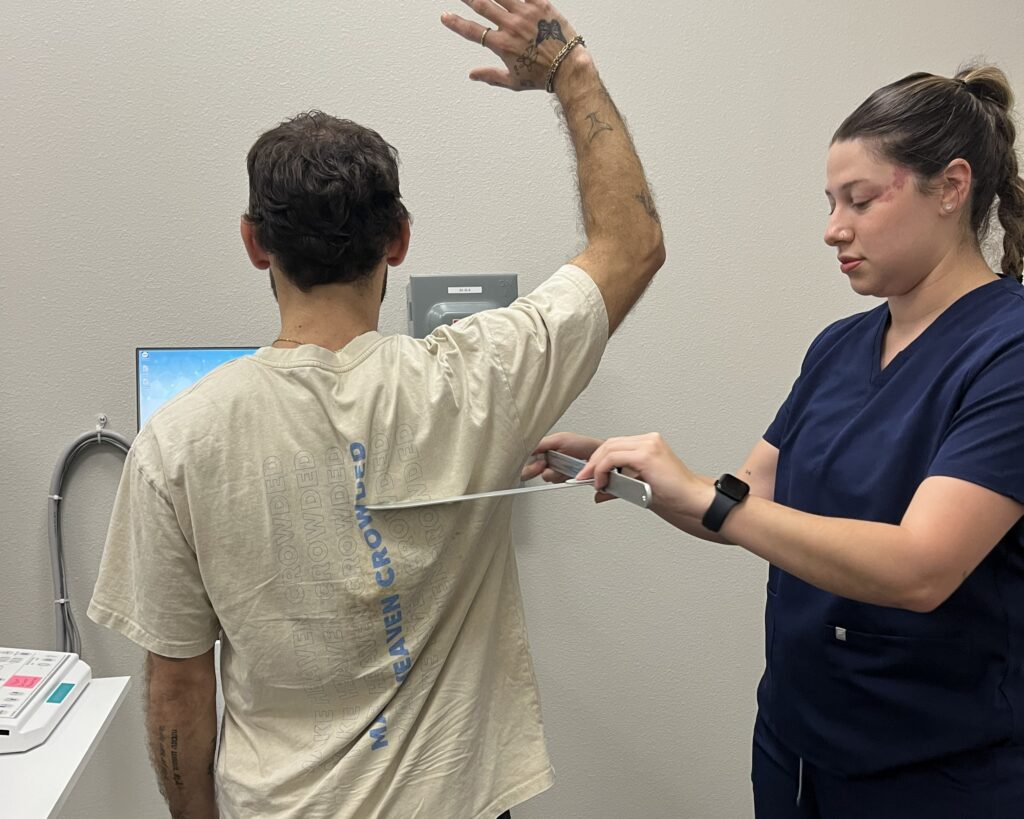
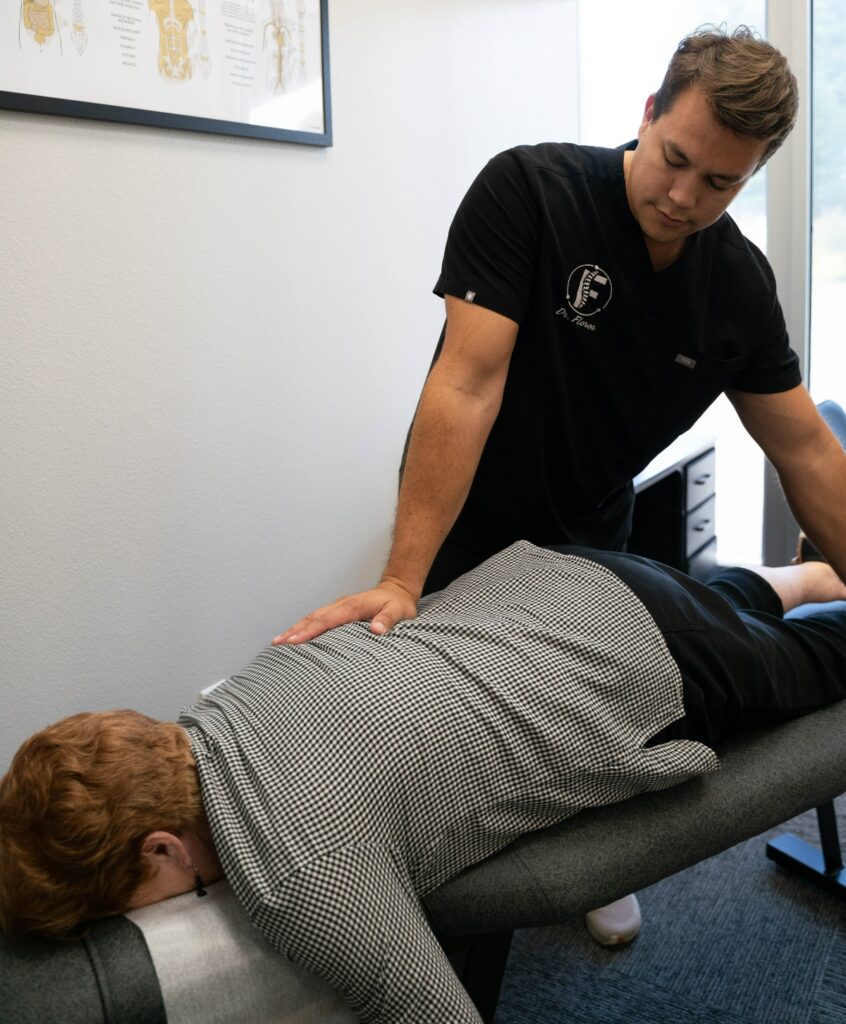
Another effective method is incorporating regular chiropractic care into your routine. Chiropractic adjustments can help alleviate tension in the spine and improve alignment, which may reduce the frequency and intensity of headaches. By addressing the root of the problem rather than just masking the symptoms, chiropractic care supports your body’s natural ability to heal itself.
Incorporating stress-reduction techniques such as deep breathing, meditation, or yoga can also be beneficial. These practices promote relaxation and can help to ease the tension that often accompanies headaches.
Lastly, don’t underestimate the power of a healthy lifestyle. Regular exercise, a balanced diet, and adequate sleep can all contribute to fewer headaches and better overall wellness. By making informed choices and focusing on natural healing, you can take control of your headache management effectively.
Remember, understanding the types of headaches you experience is key to finding the right strategy. Consider scheduling a visit with your chiropractor to explore personalized approaches to headache relief and discover how chiropractic care can enhance your journey to optimal health.
Key Takeaways
- Stay hydrated by drinking at least eight 8-ounce glasses of water daily. Proper hydration can help prevent headaches caused by dehydration, ensuring your body functions optimally. Remember, a well-hydrated body contributes to overall wellness, which is essential for maintaining a healthy spine.
- Consider incorporating essential oils like peppermint and lavender into your wellness routine. These natural remedies can help ease tension and reduce headache symptoms, promoting relaxation. Applying a few drops to your temples or diffusing them in your space can create a calming environment, supporting your journey to better health.
- Enjoy herbal teas such as ginger or chamomile. These soothing beverages not only provide hydration but also boast anti-inflammatory properties that may help with headache relief. Sipping on these teas can be a great way to relax and unwind, complementing the benefits of chiropractic care.
- Practice stress management techniques like deep breathing, mindfulness, and progressive muscle relaxation. These techniques can be powerful tools to alleviate headache triggers. By reducing stress, you can support your nervous system health and enhance the effectiveness of your chiropractic adjustments.
- Embrace chiropractic care as a vital component of your health journey. Regular adjustments can address spinal misalignments that may contribute to headaches, promote nervous system health, and provide long-term relief from headache pain. By prioritizing chiropractic care, you are choosing a natural and effective path to achieving optimal health and wellness.
Understanding Different Types of Headaches
Headaches can affect anyone at any time, but understanding the different types can guide you toward effective relief, particularly through chiropractic care.
For instance, tension headaches often feel like a tight band around your forehead and may arise from stress or poor posture. Chiropractic adjustments can help relieve tension in your neck and spine, which can reduce the frequency and intensity of these headaches.
Migraines, characterized by intense, throbbing pain and often accompanied by nausea or sensitivity to light, may also benefit from chiropractic treatment. By addressing any underlying spinal misalignments, chiropractic care can help promote better blood flow and nerve function, potentially alleviating migraine symptoms.
Cluster headaches, although less common, can be extremely painful and typically affect one side of the head. While these headaches may require a more specialized approach, chiropractic care can still play a role in managing pain and improving overall wellness.
It’s essential to identify the type of headache you’re experiencing, as this will help you tailor your relief strategies. For tension headaches, incorporating relaxation techniques and maintaining good posture can be beneficial.
Creating a calm environment with low light can also help when dealing with migraines.
The Role of Hydration in Headache Prevention
Staying properly hydrated is crucial for preventing headaches and promoting overall health. As a chiropractor, I understand that when your body is low on water, it can lead to dehydration, which may trigger or intensify headache symptoms. Even mild dehydration can cause discomfort and impact your well-being, so it’s important to prioritize hydration.
To help prevent headaches, make it a habit to drink water consistently throughout the day. Aim for about eight 8-ounce glasses of water daily, but remember that your needs may vary based on your activity level and the climate you live in. Keeping a water bottle with you can serve as a helpful reminder to sip regularly.
Listen to your body—it’s wise to pay attention to signs of thirst, as this is your body’s way of signaling that it needs more fluids. Additionally, incorporating hydrating foods like fruits and vegetables into your diet can further support your hydration efforts.
By prioritizing hydration, you aren’t just quenching your thirst; you’re actively working to prevent those annoying headaches and promote overall well-being.
Remember, chiropractic care can also play a vital role in maintaining optimal health and wellness. Regular adjustments can help ensure your nervous system is functioning properly, which can contribute to better hydration and headache prevention.
Stay hydrated, and consider incorporating chiropractic care into your wellness routine for a more comprehensive approach to health.
Natural Remedies: Essential Oils and Herbal Teas
Exploring natural remedies can be an excellent way to find relief from headaches, especially if you’re seeking alternatives to over-the-counter medications. While chiropractic care is your best option for addressing the root causes of headaches, incorporating essential oils and herbal teas can complement your wellness journey.
Essential oils, such as peppermint and lavender, are known for their soothing properties. Inhaling their calming scents or applying diluted oils to your temples can help ease tension and promote relaxation. Peppermint oil, in particular, has a refreshing cooling effect that may help alleviate pain, making it a great addition to your self-care routine.
Herbal teas also provide wonderful support for headache relief. Ginger tea is fantastic for reducing inflammation, while chamomile tea is renowned for its calming effects. Both options can be soothing and help keep you hydrated, which is crucial for managing headaches. You might also consider feverfew tea, which has been associated with a decrease in headache frequency.
Remember, while these remedies can be helpful, they shouldn’t replace chiropractic care, which addresses the underlying issues contributing to your headaches. Regular chiropractic adjustments can help align your spine, improve your overall health, and reduce the frequency and severity of headaches.
In addition to using natural remedies, here are some general tips to manage headaches and promote a healthier lifestyle:
- Stay hydrated by drinking plenty of water throughout the day.
- Maintain good posture, especially when sitting for long periods.
- Incorporate regular physical activity and stretching into your routine to relieve tension.
- Ensure you’re getting enough sleep each night, as rest is critical for overall health.
Always consult with a healthcare professional, such as your chiropractor, before trying new treatments. They can provide personalized recommendations based on your unique health needs and ensure you’re on the right path to optimal wellness.
Lifestyle Changes for Headache Management
Making simple lifestyle changes can have a profound impact on headache management and your overall well-being. As a chiropractor, I believe that focusing on holistic health is key to achieving optimal wellness, and many of these changes can complement chiropractic care.
First and foremost, pay attention to your hydration. Drinking plenty of water throughout the day is crucial, as dehydration can often trigger headaches. Staying well-hydrated supports your spinal health and overall nervous system function, which are both vital for reducing headache frequency.
Next, let’s talk about nutrition. A well-balanced diet can significantly influence how you feel. Incorporate regular meals filled with wholesome nutrients, and try to limit excessive caffeine and processed foods, as these can lead to headaches. Remember, what you eat fuels your body, including your spine, so choose foods that promote health.
Establishing a consistent sleep schedule is equally important. Aim for 7 to 9 hours of quality sleep each night, and try to go to bed and wake up at the same time every day. Good sleep is essential for your body’s recovery and can help reduce tension in your spine, which may be contributing to headache pain.
Regular physical activity is another essential component of headache management. Aim for at least 30 minutes of moderate exercise most days. Not only does exercise strengthen your body, but it also helps improve circulation and reduces stress, both of which can alleviate headaches.
Also, be mindful of your screen time. Prolonged use of screens can lead to eye strain and tension, triggering headaches. Remember to take regular breaks; simple eye exercises or a short walk can refresh your mind and reduce the likelihood of headaches.
By integrating these lifestyle changes and considering chiropractic care as a natural, effective approach to pain relief and overall wellness, you’ll likely notice a significant reduction in headache frequency and intensity.
Chiropractic adjustments can help align your spine, improve nerve function, and promote natural healing, making it an excellent option for managing headaches and enhancing your quality of life.
Stress Management Techniques to Reduce Headaches
Many people may not realize how closely stress is linked to the onset of headaches. As a chiropractor, I want to share how effective stress management techniques can significantly reduce the frequency and intensity of your headaches, promoting overall wellness.
Start with deep breathing exercises. Taking slow, deep breaths can help calm your mind and reduce tension in your body, which is crucial for maintaining spinal health.
Consider incorporating mindfulness or meditation into your daily routine. Just a few minutes of focusing on the present can empower you to manage stress more effectively and enhance your overall well-being.
Another beneficial technique is progressive muscle relaxation. This involves tensing and then relaxing different muscle groups, allowing your body to release built-up tension, which can also support spinal alignment and reduce discomfort.
Don’t underestimate the power of journaling. Writing down your thoughts can help you process emotions and reduce anxiety, creating a clearer mind and a more relaxed state.
Finally, establish a routine that includes time for hobbies or activities you enjoy. Prioritizing relaxation not only helps you manage stress but also positively impacts your spinal health and overall body function.
By incorporating these techniques, along with regular chiropractic care, you can achieve optimal health and significantly improve your headache experiences.
The Benefits of Regular Exercise
Regular exercise is a fantastic way to enhance your health and well-being, especially when it comes to managing headaches. Engaging in physical activity promotes better blood flow, which can help alleviate tension and reduce the frequency of headaches.
As you exercise, your body releases endorphins, natural chemicals that not only relieve pain but also elevate your mood and lower stress—key factors in effective headache management.
You don’t need to embark on a strenuous workout regimen; even moderate activities like walking, swimming, or yoga can make a significant impact. Just dedicating 30 minutes a day to exercise can improve your overall fitness and help you better cope with headache triggers.
Additionally, regular physical activity can enhance your sleep quality, which is essential for reducing the likelihood of headaches.
Furthermore, consider incorporating chiropractic care into your wellness routine. Chiropractic adjustments can help align your spine, relieve tension, and improve overall body function, supporting your efforts to manage headaches naturally.
By addressing the root causes of pain, chiropractic care can be an effective option for achieving optimal health and wellness.
Acupuncture and Other Alternative Therapies
If you’re seeking relief from headaches without turning to medication, chiropractic care might be your best option. This natural approach focuses on the spine and nervous system to promote overall health and wellness.
By aligning the spine and relieving tension, chiropractic adjustments can help alleviate headache pain effectively.
In addition to chiropractic care, there are simple lifestyle changes you can make to support your journey to better health. Staying hydrated, practicing good posture, and incorporating regular physical activity into your routine can all contribute to reducing headache frequency and intensity.
Remember, your body is interconnected, and maintaining a healthy spine is key to optimal wellness.
Consider visiting a chiropractor to discuss your headaches and explore how spinal adjustments can lead to lasting relief and improved overall health.
Benefits of Acupuncture
When it comes to finding relief from headaches, many people turn to traditional treatments like medication. However, as a chiropractor, I want to highlight the benefits of a more natural approach—chiropractic care.
Unlike medication, which often only masks symptoms, chiropractic care addresses the root causes of pain, promoting overall wellness and long-term relief. Here are some advantages you might experience with chiropractic care for headache relief:
- Reduced Frequency and Intensity: Regular chiropractic adjustments can help realign your spine and improve your nervous system function, leading to fewer headaches and reduced pain levels.
- Holistic Approach: Chiropractic care not only targets headaches but also looks at your entire body. By improving spinal health and overall alignment, we can enhance your well-being and help prevent future issues.
- Minimal Side Effects: Chiropractic adjustments are safe and generally free from adverse effects, making them a favorable alternative to medications, which can come with unwanted side effects.
In addition to chiropractic adjustments, here are some general tips to help manage headaches:
- Stay Hydrated: Dehydration can trigger headaches, so make sure you’re drinking enough water throughout the day.
- Maintain Good Posture: Poor posture can strain your neck and back, leading to headaches. Be mindful of your posture, especially when sitting at a desk.
- Practice Relaxation Techniques: Stress is a common headache trigger. Consider incorporating deep breathing exercises, yoga, or meditation into your daily routine.
- Get Enough Sleep: Aim for 7-9 hours of quality sleep each night, as insufficient rest can contribute to headache frequency and intensity.
By choosing chiropractic care and making these lifestyle adjustments, you can take proactive steps toward achieving optimal health and reducing headaches.
Other Alternative Therapies
Chiropractic care is a powerful, natural approach to headache relief that focuses on addressing the root causes of pain through spinal adjustments and holistic wellness practices. While there are other alternative therapies to consider, chiropractic care stands out as a top choice for achieving optimal health and well-being.
For those looking to complement their chiropractic treatment, massage therapy can be beneficial. It helps to reduce muscle tension and improve circulation, which may ease headache symptoms. However, it’s important to remember that chiropractic adjustments directly target the spine and nervous system, promoting overall body function and pain relief.
Another effective method to consider is biofeedback. This technique teaches you how to control bodily functions such as muscle tension, which can help decrease the frequency and intensity of headaches. By learning to listen to your body, you can enhance the benefits of your chiropractic care.
Incorporating practices like yoga and meditation into your routine can also be advantageous. These activities promote relaxation and mindfulness, equipping you with tools to manage stress-related headaches. While they can be helpful, chiropractic care is essential in ensuring your spine is aligned and functioning optimally, which lays the groundwork for overall health.
You might also explore herbal remedies such as feverfew and butterbur, which some studies suggest may help with headache relief. However, it’s best to consult with your chiropractor before introducing any new supplements into your wellness routine.
Finally, aromatherapy with essential oils can provide a soothing atmosphere that may ease headache discomfort. While these methods can be supportive, remember that chiropractic care offers a unique and comprehensive approach to achieving long-term relief and wellness.
In summary, while there are various options available for headache relief, chiropractic care remains the best choice for addressing pain at its source. By prioritizing spinal health and incorporating these complementary strategies, you can create a well-rounded approach to your wellness journey.
Always consult your chiropractor for personalized advice tailored to your specific needs.
Conclusion
Incorporating non-medical options for headache relief can significantly elevate your overall well-being, particularly when paired with chiropractic care. Understanding the type of headache you experience is essential, as this can guide you toward the most effective relief strategies. Staying well-hydrated is crucial, as dehydration can often trigger headaches.
Natural remedies, such as essential oils and herbal teas, can also provide comfort. For instance, peppermint oil may help ease tension, while chamomile tea can promote relaxation. Additionally, adopting lifestyle changes is key; regular exercise not only strengthens your body but can also reduce the frequency and intensity of headaches over time.
Managing stress through mindfulness techniques and breathing exercises can be incredibly beneficial. Remember, a well-aligned spine enhances your body’s ability to function optimally, which is where chiropractic care shines. Regular adjustments can help alleviate tension in the neck and shoulders, areas often linked to headache pain.
Don’t overlook alternative therapies like acupuncture, which can complement chiropractic care by addressing energy flow and relieving pain. By embracing these holistic approaches, including the invaluable support of chiropractic care, you can take control of your headache management and lead a healthier, more vibrant life. Always remember, your journey to wellness starts with understanding your body and making informed choices!