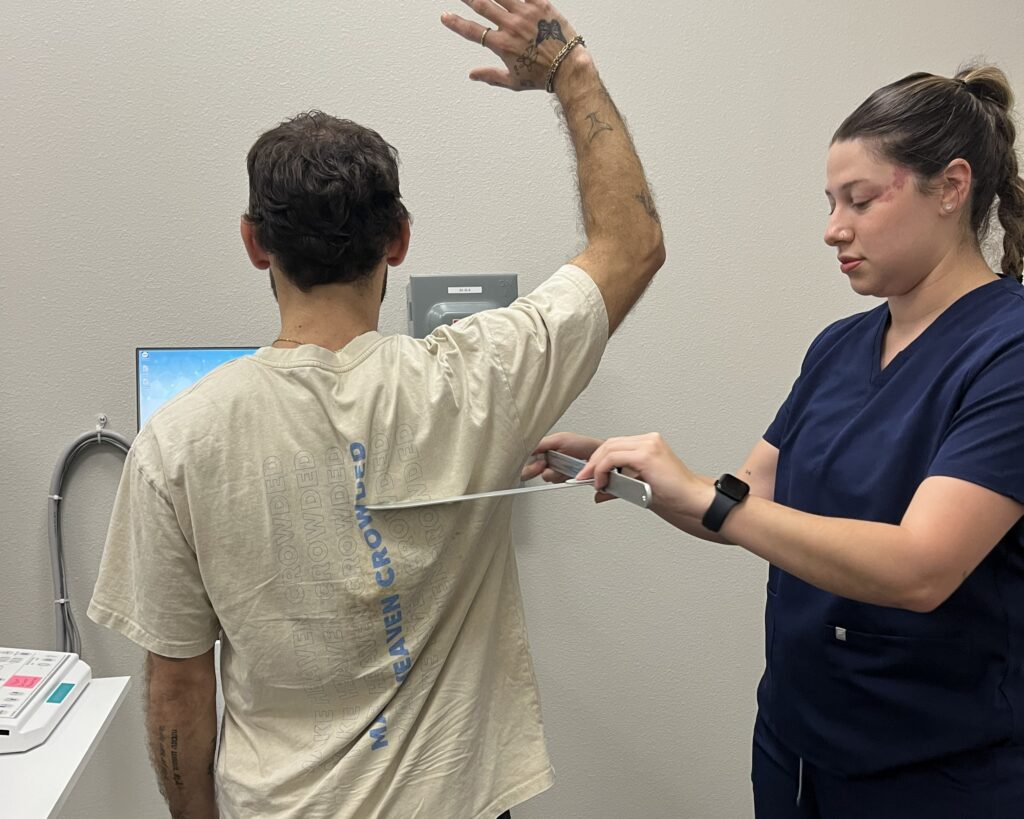

Headaches can significantly interfere with your daily life, making it crucial to have effective strategies to manage them. As a chiropractor, I believe that natural healing and spinal health play a vital role in alleviating headache discomfort. By implementing simple lifestyle adjustments and self-care techniques, you can enhance your well-being and find relief from those persistent headaches.
One of the first steps is to ensure you’re staying well-hydrated. Dehydration can often trigger headaches, so aim to drink plenty of water throughout the day. Additionally, paying attention to your posture is essential. Poor spinal alignment can contribute to tension in your neck and shoulders, leading to headaches. Regular chiropractic adjustments can help maintain proper alignment, reduce tension, and promote overall wellness.
Another key factor is your sleep schedule. Establishing a consistent sleep routine can improve your sleep quality, which is vital in preventing headaches. If you find it challenging to unwind, consider incorporating relaxation techniques such as deep breathing or gentle stretches before bedtime.
Furthermore, be mindful of your screen time. Extended periods in front of screens can strain your eyes and neck, increasing the likelihood of headaches. Take regular breaks, practice eye exercises, and ensure your workstation is ergonomically set up to support your spine.
Incorporating regular physical activity, such as walking or yoga, can also help reduce headache frequency. Exercise promotes circulation and releases endorphins, which naturally alleviate pain.
When headaches occur, consider applying a cold or warm compress to your forehead or neck. This simple self-care technique can provide immediate relief. Additionally, practicing stress-reduction techniques, such as mindfulness or meditation, can also be beneficial in managing headache triggers.
As you explore these strategies, remember that chiropractic care is an excellent option for achieving optimal health and addressing the root causes of your headaches. Regular visits to your chiropractor can help keep your spine aligned and your body functioning at its best. By prioritizing your spinal health and incorporating these tips into your daily routine, you can regain control and find lasting relief from headaches.
Key Takeaways
- Stay hydrated by drinking at least eight 8-ounce glasses of water daily. Proper hydration is crucial for overall health and can help reduce the frequency of headaches. Remember, your body functions best when it’s well-hydrated!
- Establish consistent sleep patterns by aiming for seven to nine hours of restful sleep each night. Quality sleep not only helps you feel refreshed but also reduces common headache triggers. A healthy spine is essential for restorative sleep, so consider regular chiropractic adjustments to support your overall sleep quality.
- Incorporate stress management techniques into your daily routine. Simple practices like deep breathing, yoga, and meditation can alleviate tension and promote mental clarity. Chiropractic care can also play a pivotal role in reducing stress by helping align your spine and releasing tension stored in your body.
- Pay attention to your posture, especially at your workstation. Maintaining proper ergonomics can prevent neck and eye strain, which are common culprits of headaches. A chiropractor can help you understand how to sit and stand correctly, ensuring your spine remains aligned and reducing the likelihood of pain.
- Consider regular chiropractic care as a natural way to address spinal misalignments. By keeping your spine in alignment, you can relieve headache pain without the need for medications or invasive procedures. Chiropractic adjustments can help restore balance to your body, alleviate discomfort, and promote overall wellness.
By incorporating these tips into your lifestyle and prioritizing chiropractic care, you can take significant steps toward achieving a healthier, pain-free life!
Stay Hydrated
When you don’t drink enough water, you might trigger headaches without even realizing it. Dehydration can lead to reduced blood flow to the brain, which often results in pain.
As a chiropractor, I understand the importance of maintaining optimal hydration for overall health and wellness, especially when it comes to supporting your spine and nervous system.
To prevent headaches and promote better spinal health, aim to drink at least eight 8-ounce glasses of water each day. Keeping a water bottle handy can serve as a simple reminder to stay hydrated throughout your busy day.
Listen to your body’s signals—thirst is just one indicator that you need more fluids. If you’re active or in a hot environment, increase your water intake to account for sweat loss.
Additionally, consider incorporating water-rich foods like fruits and vegetables into your diet. These not only provide hydration but also essential nutrients that support your overall well-being and spinal health.
Remember, staying hydrated can help reduce discomfort and support your body’s natural healing processes.
If you experience persistent pain or headaches, consulting with a chiropractor can provide you with personalized care and natural solutions to achieve optimal health.
Maintain a Regular Sleep Schedule
Maintaining a regular sleep schedule is crucial for overall health and can significantly impact the frequency and severity of headaches. When you consistently go to bed and wake up at the same time each day, your body develops a natural rhythm that enhances sleep quality. This consistency helps regulate your internal clock, which is essential for keeping headaches at bay.
Aim for seven to nine hours of restful sleep each night. It’s important to create a calming bedtime routine, such as reading a book or practicing relaxation techniques, to signal to your body that it’s time to unwind. Avoiding screens before bed can also help you fall asleep more easily, as the blue light emitted by devices can interfere with your body’s natural sleep signals.
If you find it challenging to drift off, consider setting up a soothing sleep environment by dimming the lights and keeping your bedroom cool and dark. These simple adjustments can make a big difference in the quality of your sleep.
If you need to take a nap during the day, try to limit it to 20 to 30 minutes. This short nap can refresh you without disturbing your nighttime sleep, helping you stay alert and focused.
By prioritizing a regular sleep schedule, you’re not just taking care of your sleep—you’re also supporting your overall health and wellness.
As a chiropractor, I emphasize the importance of natural approaches to health, and maintaining a good sleep routine is a vital part of that. It can enhance the effectiveness of your chiropractic care, helping you achieve optimal health and pain relief.
Practice Stress-Reduction Techniques
Stress can be a major contributor to headaches, making it essential to incorporate stress-reduction techniques into your daily routine. As a chiropractor, I believe that focusing on your overall wellness is key to managing pain effectively.
One great technique is deep-breathing exercises. Simply inhale slowly through your nose, hold for a few seconds, and then exhale gently through your mouth. This practice not only calms your mind but also reduces tension in your body, which can help alleviate headache pain.
Mindfulness and meditation are also powerful tools. Taking just a few minutes each day to focus on the present moment can help you release worries and stress. This mental clarity can be beneficial for your overall health and well-being.
Incorporating yoga or gentle stretching into your routine can further support your body. These activities not only ease muscle tension but also promote relaxation, which is crucial for headache relief.
Don’t underestimate the power of physical activity. Regular exercise is a natural way to release endorphins, the body’s feel-good hormones, which can elevate your mood and reduce stress levels.
Lastly, make sure to engage in hobbies or activities that you love. Enjoying your favorite pastimes is vital for maintaining a healthy balance in life and can significantly help in managing headache triggers.
By focusing on these natural techniques alongside chiropractic care, you can achieve optimal health and find relief from headaches without the need for medications or surgeries.
Limit Caffeine Intake
Caffeine can significantly influence your headaches, and in some cases, it may even make them worse. As a chiropractor, I want to emphasize the importance of understanding your body’s responses to different substances, including caffeine. By being mindful of your daily caffeine intake, you can help manage your headaches more effectively and promote overall wellness.
When it comes to headaches, maintaining a balanced lifestyle is key. Consider limiting your caffeine consumption to the recommended daily amounts, which can vary depending on individual tolerance. This simple adjustment can potentially ease your discomfort and support better headache management.
Additionally, chiropractic care can play a vital role in alleviating headache pain. By addressing spinal misalignments, we can help restore proper function to your nervous system, which may reduce headache frequency and intensity. Incorporating regular chiropractic adjustments into your routine can be a natural and effective way to enhance your health and well-being.
Remember, staying hydrated, practicing good posture, and managing stress are also important factors in preventing headaches.
If you’re struggling with headaches, consider reaching out to your chiropractor for personalized advice and treatment options that promote natural healing and optimal health. Together, we can work towards a healthier, pain-free life.
Effects on Headaches
When you consume caffeine, it can have a significant impact on your headache patterns. For some people, a small amount of caffeine may provide temporary relief from headaches. However, it’s important to be aware that for others, especially those who regularly consume caffeine, cutting back suddenly can lead to withdrawal headaches that can be quite intense.
Caffeine can create a dependency in your body, making it challenging to identify what truly triggers your headaches. Additionally, too much caffeine can lead to dehydration, which is a common cause of headaches. Instead of relying solely on caffeine for relief, consider exploring natural methods to manage your headaches, such as chiropractic care.
Chiropractic adjustments can help restore proper alignment in the spine, which can alleviate tension and improve overall nerve function, potentially reducing headache frequency and severity. It’s also beneficial to pay attention to how your body reacts to different caffeine amounts. Keeping a headache diary can help you identify patterns in your headache occurrences and make informed decisions about your caffeine intake.
Here are some general tips to help manage headaches naturally:
- Stay Hydrated: Drink plenty of water throughout the day to prevent dehydration, which can contribute to headaches.
- Maintain Good Posture: Poor posture can lead to tension in your neck and shoulders, triggering headaches. Be mindful of your posture, especially while sitting at a desk.
- Regular Chiropractic Care: Schedule regular visits with your chiropractor to ensure your spine is aligned and functioning properly, which can help reduce headaches.
- Practice Relaxation Techniques: Deep breathing, meditation, or gentle yoga can help reduce stress and tension, which are common headache triggers.
- Get Enough Sleep: Aim for a consistent sleep schedule to ensure your body is well-rested, as lack of sleep can contribute to headaches.
Recommended Daily Limits
To effectively manage headaches and enhance your overall wellness, it’s important to consider your daily caffeine intake. While caffeine can sometimes offer temporary relief, consuming too much can actually increase the frequency and severity of headaches.
Here are some simple guidelines to help you find the right balance:
- Try to limit your caffeine consumption to around 400 mg per day, which is roughly equal to four 8-ounce cups of brewed coffee. This helps maintain a healthy level without risking headaches.
- If you find yourself experiencing withdrawal headaches, consider gradually reducing your caffeine intake. A slow decrease can help your body adjust without discomfort.
- Be mindful of various sources of caffeine, which can include tea, soda, and even chocolate. It’s helpful to keep track of all the places caffeine might sneak into your diet.
- Don’t forget the importance of hydration! Drinking plenty of water throughout the day can help prevent dehydration, which is a common headache trigger.
Remember, chiropractic care can be a powerful ally in managing headaches and promoting natural healing.
Regular adjustments can help alleviate tension in your spine and improve overall health, making it easier for your body to cope with everyday stressors.
Identify and Avoid Triggers
Identifying and avoiding headache triggers is crucial for effectively managing your discomfort and improving your overall wellness. Since triggers can differ from one individual to another, maintaining a personal trigger journal can be a powerful tool in this process. By documenting your headaches along with potential causes, you can begin to identify patterns that help you make more informed choices to alleviate your pain.
Chiropractic care plays a significant role in addressing the underlying issues that may contribute to your headaches. Misalignments in the spine can lead to tension and discomfort, manifesting as headaches. Regular chiropractic adjustments not only help to realign your spine but also promote better nervous system function, which can reduce the frequency and intensity of headaches.
In addition to chiropractic care, here are some general tips to help you manage headache triggers:
- Stay Hydrated: Dehydration is a common trigger for headaches. Make sure to drink plenty of water throughout the day.
- Maintain Good Posture: Poor posture can strain your neck and back, contributing to tension headaches. Be mindful of your posture, especially when sitting for long periods.
- Limit Screen Time: Excessive screen time can cause eye strain and headaches. Take regular breaks to rest your eyes.
- Manage Stress: Stress is a well-known trigger for headaches. Incorporating relaxation techniques, such as deep breathing or gentle yoga, can help manage stress levels.
- Get Regular Sleep: Establishing a consistent sleep schedule can greatly improve your overall health and reduce headache occurrences.
By focusing on these lifestyle changes and incorporating regular chiropractic care into your routine, you can take proactive steps towards achieving optimal health and reducing headache pain naturally.
Common Headache Triggers
Headaches can be a real nuisance, but understanding and avoiding common triggers can significantly reduce their frequency and intensity. As a chiropractor, I believe that a holistic approach to health and wellness is key to managing pain effectively. By focusing on natural solutions and maintaining a healthy spine, you can find relief from headaches.
Here are some common triggers to be aware of and tips to help you manage them:
- Stress: Life can get hectic, and stress often leads to tension headaches. Incorporating relaxation techniques such as deep breathing, yoga, or even regular chiropractic adjustments can help alleviate tension in your body and promote a sense of calm.
- Dehydration: Staying hydrated is crucial for overall health. Make it a habit to drink plenty of water throughout the day. If you’re feeling a headache coming on, try drinking a glass of water first; it might just do the trick!
- Poor Sleep: Quality sleep is essential for your well-being. Establishing a regular sleep routine and ensuring your sleeping environment is comfortable can contribute to better sleep patterns.
Remember, a well-aligned spine can also enhance your sleep quality, so consider regular chiropractic check-ups to support your sleep health.
– Dietary Factors: Certain foods can trigger headaches for some individuals. Pay attention to what you eat and how it affects you. Keeping a food diary can help identify any culprits.
Opt for a balanced diet rich in fruits, vegetables, and whole foods, and consider consulting with a nutritionist for personalized advice.
By being mindful of these common triggers and incorporating some simple lifestyle changes, you can take control of your headache management.
Chiropractic care can play a vital role in your journey toward optimal health by addressing spinal alignment and overall wellness. If you experience frequent headaches, consider scheduling an appointment with your chiropractor to explore how natural healing can help you feel your best.
Personal Trigger Journal
Many people find that keeping a personal trigger journal can be an invaluable tool in managing headaches and overall wellness. By recording your daily activities, food intake, sleep patterns, and stress levels, you can uncover patterns that may lead to headaches. Each time you experience a headache, take a moment to note what you were doing, eating, or feeling beforehand. Over time, this practice helps you identify specific triggers, such as certain foods, dehydration, or stressors.
By understanding these patterns, you can take proactive steps to minimize your headaches and enhance your well-being. For example, if you discover that skipping meals contributes to your headaches, it becomes essential to prioritize regular, nutritious meals. Simple adjustments like staying hydrated and managing stress through relaxation techniques can also play a significant role in preventing headaches.
Additionally, incorporating chiropractic care into your wellness routine can further support your journey towards optimal health. Regular chiropractic adjustments can help align your spine and improve your body’s overall function, which may reduce the frequency and intensity of headaches.
Embracing a holistic approach to health—like keeping a trigger journal and visiting your chiropractor—empowers you to take control of your wellness and live a healthier, pain-free life. Remember, small changes can lead to significant improvements in your overall health and happiness.
Incorporate Regular Exercise
To effectively manage headaches, incorporating regular exercise into your routine can make a significant difference, especially when combined with chiropractic care.
Physical activity boosts blood circulation, reduces stress, and releases endorphins—natural painkillers that can complement the benefits of spinal adjustments. You don’t have to engage in intense workouts; even moderate exercises can help you feel better and enhance your overall wellness.
Here are some friendly tips to help you get started with exercise:
- Choose activities you enjoy: Whether it’s walking, dancing, or biking, find what excites you. Enjoyment in your exercise routine encourages consistency, which is key for both physical and spinal health.
- Set a schedule: Aim for at least 30 minutes of exercise most days of the week. Consistency is vital in maintaining a healthy spine and reducing headache frequency.
- Mix it up: Combine cardio, strength training, and flexibility exercises for a balanced routine. This variety not only keeps things interesting but also ensures that different muscle groups and your spine are supported properly.
- Listen to your body: If you feel a headache coming on, don’t push yourself too hard. Remember that gentle movements, like stretching or yoga, can also be beneficial and may help alleviate tension.
In conjunction with regular chiropractic visits, these simple exercise strategies can lead to improved spinal alignment and overall health, providing you with natural relief from headaches and enhancing your quality of life.
Use Proper Posture
To effectively manage headaches, it’s vital to maintain proper posture throughout your daily activities. As a chiropractor, I can’t stress enough the importance of an ergonomic workstation. Ensure your screen is at eye level to minimize strain on your neck and eyes, which can contribute to headache discomfort.
Incorporating regular stretch breaks into your routine is another simple yet powerful way to keep your body relaxed and prevent tension build-up that often leads to headaches.
Remember, chiropractic care is an excellent natural option for finding relief from headaches and achieving optimal health. By focusing on spinal health and alignment, you can support your overall well-being and help prevent future headaches.
Take the time to prioritize your posture and consider visiting a chiropractor for personalized advice tailored to your specific needs. Making these small adjustments to your daily routine can lead to significant improvements in your health and comfort.
Ergonomic Workstation Setup
A well-organized workstation isn’t just about aesthetics; it plays a crucial role in your overall health and well-being. Poor posture can lead to headaches and discomfort, but with a few simple adjustments, you can create an ergonomic workspace that supports your spine and promotes natural healing.
As a chiropractor, I believe that proper alignment is key to achieving optimal health. Here are some straightforward tips to help you set up your workspace ergonomically:
- Ensure your chair supports your lower back. A chair with good lumbar support will help maintain the natural curve of your spine, reducing strain on your back muscles.
- Adjust your desk and chair height so that your feet rest flat on the ground, with your knees at a 90-degree angle. This position promotes healthy circulation and reduces pressure on your joints.
- Keep your back straight and shoulders relaxed. When sitting, try to maintain a neutral spine position to avoid unnecessary tension in your neck and shoulders.
- Position your elbows at a 90-degree angle while typing. This position allows your forearms to remain parallel to the floor, which can help prevent repetitive strain injuries.
- Remember to take regular breaks to stretch and move around. These breaks are essential for reducing stiffness and promoting overall spinal health.
By following these tips, you’ll not only create a more comfortable workspace but also support your body in its natural healing processes.
Regular chiropractic care can further enhance your posture and help alleviate any discomfort you may experience. Embrace a healthier lifestyle by prioritizing your spinal health and enjoying the benefits of a well-organized workstation!
Screen Height Adjustment
Maintaining proper posture goes beyond just your chair and desk; screen height is equally important for preventing discomfort and promoting your overall well-being. When your screen is positioned too high or too low, it can strain your neck and eyes, which may lead to tension headaches and other issues.
Ideally, your monitor should be at eye level, allowing you to look straight ahead without tilting your head—this alignment can help reduce stress on your spine.
If you’re using a laptop, consider propping it up with a stand or connecting it to an external monitor to achieve the right height. Keep the screen about an arm’s length away to reduce eye strain. Adjusting the brightness and contrast to suit your environment can also help maintain visual comfort.
By ensuring your screen is at the right height and maintaining proper posture, you’ll create a more comfortable workspace that supports spinal health and lowers your risk of headaches.
Regular Stretch Breaks
As a chiropractor, I often emphasize the importance of taking regular stretch breaks while working on your tasks.
It’s easy to become so engrossed in your work that you forget to care for your body. However, these breaks are crucial for alleviating tension and preventing headaches, and they can significantly enhance your overall well-being.
Making it a habit to pause every hour or so to stretch your body can lead to a healthier spine and improved function. Here are a few simple tips to help you incorporate stretching into your daily routine:
- Stand Up and Stretch: A quick full-body stretch can help relieve stiffness and improve your posture. This encourages proper spinal alignment, which is essential for optimal health.
- Shoulder Rolls: Gently roll your shoulders back to relieve neck tension. This simple movement can help reduce strain on the muscles supporting your spine.
- Deep Breathing: Take a moment to breathe deeply. This not only calms your mind but also aids in resetting your posture, allowing your spine to align naturally.
- Take a Short Walk: Walking around for just a minute can increase blood flow, which is important for maintaining a healthy spine and preventing discomfort.
Incorporating these small breaks into your day can make a significant difference in how you feel.
Remember, prioritizing your spinal health through regular movement can lead to a more vibrant, pain-free life.
If you’re experiencing persistent discomfort, consider consulting a chiropractor. We specialize in natural healing and can help you achieve optimal health through personalized care.
Explore Relaxation Therapies
Dealing with headaches can be a frustrating experience, but incorporating relaxation therapies into your routine can offer significant relief and enhance your overall well-being. As a chiropractor, I believe in the power of natural healing and the body’s ability to restore itself when given the right tools. Techniques like deep breathing, meditation, and progressive muscle relaxation are simple yet effective ways to reduce tension and promote relaxation, which can help alleviate your headache symptoms.
Incorporating these practices doesn’t have to be complicated. Here’s a straightforward guide to some relaxation therapies you can try:
| Therapy Type | Benefits | How to Practice |
|---|---|---|
| Deep Breathing | Reduces stress and anxiety | Inhale deeply for 4 seconds, hold for a moment, then exhale slowly for 4 seconds. Repeat this for a few minutes to calm your mind. |
| Meditation | Enhances focus and calmness | Find a quiet space, sit comfortably, and focus on your breath or a calming mantra for 5-10 minutes. It’s a great way to center yourself. |
| Progressive Muscle Relaxation | Alleviates muscle tension | Starting from your feet, tense each muscle group for 5 seconds, then relax. Move upward through your body to release built-up tension. |
| Guided Imagery | Promotes mental relaxation | Close your eyes and visualize a peaceful scene, such as a beach or a serene forest. Spend a few minutes immersing yourself in the details of this calming image. |
These relaxation techniques can complement your chiropractic care, as they help create a more harmonious environment in your body, reducing stress that may contribute to headaches. Remember, chiropractic adjustments can also play a vital role in alleviating headache pain by ensuring that your spine is properly aligned, relieving pressure on nerves, and reducing tension in surrounding muscles.
As you explore these relaxation therapies, keep in mind that finding what works best for you may take some time. Consistency is key, so try to incorporate these practices into your daily routine. With dedication, you can achieve better pain relief and overall wellness naturally, embracing a healthier lifestyle that supports your chiropractic care.
Consider Over-the-Counter Medications
If you find that relaxation therapies alone aren’t enough to manage your headaches, it might be time to explore some holistic approaches that complement chiropractic care.
While over-the-counter medications can provide quick relief, they often don’t address the underlying issues. Chiropractic care focuses on the spine and nervous system, promoting natural healing and helping to alleviate headaches at their source.
Here are some natural tips and tricks you can incorporate into your routine to support headache relief:
- Stay Hydrated: Dehydration can often lead to headaches. Make sure you’re drinking plenty of water throughout the day to keep your body hydrated.
- Regular Chiropractic Adjustments: Visiting your chiropractor can help realign your spine, which may relieve tension in your neck and head, decreasing the frequency and intensity of headaches.
- Stress Management Techniques: Incorporate practices such as deep breathing, meditation, or yoga into your daily routine. These techniques help reduce stress, which can be a significant trigger for headaches.
- Proper Posture: Pay attention to your posture while sitting or working. Poor posture can strain your neck and upper back, leading to headaches. Your chiropractor can provide guidance on maintaining a healthy posture.
- Regular Exercise: Engaging in physical activity can boost your mood and reduce stress, which may help prevent headaches from occurring.
- Adequate Sleep: Ensure you’re getting enough restful sleep each night. A consistent sleep schedule can improve your overall health and reduce headache triggers.
If headaches persist, don’t hesitate to reach out to your chiropractor for tailored advice and support.
Consult a Healthcare Professional
Are you dealing with persistent headaches even after trying different remedies? It could be time to explore chiropractic care. Chiropractors specialize in understanding how the spine and nervous system impact overall health, and they can help identify the root causes of your headaches. Here’s a quick overview of signs that indicate it’s wise to seek chiropractic advice:
| Signs to Consult a Chiropractor | Why It’s Important |
|---|---|
| Frequent headaches | May be linked to spinal misalignments |
| Severe pain | Chiropractic adjustments can provide relief |
| Changes in headache pattern | Indicates shifts in your body’s alignment |
| Headaches with other symptoms | Can reveal underlying issues that chiropractic care addresses |
| Impact on daily life | Chiropractic care can enhance your overall well-being |
Don’t hesitate to reach out for help. A chiropractor can offer personalized strategies and adjustments, helping you manage your headaches naturally. In addition to seeking chiropractic care, here are some general tips to consider for headache relief:
- Stay Hydrated: Dehydration can trigger headaches, so drink plenty of water throughout the day.
- Maintain Good Posture: Poor posture can lead to tension in the neck and upper back, contributing to headaches.
- Incorporate Stretching: Gentle stretches can help alleviate tension and improve spinal alignment.
- Limit Stress: Practice relaxation techniques such as deep breathing, meditation, or yoga to reduce stress-related headaches.
- Get Enough Sleep: Aim for a consistent sleep schedule to support overall health and reduce headache frequency.
Conclusion
By incorporating these ten essential tips into your daily routine, you can effectively manage your headaches and enhance your overall well-being, all while embracing a natural approach to health. Staying hydrated is crucial, as dehydration can often trigger headaches. Aim for at least eight glasses of water a day.
Maintaining a consistent sleep schedule is another key factor. Quality sleep promotes healing and helps keep headaches at bay. Try to go to bed and wake up at the same time each day to regulate your body’s internal clock.
Stress can be a significant headache trigger, so practicing stress-reduction techniques such as deep breathing, meditation, or gentle yoga can be beneficial. These practices not only help alleviate headaches but also support overall spinal health.
Be mindful of your caffeine intake; while small amounts can be helpful for some, too much caffeine can lead to rebound headaches. It’s important to identify your personal triggers—whether they are certain foods, smells, or activities—and take steps to avoid them.
Don’t underestimate the importance of proper posture, especially if you spend long hours sitting at a desk. Poor posture can strain your neck and back, leading to headaches. Make sure your workstation is ergonomically arranged to support your spine.
Incorporating relaxation therapies, such as chiropractic adjustments, can significantly contribute to headache relief. Chiropractic care focuses on aligning the spine to promote optimal nervous system function, which can reduce headache frequency and intensity.
If you’re looking for natural ways to alleviate headaches, consider gentle stretching exercises and regular physical activity. These can help improve circulation and reduce tension in your muscles.
Ultimately, if headaches persist, it’s wise to consult with a chiropractor who can assess your unique situation and provide tailored recommendations for spinal health and wellness. Taking charge of your health through natural methods can empower you to find relief and achieve a healthier, pain-free life. Start your journey to wellness today!