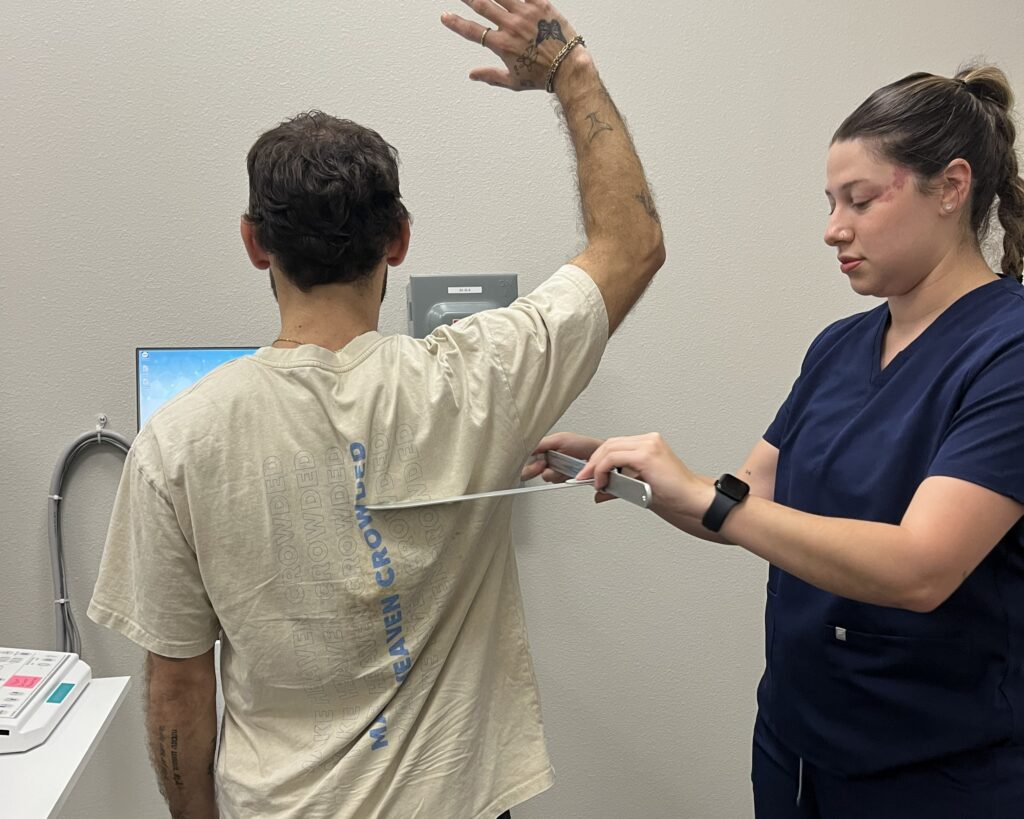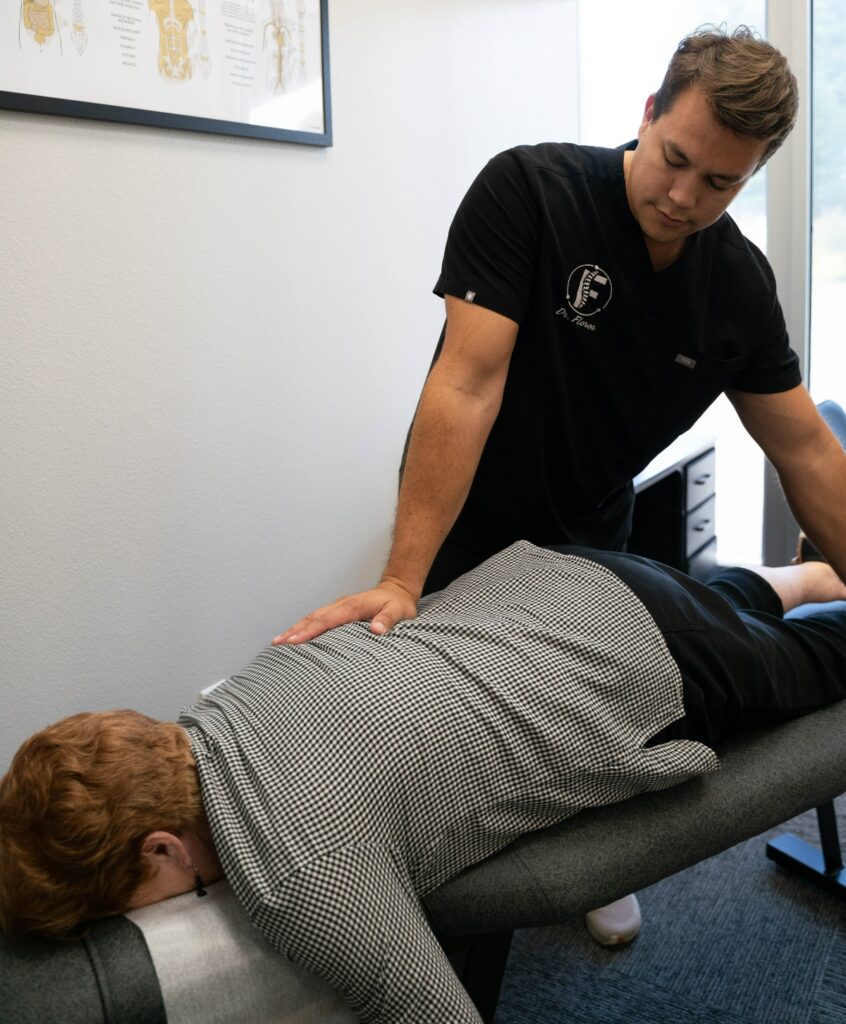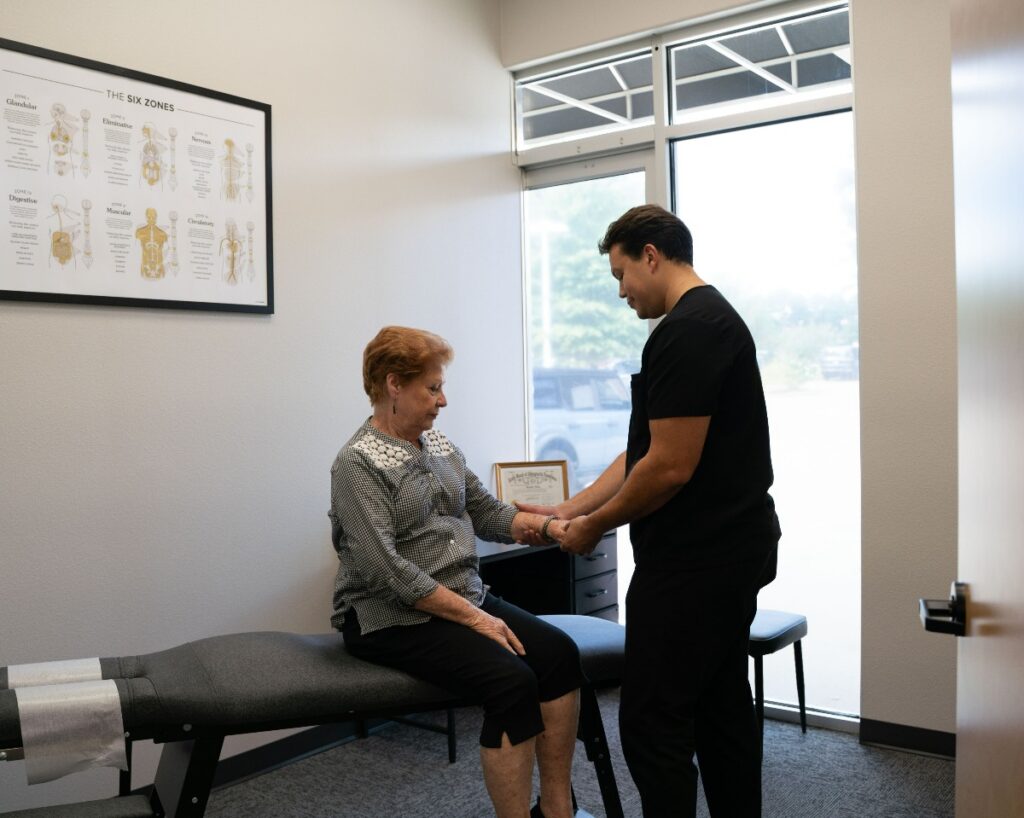

As a local chiropractor, I want to emphasize the importance of enhancing your joint flexibility and movement for your overall well-being and athletic performance. Many people overlook how flexibility plays a crucial role in their daily activities and workout routines. To help you assess your current flexibility levels, I encourage you to take a quiz specifically designed for this purpose. By doing so, you can identify areas where improvement is needed.
Understanding the factors that influence your flexibility is essential. This knowledge can lead to targeted strategies for better joint health and can significantly enhance your quality of life. Through chiropractic care and natural healing practices, we can work together to improve your flexibility, reduce discomfort, and promote better movement. What insights might you uncover about your own flexibility journey? Let’s explore this together!
The Importance of Joint Flexibility
As a local chiropractor, I want to share the significant benefits of joint flexibility and how it contributes to your overall movement and physical health. You may not think about it often, but having flexible joints is crucial for performing everyday tasks effortlessly, whether it’s bending down to tie your shoes or reaching for an item on a high shelf.
Enhanced flexibility can also improve your athletic performance, allowing you to move with greater efficiency and power. When your joints are flexible, you significantly reduce your risk of injury. Proper range of motion helps prevent strains and sprains, which is vital for maintaining an active lifestyle.
Moreover, flexibility plays a key role in supporting better posture, which can alleviate discomfort and pain in your back and joints. As you work on maintaining your joint flexibility, you may also notice improved circulation, contributing to your overall well-being.
Incorporating stretching and mobility exercises into your daily routine isn’t just beneficial—it’s essential for a healthy, active life. As your chiropractor, I encourage you to prioritize flexibility in your wellness journey.
Not only can it lead to a more enjoyable and pain-free existence, but it can also enhance your overall quality of life. Let’s work together to make flexibility a cornerstone of your health and vitality.
Common Causes of Reduced Flexibility
As a chiropractor, I’ve seen firsthand how a sedentary lifestyle can impact your flexibility. When we don’t move our bodies regularly, our muscles and joints can become stiff and less adaptable over time.
Additionally, aging is a natural process that affects our joint health, making it more challenging to maintain ease of movement. By understanding these common causes, you can take proactive steps to enhance your flexibility.
Incorporating regular physical activity, stretching, and chiropractic adjustments can significantly contribute to improving your overall mobility and well-being.
Let’s work together to keep your body functioning at its best!
Sedentary Lifestyle Impacts
As a local chiropractor, I want to share some important insights about how a sedentary lifestyle can impact your flexibility and overall health. Many of us spend long hours sitting, whether at work or home, and this prolonged inactivity can lead to some significant issues.
Firstly, muscle tightness is a common result of extended sitting. When you remain in one position for too long, particularly in the hips and lower back, your muscles can become tight and less responsive. This tightness can lead to discomfort and limit your ability to move freely.
Additionally, we often see joint stiffness in our patients who lead a sedentary lifestyle. When you don’t move your joints regularly, the production of synovial fluid decreases. This fluid is crucial for lubricating your joints, and without it, you may experience stiffness and reduced mobility.
Another concern is poor posture. Sitting for extended periods tends to promote slouched positions, which can negatively affect your spinal alignment. Poor posture not only contributes to discomfort but can also limit your flexibility over time.
Lastly, it’s important to note that a lack of movement leads to reduced blood flow. Inactivity can hinder circulation, preventing essential nutrients from reaching your muscles and joints. This can slow down recovery and increase the likelihood of injury.
By incorporating more movement into your daily routine, you can help counteract these effects. Simple activities like stretching, walking, or even taking short breaks can improve your flexibility and overall well-being.
If you’re experiencing discomfort or have questions about how to enhance your mobility, feel free to reach out. We’re here to help you on your journey to better health through natural healing methods.
Aging and Joint Health
As a local chiropractor, I want to share some important insights about how aging can affect your joints and overall flexibility.
As we get older, our joints naturally experience wear and tear, which can lead to stiffness and discomfort. The cartilage that cushions our joints tends to thin out, and you may find that your muscles lose some of their elasticity, making it more challenging to perform even simple stretches.
Many people also face inflammation issues, particularly from conditions like arthritis, which can further limit your range of motion. Additionally, hormonal changes can play a role in joint health, as they can reduce the production of synovial fluid—this is the lubricant that keeps our joints moving smoothly.
Here at our chiropractic practice, we emphasize the importance of regular physical activity, including strength training and flexibility exercises, to help combat these age-related challenges. Staying active is crucial; it helps keep your muscles strong and supports joint function, allowing you to maintain mobility and flexibility as you age.
We believe that prioritizing joint health is essential for your overall well-being. Through chiropractic care, we can help you manage discomfort, improve your range of motion, and ensure that you stay active and healthy for years to come.
If you have questions or would like to learn more about how we can assist you, feel free to reach out!
Benefits of Improved Flexibility
As a local chiropractor, I want to share with you the remarkable benefits of improved flexibility and how it can positively impact your overall well-being and daily performance. Many people are unaware of how crucial flexibility is for maintaining a healthy body, so let’s explore some key advantages:
- Reduced Injury Risk: When your muscles and joints are more flexible, they move freely and efficiently. This increased range of motion can significantly lower your chances of experiencing strains and sprains during everyday activities or workouts.
- Enhanced Performance: Whether you’re an athlete striving for peak performance or simply enjoy staying active, better flexibility allows you to move more freely. This means you can perform exercises and activities with greater ease, ultimately improving your results.
- Better Posture: Flexibility plays a vital role in aligning your muscles and joints. Improved flexibility can lead to better posture, which in turn reduces discomfort often caused by prolonged sitting or improper body mechanics.
- Stress Relief: Incorporating stretching and flexibility exercises into your routine promotes relaxation. This not only helps to alleviate muscle tension but also serves as a natural way to reduce stress after a long day.
Embracing improved flexibility through chiropractic care and natural healing methods can truly transform how you feel and function in your everyday life.
I encourage you to consider incorporating flexibility exercises into your routine for a healthier, more balanced lifestyle!
Key Exercises for Enhancing Flexibility
As a local chiropractor, I want to emphasize the importance of enhancing your flexibility through effective stretching techniques and the benefits they bring to your overall well-being.
Many people aren’t aware that incorporating specific strengthening exercises can significantly improve your mobility and support your body’s natural healing processes.
By understanding and practicing these techniques, you can make a meaningful difference in your daily routine and overall health.
Let’s explore how these practices can be seamlessly integrated into your lifestyle for better flexibility and enhanced physical performance.
Stretching Techniques Overview
As a chiropractor dedicated to helping my patients achieve optimal health and well-being, I want to emphasize the often-overlooked importance of stretching in your daily routine.
Incorporating effective stretching techniques can significantly improve your flexibility and overall mobility, which is essential for maintaining a healthy spine and preventing injury. Here are four key stretching techniques I encourage you to consider:
- Static Stretching: After your workouts, take the time to hold stretches for 15-60 seconds. This technique helps lengthen your muscles and can enhance recovery, promoting a healthier range of motion.
- Dynamic Stretching: Before engaging in any physical activity, consider using controlled movements to warm up your muscles. Dynamic stretching prepares your body for movement and helps reduce the risk of injury.
- Ballistic Stretching: While this technique involves bouncing or jerking movements to push your muscles beyond their normal range, I advise you to approach it with caution. It’s crucial to ensure that your body is adequately warmed up to avoid strains.
- Proprioceptive Neuromuscular Facilitation (PNF): This advanced stretching technique often involves a partner and combines muscle contraction and relaxation for deeper stretches. It’s particularly effective for improving flexibility and can be a great addition to your routine.
Incorporating these stretching techniques into your lifestyle can support your chiropractic care and enhance your overall well-being.
If you have any questions or would like to explore these techniques further, feel free to reach out during your next visit!
Strengthening Exercises Benefits
As a local chiropractor, I want to share the importance of incorporating strengthening exercises into your daily routine for not only building muscle but also enhancing your overall flexibility.
Strengthening your muscles creates a supportive framework for your joints, allowing them to move more freely and efficiently. Exercises such as squats, lunges, and push-ups engage multiple muscle groups, which helps improve your coordination and balance—both essential elements for flexible movement.
When your muscles are stronger, they can better control your body’s range of motion, which significantly reduces the risk of injury during various physical activities.
Moreover, regularly performing these strengthening exercises can lead to better posture and alignment. This is crucial for maintaining a flexible body and preventing discomfort or pain.
So, as you explore natural healing methods and chiropractic care, remember that strength training is a vital component in achieving a more flexible and resilient body.
I encourage you to start your journey towards enhanced flexibility and well-being today!
Stretching Techniques to Try
As a local chiropractor, I often see patients who are looking to enhance their joint flexibility and movement. Incorporating effective stretching techniques into your routine can make a significant difference in your overall health and wellness.
Here are four techniques I highly recommend:
- Static Stretching: This involves holding stretches for about 15-30 seconds. It’s particularly beneficial for improving flexibility in major muscle groups like the hamstrings and quadriceps. Just remember to breathe deeply and relax into each stretch.
- Dynamic Stretching: This technique involves controlled movements that gently take your joints through their full range of motion. It’s an excellent way to warm up your body before any physical activity, preparing your muscles and joints for more vigorous exercise.
- Proprioceptive Neuromuscular Facilitation (PNF): If you have a partner, this technique can be very effective. It involves alternating between contracting and relaxing a muscle, which can significantly enhance flexibility. Working with a partner can also make it more enjoyable!
- Yoga: Engaging in various yoga poses not only promotes flexibility but also helps with balance and strength. It’s a holistic approach to joint health that can benefit your entire body, promoting relaxation and overall well-being.
By incorporating these techniques into your daily routine, you’ll likely see improvements in your flexibility and overall movement.
Understanding Your Flexibility Levels
As a local chiropractor, I want to emphasize the importance of understanding your flexibility levels in relation to your overall health and wellness. Assessing how well your joints can move through their full range of motion is crucial for creating an effective stretching routine.
Start by identifying any areas in your body that feel tight or restricted; this insight will help us focus our efforts on those specific regions.
Simple tests, such as the sit-and-reach, can help gauge your overall flexibility. Be mindful of how your body responds during these assessments—any discomfort you experience may indicate areas that need more attention.
Keep in mind that flexibility isn’t the same for everyone; it can be influenced by various factors, including genetics and your level of physical activity.
Once you have a clearer understanding of your flexibility levels, we can work together to develop a personalized stretching plan tailored to your specific needs.
I recommend incorporating dynamic stretches before your workouts to warm up your muscles and static stretches afterward to help improve flexibility effectively.
How Aging Affects Joint Flexibility
As you age, it’s common to feel that your joints aren’t moving as freely as they once did. This is often due to a reduction in joint lubrication, which can lead to stiffness and discomfort during movement.
Additionally, as muscle strength declines over time, it can further affect your flexibility and overall mobility.
As a chiropractor, I want to highlight that maintaining joint health is crucial for your quality of life. Regular adjustments and gentle exercises can help enhance joint function and improve your range of motion.
It’s important to prioritize natural healing methods to support your body as it ages, ensuring you stay active and mobile for years to come.
Let’s work together to keep your joints healthy and flexible!
Joint Lubrication Decreases
As your local chiropractor, I want to share some important information about how the natural aging process can affect your joints. Many people may not realize that as we age, the lubrication in our joints can significantly decrease, leading to noticeable changes in flexibility and comfort.
Here are some common effects you might experience due to reduced joint lubrication:
- Decreased Range of Motion: You may find that your joints don’t move as freely as they once did, which can limit your ability to enjoy activities you love.
- Increased Pain: Many individuals notice a rise in discomfort during movement, making it more challenging to stay active and engaged in daily life.
- Swelling and Inflammation: With less lubrication, your joints can become swollen and inflamed, causing further irritation and distress.
- Greater Risk of Injury: Reduced flexibility can increase your risk of joint injuries, making it essential to be proactive about your joint health.
Maintaining the health of your joints is crucial, and I encourage you to focus on proper hydration and nutrition as part of your wellness routine.
These simple steps can help mitigate the effects of aging on your joints, allowing you to maintain your mobility and quality of life.
If you have any questions or would like to learn more about how chiropractic care can support your joint health, feel free to reach out!
Muscle Strength Declines
As a local chiropractor, I want to share some important insights about how muscle strength and joint flexibility are interconnected, especially as we age.
It’s a natural process for muscle strength to decline over time, and this can significantly affect how well our joints function. We often see that as muscles weaken, they struggle to support the joints properly. This can lead to decreased stability and a higher risk of injury.
You might find that your movements feel stiffer or more challenging, making everyday tasks seem more strenuous. This loss of muscle strength can also limit your range of motion, which further impacts your flexibility.
To combat these changes, incorporating strength training into your daily routine is crucial. Simple exercises, such as resistance training or bodyweight workouts, can play a vital role in maintaining your muscle mass and improving joint function.
By focusing on building and preserving your strength, you can enhance your overall mobility and promote healthier joints as you age.
Integrating Flexibility Training Into Your Routine
Integrating flexibility training into your routine is essential for enhancing your overall movement and preventing injuries. As a chiropractor, I encourage my patients to adopt a few straightforward strategies that can lead to significant improvements in flexibility and joint health.
- Schedule Regular Sessions: I recommend aiming for at least 2-3 dedicated flexibility sessions each week, lasting about 15-30 minutes. This consistent focus can make a substantial difference in your body’s range of motion.
- Incorporate Dynamic Stretching: Before engaging in any workout, warming up with dynamic stretches is crucial. This practice not only prepares your muscles for physical activity but also helps improve your range of motion, setting a solid foundation for your workout.
- Use Static Stretching: After completing your workouts, it’s important to include static stretching. This will help elongate your muscles, enhance flexibility, and promote recovery, which is vital for maintaining joint health.
- Listen to Your Body: Always pay attention to how your body feels during stretching. If you encounter any pain, it’s important to ease off and adjust your approach. This awareness is key to avoiding injury and ensuring a safe, effective flexibility routine.
Nutrition’s Role in Joint Health
As a chiropractor, I want to emphasize that maintaining joint health involves more than just regular adjustments; nutrition plays a crucial role in how your joints function and feel. The foods you choose to eat can significantly influence your mobility and comfort.
For instance, incorporating anti-inflammatory foods into your diet, such as fatty fish rich in omega-3 fatty acids, can help alleviate joint pain and stiffness. Additionally, colorful fruits and vegetables, like leafy greens and berries, along with healthy fats from nuts, are packed with antioxidants that help fight inflammation.
Hydration is also vital for joint health. Drinking sufficient water ensures that your joints stay lubricated, which is essential for smooth and pain-free movement.
It’s important to pay attention to nutrients like calcium and vitamin D, which are critical for maintaining bone strength and the integrity of your joints. By focusing on a balanced diet filled with these essential nutrients, you can support your joints and enhance the benefits of your chiropractic care and flexibility training.
Taking the Flexibility Quiz
Are you curious about your flexibility? As a local chiropractor, I often emphasize the importance of understanding your body’s movement capabilities. Taking a flexibility quiz is a simple yet effective way to assess your joint range and pinpoint areas that may need improvement.
By answering a few straightforward questions, you can gain valuable insight into your current flexibility levels and overall joint health. Here’s what you can expect:
- Static Stretching: How often do you incorporate static stretching into your routine? This can play a crucial role in maintaining flexibility.
- Dynamic Movements: Are you able to perform dynamic movements, such as lunges or leg swings, with ease? This is essential for functional mobility.
- Joint Pain: Do you feel any discomfort or pain during specific movements? Identifying these can help us understand your body’s needs better.
- Daily Activities: Can you easily reach for objects or bend down without experiencing strain? This reflects your flexibility in everyday life.
After completing the quiz, you’ll have a clearer understanding of your flexibility and the next steps you can take towards improvement.
Conclusion
As a local chiropractor, I want to emphasize the importance of improving your joint flexibility for both your overall well-being and athletic performance. Many people are unaware of how flexibility plays a vital role in our daily movements and overall health. By understanding its significance and recognizing the numerous benefits, you can take proactive steps to enhance your flexibility.
Incorporating specific exercises and stretching techniques into your routine can greatly improve your movement capabilities. Additionally, it’s essential to remember that nutrition is a key factor in maintaining joint health. A well-rounded diet can support your body’s natural healing processes and contribute to your flexibility.
I encourage you to take our flexibility quiz. This will help you assess your current level and identify areas where you can improve. By tailoring your training, you can enjoy a more active lifestyle that is free from pain and discomfort. Let’s work together to enhance your joint flexibility and overall health through natural methods!