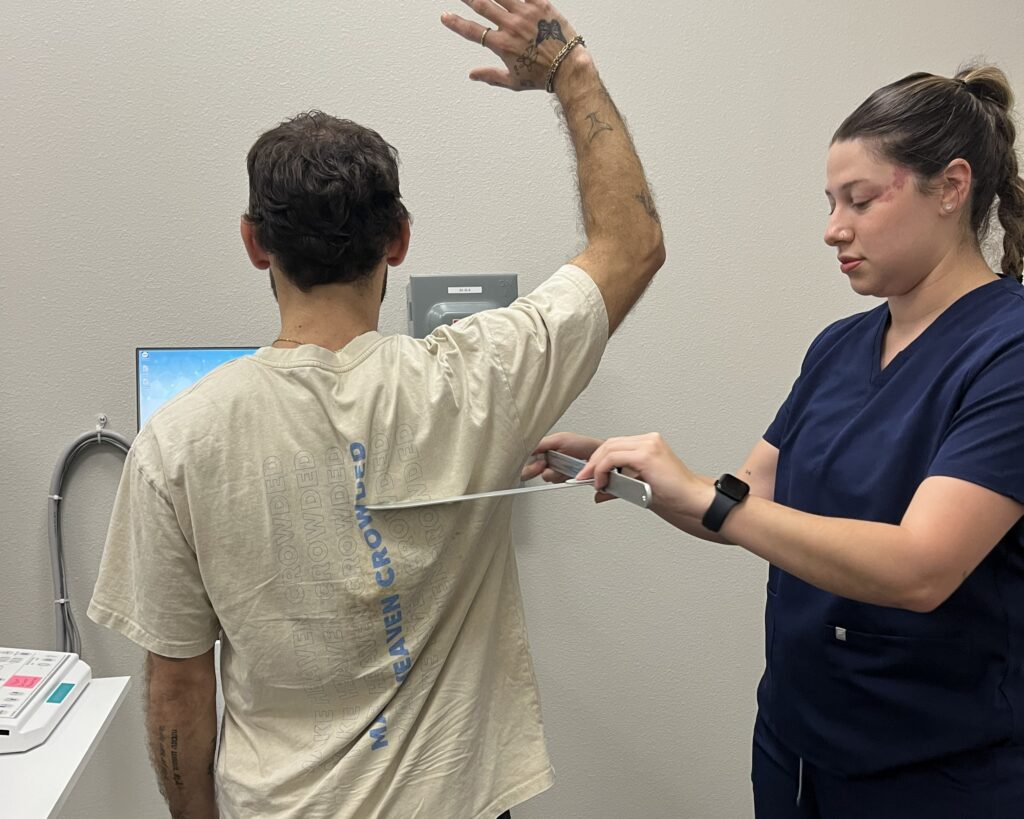

If you suffer from migraines, you understand how disruptive they can be to your daily life. At our chiropractic practice, we believe that there are effective, natural ways to help alleviate your symptoms. By focusing on holistic approaches, including spinal health, we can provide you with relief that promotes overall wellness. Here are some remedies to consider that can complement your chiropractic care and help manage migraine pain.
- Stay Hydrated: Dehydration can trigger migraines, so make sure to drink plenty of water throughout the day. Keeping your body hydrated not only supports overall health but also aids in maintaining spinal function.
- Practice Good Posture: Poor posture can lead to unnecessary strain on your spine and neck, increasing the likelihood of headaches. Be mindful of your posture, especially when sitting or working at a desk.
- Regular Chiropractic Adjustments: Chiropractic care is a powerful tool for managing migraines. Regular adjustments can help align your spine, reduce tension, and improve nervous system function, all of which can contribute to fewer migraine episodes.
- Essential Oils: Certain essential oils, like lavender and peppermint, can provide natural relief when applied to your temples or diffused in your environment. These oils can help calm your senses and promote relaxation.
- Manage Stress: Stress can be a major trigger for migraines. Consider incorporating relaxation techniques such as deep breathing exercises, yoga, or meditation into your daily routine to manage stress levels effectively.
- Adequate Sleep: Ensure you’re getting enough restful sleep each night. A consistent sleep schedule helps regulate your body’s natural rhythms and can reduce the frequency of migraines.
- Dietary Considerations: Pay attention to your diet, as certain foods may trigger migraines. Keeping a food diary can help you identify and eliminate those triggers. Focus on a balanced diet rich in whole foods to support your overall health.
By making these adjustments and integrating chiropractic care into your wellness routine, you may find relief from migraines that you haven’t experienced before. Our goal is to help you achieve optimal health naturally, allowing you to enjoy a better quality of life. If you’re ready to explore how chiropractic care can specifically benefit you, don’t hesitate to reach out!
Key Takeaways
- Staying hydrated is essential for overall health, so aim to drink at least eight 8-ounce glasses of water daily. Additionally, incorporating hydrating foods like cucumbers and watermelon can support your body’s natural functions and help reduce migraine triggers.
- Essential oils such as peppermint and lavender can be wonderful natural aids for temporary headache relief and stress reduction. Simply inhaling these scents or applying them topically (diluted with a carrier oil) can promote relaxation and ease discomfort.
- Mindfulness techniques like deep breathing and guided imagery are powerful tools for lowering stress and alleviating migraine symptoms. Taking a few moments each day to practice these techniques can help you manage stress levels and promote a sense of calm.
- Regular chiropractic care is one of the most effective ways to enhance your overall health. By improving spinal alignment and circulation, chiropractic adjustments can significantly reduce the frequency and intensity of migraines. Your chiropractor can also provide tailored advice on posture and ergonomics to help prevent future migraine episodes.
- Maintaining a consistent sleep schedule and creating a calming evening routine can greatly enhance your overall sleep quality and brain function. Getting enough restorative sleep is crucial for managing stress and reducing migraine occurrences.
By incorporating these tips into your daily routine and prioritizing chiropractic care, you can take significant steps toward achieving optimal health and natural wellness. Remember, your body has the innate ability to heal itself, and I am here to support you on that journey!
Hydration and Its Role in Migraine Management
Staying well-hydrated is a key step in managing migraines and promoting overall wellness. As a chiropractor, I want to emphasize that dehydration can be a common trigger for headaches. When you’re properly hydrated, you can significantly reduce the frequency and intensity of migraines. Aim for at least eight 8-ounce glasses of water daily, but remember to adjust this based on your activity level and the climate you live in. Listening to your body is crucial; if you feel thirsty, it’s a clear indication that your body needs more fluids.
In addition to drinking water, incorporating hydrating foods into your diet can be very beneficial. Foods like cucumbers, watermelon, and oranges not only help boost your hydration but also provide valuable nutrients that support your health. Keeping a water bottle nearby can serve as a helpful reminder to sip water throughout the day.
It’s also wise to be mindful of diuretics such as caffeine and alcohol, which can lead to fluid loss and may contribute to headaches. By prioritizing hydration, you’re laying a strong foundation for managing migraines and enhancing your overall health.
Remember, chiropractic care can also play a vital role in your wellness journey. Regular adjustments can help improve spinal alignment, which may contribute to better overall body function, including hydration and headache management.
Essential Oils for Relief
Staying hydrated is just one piece of the puzzle when it comes to managing migraines, but as a chiropractor, I want to emphasize the importance of a holistic approach to wellness.
While essential oils can provide some relief, it’s crucial to recognize that chiropractic care addresses the root cause of pain and discomfort, including migraines.
For those looking for natural remedies, essential oils can complement your overall wellness strategy. Peppermint oil, for example, has a cooling effect that may ease headache pain. You can try applying diluted peppermint oil to your temples and gently massaging it in.
Lavender oil is another excellent choice; its calming properties help reduce stress and tension—common triggers for migraines. Inhaling lavender directly or using a diffuser can create a soothing environment conducive to relaxation.
Eucalyptus oil can also be beneficial as it helps open up your sinuses and improve circulation. You can apply it topically or use it in a steam inhalation.
However, while these oils can provide temporary relief, they shouldn’t replace the comprehensive care offered by chiropractic adjustments.
Chiropractic care focuses on aligning your spine and optimizing nervous system function, which can significantly decrease the frequency and intensity of migraines. Regular visits to your chiropractor may help reduce the underlying tension and stress that contribute to headaches.
Remember to always dilute essential oils properly, and if you’re ever unsure about how to use them, consult with a healthcare professional.
But don’t overlook the incredible benefits of chiropractic care as a primary method for achieving optimal health and alleviating migraine pain. Embrace a natural and holistic approach to your wellness journey!
Dietary Adjustments to Consider
While essential oils may provide some temporary relief, managing migraines effectively involves paying close attention to your diet. As a chiropractor, I emphasize the importance of holistic health, and nutrition plays a crucial role in your overall well-being.
To begin, it’s essential to identify any potential food triggers that may be contributing to your headaches. Common culprits include aged cheeses, processed meats, and alcohol. Keeping a food diary can be an invaluable tool for spotting patterns and determining what might be causing your migraines.
Focus on incorporating more whole foods into your meals. Think about filling your plate with vibrant fruits and vegetables, hearty whole grains, and lean proteins. Staying properly hydrated is also vital, so aim to drink plenty of water throughout the day to keep your body functioning optimally.
Many individuals find relief by including magnesium-rich foods like spinach and almonds in their diet. Omega-3 fatty acids, found in fatty fish, are another excellent option for promoting overall brain health.
It’s important to maintain regular eating patterns, as skipping meals can lead to headaches. Consider smaller, more frequent meals rather than large portions to help keep your blood sugar levels steady. By making these dietary adjustments, you can significantly reduce the frequency and intensity of your migraines, supporting your journey toward natural wellness.
Remember, chiropractic care can also play a vital role in your pain relief and overall health. Regular adjustments can help improve spinal function and reduce tension in the body, which may further alleviate migraine symptoms.
Prioritizing both nutrition and chiropractic care can lead to a healthier, more balanced life.
Mindfulness and Relaxation Techniques
When you’re experiencing migraines, incorporating mindfulness and relaxation techniques can be incredibly beneficial alongside chiropractic care.
These practices, such as deep breathing exercises, guided imagery, and progressive muscle relaxation, work to calm both your mind and body, allowing you to better manage pain and stress.
Chiropractic adjustments help align the spine, which can alleviate tension that contributes to headaches and migraines.
By focusing on your spinal health, you’re taking a vital step toward overall wellness. Combining these adjustments with relaxation techniques can enhance your healing process.
Here are some simple tips to help you find relief:
- Deep Breathing: Take a few minutes each day to practice deep breathing. Inhale slowly through your nose, allowing your abdomen to rise, and then exhale gently through your mouth. This can help lower stress levels and ease tension.
- Guided Imagery: Close your eyes and visualize a peaceful scene, such as a beach or a forest. Imagine the sights, sounds, and smells. This practice can help distract your mind from pain and promote relaxation.
- Progressive Muscle Relaxation: Start from your toes and work your way up, tensing each muscle group for a few seconds and then relaxing them. This technique helps release physical tension that may be contributing to your discomfort.
- Regular Chiropractic Visits: Maintain a schedule of chiropractic adjustments to keep your spine aligned and reduce the frequency and severity of migraines.
By incorporating these techniques into your routine, you can enhance the benefits of chiropractic care and promote a healthier, pain-free lifestyle.
Deep Breathing Exercises
Deep breathing exercises can be a valuable addition to your wellness routine, especially for managing migraine symptoms that may arise from stress or tension. By focusing on your breath, you can promote relaxation, which is essential for overall health and can significantly alleviate the intensity of migraines.
Here are some effective techniques that you can easily incorporate into your daily life:
- Inhale deeply through your nose for a count of four, allowing your abdomen to rise. This helps to oxygenate your body and promote relaxation.
- Hold your breath for a count of four, letting that fresh oxygen fill your lungs, which can help calm your nervous system.
- Exhale slowly through your mouth for a count of six, consciously releasing any tension you may be holding in your body.
- Repeat this cycle for several minutes, focusing on calming your thoughts and grounding yourself.
Incorporating these deep breathing exercises into your daily routine can help you regain control over your body and mind, providing relief when migraines strike.
Remember, the spine plays a crucial role in your overall health, and regular chiropractic care can help ensure that your body is functioning optimally. By maintaining a healthy spine, you can support your body’s natural ability to heal and manage pain effectively.
Embrace these simple breathing techniques as part of a holistic approach to wellness, and consider chiropractic care for a comprehensive strategy to achieve optimal health and natural relief from pain.
Guided Imagery Practices
Guided imagery practices can be a valuable tool for enhancing your overall health and wellness, especially when it comes to managing pain like migraines. As a chiropractor, I believe in the body’s natural ability to heal itself, and guided imagery can be a perfect complement to chiropractic care.
To get started, find a quiet, comfortable space where you can relax without interruptions. Close your eyes and take a few deep breaths to help calm your mind and body. Imagine a peaceful scene—perhaps a serene beach, a tranquil forest, or anywhere that brings you comfort. Engage your senses in this visualization: feel the warmth of the sun on your skin, listen to the gentle sound of waves lapping against the shore, or breathe in the fresh scent of pine trees.
Allow yourself to stay in this calming imagery for about 10-20 minutes. This mental relaxation can help reduce stress and tension, which are often contributors to migraine symptoms.
Remember, while guided imagery can help with pain management, it works best alongside regular chiropractic adjustments. By addressing the underlying issues in your spine and nervous system, chiropractic care can provide significant relief and promote overall wellness.
Incorporating guided imagery into your routine can be a simple yet effective way to support your health. Whether you use it as a standalone tool or alongside your chiropractic care, it can help you feel more in control of your body and well-being.
Prioritize your health by exploring natural methods like these, and consider regular chiropractic adjustments to enhance your journey to optimal wellness.
Progressive Muscle Relaxation
Building on the calming effects of guided imagery, progressive muscle relaxation (PMR) is an excellent technique for relieving tension and managing migraine symptoms, complementing the benefits of chiropractic care.
PMR involves a simple process of systematically tensing and relaxing your muscle groups, which helps you become more aware of physical sensations while promoting overall relaxation. Here’s how you can practice PMR effectively:
- Create a peaceful environment: Find a quiet space where you can sit or lie down comfortably without interruptions.
- Start with deep breathing: Inhale deeply through your nose, letting your abdomen expand, and exhale slowly through your mouth. This helps to center your mind and body.
- Focus on muscle groups: Begin with your toes and gradually work your way up to your head. Tense each muscle group for a few seconds, then release the tension as you exhale.
- Feel the difference: As you relax each muscle, notice the contrast between tension and relaxation. This awareness can enhance your body’s natural ability to heal and reduce pain.
Incorporating PMR into your routine can be a powerful complement to your chiropractic care.
It promotes a sense of calm and can help alleviate discomfort, making it a great tool for anyone seeking natural wellness solutions.
Acupressure and Its Benefits
Acupressure can be a valuable tool for managing migraine pain, and as a chiropractor, I want to emphasize how effective natural methods can be in achieving optimal health.
By targeting specific pressure points on your body, you can potentially relieve tension and promote relaxation without the need for medications or invasive procedures.
While chiropractic care is the best choice for addressing the root causes of pain and enhancing overall wellness, incorporating acupressure techniques can complement your treatment. Learning how to apply pressure to these points may help alleviate discomfort associated with migraines, making your chiropractic journey even more beneficial.
Here are some simple tips you can try at home:
- Identify Key Pressure Points: Focus on areas like the space between your thumb and index finger (known as LI4), or the point located at the base of your skull, just above the spine. Gently applying pressure to these points may help provide relief.
- Practice Relaxation Techniques: Incorporate deep breathing exercises while applying pressure to these points. This can enhance relaxation and further help ease tension.
- Stay Hydrated: Sometimes, dehydration can trigger migraines. Ensure you drink plenty of water throughout the day.
- Maintain Good Posture: Poor posture can lead to tension in your neck and shoulders, which may contribute to migraines. Regular chiropractic adjustments can help align your spine and improve your posture, reducing the likelihood of headaches.
- Regular Chiropractic Care: Consistent visits to your chiropractor can help maintain your spinal health and reduce the frequency and intensity of migraines. We focus on natural healing and ensuring your body functions optimally.
By integrating these practices into your routine, you can take proactive steps toward managing migraine pain and enhancing your overall well-being.
Pressure Points Explained
While traditional treatments for migraines can be effective for some, many individuals are looking for natural and holistic methods to alleviate their pain. One powerful approach is acupressure, which involves applying pressure to specific points on the body to relieve tension and reduce headache symptoms. By understanding these pressure points, you can take an active role in managing your migraines and enhancing your overall wellness.
Here are some key pressure points to explore, along with some helpful tips for integrating them into your wellness routine:
- LI4 (Hegu): This point is located between your thumb and index finger. Applying pressure here can help decrease headache intensity. Try squeezing this point gently for a few minutes when you feel a migraine coming on.
- GB20 (Fengchi): Found at the base of your skull, this point is excellent for relieving tension and stress that can trigger headaches. Consider using your fingers to massage this area gently while sitting comfortably.
- Yintang: Located between your eyebrows, this point is wonderful for calming your mind and reducing stress. You can practice deep breathing while applying gentle pressure here to enhance relaxation.
- PC6 (Neiguan): Situated on your wrist, this point is known to help with nausea often associated with migraines. Pressing or massaging this point can provide significant relief.
In addition to exploring acupressure, regular chiropractic care can be an excellent way to support your overall health and manage migraines. Chiropractors focus on spinal alignment and nervous system function, which are crucial for optimal health.
By addressing any misalignments in your spine, you may not only experience relief from headaches but also improve your overall body function.
Techniques for Relief
Finding effective techniques for migraine relief can be daunting, but incorporating acupressure into your routine can offer a straightforward and natural approach. While acupressure—applying pressure to specific points on your body—can help alleviate pain and tension, it’s important to remember that chiropractic care is a holistic solution that addresses the root causes of migraines.
As a chiropractor, I always encourage my patients to consider how spinal health plays a crucial role in overall well-being. Misalignments in the spine can contribute to tension and stress, which may trigger migraines. Regular chiropractic adjustments can help restore proper alignment, improve circulation, and relieve tension in the muscles surrounding your spine, potentially reducing the frequency and severity of migraines.
If you’re interested in acupressure, you can easily do it at home alongside your chiropractic care. Focus on points like the “LI4,” located between your thumb and index finger, or the “GB20” at the base of your skull. Applying firm pressure to these areas for several seconds can promote relaxation and enhance circulation.
Additionally, consider these general tips for managing migraines naturally:
- Stay Hydrated: Dehydration can be a trigger, so drink plenty of water throughout the day.
- Maintain a Regular Sleep Schedule: Establish a consistent sleep routine to help prevent migraines.
- Practice Stress Management: Techniques such as deep breathing, meditation, or yoga can help reduce stress levels.
- Monitor Your Diet: Keep track of any food triggers that may contribute to your migraines and avoid them.
With a combination of chiropractic care, acupressure, and healthy lifestyle choices, you can take significant steps towards achieving optimal health and reducing migraines.
Herbal Supplements for Support
Exploring natural solutions can be a key part of managing migraine symptoms, and incorporating chiropractic care into your wellness routine may offer significant benefits. While herbal supplements can provide some support, focusing on spinal health and overall wellness through chiropractic adjustments can lead to lasting relief.
Here are a few herbal options that you might consider, in addition to the benefits of chiropractic care:
- Butterbur: This herb is known for its anti-inflammatory properties and may help reduce the frequency of migraines. However, remember that maintaining proper spinal alignment is vital for overall health.
- Feverfew: Traditionally used to prevent migraines, this herb can also help alleviate pain. Pairing this with regular chiropractic care can enhance your body’s natural healing capabilities.
- Ginger: Often used to combat nausea, ginger can also ease migraine discomfort. Consider incorporating ginger tea into your routine while ensuring your spine is well-aligned to support overall health.
- Peppermint: Known for its soothing properties, peppermint may relieve tension and headaches. Applying peppermint oil or enjoying peppermint tea can be beneficial, especially alongside chiropractic adjustments that relieve tension in the neck and shoulders.
Before adding any supplements to your routine, it’s a good idea to consult with a healthcare professional. However, prioritize chiropractic care as a natural and effective way to achieve optimal health and reduce migraine occurrences.
Regular adjustments not only help with pain relief but also support your body’s overall function. Incorporating lifestyle changes like staying hydrated, practicing stress management techniques, and maintaining good posture can also significantly contribute to reducing migraine symptoms.
The Importance of Sleep and Routine
Chiropractic care is an essential part of any strategy aimed at relieving migraines, and it works best when combined with the fundamental elements of sleep and routine. By establishing a consistent sleep schedule, you can help regulate your body’s internal clock, which may lessen the frequency and intensity of your migraines. Quality sleep is crucial for your brain’s ability to function optimally, and chiropractic adjustments can enhance this process by ensuring your spine is aligned and your nervous system is functioning properly.
Here’s a straightforward routine to consider that can help you manage your migraines:
| Time of Day | Activity |
|---|---|
| Morning | Wake up at the same time, hydrate, and incorporate gentle stretches to ease any tension. |
| Afternoon | Take a short break to stand, move around, and practice mindfulness to clear your mind and reduce stress. |
| Evening | Wind down with calming activities, limit screen time, and prepare your body for restful sleep by following a relaxing pre-bedtime routine. |
Conclusion
Incorporating these natural remedies into your daily routine can greatly enhance your ability to manage migraines effectively. Staying hydrated is essential, as proper hydration can support overall spinal health and prevent tension that may lead to headaches. Using essential oils can also provide relief; try peppermint or lavender oil, which can be soothing when applied to your temples.
Adjusting your diet is another key factor. Focus on whole foods and avoid processed ingredients that may trigger migraines. Consider practicing mindfulness techniques, such as deep breathing or meditation, to help reduce stress, which is a common migraine trigger. Additionally, exploring acupressure can be beneficial; applying gentle pressure to specific points may help alleviate pain.
Don’t overlook the benefits of herbal supplements, which can support your body’s natural healing processes. Also, maintaining a consistent sleep schedule is crucial for overall well-being and can help prevent migraine onset.
Remember, chiropractic care is a powerful tool in achieving optimal health. Regular spinal adjustments can help alleviate tension, promote better posture, and improve your body’s function overall. By focusing on a balanced approach that includes chiropractic care, you can reclaim your life from migraines and enhance your overall wellness.