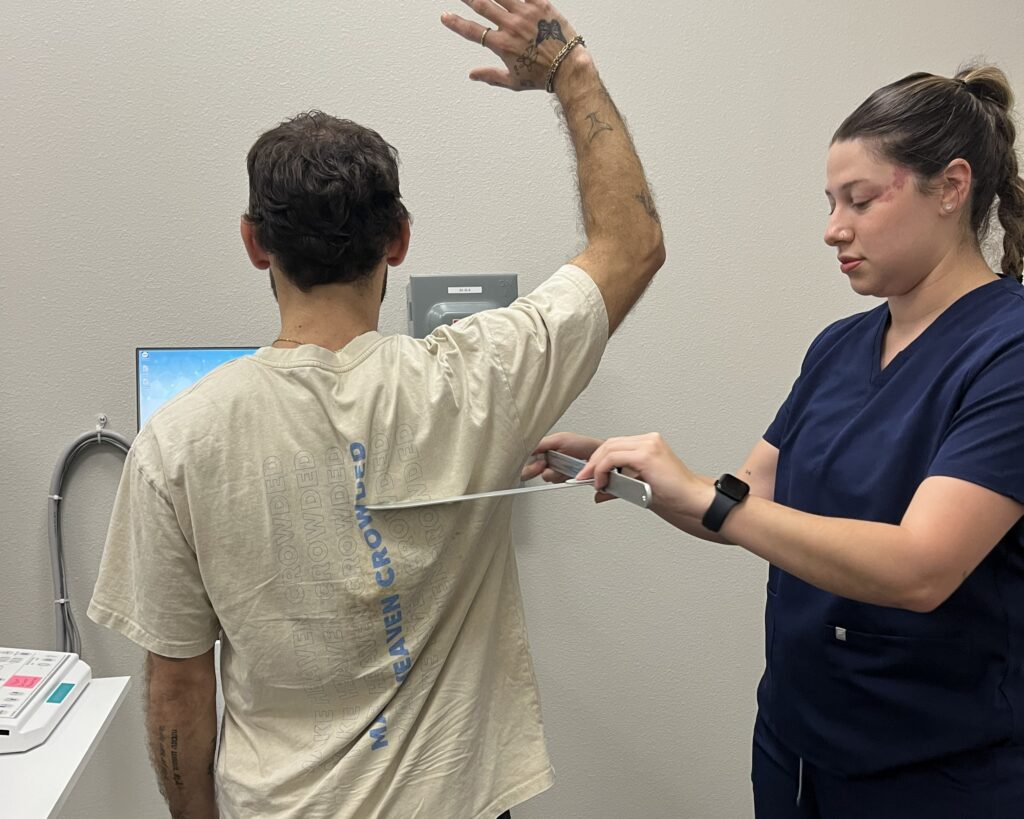

If you’re among the many individuals who experience migraines, you understand how much they can disrupt your daily life. Finding effective remedies is crucial for managing your symptoms and enhancing your overall well-being. As a local chiropractor, I want to share some natural approaches that focus on health and wellness, particularly the benefits of chiropractic care in addressing migraines.
Chiropractic care can play a significant role in alleviating migraine symptoms by promoting proper spinal alignment and reducing tension in the body. Here are some effective strategies to help you find relief and regain control over your migraines:
- Regular Chiropractic Adjustments: Visiting a chiropractor can help improve spinal function and reduce nerve irritation that may trigger migraines. Regular adjustments can promote better overall health and may decrease the frequency and intensity of your headaches.
- Stress Management Techniques: Stress is a common migraine trigger. Incorporating relaxation techniques such as deep breathing, meditation, or gentle yoga can help reduce tension in your body and mind. A chiropractor can guide you on specific exercises that promote relaxation and spinal health.
- Posture Awareness: Poor posture can contribute to tension in your neck and shoulders, potentially leading to migraines. Be mindful of your posture throughout the day, especially if you spend long hours at a desk. Ergonomic adjustments and reminders to stretch can be beneficial.
- Hydration and Nutrition: Staying hydrated and maintaining a balanced diet can also help manage migraines. Certain foods may trigger headaches, so it’s essential to keep track of what you eat. A chiropractor can provide guidance on nutrition that supports overall health.
- Regular Exercise: Engaging in regular physical activity can help reduce the frequency of migraines. Exercise promotes the release of endorphins, which are natural pain relievers. Low-impact activities like walking, swimming, or cycling are great options.
- Sleep Hygiene: Establishing a consistent sleep routine can significantly impact your migraine frequency. Aim for 7-9 hours of quality sleep each night, and try to go to bed and wake up at the same time every day.
- Natural Supplements: Some individuals find relief from migraines through natural supplements such as magnesium, riboflavin (vitamin B2), or coenzyme Q10. Always consult with your chiropractor before starting any new supplements.
By focusing on these natural remedies and the benefits of chiropractic care, you can be proactive in managing your migraines and improving your quality of life. Remember, each person is unique, and what works for one individual may not work for another. It’s essential to work with a qualified chiropractor who can tailor a treatment plan to your specific needs. Together, you can explore effective strategies for achieving optimal health and wellness.
Key Takeaways
- Prioritize a consistent sleep schedule, aiming for 7-9 hours each night. This practice can significantly reduce the frequency and intensity of migraines, promoting overall wellness.
- Enhance your diet by including magnesium-rich foods, such as leafy greens, nuts, and seeds, as well as omega-3 fatty acids found in fish. These nutrients can play a vital role in migraine prevention and support your body’s natural healing processes.
- Embrace stress management techniques, including yoga, meditation, and deep breathing exercises. These practices not only help to mitigate migraine triggers but also improve spinal health and overall well-being.
- Consider chiropractic care as a natural and effective solution for migraine relief. Regular adjustments can help improve spinal alignment, reduce tension, and enhance your body’s ability to heal itself.
- Explore natural remedies such as essential oils, acupuncture, or herbal supplements to alleviate migraine symptoms. These holistic approaches complement chiropractic care and can enhance your journey towards optimal health and wellness.
Remember, taking proactive steps towards your health is essential. By focusing on natural methods like chiropractic care and healthy lifestyle changes, you can manage migraines effectively and enhance your quality of life.
Understanding Migraines: Causes and Symptoms
When it comes to understanding migraines, knowing their causes and symptoms is crucial for effective management and overall wellness. Migraines aren’t just severe headaches; they’re a neurological condition that can significantly impact your daily life. You may experience throbbing pain, typically on one side of your head, often accompanied by nausea and sensitivity to light or sound. These symptoms can last anywhere from a few hours to several days, which is why recognizing them early is so important.
Common triggers of migraines include stress, hormonal changes, certain foods, and lack of sleep. Additionally, factors such as dehydration or shifts in weather can also spark an episode. By identifying your personal triggers and understanding your symptoms, you can take proactive steps toward managing your migraines naturally.
One effective way to alleviate migraine symptoms is through chiropractic care. Chiropractic adjustments can help relieve tension and improve spinal alignment, which may contribute to reducing the frequency and intensity of migraines. Regular chiropractic visits can also promote overall wellness and help your body function at its best.
Here are a few tips to consider for managing migraines and enhancing your well-being:
- Stay Hydrated: Drink plenty of water throughout the day to help prevent dehydration, a common trigger for migraines.
- Practice Stress Management: Incorporate relaxation techniques such as deep breathing, yoga, or meditation into your daily routine to help manage stress levels.
- Maintain a Regular Sleep Schedule: Aim for consistent sleep patterns, as irregular sleep can lead to migraines.
- Keep a Food Diary: Track your meals and any migraine occurrences to identify potential food triggers and make necessary dietary adjustments.
- Consider Chiropractic Care: Regular visits to your chiropractor can help keep your spine aligned and reduce tension, which may help in managing migraine symptoms.
By staying informed, recognizing your triggers, and utilizing chiropractic care, you can take control of your migraine management and improve your overall health and wellness.
Lifestyle Changes for Migraine Prevention
To effectively prevent migraines, consider some essential lifestyle changes that can be complemented by chiropractic care for optimal results.
Establishing a regular sleep schedule is crucial; quality sleep plays a vital role in overall health and can significantly impact the frequency of migraines. A balanced diet rich in whole foods can also help—think of incorporating plenty of fruits, vegetables, lean proteins, and healthy fats.
Additionally, managing stress is key. Techniques such as deep breathing, yoga, or meditation can help keep stress levels in check.
Importantly, regular chiropractic adjustments can also support your overall well-being by ensuring your spine is aligned, which can reduce tension and promote better nerve function.
By adopting these healthy habits and integrating chiropractic care into your wellness routine, you may find significant relief from migraine symptoms.
Regular Sleep Schedule
Maintaining a consistent sleep schedule is essential for overall health and can significantly help reduce the frequency and intensity of migraines. When you go to bed and wake up at the same time each day, you support your body’s internal clock, which can lead to better sleep quality and fewer disruptions—common triggers for migraines.
Aim for 7-9 hours of quality sleep each night. Remember, it’s not just about how long you sleep, but also how restful that sleep is. To enhance your sleep environment, create a calming bedtime routine that signals to your body that it’s time to relax. This might include activities like gentle stretching or reading a book.
Limiting screen time before bed is also crucial, as the blue light emitted by devices can interfere with your sleep. If you find it challenging to drift off, consider incorporating relaxation techniques such as deep breathing or meditation into your nightly routine.
As a chiropractor, I emphasize the importance of spinal health in achieving optimal wellness. Proper spinal alignment can positively affect sleep quality and overall body function.
Regular chiropractic care can help reduce tension in your body, promote relaxation, and support a healthier sleep cycle. Prioritizing your sleep, along with consistent chiropractic visits, can lay a strong foundation for preventing migraines and enhancing your overall well-being.
Balanced Diet Choices
Making balanced diet choices isn’t just important for general health but can also play a significant role in preventing migraines. As a chiropractor, I emphasize the importance of a holistic approach to wellness, which includes nutrition as a key component.
Start by filling your plate with whole foods—think fresh fruits, vibrant vegetables, whole grains, and lean proteins. These foods are packed with the nutrients your body craves.
Staying hydrated is another crucial aspect, as dehydration can often trigger migraines. Aim to drink plenty of water throughout the day. It’s also beneficial to be aware of certain foods that might provoke migraine attacks, such as aged cheeses, processed meats, and artificial sweeteners.
Instead, incorporate magnesium-rich foods like nuts, seeds, and leafy greens into your diet. These foods may help reduce the frequency of migraines and support your body’s overall function.
Establishing regular meal times can also help stabilize your blood sugar levels, which is vital for maintaining your energy and reducing the risk of headaches. Remember, everyone’s body is different, so don’t hesitate to experiment with different foods to see what works best for you.
By maintaining a balanced diet and focusing on natural foods, you’re not only taking proactive steps to minimize migraine occurrences but also enhancing your overall well-being.
Alongside these dietary choices, chiropractic care offers a natural and effective way to relieve pain and promote optimal health. Regular chiropractic adjustments can help improve your nervous system function and support your body’s ability to heal itself.
Embrace a holistic lifestyle, and you may find yourself feeling better and living healthier!
Stress Management Techniques
Managing stress is vital for not only reducing migraines but also enhancing your overall well-being. As a chiropractor, I encourage you to first pinpoint what causes your stress—be it work demands, personal relationships, or even environmental stressors. Understanding these triggers is the first step toward relief.
Incorporating relaxation techniques such as deep breathing exercises, meditation, or gentle yoga can significantly calm your mind and body. These practices help to align your spine and promote relaxation, which is essential for reducing tension that can lead to migraines.
Regular physical activity is another natural way to alleviate stress. Activities like walking, swimming, or cycling not only boost your mood but also support spinal health. Remember, a healthy spine is key to a healthy body.
Sleep is crucial, too. Ensuring you get adequate rest can help prevent fatigue, which often contributes to stress and migraines. If you find it hard to unwind at night, consider creating a calming bedtime routine that includes light stretching or gentle spinal adjustments to promote relaxation.
Don’t hesitate to seek support from friends, family, or your local chiropractor. We’re here to help you navigate your journey toward wellness. Additionally, journaling can be an effective tool for processing your thoughts and emotions, providing you with clarity and relief.
By integrating these strategies into your life, you can foster a more peaceful environment and potentially reduce the frequency of your migraines.
Dietary Modifications to Reduce Migraine Triggers
When it comes to managing migraines, your diet plays an essential role in supporting your overall health and wellness, and chiropractic care can enhance those benefits. It’s important to identify common triggers in your meals that may contribute to your migraine episodes. Staying hydrated is crucial, as dehydration can often lead to increased headache frequency and intensity. Aim for a balanced nutrient intake, focusing on whole foods that nourish your body.
By making these dietary modifications, you can greatly reduce the frequency and intensity of your migraine attacks, enhancing the effectiveness of chiropractic treatments in alleviating pain and promoting natural healing.
Remember, maintaining a healthy diet complements chiropractic care, allowing you to achieve optimal health and well-being.
Here are some general tips to consider:
- Keep a food diary to track what you eat and identify potential migraine triggers.
- Incorporate plenty of fruits, vegetables, and whole grains into your meals for a well-rounded nutrient intake.
- Drink plenty of water throughout the day to stay hydrated.
- Consider working with your chiropractor to create a holistic approach that includes dietary guidance and spinal adjustments, both of which can help reduce pain and improve your overall health.
Identify Common Triggers
Identifying common triggers is vital for anyone looking to manage migraines effectively and achieve optimal wellness. As a chiropractor, I believe that understanding how your diet influences your health can make a significant difference in reducing headache frequency and severity.
By keeping a food diary, you can discover which foods might be contributing to your pain and take steps towards a healthier lifestyle. Here are three common dietary triggers you might consider avoiding to help alleviate migraines:
- Aged Cheeses: These delicious cheeses often contain tyramine, a compound that may trigger migraines in some individuals. If you notice a connection between consuming aged cheeses and your headaches, it might be wise to limit them in your diet.
- Processed Meats: Many processed meats contain nitrates and nitrites, which have been known to provoke headaches. Opting for fresh, unprocessed meats can’t only be better for your migraine management but also contribute to overall health.
- Alcohol: Alcohol, particularly red wine, is notorious for triggering migraines in many people. If you find that alcohol consumption correlates with your headaches, consider reducing or eliminating it to see if your symptoms improve.
In addition to being mindful of your diet, incorporating chiropractic care into your wellness routine can provide natural pain relief and support your body’s ability to heal.
Regular chiropractic adjustments can help align your spine, reduce tension in your muscles, and promote overall well-being, which may further assist in managing migraine symptoms.
Maintain Hydration Levels
How often do you think about your hydration levels? Staying properly hydrated is essential for overall health and can significantly reduce your chances of experiencing migraines. Dehydration is a common trigger, so it’s important to make it a habit to drink water throughout the day. Aim for at least eight glasses, but listen to your body; you might need more if you’re active or in a warm environment.
Carrying a reusable water bottle can serve as a great reminder to sip regularly. Be cautious with beverages that can lead to dehydration, such as caffeine and alcohol, and balance them with extra water. If plain water isn’t your favorite, consider herbal teas or infusing your water with fruits for a refreshing twist.
Moreover, maintaining hydration not only supports your brain health but also promotes optimal spinal function, which is key to chiropractic care. When your body is well-hydrated, your spinal discs remain lubricated and healthy, helping to prevent discomfort and pain.
Prioritizing hydration can be a simple yet effective addition to your wellness routine. It complements the natural healing benefits of chiropractic care, supporting your journey toward a healthier, pain-free life.
Balanced Nutrient Intake
To effectively manage migraines, it’s crucial to focus on your diet while also considering how chiropractic care can support your overall wellness. A balanced nutrient intake can make a significant difference in your migraine management. Some foods can trigger migraines, while others may help reduce their frequency and intensity.
Here are three dietary modifications to consider, along with how chiropractic care complements these changes:
1. Magnesium-rich foods: Incorporate spinach, nuts, and whole grains into your meals. Magnesium plays a key role in regulating neurotransmitters, which may help alleviate migraine symptoms.
By aligning your spine through chiropractic adjustments, you can enhance your body’s ability to absorb these essential nutrients more effectively, promoting better brain health.
2. Omega-3 fatty acids: Fatty fish like salmon and walnuts are excellent sources of omega-3s, known for their anti-inflammatory properties. These nutrients can support brain health and potentially reduce migraine intensity.
Regular chiropractic care can help ensure your nervous system functions optimally, allowing your body to better utilize these healthy fats.
3. Stay consistent with meals: Eating regular, balanced meals helps prevent blood sugar fluctuations that may trigger migraines.
Chiropractic adjustments can help manage stress and tension in your body, which often leads to irregular eating habits. By supporting your spinal health, you can foster a more consistent and mindful approach to your nutrition.
Incorporating these dietary changes along with regular chiropractic visits can help you achieve optimal health and reduce migraine occurrences.
Natural Remedies and Alternative Therapies
While traditional medications can provide relief for migraines, many individuals are discovering that chiropractic care offers natural solutions with fewer side effects. As a chiropractor, I encourage you to explore how spinal adjustments can help alleviate tension and improve your overall well-being. By ensuring your spine is properly aligned, you may find relief from migraines while also enhancing your body’s ability to heal itself.
In addition to chiropractic adjustments, incorporating essential oils like peppermint or lavender into your routine can promote relaxation and ease tension. Consider using these oils during your chiropractic sessions or at home to complement your treatment.
Another beneficial approach is acupuncture, which targets specific points in your body to relieve pain and restore balance. When combined with chiropractic care, you can experience even greater benefits.
Herbal supplements, such as butterbur or feverfew, are known for their potential to reduce migraine frequency. However, instead of relying solely on these, I recommend focusing on lifestyle changes that support your spine and overall health.
Engaging in mindfulness practices like yoga or meditation can help manage stress, a common trigger for migraines, while also promoting spinal health. Staying hydrated and maintaining a regular sleep schedule are crucial for reducing the occurrence of migraines.
These habits not only support your overall health but also enhance the effectiveness of your chiropractic care. By exploring these natural remedies, you can discover what works best for you and potentially minimize your reliance on medications.
Over-the-Counter and Prescription Medications
Many people struggle with migraines, and while some may turn to over-the-counter or prescription medications for relief, there are natural alternatives that can help you regain control over your life without the risks associated with pharmaceuticals.
As a chiropractor, I believe in the power of your body’s innate ability to heal itself, and chiropractic care can play a key role in addressing the root causes of migraines.
Here are some natural approaches to consider:
1. Chiropractic Adjustments: Regular spinal adjustments can help relieve tension in your neck and back, which may be contributing to your migraines. By ensuring proper alignment, chiropractic care can improve your overall nervous system function and reduce the frequency and intensity of your headaches.
2. Lifestyle Modifications: Pay attention to your daily habits. Staying hydrated, maintaining a balanced diet, and ensuring you get enough sleep can significantly impact your migraine frequency.
Additionally, practicing stress management techniques such as yoga or meditation can help keep tension at bay.
3. Exercise: Engaging in regular physical activity can improve circulation, reduce stress, and enhance your overall well-being. Even simple activities like walking or stretching can make a difference.
4. Massage Therapy: Incorporating massage into your wellness routine can help alleviate muscle tension and improve blood flow, which may lessen headache symptoms.
5. Ergonomics: Make sure your workspace is set up to promote good posture. Adjust your chair and computer screen to reduce strain on your neck and shoulders, which can contribute to headaches.
Always consult with a healthcare professional, like a chiropractor, who understands the complexities of the body and can guide you toward a holistic approach to wellness.
Stress Management Techniques for Migraine Relief
Stress can be a significant trigger for migraines, making it crucial to manage stress effectively to find relief. By incorporating stress management techniques into your daily life, you can experience a noticeable improvement in your well-being. As a chiropractor, I believe that addressing the root causes of pain and discomfort, including stress, is vital for optimal health.
Here are some practical techniques you can try to help manage stress and support your overall wellness:
| Technique | Description | Benefits |
|---|---|---|
| Mindfulness | Concentrating on the present moment | Helps reduce anxiety and tension, allowing you to feel more grounded |
| Physical Activity | Engaging in regular exercise or walking | Encourages the release of endorphins, which can elevate your mood and reduce stress |
| Deep Breathing | Taking slow, deep breaths | Promotes relaxation and can help ease muscle tension |
| Progressive Relaxation | Systematically tensing and relaxing muscle groups | Alleviates physical stress and helps your body release tension |
In addition to these techniques, consider visiting your chiropractor regularly. Chiropractic care can help alleviate the physical stress on your spine and nervous system, which may contribute to tension and discomfort. By focusing on natural healing and wellness, we aim to help you achieve a balanced, pain-free life. Remember, managing stress is not just about avoiding triggers; it’s about fostering a lifestyle that promotes overall health and well-being.
When to Seek Professional Help for Migraines
When should you consider seeking professional help for migraines? It’s important to recognize when self-care isn’t enough, and as a chiropractor, I want to emphasize that understanding your body’s signals is crucial for achieving optimal health.
If you’re dealing with migraines that are affecting your everyday activities, it may be time to consult a healthcare provider specializing in natural healing and wellness. Here are three key signs that indicate it might be time to seek professional help, and how chiropractic care can support you:
- Increased Frequency: If you’re experiencing more migraines than usual, this could suggest an underlying issue that needs addressing. Chiropractic adjustments can help alleviate tension in the spine and neck, which may be contributing to the frequency of your migraines.
- New Symptoms: Unusual symptoms like visual disturbances or severe nausea shouldn’t be ignored. While chiropractic care can often help with headaches, it’s essential to track these symptoms and discuss them with your chiropractor. They can help identify if spinal misalignments are playing a role and provide targeted treatments.
- Ineffective Treatments: If your current remedies aren’t providing relief, consider exploring chiropractic care as an alternative. Chiropractors can offer personalized treatment plans that include spinal adjustments, lifestyle advice, and natural therapies that work in harmony with your body to promote healing and pain relief.
Remember, you don’t have to endure migraines in silence. By seeking chiropractic care, you can take important steps toward better management and improved quality of life.
Your well-being deserves attention and care, and natural methods can often lead to profound improvements in health and wellness. Don’t hesitate to reach out for help—your journey to feeling better starts with understanding your body’s needs!
Conclusion
Incorporating effective remedies, especially chiropractic care, into your routine can make a world of difference in managing migraines. By focusing on holistic lifestyle changes, exploring natural therapies, and understanding the benefits of spinal health, you can take control of your migraine symptoms. Chiropractic adjustments can help alleviate tension and misalignments that contribute to headaches, enhancing your overall well-being.
Remember to listen to your body and discover what works best for you. Regular chiropractic visits can not only provide immediate relief but also promote long-term health benefits. Additionally, consider incorporating practices like proper hydration, adequate sleep, and stress management techniques into your daily routine.
With the right approach and the natural healing power of chiropractic care, relief from migraines is possible, allowing you to enjoy life with fewer interruptions. Don’t hesitate to reach out for support on your journey to wellness—your health is worth it!