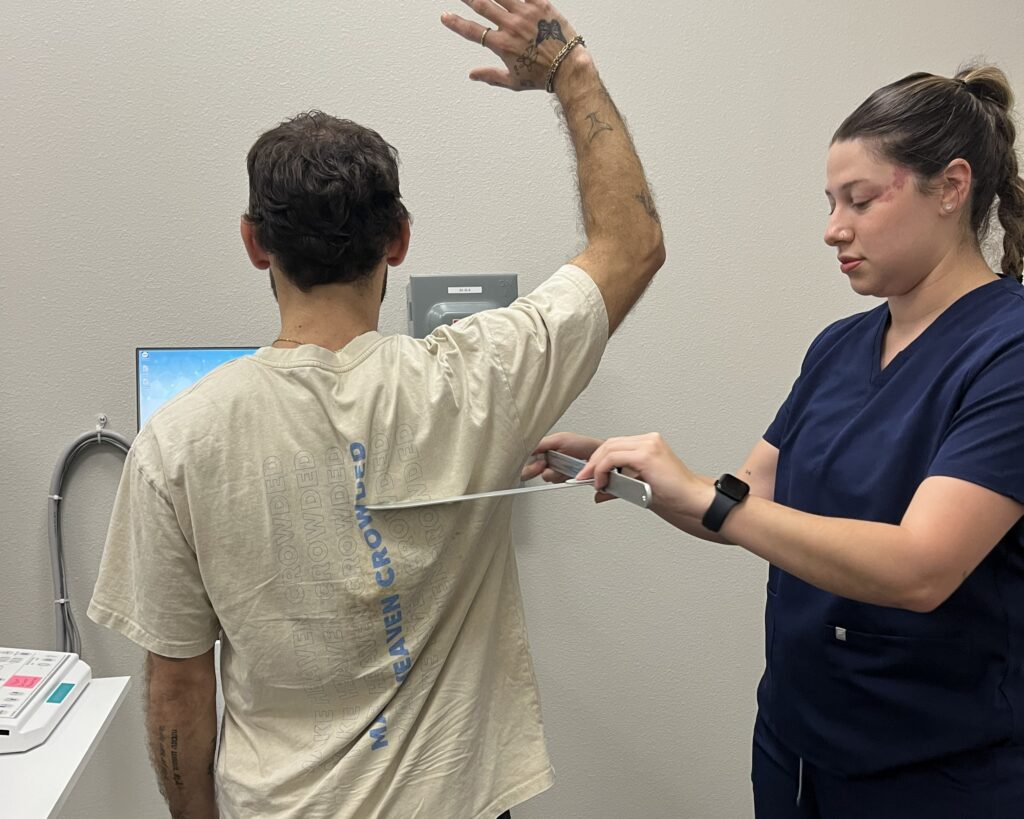

When headaches or migraines strike, finding effective relief can feel overwhelming. As a chiropractor, I want to share that natural remedies, combined with chiropractic care, can offer significant benefits. From soothing herbal teas to calming essential oils, there are numerous options to explore that not only help alleviate pain but also address underlying triggers related to spinal health.
Chiropractic care focuses on ensuring proper alignment of the spine, which can reduce tension in your neck and back, often contributors to headaches and migraines. By maintaining a healthy spine, you can promote better overall wellness and minimize headache occurrences.
Curious about how to integrate these methods into your routine? Here are some practical strategies:
- Stay Hydrated: Dehydration can trigger headaches. Make sure to drink plenty of water throughout the day.
- Practice Good Posture: Poor posture can lead to tension headaches. Pay attention to your sitting and standing habits, especially if you work at a desk.
- Regular Chiropractic Adjustments: Regular visits to a chiropractor can help maintain spinal alignment and relieve tension that contributes to headaches.
- Incorporate Relaxation Techniques: Stress is a common headache trigger. Techniques like deep breathing, meditation, or gentle yoga can help manage stress levels.
- Explore Natural Remedies: Consider drinking herbal teas like peppermint or ginger, which can provide soothing effects. You can also use essential oils like lavender for calming relief.
By adopting these strategies and prioritizing chiropractic care, you can take proactive steps towards managing headaches and migraines naturally. Remember, your spine plays a crucial role in your overall health, and maintaining its health can lead to a more comfortable and pain-free life.
Understanding Headaches and Migraines
When you experience a headache, it’s important to recognize that not all headaches are the same. They can arise from a variety of causes, and knowing the type you’re dealing with is key to finding relief.
Tension headaches are the most common and often result from stress or muscle strain. You may notice a dull, aching sensation, typically felt around your forehead or the back of your head.
In contrast, migraines are more intense and can come with symptoms like nausea and sensitivity to light or sound. If you frequently experience these symptoms, you might be facing migraines rather than regular headaches.
Less common, cluster headaches can be incredibly painful and usually occur in cycles, but they can be managed effectively.
Understanding the differences between these types of headaches can empower you to take the right steps towards relief. One of the most effective ways to address headaches—especially those caused by tension or muscle strain—is through chiropractic care. Chiropractors focus on spinal health and alignment, which can significantly reduce headache frequency and severity by alleviating tension in your neck and upper back.
In addition to seeking chiropractic adjustments, there are some general tips you can incorporate into your daily routine to help manage headaches naturally:
- Stay Hydrated: Drink plenty of water throughout the day, as dehydration can lead to headaches.
- Manage Stress: Engage in relaxation techniques such as deep breathing, meditation, or yoga to help reduce tension.
- Maintain Good Posture: Be mindful of your posture, especially when sitting for long periods. Poor posture can contribute to tension headaches.
- Get Regular Exercise: Regular physical activity can boost your overall health and help alleviate stress, which may reduce headache occurrences.
- Sleep Well: Ensure you’re getting enough restful sleep each night, as inadequate sleep can trigger headaches.
By understanding your headache type and incorporating these lifestyle tips, you can take proactive steps toward better health and wellness.
Herbal Teas for Pain Relief
When you’re seeking relief from headaches, herbal teas can be a comforting option, but it’s essential to remember that they should complement, not replace, chiropractic care for optimal wellness.
Chamomile tea is known for promoting relaxation and has anti-inflammatory properties that may help ease your pain. However, addressing the root cause of headaches through spinal adjustments can lead to more long-lasting relief.
Peppermint tea is another excellent choice, as it can invigorate your senses and alleviate tension. But again, it’s crucial to consider that regular chiropractic adjustments can help correct misalignments in the spine that may contribute to headaches.
In addition to enjoying herbal teas, here are some general tips for managing headaches:
- Stay hydrated: Dehydration can lead to headaches, so ensure you’re drinking enough water throughout the day.
- Maintain good posture: Poor posture can strain your neck and back, leading to tension headaches. Be mindful of your posture whether you’re sitting at a desk or using your phone.
- Practice stress-relief techniques: Incorporating deep breathing, meditation, or gentle stretching into your routine can help reduce stress, which is often a headache trigger.
Remember, while herbal teas can provide temporary relief, regular chiropractic care can help you achieve long-term health and wellness.
Chamomile Tea Benefits
Chamomile tea can be a wonderful, soothing option for those experiencing headaches, thanks to its calming and anti-inflammatory properties. As a chiropractor, I often emphasize the importance of managing stress and tension, which are common contributors to headaches. Sipping on chamomile tea may help you unwind, potentially easing the discomfort associated with headaches.
One of the key components of chamomile is a powerful antioxidant called apigenin, which can help reduce pain and promote relaxation. Incorporating chamomile tea into your evening routine couldn’t only alleviate headache symptoms but may also enhance your sleep quality. A good night’s sleep is vital for your body to recover and maintain optimal health.
Furthermore, it’s worth noting that digestive issues can sometimes lead to headaches. Chamomile tea can aid digestion, providing additional relief. As you explore natural remedies, consider pairing your chamomile tea with regular chiropractic adjustments. These adjustments can help alleviate tension in your body, support spinal health, and promote overall wellness.
For those looking to manage headaches naturally, here are a few tips to consider:
- Stay hydrated throughout the day, as dehydration can trigger headaches.
- Practice good posture to avoid unnecessary strain on your neck and spine.
- Incorporate gentle stretching or relaxation techniques into your daily routine.
- Create a calming evening ritual, perhaps including chamomile tea, to signal your body it’s time to wind down.
Peppermint Tea Effects
If you’re seeking relief from headaches, peppermint tea might be a wonderful herbal remedy to consider, but it’s important to remember that incorporating chiropractic care can significantly enhance your overall wellness and pain relief journey.
The menthol found in peppermint has soothing properties that may help relax tense muscles, which can contribute to headache relief. A warm cup of peppermint tea can also promote circulation, potentially aiding in reducing pain.
Moreover, the invigorating aroma of peppermint is known to have a calming effect, helping to alleviate the stress and tension that often accompany headaches. While enjoying a cup of peppermint tea—whether brewed from fresh leaves or convenient tea bags—remember that maintaining good spinal health is crucial for preventing headaches in the first place.
At the first sign of a headache, consider not only sipping on peppermint tea but also evaluating your posture and spinal alignment. Regular chiropractic adjustments can help maintain proper alignment, reducing the frequency and intensity of headaches.
It’s a holistic approach that addresses the root causes of pain rather than just masking symptoms. Additionally, staying hydrated is essential for overall health, and enjoying peppermint tea is a delightful way to do so.
Combine this with regular chiropractic care, and you’ll be on a solid path toward optimal health and wellness. Remember, your spine plays a vital role in your overall well-being—so take care of it!
Essential Oils to Soothe Symptoms
Essential oils can be a natural way to help ease headache symptoms, but it’s important to remember that the foundation of optimal health and pain relief starts with proper spinal care. As a chiropractor, I believe that addressing the root causes of headaches, such as tension from misalignments in the spine, can provide long-lasting relief.
While oils like lavender and peppermint can offer soothing benefits when used correctly, they should be considered as complementary to your overall wellness routine that includes regular chiropractic adjustments. These adjustments help to maintain proper alignment, reduce tension, and promote better overall health.
If you’re looking to combine the benefits of essential oils with chiropractic care, here are some tips:
- Consult with Your Chiropractor: Before trying essential oils, discuss your headaches with your chiropractor. They can help identify any spinal issues that may be contributing to your pain.
- Incorporate Essential Oils into Your Routine: Try diffusing lavender oil in your home to create a calming atmosphere, or apply diluted peppermint oil to your temples for a cooling sensation. Just remember, these should complement the care you receive from your chiropractor.
- Practice Good Posture: Maintaining proper posture can reduce tension in your neck and spine, which can help prevent headaches from occurring in the first place.
- Stay Hydrated: Sometimes headaches can be exacerbated by dehydration. Make sure you’re drinking plenty of water throughout the day to keep your body functioning optimally.
- Regular Chiropractic Visits: Make chiropractic care a regular part of your wellness routine. Regular adjustments can help keep your spine aligned and reduce the frequency and intensity of headaches.
By focusing on a holistic approach that includes chiropractic care and natural remedies like essential oils, you can work towards achieving optimal health and wellness.
Remember that your spine is the cornerstone of your health, and ensuring it’s in top shape can make a significant difference in how you feel.
Popular Essential Oils
When you’re dealing with a headache, turning to nature can be a great way to find relief. Essential oils can complement your wellness routine and support your journey to better health, especially when paired with chiropractic care.
Lavender oil is well-known for its calming properties and can help ease tension – just a few drops can make a difference. Peppermint oil, with its invigorating scent, can promote circulation and help alleviate headaches.
Eucalyptus oil provides a cooling sensation that may open up your sinuses, making it particularly effective for sinus-related headaches. Rosemary oil can also be useful as it helps reduce stress and boosts your mood, which is essential for overall wellbeing.
Lastly, chamomile oil is a gentle option that promotes relaxation in both mind and body, aiding in headache relief.
While these essential oils can provide comfort, remember that regular chiropractic adjustments can help address the root causes of headaches, such as spinal misalignments and tension in the neck.
By incorporating chiropractic care into your wellness routine, you can achieve optimal health and reduce the frequency of headaches.
Consider keeping these essential oils handy as part of your natural health toolkit, but don’t forget the importance of maintaining a healthy spine through chiropractic care.
Together, they can create a powerful approach to managing discomfort and enhancing your overall quality of life.
Application Techniques
There are several effective techniques for applying essential oils that can help alleviate headache symptoms naturally. As a chiropractor, I believe in the power of holistic approaches to health and wellness, which is why incorporating essential oils can be a beneficial addition to your routine alongside chiropractic care.
First, consider direct inhalation. Simply place a few drops of your chosen essential oil on a cotton ball and breathe deeply. This method can quickly provide relief and promote relaxation.
Another great option is topical application: dilute the essential oil with a carrier oil, such as coconut or almond oil, and gently massage it into your temples, neck, or wrists. This not only helps the oil absorb effectively but also encourages the release of tension in those areas.
Using a diffuser is another wonderful way to create a calming atmosphere in your home or office. The soothing aromas can enhance your overall mood and support relaxation, which is essential for maintaining a healthy spine and reducing headache occurrences.
Additionally, a warm or cold compress infused with essential oils can offer comfort and relief. Just make sure to choose oils known for their headache-relieving properties, such as lavender or peppermint.
Remember, while essential oils can provide relief, they work best when combined with regular chiropractic adjustments, which help align your spine and promote overall wellness.
Experiment with these methods to find what works best for you, and always prioritize maintaining a healthy spine for optimal health and pain relief.
Acupressure Techniques for Immediate Relief
If you’re looking for quick relief from a headache, acupressure techniques can be a great addition to your wellness routine. By applying pressure to specific points on your body, you can alleviate pain and tension naturally.
One key point to focus on is located between your thumb and index finger, known as LI4. Firmly press this spot for about 30 seconds while taking deep, calming breaths. This technique can help release tension not just in your head, but throughout your body.
Another effective point is found at the back of your head, where your skull meets your spine, called GB20. Gently using your thumbs to apply pressure here can provide instant relief from headaches and improve overall relaxation.
Additionally, there’s a helpful point on your wrist, about three finger widths below the base of your palm, known as PC6. Pressing this area can also assist in reducing headache symptoms.
As you work on these acupressure points, remember to maintain steady pressure and focus on deep breathing. Incorporating these techniques into your daily routine can be a simple, natural way to promote wellness and combat headaches.
While acupressure can be effective, consider also the benefits of chiropractic care for overall health. Regular chiropractic adjustments can help align your spine, improve your posture, and enhance your body’s natural ability to heal itself.
Dietary Changes to Prevent Headaches
When it comes to preventing headaches, what you eat and drink plays an essential role in your overall wellness and can complement the benefits of chiropractic care. Staying properly hydrated is crucial; dehydration can often lead to headaches, so be sure to drink plenty of water throughout the day.
Additionally, being mindful of certain trigger foods can help you avoid unnecessary discomfort. Some common headache triggers include aged cheeses, processed meats, and excessive caffeine. By keeping a food diary, you can identify any specific foods that may be contributing to your headaches. Making small dietary changes can greatly reduce the frequency and intensity of your headaches.
Incorporating more whole foods, such as fruits, vegetables, and whole grains, can also aid in preventing headaches. These foods provide essential nutrients that support your body’s natural healing processes.
Remember, a balanced diet not only benefits your overall health but also enhances the effectiveness of chiropractic care. Alongside these dietary changes, regular chiropractic adjustments can help align your spine, relieve tension, and improve your body’s overall function.
This holistic approach can be a powerful way to achieve optimal health and reduce headache occurrences. So, stay hydrated, be mindful of your food choices, and consider how chiropractic care can support your journey to a headache-free life. Your body will thank you!
Hydration and Headache Prevention
Staying properly hydrated is one of the simplest yet most effective dietary changes you can make to help prevent headaches. As a chiropractor, I can tell you that your body relies heavily on water for nearly every function, and dehydration can lead to tension and migraine headaches.
Aim to drink at least eight 8-ounce glasses of water each day, but keep in mind that your individual needs may vary based on your activity level, the climate you live in, and your overall health.
One way to monitor your hydration is by paying attention to your thirst cues and the color of your urine; a pale yellow color usually indicates good hydration. Incorporating hydrating foods like fruits and vegetables into your diet is another excellent way to maintain fluid balance. These foods not only provide hydration but also essential nutrients that support overall wellness.
Prioritizing hydration can significantly reduce your headache risk and enhance your overall well-being.
Trigger Foods to Avoid
Staying hydrated is essential for overall health and can play a significant role in preventing headaches. However, it’s equally important to pay attention to your diet, as certain foods can trigger migraines or tension headaches. By identifying and avoiding these potential culprits, you can help manage your discomfort more effectively.
Common headache triggers include aged cheeses, processed meats, and foods that contain monosodium glutamate (MSG). Alcohol, especially red wine, can also provoke headaches, along with caffeine, which may lead to withdrawal headaches if consumed in large amounts. Additionally, be cautious with artificial sweeteners like aspartame and certain types of nuts, which can cause discomfort for some individuals.
Keeping a food diary can be a helpful tool in pinpointing your specific triggers. By noting what you eat and how it affects your body, you can make informed choices that may reduce the frequency and intensity of your headaches.
In addition to dietary changes, remember that chiropractic care is a fantastic avenue for achieving optimal health and wellness. Regular chiropractic adjustments can help align your spine, alleviate muscle tension, and enhance your overall well-being—factors that contribute to headache relief.
Hydration and Its Impact on Headache Frequency
Hydration is crucial for maintaining your overall health and can significantly reduce the frequency of headaches. As a chiropractor, I often see patients who experience headaches due to mild dehydration, which can throw your body out of balance, leading to painful symptoms. It’s important to remember that something as simple as not drinking enough water can affect your well-being.
To help keep headaches at bay, aim for at least eight 8-ounce glasses of water each day, but feel free to adjust this based on how active you are and the climate you’re in. Keeping a water bottle with you can serve as a great reminder to sip throughout the day. If you find yourself active or in hot weather, be sure to increase your fluid intake to prevent dehydration.
Listen to your body! If you notice signs such as a dry mouth, fatigue, or dizziness, take action right away by hydrating. Staying well-hydrated not only helps reduce headaches but also promotes a clearer mind and improved focus.
In addition to hydration, consider incorporating regular chiropractic care into your wellness routine. Chiropractic adjustments can help align your spine and improve your nervous system function, which may also play a role in reducing headache frequency.
The Role of Magnesium in Headache Management
Magnesium plays a vital role in managing headaches, and as a chiropractor, I want to help you understand how this mineral can support your overall health and wellness. Magnesium is important for regulating neurotransmitters and ensuring your muscles function properly.
Research has shown that low levels of magnesium can contribute to headaches and migraines, so it’s essential to make sure you’re getting enough of this mineral in your diet. You can easily find magnesium in everyday foods like leafy greens, nuts, seeds, and whole grains.
If you’re someone who frequently experiences headaches, consider adding more magnesium-rich foods to your meals. It might also be a good idea to talk to your chiropractor about natural ways to boost your magnesium levels through diet or safe supplements.
In addition to focusing on magnesium, maintaining a balanced diet helps support your body in managing stress—one of the common triggers for headaches.
Remember, chiropractic care can also be a powerful tool in addressing the root causes of headaches, as it helps improve spinal alignment and overall body function.
For those seeking relief from headaches, prioritizing magnesium and exploring chiropractic care can be a simple yet effective approach. Always consult with your chiropractor or healthcare professional before making significant changes to your diet or health routine.
Together, we can work towards your optimal health and wellness!
Mindfulness and Relaxation Practices
Headaches often arise from stress and tension, and as a chiropractor, I believe that mindfulness and relaxation practices can be invaluable for relief. Incorporating these techniques can complement your chiropractic care and help you achieve optimal wellness.
Start by integrating deep breathing exercises into your daily routine. Simply inhale deeply through your nose, hold for a moment, and then exhale slowly through your mouth. This straightforward technique can help calm your mind and alleviate headache intensity, providing a natural way to manage discomfort.
Meditation is another fantastic practice to consider. Dedicate just a few minutes each day to sit quietly, focusing on your breath or a calming mantra. This can enhance your awareness and help clear mental clutter, which often contributes to headaches. A clear mind supports your spinal health and overall well-being.
Progressive muscle relaxation is also beneficial. Begin by tensing and then relaxing each muscle group in your body, starting from your toes and moving up to your head. This method helps release any built-up tension and complements the adjustments you receive during chiropractic sessions.
Lastly, create a peaceful environment at home. Soft lighting and soothing sounds can significantly enhance your relaxation experience, allowing your body to unwind fully. A calm space can also support the healing process that chiropractic care promotes.
Exercise and Its Benefits for Headache Prevention
Regular exercise is an important part of maintaining your overall wellness and can significantly contribute to preventing headaches. When integrated into your daily routine, physical activity helps reduce tension in your body, enhances circulation, and encourages the release of endorphins—natural chemicals that help alleviate pain.
Whether it’s going for a brisk walk, practicing yoga, or riding a bike, find an activity that you enjoy and make it a regular part of your life. Exercise not only uplifts your mood but also aids in managing stress, which is a common trigger for headaches. Aim for at least 30 minutes of moderate exercise most days of the week.
Remember, you don’t have to push yourself too hard; even light stretching can have positive effects on your body and help prevent headaches. Staying hydrated during your workouts is crucial, as dehydration can lead to headaches as well.
Be mindful of your body’s signals; if you notice that certain exercises seem to trigger your headaches, it’s essential to adjust your routine. By making exercise a consistent habit, you can help reduce the frequency and intensity of headaches.
As a chiropractor, I highly recommend incorporating regular physical activity alongside chiropractic care for optimal health. Chiropractic adjustments can help improve your spinal health, which plays a vital role in your overall well-being.
Together, exercise and chiropractic care can promote a natural approach to pain relief and enhance your quality of life. Always listen to your body and work with your chiropractor to find the best plan for you.
Sleep Hygiene for Reducing Migraine Triggers
Getting enough quality sleep is crucial for managing headaches, including migraines. As a chiropractor, I want to emphasize that proper sleep hygiene can significantly impact your overall well-being and help reduce migraine triggers. Here are some simple yet effective tips to improve your sleep and support your health naturally.
First, establish a consistent sleep schedule by going to bed and waking up at the same time every day. This helps regulate your body’s internal clock, which is essential for restful sleep. Creating a calming bedtime routine can also make a big difference. Activities such as reading a book, practicing relaxation techniques, or gentle stretches can help you unwind before sleep.
Your sleep environment plays a significant role in how well you rest. Make sure your bedroom is dark, quiet, and kept at a comfortable, cool temperature. This can help promote deeper sleep. It’s also wise to limit screen time before bed. The blue light emitted from phones, tablets, and computers can disrupt melatonin production, making it harder to fall asleep.
Be mindful of your caffeine and alcohol intake, especially in the evening. Both substances can interfere with your sleep quality and may trigger migraines. If you find it hard to fall asleep, rather than tossing and turning, try getting up and doing a quiet activity until you feel sleepy again. This could be a great time to practice some gentle stretching or relaxation techniques that I often recommend in my chiropractic practice.
By prioritizing good sleep hygiene, you’ll not only reduce your migraine triggers but also enhance your overall health. Remember, chiropractic care is an excellent way to support your body’s natural healing process and can play a significant role in your journey towards optimal health.
Take these tips to heart, and consider how regular chiropractic adjustments can help you maintain a balanced nervous system, which is vital for restful sleep and overall wellness.
Conclusion
Incorporating natural remedies into your daily routine can significantly alleviate headaches and migraines, and chiropractic care plays a vital role in this journey to wellness. By addressing spinal alignment and tension, chiropractic adjustments can help reduce the frequency and intensity of headaches.
In addition to chiropractic treatment, consider exploring herbal teas, essential oils like peppermint or lavender, and mindfulness practices such as meditation or deep breathing exercises. These approaches not only promote relaxation but also support your body’s natural healing processes.
Hydration is crucial, so make sure you’re drinking enough water throughout the day. Eating a balanced diet rich in whole foods can also help minimize headaches. Don’t underestimate the power of good sleep hygiene—maintaining a regular sleep schedule and creating a restful sleeping environment can significantly improve your overall health.
Prioritizing these strategies alongside regular chiropractic care can enhance your well-being and lead to a more headache-free life. Remember, paying attention to your body and identifying what works best for you is essential for effective management. Embrace the journey toward natural wellness, and consider how chiropractic care can be a cornerstone of your overall health strategy.