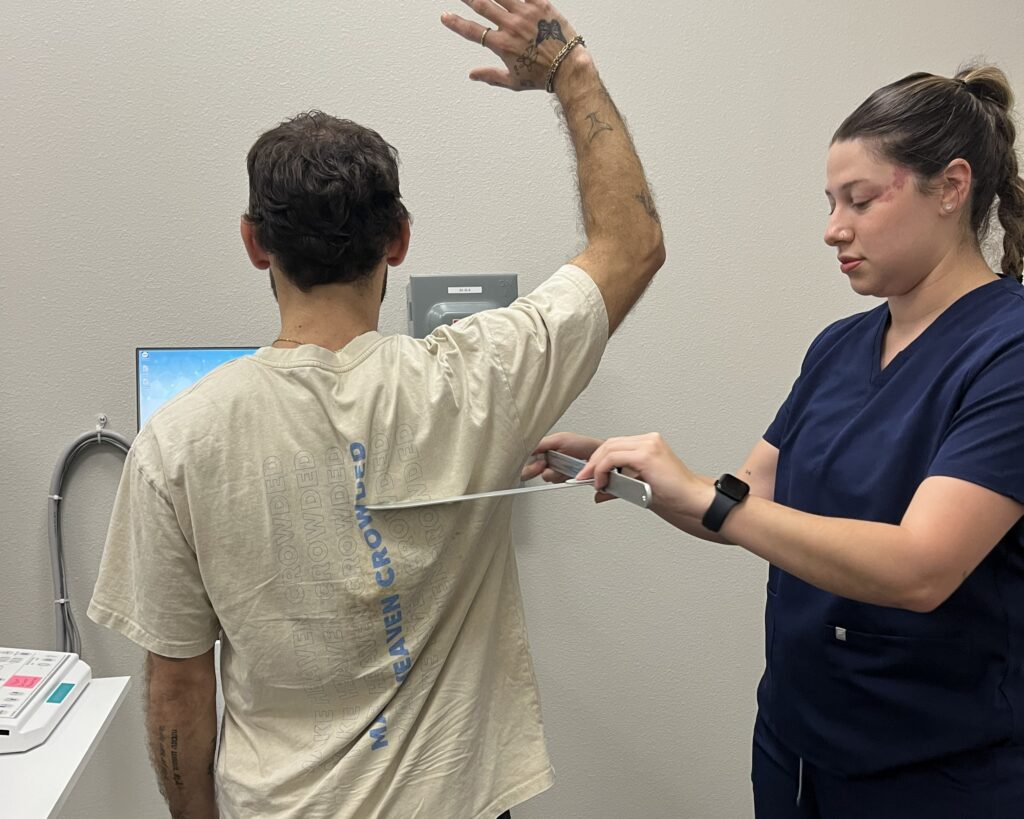

Managing headaches effectively without relying on medication can truly transform your quality of life. As a chiropractor, I believe that making simple lifestyle changes and exploring natural therapies can significantly reduce the frequency and intensity of headaches. One of the most important steps is to understand your personal triggers—whether it’s stress, poor posture, or dietary choices—and address them head-on.
Chiropractic care can play a crucial role in headache management. By focusing on spinal health and alignment, we can help alleviate tension that may be contributing to your headaches. Regular chiropractic adjustments not only promote better posture but also enhance the communication between your brain and body, paving the way for improved overall well-being.
Incorporating relaxation techniques, such as deep breathing exercises, gentle stretching, and mindfulness practices, can also be incredibly beneficial. These methods not only help you manage stress but can also work in conjunction with chiropractic care to provide lasting relief.
If you’re curious about how to fit these strategies into your daily routine, consider scheduling regular chiropractic visits to ensure your spine is aligned and healthy. Alongside this, remember to stay hydrated, maintain a balanced diet, and prioritize sleep. All of these factors can contribute to reducing the intensity of headaches.
Taking control of your headache management is within reach. With a focus on natural healing, lifestyle adjustments, and the benefits of chiropractic care, you can pave the way for a healthier, headache-free life.
Key Takeaways
- Regular chiropractic adjustments play a vital role in aligning the spine, relieving tension, and ultimately reducing the frequency and intensity of headaches. By addressing the root cause through spinal health, many patients experience significant relief from their headache symptoms.
- Incorporating stress management techniques, such as mindfulness and deep breathing, can be beneficial in minimizing headache triggers. Chiropractic care can also support your journey to a more relaxed state by ensuring your body is functioning optimally.
- Staying hydrated is essential for overall health and can help prevent headaches related to dehydration. Aim to drink at least 8 glasses of water daily to keep your body well-hydrated and promote better wellness.
- Keeping a food diary can be a useful tool in identifying potential trigger foods that may contribute to your headaches. By knowing what to avoid, you can take proactive steps towards reducing headache occurrences.
- Engaging in consistent physical activity, such as yoga or walking, not only helps release muscle tension but is also a great way to boost your overall well-being. Chiropractic care can enhance your physical activity by ensuring your body is aligned and moving freely, further supporting your health journey.
By prioritizing chiropractic care and these natural methods, you can take control of your headache management and work towards a healthier, pain-free life.
Understanding the Different Types of Headaches
When you experience a headache, it’s important to recognize that not all headaches are the same. Each type has its own triggers and symptoms, which can help you determine the best approach to manage them.
Tension headaches, for example, often feel like a tight band around your head and are usually caused by stress or poor posture. Chiropractic care can be particularly effective for tension headaches, as spinal adjustments can help relieve tension in the neck and shoulders, promoting better posture and reducing stress.
Migraines, on the other hand, can bring on intense throbbing pain, often accompanied by nausea and sensitivity to light. While these can be debilitating, chiropractic adjustments may help alleviate the frequency and severity of migraines by addressing spinal misalignments that can contribute to headache triggers.
Cluster headaches are another distinct type, known for striking suddenly and causing severe pain around one eye. These often occur in cycles and can be very distressing. Chiropractic care may assist in managing the pain and discomfort associated with cluster headaches by improving overall spinal health and reducing nerve irritation.
Sinus headaches are typically linked to sinus infections and present with facial pressure. Keeping your spine aligned can support your overall wellness, including proper sinus function. Chiropractic techniques can help improve drainage and reduce sinus pressure.
By understanding the different types of headaches, you can take steps towards effective relief. Incorporating regular chiropractic care into your wellness routine may provide significant benefits for headache management.
Additionally, consider general tips like maintaining good posture, staying hydrated, managing stress through relaxation techniques, and ensuring you get enough sleep. These simple lifestyle adjustments can make a big difference in your overall health and well-being.
Lifestyle Changes for Headache Prevention
To effectively prevent headaches and promote overall wellness, consider making a few simple lifestyle adjustments that can significantly enhance your quality of life. One of the most important factors is prioritizing sleep; aim for seven to nine hours each night. Quality sleep allows your body to recover, reduces stress, and can help alleviate headache triggers.
Incorporating regular physical activity into your routine is also key. Engaging in activities like walking, yoga, or swimming can’t only keep your body moving but also help release muscle tension that may contribute to headaches.
Remember, a well-aligned spine plays a crucial role in your body’s function, so regular chiropractic adjustments can ensure that your spine is in optimal condition, supporting your overall health.
Staying hydrated is essential for preventing headaches, so be sure to drink plenty of water throughout the day. Dehydration can often lead to headaches, so keep a water bottle handy to remind yourself to sip regularly.
Managing stress is another vital component. Techniques such as mindfulness, meditation, or deep-breathing exercises can help you remain calm and focused, which is crucial for headache prevention.
Incorporating chiropractic care into your routine can also help manage stress by alleviating tension in your body and promoting relaxation.
Finally, establishing a consistent daily routine with set times for work and relaxation can create a sense of balance in your life. This structure can help you manage stress more effectively and contribute to overall wellness.
By making these adjustments and incorporating chiropractic care into your health regimen, you can’t only reduce the frequency of headaches but also enhance your overall health and well-being.
Dietary Adjustments to Reduce Headaches
Staying hydrated is crucial for preventing headaches, so be sure to drink plenty of water throughout your day. Proper hydration not only supports your overall health but also helps maintain the balance in your body that can prevent discomfort.
In addition to staying hydrated, it’s important to pay attention to potential trigger foods that may lead to headaches. Identifying and avoiding these foods can be a simple yet effective way to manage your pain naturally.
Incorporating a healthy diet that supports your body can enhance your overall wellness, but don’t forget that chiropractic care is also a vital part of achieving optimal health. Regular chiropractic adjustments can help align your spine, improve your nervous system function, and ultimately reduce the frequency and intensity of headaches.
Consider these general tips to enhance your well-being:
- Stay Hydrated: Aim for at least 8 glasses of water daily.
- Identify Trigger Foods: Keep a food diary to help pinpoint any foods that may lead to headaches.
- Regular Chiropractic Visits: Schedule routine adjustments to maintain spinal health and alleviate tension.
- Practice Stress Relief Techniques: Incorporate relaxation methods like deep breathing, yoga, or meditation into your daily routine.
- Maintain Good Posture: Pay attention to your posture, especially when sitting for long periods, as this can affect your spinal health.
Hydration and Headache Prevention
Hydration is a key player in maintaining overall wellness and preventing headaches, which can often be linked to dehydration. As a chiropractor, I believe that simple lifestyle adjustments can significantly improve your health and help you avoid discomfort. Here are some straightforward tips to ensure you stay well-hydrated and promote your body’s natural healing abilities:
- Drink Water Regularly: Aim for at least 8 glasses of water daily. Your body needs this to function optimally, especially if you’re active or live in a warmer climate. Keeping a water bottle handy can serve as a great reminder to sip throughout the day.
- Monitor Your Urine: Pay attention to the color of your urine. A light yellow hue usually indicates that you’re well-hydrated, while darker urine may suggest that you need to drink more fluids. This simple check can help you stay on track.
- Incorporate Hydrating Foods: Add water-rich fruits and vegetables to your meals. Foods like cucumbers, watermelon, and oranges not only hydrate you but are also packed with nutrients that support your overall health and spinal wellness.
- Limit Caffeine and Alcohol: While these drinks can be enjoyable, they may lead to dehydration. It’s best to consume them in moderation and balance them with plenty of water to keep your body hydrated.
By prioritizing hydration, you’re not just preventing headaches; you’re also supporting your spine and overall health.
Trigger Foods to Avoid
As a chiropractor, I understand the importance of identifying and avoiding trigger foods, as they can play a significant role in reducing the frequency and intensity of headaches. Many individuals find that certain foods can contribute to their discomfort, and being mindful of these can enhance your overall well-being.
Common trigger foods to watch out for include aged cheeses, processed meats, and fermented products, which often contain tyramine. Additionally, artificial sweeteners, caffeine, and alcohol can lead to headache flare-ups. Keeping a food diary can be a helpful tool in tracking what you eat and when headaches occur; this can assist in identifying your personal triggers.
It’s also wise to be cautious about foods high in MSG and nitrates, as these can contribute to headaches. Instead, focusing on a diet rich in whole foods, fruits, and vegetables can promote better health overall. Not only can these dietary adjustments aid in headache management, but they can also improve your quality of life.
Incorporating chiropractic care into your routine can also be a powerful way to achieve optimal health. Regular adjustments can help align your spine, alleviate tension, and reduce pain, contributing to an overall sense of well-being.
The Role of Hydration in Headache Management
When it comes to managing headaches, maintaining proper hydration is crucial for your overall health and well-being. As a chiropractor, I often see how dehydration can contribute to discomfort, including headaches. Understanding how much water you need each day is essential for preventing these painful episodes.
Here are some simple hydration tips that can help you find relief and support your journey toward optimal health.
- Drink Water Regularly: Aim to drink water throughout the day rather than chugging large amounts at once. Keeping a water bottle handy can remind you to sip regularly.
- Listen to Your Body: Pay attention to your thirst cues. If you’re feeling thirsty, it’s a sign that your body needs hydration. Additionally, signs like dry mouth or fatigue can indicate you need more water.
- Incorporate Hydrating Foods: Many fruits and vegetables have high water content. Foods like cucumbers, watermelon, and oranges can help you stay hydrated while providing essential nutrients that support your overall wellness.
- Limit Dehydrating Beverages: Caffeine and alcohol can contribute to dehydration. While it’s okay to enjoy these in moderation, be sure to balance them with plenty of water.
- Consider Your Activity Level: If you’re exercising or spending time in hot weather, your body will require more water. Make sure to increase your intake during these times to support your body’s needs.
- Chiropractic Care for Headaches: In addition to staying hydrated, consider the role of chiropractic care in managing headaches. Regular adjustments can help align your spine, reduce tension, and improve overall function, which may alleviate headache symptoms naturally.
By focusing on hydration and incorporating these tips into your daily routine, you can help reduce the frequency and intensity of headaches.
Importance of Water Intake
Staying hydrated is crucial for managing headaches naturally, as even mild dehydration can lead to discomfort and intensify existing pain. Here are some simple tips to help you ensure you’re drinking enough water, which can complement your chiropractic care for optimal health:
- Set a Daily Water Goal: Aim for at least 8 glasses of water each day. Depending on your activity level and the climate you live in, you may need to adjust this amount. Staying well-hydrated supports your spine and overall health.
- Keep a Water Bottle Handy: Having a water bottle with you makes it easier to sip throughout the day. This small habit can help maintain hydration levels and can be part of your wellness routine alongside chiropractic adjustments.
- Make Your Water Exciting: Infuse your water with fruits or herbs. This not only adds flavor but also encourages you to drink more, making it a delightful part of your day that supports your body’s natural healing processes.
- Check Your Hydration Status: Pay attention to the color of your urine. A light, pale yellow typically indicates good hydration, while darker urine may suggest you need to drink more. Proper hydration can enhance the effectiveness of your chiropractic care by ensuring your body is functioning optimally.
By incorporating these hydration tips into your daily routine, you can support your body’s natural healing abilities and enhance the benefits of chiropractic care.
Dehydration and Headache Connection
Many people underestimate how dehydration can contribute to headaches. When you’re not drinking enough water, your brain can actually shrink a bit due to fluid loss, which can trigger pain receptors and lead to tension and migraine headaches. It’s important to stay hydrated throughout the day because even mild dehydration can cause discomfort. You might experience symptoms like fatigue, irritability, and difficulty concentrating alongside headaches, and these can worsen with dehydration.
As a chiropractor, I want to emphasize the importance of hydration not just for headache relief but for overall wellness. Recognizing the signs of dehydration is crucial, and by staying proactive, you can help prevent headaches before they even start.
Here are some simple tips to keep your hydration levels up:
- Set a Schedule: Make a habit of drinking water at regular intervals throughout the day.
- Infuse Your Water: If plain water doesn’t excite you, try adding slices of fruit or herbs for flavor.
- Eat Hydrating Foods: Incorporate fruits and vegetables with high water content, like cucumbers, oranges, and strawberries, into your diet.
- Carry a Water Bottle: Keeping a reusable water bottle with you can serve as a reminder to drink more often.
Chiropractic care is an excellent choice for managing headaches and improving your overall health. It focuses on natural healing and aligning your spine, which can enhance your body’s ability to function optimally.
Hydration Tips for Relief
Hydration plays a vital role in overall wellness and can significantly impact headache management. As a chiropractor, I believe that maintaining proper hydration not only supports your body’s natural healing processes but also contributes to optimal spinal health.
Here are four practical hydration tips that can help you feel your best:
- Drink Water Regularly: Aim for at least 8 cups (64 ounces) of water daily. This is especially important if you’re active or live in a warm climate. Keeping your body well-hydrated supports brain function and helps prevent headaches, allowing you to maintain your focus and well-being.
- Electrolyte Balance: Consider incorporating beverages that contain electrolytes, particularly after physical activities or if you’ve been sweating. Electrolytes help maintain fluid balance in your body, which is essential for proper function and can aid in relieving tension in the muscles around your spine.
- Set Reminders: It can be easy to forget to drink enough water throughout the day. Use your phone or specific apps to set reminders to drink water regularly. This small habit can make a big difference in how you feel and can complement your chiropractic care by ensuring your body is well-hydrated and ready to heal.
- Eat Hydrating Foods: Incorporate fruits and vegetables with high water content into your diet. Options like cucumbers, watermelon, and oranges not only hydrate you but also provide essential nutrients that support overall health. A well-nourished body is better equipped to maintain spinal health and overall wellness.
By following these hydration tips, you can enhance your body’s natural healing abilities and support your journey toward optimal health.
Alternative Therapies: Acupuncture and Chiropractic Care
Have you ever thought about how chiropractic care can revolutionize your approach to managing headaches? This natural therapy offers fantastic benefits that can alleviate your pain without relying on medication.
Chiropractic care focuses on the alignment of your spine, which plays a crucial role in your overall health. Misalignments can lead to tension and pressure that contribute to headache pain. By gently adjusting your spine and neck, a chiropractor can improve circulation and relieve pressure on nerves, helping to reduce those nagging headaches.
Many of my patients experience significant relief after just a few sessions, and some even notice improvements in their overall well-being. Chiropractic care takes a holistic approach, addressing the root causes of headaches rather than merely masking the symptoms. It promotes natural healing, encouraging your body to function at its best.
If you’re seeking a drug-free solution to headaches, chiropractic care could be the answer you’ve been looking for.
In addition to regular chiropractic adjustments, here are some simple tips to help manage your headaches:
- Stay Hydrated: Dehydration can lead to headaches, so make sure you’re drinking plenty of water throughout the day.
- Practice Good Posture: Maintaining proper posture, especially while sitting at a desk, can help prevent tension that leads to headaches.
- Incorporate Stretching: Gentle neck and shoulder stretches can relieve tension and improve flexibility, reducing the likelihood of headaches.
- Manage Stress: Techniques such as deep breathing, meditation, or yoga can help lower stress levels, which may trigger headaches.
Always consult with a healthcare professional before starting any new treatment to ensure it’s right for you. Embracing chiropractic care might be the key to achieving a more balanced, pain-free life.
Relaxation Techniques to Ease Headache Pain
Chiropractic care is a powerful approach to alleviating headache pain, but incorporating relaxation techniques can enhance your journey to wellness. By integrating these simple methods into your daily routine, you can significantly reduce the frequency and intensity of headaches.
Here are four effective relaxation techniques that complement chiropractic treatment:
- Deep Breathing: Take a moment to focus on your breath. Inhale deeply for a count of four, hold it for four, and then exhale for four. This technique calms your nervous system and can help ease tension that may contribute to headaches.
- Progressive Muscle Relaxation: This technique involves tensing each muscle group in your body, starting from your toes and moving up to your head, and then relaxing them. It’s a great way to release tension accumulated in your body, which can be beneficial for those prone to headaches.
- Guided Imagery: Picture a serene place, like a tranquil beach or a peaceful forest. This mental escape can help divert your attention away from headache pain and promote relaxation, making it a valuable tool alongside chiropractic adjustments.
- Meditation: Spend just a few minutes in a quiet space, focusing on your breath. This practice reduces stress and fosters a deep sense of calm, supporting your overall health and well-being.
While these relaxation techniques are helpful, remember that chiropractic care addresses the root causes of headaches by ensuring that your spine is aligned and your nervous system is functioning optimally.
The Importance of Sleep and Rest
While managing headache pain through various techniques, it’s essential not to underestimate the vital role of sleep and rest in achieving optimal health. Quality sleep can significantly reduce the frequency and intensity of headaches, allowing your body the necessary time to heal and recharge. When you’re well-rested, your body’s ability to handle pain increases, making it easier to cope with discomfort.
To promote better sleep, aim for a consistent sleep schedule by going to bed and waking up at the same time each day. Establishing a calming bedtime routine can help set the stage for restorative sleep. Creating a sleep-friendly environment—keeping your bedroom dark, quiet, and cool—can enhance relaxation and improve the quality of your rest.
If you find it difficult to fall asleep, consider incorporating gentle stretches or deep breathing exercises into your routine to unwind and prepare your body for rest. Remember, rest isn’t limited to just sleep; taking short breaks throughout the day can help alleviate fatigue and muscle tension, which are often triggers for headaches.
In addition to focusing on sleep, regular chiropractic care can play a crucial role in your overall wellness and headache management. By addressing spinal misalignments and promoting proper nerve function, chiropractic adjustments can help reduce headache frequency and intensity.
Prioritizing rest, sleep, and chiropractic care can create a solid foundation for better headache management and enhanced well-being. Your journey to a healthier, pain-free life can start with these simple yet effective practices.
Stress Management Strategies for Headache Relief
As a local chiropractor, I understand that stress can be a major trigger for headaches. By effectively managing stress, you can significantly reduce the frequency and intensity of your headaches. Here are four simple strategies to help you naturally alleviate stress, improve your overall wellness, and support your journey toward optimal health:
1. Practice Mindfulness: Take a few minutes each day to focus on your breath or engage in meditation. This practice can help calm your mind and body, promoting relaxation and reducing tension that may contribute to headaches.
2. Stay Active: Incorporating regular physical activity into your routine can be incredibly beneficial. Whether it’s a brisk walk, yoga, or stretching, movement releases endorphins that elevate your mood and help alleviate stress.
Plus, maintaining a healthy spine through exercise can enhance your overall well-being.
3. Create a Balanced Routine: Establishing a daily schedule that includes dedicated time for work, relaxation, and self-care can greatly reduce stressors in your life. This structure helps you manage your time effectively and ensures you’re prioritizing your health and wellness.
4. Build Connections: Don’t underestimate the power of talking with friends or family. Sharing your feelings and experiences can provide support and new perspectives, making it easier to handle stress.
Strong social connections contribute to better mental health and, in turn, can help alleviate headache symptoms.
Remember, chiropractic care is a natural and effective approach to enhancing your overall health. By addressing the physical aspects of stress and tension in your spine and nervous system, chiropractic adjustments can help you achieve a better state of wellness.
Embrace these strategies alongside regular chiropractic visits to support your journey to a pain-free life.
When to Seek Professional Help for Headaches
Managing stress effectively can greatly reduce the frequency and intensity of headaches, but there are times when you may need a helping hand. If your headaches continue even after trying various home remedies, it may be time to consider a more holistic approach, such as chiropractic care.
Chiropractors specialize in the musculoskeletal system and can help identify any underlying issues that may be contributing to your headaches. If you experience severe, sudden headaches or if your headaches are accompanied by symptoms like vision changes, weakness, or confusion, it’s crucial to seek professional assistance.
Additionally, if your headaches begin to interfere with your daily life or become more frequent, don’t hesitate to consult a chiropractor.
A chiropractic assessment can provide insights into your body’s alignment and overall health, which can be key in understanding your headache triggers. Keeping a headache diary can be a helpful tool. By noting when your headaches occur and any potential triggers, you can provide valuable information to your chiropractor, who can then tailor a treatment plan specific to your needs.
Embracing chiropractic care not only addresses headaches but can also enhance your overall well-being. Remember, taking proactive steps towards your health is a form of self-care.
Conclusion
Incorporating drug-free solutions into your headache management can lead to lasting relief, and chiropractic care is at the forefront of these approaches. By making simple lifestyle changes, staying well-hydrated, and seeking chiropractic adjustments, you can significantly reduce both the frequency and intensity of headaches.
Chiropractic care focuses on aligning your spine and improving your overall nervous system function, which can help alleviate tension and stress that often lead to headaches. Along with regular adjustments, don’t forget to practice relaxation techniques such as deep breathing or gentle yoga, and prioritize quality sleep to support your overall wellness.
Additionally, consider incorporating some daily habits like maintaining good posture, taking regular breaks from screens, and engaging in light physical activity to keep your body and mind in balance. If headaches persist, it’s crucial to consult with a chiropractic professional who can provide personalized care tailored to your needs. Embrace these strategies, and take control of your health for a headache-free life with the power of chiropractic care!