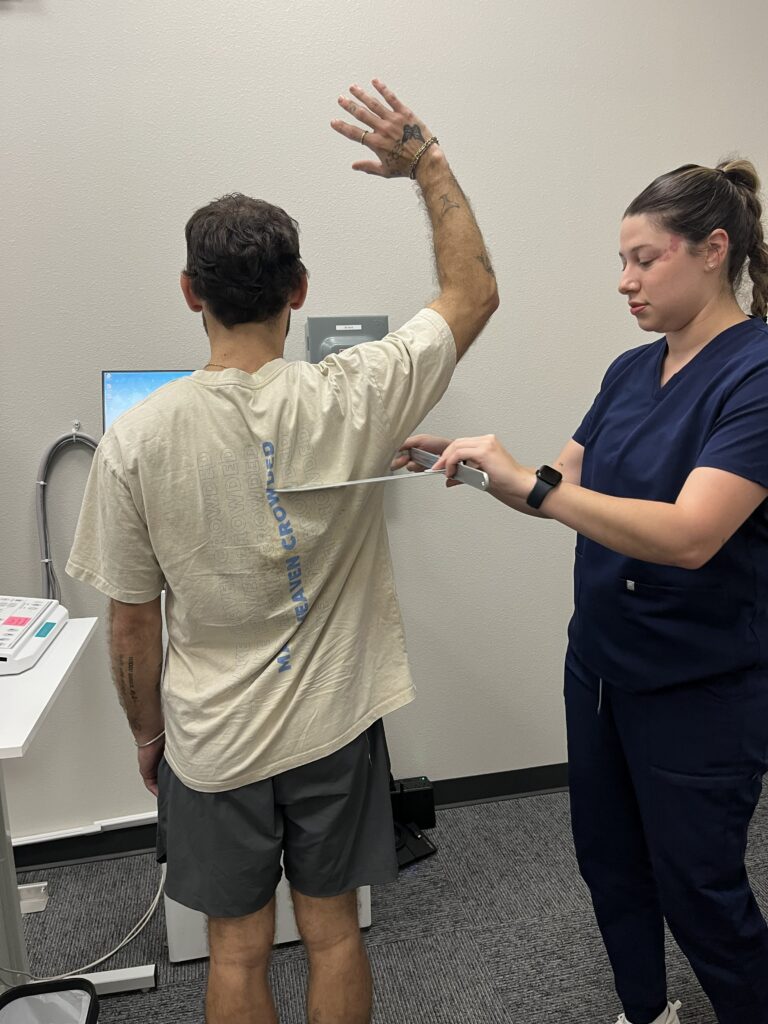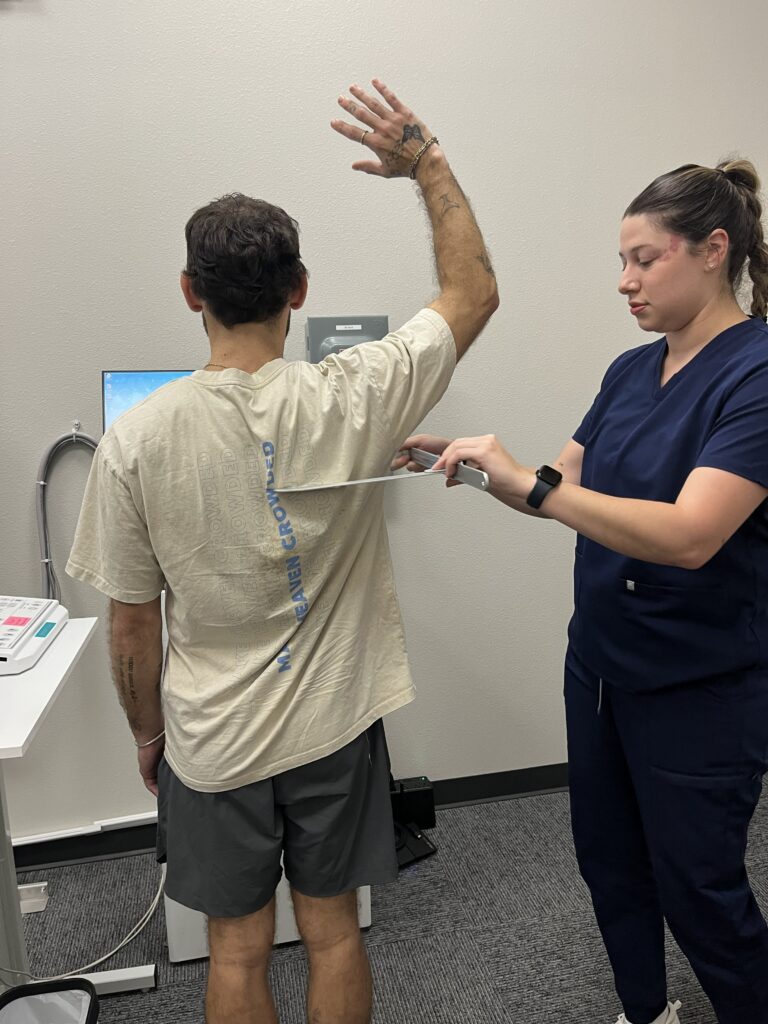

If you’re dealing with tension headaches, chiropractic adjustments can be a powerful tool to help you find relief. These adjustments work to realign your spine and reduce muscle tension, addressing the underlying issues that contribute to your discomfort. But managing tension headaches effectively goes beyond just adjustments; it involves understanding your triggers and embracing a holistic approach to health and wellness.
As a chiropractor, I believe that spinal health is foundational to overall well-being. By maintaining proper spinal alignment, you can alleviate not only headaches but also improve your overall quality of life. Regular chiropractic care can help keep your spine in check, making it easier for your body to function at its best.
In addition to chiropractic adjustments, here are some practical tips to help you manage tension headaches:
- Stay Hydrated: Dehydration can lead to headaches, so make sure you’re drinking plenty of water throughout the day.
- Practice Good Posture: Whether you’re sitting at a desk or on the couch, maintaining good posture can help reduce strain on your neck and shoulders.
- Take Breaks: If you work at a computer, take regular breaks to stretch and move around, which can help relieve built-up tension in your muscles.
- Manage Stress: Incorporate relaxation techniques such as deep breathing, meditation, or yoga into your daily routine to help reduce stress levels.
- Get Enough Sleep: Prioritize restful sleep, as lack of sleep can trigger headaches. Aim for a consistent sleep schedule.
By combining these tips with regular chiropractic care, you can create a comprehensive strategy for lasting relief from tension headaches. Remember, your health is a journey, and chiropractic care is here to support you every step of the way. If you’re ready to take charge of your health and experience natural, effective pain relief, consider speaking with a chiropractor to explore your options.
Key Takeaways
Ease Tension Headaches With Effective Chiropractic Care
- Regular chiropractic adjustments are a powerful way to realign your spine, which can significantly reduce muscle tension and alleviate the discomfort associated with tension headaches. By visiting your chiropractor, you can receive personalized care that targets the root causes of your headaches.
- To enhance your relaxation and stress relief, consider incorporating deep breathing exercises and mindfulness practices into your routine. These practices can work hand-in-hand with chiropractic care to help you achieve a greater sense of well-being.
- It’s important to maintain proper posture during your daily activities. Good posture minimizes strain on your neck and shoulders, helping to prevent tension headaches from occurring. Your chiropractor can provide guidance on how to sit, stand, and move in ways that support your spine and overall health.
- Regular physical activity is not just good for your body; it also boosts endorphins, which are your body’s natural pain relievers. Exercise can help reduce stress and improve your overall health, ultimately leading to fewer headaches. Make it a goal to engage in activities you enjoy to keep you motivated.
- Don’t forget the importance of staying hydrated! Dehydration can trigger tension headaches, so it’s essential to drink plenty of water throughout the day. Keeping your body well-hydrated supports overall health and can help you feel your best.
By prioritizing chiropractic care and adopting these healthy habits, you can take proactive steps towards minimizing tension headaches and enhancing your overall wellness. Your journey to optimal health starts here!
Understanding Tension Headaches
Tension headaches can feel like a tight band of pressure around your head, often causing discomfort at the back of your skull or above your eyes. This can make it tough to focus on tasks, and the headaches can last anywhere from 30 minutes to several days, with varying intensity.
Unlike migraines, tension headaches generally don’t involve nausea or vomiting, but they can still significantly impact your daily life.
As a chiropractor, I want to share that stress, poor posture, and muscle tension are often key contributors to these headaches. When you’re feeling stressed or sitting for long periods, your body can react with tension headaches. One effective way to manage and reduce the frequency of these headaches is to keep track of your daily habits—this can help you identify when and why they occur.
Incorporating some simple adjustments into your routine can be beneficial. For instance, practicing good posture while sitting and standing can help relieve muscle tension. Regular stretching and gentle exercises can also promote better spinal alignment and reduce stress.
Additionally, techniques such as deep breathing or mindfulness can be effective in managing stress levels.
Chiropractic care focuses on improving spinal health and overall wellness, which can play a crucial role in alleviating tension headaches. By addressing the root causes of the discomfort and promoting optimal function of your nervous system, chiropractic adjustments can provide relief and help prevent future episodes.
Identifying Triggers and Symptoms
Have you ever noticed that certain situations seem to spark your headaches? Identifying these triggers is a crucial step in managing tension headaches and ensuring your overall well-being. As a chiropractor, I often see how factors like stress, inadequate sleep, dehydration, and prolonged screen time can lead to discomfort.
It’s important to pay attention to when your headaches occur. Do they tend to happen after a stressful day at work or after staying up late?
Consider also the symptoms that may accompany your headaches, such as neck stiffness or sensitivity to light. These signs can offer valuable insights into the root cause of your headaches. Keeping a headache diary can be a helpful tool to track when and why your headaches occur, allowing you to identify patterns and triggers more effectively.
You might find that specific foods or environmental factors, like bright lights or loud noises, play a role in your discomfort.
Recognizing these triggers and symptoms is empowering, as it allows you to take proactive steps to alleviate their impact. Regular chiropractic adjustments can help address tension in your spine and neck, which often contributes to headache pain.
Additionally, practicing good hydration, ensuring you get restful sleep, and managing stress through relaxation techniques can significantly benefit your health. By focusing on these natural methods, you can reduce the frequency and severity of tension headaches, promoting a healthier, pain-free lifestyle.
Importance of Proper Posture
As a local chiropractor, I want to emphasize the significant role that proper posture plays in maintaining your overall health and well-being, particularly in preventing tension headaches.
Many people are unaware that the way they sit or stand can have a profound impact on their bodies. When you slouch or hunch over, you create unnecessary strain on your neck and shoulders, leading to muscle tension and discomfort that can trigger headaches.
By practicing good posture—sitting and standing up straight—you help align your spine, which reduces pressure on your muscles and nerves. This alignment is crucial for preventing headaches and promoting overall wellness.
Here are some simple tips to improve your posture throughout the day:
- Be Mindful of Your Alignment: Whether you’re at your desk or using your phone, consciously keep your shoulders back and your head aligned with your spine. This simple adjustment can make a world of difference.
- Optimize Your Workspace: Ensure that your screen is at eye level to avoid leaning forward or looking down, which can strain your neck. An ergonomic setup can help maintain proper alignment.
- Take Breaks: Regularly stand up, stretch, and move around to relieve muscle tension. This not only helps your posture but also gives your body a chance to reset.
- Strengthen Your Core: Engaging in exercises that strengthen your core muscles can provide better support for your spine, aiding in maintaining good posture.
- Consider Chiropractic Care: If you experience persistent discomfort or headaches, visiting a chiropractor can be an effective way to restore proper alignment and promote healing naturally. Chiropractic adjustments can help alleviate tension, reduce pain, and enhance your posture.
By making a conscious effort to improve your posture, you not only reduce your risk of headaches but also enhance your overall quality of life.
Stress Management Techniques
To effectively address tension headaches, it’s crucial to manage stress, and chiropractic care can play a significant role in this process. As a local chiropractor, I encourage you to explore natural methods for stress relief that align with our holistic approach to health.
Techniques such as deep breathing exercises and mindfulness meditation can be extremely beneficial in reducing tension. Additionally, regular physical activity not only enhances your overall well-being but also supports spinal health.
Chiropractic adjustments can help to alleviate tension headaches by ensuring proper alignment of the spine, which is vital for optimal nervous system function. When your spine is in alignment, your body can better cope with stress, leading to a decrease in headache frequency and intensity.
Remember to incorporate these practices into your daily routine: take breaks to stretch, practice deep breathing throughout the day, and engage in gentle exercises like walking or yoga that promote relaxation and spinal health.
Deep Breathing Exercises
Deep breathing exercises are an excellent natural method to alleviate tension headaches, particularly those triggered by stress. As a chiropractor, I believe that focusing on your breath not only calms your mind but also helps reduce muscle tension, which is essential for maintaining a healthy spine and overall wellness.
Here’s how to incorporate deep breathing into your routine:
- Start by finding a quiet space where you can sit or lie down comfortably. This will help you focus and relax.
- Inhale deeply through your nose for a count of four, ensuring your lungs are filled completely. This deep inhalation can promote better oxygen flow and ease tension.
- Hold your breath for a count of four. During this pause, allow your body to relax and feel the release of any built-up stress.
- Exhale slowly through your mouth for a count of six, consciously letting go of any tension. This helps to clear your mind and promote relaxation.
- Repeat this process for several minutes, concentrating on the rhythm of your breathing. This practice can be a simple yet effective tool to incorporate into your daily routine.
In addition to deep breathing, regular chiropractic care can play a significant role in managing stress and preventing tension headaches.
Mindfulness Meditation Practices
Incorporating mindfulness meditation into your stress management routine can significantly enhance the benefits of deep breathing exercises, especially for those experiencing tension headaches. Mindfulness helps you stay present, which can alleviate anxiety and tension that often contribute to discomfort. By dedicating just a few minutes each day to this practice, you can cultivate a sense of calm that complements the benefits of chiropractic care and supports your overall well-being.
Here’s a simple guide to get you started with mindfulness meditation:
| Time | Practice |
|---|---|
| 5 minutes | Focused deep breathing |
| 10 minutes | Body scan meditation |
| 15 minutes | Guided visualization |
| 20 minutes | Loving-kindness meditation |
| 30 minutes | Silent sitting |
Experiment with these practices and their durations to discover what best suits your needs. Regular mindfulness meditation can help reduce stress, which may lead to fewer tension headaches. Remember, chiropractic care is an excellent way to address the root causes of pain and promote natural healing. Combining chiropractic adjustments with mindfulness can enhance your journey to optimal health, allowing your body to function at its best.
If you’re experiencing tension headaches, don’t hesitate to consult your chiropractor, who can provide personalized care and guidance tailored to your specific needs.
Physical Activity Benefits
While you may not immediately associate physical activity with stress management, it can be one of the most effective ways to relieve tension headaches and improve your overall well-being. Regular exercise not only helps reduce muscle tension but also enhances circulation and releases endorphins—natural mood lifters that can help you feel better.
Incorporating physical activity into your daily routine doesn’t have to be overwhelming; even small, manageable steps can lead to significant improvements in your health. Here are some key benefits of staying active, especially when combined with chiropractic care:
- Boosts Mood and Reduces Anxiety: Engaging in physical activity can help lift your spirits and decrease feelings of anxiety, making it easier to tackle daily challenges. Chiropractic adjustments can further enhance this benefit by ensuring that your nervous system is functioning optimally.
- Enhances Sleep Quality: Regular movement promotes better sleep, which is essential for recovery and healing. A well-aligned spine through chiropractic care can also contribute to improved sleep by alleviating discomfort and allowing you to rest more soundly.
- Increases Energy Levels: Staying active can help you feel more energized throughout the day. Chiropractic adjustments can support this energy boost by ensuring that your body is in balance and functioning efficiently.
- Promotes Better Posture: Engaging in exercise, especially core-strengthening activities, can improve your posture and relieve strain on your neck and back. Chiropractic care can further reinforce good posture by addressing any spinal misalignments.
- Encourages Social Interaction: Participating in group activities or classes can foster connections and reduce feelings of isolation. This social aspect of wellness is vital, and chiropractic care can support your overall health journey by keeping you active and mobile.
Incorporating physical activity into your life is a great step towards natural healing and improved well-being.
Stretching and Strengthening Exercises
Stretching and strengthening exercises are crucial for alleviating tension headaches, and as your local chiropractor, I want to emphasize how these movements can enhance your overall well-being. By integrating these gentle exercises into your routine, you can significantly reduce muscle tightness and improve your posture, both of which are key contributors to headache relief.
Start with simple neck stretches: gently tilt your head from side to side and forward to release built-up tension in your neck. Incorporating shoulder rolls can also help to loosen tight muscles and ease discomfort. These movements aren’t only easy to do but can also be performed anywhere, making them a convenient addition to your daily routine.
Strengthening exercises are equally important, especially for your upper back and neck. Exercises like wall angels or using resistance bands can help build strength in these areas, which can prevent the recurrence of tension headaches. Remember to focus on maintaining proper form during these exercises, as this will help you avoid any additional strain on your muscles.
Aim for a balanced routine by dedicating time several times a week to both stretching and strengthening. Not only will you feel more relaxed, but you’ll also be taking important steps to prevent future tension headaches. Always listen to your body and gradually increase the intensity of your exercises to ensure a safe and effective practice.
In addition to these exercises, regular chiropractic care can be a game changer for your overall health. Chiropractic adjustments can help align your spine, relieve tension, and improve your body’s function, all of which can contribute to reducing headaches and enhancing your quality of life.
The Role of Hydration
Staying hydrated is crucial for not just your overall health but also for managing and preventing tension headaches. When your body doesn’t get enough water, it can lead to dehydration, which may result in increased muscle tension and, ultimately, headaches. By prioritizing hydration, you can help reduce the frequency and intensity of these headaches and feel better overall.
Here are some key benefits of staying properly hydrated, especially for your spinal health and wellness:
- Improved blood circulation: Hydration supports efficient blood flow, ensuring that vital oxygen reaches your muscles, including those that support your spine.
- Reduced muscle tension: Proper hydration helps relax your muscles, which can alleviate tension and discomfort, particularly in the neck and back areas.
- Enhanced cognitive function: Staying hydrated helps you maintain focus and reduces stress, both of which can lower the risk of headaches and improve your overall well-being.
- Balanced electrolytes: Hydration helps keep your electrolytes in check, supporting essential bodily functions and promoting a healthy nervous system.
- Better overall health: Consistent hydration plays a vital role in your overall wellness, positively impacting your body’s functions, including spinal health.
Remember, chiropractic care is a fantastic way to address tension headaches and support your body’s natural healing processes. It focuses on aligning your spine and optimizing your nervous system, which can lead to better hydration absorption and overall health.
To help you stay on track with your hydration, here are some simple tips:
- Carry a water bottle with you throughout the day to remind yourself to drink.
- Set reminders on your phone to take a hydration break every hour.
- Incorporate hydrating foods, like fruits and vegetables, into your meals.
- Start your day with a glass of water to kick off your hydration early.
Make hydration a priority in your daily routine, and you may notice a positive impact on your tension headaches and overall health. Remember, chiropractic care can further enhance your journey to wellness, helping you feel your best naturally.
Creating a Relaxation Routine
To ease tension headaches, establishing a relaxation routine is essential, and chiropractic care can play a crucial role in this process.
As a chiropractor, I believe that addressing the underlying causes of headaches through spinal alignment and muscle relaxation can significantly enhance your overall well-being. Incorporating daily stretching exercises and mindfulness meditation into your routine can complement chiropractic adjustments and help reduce stress.
Daily stretching can relieve tight muscles that may contribute to tension headaches. Focus on gentle neck and shoulder stretches to help release built-up tension.
Additionally, mindfulness meditation can promote relaxation and a clearer mind, making it easier to manage stress.
Remember, regular chiropractic visits can help ensure your spine is aligned and functioning optimally, reducing the likelihood of headaches and other discomforts.
By combining chiropractic care with these simple practices, you can take significant steps towards achieving a healthier, pain-free life.
Let’s explore how to seamlessly integrate these strategies into your daily routine for lasting relief and wellness.
Daily Stretching Exercises
While it may seem daunting to find time for daily stretching, integrating these exercises into your wellness routine can be incredibly beneficial for alleviating tension headaches. Just a few minutes of stretching each day can help ease muscle tightness, improve circulation, and promote overall spinal health.
Here are some simple stretches that can be easily incorporated into your day:
- Neck stretches: Gently tilt your head side to side to release tension in your neck, a common area for stress accumulation.
- Shoulder rolls: Rotate your shoulders forward and backward to help relieve tightness and improve mobility in the upper back.
- Upper back stretch: Interlace your fingers and stretch your arms overhead to open up your chest and lengthen your spine.
- Chest opener: Clasp your hands behind your back and lift your arms slightly to encourage better posture and reduce tension in the chest and shoulders.
- Seated forward bend: Sit with your legs extended and reach for your toes. This stretch is great for the lower back and helps enhance flexibility.
Making stretching a regular habit can lead to a noticeable decrease in headache frequency and intensity.
Mindfulness Meditation Practices
Incorporating mindfulness meditation into your relaxation routine can significantly enhance your ability to manage tension headaches and promote overall well-being. This practice encourages you to stay present, which can reduce stress and lead to a more relaxed state.
To get started, find a quiet space where you won’t be disturbed, and sit comfortably. Close your eyes and take deep, calming breaths. As you inhale, imagine a sense of calm filling your body; as you exhale, let go of any tension you may be holding onto. Aim for just 5-10 minutes each day to begin with.
While you practice mindfulness, remember that chiropractic care can also play a vital role in relieving tension headaches. Regular chiropractic adjustments can help align your spine, reduce muscle tension, and improve overall function, making it easier to manage stress.
Pairing chiropractic adjustments with mindfulness meditation may provide you with the best results for pain relief and a healthier lifestyle.
If you find it helpful, you can also listen to guided meditations or calming music to enhance your experience. Over time, practicing mindfulness can help you become more aware of your body and recognize tension early, allowing you to respond effectively and maintain your well-being.
Embrace these practices alongside regular chiropractic care, and you’ll be on your way to achieving optimal health naturally.
When to Seek Professional Help
Knowing when to seek professional help can make a significant difference in managing tension headaches effectively, and as a chiropractor, I want to help you navigate this issue naturally. If your headaches persist despite trying self-care measures or start to interfere with your daily life, it’s important to consult a healthcare professional who understands the benefits of chiropractic care. Ignoring symptoms that may indicate a more serious condition can lead to unnecessary discomfort.
Here are some signs that it may be time to seek support:
- Frequent headaches that happen more than twice a week
- Severe headache pain that isn’t relieved by simple home remedies
- Headaches accompanied by visual disturbances, nausea, or vomiting, as these can indicate a need for further evaluation
- Any changes in the pattern or intensity of your headaches that concern you
- New headaches that arise after age 50 or following a head injury, as these warrant a careful assessment
In addition to seeking professional help, there are several natural strategies you can incorporate into your daily routine to help manage tension headaches:
- Stay Hydrated: Make sure you’re drinking plenty of water throughout the day, as dehydration can trigger headaches.
- Practice Good Posture: Be mindful of your posture while sitting, especially at your desk, to avoid unnecessary strain on your spine.
- Incorporate Regular Movement: Gentle stretching and regular movement throughout the day can help reduce tension in your neck and shoulders.
- Manage Stress: Techniques such as deep breathing, meditation, or yoga can be effective in reducing stress, which may help ease headache symptoms.
- Schedule Regular Chiropractic Adjustments: Regular visits to a chiropractor can help align your spine, reduce tension, and promote overall wellness, making it a great choice for headache relief.
By focusing on these natural approaches and working with a chiropractor, you can effectively manage your tension headaches and promote a healthier, more balanced life.
Conclusion
Incorporating chiropractic care into your daily wellness routine can be a game-changer for easing tension headaches and enhancing your overall health. As a chiropractor, I want to emphasize the importance of maintaining proper posture, staying well-hydrated, and practicing effective stress management techniques.
Regular chiropractic adjustments play a crucial role in relieving tension and aligning the spine, which can significantly reduce the frequency and intensity of headaches. Alongside your adjustments, incorporating gentle stretching and relaxation exercises can further help in managing headache symptoms.
Here are some simple tips to keep in mind:
- Practice Good Posture: Make sure to sit and stand up straight. Keeping your shoulders back and your head aligned over your spine can help relieve tension in your neck and shoulders.
- Stay Hydrated: Drinking enough water is essential. Dehydration can contribute to headaches, so aim for at least 8 glasses of water a day.
- Manage Stress: Engage in activities that promote relaxation, such as deep breathing exercises, yoga, or meditation. These practices can help reduce stress levels and prevent tension headaches.
If you find that your headache symptoms persist or worsen, please reach out for professional chiropractic care. Taking these proactive steps will empower you to live a healthier, headache-free life naturally. Embrace chiropractic care as your go-to solution for pain relief and optimal wellness!