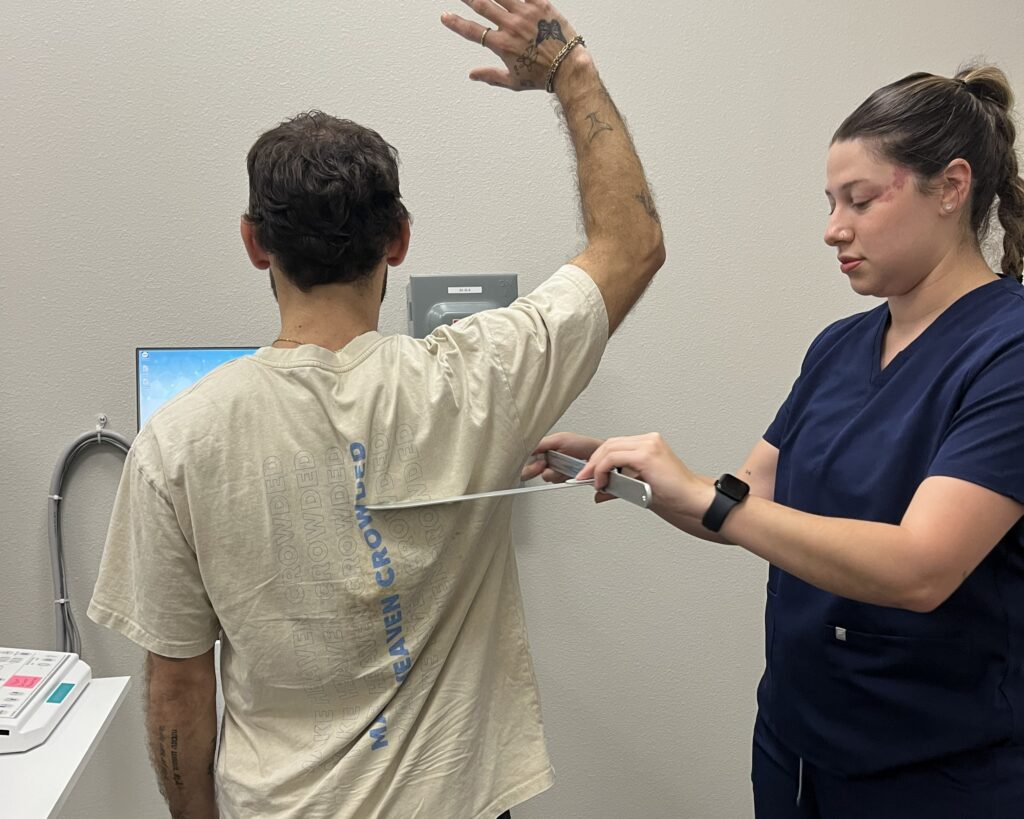

If you’re dealing with chronic headaches, consider the incredible benefits of chiropractic care. Often, misalignments in your spine can significantly contribute to headache symptoms, and regular chiropractic adjustments can be an effective way to find the relief you need. By prioritizing your spinal health through proper posture, regular exercise, and staying well-hydrated, you can support your overall well-being and reduce headache occurrences.
Curious about how chiropractic care can make a difference? Let’s delve into the important connection between your headaches and spinal health.
First, maintaining good posture is essential. Poor posture can lead to tension in your neck and shoulders, which may trigger headaches. Be mindful of how you sit, stand, and move throughout the day.
Next, incorporating gentle exercises that promote spinal flexibility and strength can also be beneficial. Activities such as stretching, yoga, or even a simple walk can help keep your spine aligned and reduce tension.
Hydration is another key factor. Drinking plenty of water helps maintain the elasticity of your spinal discs and keeps your body functioning optimally.
By embracing these lifestyle changes alongside regular chiropractic care, you can pave the way for improved spinal health and, ultimately, a reduction in chronic headache symptoms. Remember, chiropractic care is a natural and effective solution for achieving optimal health and wellness. Take the first step towards a headache-free life today!
Key Takeaways
Chiropractic Care Tips for Chronic Headache Relief
- Regular Chiropractic Adjustments: One of the most effective ways to tackle chronic headaches is through regular chiropractic adjustments. These gentle manipulations focus on correcting spinal misalignments, which can significantly reduce headache frequency and intensity.
- Posture Matters: Maintaining good posture is essential for your spine and overall health. Ensure your workspace is ergonomically designed to minimize strain on your neck and back. Simple adjustments, like keeping your computer screen at eye level and using a chair that supports your lower back, can make a big difference.
- Daily Stretching and Strengthening: Incorporate simple stretching and strengthening exercises into your daily routine. This not only enhances your flexibility but also helps relieve muscle tension that can lead to headaches. Even a few minutes of gentle neck stretches can be beneficial.
- Stay Hydrated and Eat Well: Proper hydration is crucial for overall health and can help reduce headache triggers. Aim to drink plenty of water throughout the day. Additionally, consider including anti-inflammatory foods in your diet, such as fruits, vegetables, nuts, and omega-3 fatty acids, to support your body’s natural healing processes.
- Personalized Chiropractic Care: Every individual experiences headaches differently. That’s why it’s so important to consult with a chiropractor who can provide personalized care tailored to your specific headache patterns. Together, you can develop strategies that work best for you, ensuring a holistic approach to your health and wellness.
Incorporating these tips into your daily life can pave the way for better headache management and overall well-being. Remember, chiropractic care is a natural, drug-free way to achieve optimal health and relief from pain. Your journey to a headache-free life starts here!
Understanding the Connection Between Headaches and Spine Health
Headaches can stem from many different causes, but one often overlooked factor is the health of your spine. Your spine isn’t just a stack of bones; it houses the central nervous system, which plays a crucial role in regulating numerous bodily functions. When your spine is misaligned or under stress, it can irritate the nerves and create muscle tension, which often leads to headaches.
Understanding the connection between your spine and headaches can empower you to take charge of your health. Here are some practical tips to help you improve your spine health and potentially reduce the frequency and intensity of your headaches:
- Mind Your Posture: Whether you’re seated at a desk, scrolling through your phone, or lifting something heavy, maintaining proper spinal alignment is key. Make sure your workstation is ergonomically designed, and take regular breaks to stretch and realign your posture.
- Stay Active: Incorporate regular stretching and strengthening exercises into your routine. Activities like yoga or simple back stretches can help stabilize your spine and reduce tension. Even walking can promote better spinal health!
- Listen to Your Body: Pay attention to how your body reacts in different situations. If certain activities or positions trigger your headaches, consider adjusting them. Awareness of your body can help you make more informed choices about your movements and posture.
- Hydrate and Nourish: Staying well-hydrated and consuming a balanced diet can have a positive impact on your overall health, including your spine. Proper nutrition supports muscle function and can help reduce tension.
- Consider Chiropractic Care: Regular visits to a chiropractor can be incredibly beneficial for maintaining a healthy spine. Chiropractic adjustments can help realign your spine, relieve nerve irritation, and reduce muscle tension, all of which may lead to fewer headaches.
The Role of Chiropractic Adjustments in Headache Relief
When dealing with headaches, chiropractic adjustments can offer substantial relief by targeting the root causes linked to your spine. Misalignments in your cervical spine can create tension and discomfort, leading to persistent headaches. A chiropractor performs specific adjustments to realign your vertebrae, which improves nerve function and enhances blood circulation.
These adjustments work wonders in reducing muscle tension, relieving pressure on nerves, and restoring proper movement in your spine—all crucial factors in alleviating headaches. Many patients find that, after regular chiropractic sessions, they experience fewer headaches and a boost in their overall well-being.
Moreover, chiropractic care encourages relaxation, which can be a fantastic way to manage headache symptoms. By prioritizing the alignment of your spine, you’re not just addressing the headaches themselves; you’re tackling the underlying issues that contribute to them. If you’re looking for a natural and effective way to find lasting relief, chiropractic adjustments could be the perfect solution for you.
Here are some general tips to help you manage headaches alongside your chiropractic care:
- Stay Hydrated: Dehydration can trigger headaches, so make sure you’re drinking enough water throughout the day.
- Maintain Good Posture: Be mindful of your posture, especially when sitting at a desk or using your phone. Proper alignment can help prevent tension in your neck and shoulders.
- Incorporate Relaxation Techniques: Practices like deep breathing, yoga, or meditation can help reduce stress and tension, which may contribute to headaches.
- Get Regular Exercise: Physical activity promotes overall health and can help reduce the frequency of headaches by improving blood flow and relieving stress.
- Limit Screen Time: Take breaks from screens to reduce eye strain and tension headaches.
If you’re tired of quick fixes and want a natural approach to wellness, consider chiropractic care as a key part of your journey to optimal health.
Posture and Ergonomics: Preventing Headaches at Work
Your workspace can significantly influence your comfort and the frequency of headaches you experience. By optimizing your desk setup and ensuring proper sitting posture, you can foster a healthier work environment that promotes well-being.
As a local chiropractor, I want to share some insights on how these adjustments not only help in preventing headaches but also contribute to your overall health.
First and foremost, let’s talk about your desk setup. Make sure your computer screen is at eye level to avoid straining your neck. This simple adjustment can prevent tension headaches that often arise from poor posture.
Also, consider using a chair that supports your lower back—this will help maintain the natural curve of your spine, which is essential for preventing discomfort.
Next, let’s focus on your sitting posture. Keep your feet flat on the floor, and your knees should be at or just below hip level. This position can help reduce pressure on your spine and minimize muscle tension, which are common culprits of headaches.
Don’t forget to take regular breaks to stand up, stretch, and move around. This encourages proper blood flow and can help relieve any built-up tension.
By making these adjustments, you not only create a more ergonomic workspace but also support your spinal health. Chiropractic care is a fantastic way to maintain optimal health, alleviate pain, and enhance your overall well-being.
Regular chiropractic adjustments can help keep your spine aligned, ensuring that your nervous system functions optimally, which can further reduce the frequency of headaches.
In summary, optimizing your workspace and maintaining good posture are simple yet effective strategies to prevent headaches.
Desk Setup Optimization
Creating an ergonomic desk setup isn’t just about comfort; it’s about supporting your spine and promoting overall health, which is at the core of chiropractic care. Many of us spend long hours at a computer, and if our workstations aren’t set up properly, we can experience headaches and discomfort.
Start with your chair. It should support your lower back and allow your feet to rest flat on the floor. This position helps maintain the natural curve of your spine, which is essential for preventing pain.
Your monitor should be positioned at eye level, about an arm’s length away, to reduce neck strain. This simple adjustment can make a big difference in how your body feels throughout the day.
Your keyboard and mouse should be on the same surface, allowing your elbows to remain close to your body and bent at about a 90-degree angle. This keeps your wrists in a neutral position, reducing the risk of strain.
If you regularly use documents, a document holder can be a game-changer. It keeps papers at eye level, preventing awkward neck bending that can lead to discomfort.
Additionally, don’t underestimate the power of good lighting. A well-lit workspace helps minimize eye strain, allowing you to focus better and reduce fatigue.
Remember, optimizing your desk setup is a key step toward a healthier work life. While these adjustments can help alleviate discomfort, regular chiropractic care can further enhance your well-being by addressing spinal misalignments and promoting natural healing.
Proper Sitting Posture
While it may seem like a small detail, maintaining proper sitting posture is essential for your comfort, productivity, and overall spinal health throughout the day. As a chiropractor, I want to emphasize that good posture not only helps prevent discomfort but also supports your body’s natural alignment, reducing the risk of pain and tension.
Start by sitting all the way back in your chair, ensuring your feet are flat on the floor. Your knees should be at or slightly below hip level, which helps maintain a healthy spinal curve. Keep your back straight and supported, allowing your spine to rest in its natural position. Relax your shoulders, avoiding a slumped posture, and keep your elbows close to your body at a 90-degree angle to promote better circulation and reduce strain.
When using a computer, position the screen at eye level to prevent unnecessary neck strain. This simple adjustment can make a significant difference in how you feel throughout the day.
Remember, it’s crucial to take regular breaks to stretch and move around. This not only helps relieve tension but also encourages proper spinal movement, which is essential for maintaining a healthy spine.
By adopting these good posture habits, you can significantly reduce your risk of headaches, neck pain, and back discomfort.
And if you ever find yourself experiencing pain, consider chiropractic care as a natural and effective solution. Chiropractors focus on spinal health and can help you achieve optimal wellness without the need for medications or surgeries.
Embrace these tips, and your body will thank you!
Stretching and Strengthening Exercises for Headache Management
Incorporating stretching and strengthening exercises into your daily routine can significantly help manage headache symptoms and promote overall wellness. As a chiropractor, I understand how crucial it’s to address the root causes of headaches, and one effective way to do this is through regular neck and shoulder stretches. These simple yet effective movements can relieve tension and reduce both the frequency and intensity of headaches.
For instance, neck rotations and shoulder shrugs are great exercises to enhance flexibility and ease muscle tightness. When you take a few minutes each day to perform these stretches, you can create a more relaxed environment for your neck and shoulders, which often bear the brunt of stress and strain.
Strengthening your upper back and core is also essential for maintaining proper posture, a key factor in headache management. Exercises like wall angels and planks can help build strength in these areas, leading to better spinal alignment and reduced discomfort. Remember, a strong core supports your spine and helps prevent tension that can lead to headaches.
I recommend dedicating at least 10-15 minutes each day to these exercises. It’s important to listen to your body; if you experience any pain, stop and consult a chiropractor for guidance. As you grow stronger, gradually increase the intensity and duration of your workouts. Consistency is vital—making these exercises a regular part of your routine can lead to lasting relief from headaches.
In addition to stretching and strengthening, consider the benefits of chiropractic care. Regular adjustments can improve spinal health, enhance your body’s natural healing abilities, and support your efforts in managing headaches.
Lifestyle Changes to Complement Chiropractic Care
To fully benefit from chiropractic care, incorporating certain lifestyle changes can significantly enhance your wellness journey. One of the most important aspects is ensuring you have regular sleep patterns. Consistent, quality sleep allows your body to heal naturally and can help in reducing headaches and other discomforts.
Additionally, integrating physical activity into your daily routine is crucial. Exercise not only improves circulation but also helps alleviate stress, making your chiropractic adjustments more effective. Aim for at least 30 minutes of physical activity each day—this could be as simple as a brisk walk, gentle yoga, or even stretching at home.
Being mindful of your posture is another key factor. When using devices, make sure your workspace is ergonomic. Investing in a good chair and desk can make a world of difference. Remember to take regular breaks to stretch your neck and shoulders, especially if you find yourself sitting for long periods.
Stress management is essential for overall health. Techniques such as deep breathing exercises, meditation, or even spending time in nature can greatly benefit your mental well-being, which in turn supports your physical health.
Finally, staying hydrated is vital. Drinking plenty of water throughout the day can help reduce headache frequency and keep your body functioning at its best.
Nutritional Strategies for Reducing Headache Frequency
When it comes to reducing headache frequency, your nutrition plays an essential role in supporting your overall health and wellness. Staying hydrated, selecting anti-inflammatory foods, and avoiding trigger foods can make a significant difference in how you feel.
As a chiropractor, I believe that combining these nutritional strategies with regular chiropractic care can lead to optimal well-being and pain relief.
Hydration is crucial; our bodies need water to function properly, and dehydration can often contribute to headaches. Make it a habit to drink plenty of water throughout the day.
Choosing anti-inflammatory foods can also help. Incorporate plenty of fruits, vegetables, nuts, and fatty fish into your diet. These foods not only nourish your body but can also help reduce inflammation that may lead to headaches.
On the other hand, be mindful of trigger foods that may exacerbate your symptoms. Common culprits include processed foods, caffeine, and artificial sweeteners. Keeping a food diary can help you identify what to avoid.
Remember, while these nutritional adjustments are important, regular chiropractic care can play a vital role in managing headache pain. Chiropractic adjustments help improve spinal alignment, which can relieve tension and stress that may contribute to headaches.
Incorporating these strategies into your routine can help you find relief. Stay hydrated, eat nutritious foods, and consider how chiropractic care can support your journey to a healthier, headache-free life!
Hydration and Headache Prevention
Staying well-hydrated is vital for preventing headaches, as even mild dehydration can lead to discomfort and pain. As a chiropractor, I encourage you to prioritize hydration not just for headache relief, but for your overall health and wellness.
Here are some easy tips to help you maintain proper hydration and support your body’s natural healing processes:
- Drink water regularly: Aim for at least eight 8-ounce glasses of water each day. Keeping hydrated can help your spine and muscles function better, reducing tension that can lead to headaches.
- Carry a water bottle: Having a water bottle with you makes it simple to take sips throughout the day. This small step can keep you consistently hydrated and help you stay focused and energetic.
- Eat hydrating foods: Incorporate hydrating fruits and vegetables into your diet, such as cucumbers, watermelon, and oranges. These foods not only help with hydration but also provide essential nutrients that support your body’s health.
- Limit caffeinated and alcoholic beverages: These drinks can contribute to dehydration, which may increase your chances of experiencing headaches. Opt for water or herbal teas instead.
Remember, proper hydration is just one part of your wellness journey.
Regular chiropractic adjustments can also help align your spine, alleviate tension, and promote better overall health. By combining good hydration habits with chiropractic care, you can work towards achieving optimal health and preventing headaches naturally.
Stay well and take care of your body!
Anti-inflammatory Foods Choices
As a local chiropractor, I want to share how your diet can play a significant role in managing headaches and promoting overall wellness. Many people may not realize that certain foods can help reduce the frequency and severity of headaches, and incorporating anti-inflammatory foods into your meals is a natural way to support your health.
By focusing on foods that are rich in omega-3 fatty acids, antioxidants, and essential vitamins, you can help your body fight inflammation and achieve better health. Here are some excellent food choices to consider:
| Food Type | Examples | Benefits |
|---|---|---|
| Fruits | Berries, oranges | Packed with antioxidants that can help reduce inflammation. |
| Vegetables | Spinach, kale | A great source of vitamins that support your immune system and overall health. |
| Healthy Fats | Avocado, walnuts | Contains omega-3 fatty acids, which are known for their anti-inflammatory properties. |
| Whole Grains | Quinoa, brown rice | Provides nutrients that can help combat inflammation in the body. |
| Herbs & Spices | Turmeric, ginger | Natural anti-inflammatories that can aid in reducing pain and discomfort. |
In addition to making these dietary changes, I encourage you to consider chiropractic care as a vital component of your wellness journey. Chiropractic adjustments can help alleviate tension and misalignments in the spine, which may also contribute to headache pain.
Trigger Foods to Avoid
Have you ever experienced headaches that seem to strike out of nowhere? You may not realize that certain foods can play a significant role in triggering these uncomfortable episodes. Identifying and steering clear of these trigger foods can be a valuable part of your journey toward better health and wellness.
While everyone’s triggers may differ, here are some common offenders to keep an eye on:
- Aged cheeses: These contain tyramine, which has been linked to headaches for some individuals.
- Processed meats: The additives found in these meats, such as nitrates, can contribute to discomfort.
- Alcohol: Many people find that red wine can trigger their headaches.
- Caffeinated beverages: Too much caffeine or even withdrawal from it can lead to headache pain.
Keeping a food diary can be a helpful tool in identifying your specific triggers. By noting what you eat and how you feel afterward, you can make more informed choices about your diet.
Remember, avoiding these foods is just one step in managing your headaches.
In addition to dietary adjustments, chiropractic care can be an effective way to address headache pain. Chiropractic adjustments can help align your spine, reduce tension, and promote overall wellness.
By focusing on natural healing methods, you can achieve long-lasting relief without the need for medications or surgeries.
Taking care of your body is essential for maintaining optimal health. Alongside avoiding trigger foods and seeking chiropractic care, make sure to stay hydrated, manage your stress levels, and prioritize sleep.
These lifestyle choices can significantly contribute to your overall well-being and help keep those pesky headaches at bay.
When to Seek Professional Chiropractic Help for Headaches
If you’re dealing with persistent headaches that don’t seem to improve with over-the-counter treatments or lifestyle changes, it may be time to consider visiting a chiropractor.
Headaches can arise from various factors, such as tension, misalignments in the spine, or stress. If you find your headaches occurring frequently or becoming severe enough to disrupt your daily life, seeking professional chiropractic help can be incredibly beneficial.
Chiropractors are experts in pinpointing the underlying causes of headaches and can provide personalized adjustments to alleviate pain and enhance your overall well-being.
Pay close attention to warning signs like headaches that last longer than normal, changes in how often they occur, or symptoms such as nausea or visual disturbances. These signs may suggest a need for professional guidance.
In addition to chiropractic care, there are some simple tips you can incorporate into your daily routine to help manage headaches naturally.
Staying hydrated, practicing good posture, engaging in regular physical activity, and incorporating relaxation techniques like deep breathing or yoga can make a significant difference.
Conclusion
Incorporating chiropractic care into your routine can truly transform your experience with chronic headaches. By focusing on spinal alignment and improving your posture, chiropractic adjustments can play a crucial role in alleviating headache pain. Additionally, embracing healthy lifestyle habits is essential for long-term relief.
To support your chiropractic care, make sure to integrate simple stretching exercises into your daily routine, which can help relieve tension in your neck and shoulders—the common culprits of headaches. Staying properly hydrated is also vital; drinking enough water throughout the day can significantly reduce headache frequency and intensity.
If your headaches continue, reaching out for professional chiropractic support is a wise choice. A chiropractor can provide personalized care tailored to your unique needs, helping you uncover the root cause of your discomfort and guiding you towards lasting wellness.
Remember, choosing chiropractic care is not just about addressing pain; it’s about fostering a healthier, more balanced lifestyle. By prioritizing your spinal health, you are taking a proactive step towards achieving optimal well-being.