
If you’re dealing with migraines, you may be curious about whether chiropractic care can provide relief. Many individuals have experienced significant benefits from spinal adjustments, which can help alleviate the frequency and intensity of their migraine attacks. So how does this work, and what can you expect from your treatment? Understanding the relationship between chiropractic adjustments and migraine management could be the key to discovering effective, natural solutions for your discomfort.
Chiropractic care focuses on the alignment of your spine and the overall health of your nervous system. Misalignments in the spine, known as subluxations, can interfere with nerve function and lead to various health issues, including migraines. By correcting these misalignments through gentle spinal adjustments, chiropractors can help restore proper nerve function, which may reduce the occurrence and severity of migraines.
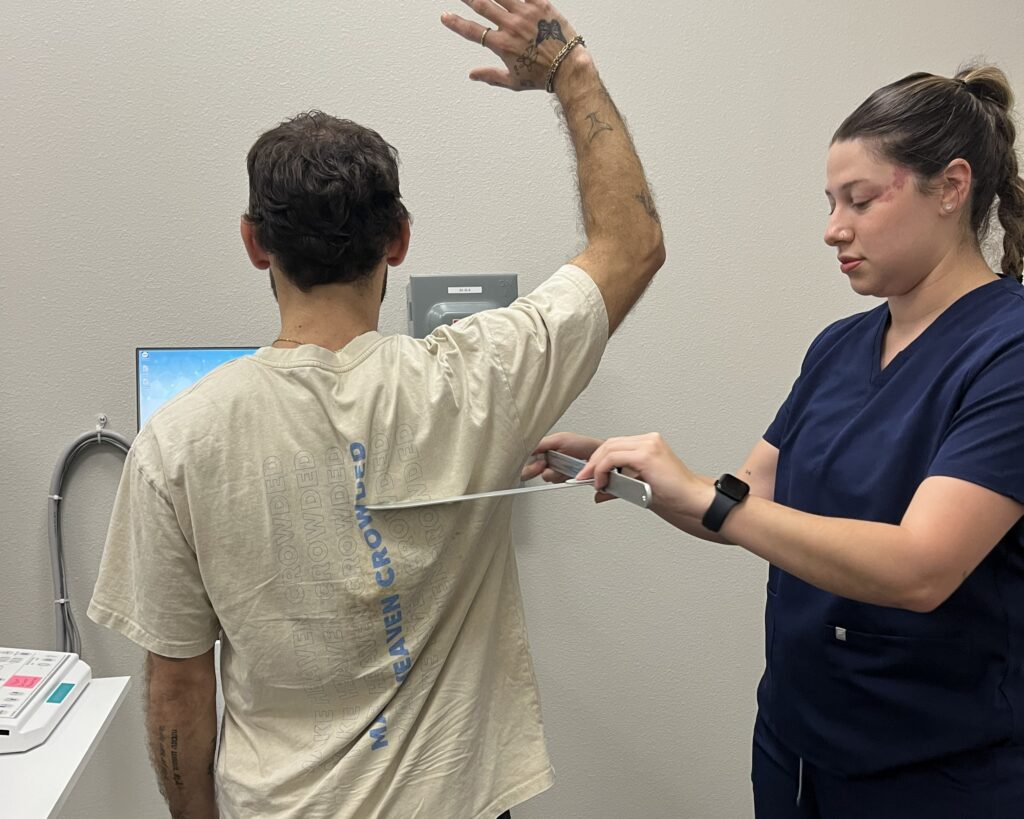
When you visit a chiropractor, they will conduct a thorough assessment to understand your specific situation. This may include a discussion of your symptoms, lifestyle, and medical history, followed by an examination of your spine and nervous system. Based on this information, your chiropractor will develop a personalized treatment plan designed to address the underlying causes of your migraines.
As you go through chiropractic care, many patients report that they not only experience fewer migraines but also notice improvements in their overall health and well-being. Chiropractic adjustments promote better circulation, reduce muscle tension, and enhance your body’s natural ability to heal itself.
In addition to chiropractic adjustments, here are some general tips you can incorporate into your daily routine to help manage migraines:
- Stay Hydrated: Dehydration can trigger migraines, so make sure you drink plenty of water throughout the day.
- Maintain a Regular Sleep Schedule: Consistent sleep patterns can help reduce the frequency of migraines.
- Manage Stress: Engage in relaxation techniques such as deep breathing, yoga, or meditation to help keep stress levels in check.
- Keep a Migraine Diary: Tracking your migraine occurrences, triggers, and symptoms can help identify patterns and improve your treatment plan.
- Practice Good Posture: Poor posture can contribute to spinal misalignments and tension, so be mindful of your posture throughout the day.
Chiropractic care stands out as a natural and effective option for migraine management. By focusing on the health of your spine and nervous system, you can take important steps toward achieving optimal health and reducing your migraine pain. If you’re ready to explore how chiropractic care can help you find relief, consider reaching out to a local chiropractor today.
Key Takeaways
Chiropractic care is a powerful option for managing migraines naturally. Through gentle spinal adjustments, we can help improve your alignment, reducing the frequency and intensity of migraine attacks. When your spine is properly aligned, it alleviates tension that may be contributing to your headaches.
Regular chiropractic adjustments not only help with alignment but also promote relaxation and lower stress levels—two common triggers for migraines. By prioritizing your health with chiropractic care, you can take significant steps toward a more balanced and pain-free life.
Research shows that chiropractic treatment is effective in optimizing how your nervous system functions. By addressing any misalignments in the spine, we can help reduce the factors that contribute to migraine occurrences. Techniques such as spinal manipulation and soft tissue therapy specifically target neck and upper back issues, which are often linked to the onset of migraines.
Incorporating chiropractic care into your migraine management plan can also encourage healthier lifestyle habits. Here are some simple tips to enhance your wellness journey:
- Stay Hydrated: Dehydration can trigger migraines, so make sure to drink plenty of water throughout the day.
- Maintain Good Posture: Poor posture can lead to tension in your neck and back. Be mindful of how you sit and stand.
- Manage Stress: Engage in relaxation techniques, such as deep breathing, yoga, or meditation to keep stress levels in check.
- Regular Exercise: Physical activity can help reduce the frequency of migraines by improving blood flow and reducing stress.
By embracing chiropractic care and these healthy habits, you can work towards a life with fewer migraines and greater overall wellness. Remember, your journey to optimal health starts with taking proactive steps today!
Understanding Migraines: Causes and Symptoms
Migraines are more than just severe headaches; they’re complex neurological events that can significantly impact your daily life. When experiencing a migraine, you may feel intense, pulsing pain, usually on one side of your head. This discomfort can last from a few hours to several days, often making it challenging to focus on daily tasks. Alongside the pain, you might also deal with symptoms such as nausea, vomiting, and heightened sensitivity to light and sound.
Understanding the causes of migraines is crucial for effective management. Triggers can differ for everyone and may include stress, hormonal changes, certain foods, and environmental factors. Keeping a migraine diary can be a helpful tool in identifying your unique patterns and triggers. This awareness can empower you to take proactive steps towards prevention.
As a chiropractor, I want to share that addressing spinal health can play a significant role in alleviating migraine symptoms. Poor spinal alignment can contribute to tension and stress in the body, potentially leading to more frequent migraines. Regular chiropractic adjustments can help restore proper alignment, reduce tension, and enhance overall wellness.
Here are some general tips to help manage migraines naturally:
- Stay Hydrated: Dehydration can trigger migraines, so ensure you drink plenty of water throughout the day.
- Manage Stress: Incorporating stress-reduction techniques like deep breathing, yoga, or meditation can help lower the chances of a migraine.
- Maintain a Balanced Diet: Be mindful of the foods you consume and try to avoid known triggers. Eating regular, nutritious meals can help maintain stable energy levels.
- Prioritize Sleep: Establish a consistent sleep schedule to ensure you get enough rest, as lack of sleep can lead to increased migraine frequency.
- Consider Chiropractic Care: Regular visits to a chiropractor can help maintain spinal health, reduce tension, and support your body’s natural healing processes.
The Role of Chiropractic Care
Chiropractic care offers a range of effective techniques designed to specifically alleviate migraine symptoms. Many migraine sufferers have found relief through chiropractic methods, which are supported by evidence-based research.
By understanding how chiropractic adjustments work, you can make informed choices about managing your migraines naturally. Chiropractic adjustments focus on aligning the spine and improving overall body function. This can help reduce tension and improve blood flow, which are often key contributors to migraines.
Regular chiropractic care can lead to fewer migraine episodes and less severe symptoms when they do occur.
Here are some helpful tips to consider for managing migraines with chiropractic care:
- Regular Visits: Schedule regular chiropractic adjustments to maintain spinal alignment and overall health. Consistency can make a big difference in how your body responds to stressors that trigger migraines.
- Posture Awareness: Be mindful of your posture, especially if you spend long hours at a desk or on your phone. Poor posture can strain your neck and back, potentially leading to migraines. Practice sitting up straight and taking breaks to stretch.
- Stay Hydrated: Dehydration can trigger migraines, so make sure you’re drinking enough water throughout the day. Proper hydration supports overall health and can help reduce the frequency of headaches.
- Stress Management: Incorporate stress-relief techniques such as deep breathing, yoga, or meditation. These practices can complement your chiropractic care and help reduce the frequency of migraine triggers.
- Healthy Lifestyle: Focus on a balanced diet, regular exercise, and adequate sleep. These lifestyle choices can enhance your overall wellness and support your body in managing pain naturally.
By choosing chiropractic care as part of your migraine management strategy, you can take control of your health and seek a natural path to wellness.
Chiropractic Techniques Explained
Chiropractic care is often an underutilized option for those suffering from migraines, yet it offers a range of effective techniques to help ease your discomfort naturally. By focusing on spinal alignment, muscle relaxation, and overall wellness, chiropractic methods can provide significant relief from migraine symptoms.
Here’s a simple overview of some common chiropractic techniques that can support your journey toward better health:
| Technique | Description |
|---|---|
| Spinal Manipulation | This technique involves gentle adjustments to your spine, helping to improve alignment and restore proper function. A well-aligned spine can reduce stress on your nervous system, which may help lessen your migraine frequency and intensity. |
| Soft Tissue Therapy | This approach focuses on the muscles around your neck and shoulders. By relieving tension and improving blood circulation in these areas, soft tissue therapy can help reduce the muscle tightness that often contributes to migraines. |
| Exercise Therapy | Customized exercises can strengthen your muscles and enhance flexibility. A stronger, more flexible body is better equipped to handle stress and tension, which can lead to fewer migraines overall. |
In addition to these techniques, there are simple daily practices that can enhance your overall wellness and help prevent migraines:
- Stay Hydrated: Drinking enough water throughout the day can help reduce the likelihood of headaches.
- Maintain Good Posture: Pay attention to your posture while sitting, standing, or working. Proper alignment can minimize strain on your neck and back.
- Practice Stress Management: Techniques such as deep breathing, meditation, or gentle yoga can help relieve stress, a common migraine trigger.
- Regular Chiropractic Visits: Establishing a routine with your chiropractor can help maintain spinal health and prevent the onset of migraines.
Choosing chiropractic care not only addresses your immediate pain but also promotes a natural, healthier lifestyle. By focusing on holistic healing, you can take control of your health and work towards a life with fewer migraines and more wellness.
Benefits for Migraine Sufferers
If you’re seeking relief from migraines, consider the remarkable benefits of chiropractic care. Many individuals who experience migraines report not only fewer headaches but also a decrease in the intensity of their pain following chiropractic adjustments. These adjustments play a crucial role in improving spinal alignment, reducing muscle tension, and enhancing mobility, all of which can contribute to migraine relief.
Migraines can often be triggered by issues in the neck and upper back. By addressing these areas through chiropractic adjustments, we can help alleviate some of the common triggers associated with migraines.
Additionally, regular visits to your chiropractor can promote relaxation and reduce stress levels, both of which are vital for managing how often migraines occur.
As your local chiropractor, I also focus on providing personalized advice tailored to your lifestyle. This includes tips on improving your posture and ergonomics in your daily activities. Simple changes can make a significant difference in how your body feels and can contribute to long-term migraine management.
Incorporating chiropractic care into your routine not only supports your journey toward migraine relief but also enhances your overall well-being and quality of life.
Evidence-Based Research Insights
As you seek ways to manage your migraines, I want to share how chiropractic care can be a powerful ally in your journey to relief. Evidence-based research supports the benefits of chiropractic adjustments, showing that spinal manipulation can significantly reduce both the frequency and intensity of migraine attacks.
By improving spinal alignment, chiropractic care helps relieve tension in your nervous system, which in turn can lower stress levels—one of the key triggers for migraines. Many specific chiropractic techniques are also designed to enhance blood flow, further reducing potential migraine triggers.
One of the best parts about chiropractic care is its holistic approach. We not only focus on your spine but also on lifestyle and dietary changes that can support your overall well-being. Simple adjustments in your daily routine, like staying hydrated, managing stress through relaxation techniques, and maintaining a balanced diet, can make a big difference.
By choosing chiropractic care, you’re not just addressing migraine relief; you’re investing in your overall health. It’s a natural way to heal and thrive. I encourage you to explore this path as a viable option for managing your migraines and enhancing your well-being.
How Chiropractic Adjustments Work
Chiropractic adjustments are all about realigning your spine, which can significantly boost your overall health and wellness. When your spine is in proper alignment, your nervous system operates more efficiently, allowing it to communicate better with the rest of your body. This not only helps relieve discomfort but is also a powerful tool for managing migraines and other common issues.
By choosing chiropractic care, you’re investing in a natural approach to wellness that prioritizes your body’s ability to heal itself. Unlike medications or surgeries that may only mask symptoms, chiropractic adjustments target the root cause of your discomfort, paving the way for long-term relief and a healthier lifestyle.
Here are some simple tips you can integrate into your daily routine to complement your chiropractic care:
- Posture Awareness: Pay attention to your posture, whether you’re sitting at a desk or standing. Make adjustments to keep your spine in a neutral position.
- Stay Active: Regular physical activity helps keep your spine healthy. Simple exercises like walking or stretching can make a big difference.
- Hydration: Drink plenty of water to keep your discs hydrated and support overall spinal health.
- Sleep Support: Invest in a good mattress and pillows that support your spine’s natural curves while you sleep.
- Regular Check-ups: Just like you schedule regular dental cleanings, regular chiropractic adjustments can help maintain your spine’s health and prevent issues from arising.
By embracing chiropractic care and these healthy habits, you’re taking a proactive step towards achieving optimal health and living your best life.
Spinal Alignment Benefits
When many people think about spinal adjustments, they often link them mainly to pain relief. However, chiropractic care offers so much more, especially when it comes to managing migraines. A properly aligned spine is key to reducing tension in your muscles and ligaments, which can be major triggers for those debilitating headaches.
By correcting misalignments through chiropractic adjustments, we can relieve pressure on the surrounding nerves. This not only helps lower the frequency and intensity of your migraines but also promotes better blood flow and oxygen delivery to your brain, enhancing your overall health.
To maintain this ideal spinal alignment, regular chiropractic adjustments are essential. They not only provide immediate relief but also contribute to long-term wellness. If you find yourself battling migraines, consider incorporating chiropractic care into your wellness routine.
Additionally, here are some simple tips to help support your spinal health and potentially reduce migraine occurrences:
- Stay Hydrated: Drink plenty of water throughout the day to keep your body and brain functioning optimally.
- Practice Good Posture: Be mindful of your posture, especially while sitting at a desk or using your phone. Keeping your spine aligned can help reduce tension.
- Incorporate Regular Exercise: Gentle activities like walking, yoga, or stretching can help keep your muscles relaxed and your spine in alignment.
- Manage Stress: Try relaxation techniques such as deep breathing, meditation, or gentle yoga to reduce stress, which can also trigger migraines.
Nervous System Functionality
Maintaining proper spinal alignment is crucial for your nervous system’s health and functionality. When your spine is aligned correctly, it allows for seamless communication between your brain and the rest of your body. This is where chiropractic care shines! Through gentle adjustments, chiropractors can correct misalignments, reduce interference, and promote optimal nerve function, which may help decrease the frequency and intensity of migraines.
Here’s a simple breakdown of how chiropractic adjustments can benefit your nervous system and help with migraines:
| Benefit | Effect on Nervous System | Impact on Migraines |
|---|---|---|
| Improved Communication | Boosts nerve signals | Reduces triggers for migraines |
| Reduced Inflammation | Relieves pressure on nerves | Eases headache symptoms |
| Increased Mobility | Enhances overall body function | Supports your overall wellness |
| Stress Reduction | Calms your nervous system | Minimizes migraine onset |
| Enhanced Recovery | Aids in healing | Helps restore balance in the body |
As your local chiropractor, I want to emphasize the importance of chiropractic care as a natural and effective way to achieve optimal health. Here are a few tips to support your spinal health and wellness:
- Stay Active: Engage in regular physical activity, such as walking or yoga, to keep your spine flexible and strong.
- Practice Good Posture: Be mindful of your posture while sitting, standing, and using electronic devices. Proper alignment can prevent unnecessary strain on your spine.
- Stay Hydrated: Drinking plenty of water supports overall health and helps keep your spinal discs hydrated.
- Get Enough Rest: Ensure you’re getting quality sleep, as it’s essential for recovery and maintaining a healthy nervous system.
- Regular Chiropractic Visits: Consider regular adjustments to keep your spine aligned and your nervous system functioning at its best.
Chiropractic care is a safe, natural, and effective approach to achieving wellness and pain relief. If you’re experiencing migraines or want to enhance your overall health, feel free to reach out to me! Together, we can work towards a healthier, pain-free life.
Evidence Supporting Chiropractic Treatment for Migraines
Many individuals suffering from migraines often look for alternative treatments, especially when traditional methods don’t provide the relief they need. Chiropractic care stands out as a highly effective option for managing migraines and promoting overall well-being.
Research shows that chiropractic adjustments can significantly reduce both the frequency and intensity of migraine attacks. For instance, a study published in the “Journal of Manipulative and Physiological Therapeutics” indicated that participants receiving chiropractic care enjoyed a marked decrease in migraine occurrences compared to those who didn’t seek this natural treatment.
Chiropractors specialize in spinal alignment, which plays a crucial role in optimizing your body’s neurological function. By addressing misalignments in the spine, we can help alleviate muscle tension and reduce stress—common triggers for migraines.
Many patients also report feeling a greater sense of overall wellness after their chiropractic sessions, which can lead to fewer migraine episodes. While results can differ from person to person, the positive evidence supporting chiropractic treatment for migraines makes it a compelling option to consider in your journey toward better health.
If you’re looking for ways to enhance your health and mitigate migraine pain naturally, here are some helpful tips:
- Stay Hydrated: Dehydration can be a migraine trigger, so ensure you’re drinking plenty of water throughout the day.
- Regular Exercise: Engaging in regular physical activity can help reduce stress and improve spinal health, contributing to fewer migraine attacks.
- Maintain Good Posture: Poor posture can lead to spinal misalignments and tension. Be mindful of how you sit, stand, and move throughout the day.
- Manage Stress: Incorporate relaxation techniques such as deep breathing, yoga, or meditation into your daily routine to help reduce stress-related triggers.
- Schedule Regular Chiropractic Visits: Consistent chiropractic care can help maintain spinal health and prevent migraine episodes.
Chiropractic care isn’t just about pain relief; it’s about achieving optimal health through natural methods. By choosing chiropractic treatment, you’re taking a proactive step towards managing your migraines and enhancing your overall quality of life.
Patient Experiences: Success Stories and Challenges
As you consider chiropractic care for managing migraines, you’ll uncover a variety of patient experiences that showcase both success stories and the occasional challenge. Many individuals find that after just a few chiropractic sessions, they experience significant relief from their migraines. They often credit this improvement to the gentle spinal adjustments and valuable lifestyle advice provided by their chiropractor.
However, it’s important to acknowledge that some may encounter hurdles along the way, such as inconsistent results or feeling discomfort during initial treatments. This is not uncommon, and it’s part of the journey toward better health.
Here’s a closer look at some shared experiences:
| Success Stories | Challenges | Insights |
|---|---|---|
| Reduced migraine frequency | Initial discomfort during sessions | Finding the right chiropractor is crucial |
| Improved overall well-being | Varied response to treatment | Integrating chiropractic care with other healthy habits can enhance results |
| Enhanced quality of life | Commitment to regular visits | Patience and consistency are vital in the healing process |
Understanding these diverse experiences can empower you to make an informed decision about pursuing chiropractic care for your migraines. Remember, chiropractic care not only addresses migraine pain but also promotes overall health and wellness.
Here are some general tips to enhance your chiropractic experience:
- Stay Open-Minded: Each person’s response to chiropractic care is unique. What works for one person might take longer for another, so keep an open mind as you navigate your treatment.
- Communicate with Your Chiropractor: Be honest about your symptoms and any discomfort you experience. This helps your chiropractor tailor your treatment plan to better suit your needs.
- Incorporate Healthy Habits: Alongside your chiropractic adjustments, consider integrating healthy lifestyle choices, such as regular exercise, balanced nutrition, and proper hydration, which can significantly improve your overall wellness and potentially reduce the frequency of migraines.
- Commit to Your Care: Regular visits can be essential for long-term results. Make a commitment to attend your appointments and follow your chiropractor’s recommendations.
- Be Patient: Healing is a process. Give your body the time it needs to respond to the treatment, and trust that chiropractic care is a natural pathway to achieving optimal health and wellness.
Comparing Chiropractic Care to Traditional Migraine Treatments
While both chiropractic care and traditional migraine treatments aim to provide relief, they approach the issue from different angles. Chiropractic care focuses on spinal alignment and nerve function, believing that adjustments can significantly reduce the frequency and intensity of migraines. By addressing the root cause of the problem, such as tension and misalignment in the spine, chiropractic care offers a holistic solution that promotes overall well-being.
Chiropractic care emphasizes natural healing methods, which can be particularly appealing if you prefer non-invasive treatments. Regular adjustments not only help alleviate migraine symptoms but also improve your body’s overall function, leading to a healthier and more balanced life.
In contrast, traditional treatments often rely on medications like pain relievers and triptans that aim to dampen the biochemical pathways of migraines. While these may provide quick relief during acute episodes, they can come with side effects and don’t address the underlying issues contributing to your migraines.
If you’re seeking a healthier, more natural approach to managing your migraines, chiropractic care could be the best choice for you. Here are a few tips to enhance your wellness journey:
- Stay Hydrated: Dehydration can trigger migraines, so make sure to drink plenty of water throughout the day.
- Practice Good Posture: Maintaining proper posture, especially during long periods of sitting, can prevent tension in your neck and shoulders that may lead to headaches.
- Incorporate Relaxation Techniques: Stress is a common trigger for migraines. Consider techniques like deep breathing, yoga, or meditation to help manage stress levels.
- Get Regular Adjustments: Regular visits to your chiropractor can help maintain spinal health and may reduce the frequency of migraines.
Ultimately, choosing chiropractic care means opting for a natural, effective way to address not just the symptoms but the underlying causes of your migraines. Consulting with a chiropractor will help you create a personalized plan that aligns with your health goals and lifestyle, leading you towards optimal health and wellness.
Safety and Risks of Chiropractic Adjustments
When considering chiropractic adjustments for managing migraines, it’s essential to understand the safety aspects and potential risks involved. Many patients find significant relief from migraines through chiropractic care, although individual responses can vary. Some may experience mild side effects such as temporary soreness or fatigue following an adjustment, which typically resolves quickly.
While more serious risks are rare, it’s crucial to choose a qualified and licensed chiropractor who can provide personalized treatments tailored to your specific needs. A good chiropractor will conduct a thorough assessment of your medical history and current condition before beginning any treatment. Be sure to communicate any pre-existing health issues, particularly those affecting your spine or nervous system. This openness will help create a safer and more effective experience.
Chiropractic care focuses on the body’s natural ability to heal itself. It aims to restore proper alignment and function to the spine, which can alleviate migraine symptoms and support overall wellness.
To complement your chiropractic treatments, consider incorporating some general wellness tips into your daily routine:
- Stay Hydrated: Drinking enough water is crucial for overall health and can help prevent dehydration-related headaches.
- Practice Good Posture: Being mindful of your posture while sitting, standing, and using electronic devices can reduce strain on your spine and neck.
- Manage Stress: Engaging in relaxation techniques such as deep breathing, meditation, or yoga can help reduce the frequency and severity of migraines.
- Regular Exercise: Physical activity promotes better circulation and can help relieve tension in the body, making it a great complementary approach to chiropractic care.
- Get Sufficient Sleep: Establishing a consistent sleep schedule and ensuring you get quality rest can greatly impact your overall health and wellness.
Always consult with your healthcare provider before starting any new treatment plan, including chiropractic care, to ensure it aligns with your health needs.
What to Expect During Your First Chiropractic Visit
Your first chiropractic visit can be a transformative experience, especially for those seeking relief from migraines. When you arrive, you’ll fill out a comprehensive health history form, providing valuable insights about your migraines, daily habits, and overall health. This information is crucial for your chiropractor to understand your unique situation.
Next, your chiropractor will perform a thorough examination, assessing your spinal alignment, posture, and any areas where you may feel discomfort. This examination is key in pinpointing the underlying causes of your migraines and helps to tailor a care plan specifically for you.
After gathering all the necessary information, your chiropractor will take the time to discuss their findings with you. They’ll explain how chiropractic adjustments can play a vital role in alleviating your migraine symptoms by enhancing spinal mobility and relieving tension throughout your body.
You may even receive your first adjustment during this visit! This gentle manipulation of the spine or neck can help restore balance and promote natural healing, setting you on the path toward improved health and wellness.
Feel free to ask any questions or voice any concerns you may have during your visit. Understanding the process will help you feel more at ease and empowered in your journey to better health. By the end of your appointment, you’ll gain clarity on how chiropractic care can be an essential part of your strategy for managing migraines naturally.
Additionally, here are some general tips to support your wellness journey:
- Stay Hydrated: Drinking plenty of water can help reduce the frequency of migraines.
- Maintain Good Posture: Be mindful of your posture while sitting, standing, and using devices to avoid unnecessary strain on your spine.
- Manage Stress: Incorporate relaxation techniques like deep breathing, yoga, or meditation into your daily routine.
- Regular Exercise: Engaging in regular physical activity can promote better spinal health and overall well-being.
Integrating Chiropractic Care Into Your Migraine Management Plan
Integrating chiropractic care into your migraine management plan can significantly improve your overall well-being and help reduce the frequency and intensity of your headaches. By focusing on spinal alignment and relieving tension, chiropractic adjustments can effectively address common migraine triggers. This natural approach not only alleviates pain but also promotes long-term health and wellness.
Here’s a simple breakdown of how chiropractic care fits into your migraine management strategy:
| Treatment Type | Benefits | Recommended Frequency |
|---|---|---|
| Chiropractic Care | Reduces muscle tension, enhances spinal alignment, boosts nervous system function | Weekly or bi-weekly |
| Lifestyle Adjustments | Encourages healthier habits, supports overall wellness | Daily practice |
Incorporating chiropractic care as a central part of your migraine management plan allows you to tackle various aspects of your health. Regular adjustments can help keep your spine aligned, which may prevent headaches before they start.
Here are a few general tips you can easily incorporate into your daily routine to support your health:
- Stay Hydrated: Drinking plenty of water can help prevent dehydration, a common migraine trigger.
- Maintain Good Posture: Pay attention to your posture while sitting and standing to reduce stress on your spine and neck.
- Get Regular Exercise: Engage in gentle activities like walking or yoga to keep your body moving and reduce tension.
- Practice Relaxation Techniques: Techniques such as deep breathing, meditation, or gentle stretching can help manage stress, another migraine trigger.
Always consult with your chiropractor to create a personalized plan that fits your needs best. With chiropractic care at the forefront of your migraine management, you can take proactive steps toward a healthier, pain-free life. Remember, achieving optimal health is a journey, and chiropractic care is a powerful tool to help you along the way!
Conclusion
Incorporating chiropractic care into your migraine management plan could truly transform your experience. By focusing on spinal health and correcting any misalignments, chiropractors can play a crucial role in helping to reduce the frequency and intensity of migraine attacks. Many patients report significant relief through regular chiropractic adjustments, making it a compelling alternative to traditional treatments.
As a local chiropractor, I want to emphasize the importance of a holistic approach to wellness. In addition to chiropractic adjustments, consider adopting a few lifestyle changes to support your overall health. Staying hydrated, maintaining a balanced diet, and managing stress through techniques like deep breathing or meditation can all contribute to fewer migraines.
Regular chiropractic visits not only target the root causes of migraines but also promote your body’s natural healing abilities. By choosing chiropractic care, you’re not just opting for pain relief; you’re investing in a healthier, more vibrant life. Remember, your journey to wellness can start with those gentle adjustments that help align your spine and restore balance to your body. If you’re ready to explore a natural path to migraine relief, chiropractic care could be the key to unlocking your optimal health.